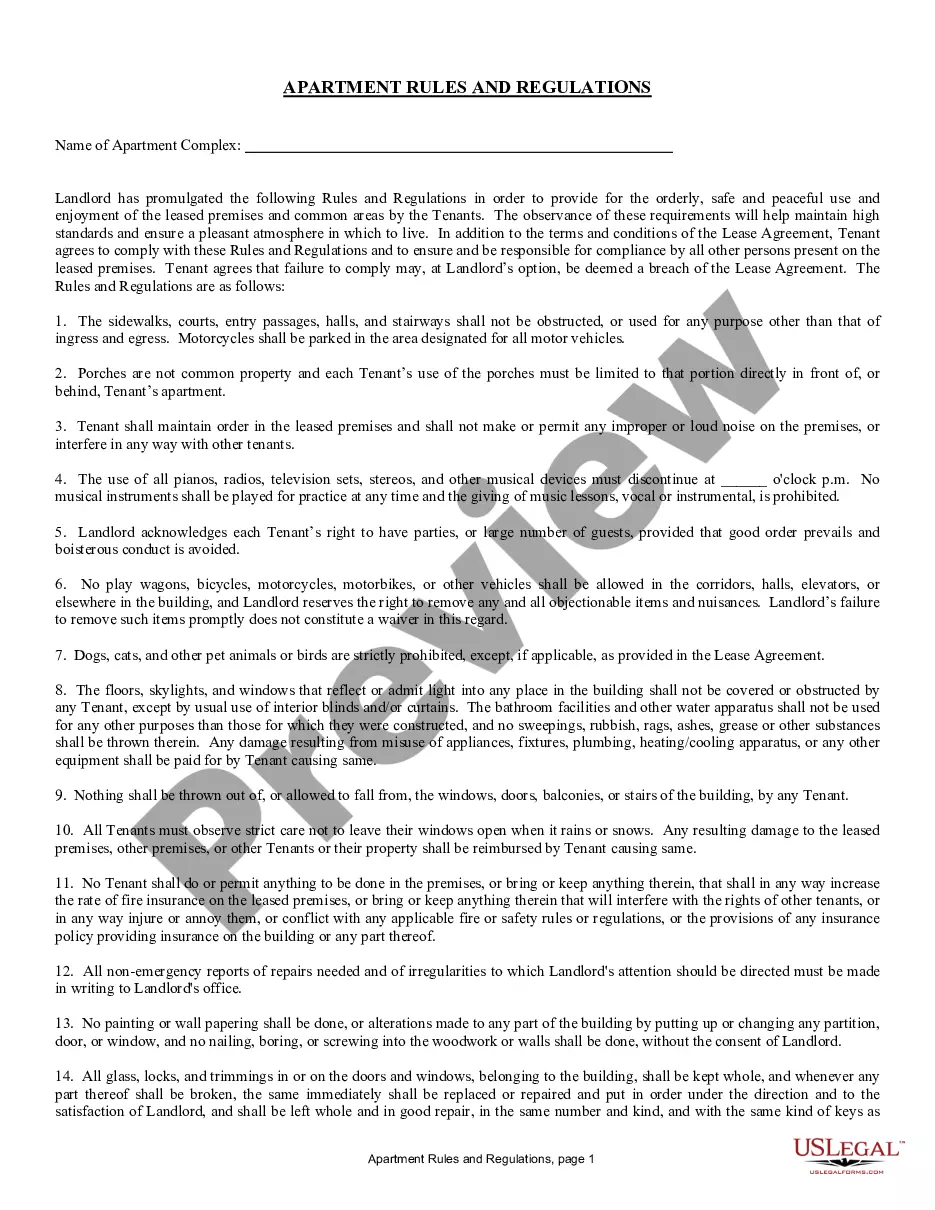
Wisconsin Letter from Tenant to Landlord with Demand that landlord repair broken windows
Understanding this form
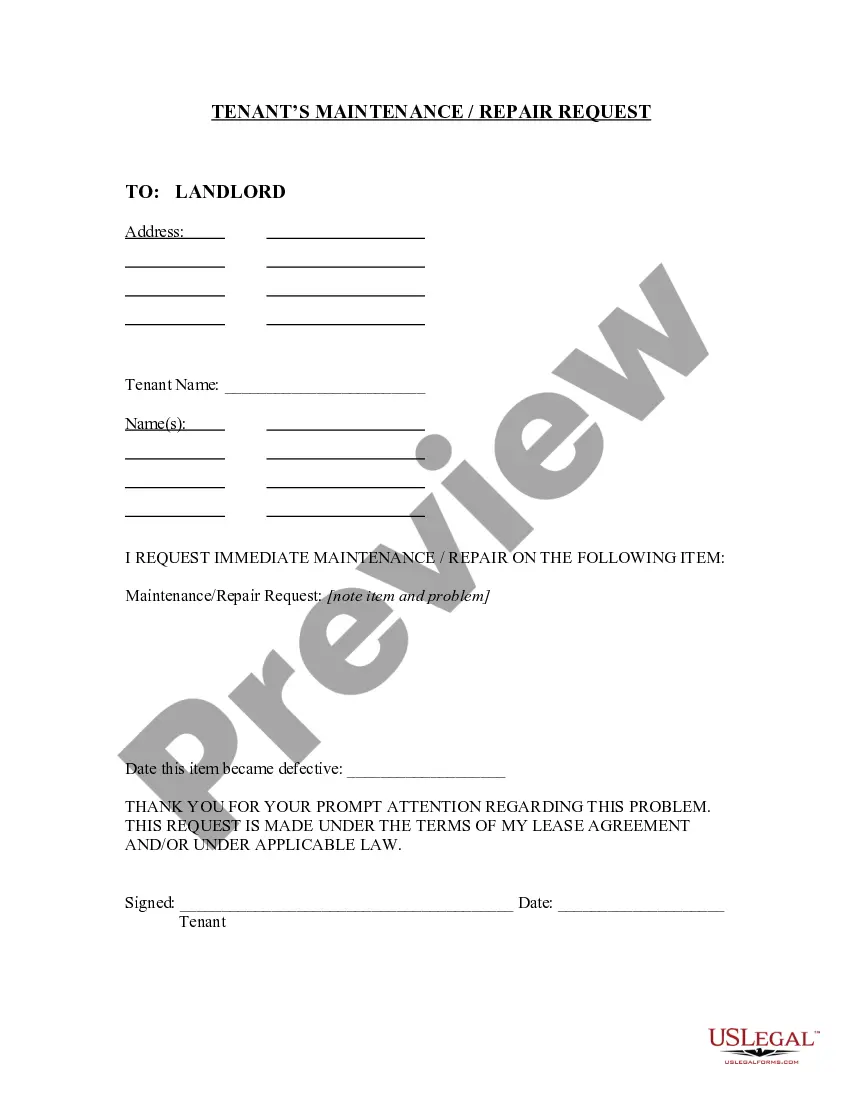
This Letter from Tenant to Landlord with Demand that landlord repair broken windows is a formal notification from a tenant to their landlord. It requests urgent repairs for broken windows, ensuring the property remains in a habitable condition. This form serves to inform the landlord of their obligation to maintain the premises and helps protect the tenant's rights in a rental agreement.
What’s included in this form
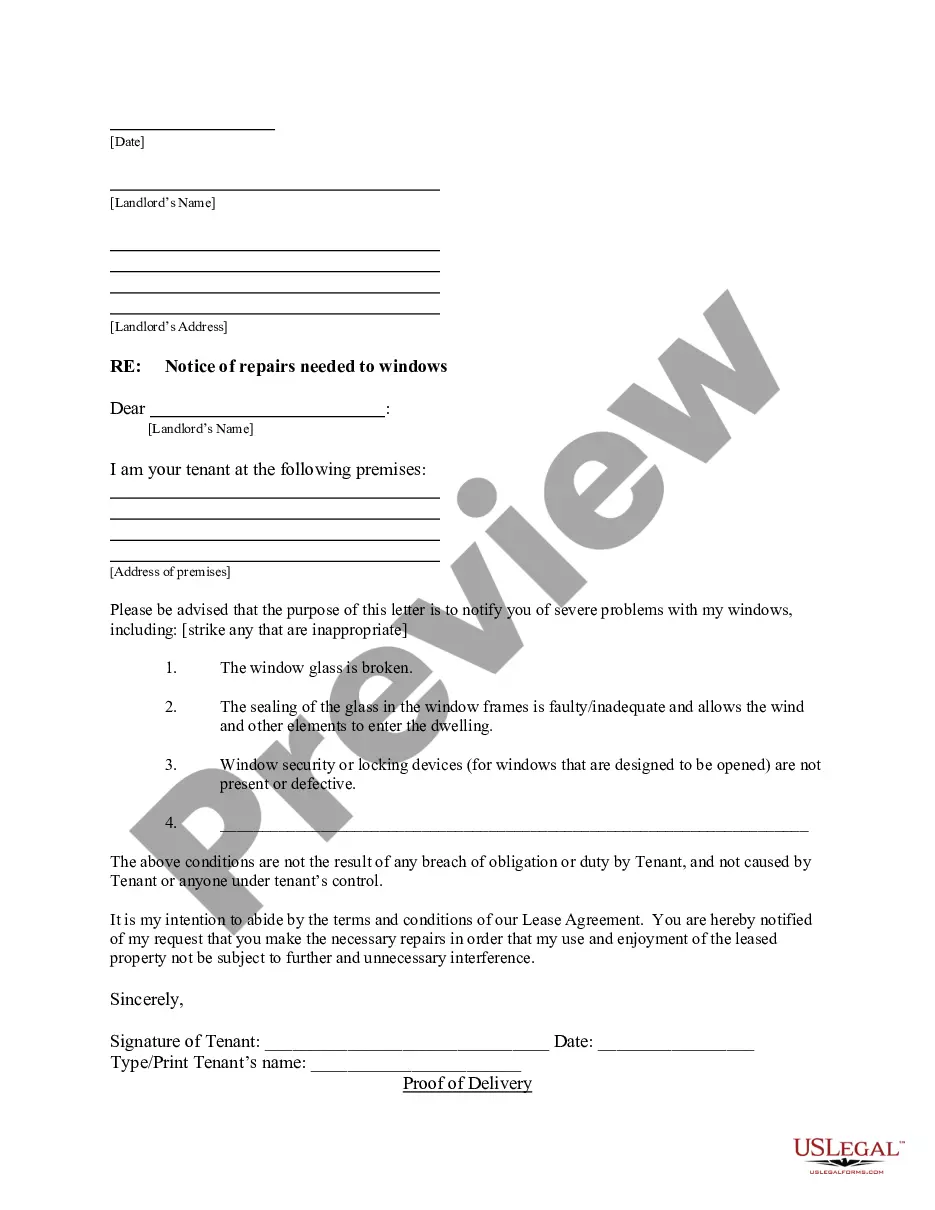
- A description of the specific issues related to the windows, including broken glass and inadequate sealing.
- A declaration that the mentioned issues are not caused by the tenant or their actions.
- A clear request for repair to maintain the tenantable condition of the property.
- Signature of the tenant and date of the request.
When this form is needed
This form should be used when a tenant discovers broken windows or related issues that affect the safety and comfort of their residence. It is particularly relevant when such problems have not been addressed by the landlord in a timely manner, and the tenant wishes to formally document their request for repairs while reminding the landlord of their legal obligations.
Who can use this document
- Tenants who experience problems with broken windows in their leased property.
- Individuals who want to formally document their repair requests to their landlord.
- Renters concerned about their rights regarding property maintenance and tenantable conditions.
Steps to complete this form
- Identify and describe the specific problems with the windows.
- Ensure the issues listed are not caused by your actions as a tenant.
- State your intention to follow the lease agreement.
- Sign the letter to confirm your request and enter the date.
- Provide your printed name for clarity.
Does this form need to be notarized?
This form does not typically require notarization to be legally valid. However, some jurisdictions or document types may still require it. US Legal Forms provides secure online notarization powered by Notarize, available 24/7 for added convenience.
Get your form ready online
Our built-in tools help you complete, sign, share, and store your documents in one place.
Make edits, fill in missing information, and update formatting in US Legal Forms—just like you would in MS Word.
Download a copy, print it, send it by email, or mail it via USPS—whatever works best for your next step.
Sign and collect signatures with our SignNow integration. Send to multiple recipients, set reminders, and more. Go Premium to unlock E-Sign.
If this form requires notarization, complete it online through a secure video call—no need to meet a notary in person or wait for an appointment.
We protect your documents and personal data by following strict security and privacy standards.

Make edits, fill in missing information, and update formatting in US Legal Forms—just like you would in MS Word.

Download a copy, print it, send it by email, or mail it via USPS—whatever works best for your next step.

Sign and collect signatures with our SignNow integration. Send to multiple recipients, set reminders, and more. Go Premium to unlock E-Sign.

If this form requires notarization, complete it online through a secure video call—no need to meet a notary in person or wait for an appointment.

We protect your documents and personal data by following strict security and privacy standards.
Typical mistakes to avoid
- Failing to specify all relevant issues with the windows.
- Not signing or dating the letter, which may render it ineffective.
- Using vague language instead of clearly stating the nature of the problems.
Why complete this form online
- Convenience of instant access and downloading from any location.
- Easily editable to customize your specific repair requests.
- Reliable formatting ensuring compliance with legal standards.
Legal use & context
- This form is legally recognized as a way to document a tenant's request for repairs.
- It helps establish a written record should disputes arise between tenants and landlords.
- Timely submission of this form can be crucial in enforcing your rental rights.
Summary of main points
- The form is essential for tenants needing repairs for broken windows.
- Clarity and specificity are crucial when detailing issues.
- Proper documentation can protect tenants' rights and enforce landlord obligations.
Looking for another form?
Form popularity
FAQ
Dear (Name of landlord or manager), I am writing to request repairs to the (appliance, heating/air conditioning, plumbing issue be specific!) due to (reason for repair; this could include things such as broken handle, leaky sink hose, even normal wear-and-tear that would necessitate replacement).
Your landlord is responsible for most major repairs to your home if you rent privately. This includes: the structure of the property, for example walls, roof, windows and doors. sinks, baths, toilets.
When it comes to a rental property, however, windows that are merely drafty and do not pose any type of safety hazard are typically not a requirement for the landlord to fix or replace. That being said, if you want to attract and keep good tenants, energy-efficient windows can be a great selling point.
Windows, like other daily-use items, wear down and need to be replaced every 15 years on average. This time frame will vary due to several factors, such as the quality of the window, climate, and window maintenance.
The Rule of Thumb in YearsYou could buy the best brand name windows in the world and they are still going to eventually break down and need to be replaced. The fact of the matter is that the basic rule of thumb with windows is 15 to 20-years.
Clearly, state what you demand to be repaired by the person. Mention the period since it has been causing a problem and that it is high time. Without being too harsh, the letter is written as a warning to the person. Address the person well.
To give you an idea, it's in good taste to start your letter "Dear Mr./Ms. Insert Name Here," as is the case with any polite letter. No matter how much you might want to give your landlord a piece of your mind, do yourself a favor and refrain from calling him a slumlord.
Property Needs to Meet Local Health and Building Codes. Visible Mold. Pests. Changing Locks. Heat, Electric, Hot and Cold Water. Structural Integrity and Weather Protected. Regularly Discarding Trash. Damage Caused by the Tenant or Their Guests.
You hear a lot of outside noise. You feel a draft, even when your windows are closed. Window frames are soft, chipped or water damaged. Difficulty opening, closing and locking windows. Condensation build up between glass layers or cracked window glass.