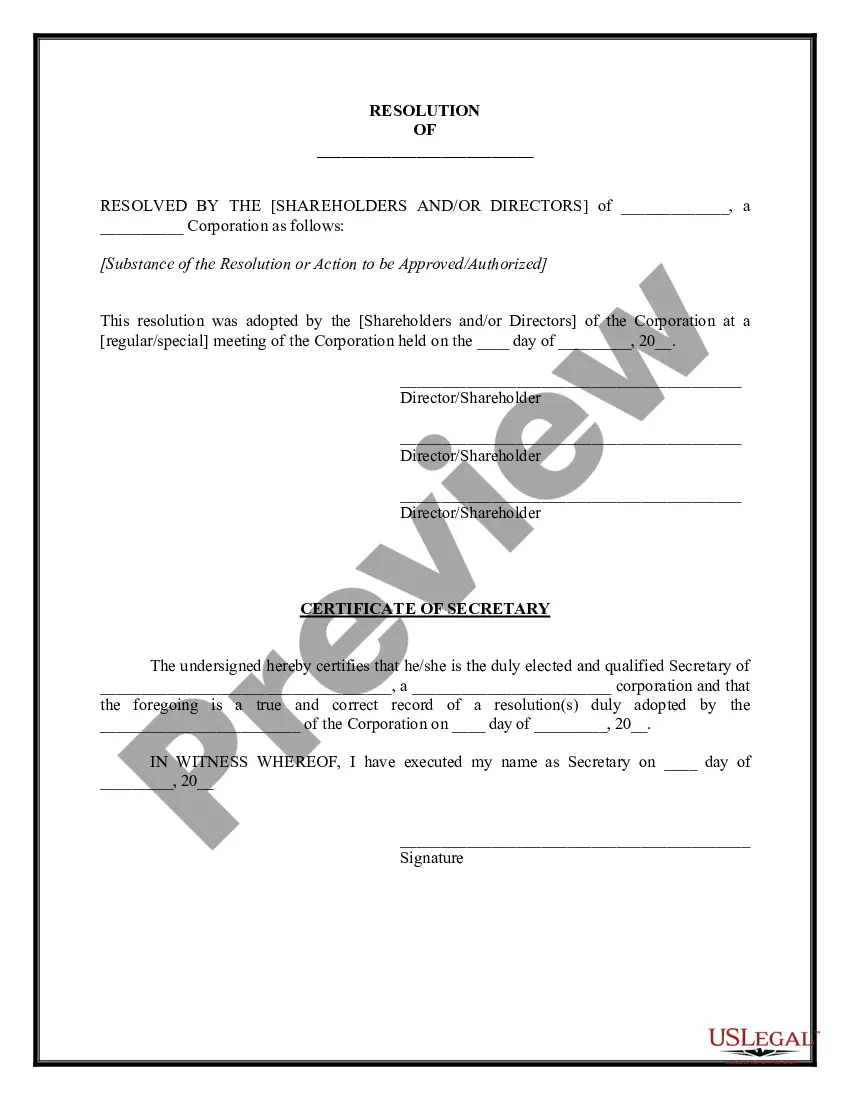
Wisconsin Quitclaim Deed - Life Estate - from an Individual to Nine Individuals.
What is this form?
The Quitclaim Deed - Life Estate from an Individual to Nine Individuals is a legal document that allows an individual (the Grantor) to transfer their interest in a property to nine individuals (the Grantees). This form is distinct from warranty deeds, as it does not guarantee that the Grantor has clear title to the property. It is suitable for conveying property in a life estate arrangement, meaning the Grantor retains certain rights to the property until their death, after which it passes to the Grantees.
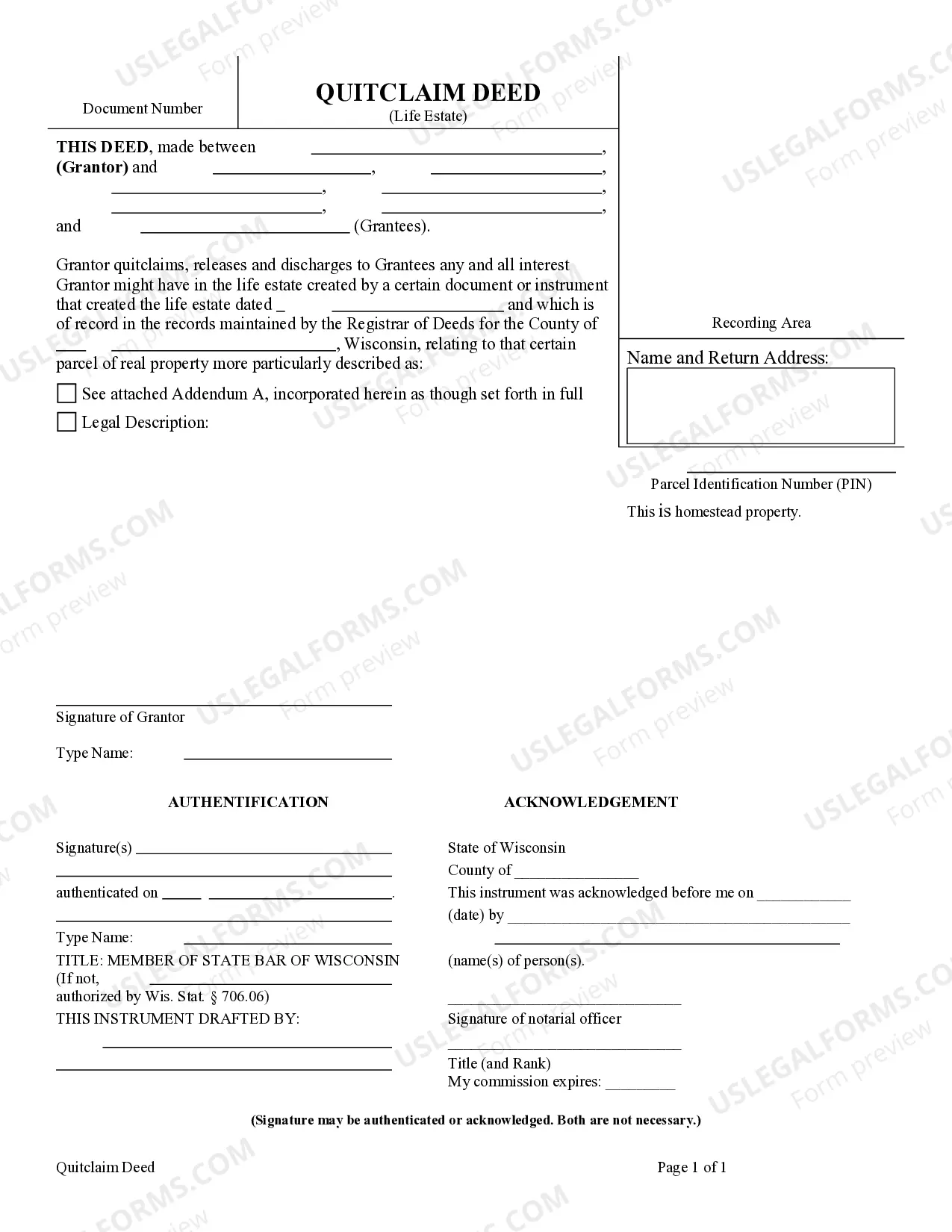
Key components of this form
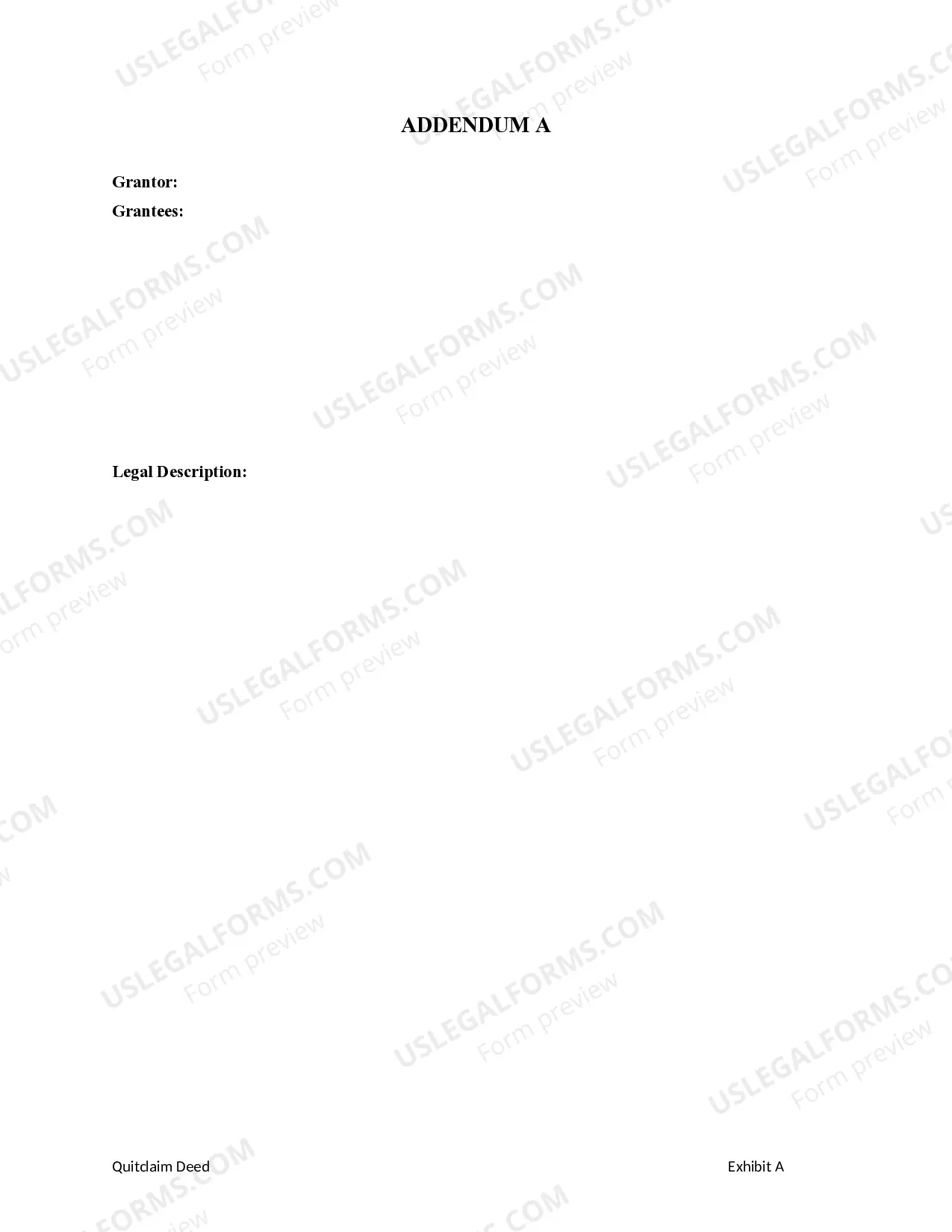
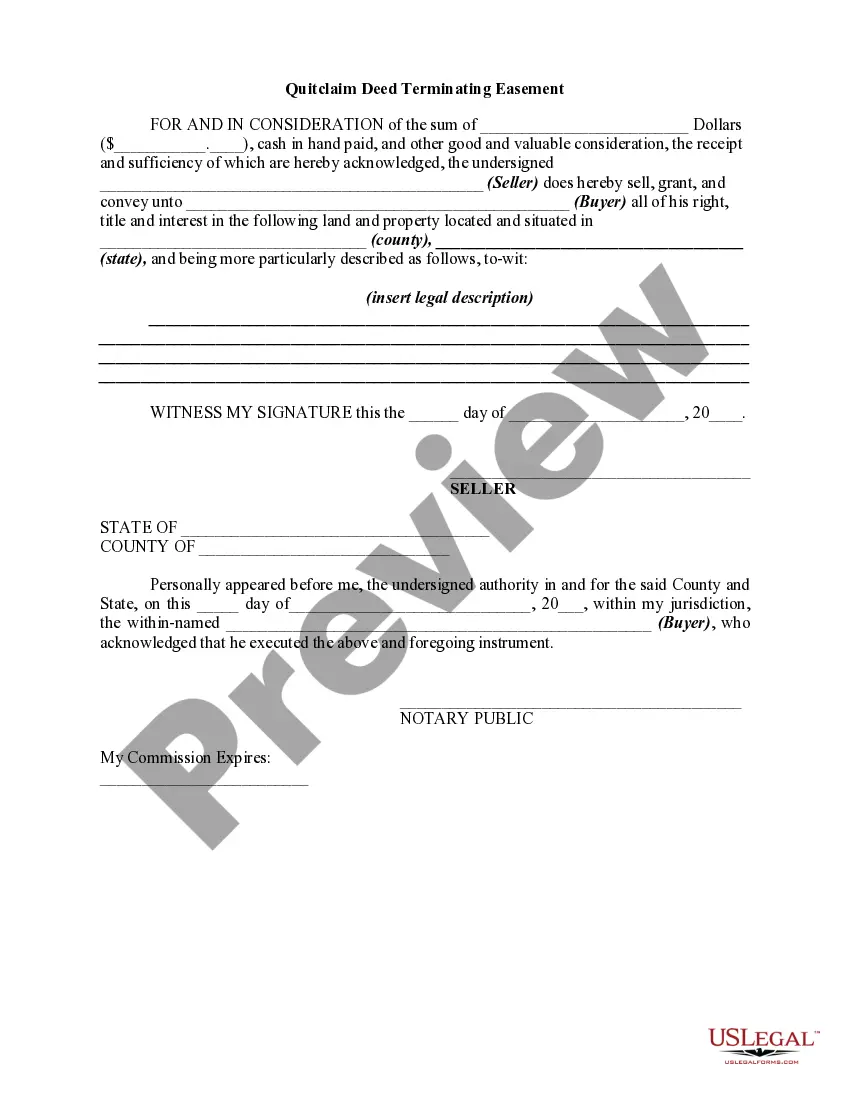
- Identification of the Grantor and Grantees.
- Description of the property being conveyed.
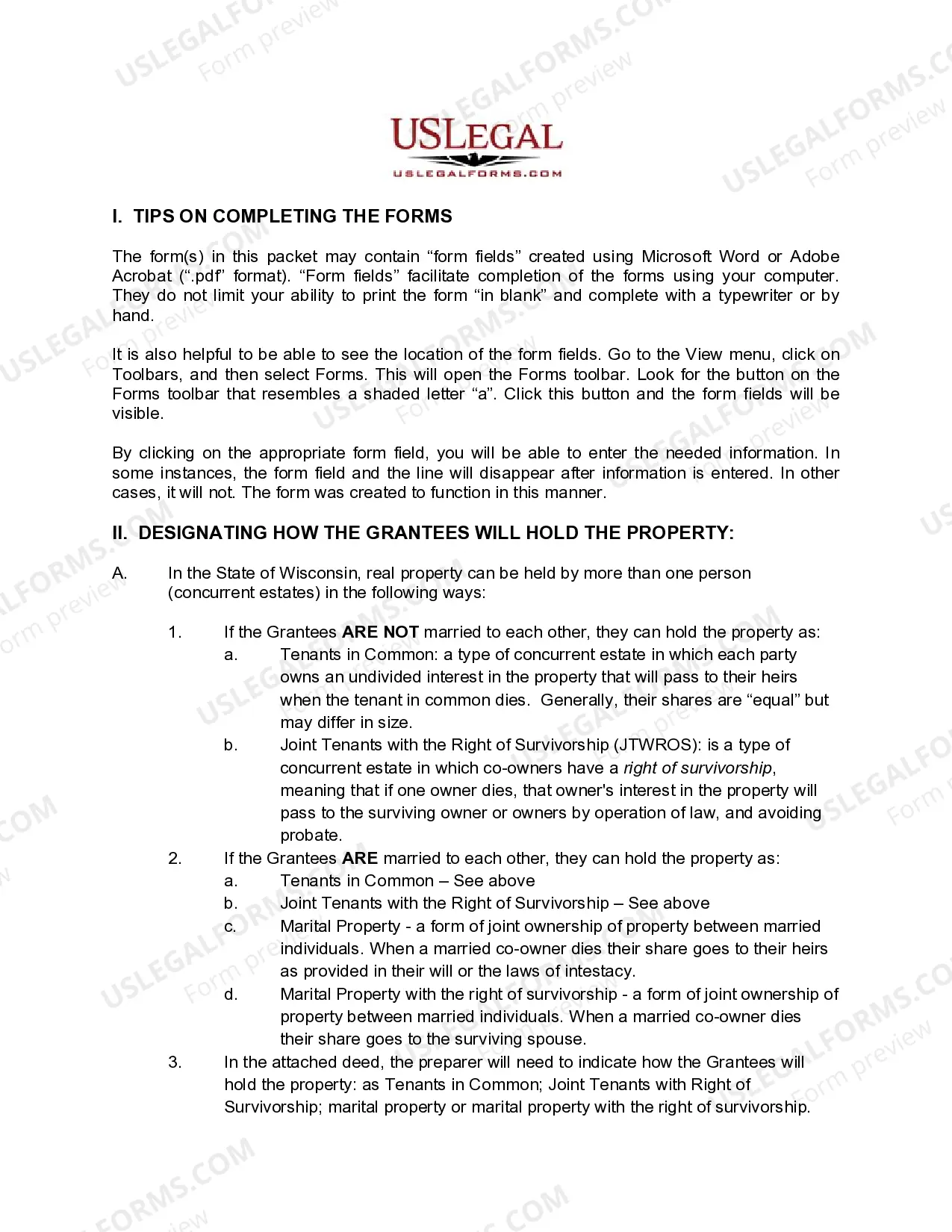
- Specification of how the Grantees will hold the property.
- Signatures of the Grantor and witnesses (if applicable).
- Notary section for verification of signatures.


Situations where this form applies
This form is typically used when an individual wishes to transfer their property interest to multiple parties, especially in circumstances such as family gifts, estate planning, or transferring property among co-owners. It is particularly useful in scenarios involving life estates, allowing the Grantor to maintain use of the property during their lifetime while ensuring a smooth transition to the Grantees afterward.
Who can use this document
The following individuals may benefit from using this form:
- Property owners wishing to transfer their interest to multiple individuals.
- Heirs involved in estate planning or property distribution.
- Individuals creating a life estate arrangement.
- Family members transferring property as part of a gift.
How to complete this form
- Identify all parties: Enter the full names of the Grantor and all nine Grantees.
- Specify the property: Provide a legal description of the property being conveyed.
- Designate the ownership type: Choose how the Grantees will hold the property (e.g., tenants in common or joint tenants).
- Sign the document: The Grantor should sign the deed in the presence of a notary.
- Record the deed: File the completed quitclaim deed with the appropriate county office to finalize the transfer.
Is notarization required?
Yes, this form must be notarized to be legally valid. Notarization ensures that the signatures are witnessed by a certified notary public, which adds an extra layer of authenticity to the document. U.S. Legal Forms offers integrated online notarization services for your convenience, available 24/7 through secure video calls.
Get your form ready online
Our built-in tools help you complete, sign, share, and store your documents in one place.
Make edits, fill in missing information, and update formatting in US Legal Forms—just like you would in MS Word.
Download a copy, print it, send it by email, or mail it via USPS—whatever works best for your next step.
Sign and collect signatures with our SignNow integration. Send to multiple recipients, set reminders, and more. Go Premium to unlock E-Sign.
If this form requires notarization, complete it online through a secure video call—no need to meet a notary in person or wait for an appointment.
We protect your documents and personal data by following strict security and privacy standards.

Make edits, fill in missing information, and update formatting in US Legal Forms—just like you would in MS Word.

Download a copy, print it, send it by email, or mail it via USPS—whatever works best for your next step.

Sign and collect signatures with our SignNow integration. Send to multiple recipients, set reminders, and more. Go Premium to unlock E-Sign.

If this form requires notarization, complete it online through a secure video call—no need to meet a notary in person or wait for an appointment.

We protect your documents and personal data by following strict security and privacy standards.
Mistakes to watch out for
- Failing to identify all Grantees accurately.
- Not including a clear legal description of the property.
- Neglecting to specify how the Grantees will hold the property.
- Missing signatures from the Grantor or witnesses.
- Not recording the deed with local authorities after completion.
Why complete this form online
- Convenient access to legally-sound templates drafted by licensed attorneys.
- Edit and customize the form digitally before downloading it.
- Save time and resources by completing the form at your own pace.
- Easy storage and retrieval of your legal documents in digital format.
Summary of main points
- The Quitclaim Deed allows for easy transfer of property interest to multiple individuals, especially in life estate scenarios.
- Careful completion and notarization are essential for the document to be enforceable.
- This form is particularly useful for estate planning and family property transfers.
- Consulting with a legal professional can help avoid common mistakes.
Looking for another form?
Form popularity
FAQ
It's usually a very straightforward transaction, but it's possible for a quitclaim deed to be challenged. If a quitclaim deed is challenged in court, the issue becomes whether the property was legally transferred and if the grantor had the legal right to transfer the property.
A quitclaim deed is a deed (proof of ownership) that is passed from a grantor (the existing property owner) to a grantee (the new property owner) that does not have a warranty.A quitclaim deed has no guarantees for the grantor or grantee.
Wisconsin's Transfer on Death Deed. Wisconsin's Transfer on Death Deed (TOD Deed) allows for the non-probate transfer of real property upon death. This seemingly simple law, Wisconsin Statute 705.15, can be used as a powerful estate planning tool, in the right circumstances.
Yes, you can use a Quitclaim Deed to transfer a gift of property to someone. You must still include consideration when filing your Quitclaim Deed with the County Recorder's Office to show that title has been transferred, so you would use $10.00 as the consideration for the property.
Quitclaim deeds are most often used to transfer property between family members. Examples include when an owner gets married and wants to add a spouse's name to the title or deed, or when the owners get divorced and one spouse's name is removed from the title or deed.
Step 1: Download the WI quitclaim deed form. Step 2: Fill in the appropriate information. Step 3: Add the name and return address of the person and place where you wish to have the deed sent when the Register of Deeds is done recording the information.
But you might be wondering if an owner can transfer a deed to another person without a real estate lawyer. The answer is yes. Parties to a transaction are always free to prepare their own deeds.A quitclaim deed, for example, is far simpler than a warranty deed.
To use a Quitclaim Deed to add someone to a property deed or title, you would need to create a Quitclaim Deed and list all of the current owners in the grantor section. In the grantee section, you would list all of the current owners as well as the person you would like to add.