Wisconsin Excavator Contract for Contractor
What this document covers
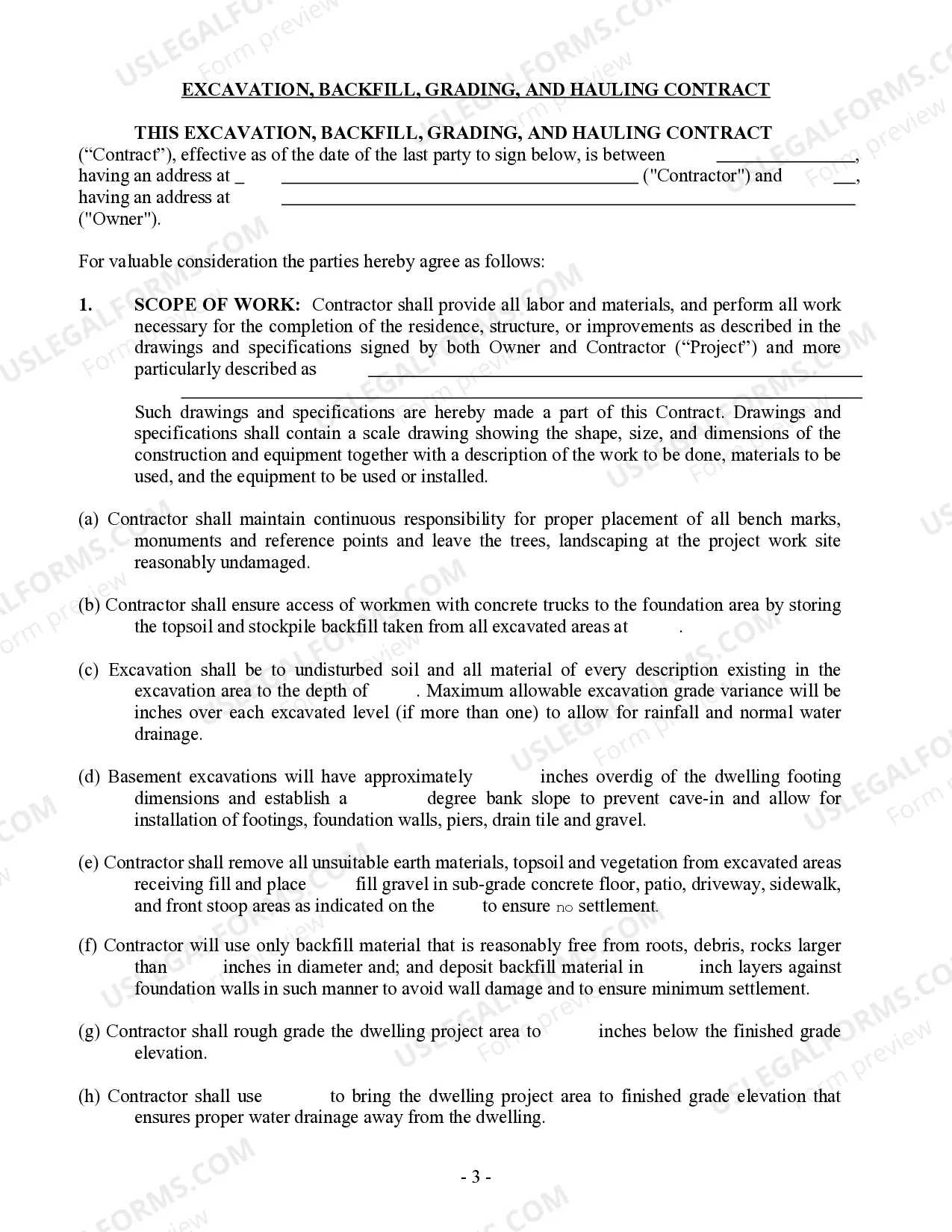
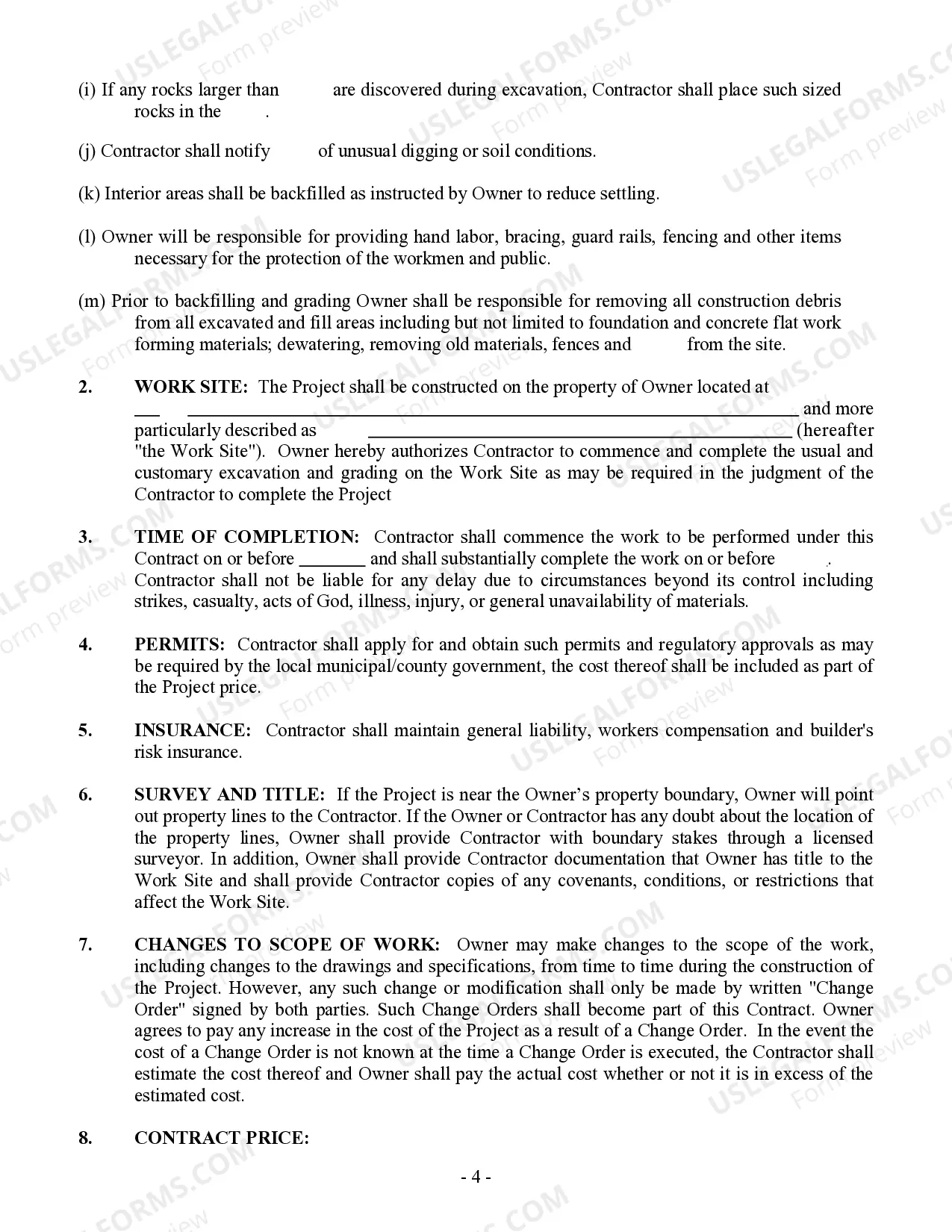
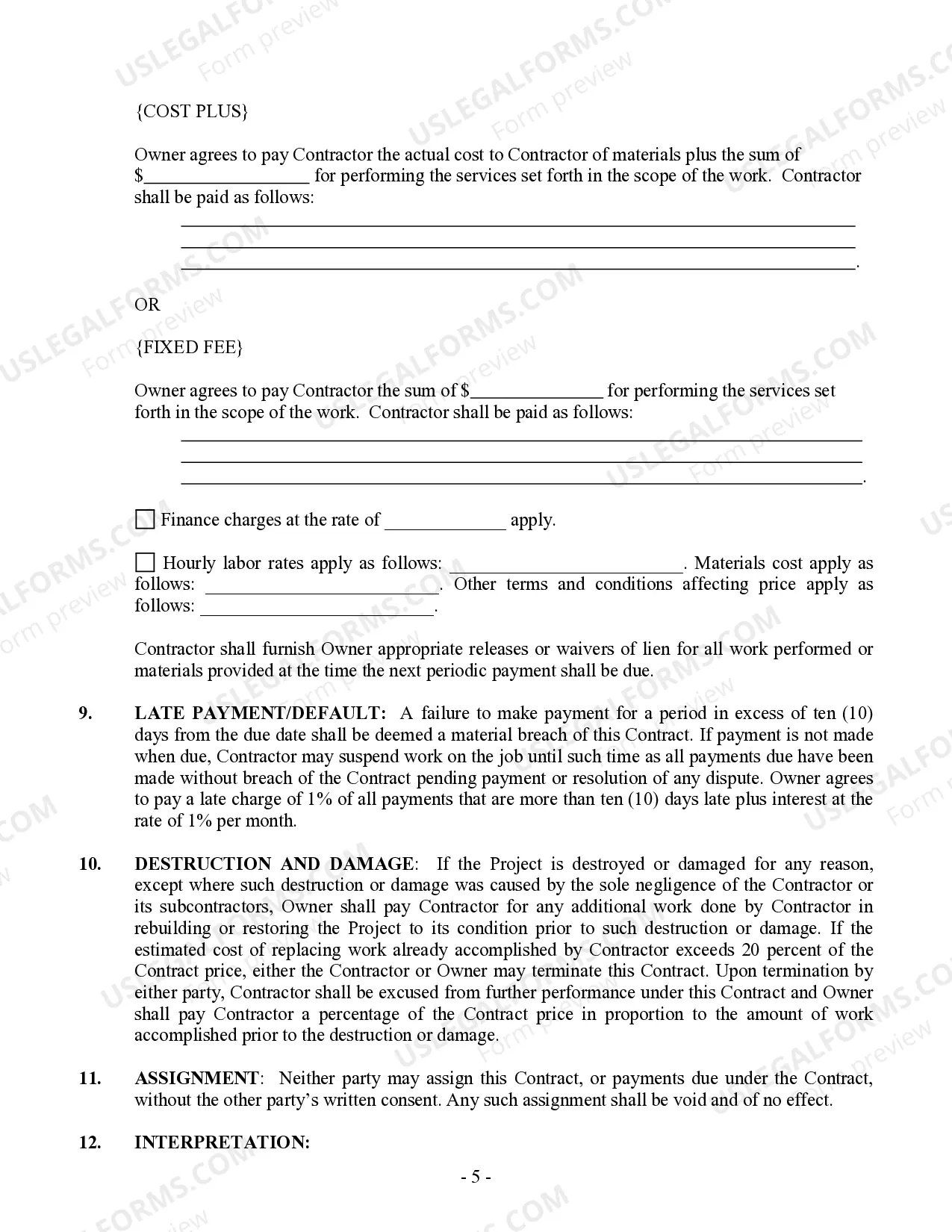
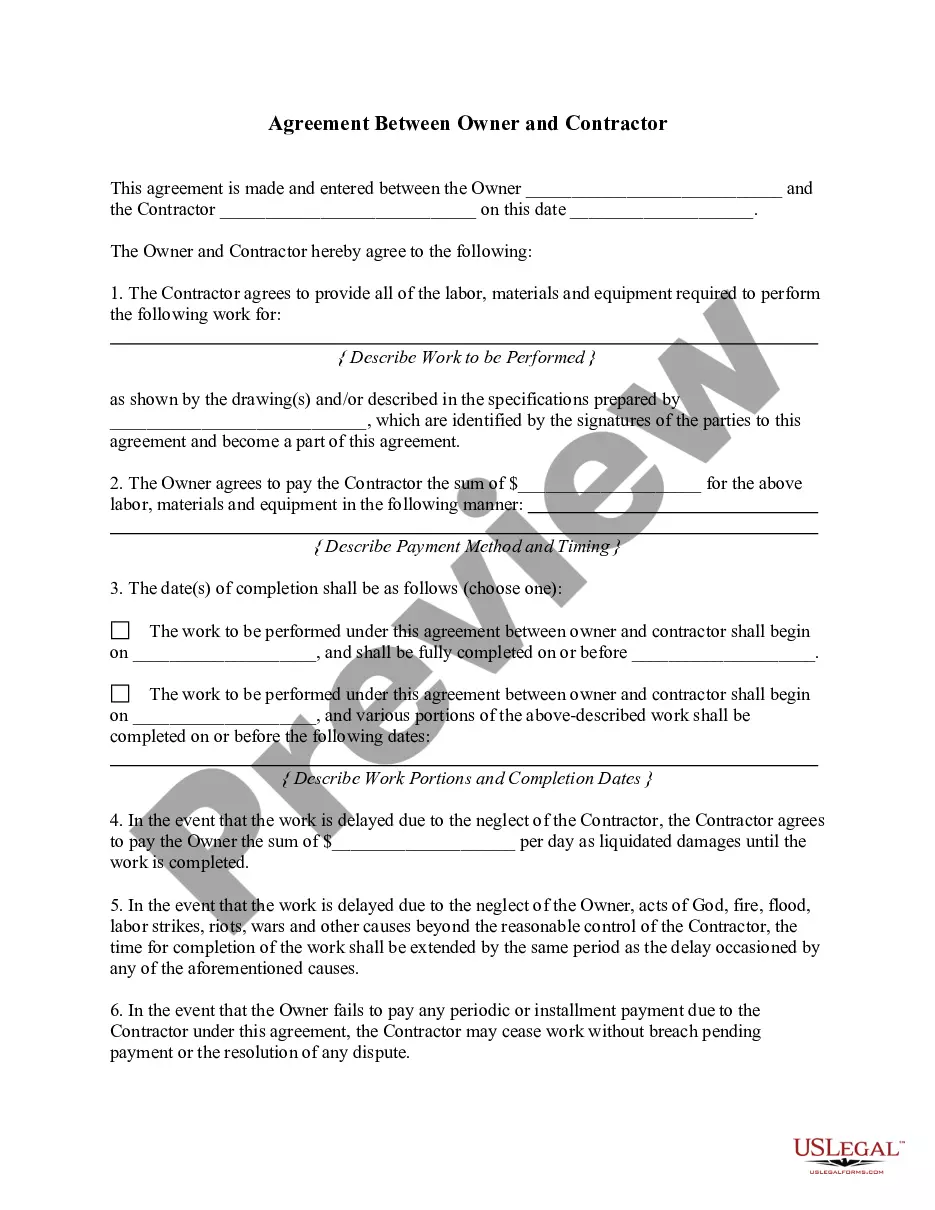
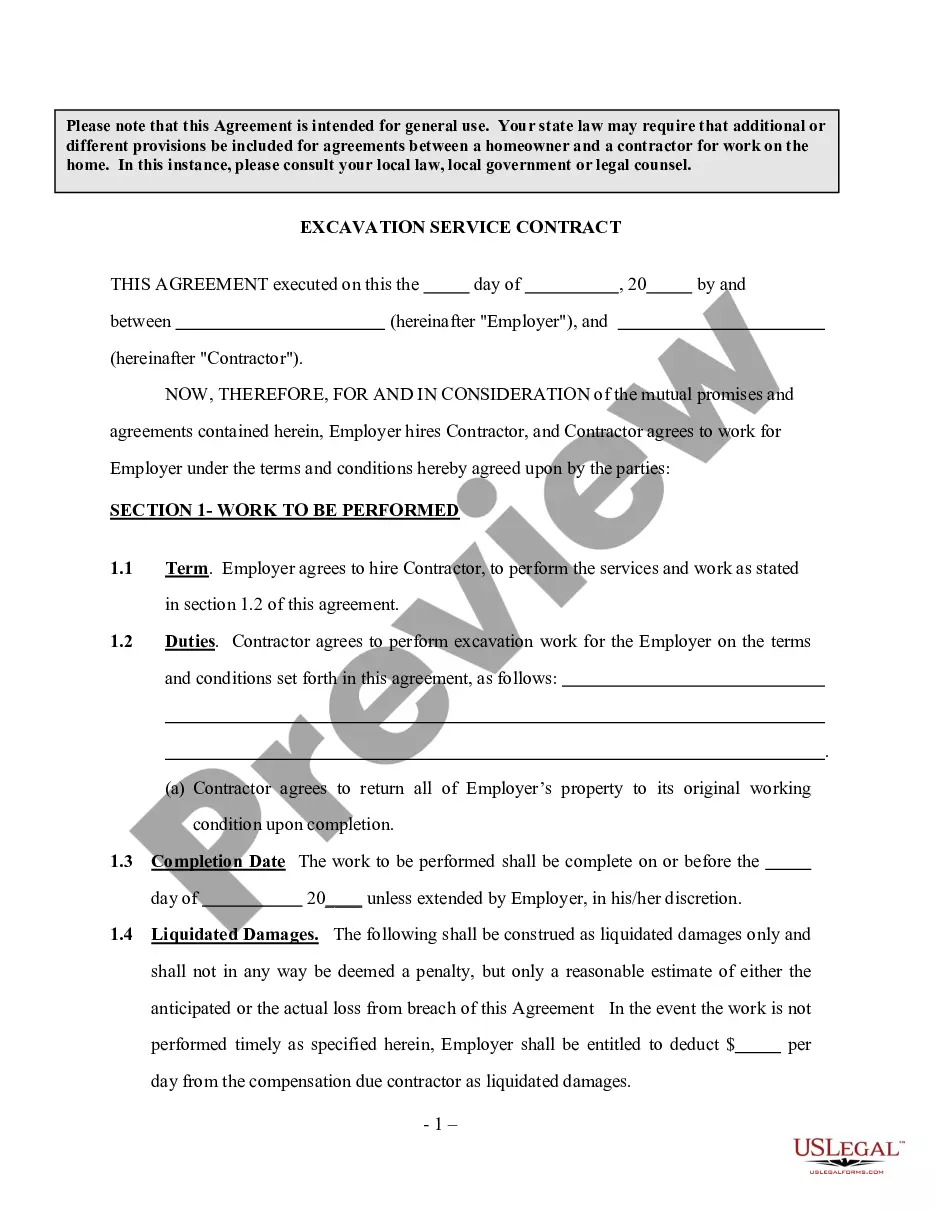
The Excavator Contract for Contractor is a legal document that outlines the terms of engagement between excavator contractors and property owners. This essential contract specifies payment arrangements (either cost plus or fixed fee) and addresses critical aspects such as change orders, site information, warranties, and insurance requirements. It is specifically designed to comply with Wisconsin law, ensuring that both parties are aware of their rights and obligations throughout the excavation project.
Key parts of this document
- Payment terms: Specify if the payment arrangement is cost plus or fixed fee.
- Change orders: Procedures for modifying the scope of work and associated costs.
- Insurance requirements: Detailed requirements for general liability and workers' compensation insurance.
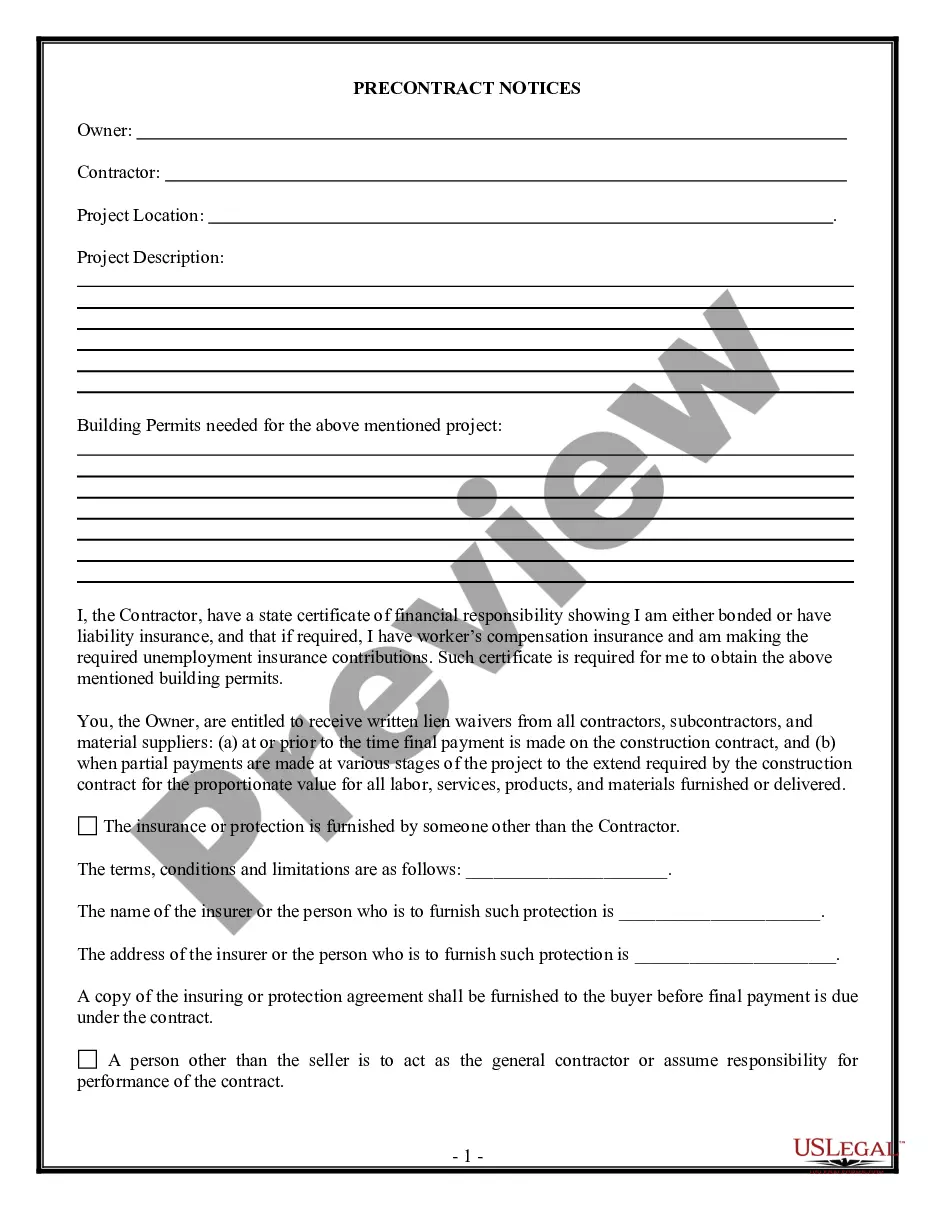
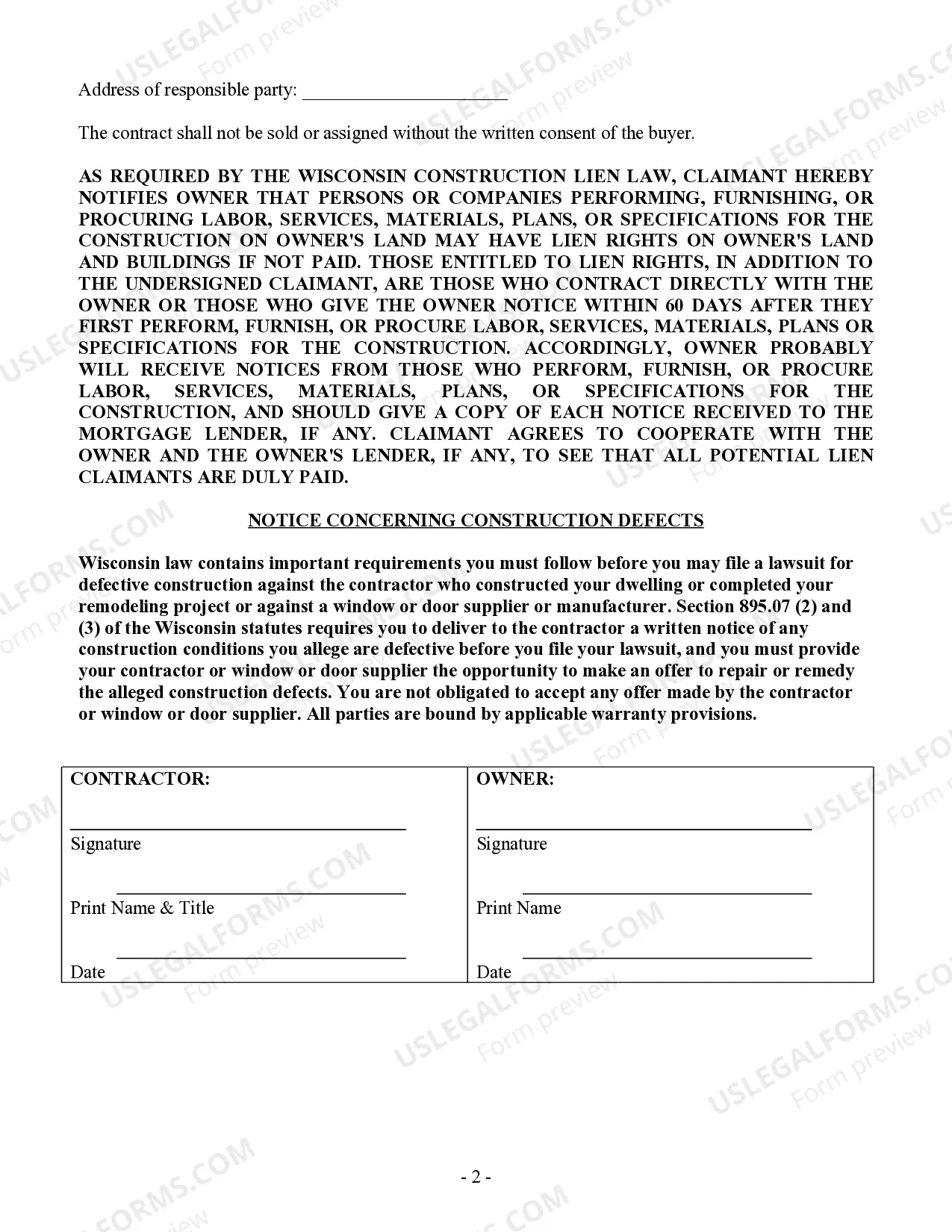
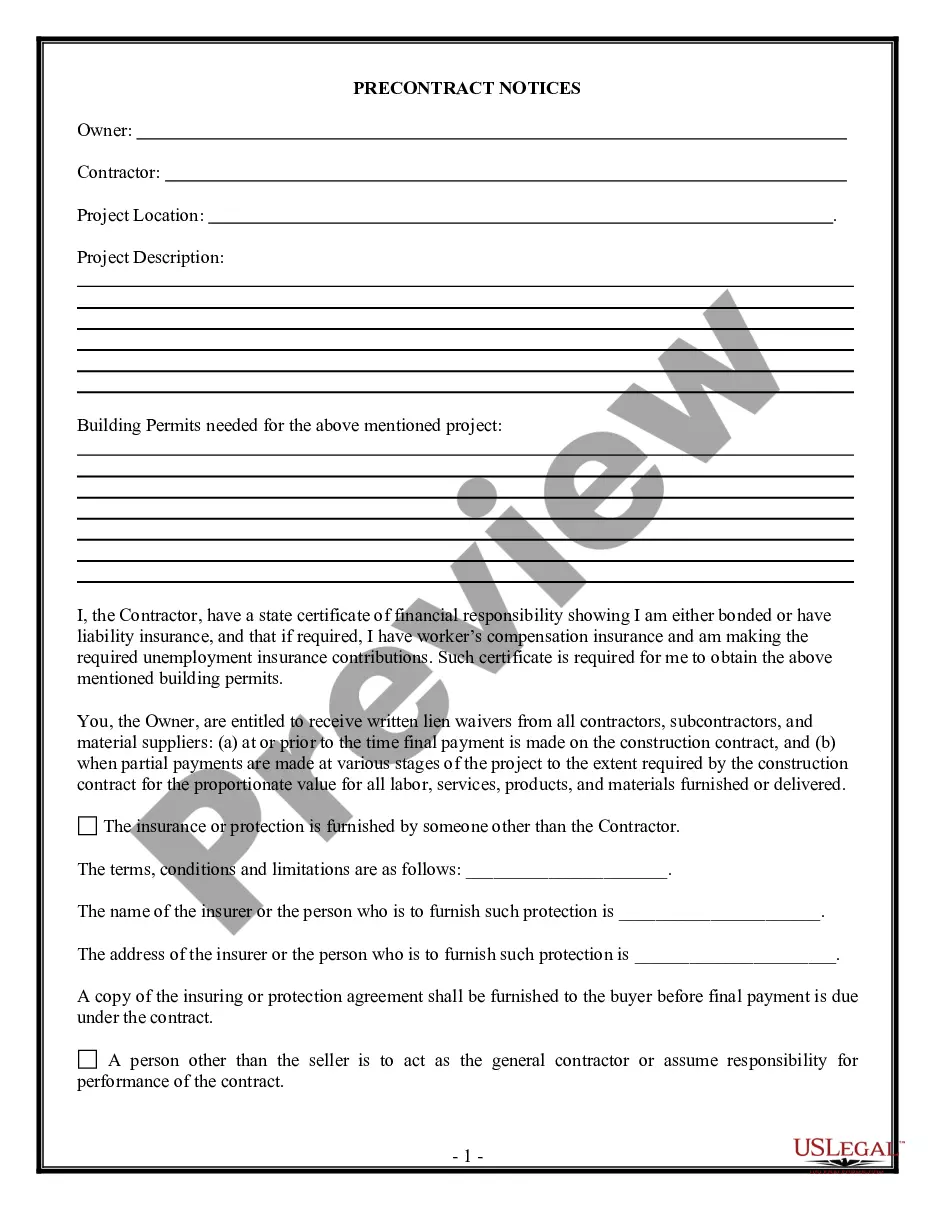
- Liens and notices: Information on lien waivers and notice obligations under Wisconsin law.
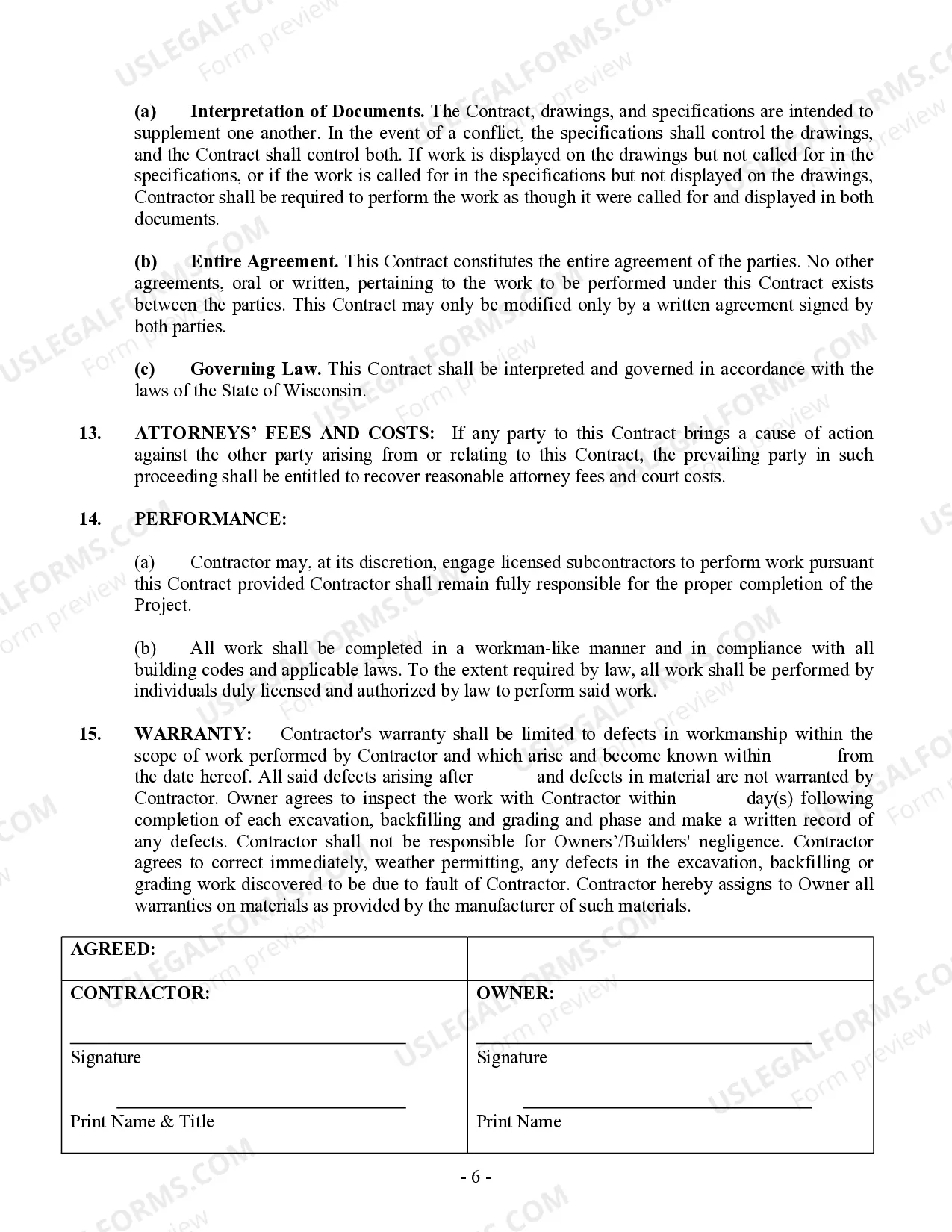
- Termination clauses: Conditions under which the contract can be terminated due to project damage or destruction.
- Dispute resolution: Terms regarding legal fees and costs if any legal action arises from the contract.



Common use cases
This Excavator Contract should be used when property owners hire an excavation contractor for construction projects, such as building foundations, landscaping, or any significant site excavation work. It is particularly useful when there is a need to outline clear terms of payment, scope of work, and other legal protections, especially in the State of Wisconsin.
Who needs this form
- Property owners looking to hire excavation services.
- Excavation contractors seeking to formalize agreements with clients.
- Construction project managers involved in site preparation tasks.
- Anyone needing a legally binding contract to ensure compliance with state laws.
How to prepare this document
- Identify the parties: Enter the names and addresses of the property owner and the contractor.
- Specify payment terms: Choose whether the payment structure will be cost plus or fixed fee.
- Outline the scope of work: Clearly define the work to be done, including any drawings or specifications.
- Insert insurance details: Provide the name and address of the insurance provider and any relevant policy numbers.
- Include signatures: Ensure that both parties sign the contract to make it legally binding.
Notarization requirements for this form
Notarization is not commonly needed for this form. However, certain documents or local rules may make it necessary. Our notarization service, powered by Notarize, allows you to finalize it securely online anytime, day or night.
Get your form ready online
Our built-in tools help you complete, sign, share, and store your documents in one place.
Make edits, fill in missing information, and update formatting in US Legal Forms—just like you would in MS Word.
Download a copy, print it, send it by email, or mail it via USPS—whatever works best for your next step.
Sign and collect signatures with our SignNow integration. Send to multiple recipients, set reminders, and more. Go Premium to unlock E-Sign.
If this form requires notarization, complete it online through a secure video call—no need to meet a notary in person or wait for an appointment.
We protect your documents and personal data by following strict security and privacy standards.

Make edits, fill in missing information, and update formatting in US Legal Forms—just like you would in MS Word.

Download a copy, print it, send it by email, or mail it via USPS—whatever works best for your next step.

Sign and collect signatures with our SignNow integration. Send to multiple recipients, set reminders, and more. Go Premium to unlock E-Sign.

If this form requires notarization, complete it online through a secure video call—no need to meet a notary in person or wait for an appointment.

We protect your documents and personal data by following strict security and privacy standards.
Common mistakes to avoid
- Failing to specify insurance details can lead to liability issues.
- Not including a clear payment schedule may result in payment disputes.
- Ignoring change order procedures can cause confusion regarding additional work.
- Missing signatures from either party, which makes the contract unenforceable.
Why use this form online
- Convenient access: Downloadable and easily modifiable to suit specific project needs.
- Legal compliance: Form drafted by licensed attorneys to ensure it meets state laws.
- Time-saving: Streamlined process for creating legal documents without needing extensive legal training.
Legal use & context
- The contract serves as a comprehensive agreement regarding excavation work.
- It protects the rights of both parties involved in the construction process.
- It aligns with Wisconsin's construction lien law, providing necessary protections against non-payment issues.
Key takeaways
- The Excavator Contract for Contractor is essential for formalizing agreements in excavation projects.
- Clear communication and documentation of payment and work terms are crucial to prevent disputes.
- This form is tailored to comply with Wisconsin state law, making it a reliable choice for local projects.
Looking for another form?





Form popularity
FAQ
A claimant must file an original and 2 signed, copies of a Wisconsin "Claim for Lien" form with the clerk of circuit court in the county where the property is located, at least thirty (30) days after service of the notice of intent to file claim for lien, but within, and no later than, 6 months from the date that the
If you want to make money through your general contracting business, you need a Wisconsin contractor license. It's a must-have, not a nice-to-have.
Homeowners can pull their own building permits, but they must first read and sign a Cautionary Statement prior to the issuance of the building permit.Electrical Contractors pulling permits need to have a State of WI Master Electrician Certification and possibly a Electrical Contractors Certification.
Service Contracts for Equipment: The sale of contracts, including service contracts, maintenance agreements, and warranties, that provide, in whole or in part, for the future performance of or payment for the repair, service, alteration, fitting, cleaning, painting, coating, towing, inspection, or maintenance of
Successful general contractors often have a degree in construction management or civil engineering, along with several years in the construction industry. Regardless of your approach, start planning three to five years in advance to become a general contractor. At a minimum, you need to: Be at least 18 years old.
In Wisconsin, a potential lien claimant must file a mechanics lien within 6 months after the last day on which labor and/or materials were furnished to the project, but at least 30 days after the filing of a Notice of Intention to File a Claim of Lien.
A "handyman" or "handyperson" is an unlicensed contractor who offers home maintenance, small home repairs and simple installation services. They may do minor carpentry, plumbing, electrical work, painting, plastering or drywall work, but nothing requiring a license or permit.
Many states do allow homeowners to act as a contractor for their own home.No general contractor overseeing home construction comes cheap. Most general contractors charge between 10-percent to 20-percent of the overall cost of the home build, and this includes permits and materials.