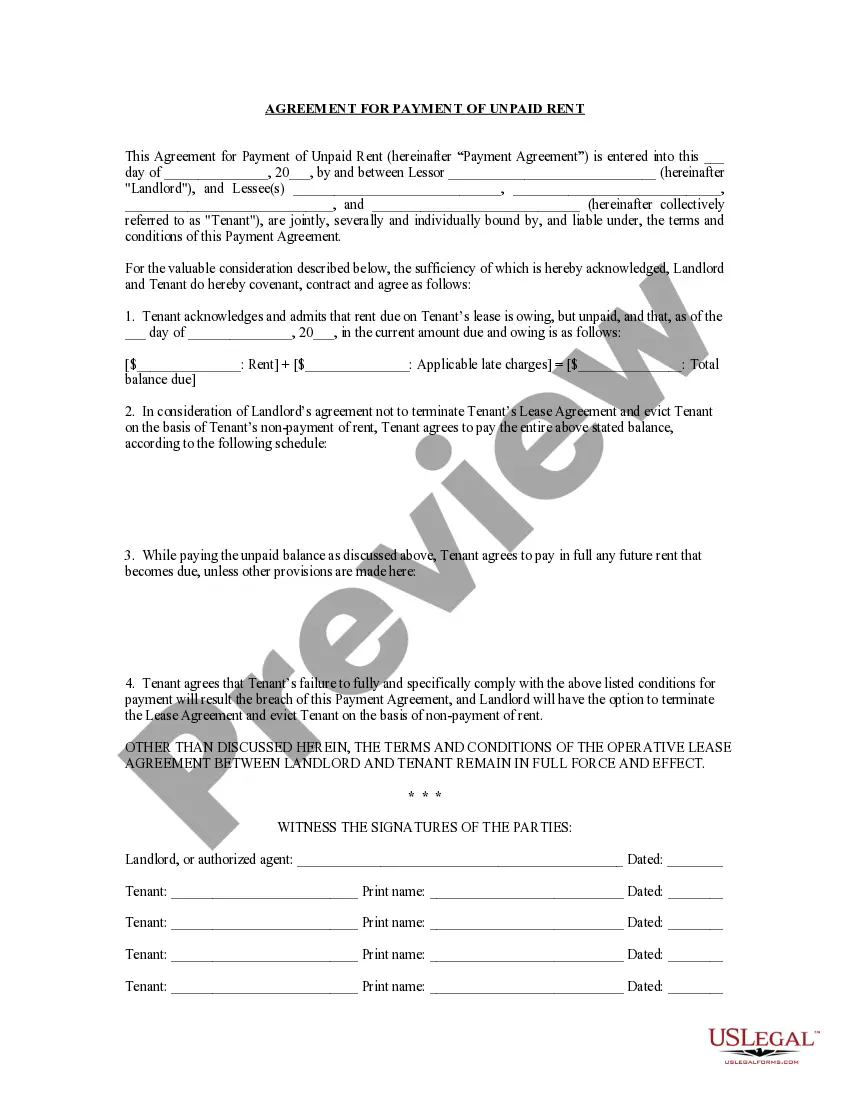
Washington Satisfaction, Release or Cancellation of Deed of Trust by Corporation
What is this form?
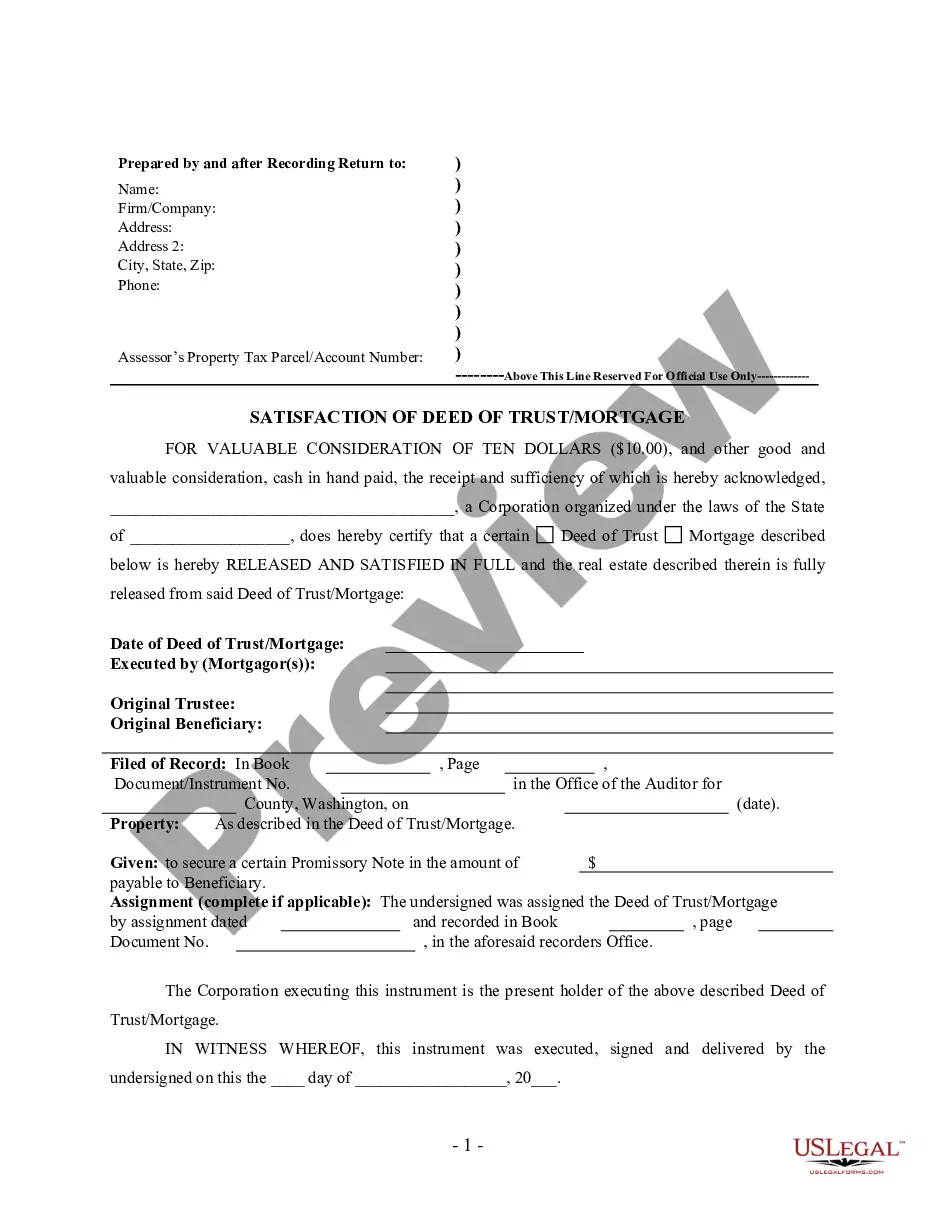
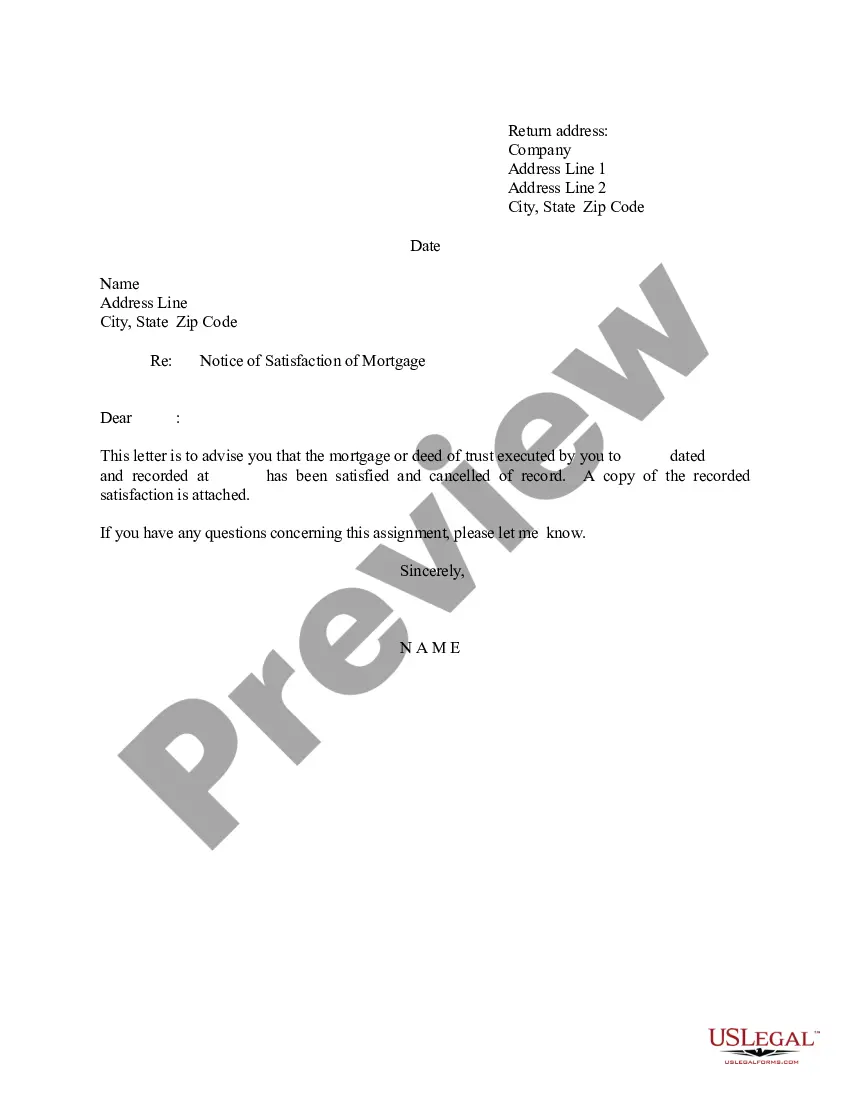
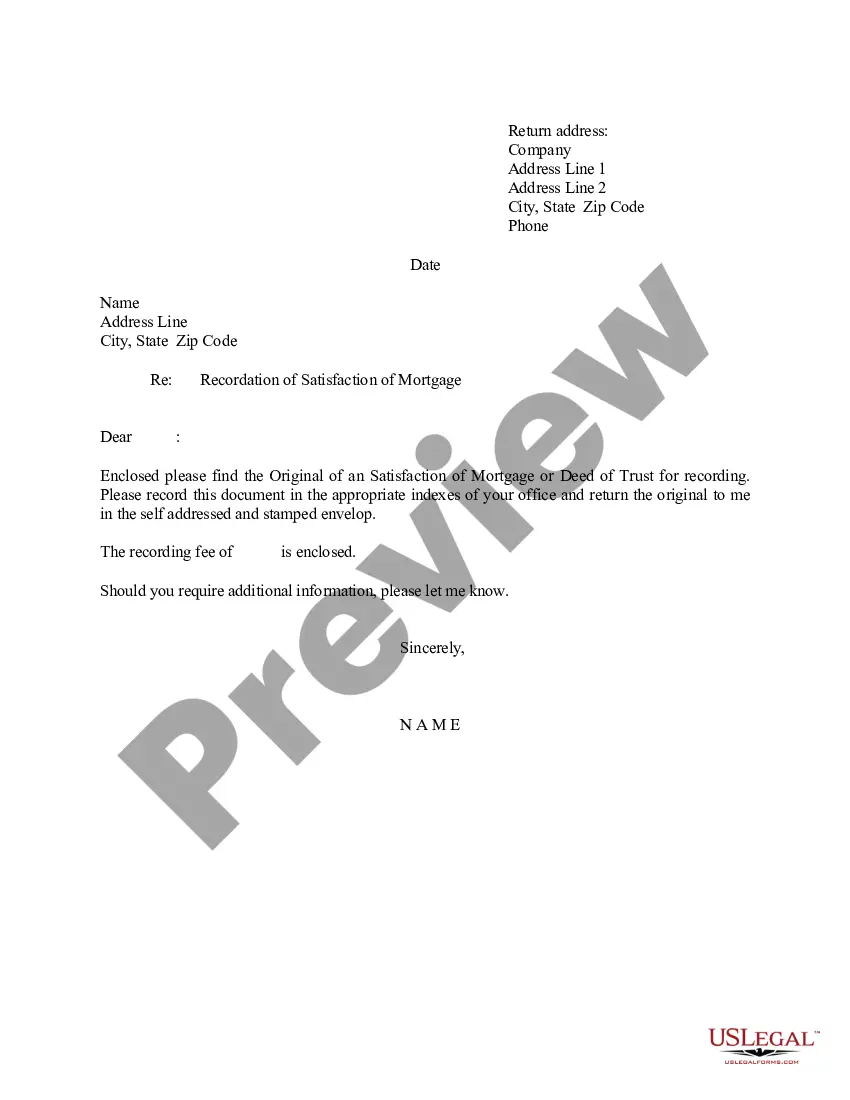
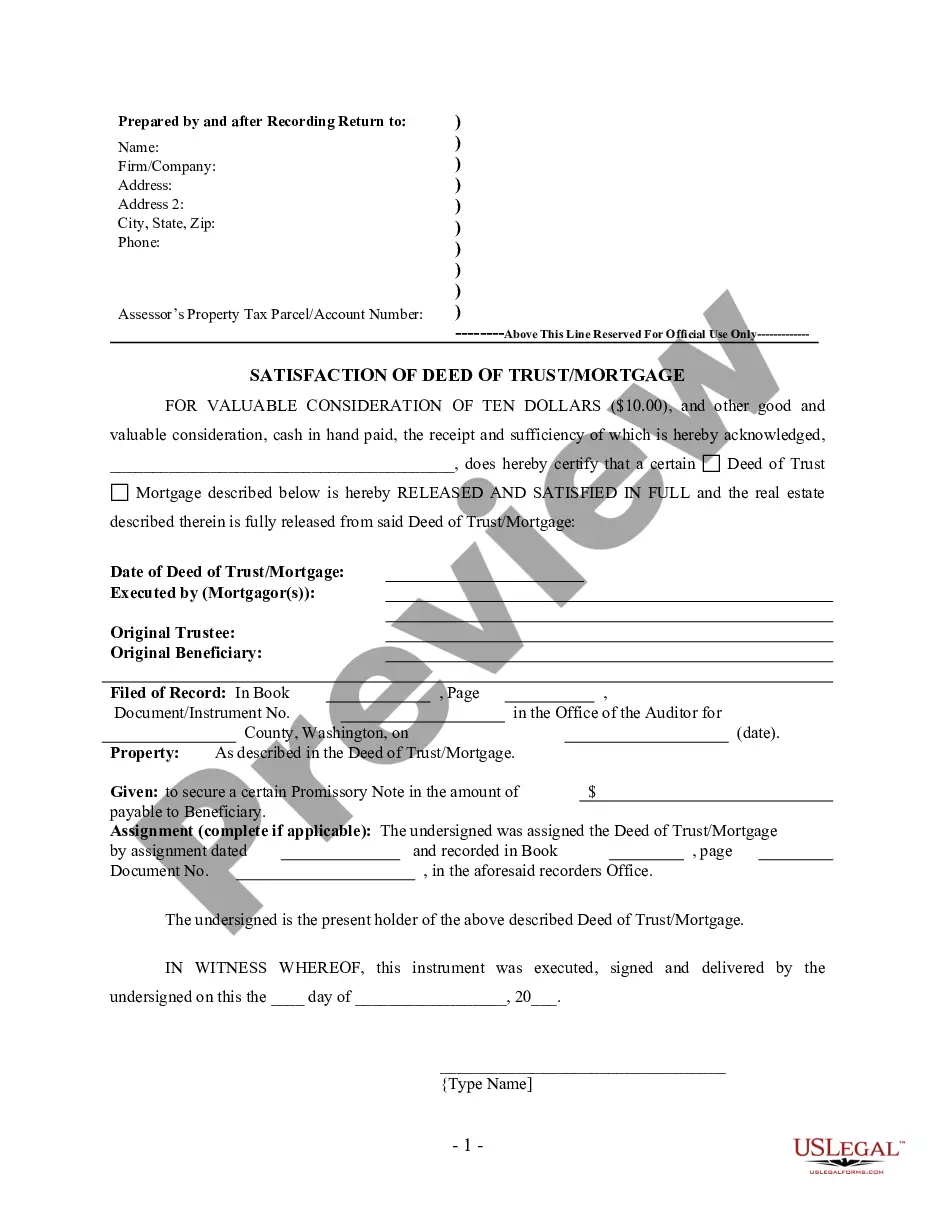
The Satisfaction, Release or Cancellation of Deed of Trust by Corporation is a legal form used to release or cancel a mortgage secured by a property in Washington State. This form serves as official documentation indicating that a corporation has fulfilled its obligations under the terms of the deed of trust, thereby releasing the property from any mortgage lien. It is essential to ensure compliance with state laws regarding real estate transactions, making this form distinct from other similar legal documents focused solely on individual transactions or residential borrowers.
Form components explained
- Date of the original deed of trust or mortgage.
- Details of the mortgagor, original trustee, and original beneficiary.
- Property description as stated in the deed of trust.
- Promissory note details, including the amount and beneficiary's information.
- Statement of assignment, if applicable.
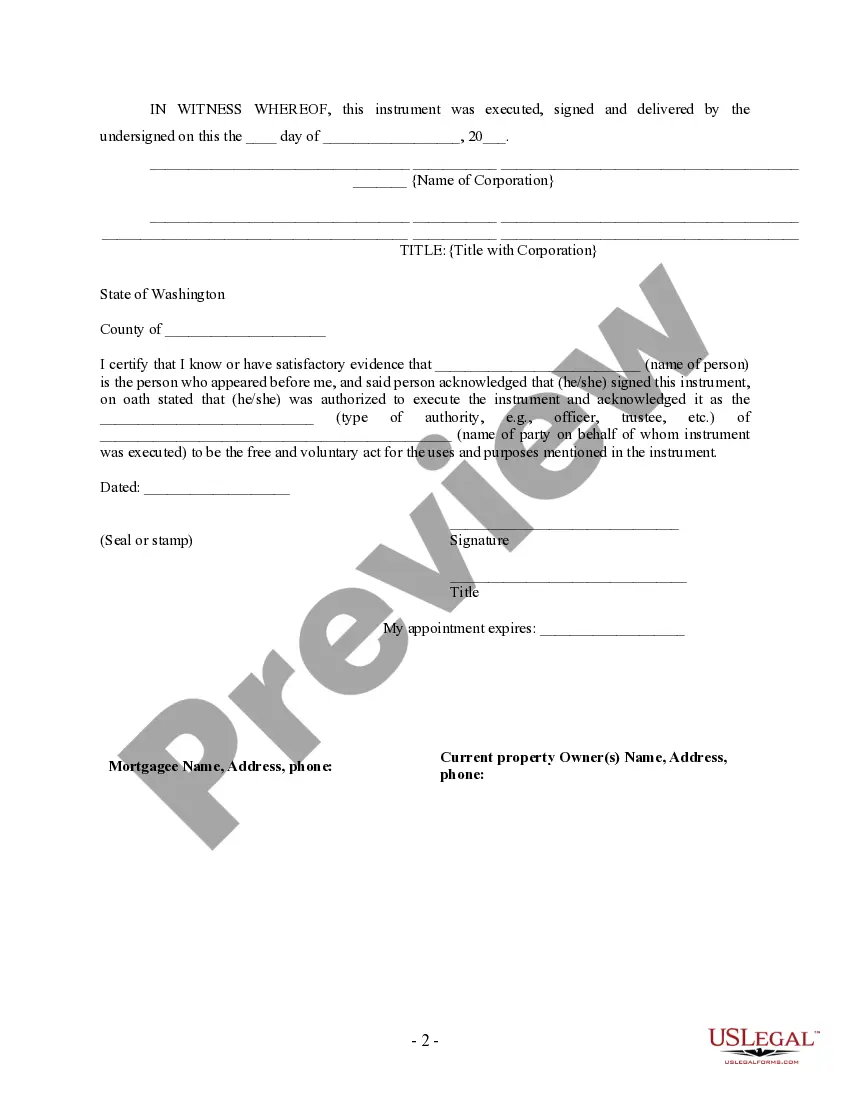
- Signatures of corporate representatives and notarization section.

When to use this form
This form should be used when a corporation wishes to formally release a mortgage on a property in Washington, signaling that the debt secured by the deed of trust has been satisfied. This may occur after a loan has been fully paid off or if the corporation decides to cancel the mortgage for any reason. Proper execution of the form is crucial to ensure that the release is legally recognized and recorded with the appropriate authorities.
Intended users of this form
- Corporations that have provided a deed of trust as a lender.
- Real estate professionals handling property transactions.
- Individuals responsible for managing corporate assets and liabilities.
- Legal representatives of the corporation involved in property transactions.
Instructions for completing this form
- Identify and enter the date of the original deed of trust or mortgage.
- List the names of the mortgagor(s), original trustee, and original beneficiary.
- Provide a clear description of the property as detailed in the deed of trust.
- Document any assignment information if applicable.
- Ensure the form is signed by authorized corporate officers and notarized.
Does this form need to be notarized?
This document requires notarization to meet legal standards. US Legal Forms provides secure online notarization powered by Notarize, allowing you to complete the process through a verified video call, available 24/7.
Get your form ready online
Our built-in tools help you complete, sign, share, and store your documents in one place.
Make edits, fill in missing information, and update formatting in US Legal Forms—just like you would in MS Word.
Download a copy, print it, send it by email, or mail it via USPS—whatever works best for your next step.
Sign and collect signatures with our SignNow integration. Send to multiple recipients, set reminders, and more. Go Premium to unlock E-Sign.
If this form requires notarization, complete it online through a secure video call—no need to meet a notary in person or wait for an appointment.
We protect your documents and personal data by following strict security and privacy standards.

Make edits, fill in missing information, and update formatting in US Legal Forms—just like you would in MS Word.

Download a copy, print it, send it by email, or mail it via USPS—whatever works best for your next step.

Sign and collect signatures with our SignNow integration. Send to multiple recipients, set reminders, and more. Go Premium to unlock E-Sign.

If this form requires notarization, complete it online through a secure video call—no need to meet a notary in person or wait for an appointment.

We protect your documents and personal data by following strict security and privacy standards.
Typical mistakes to avoid
- Failing to properly identify the property being released.
- Not providing complete details for all necessary parties.
- Omitting the notarization process after signing.
- Incorrectly filling out the assignment section if applicable.
Benefits of using this form online
- Immediate access to expertly drafted legal templates.
- Convenient download options allow for quick execution.
- Editability ensures the form can be tailored to specific needs.
- Compliance with legal standards reduces the risk of errors.
Main things to remember
- The Satisfaction, Release or Cancellation of Deed of Trust by Corporation is essential for releasing a mortgage lien in Washington.
- Ensure all parts of the form are accurately filled out and notarized.
- This document protects the rights of all involved by officially canceling the mortgage claim.
Looking for another form?
Form popularity
FAQ
The property's title remains in the trust until the loan is paid off, or satisfied, then it is released from the trust. To complete the release, the lender prepares a deed of reconveyance. This document states that the conditions of the loan have been met and you have no further financial obligations to the lender.
A deed of release literally releases the parties to a deal from previous obligations, such as payments under the term of a mortgage because the loan has been paid off. The lender holds the title to real property until the mortgage's terms have been satisfied when a deed of release is commonly entered into.
A deed of release or release deed is a legal document that removes the claim of a person from an immovable property and transfers his/her share to the co-owner. The release deed procedure is executed in the sub-registrars office and both the parties are required to be present for signing it.
A Deed of Release is a legal document, also known as a deed of settlement, used to formalise an agreement between two or more parties involved in a dispute. In an employment setting, a Deed of Release is often used to resolve a dispute between an employer and employee or ex-employee.
In order to clear the Deed of Trust from the title to the property, a Deed of Reconveyance must be recorded with the Country Recorder or Recorder of Deeds. If the Trustee/Beneficiary fails to record a satisfaction within the set time limits, the Trustee/Beneficiary may be responsible for damages as set out by statute.
Is completed and signed by the trustee, whose signature must be notarized. Full Reconveyance form can be purchased at most office supply or stationery stores. Usually the trustee named on your Deed of Trust will also have forms available and will issue the Full Reconveyance.
The property's title remains in the trust until the loan is paid off, or satisfied, then it is released from the trust. To complete the release, the lender prepares a deed of reconveyance. It's signed by a representative of the lender and notarized, like other types of deeds.
If there's a deed of trust on a property, the lender can sell the property and pay off the loan. Whether your loan falls under the mortgage or deed of trust definition, you'll need to get approval from the lender before you sell your home for less than you owe.
A Deed of Trustis a document where a borrower transfers the legal title for its property to a trustee who holds the property in trust as security for the payment of the debt to the lender. If the borrower pays the debt as agreed, the deed of trust becomes void and the lender executes a Deed of Reconveyance.