Washington Assignment of Deed of Trust by Individual Mortgage Holder
Overview of this form
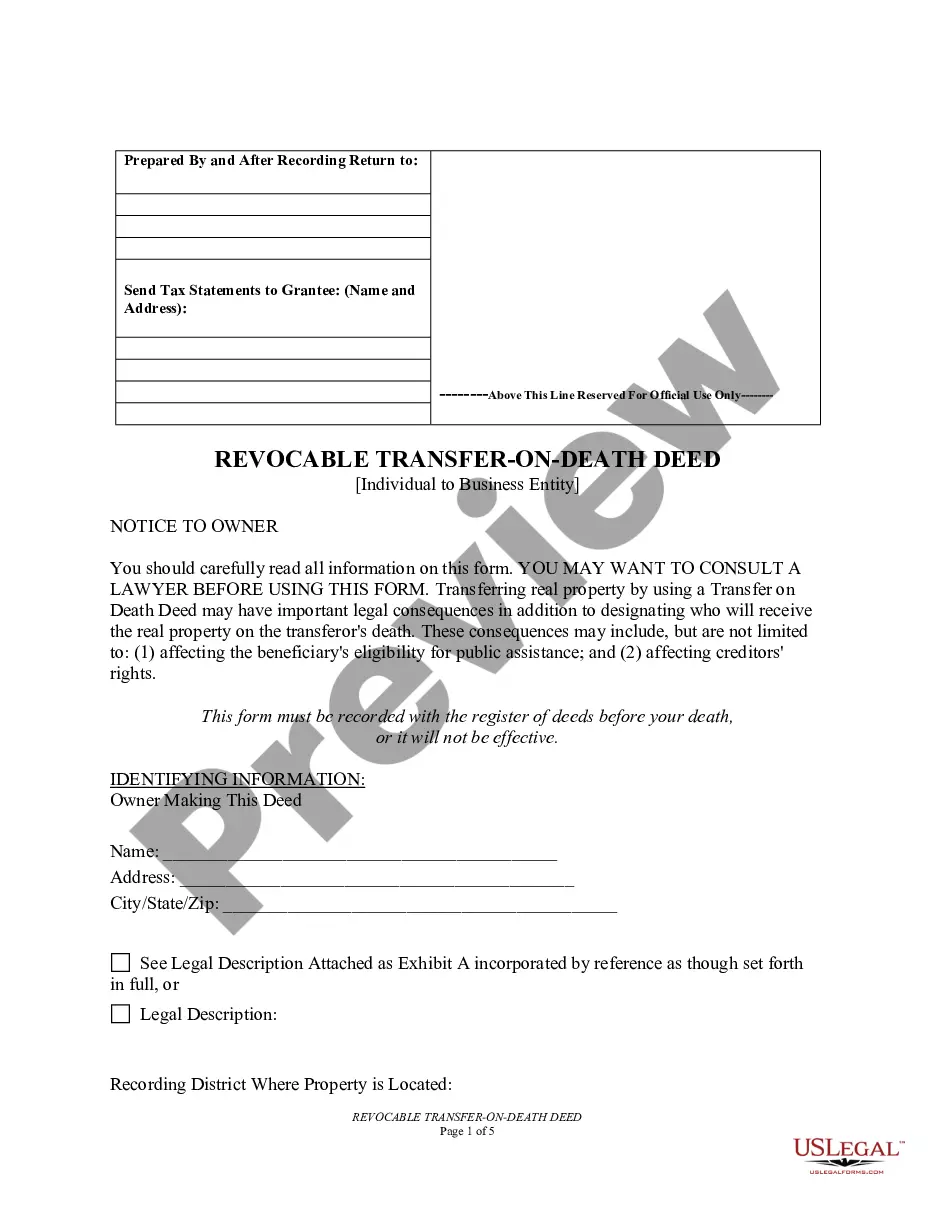
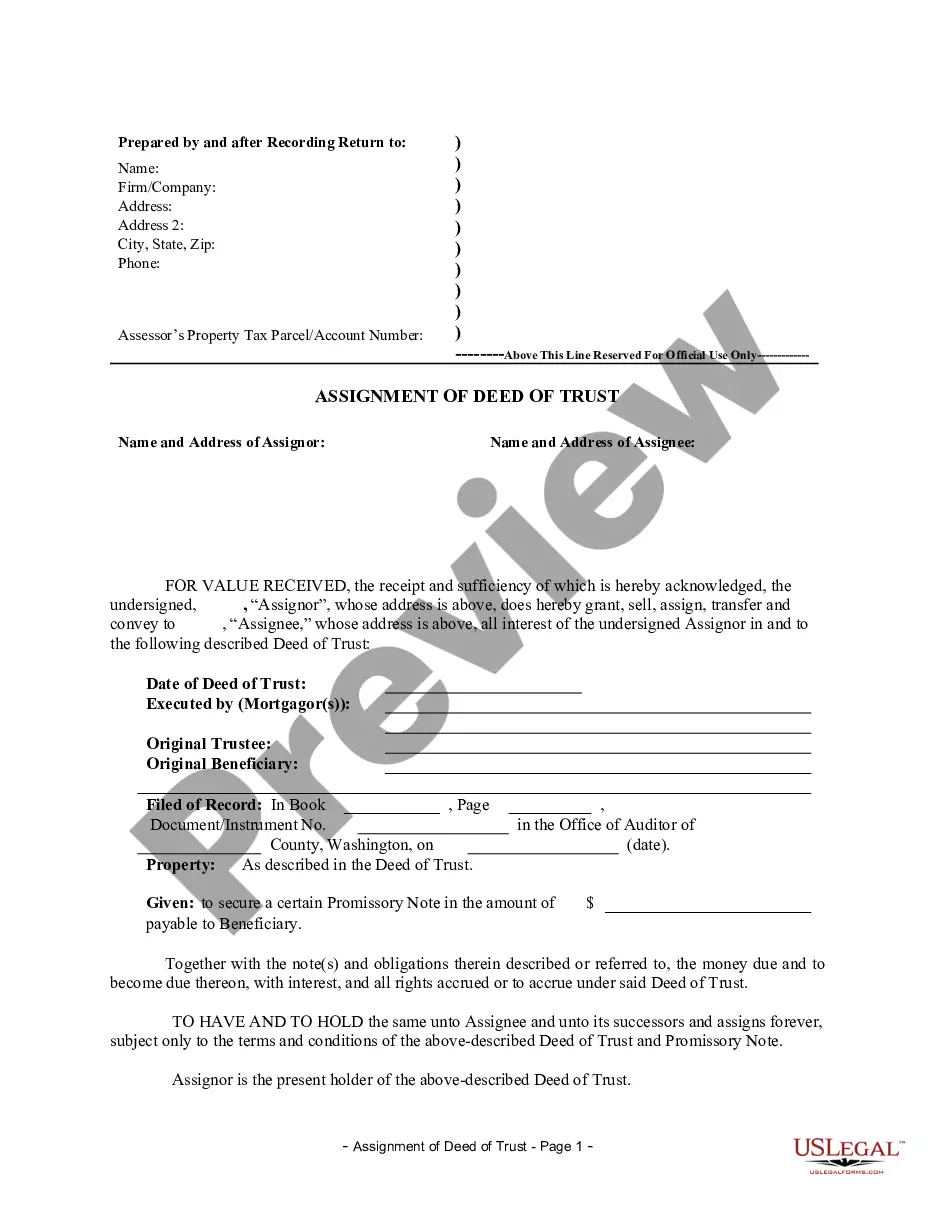
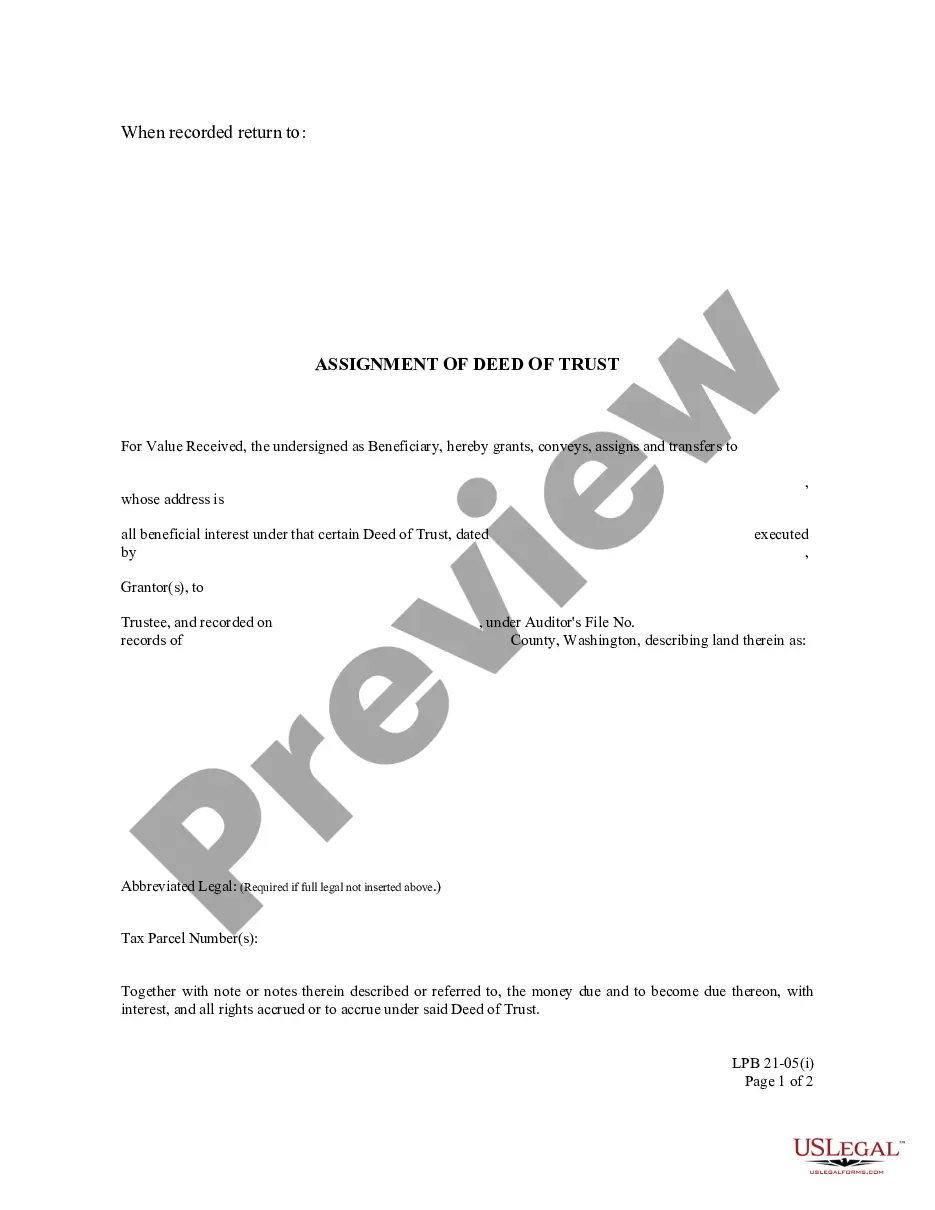
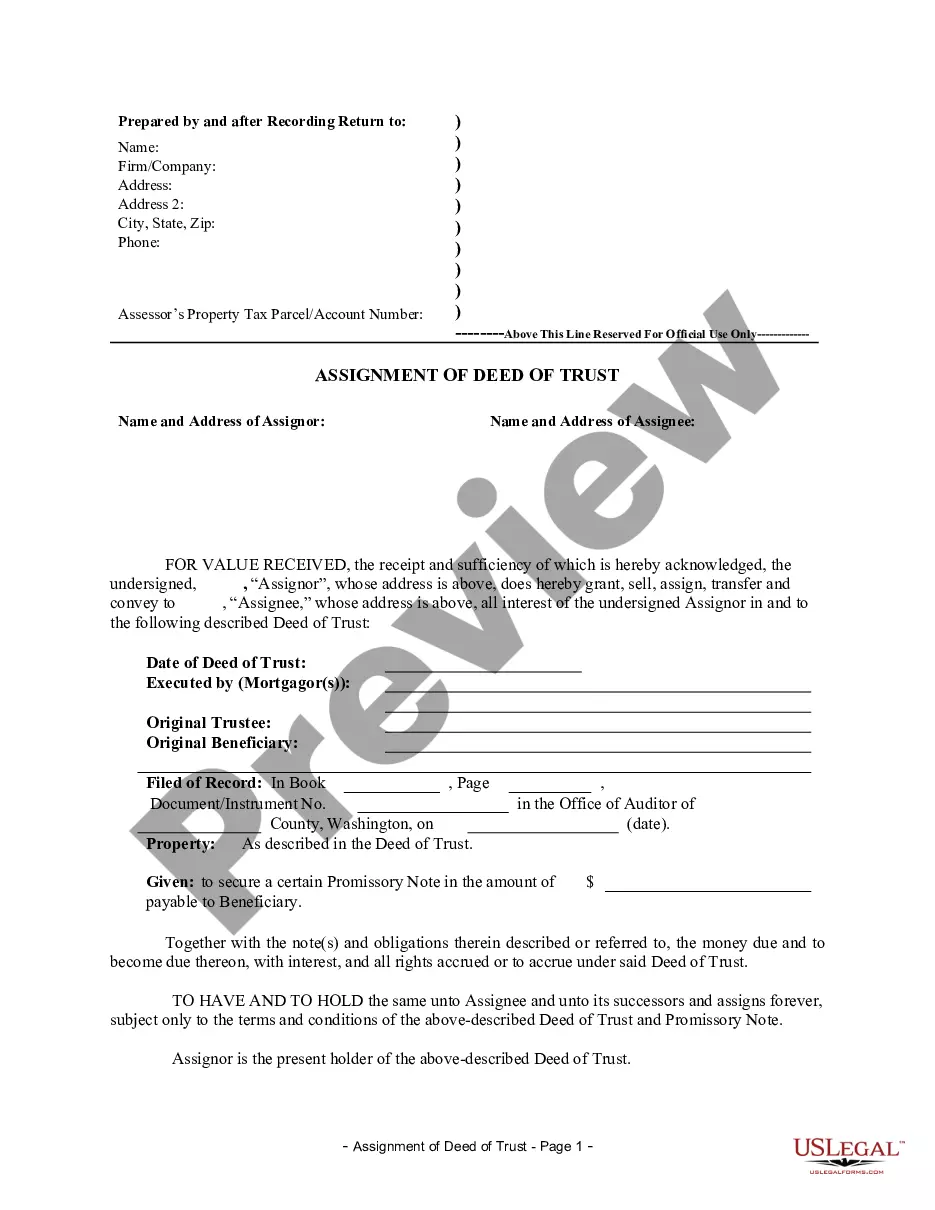
The Assignment of Deed of Trust by Individual Mortgage Holder is a legal document used to transfer ownership of a deed of trust or mortgage from the current holder to a third party. This form differs from other mortgage assignment forms in that it is specifically for individuals who currently hold a deed of trust and wish to convey their interest in the property to someone else. This document ensures that the new party assumes the rights and responsibilities outlined in the original deed of trust.
What’s included in this form
- Date of deed of trust execution.
- Names and details of the mortgagor(s).
- Identification of the original trustee and beneficiary.
- Document recording information, including book, page, and instrument number.
- Property description as outlined in the deed of trust.
- Information regarding the promissory note being secured.
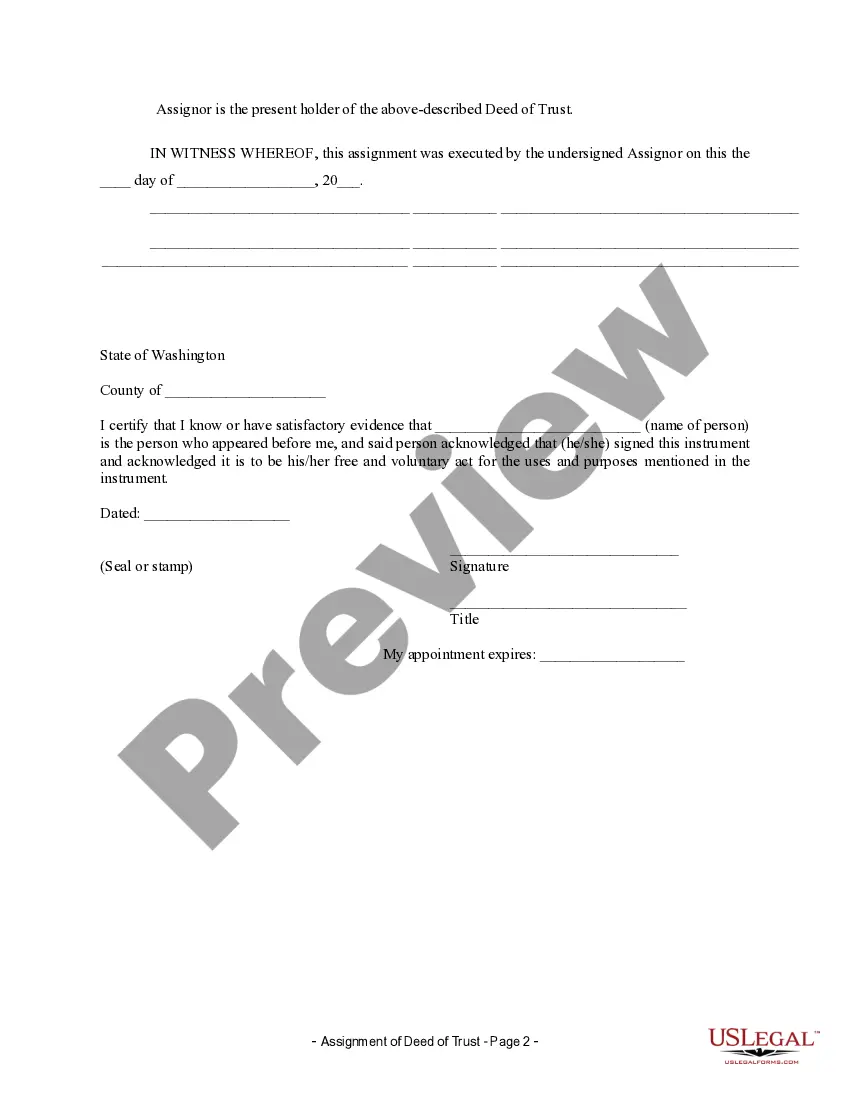
- Signature section for the assignor (current holder).
- Notary acknowledgment section to validate the assignment.

Situations where this form applies
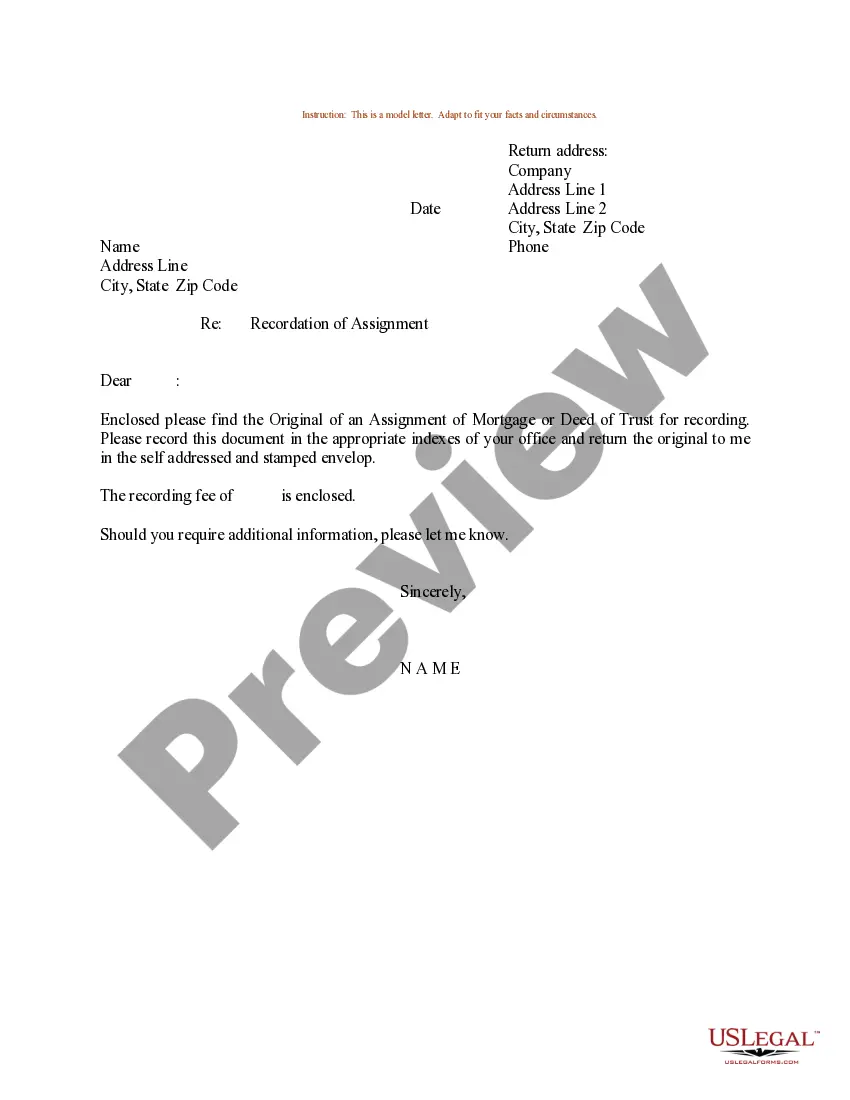
This form is typically used when an individual mortgage holder wishes to transfer their interest in a deed of trust to another party. Common scenarios include selling the property to a new buyer, refinancing, or designating a different party to manage the mortgage obligations. It is important to use this form when formalizing the assignment to ensure that legal rights are properly transferred and acknowledged.
Intended users of this form
- Individual holders of a deed of trust or mortgage.
- Anyone transferring mortgage interests to another party.
- Property owners seeking to formalize an assignment for legal purposes.
Instructions for completing this form
- Identify and enter the date of the deed of trust execution.
- Provide the names and details of the mortgagor(s).
- Specify the original trustee and beneficiary information.
- Input the document recording details such as book, page, and instrument number.
- Detail the property description as stated in the original deed of trust.
- Sign and date the assignment as the assignor in front of a notary public.
Is notarization required?
This form must be notarized to be legally valid. US Legal Forms provides secure online notarization powered by Notarize, allowing you to complete the process through a verified video call.
Get your form ready online
Our built-in tools help you complete, sign, share, and store your documents in one place.
Make edits, fill in missing information, and update formatting in US Legal Forms—just like you would in MS Word.
Download a copy, print it, send it by email, or mail it via USPS—whatever works best for your next step.
Sign and collect signatures with our SignNow integration. Send to multiple recipients, set reminders, and more. Go Premium to unlock E-Sign.
If this form requires notarization, complete it online through a secure video call—no need to meet a notary in person or wait for an appointment.
We protect your documents and personal data by following strict security and privacy standards.
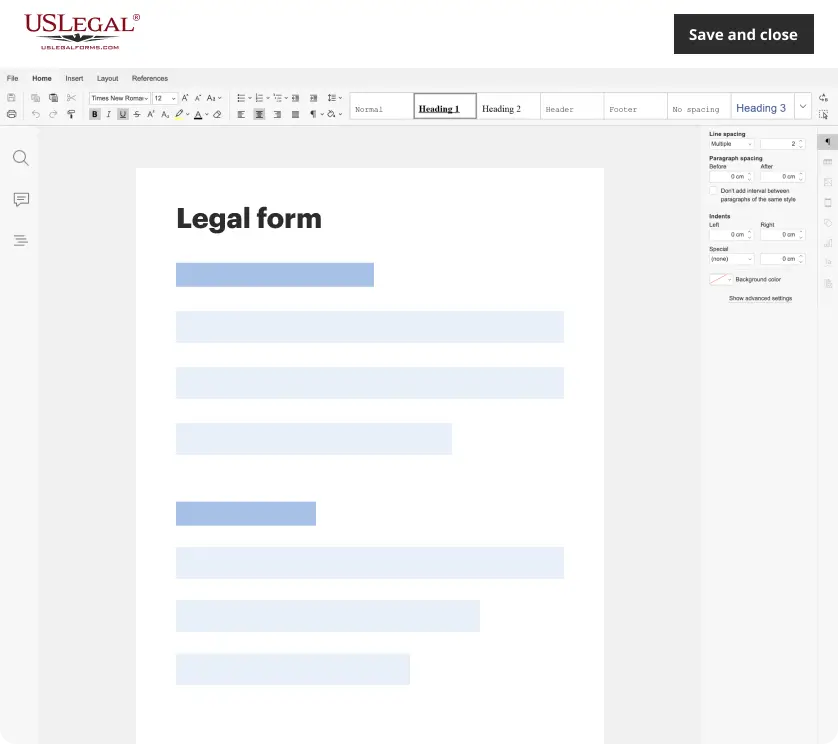
Make edits, fill in missing information, and update formatting in US Legal Forms—just like you would in MS Word.
Download a copy, print it, send it by email, or mail it via USPS—whatever works best for your next step.
Sign and collect signatures with our SignNow integration. Send to multiple recipients, set reminders, and more. Go Premium to unlock E-Sign.

If this form requires notarization, complete it online through a secure video call—no need to meet a notary in person or wait for an appointment.
We protect your documents and personal data by following strict security and privacy standards.
Common mistakes
- Failing to include all required signatures.
- Not providing accurate property descriptions.
- Omitting information about the original trustee or beneficiary.
- Neglecting to notarize the document when required by law.
Benefits of using this form online
- Instant access to a legally sound template.
- Convenience of completing the form at your own pace.
- Ability to customize and edit the form as needed.
- Guaranteed compliance with current legal standards.
Looking for another form?
Form popularity
FAQ
A deed of trust is a written instrument with three parties: The trustor, who is the borrower and homeowner. The beneficiary, who is the lender. The trustee, who is a third party such as an insurance company or escrow management agency that holds actual title to the property in trust for the beneficiary.
The following states use Deed of Trusts: Alaska, Arizona, California, District of Columbia, Georgia, Mississippi, Missouri, Nevada, North Carolina, and Virginia.
Deed: This is the document that proves ownership of a property. It transfers ownership of the property to the grantee, also known as the buyer.Mortgage: This is the document that gives the lender a security interest in the property until the Note is paid in full.
An assignment of trust deed is a document that lenders use when they sell loans secured by trust deeds. While they can freely sell the promissory notes between themselves, the trust deeds that give them the right to foreclose have to be assigned with a legal document.
When your mortgage lender decides he wants to sell your mortgage loan to another lender, your mortgage lender will sign an assignment of deed of trust in favor of the new lender. This assignment gives the new lender the same lien on your property that your original lender had under the mortgage loan.
Some owners are put off using solicitors duke to the deed of trust cost. Individuals can write out their own, and use someone else as a witness. However, this may have errors or not be a legally binding document. The investment of getting a deed of trust when buying a property is often worth it in the long term.
Whether you have a deed of trust or a mortgage, they both serve to assure that a loan is repaid, either to a lender or an individual person. A mortgage only involves two parties the borrower and the lender. A deed of trust adds an additional party, a trustee, who holds the home's title until the loan is repaid.
Sign the deed of trust form in the presence of a notary. You'll have to provide your identification to the notary with a federally issued photo ID such as a Washington driver's license or military ID card. Once you sign the deed in front of the notary, the notary will then notarize the form.
Deeds of trust are the most common instrument used in the financing of real estate purchases in Alaska, Arizona, California, Colorado, the District of Columbia, Idaho, Maryland, Mississippi, Missouri, Montana, Nebraska, Nevada, North Carolina, Oregon, Tennessee, Texas, Utah, Virginia, Washington, and West Virginia,