Virginia Salary Verification form for Potential Lease
Overview of this form
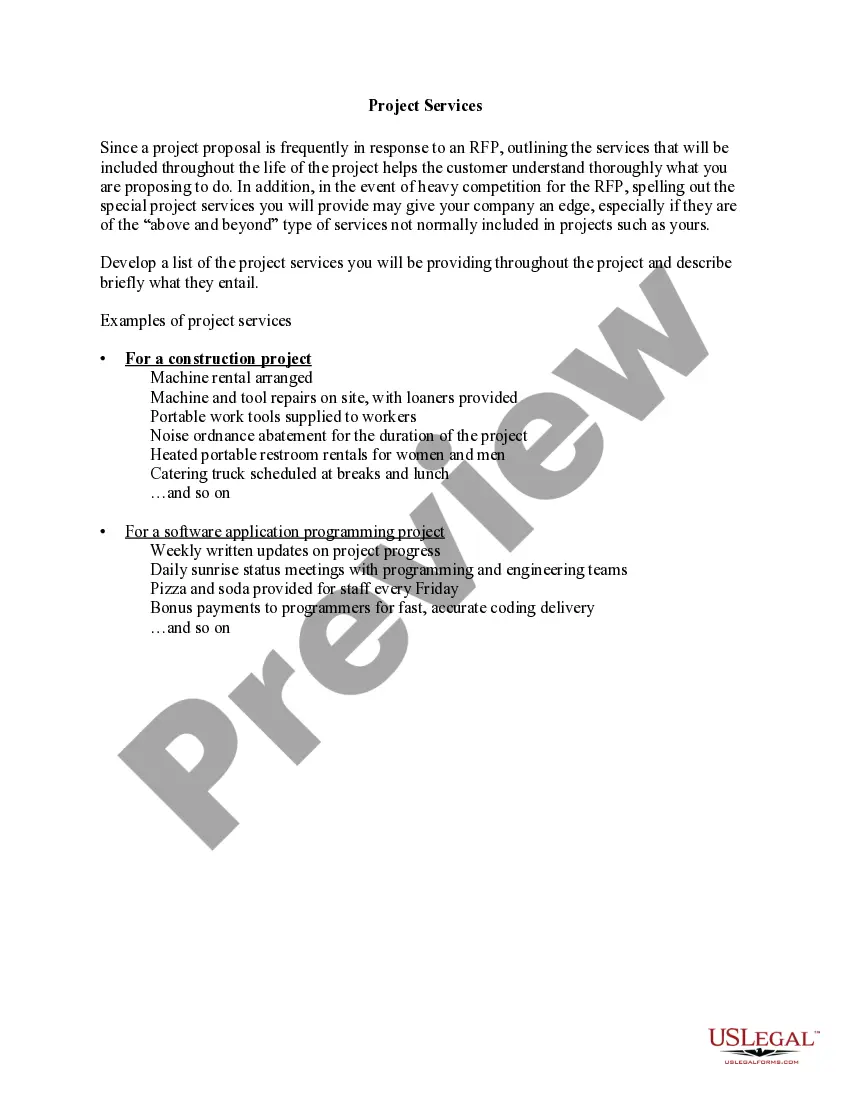
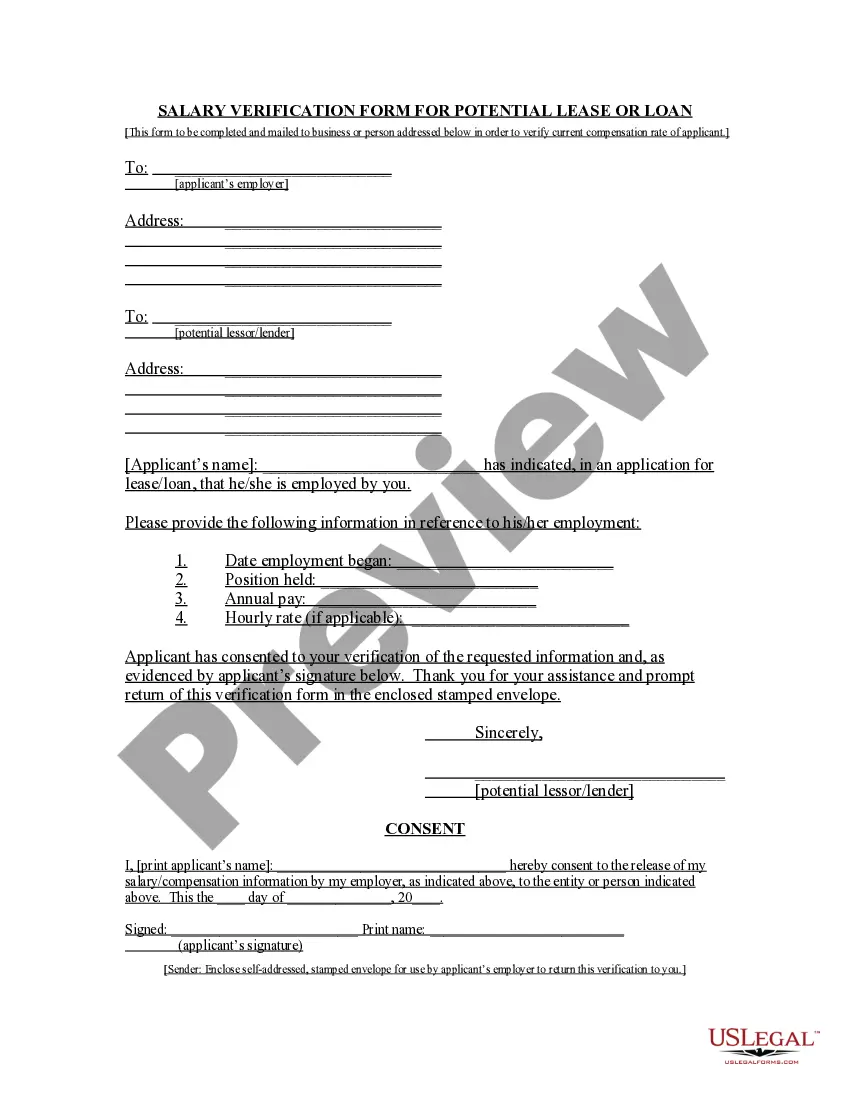
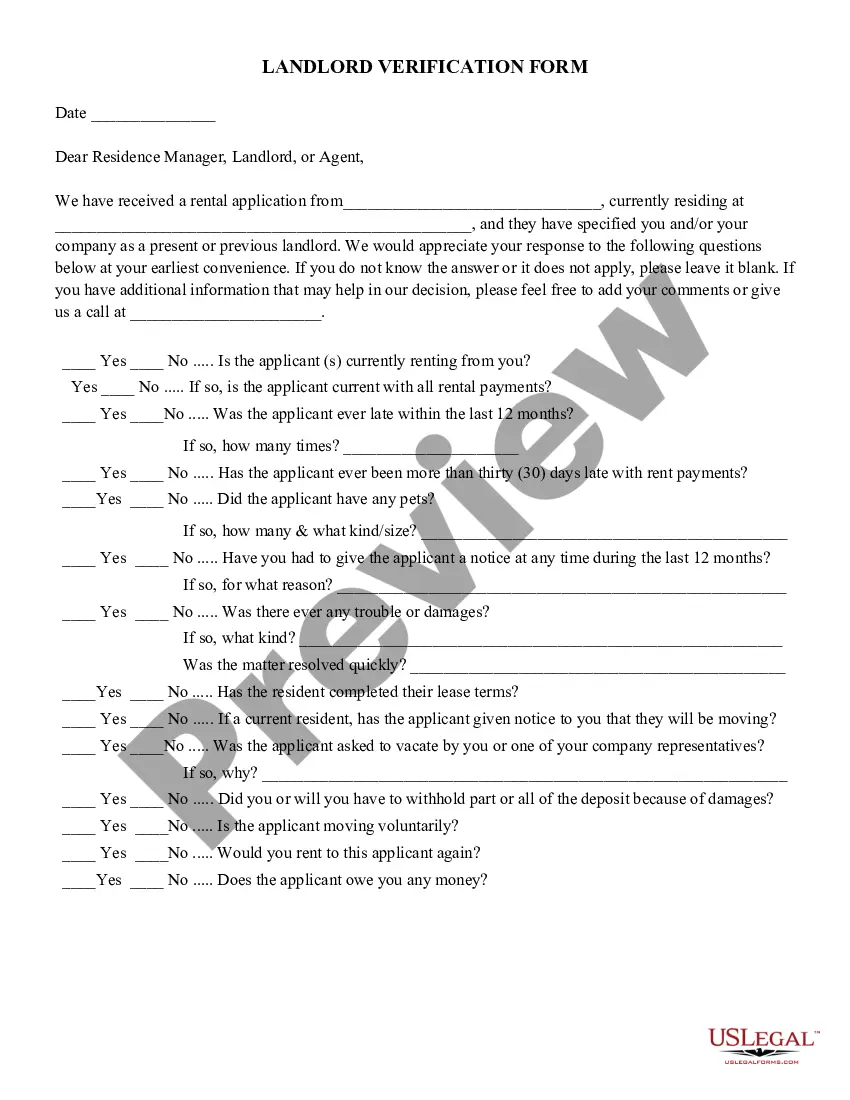
The Salary Verification form for Potential Lease is a legal document used by landlords to confirm an applicant's income when they apply for a residential lease. This form is essential for landlords to ensure that tenants can meet their rental obligations, as it provides verification directly from the applicant's employer. Unlike other forms, this template includes a Tenant Consent Form, simplifying the process of obtaining necessary income verification.
Form components explained
- Employer information section to identify who is providing verification.
- Employment start date to confirm the duration of employment.
- Position held by the applicant to understand their role and stability.
- Annual pay and hourly rate sections to assess the applicant's income level.
- Consent statement signed by the applicant allowing the employer to disclose employment details.

When to use this document
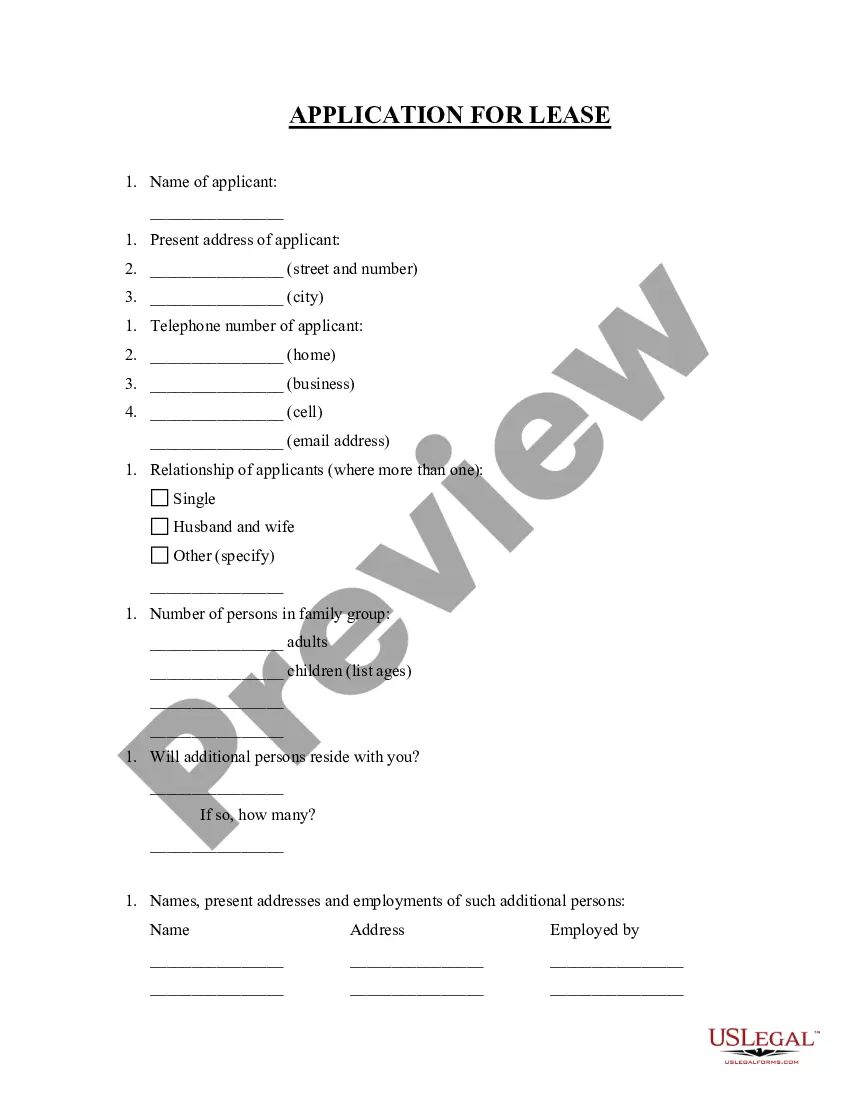
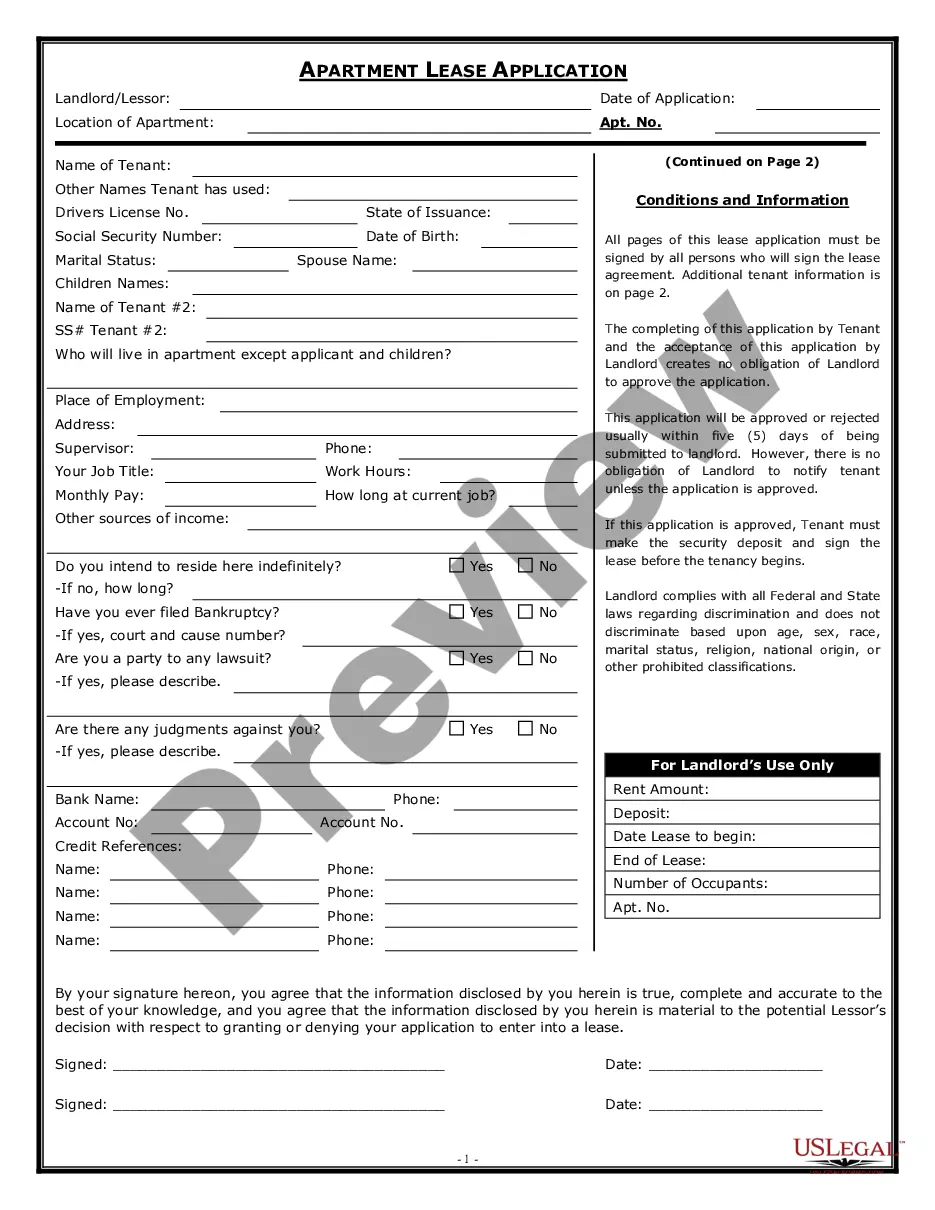
This form should be used when a tenant applies for a lease, and the landlord requires proof of income. It is ideal in scenarios where the applicant has no prior rental history or when the landlord wants additional assurance regarding the applicant's financial stability. It is also useful in competitive rental markets where multiple applications are received, allowing landlords to make informed decisions.
Who needs this form
- Landlords seeking to verify the income of lease applicants.
- Property management companies handling rental applications.
- Tenants who have been asked to provide proof of income for a lease application.
How to prepare this document
- Enter the name and contact details of the applicant's employer at the top of the form.
- Fill in the employment start date to provide context on the applicant's tenure.
- Specify the title of the applicant's position to clarify their job role.
- Indicate the annual salary and hourly wage (if applicable) to verify the applicant's income.
- Ensure the applicant signs the consent section before sending the form to the employer.
Notarization guidance
This form does not typically require notarization unless specified by local law. It is designed for straightforward use between the landlord and employer without the need for a notaryâs presence, simplifying the application process.
Get your form ready online
Our built-in tools help you complete, sign, share, and store your documents in one place.
Make edits, fill in missing information, and update formatting in US Legal Forms—just like you would in MS Word.
Download a copy, print it, send it by email, or mail it via USPS—whatever works best for your next step.
Sign and collect signatures with our SignNow integration. Send to multiple recipients, set reminders, and more. Go Premium to unlock E-Sign.
If this form requires notarization, complete it online through a secure video call—no need to meet a notary in person or wait for an appointment.
We protect your documents and personal data by following strict security and privacy standards.

Make edits, fill in missing information, and update formatting in US Legal Forms—just like you would in MS Word.

Download a copy, print it, send it by email, or mail it via USPS—whatever works best for your next step.

Sign and collect signatures with our SignNow integration. Send to multiple recipients, set reminders, and more. Go Premium to unlock E-Sign.

If this form requires notarization, complete it online through a secure video call—no need to meet a notary in person or wait for an appointment.

We protect your documents and personal data by following strict security and privacy standards.
Common mistakes to avoid
- Not including the employer's information or incorrect details.
- Failing to have the applicant sign the consent form.
- Leaving out important income details such as the annual salary or hourly rate.
- Not providing a self-addressed stamped envelope for return.
Why use this form online
- Convenient access to legally vetted form templates.
- Easy-to-edit format allows for customization as needed.
- Quick download capability saves time and effort.
- Reliability ensured by using professionally drafted documents.
Legal use & context
- This form serves as a formal request for income verification, which can be essential in the leasing process.
- Ensures that both the landlord and tenant have a clear understanding of the financial expectations and responsibilities.
Main things to remember
- The Salary Verification form is critical for landlords to assess a tenant's financial stability.
- Obtaining accurate income verification can help reduce the risk of tenant-related issues.
- Always ensure the tenantâs consent is secured before contacting their employer.
Looking for another form?
Form popularity
FAQ
Your landlord may ask your employer to confirm the income you provided on the application. Many employers refuse to provide this as it could be seen as a privacy violation and a risk for lawsuit.
Can you confirm that tenant rented from you? Did tenant pay their rent on time? Did tenant reasonably take care of the rental property? Was the unit clean and in good order when they left? Was tenant disruptive to other tenants or neighbors?
The landlord verification form is a document used by a landlord when verifying the previous rental information of an applicant for tenancy. The requesting landlord must send the form to the applicant's current or past landlord in order to obtain all details related to the tenancy of the individual.
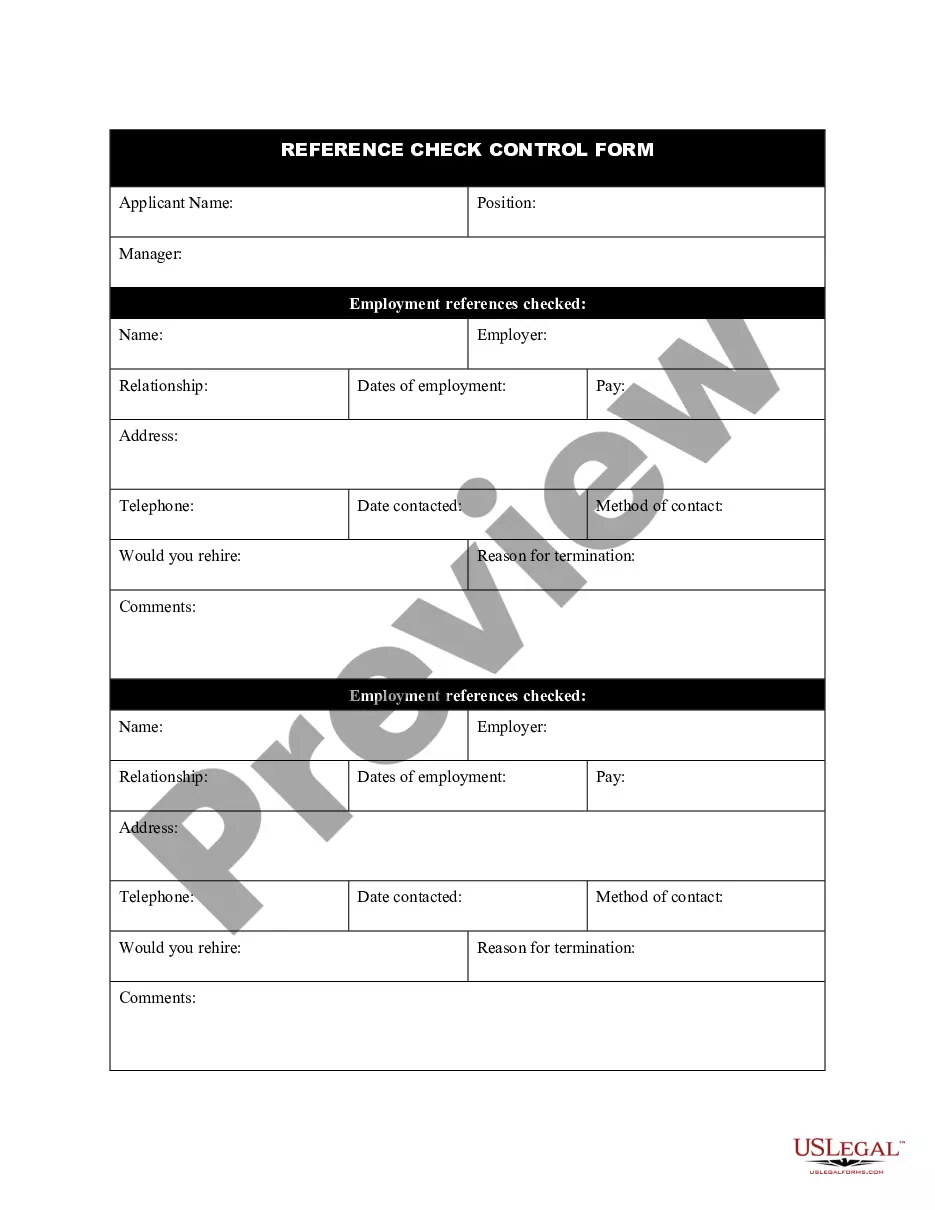
Verify the Company and Their Contact Information. Call the Company and Ask for the Human Resources Department. Questions to Ask by Phone. Submitting a Written Request. Sample Employment Verification Form.
Call the verified phone number and politely greet the operator. Give your name and title, and request the contact person listed on the application. If the person is not available, leave a call back number, name and good time to reach you.
Pay stubs and W-2 forms are commonly used as proof of employment. Your employer may write a verification letter or use an automated verification service to confirm your job title, employment history, and salary information.
First, fill out an employment verification form. Second, draft a short letter of consent, if necessary. Next, provide a list of all required details. Last, include your contact information and complete your request.
The first sentence should explain who is writing the letter and why. It should also give the name of the tenant, so the purpose of the letter is clear. The writer may be a property manager or the owner of the property. The landlord can include, if applicable, a statement on the character of the tenant.
Lying during employment verification is particularly risky because you're often risking your reputation with several organizations, including the party requesting verification and your current or former employer.