Virginia Temporary Lease Agreement to Prospective Buyer of Residence prior to Closing
Understanding this form
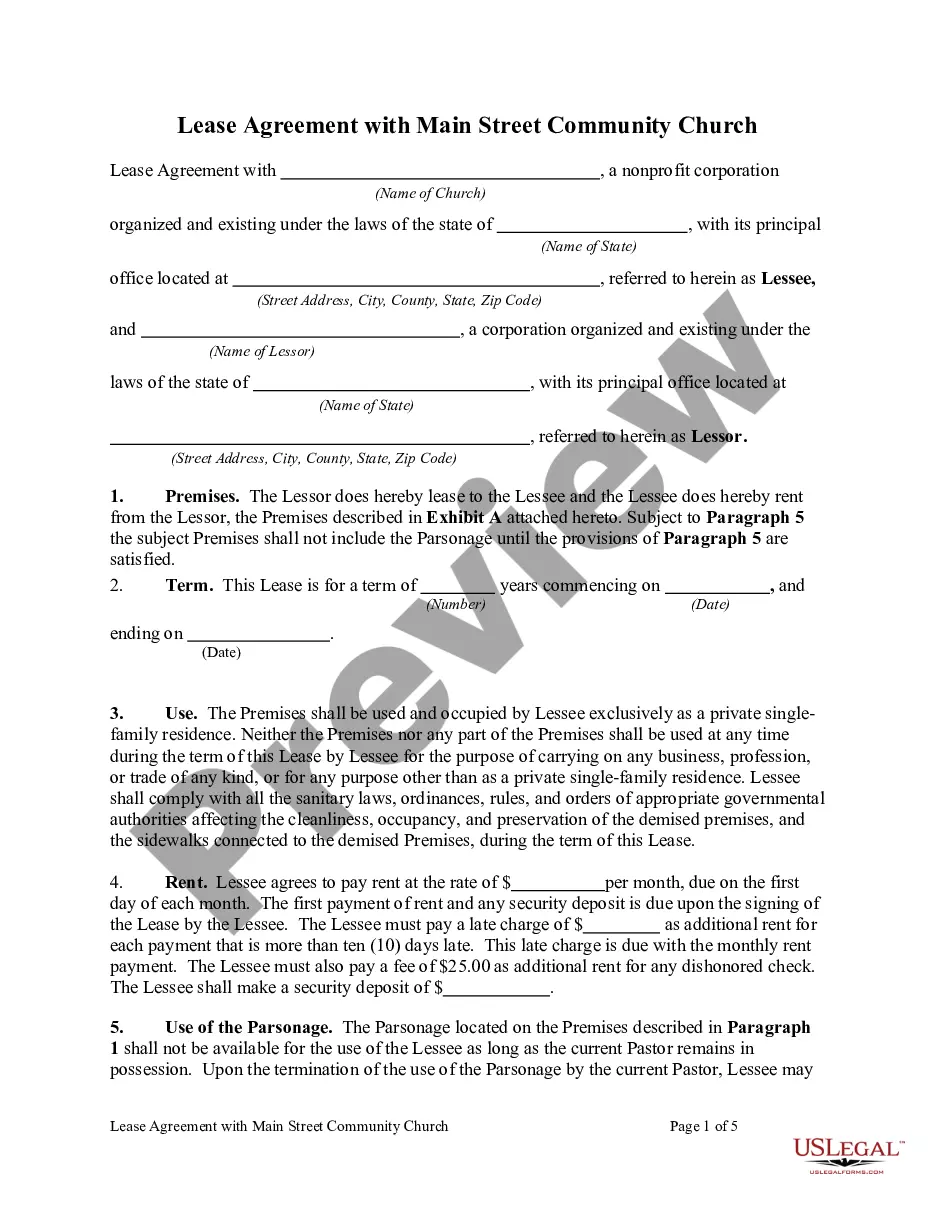
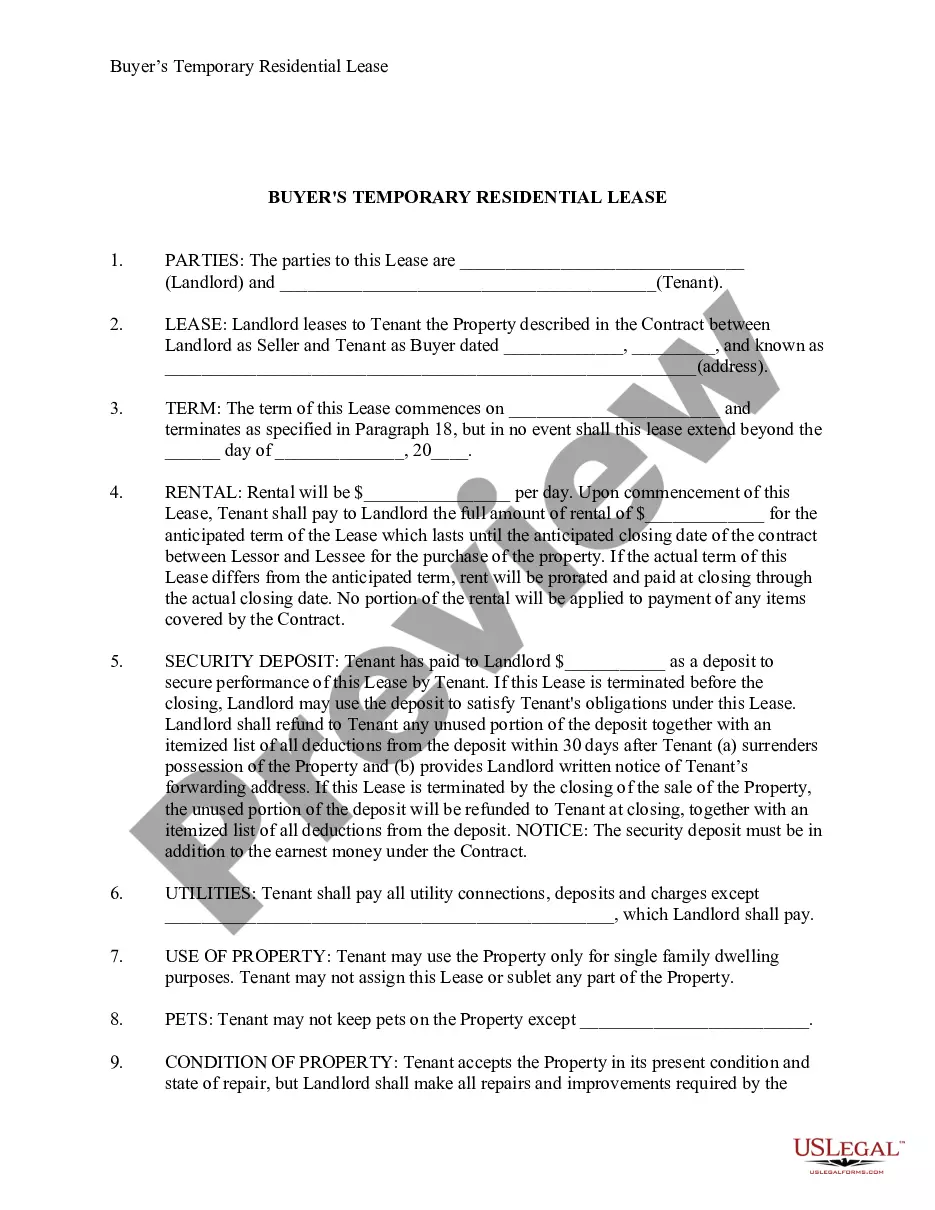
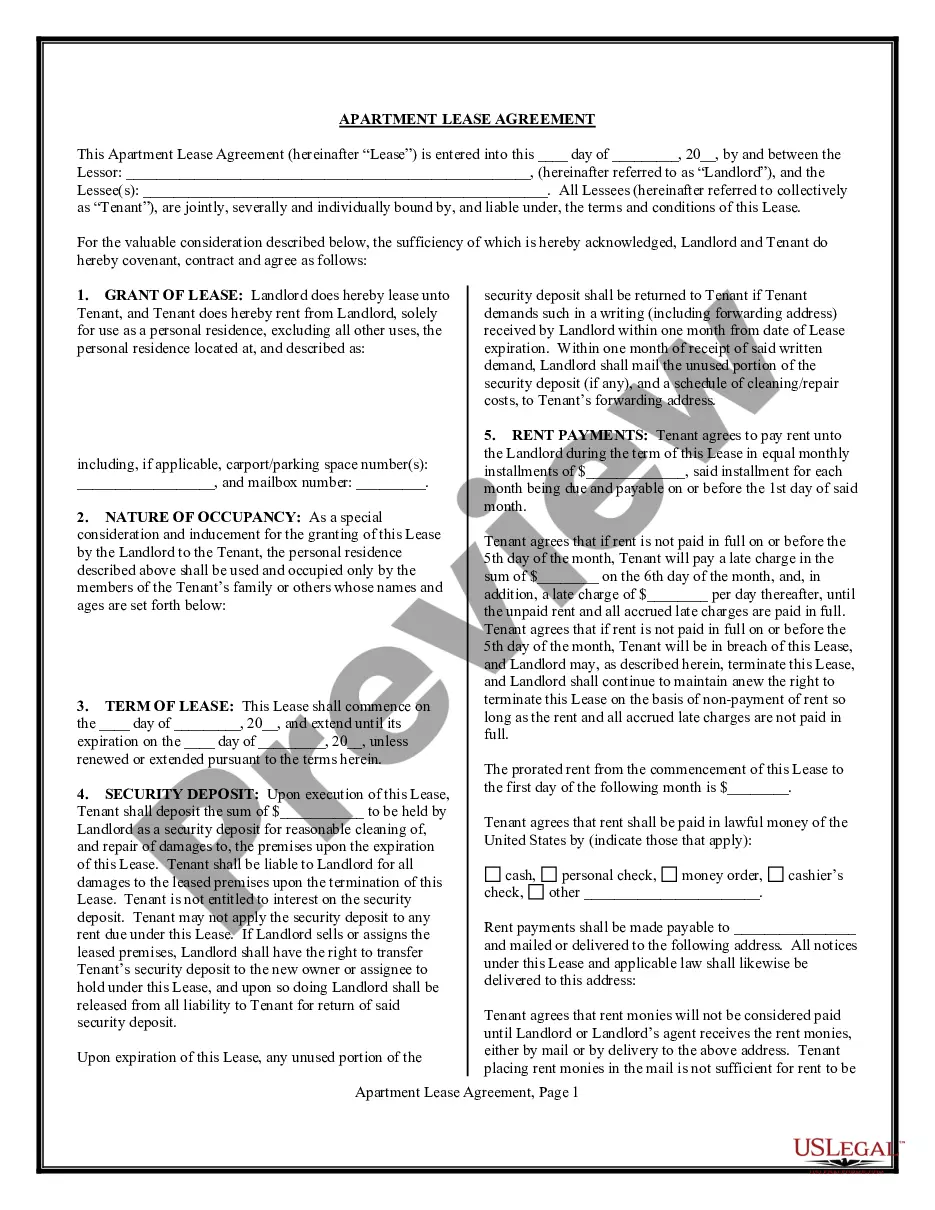
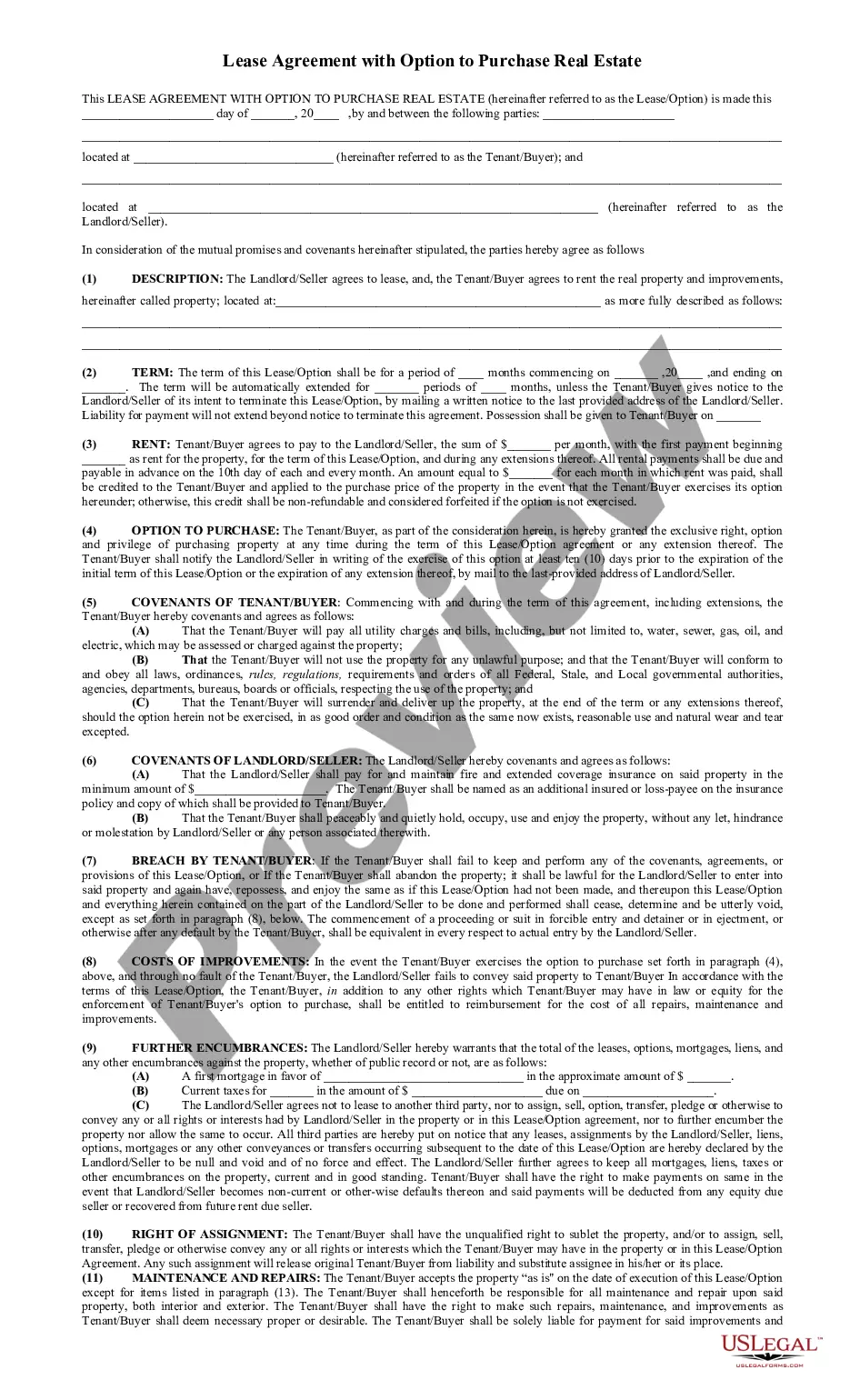
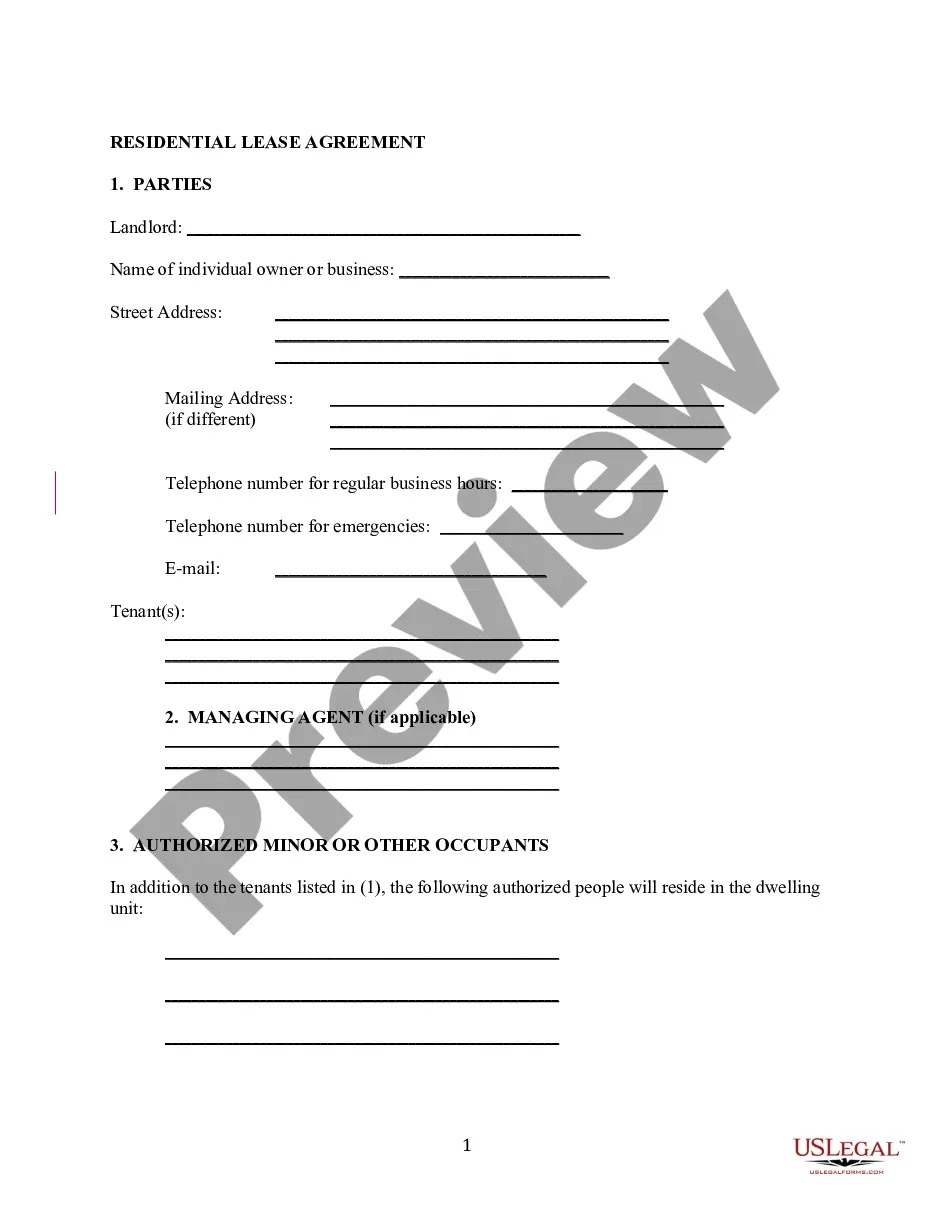
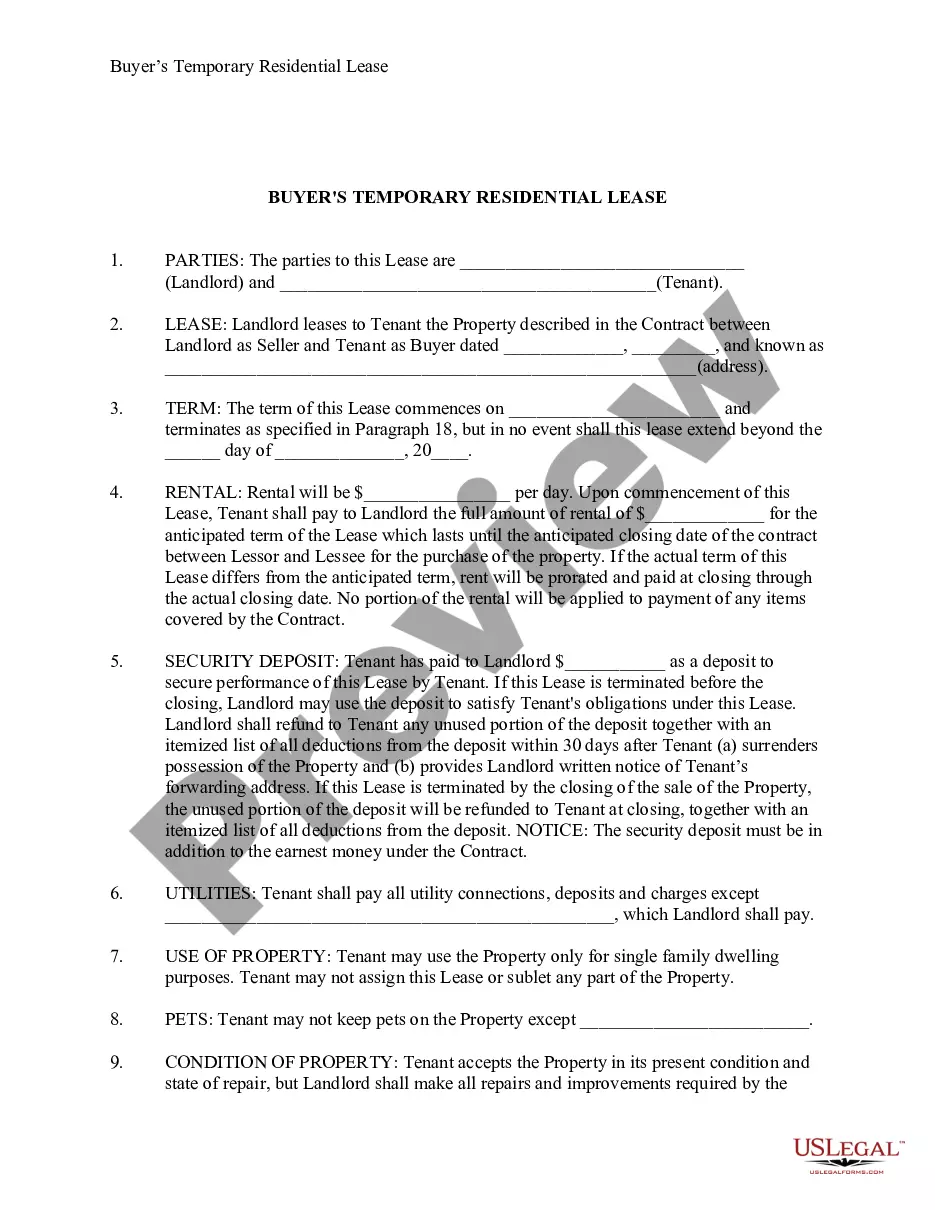
The Temporary Lease Agreement to Prospective Buyer of Residence prior to Closing is a legal document that establishes a temporary rental arrangement between the seller and the buyer of a residence prior to closing. This form allows the buyer to take possession of the property while the sale is still in progress, which is distinct from a traditional lease agreement that may not involve a sale transaction.
Main sections of this form
- Parties involved: identifies the landlord (seller) and tenant (buyer).
- Property description: details the address and details of the residence being leased.
- Rental terms: specifies the daily rental rate and total rental payment.
- Security deposit: outlines the deposit amount and conditions for its return.
- Use of property: designates allowable use limited to single-family dwelling purposes.
- Termination clauses: describes the conditions under which the lease may be terminated.


Common use cases
This form is essential in real estate transactions where the seller wishes to allow the buyer to occupy the property before the formal closing of the sale. It is beneficial when there are logistical or timing issues that require the buyer to move in early, such as financial arrangements, schools, or job relocations.
Intended users of this form
- Property sellers who wish to allow a buyer to take early possession.
- Prospective home buyers looking to move in before the official closing date.
- Real estate agents facilitating agreements between sellers and buyers.
How to prepare this document
- Identify the parties: fill in the names of the landlord and tenant.
- Specify the property: enter the property address and details from the sales contract.
- Enter the dates: indicate the start and anticipated end dates of the lease.
- Determine rental payments: input the daily rental rate and the total expected rental payment.
- Complete security deposit details: document the amount of the security deposit paid by the tenant.
Notarization guidance
In most cases, this form does not require notarization. However, some jurisdictions or signing circumstances might. US Legal Forms offers online notarization powered by Notarize, accessible 24/7 for a quick, remote process.
Get your form ready online
Our built-in tools help you complete, sign, share, and store your documents in one place.
Make edits, fill in missing information, and update formatting in US Legal Forms—just like you would in MS Word.
Download a copy, print it, send it by email, or mail it via USPS—whatever works best for your next step.
Sign and collect signatures with our SignNow integration. Send to multiple recipients, set reminders, and more. Go Premium to unlock E-Sign.
If this form requires notarization, complete it online through a secure video call—no need to meet a notary in person or wait for an appointment.
We protect your documents and personal data by following strict security and privacy standards.

Make edits, fill in missing information, and update formatting in US Legal Forms—just like you would in MS Word.

Download a copy, print it, send it by email, or mail it via USPS—whatever works best for your next step.

Sign and collect signatures with our SignNow integration. Send to multiple recipients, set reminders, and more. Go Premium to unlock E-Sign.

If this form requires notarization, complete it online through a secure video call—no need to meet a notary in person or wait for an appointment.

We protect your documents and personal data by following strict security and privacy standards.
Common mistakes to avoid
- Failing to accurately identify the property, which can lead to disputes.
- Omitting specific terms regarding security deposits and rental payments.
- Not including all parties' signatures, making the agreement unenforceable.
Why complete this form online
- Quick access to professionally drafted legal documents.
- Easily editable to suit specific transaction details.
- Reliable source with templates prepared by licensed attorneys.
What to keep in mind
- This form facilitates a temporary leasing arrangement prior to home closing.
- It outlines the expectations regarding rental payments and property use.
- Consult with real estate professionals to tailor the agreement to local regulations.
Looking for another form?
Form popularity
FAQ
The contract terms will determine when you can move in after closing. In some cases, it will be immediately after the closing appointment. You will receive the keys and head straight to your new home. In other situations, the seller may request 30, 45 or even 60 days of occupancy after the closing of the home.
Does the Seller Have to Accept the Highest Offer at a Closing Date? No. Sellers may choose to accept a lower offer for a variety of reasons. The highest offer may be subject to the sale of another property, or require a date of entry that isn't suitable for the seller.
A cardinal rule to live by is to never, ever let the buyers take possession of a property prior to closing. Put your buyers up at a hotel, work out a leaseback on their existing property, or figure out any other option but keep them out of the property.
Aviara Real Estate, a California brokerage, says the sale might fail to go through if the buyer can't qualify for financing or is otherwise unable to meet the terms of the sale.Allowing a buyer to move in early can prolong or even sabotage the sales process.
Moving in before the closing date is also known as taking early possession of the property. It's generally not feasible to move in early unless the seller has already vacated the property.Buyers who start moving into the property before closing may discover certain drawbacks or problems with the property.
You wouldn't sign the rental contract without documenting the pre-existing damage. An apartment is no different: Don't sign the lease until you're satisfied the property is in good shape inside and out. Most home buyers hire a professional to do a home inspection before closing, but this never occurs to many renters.
What is an early occupancy agreement? An early occupancy agreement is basically an agreement to rent the home you are going to buy before you actually close on the purchase. You agree to pay an extra amount of money per day to the sellers for the right to live in your new home before you legally own it.
It's usually put in place if the buyer needs to move into the property before ownership can be transferred. One important thing to understand is that this agreement is not the same as a lease.The agreement solely allows them the right to use the property.
This has the effect of generating more competition amongst potential buyers and, in practice, it means that buyers are most likely to submit their best offer at the Closing Date.The seller is not obliged to accept any Offer or indeed the highest Offer at a Closing Date.