Virginia Letter from Tenant to Landlord for Failure of Landlord to return all prepaid and unearned rent and security recoverable by Tenant
What this document covers
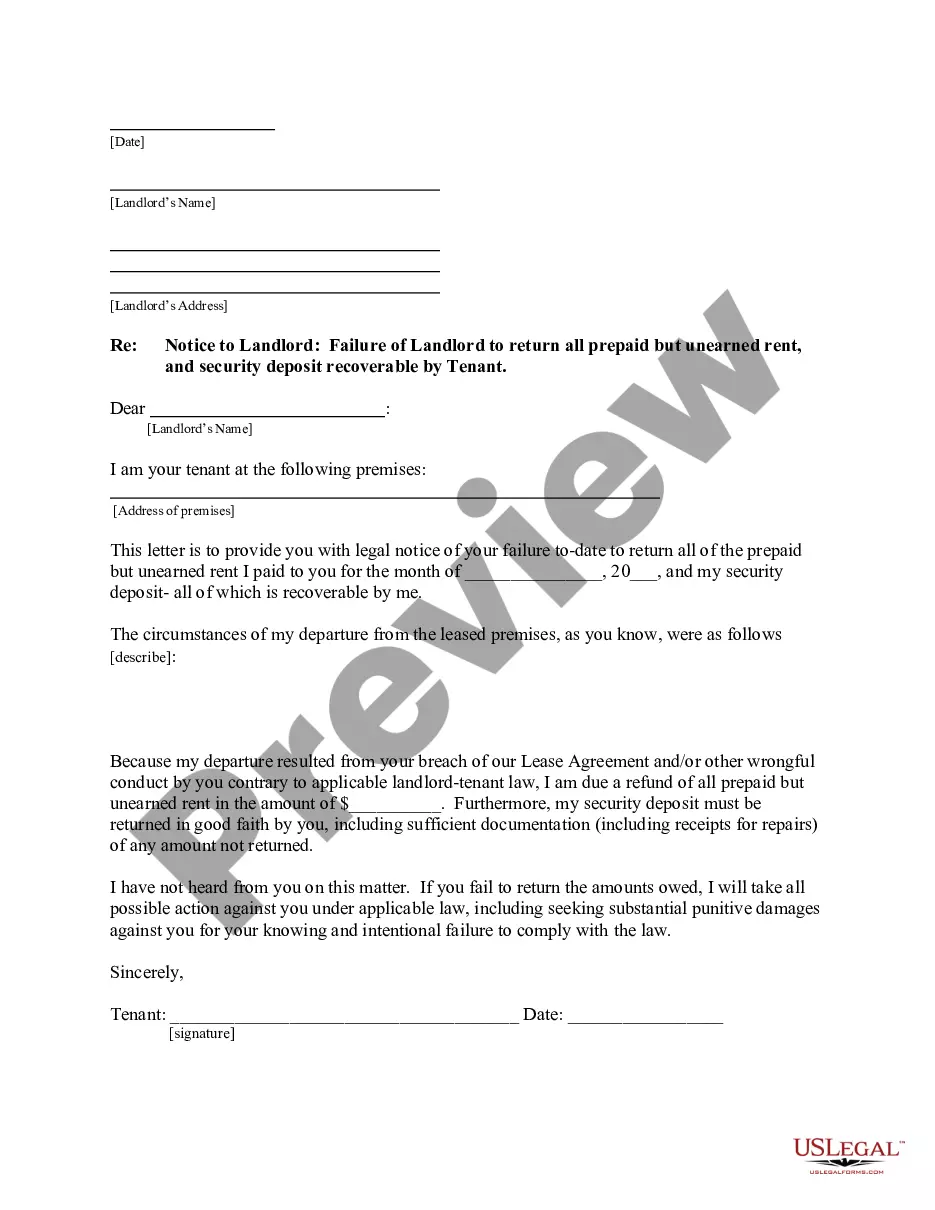
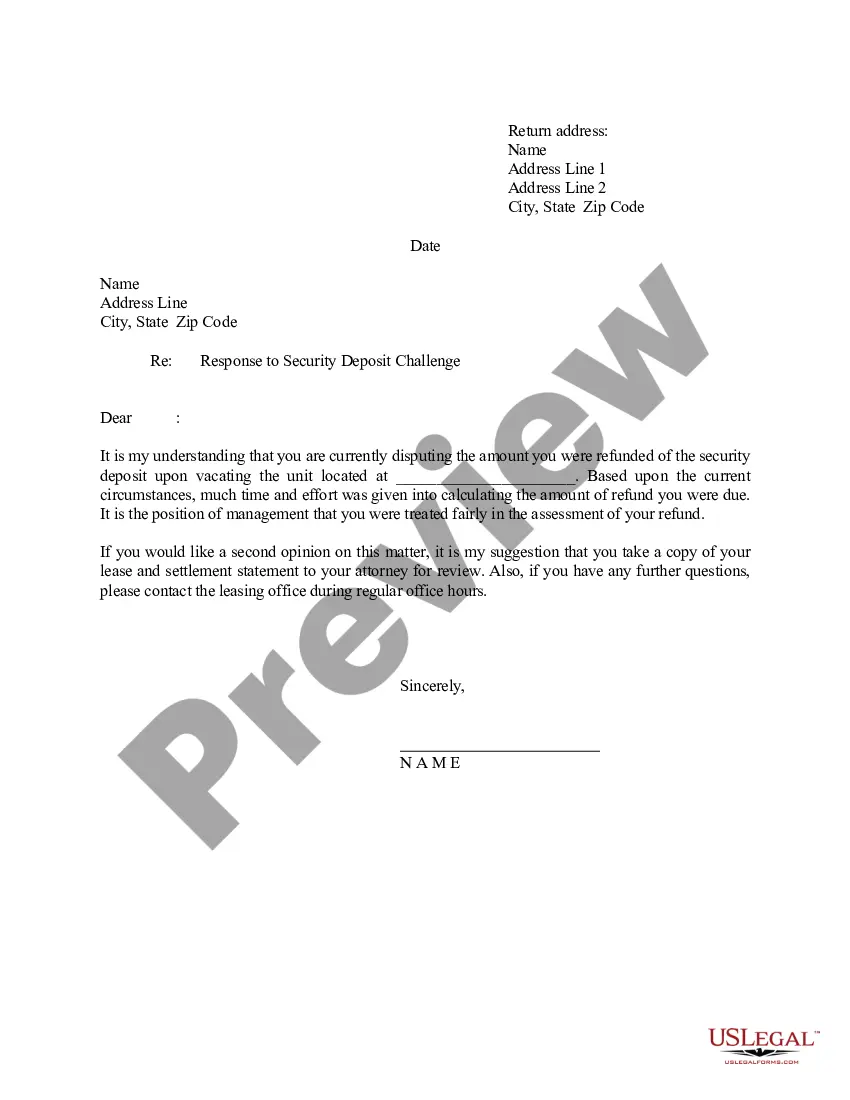
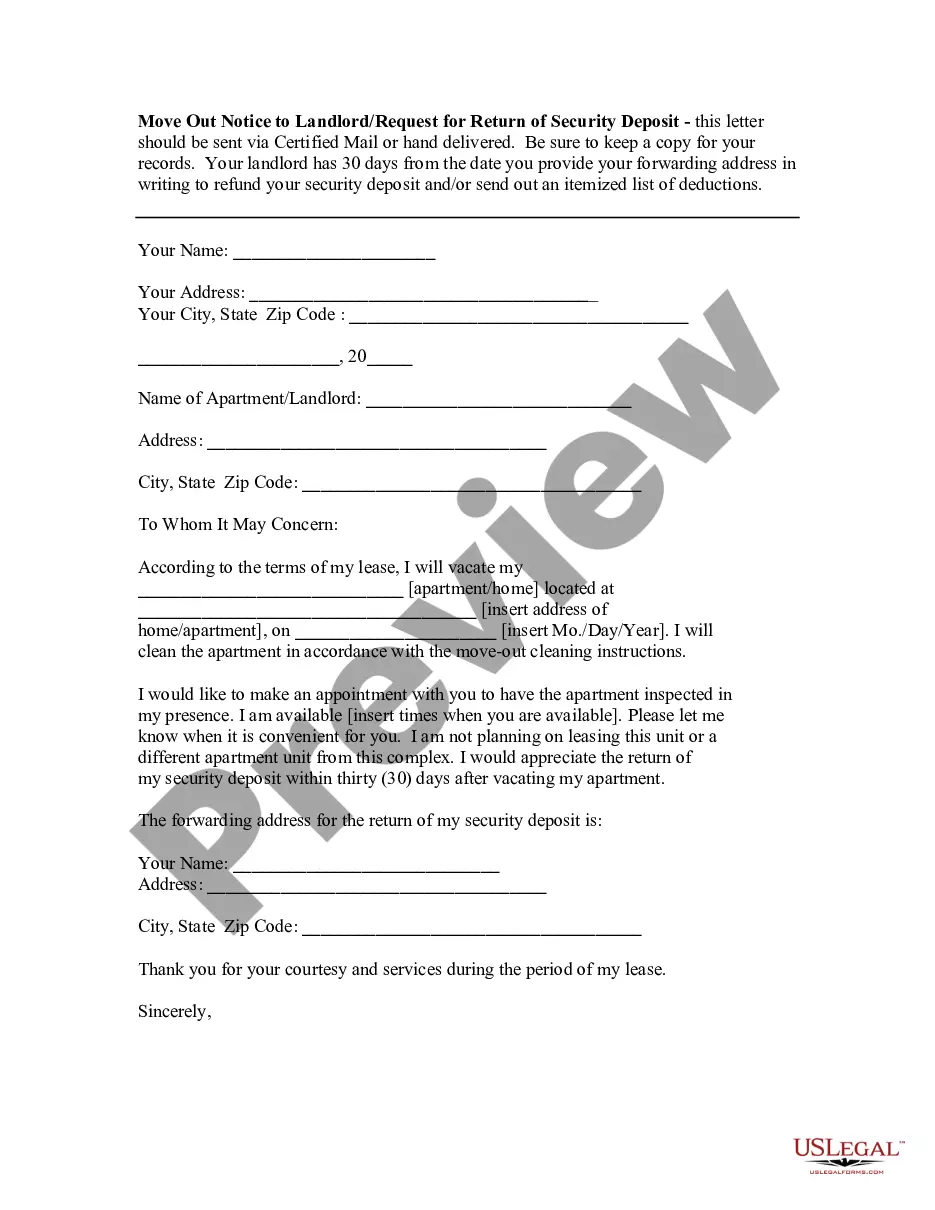
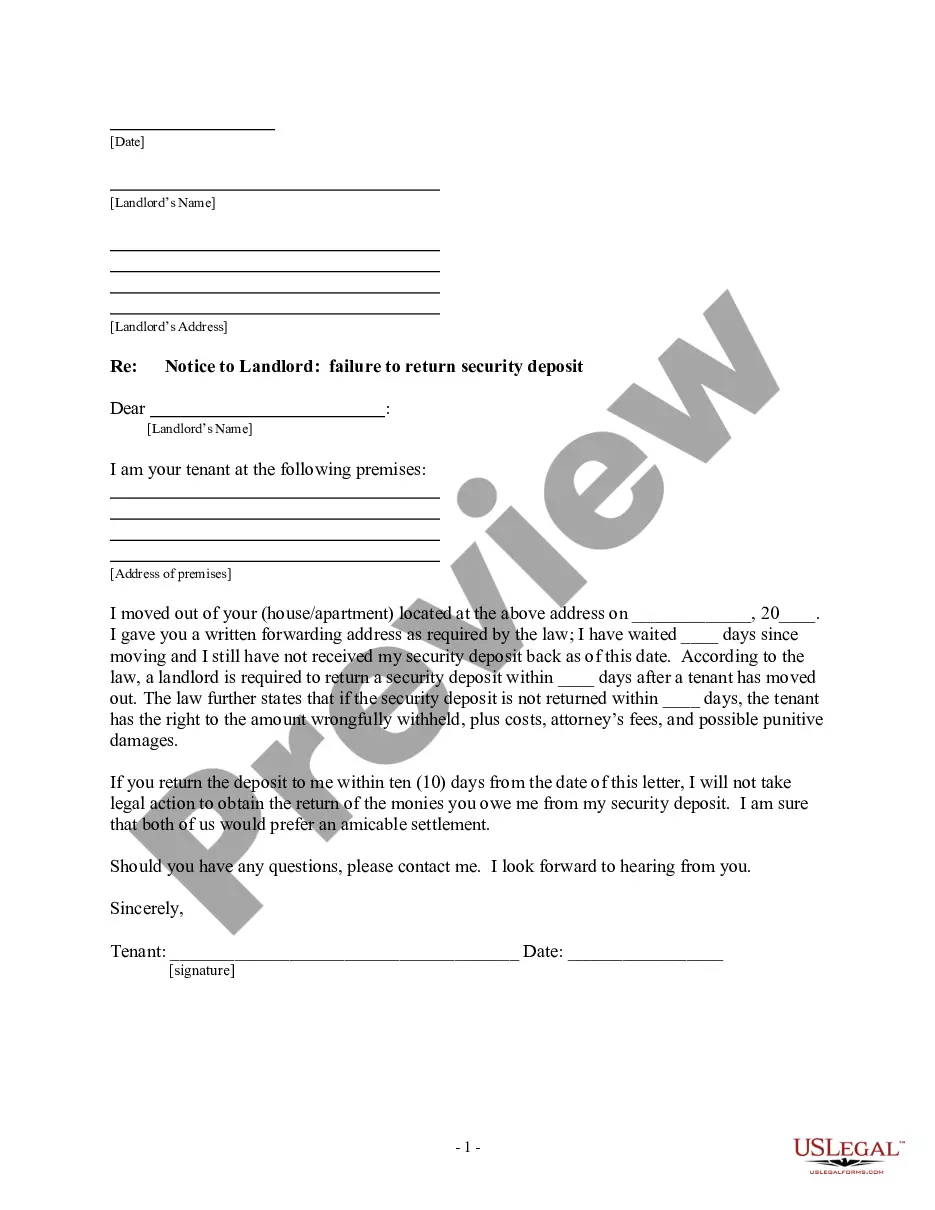
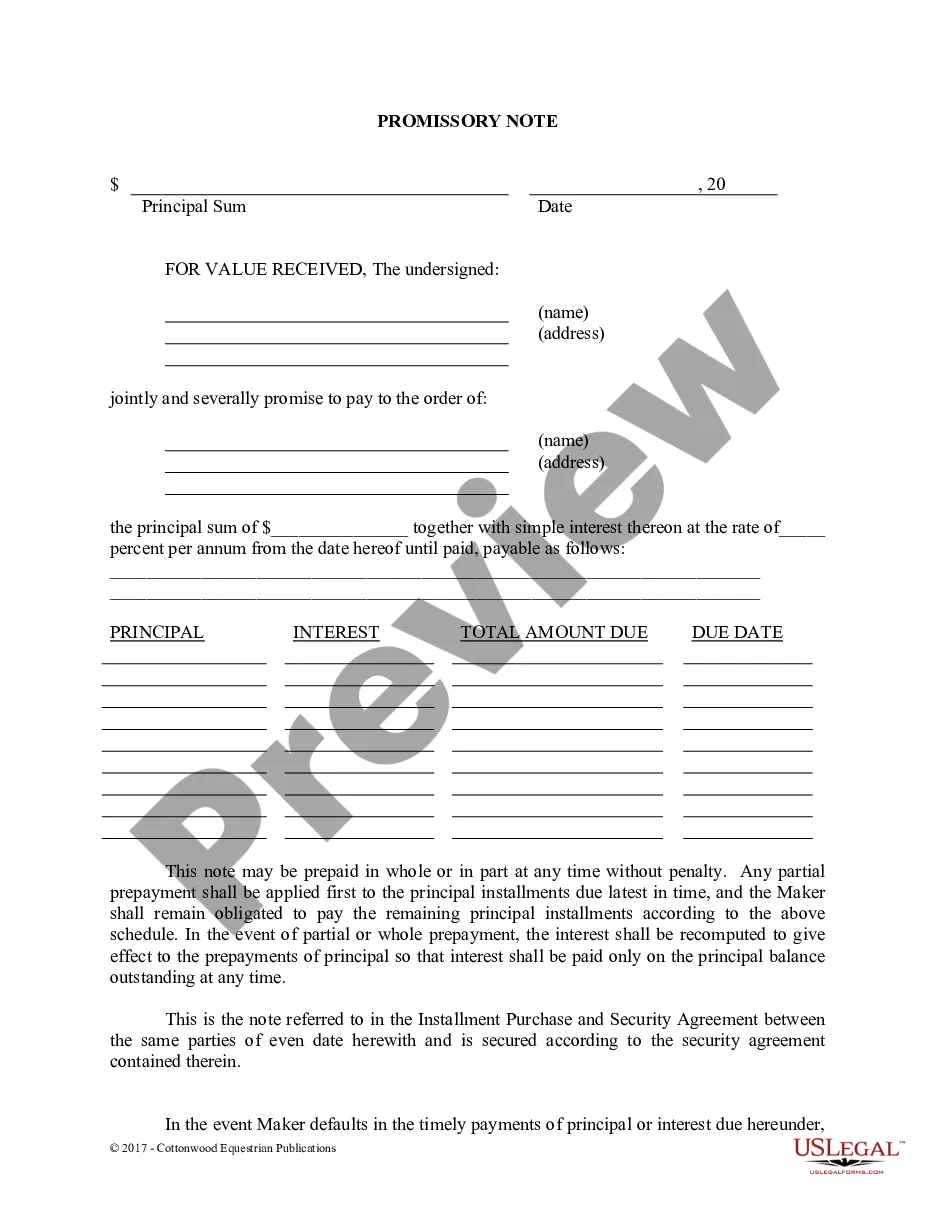
This form is a Letter from Tenant to Landlord for Failure of Landlord to Return All Prepaid and Unearned Rent and Security Recoverable by Tenant. It serves as a formal notification to the landlord regarding their failure to refund prepaid rent and security deposits following the tenant's departure. This document is essential for tenants who have experienced a breach of the lease agreement or other wrongful conduct by the landlord, providing a legal basis for requesting a refund of amounts owed.
Key components of this form
- Details of the tenantâs departure from the leased premises.
- Statement of amounts owed to the tenant, including prepaid rent and security deposits.
- Notice of the tenantâs intent to take legal action if amounts are not returned.
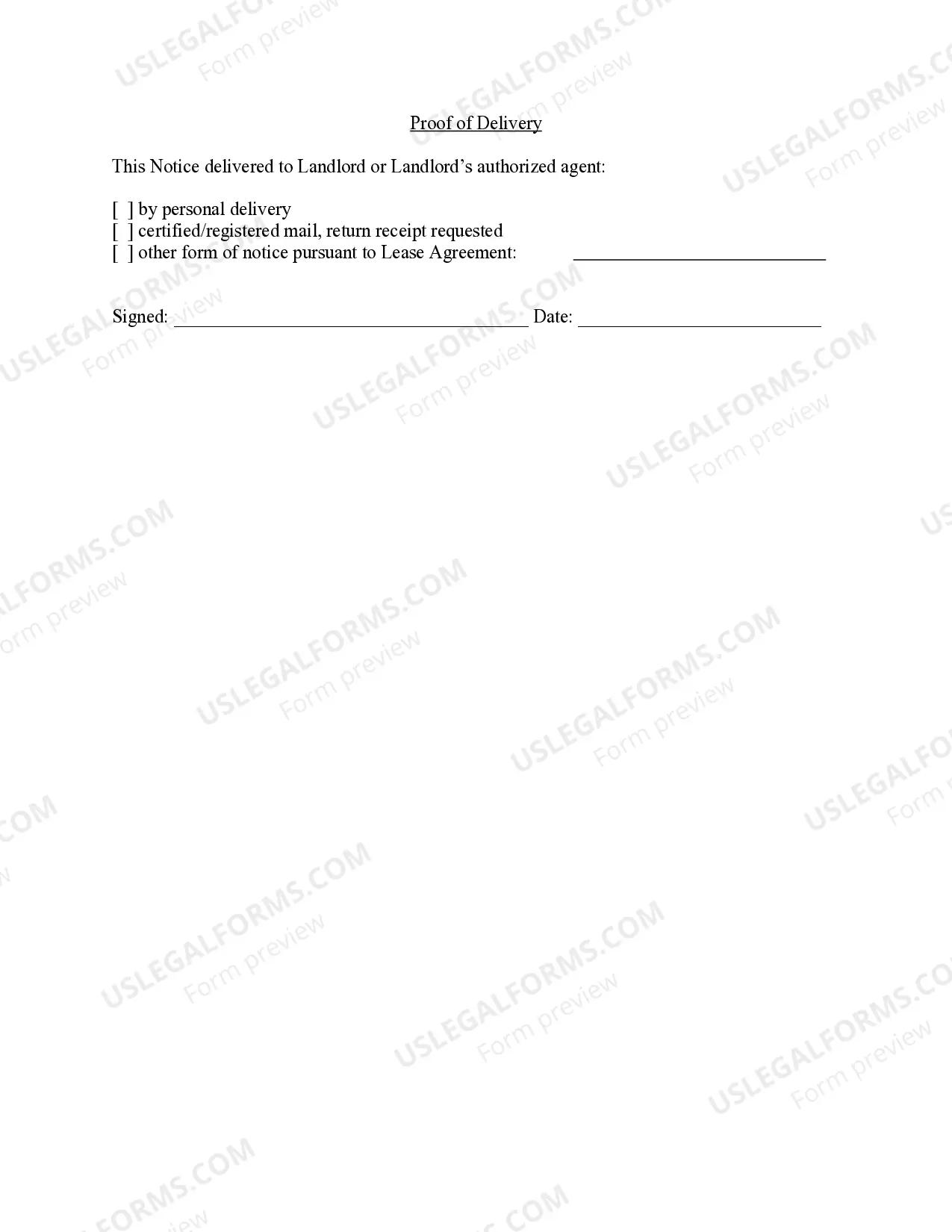
- Proof of delivery options to ensure the landlord receives the notice.

When this form is needed
This form should be used when a tenant has vacated the rental property but has not received a refund for prepaid rent or security deposits. Circumstances may include the landlord's breach of the lease agreement, such as failing to maintain habitable conditions or improper eviction. It is a crucial step before pursuing further legal action to reclaim funds that should be returned.
Who should use this form
- Tenants who have paid rent and security deposits but did not receive a full refund upon moving out.
- Individuals who believe their landlord has breached the lease terms or violated landlord-tenant law.
- Tenants seeking a formal document to escalate a potential dispute regarding unpaid refunds.
Steps to complete this form
- Identify the tenant and landlord by providing their names and addresses.
- Describe the circumstances of the tenant's departure from the property.
- List the amounts owed, including details of prepaid rent and security deposits.
- State the intention to seek legal action if the amounts are not returned.
- Sign and date the document for authenticity.
Notarization requirements for this form
In most cases, this form does not require notarization. However, some jurisdictions or signing circumstances might. US Legal Forms offers online notarization powered by Notarize, accessible 24/7 for a quick, remote process.
Get your form ready online
Our built-in tools help you complete, sign, share, and store your documents in one place.
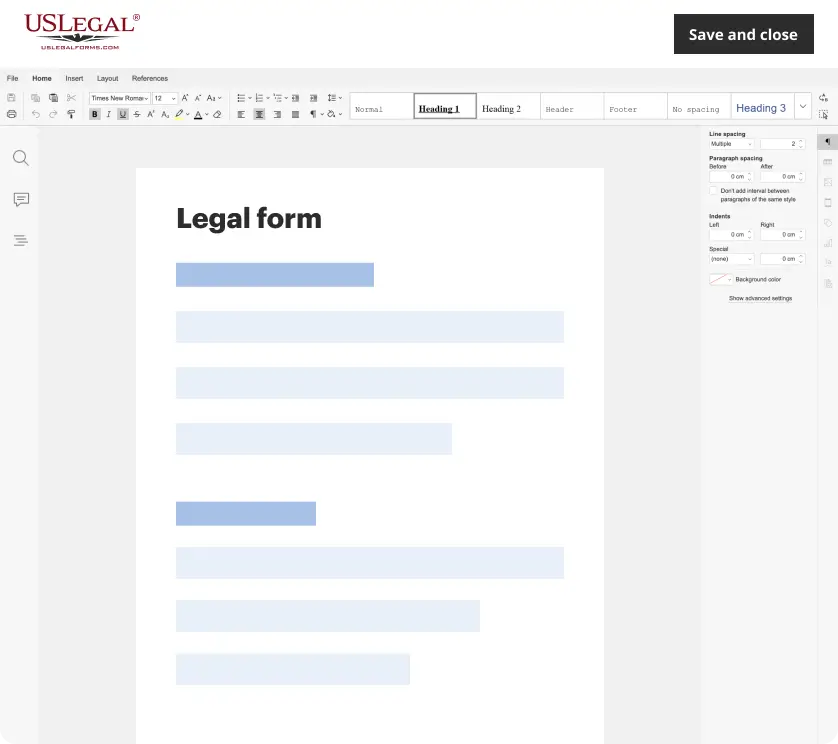
Make edits, fill in missing information, and update formatting in US Legal Forms—just like you would in MS Word.
Download a copy, print it, send it by email, or mail it via USPS—whatever works best for your next step.
Sign and collect signatures with our SignNow integration. Send to multiple recipients, set reminders, and more. Go Premium to unlock E-Sign.
If this form requires notarization, complete it online through a secure video call—no need to meet a notary in person or wait for an appointment.
We protect your documents and personal data by following strict security and privacy standards.
Make edits, fill in missing information, and update formatting in US Legal Forms—just like you would in MS Word.
Download a copy, print it, send it by email, or mail it via USPS—whatever works best for your next step.
Sign and collect signatures with our SignNow integration. Send to multiple recipients, set reminders, and more. Go Premium to unlock E-Sign.

If this form requires notarization, complete it online through a secure video call—no need to meet a notary in person or wait for an appointment.
We protect your documents and personal data by following strict security and privacy standards.
Mistakes to watch out for
- Failing to include all necessary amounts owed, which can weaken the claim.
- Not delivering the notice in a manner that provides proof of receipt.
- Using vague language instead of being specific about the landlord's failures.
Benefits of completing this form online
- Convenient downloadable format allows for easy completion and customization.
- Legally vetted by licensed attorneys to ensure compliance with applicable laws.
- Rapid access to the necessary documents without needing to visit a lawyerâs office.
Looking for another form?
Form popularity
FAQ
You should usually get your deposit back within 10 days of agreeing on the amount with your landlord. It can take a lot longer if you and your landlord disagree on the amount that's being taken off.
Damage in excess of normal wear and tear. Other damages or charges that have been spelled out in the lease agreement. Unpaid utility bills.
Landlord Rights When Tenant Destroys PropertyIf the tenant is evicted or already abandoned the property the landlord can deduct money from the security deposit. If the damages exceed the funds in the security deposit the landlord can sue the tenant in small claims court.
First, let's define our terms. Normal wear and tear is any damage that occurs in on a property due to aging. Typically this kind of damage is merely the result of a tenant(s) living in the property and is considered a part of normal depreciation. Its cause is neither neglect or abuse of the property by the tenant(s).
Under Virginia law, a landlord must return the tenant's security deposit within 45 days after the tenant has moved out. The landlord does not have to give tenant any advance notice of deductions. The tenant has the right to be present at the final inspection, and landlord must give tenant written notice of this right.
Fill out the Request for Return of Security Deposit form (not interactive; you must print, then fill out the form). Send the form to your former landlord. Keep a photo-copy of the form for yourself. Hold on to the Return Receipt when it comes back in the mail.
Virginia law was changed in 2014, removing the requirement that interest accrue on security deposits held by landlords unless otherwise agreed in writing.
The landlord verification form is a document used by a landlord when verifying the previous rental information of an applicant for tenancy. The requesting landlord must send the form to the applicant's current or past landlord in order to obtain all details related to the tenancy of the individual.
If your deposit didn't need to be protected and your landlord refuses to give it back, you might have to take them to court. Going to court can be expensive and stressful. You'll have to pay court costs upfront but you might get them back if you win your case.