Virginia Letter from Tenant to Landlord with Demand that landlord repair unsafe or broken lights or wiring
Overview of this form
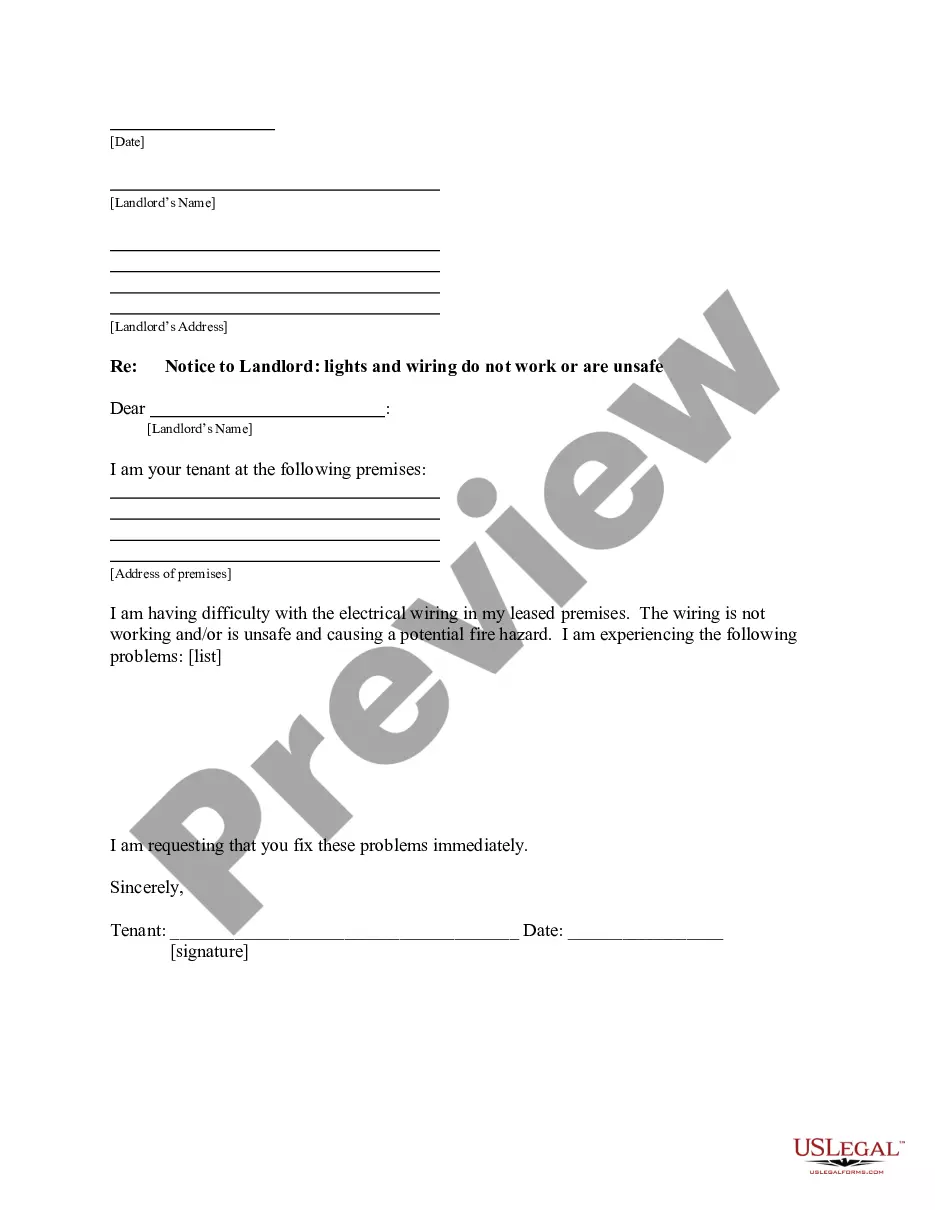
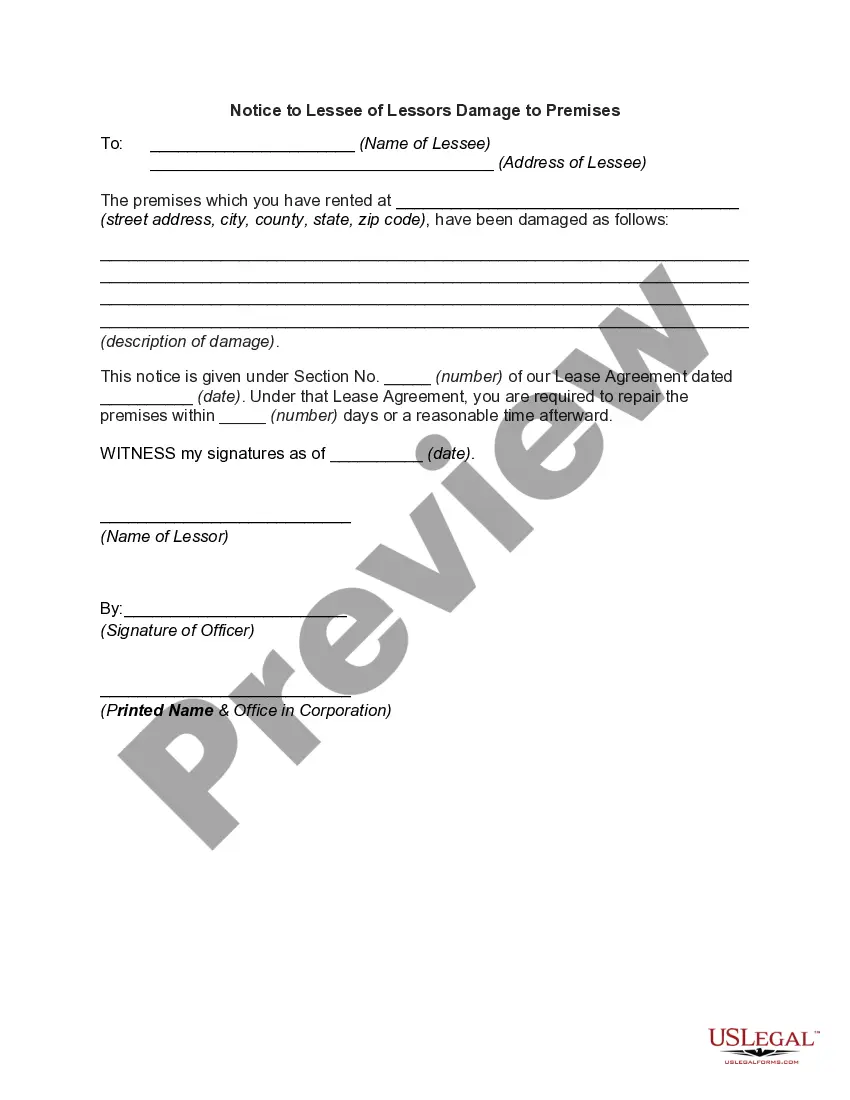
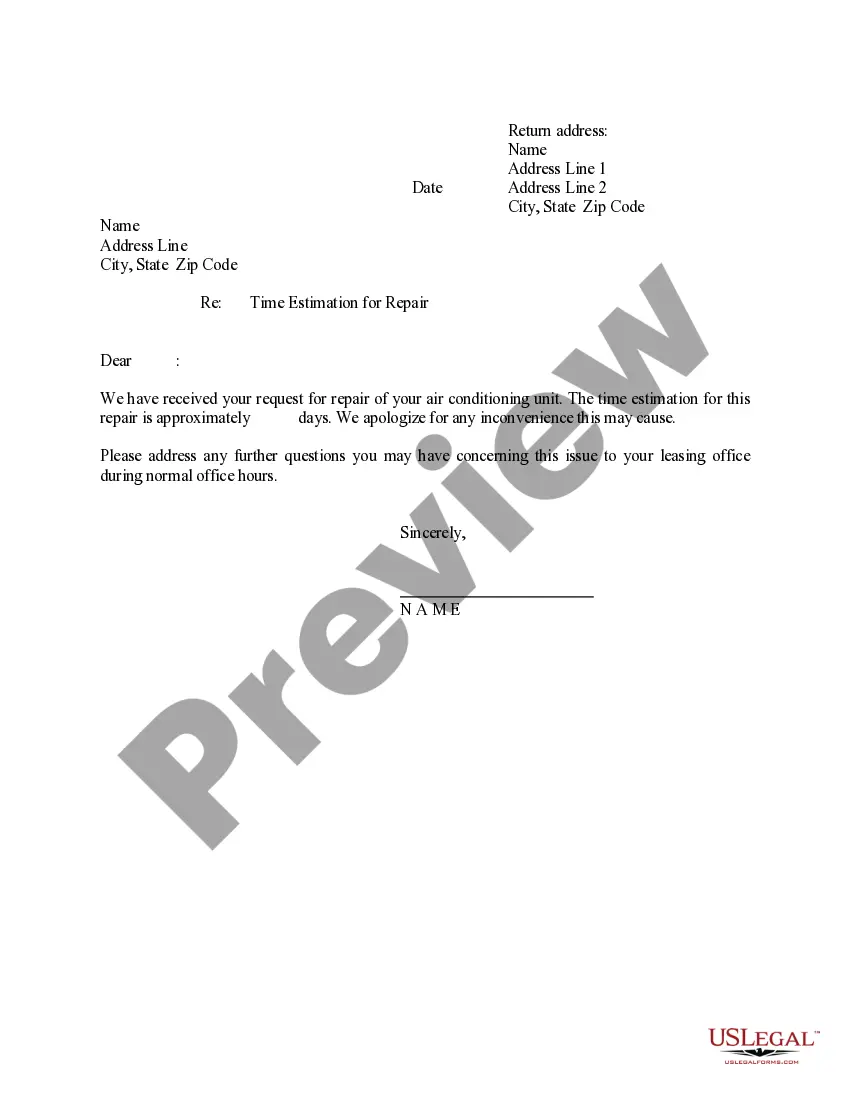
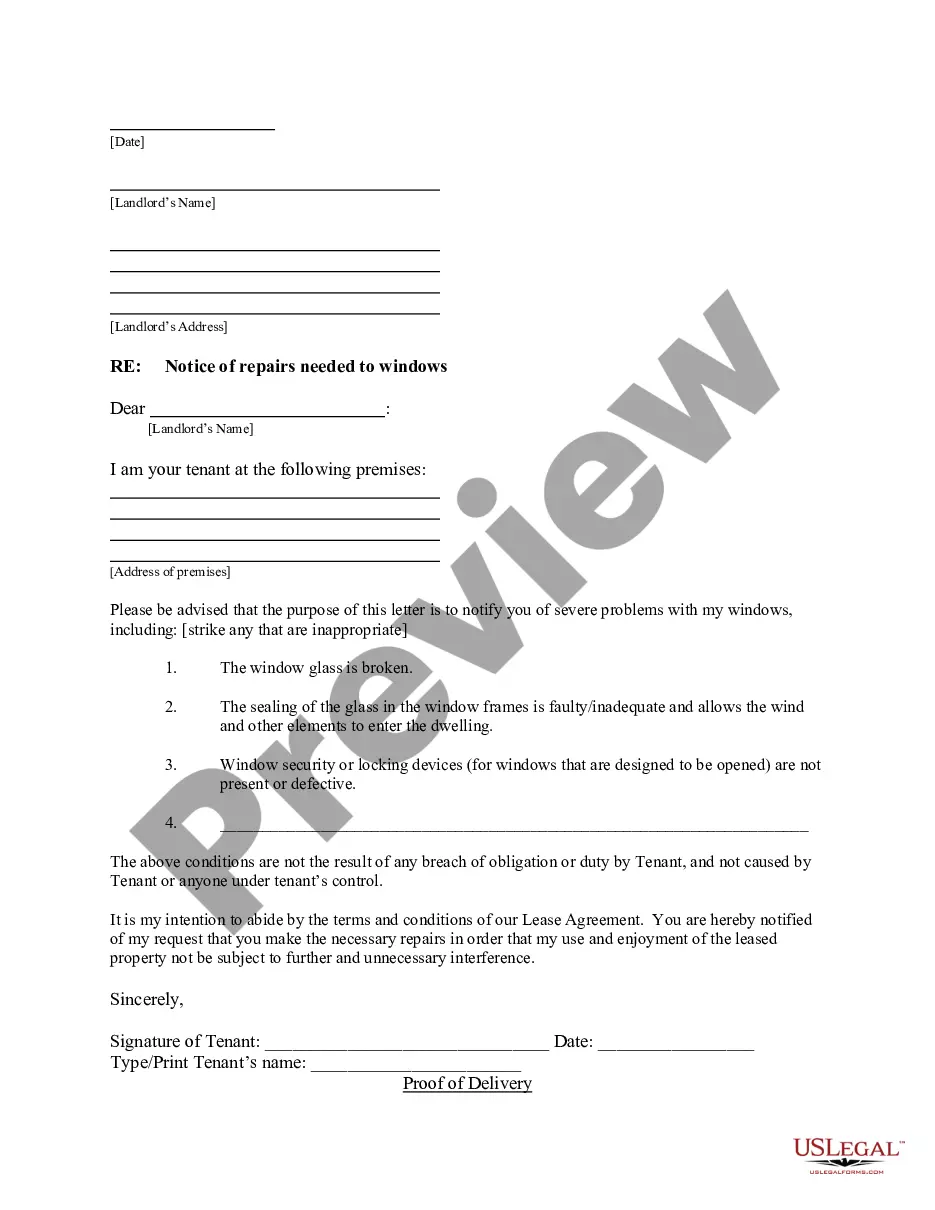
This form is a Letter from Tenant to Landlord with Demand that the landlord repair unsafe or broken lights or wiring. It serves to notify the landlord of issues that compromise safety and habitability in a rental property. Unlike general complaint letters, this form specifically emphasizes the landlord's legal duty to maintain safe conditions and formally demands immediate action for repairs.
Main sections of this form
- Contact information for the tenant and landlord
- Description of the issue with lighting or wiring
- Statement regarding the landlord's statutory duty to maintain property
- Demand for immediate repairs
- Signature line for the tenant
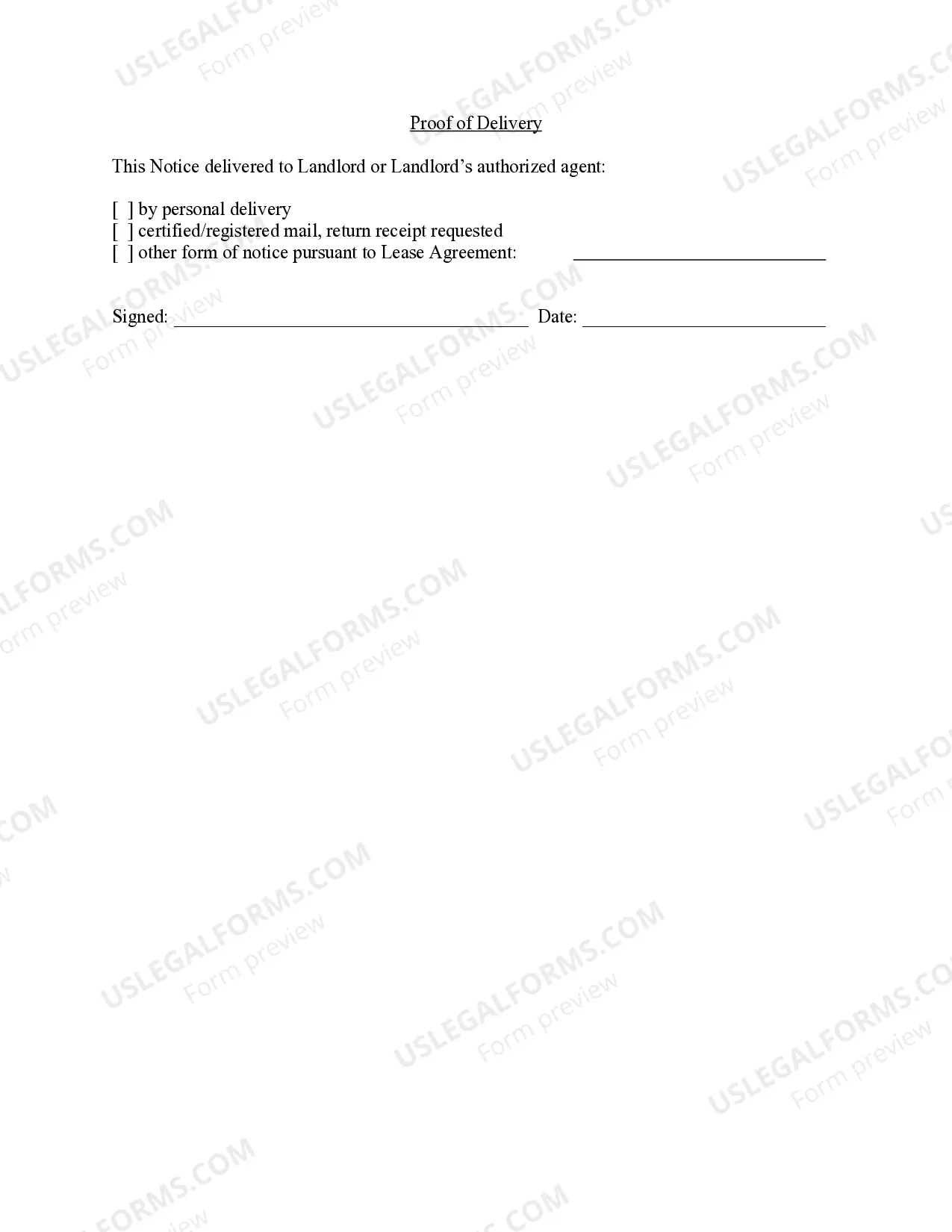
- Proof of delivery options, such as personal delivery or certified mail

When this form is needed
Use this form when you, as a tenant, have experienced problems with the lighting or electrical wiring in your rental property that pose safety risks. This form is particularly helpful when previous requests for repairs have gone unanswered, and further action is necessary to prompt the landlord to address the issue.
Intended users of this form
- Tenants experiencing unsafe or broken lights or wiring in their rental unit
- Individuals seeking to formally notify their landlord of maintenance issues
- Renters who want to document their concerns for future reference or action
Instructions for completing this form
- Identify your name and address as the tenant.
- Provide the landlord's name and address.
- Clearly describe the issue with the lights or wiring.
- Select the method of delivery for the notice (e.g., certified mail).
- Sign and date the form to validate your demand.
Does this form need to be notarized?
This form does not typically require notarization unless specified by local law. Ensure you follow local rules regarding tenant-landlord correspondence for maximum compliance.
Get your form ready online
Our built-in tools help you complete, sign, share, and store your documents in one place.
Make edits, fill in missing information, and update formatting in US Legal Forms—just like you would in MS Word.
Download a copy, print it, send it by email, or mail it via USPS—whatever works best for your next step.
Sign and collect signatures with our SignNow integration. Send to multiple recipients, set reminders, and more. Go Premium to unlock E-Sign.
If this form requires notarization, complete it online through a secure video call—no need to meet a notary in person or wait for an appointment.
We protect your documents and personal data by following strict security and privacy standards.

Make edits, fill in missing information, and update formatting in US Legal Forms—just like you would in MS Word.

Download a copy, print it, send it by email, or mail it via USPS—whatever works best for your next step.

Sign and collect signatures with our SignNow integration. Send to multiple recipients, set reminders, and more. Go Premium to unlock E-Sign.

If this form requires notarization, complete it online through a secure video call—no need to meet a notary in person or wait for an appointment.

We protect your documents and personal data by following strict security and privacy standards.
Common mistakes to avoid
- Failing to provide complete contact information for both tenant and landlord.
- Not specifying the exact nature of the electrical issue.
- Omitting to state the urgency of the repairs needed.
- Not keeping a copy of the delivered notice for personal records.
Advantages of online completion
- Convenience of filling out and downloading from home.
- Editable fields allow for personalized details regarding your situation.
- Access to professionally drafted legal templates that comply with applicable laws.
Legal use & context
- The form legally establishes the tenantâs notice to the landlord regarding unsafe conditions.
- Provides a documented trail that can be useful in any disputes arising from the need for repairs.
- Helps protect the tenant's rights under the lease agreement and local housing laws.
Main things to remember
- This form is essential for tenants facing unsafe lighting or wiring issues.
- Proper completion and delivery can legally compel landlords to make necessary repairs.
- Using this form online offers convenience and reliability, ensuring legal compliance.
Looking for another form?
Form popularity
FAQ
Uninhabitable conditions can include dangerous ones, such as holes in the floor, unsafe or exposed wiring, or non-working air conditioning in dangerously hot summer months. Gross infestations of roaches, fleas or other pests are also uninhabitable conditions.
Know your state's landlord/tenant laws. Read and respond to the court summons. Try to work out a settlement. Consider legal counsel. Show up for court. Look sharp and provide evidence.
Clearly, state what you demand to be repaired by the person. Mention the period since it has been causing a problem and that it is high time. Without being too harsh, the letter is written as a warning to the person. Address the person well.
To give you an idea, it's in good taste to start your letter "Dear Mr./Ms. Insert Name Here," as is the case with any polite letter. No matter how much you might want to give your landlord a piece of your mind, do yourself a favor and refrain from calling him a slumlord.
The landlord had a duty to reasonably maintain the property; The landlord knew or should have known of the dangerous condition; The landlord breached their duty by failing to repair/fix the dangerous condition;
Dear (Name of landlord or manager), I am writing to request repairs to the (appliance, heating/air conditioning, plumbing issue be specific!) due to (reason for repair; this could include things such as broken handle, leaky sink hose, even normal wear-and-tear that would necessitate replacement).
One way to get your landlord to fix bad conditions is to withhold all or some of your rent until the landlord actually makes the repairs. This is called "rent withholding." Tenants have a right to withhold rent because landlords are obligated to provide safe and habitable housing under the warranty of habitability.
Filing a complaint with state or local health or building inspectors (who may fine a landlord who fails to correct the problem within a set amount of time, or actually condemn the property in severe cases) suing the landlord for the difference between the monthly rent and the value of the unit with defects, or.
Uninhabitable conditions can include dangerous ones, such as holes in the floor, unsafe or exposed wiring, or non-working air conditioning in dangerously hot summer months. Gross infestations of roaches, fleas or other pests are also uninhabitable conditions.