Utah Living Wills and Health Care Package
Overview of this form package
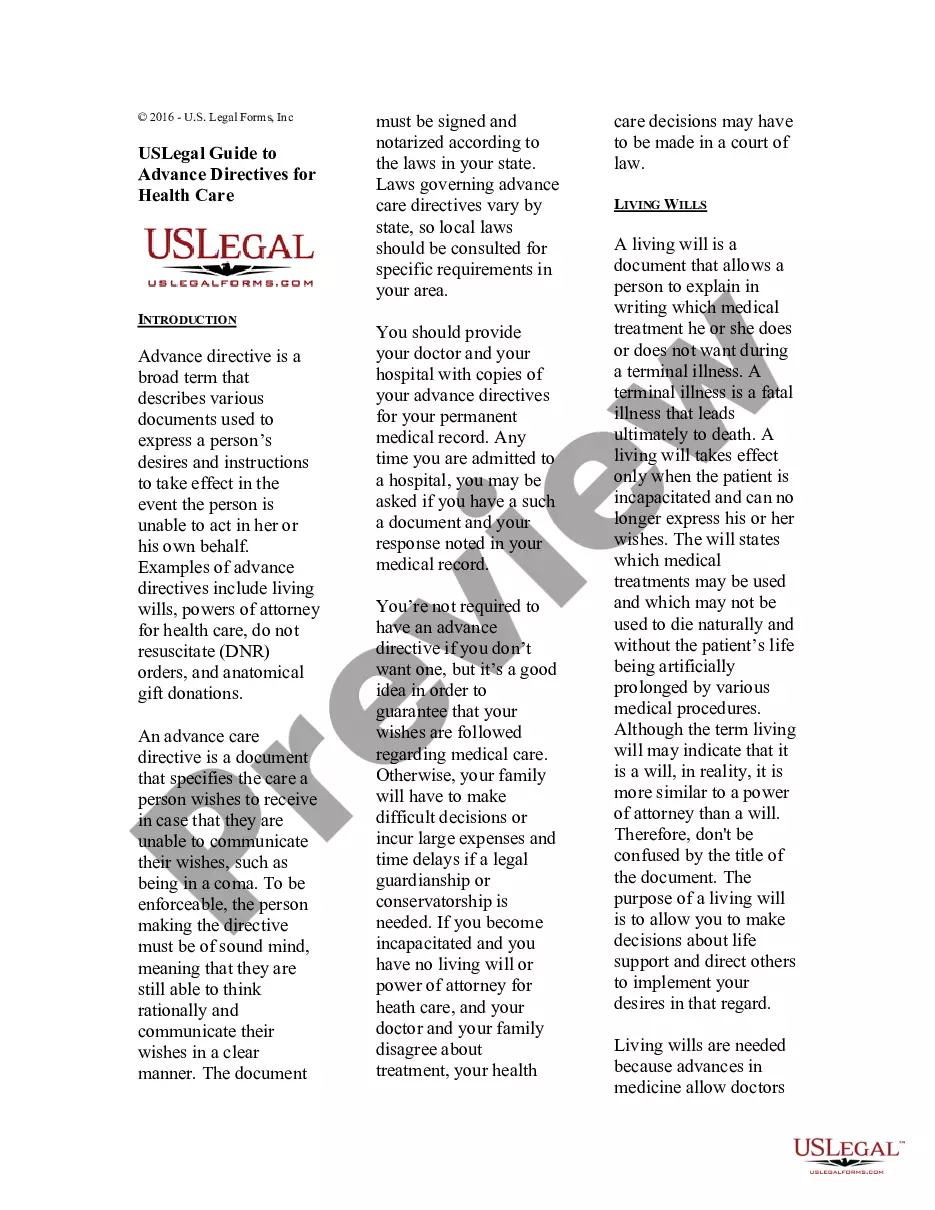
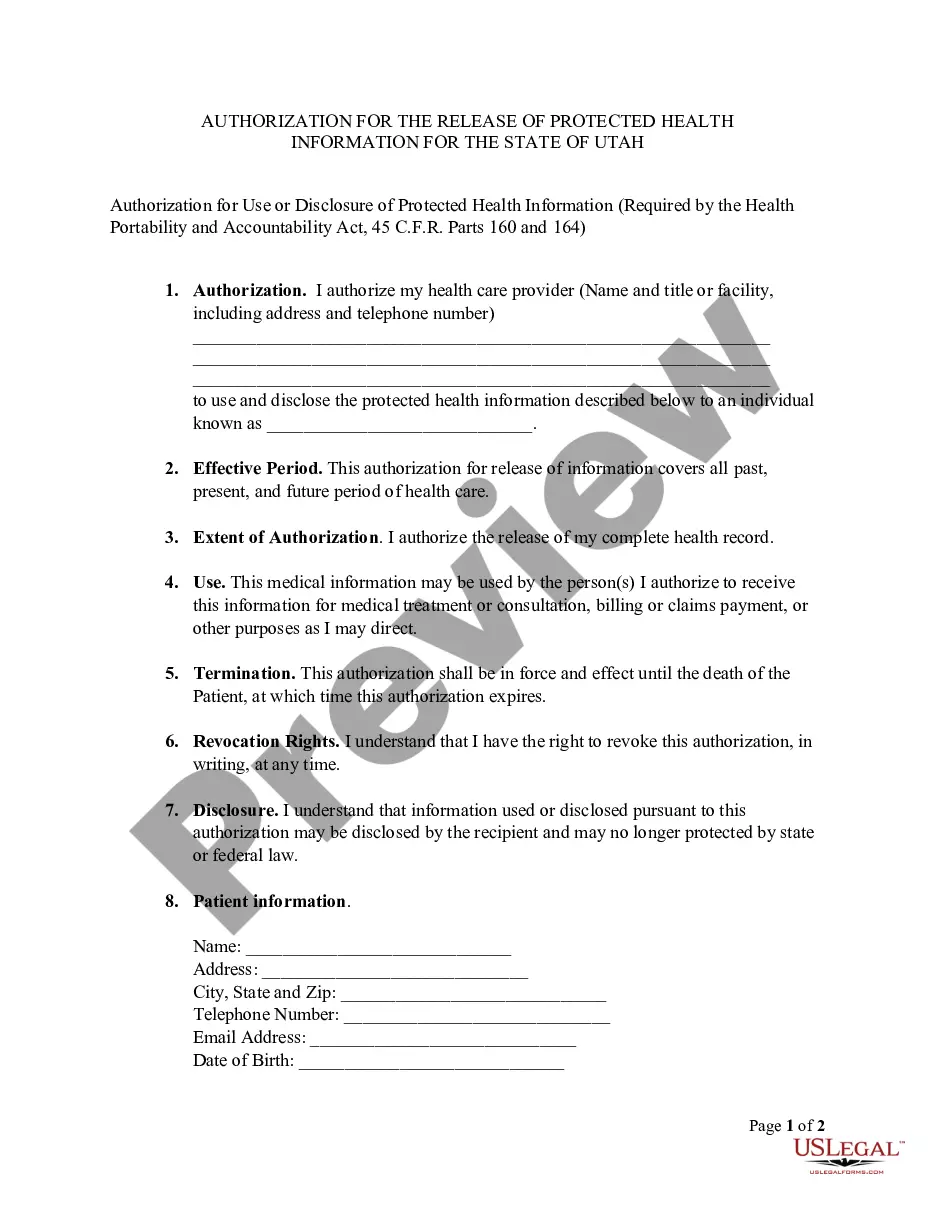
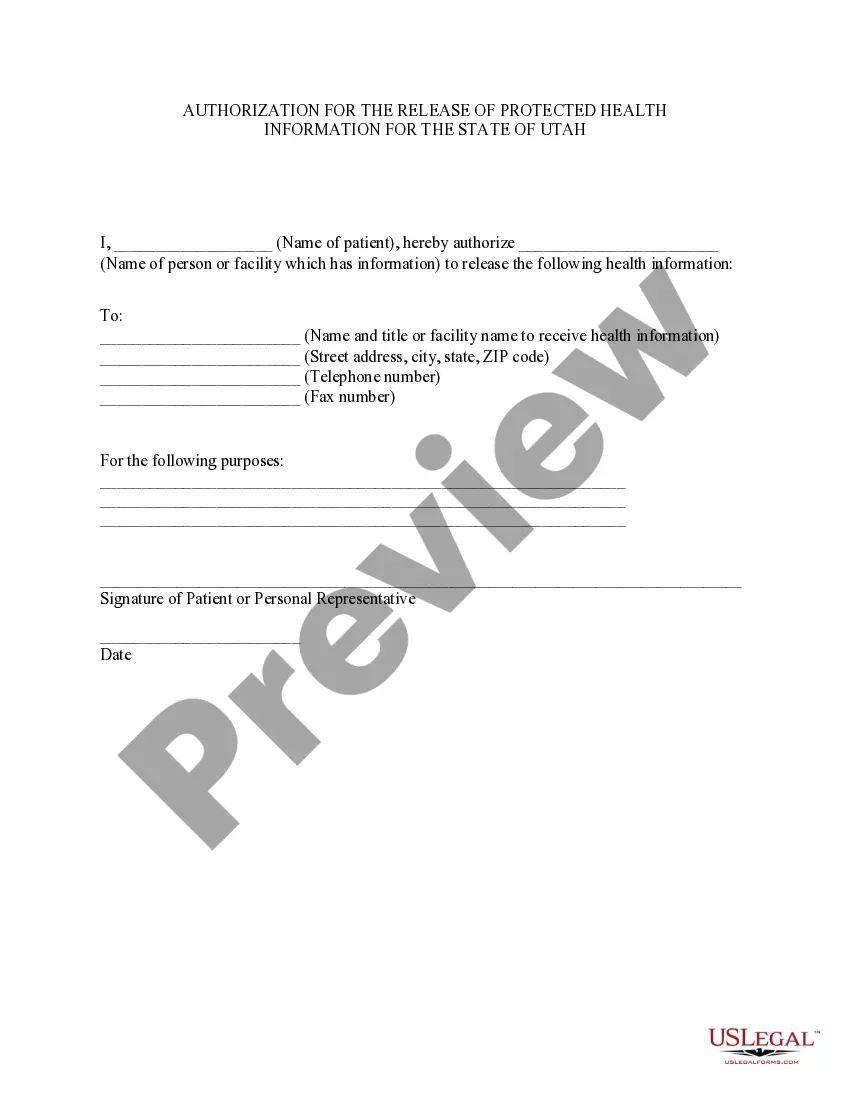
The Utah Living Wills and Health Care Package is a comprehensive collection of legal documents that enable individuals to declare their wishes regarding medical treatment and life support. These forms ensure that your preferences are respected during critical medical situations, particularly when you are unable to communicate your desires. This package includes essential forms such as a Special Power of Attorney and a Statutory Advance Health Care Directive, setting it apart from other legal document packages by focusing specifically on health care decisions and anatomical gifts.
What’s included in this form package

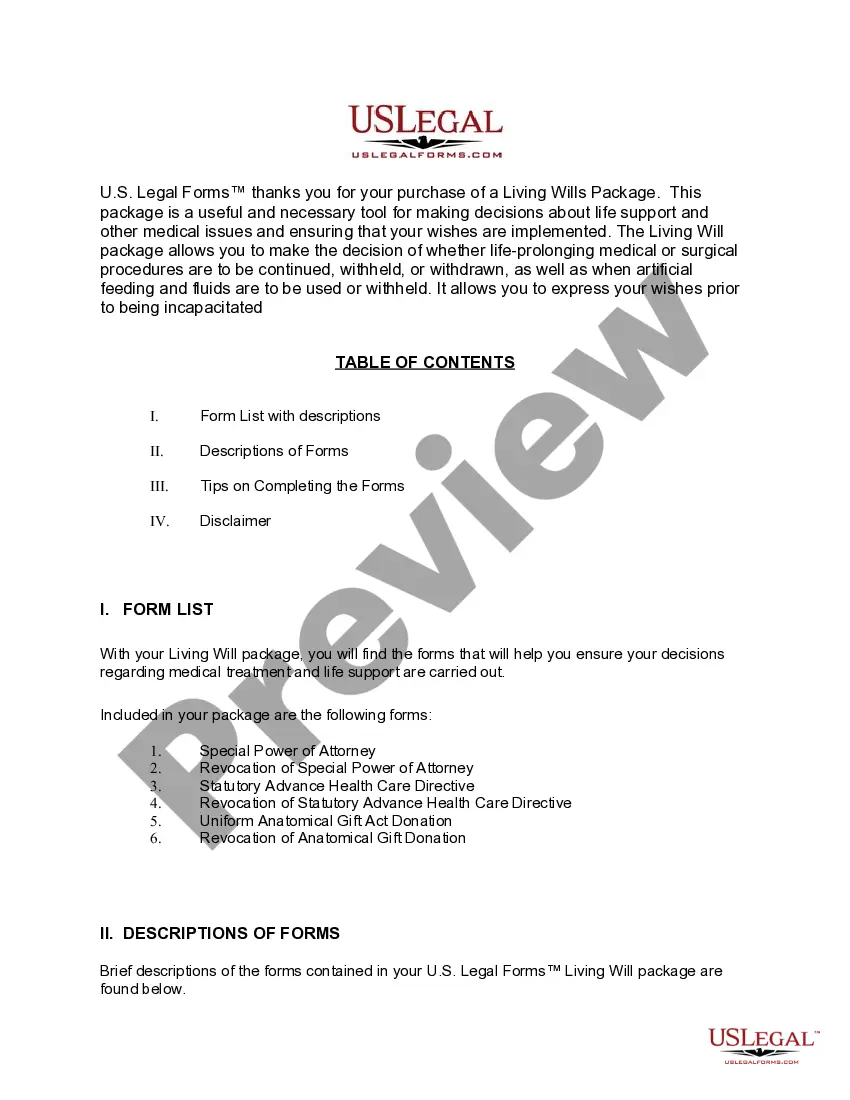
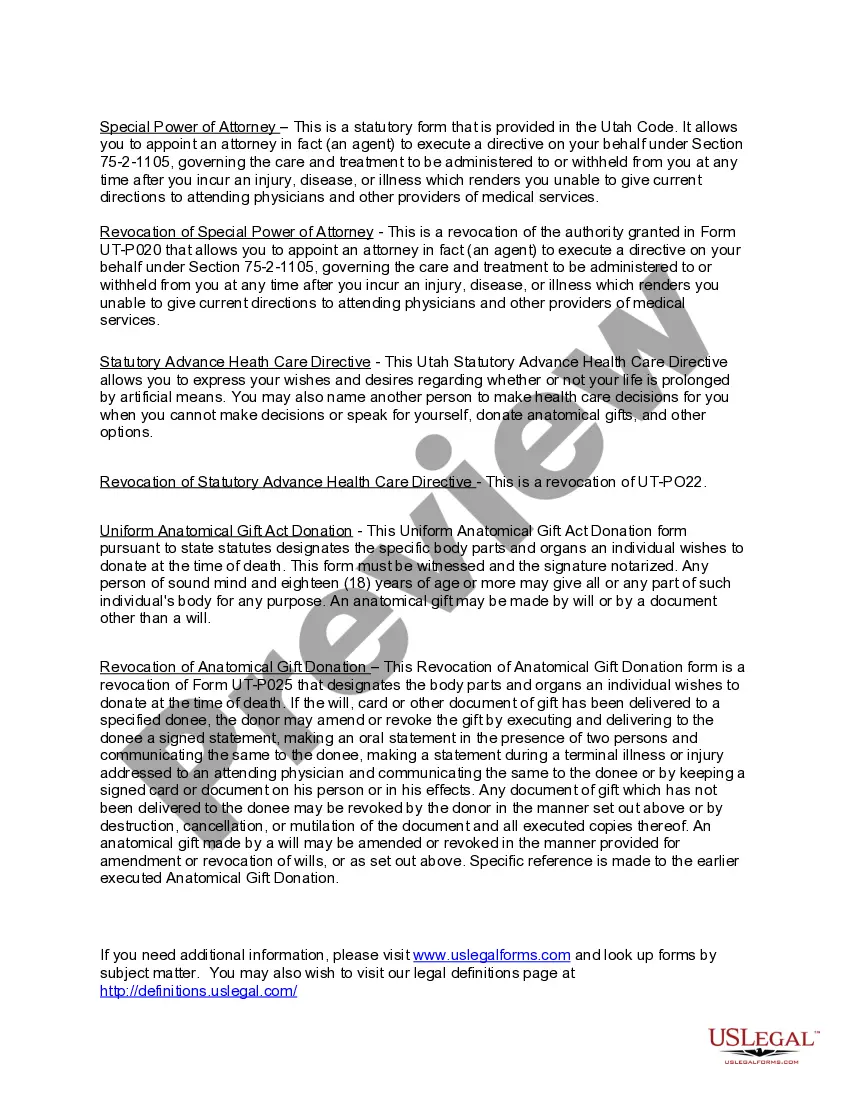


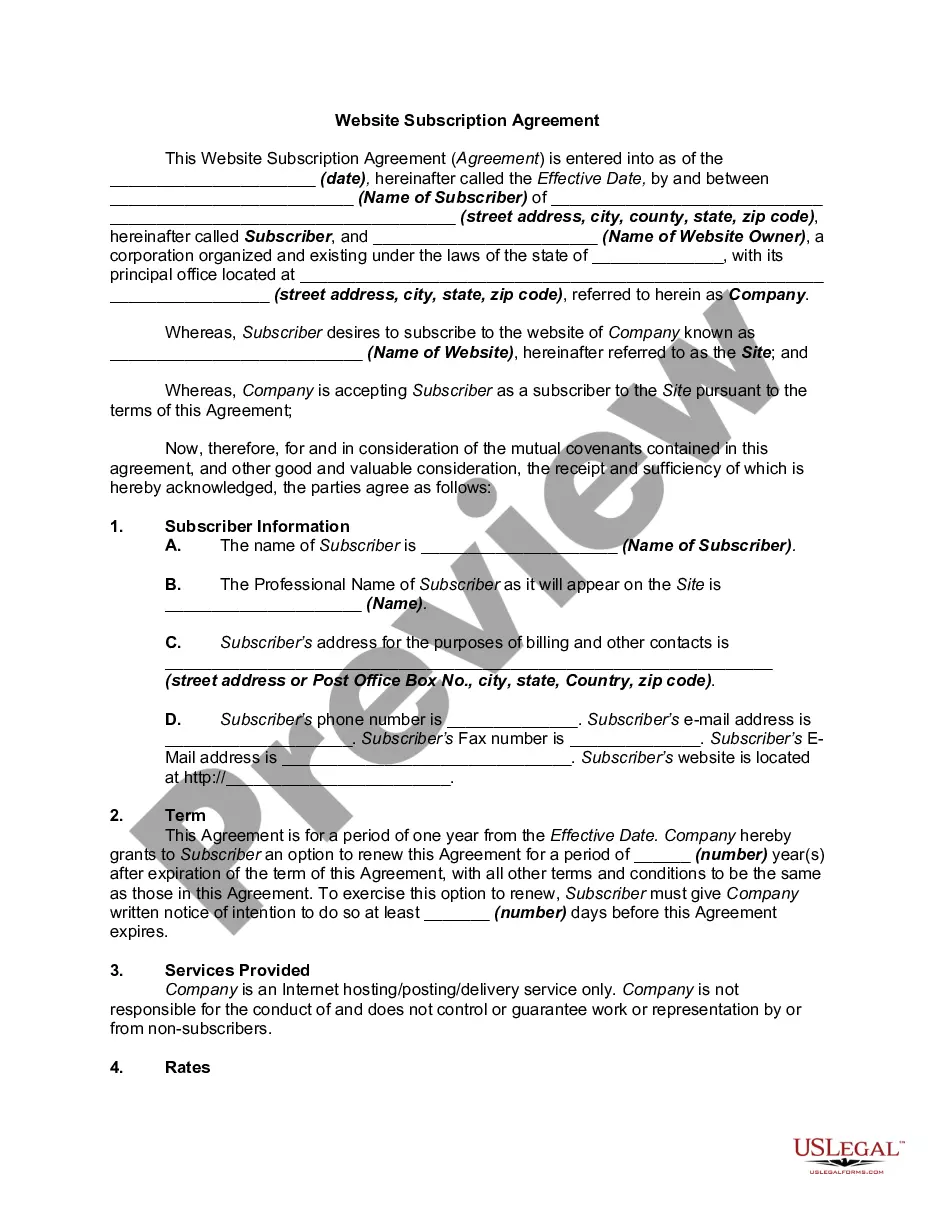
When to use this form package
This form package is useful in a variety of scenarios, including:
- Establishing your health care preferences in the event of a terminal illness.
- Designating someone to make health care decisions on your behalf.
- Indicating specific wishes regarding life support and medical interventions.
- Making arrangements for anatomical gifts after your passing.
Who should use this form package
- Individuals seeking to secure their health care wishes in writing.
- Those wanting to appoint a trusted person to handle medical decisions when they cannot.
- People interested in donating organs or body parts after death.
- Anyone over eighteen years of age who is of sound mind and wishes to outline their medical care preferences.
How to prepare this document
- Review the included forms and understand their purposes.
- Identify the individual you wish to appoint as your attorney-in-fact for health care decisions.
- Clearly express your medical treatment preferences, including any limitations you want to impose.
- Sign and date the forms in the presence of witnesses if required.
- Store the completed forms in a safe but accessible location and share copies with your designated agent and family members.
Notarization requirements for forms in this package
Some forms in this package require notarization to be legally valid. US Legal Forms provides secure online notarization powered by Notarize, allowing you to complete the process through a verified video call, available 24/7.
Get your form ready online
Our built-in tools help you complete, sign, share, and store your documents in one place.
Make edits, fill in missing information, and update formatting in US Legal Forms—just like you would in MS Word.
Download a copy, print it, send it by email, or mail it via USPS—whatever works best for your next step.
Sign and collect signatures with our SignNow integration. Send to multiple recipients, set reminders, and more. Go Premium to unlock E-Sign.
If this form requires notarization, complete it online through a secure video call—no need to meet a notary in person or wait for an appointment.
We protect your documents and personal data by following strict security and privacy standards.

Make edits, fill in missing information, and update formatting in US Legal Forms—just like you would in MS Word.

Download a copy, print it, send it by email, or mail it via USPS—whatever works best for your next step.

Sign and collect signatures with our SignNow integration. Send to multiple recipients, set reminders, and more. Go Premium to unlock E-Sign.

If this form requires notarization, complete it online through a secure video call—no need to meet a notary in person or wait for an appointment.

We protect your documents and personal data by following strict security and privacy standards.
Common mistakes to avoid
- Not clearly defining medical wishes or preferences.
- Failing to appoint an attorney-in-fact or guardian.
- Not having forms witnessed or notarized when required.
- Neglecting to review and update the documents as life circumstances change.
Benefits of using this package online
- Convenient access to all necessary forms in one package.
- Editable documents that allow you to customize your health care directives easily.
- Reliability of documents drafted by licensed attorneys, ensuring legal validity.
Quick recap
- The Utah Living Wills and Health Care Package helps you outline your medical treatment preferences.
- This package is vital for anyone wanting to ensure their health care decisions are honored.
- Make sure to follow proper witnessing and notarization procedures for legal compliance.
Looking for another form?

Form popularity
FAQ
You do not need a lawyer to make a living will, although you can get one from a lawyer if you prefer to. Every state has its own requirements for making a living will, so if you make one on your own, make sure you find a form that meets your state's requirements.
The cost of setting up a living will varies from state to state, depending on whether it must be witnessed by a notary. Costs typically fall between $250-$500 to hire a lawyer to draft the living will, while forms can be self-completed for between $45 and $75.
A living will becomes effective when your primary physician decides that you can no longer make your own healthcare decisions. If you are ill or injured and cannot express your healthcare wishes, and your doctor certifies this fact in writing, your living will takes effect.
The name and contact information of your healthcare agent/proxy. Answers to specific questions about your preferences for care if you become unable to speak for yourself. Names and signatures of individuals who witness your signing your advance directive, if required.
Step 1 Download Your Living Will. Download in Adobe PDF, Microsoft Word (. Step 2 Health Care Directive. Step 3 Life Support. Step 4 Life-Sustaining Treatment. Step 5 End of Life Wishes. Step 6 Medical Power of Attorney. Step 7 Witness Acknowledgment. Step 8 Notary Acknowledgment.
Living will. A living will is a written, legal document that spells out medical treatments you would and would not want to be used to keep you alive, as well as your preferences for other medical decisions, such as pain management or organ donation. In determining your wishes, think about your values.
A living will is a legal document that contains a person's medical care and treatment instructions. The purpose of a living will is to allow a person to express health care decisions while he or she is mentally able to do so.
What is an advanced health care directive? What are the components? How are they used? When do they become effective? What happens if I don't have one? Can I change my mind? If I have a living will, does that mean I won't get treatment? Where do I get these forms?