Utah Decree of Dissolution with Adult Children
What this document covers
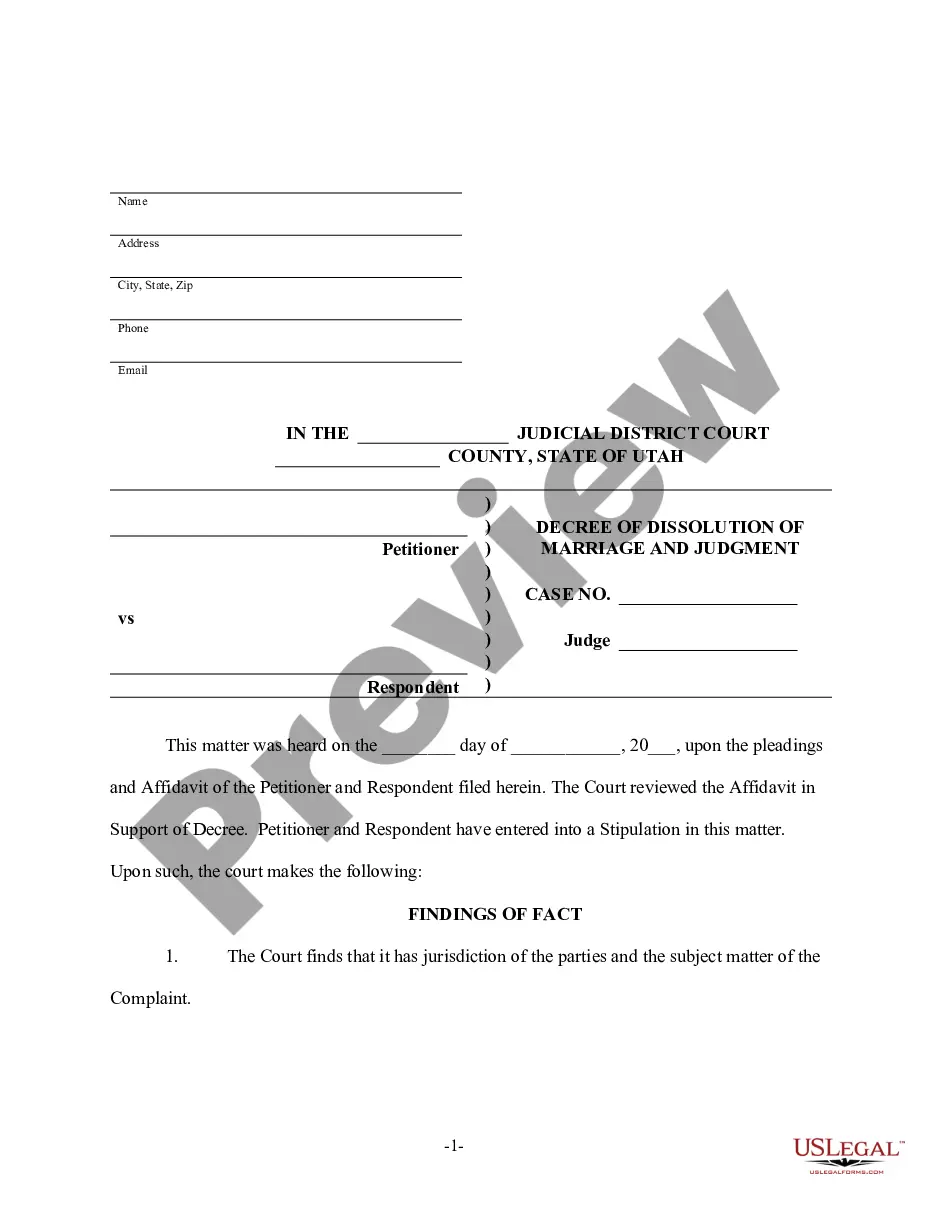
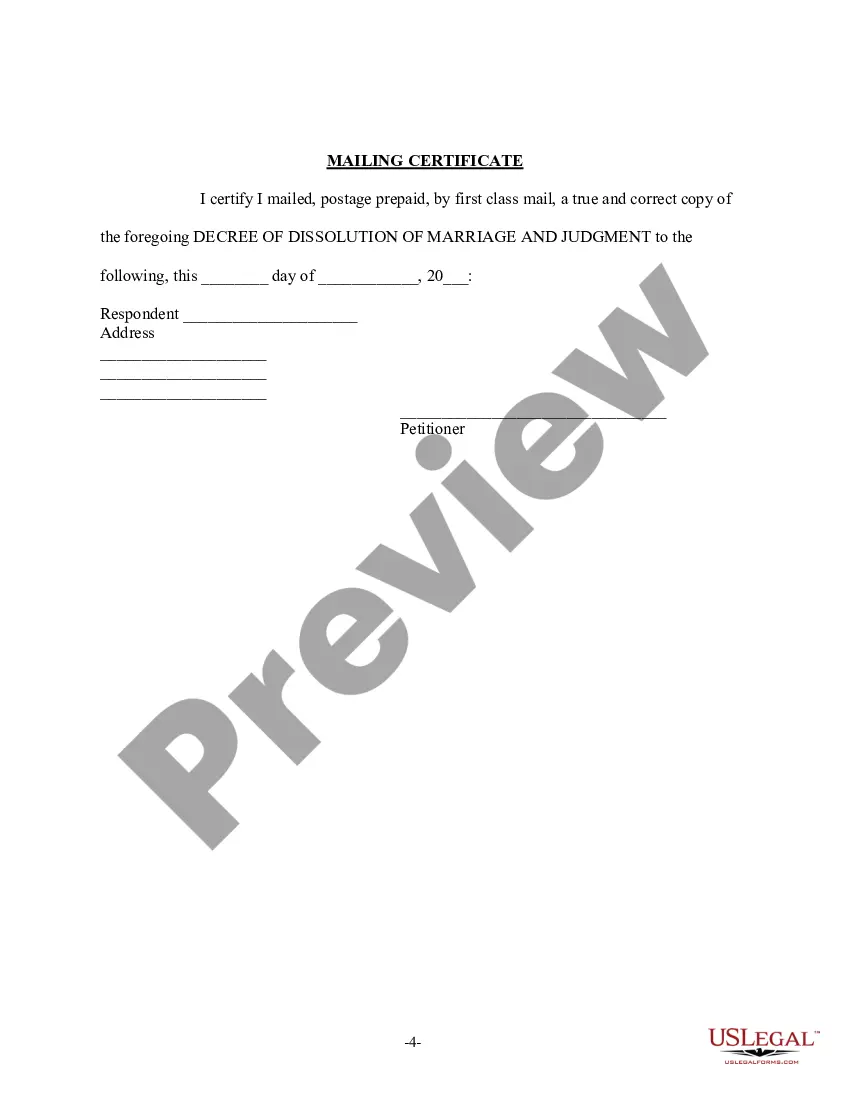
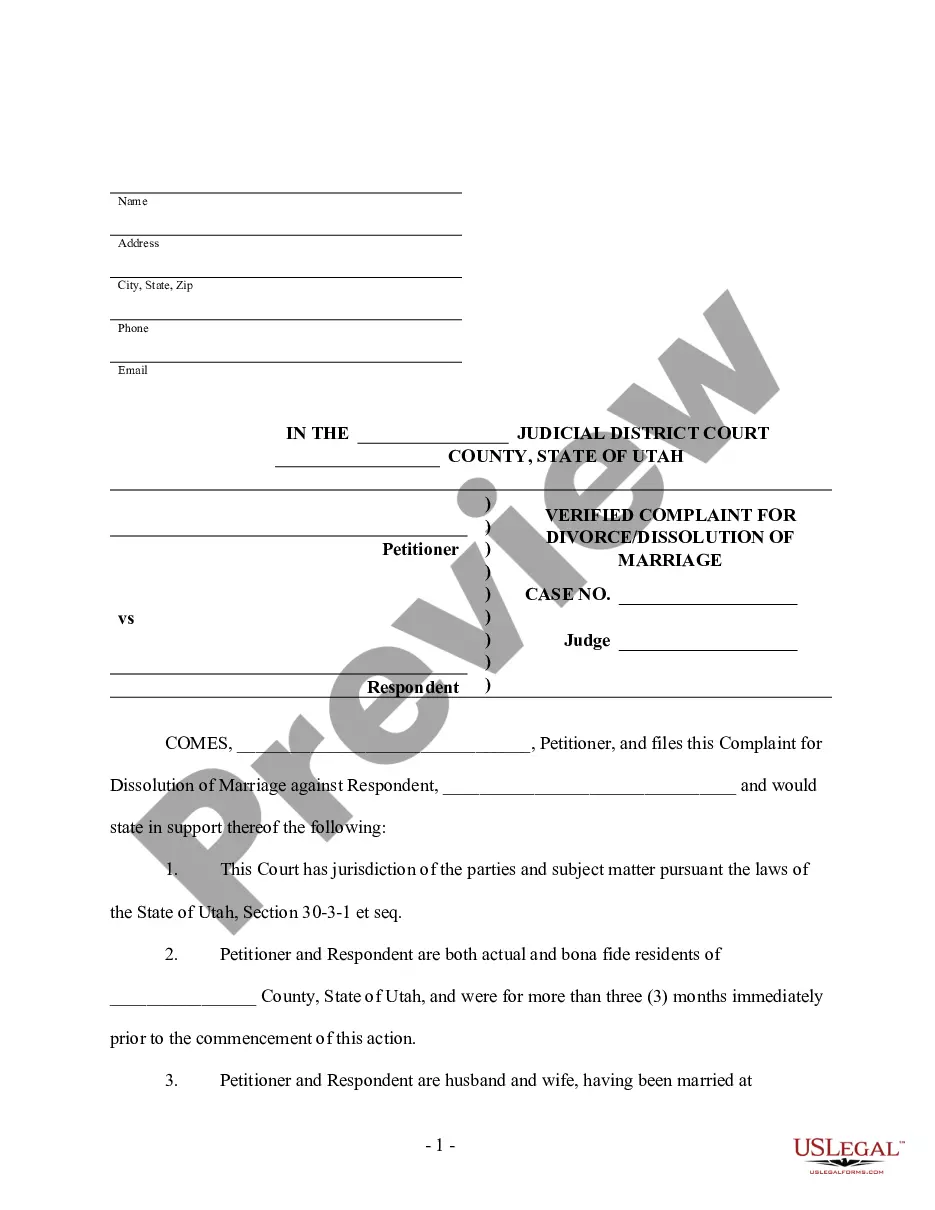
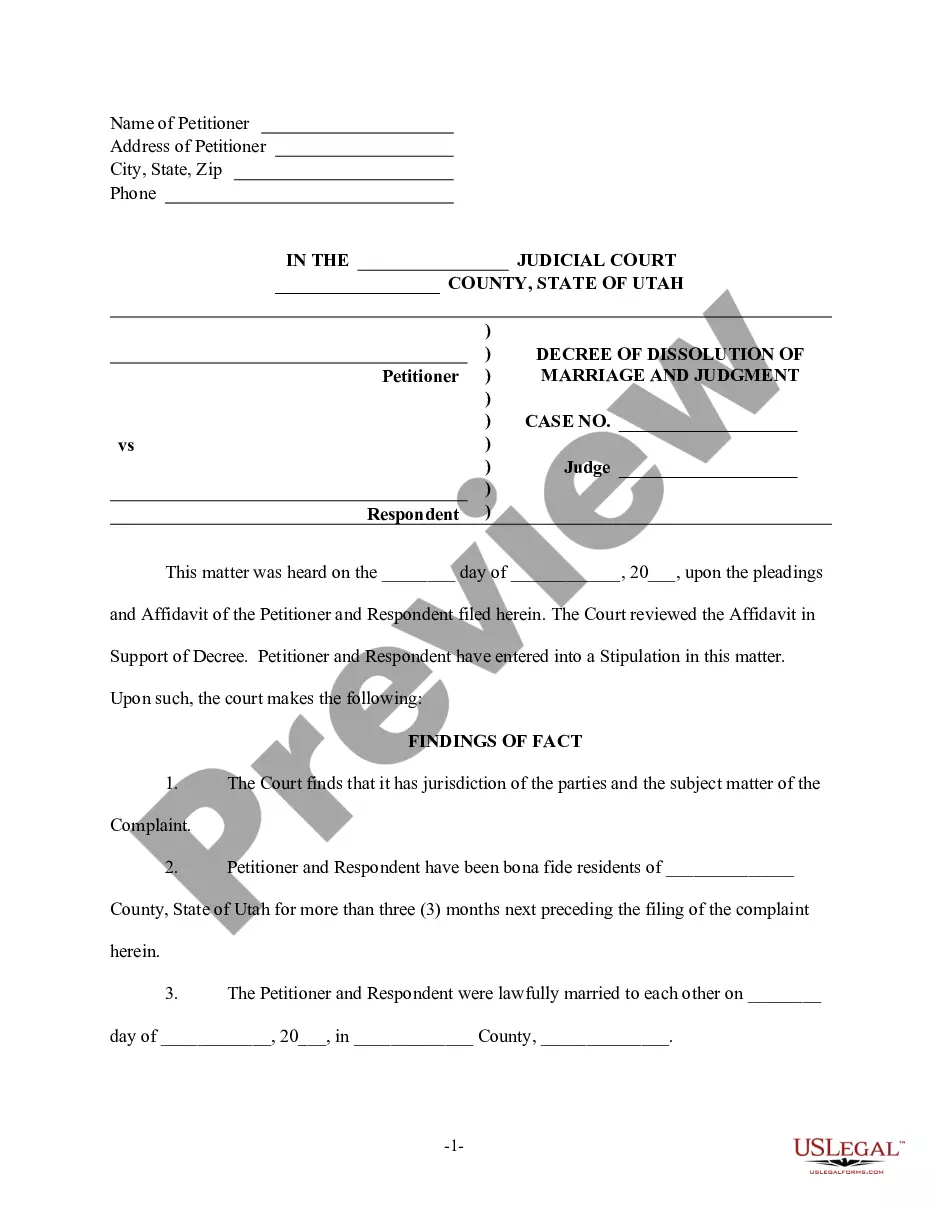
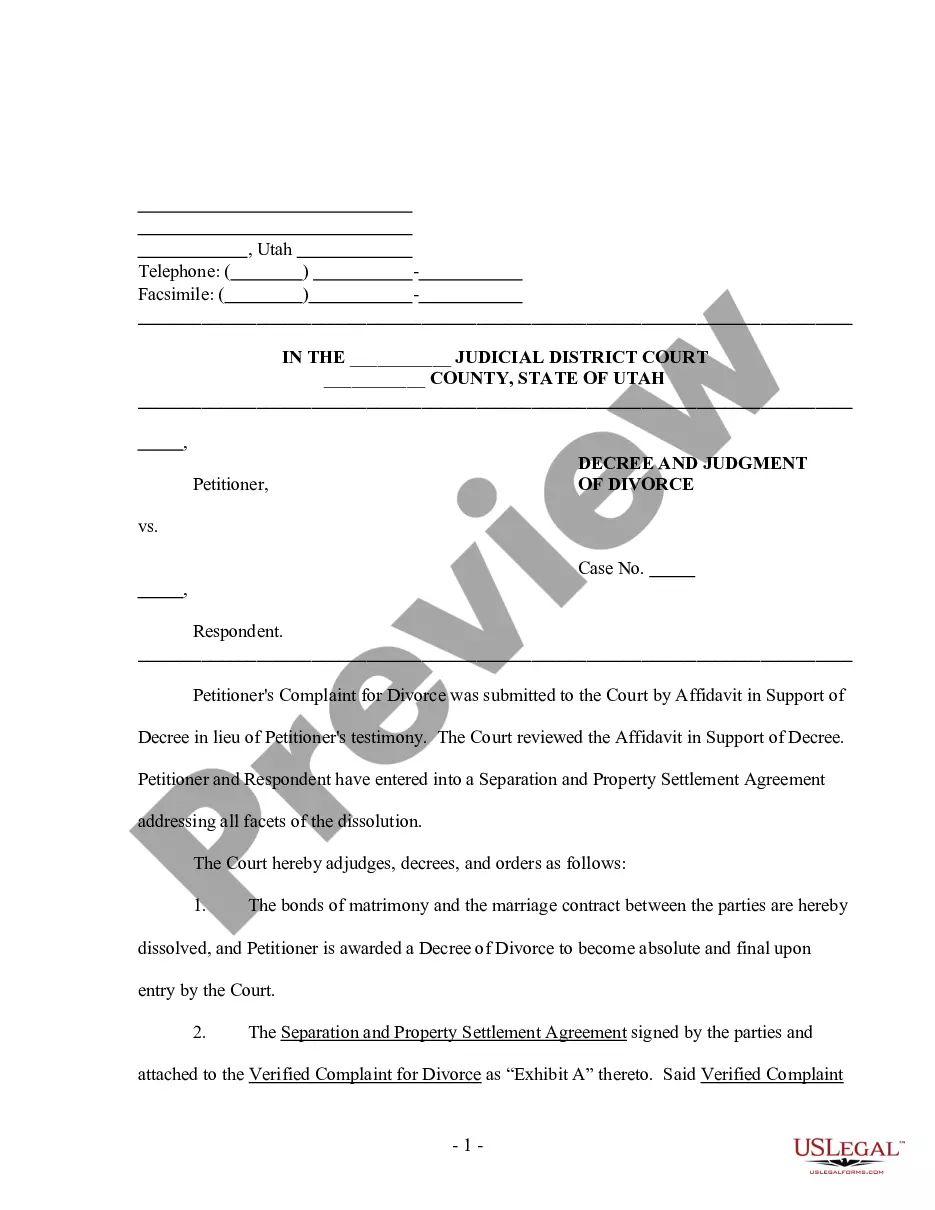
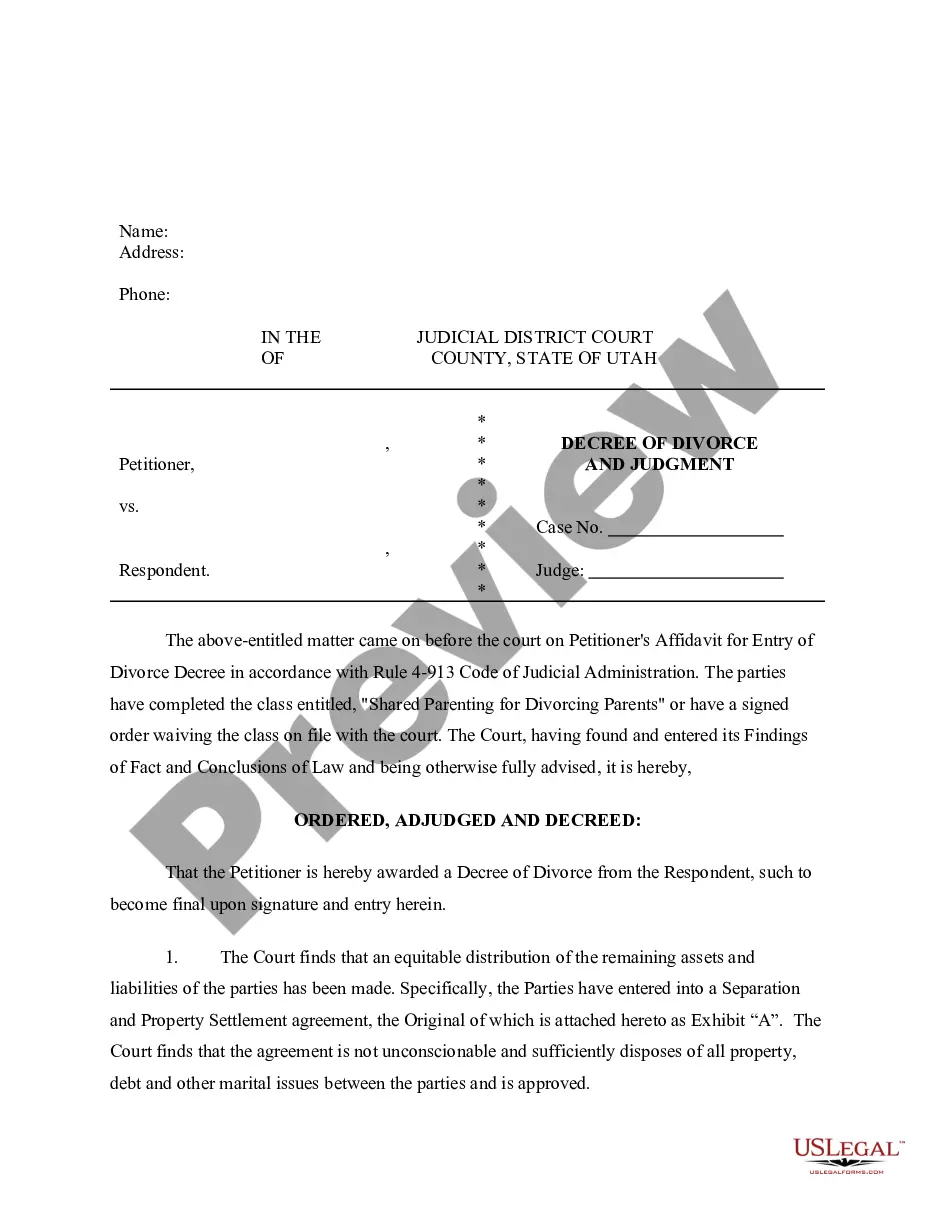
The Decree of Dissolution with Adult Children is a legal document used in divorce proceedings in Utah. This form officially dissolves a marriage between two parties who have adult children over the age of twenty-one. Unlike other divorce forms, this decree reflects that there are no minor children involved and is tailored for couples whose children are already emancipated.
Key parts of this document
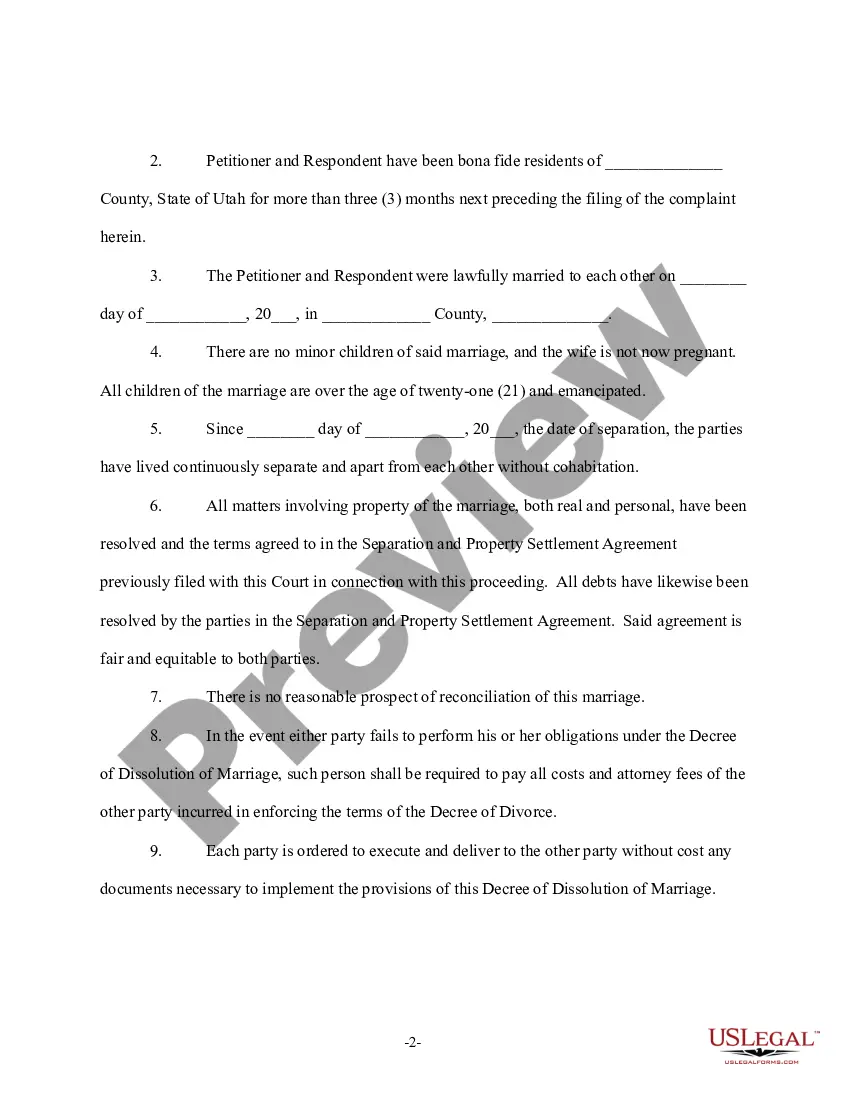
- Findings of fact, establishing court jurisdiction and residency requirements.
- Details on the marriage, including the date of marriage and the date of separation.
- Confirmation that there are no minor children and that all children are over twenty-one.
- Resolution of property and debt matters through a Separation and Property Settlement Agreement.
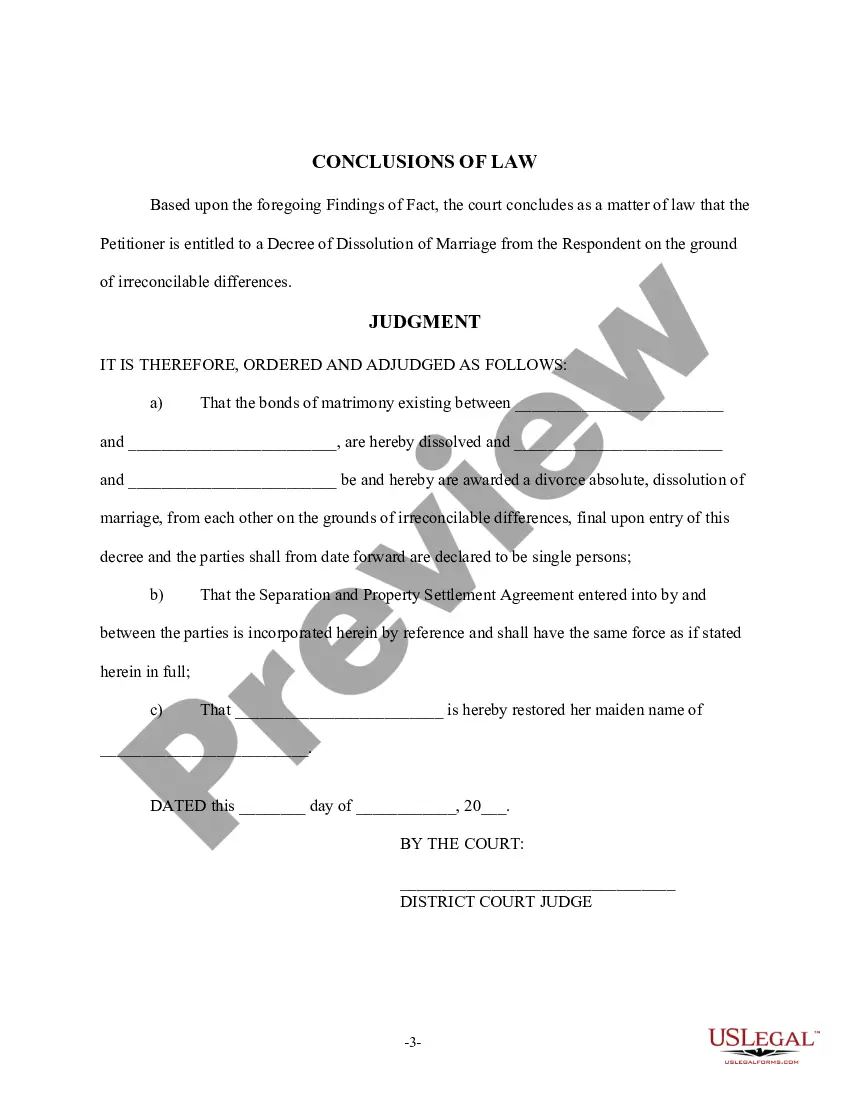
- Conclusions of law granting the divorce on the grounds of irreconcilable differences.
- Judgment affirming the dissolution of marriage and restoration of maiden names where applicable.
Situations where this form applies
This form should be used when two parties are seeking to terminate their marriage in Utah and have adult children. It is particularly relevant for couples who have previously agreed on property division and debt settlement. This form is suitable for situations where reconciliation is not possible, and both parties wish to proceed with a straightforward dissolution of their marriage.
Who this form is for
- Couples residing in Utah who are filing for a divorce.
- Married individuals with adult children who are no longer dependents.
- Parties who have already come to a mutual agreement on asset and debt division.
- Individuals seeking to officially terminate their marriage due to irreconcilable differences.
How to complete this form
- Identify the parties involved, including full names and addresses.
- Indicate the date and location of the marriage and separation.
- Confirm that all children are over the age of twenty-one.
- Include details regarding any agreed-upon property and debt arrangements.
- Sign and date the decree in the presence of a notary, if required.
Does this form need to be notarized?
Notarization is generally not required for this form. However, certain states or situations might demand it. You can complete notarization online through US Legal Forms, powered by Notarize, using a verified video call available anytime.
Get your form ready online
Our built-in tools help you complete, sign, share, and store your documents in one place.
Make edits, fill in missing information, and update formatting in US Legal Forms—just like you would in MS Word.
Download a copy, print it, send it by email, or mail it via USPS—whatever works best for your next step.
Sign and collect signatures with our SignNow integration. Send to multiple recipients, set reminders, and more. Go Premium to unlock E-Sign.
If this form requires notarization, complete it online through a secure video call—no need to meet a notary in person or wait for an appointment.
We protect your documents and personal data by following strict security and privacy standards.
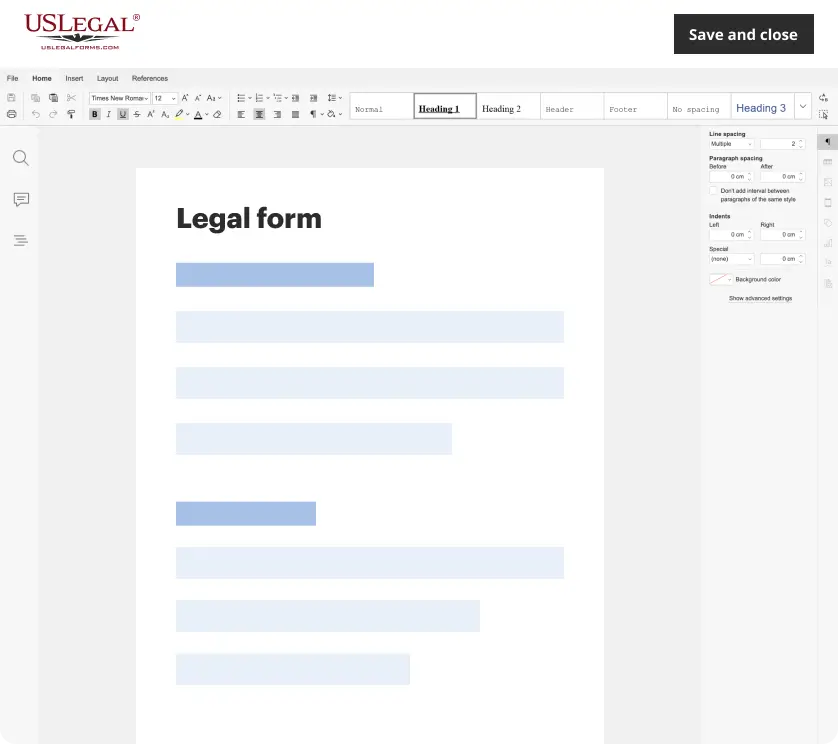
Make edits, fill in missing information, and update formatting in US Legal Forms—just like you would in MS Word.
Download a copy, print it, send it by email, or mail it via USPS—whatever works best for your next step.
Sign and collect signatures with our SignNow integration. Send to multiple recipients, set reminders, and more. Go Premium to unlock E-Sign.

If this form requires notarization, complete it online through a secure video call—no need to meet a notary in person or wait for an appointment.
We protect your documents and personal data by following strict security and privacy standards.
Avoid these common issues
- Failing to include all necessary parties and their correct details.
- Not verifying the residency requirement for the state of Utah before filing.
- Overlooking any outstanding debts that need resolution prior to submission.
- Neglecting to review and sign the Separation and Property Settlement Agreement.
Advantages of online completion
- Immediate access to downloadable and editable formats for convenience.
- No need to visit legal offices; complete the form at your own pace.
- Forms drafted by licensed attorneys ensuring compliance with legal standards.
- Easy to fill out with clear instructions guiding you through each section.
Looking for another form?
Form popularity
FAQ
While Utah law does not formally recognize such a thing as parental alienation, Utah law does not allow divorced or unmarried parents to treat mistreat each other (or their children) with impunity.
It's important to understand that just because the law permits a child to express an opinion doesn't mean the judge has to follow the child's preference. Children can't choose where to live until they are 18 years old.
When Can You Terminate Parental Rights in Utah?The courts may deem a parent unfit if there is evidence that the parent: Has a mental illness, mental deficiency, or emotional illness that would prevent them from caring for the child's physical and emotional needs, both in the short-term and into the future.
If the child is 12 or older, the judge may consider the wishes of the child. The judge may consider the wishes of the child as long as the judge determines that the child is "of sufficient age and capacity."
The court will consider the child's wishes to the extent that the child is sufficiently mature to express reasoned and independent preferences as to the parenting time schedule. Usually the court will not consider child's preference unless the child is at least 14 years old.
No matter how fit the father is, in Utah the unmarried mother gains a natural right to custody after the child is born.If his name is on the birth certificate, he will be automatically recognized as the child's legal parent and have as much legal claim in courts as the mother.
Parental alienation can get so bad in some instances that it can be considered abuse and could be dealt with criminally.Family law acts in several provinces have been amended to give credence to the effects parental alienation has on children.
Here in Utah a child is never given the choice to choose with whom they want to live. In other words a child does not get to or better said they don't have to choose between their parents, the parents decide. And if they can't decide you can have the court decide this for you.