Texas Notices, Resolutions, Simple Stock Ledger and Certificate
What is this form?
This group of forms includes Notices of Meetings, Corporate Resolutions, a Stock Ledger, and a sample Stock Certificate. These documents are essential for managing corporate governance, ensuring that meetings are properly convened, and maintaining accurate records of stock ownership. They are designed to meet legal requirements, which can vary by state, making them a reliable resource for corporations needing formal documentation.
Key components of this form
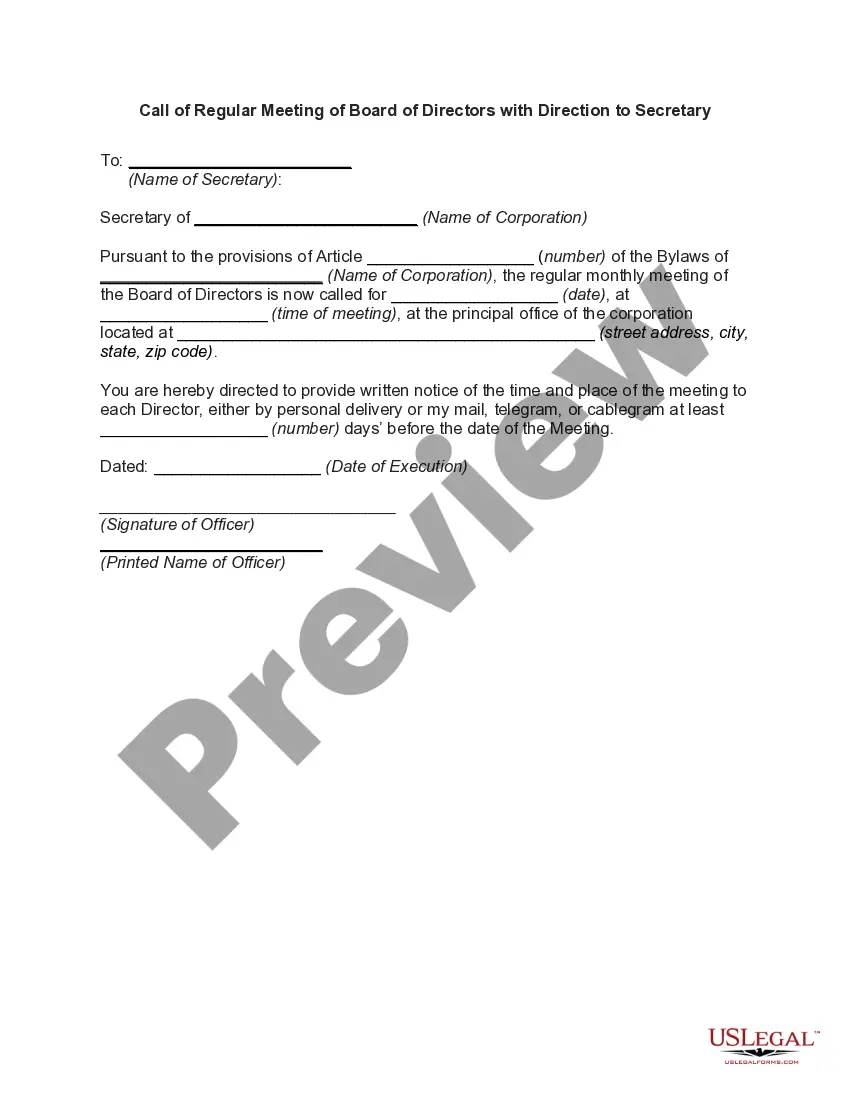
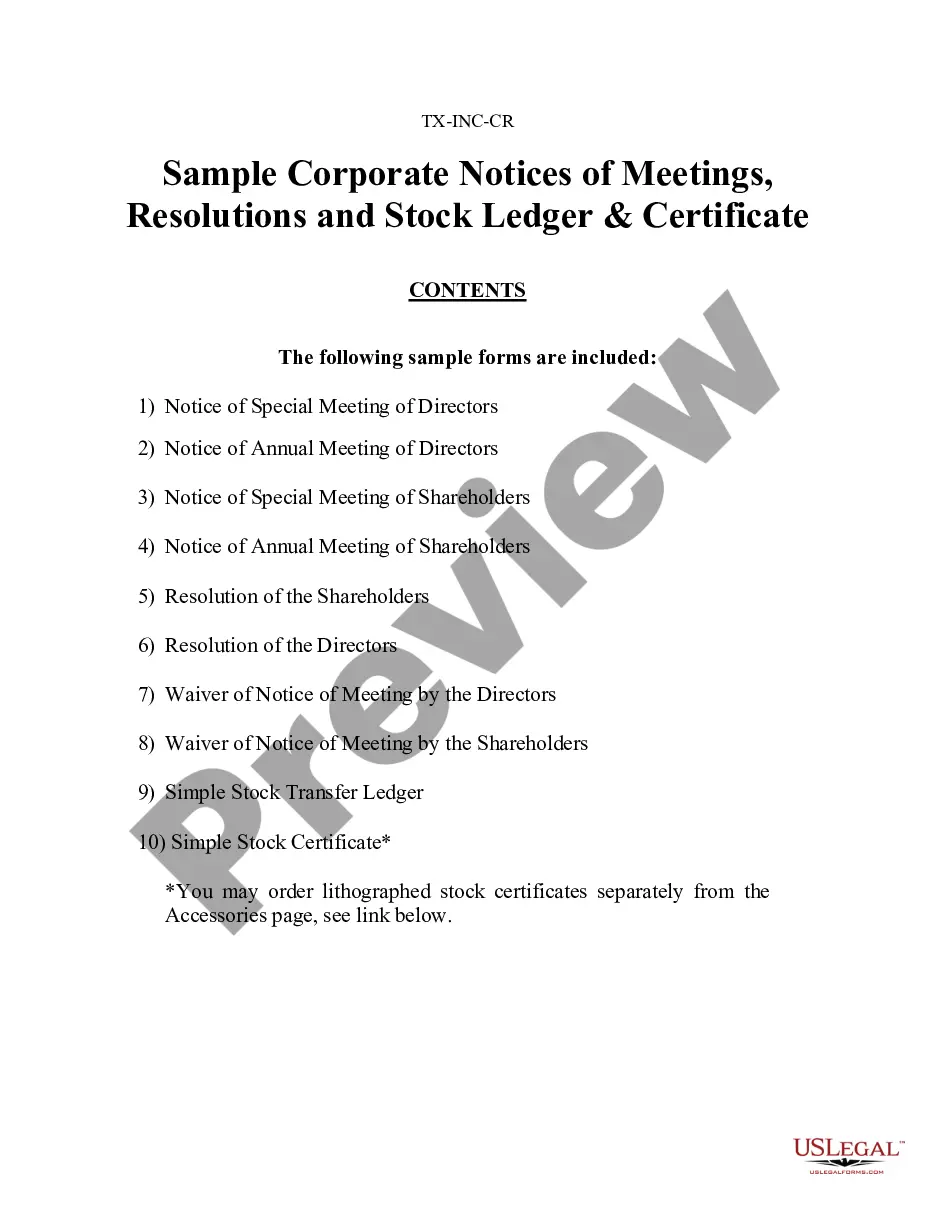
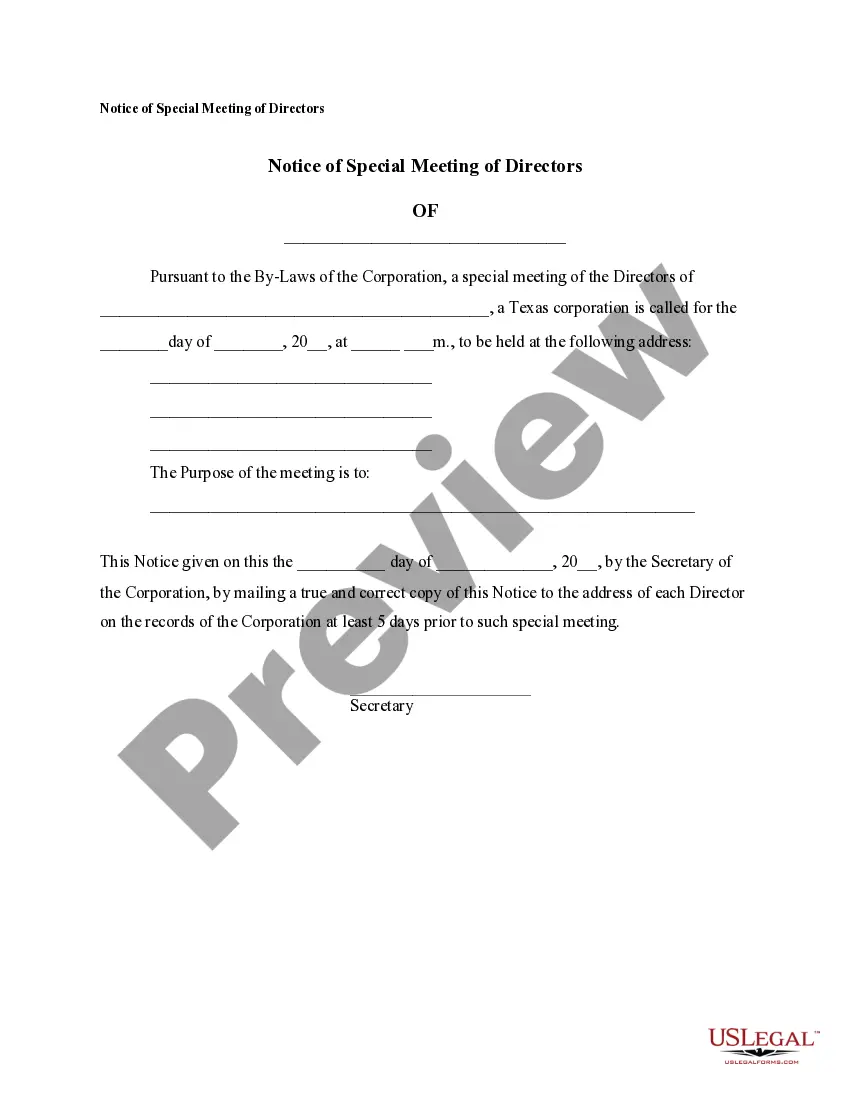
- Notice of Special Meeting of Directors
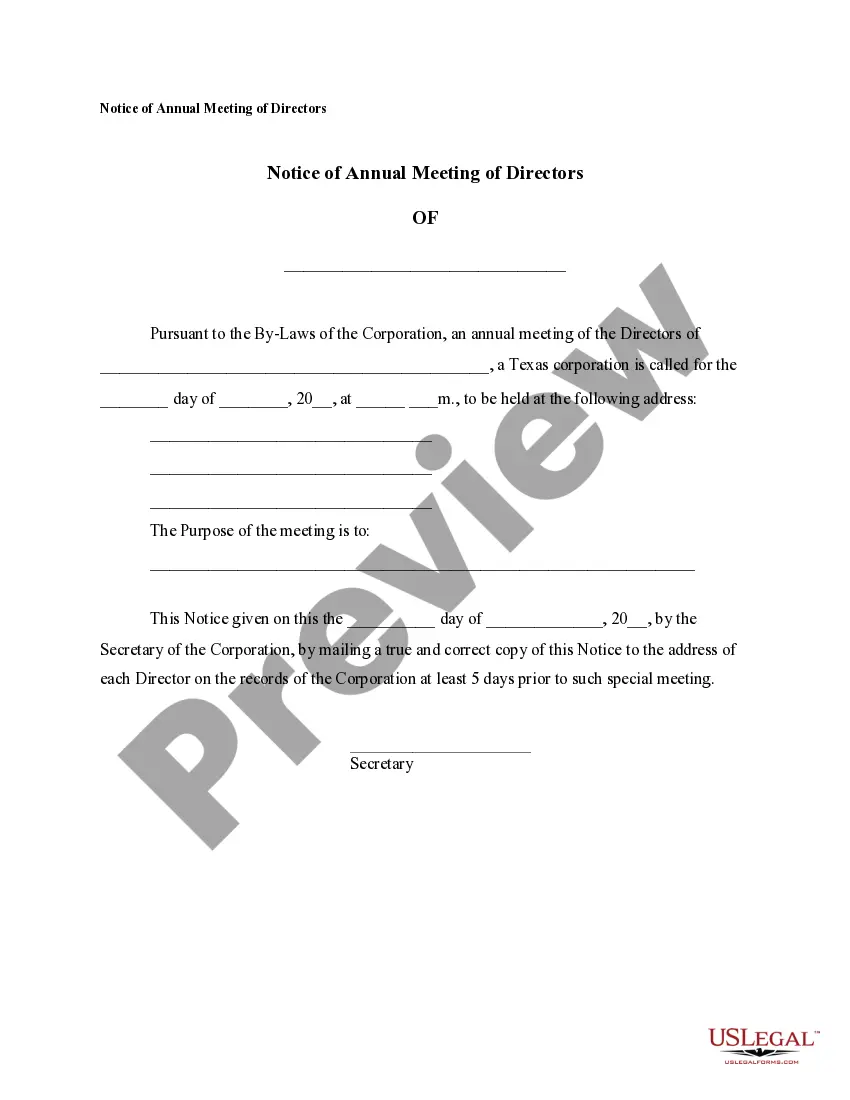
- Notice of Annual Meeting of Directors
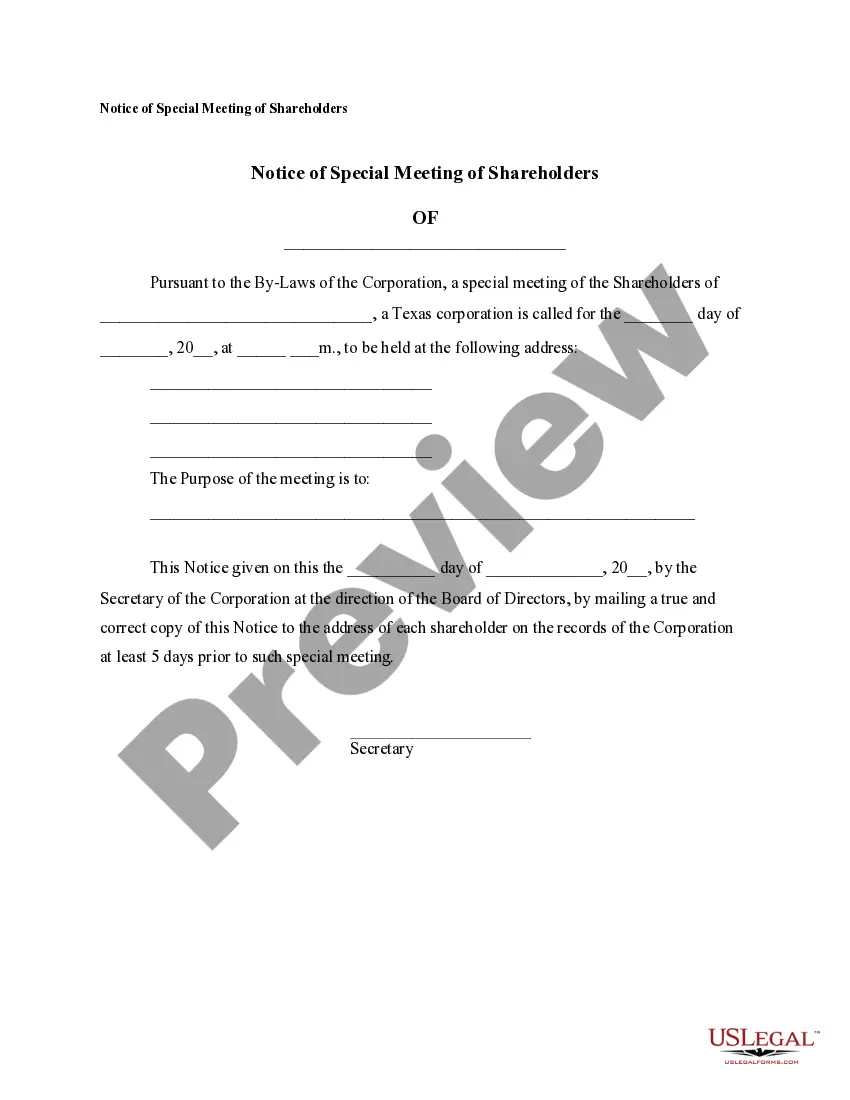
- Notice of Special Meeting of Shareholders
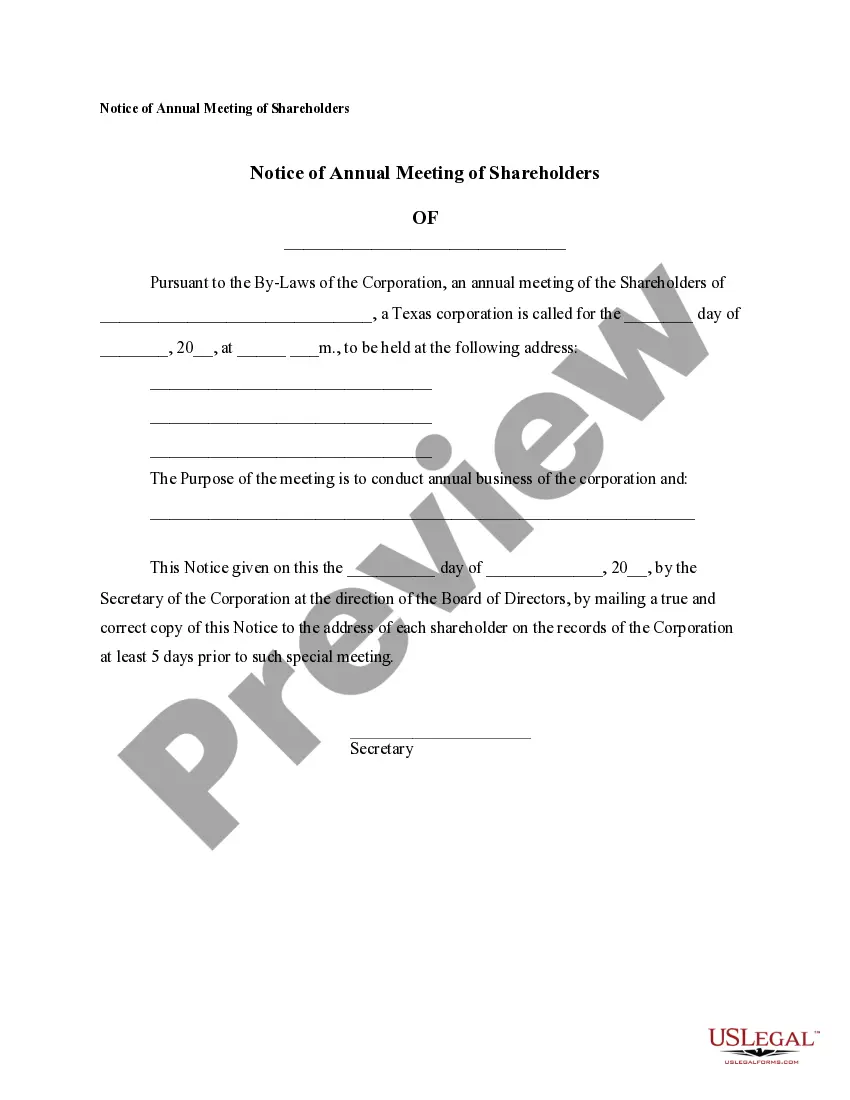
- Notice of Annual Meeting of Shareholders
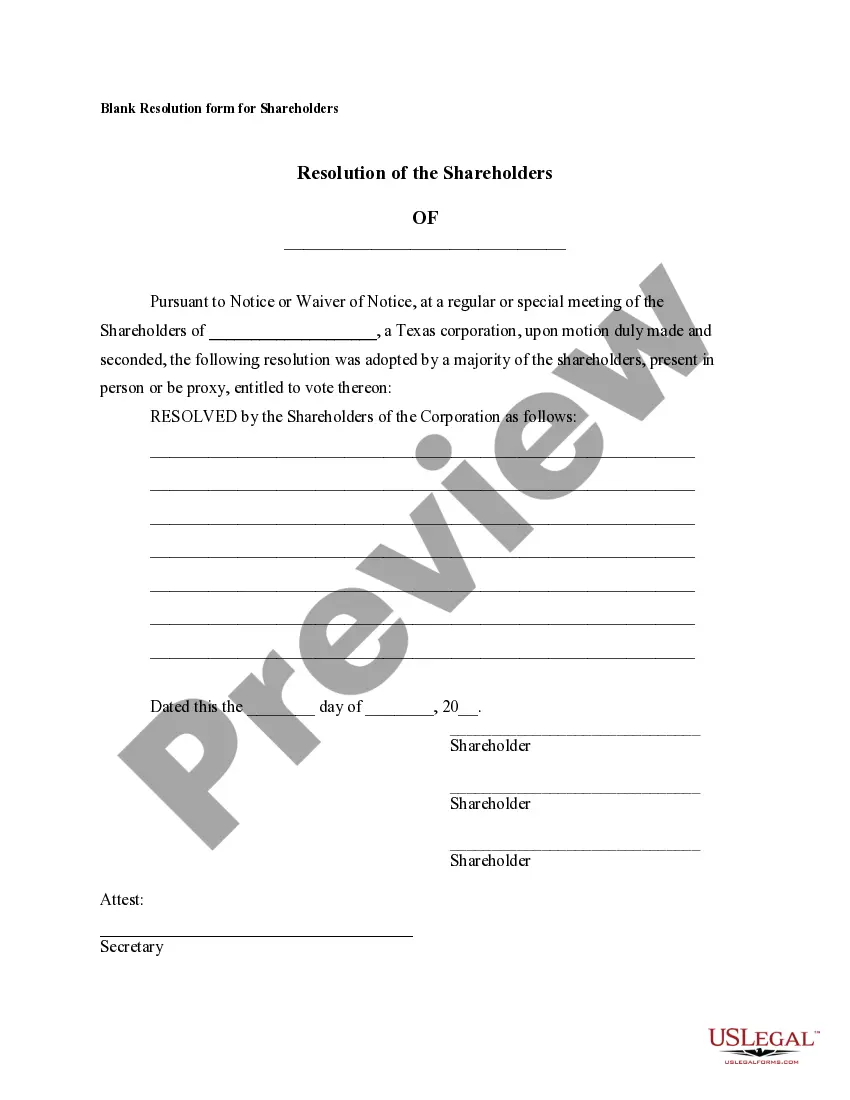
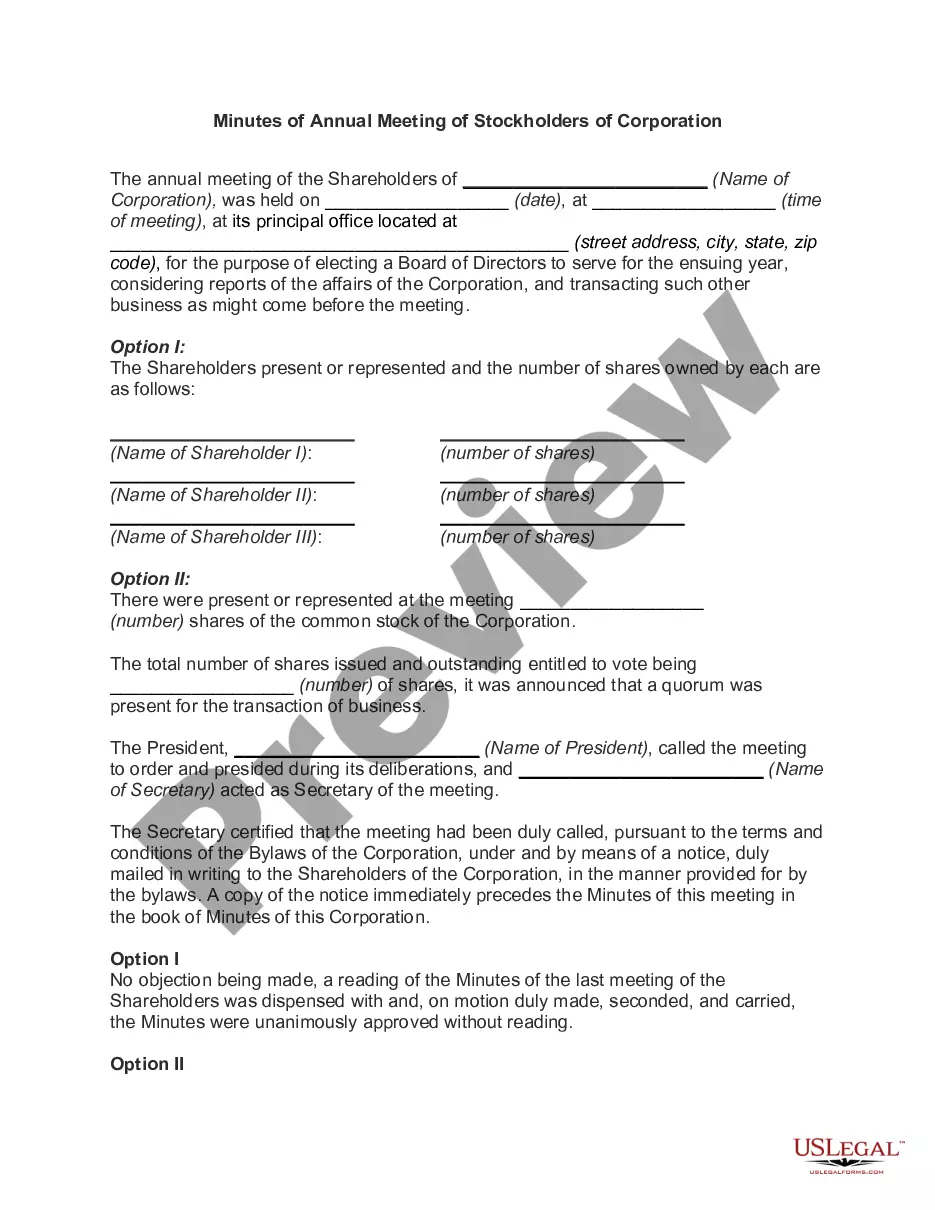
- Resolution of the Shareholders
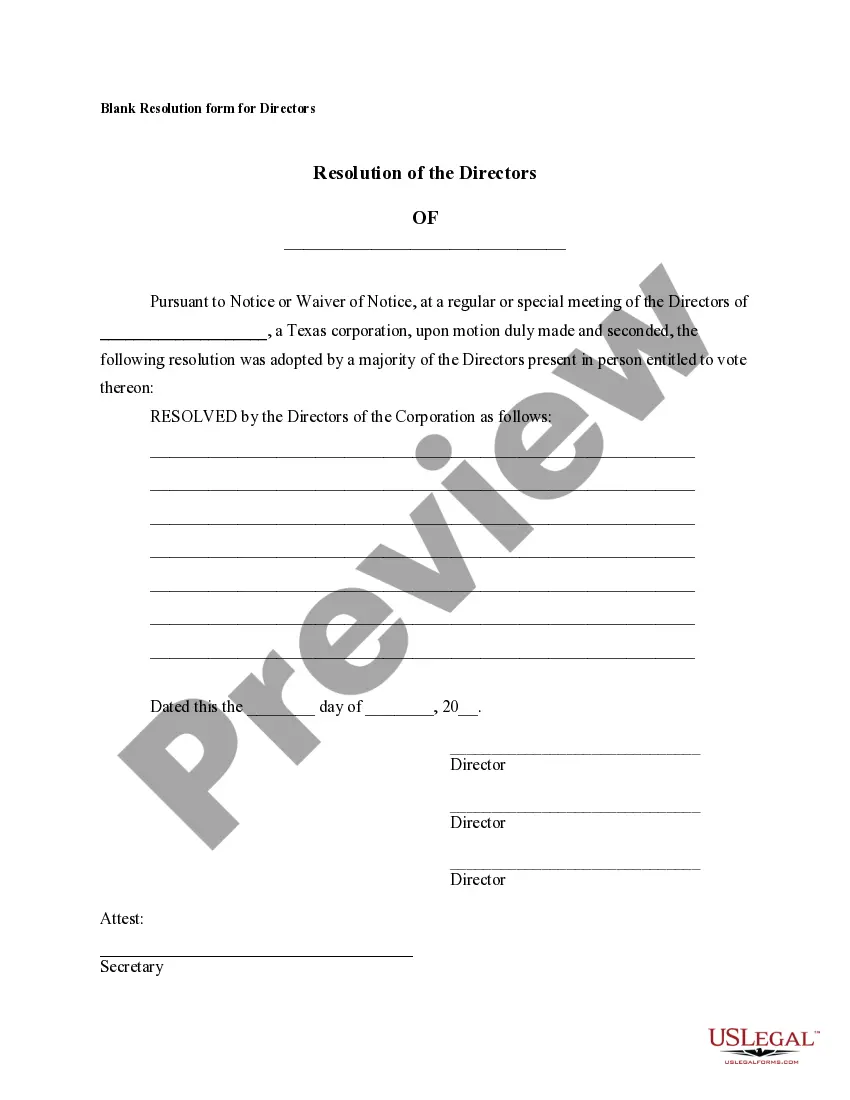
- Resolution of the Directors
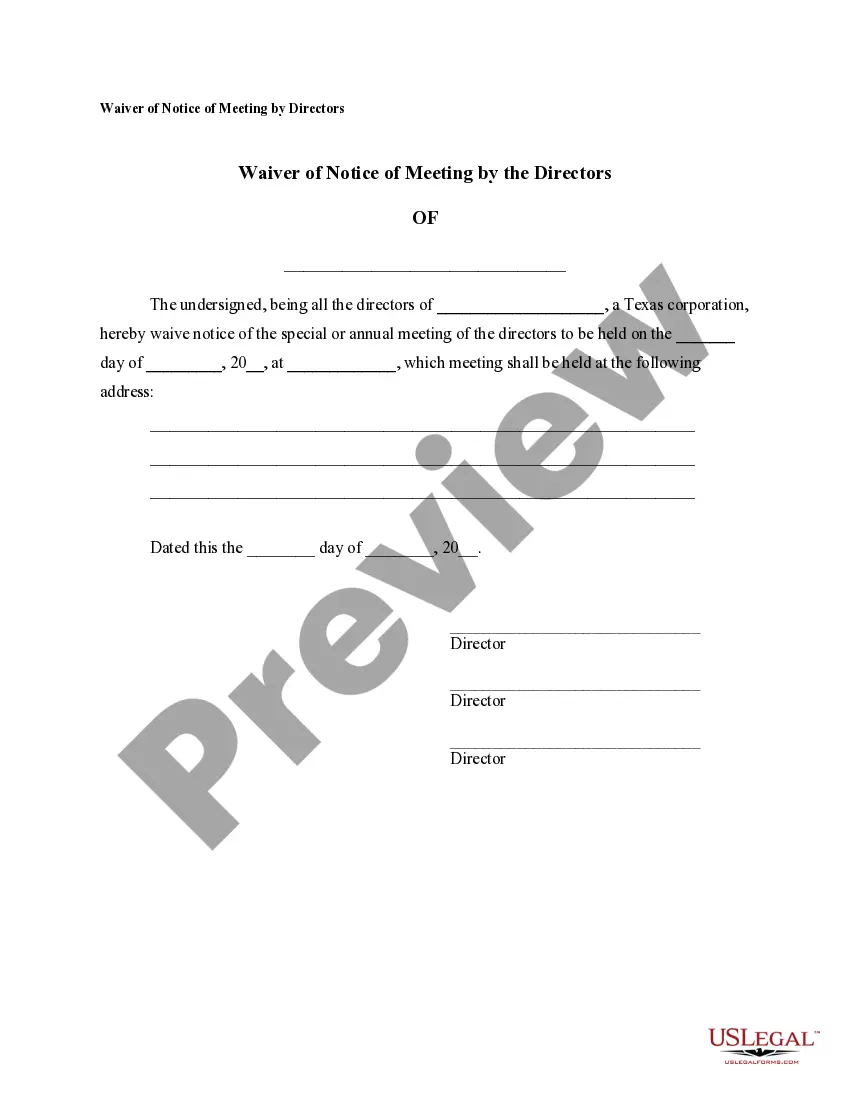
- Waiver of Notice of Meeting by the Directors
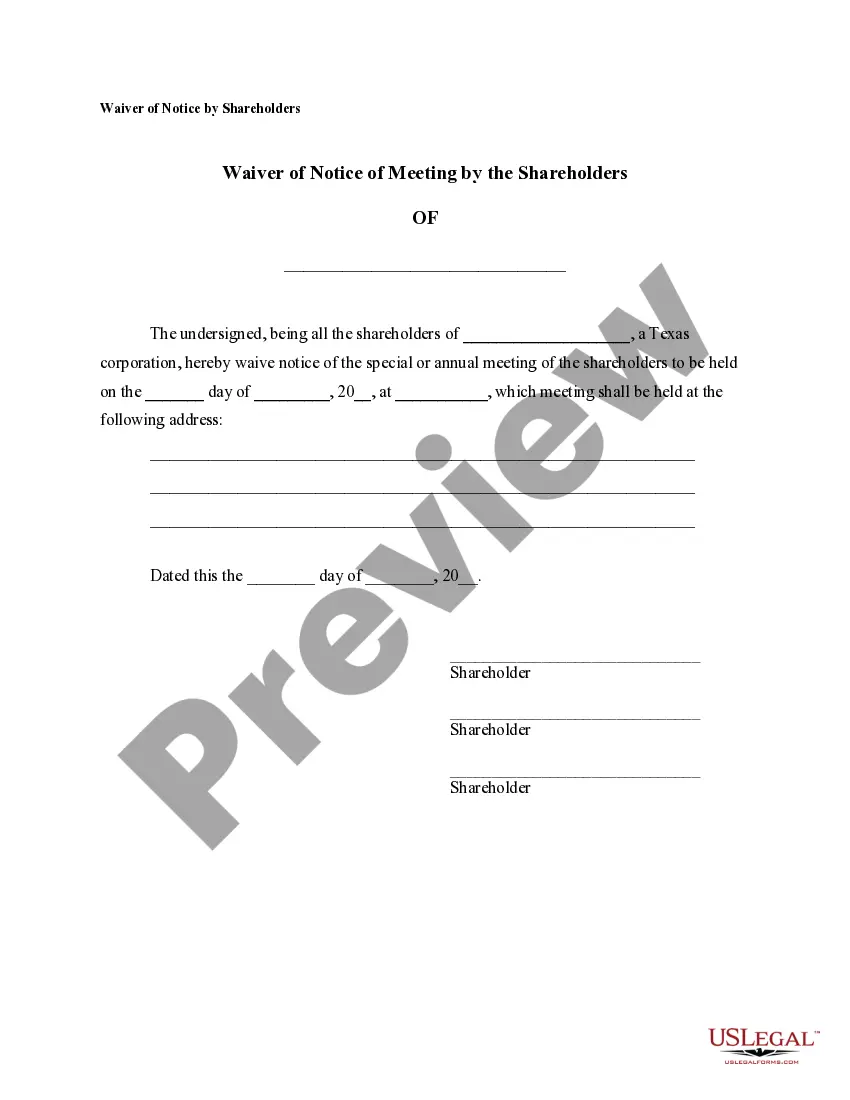
- Waiver of Notice of Meeting by the Shareholders
- Simple Stock Transfer Ledger
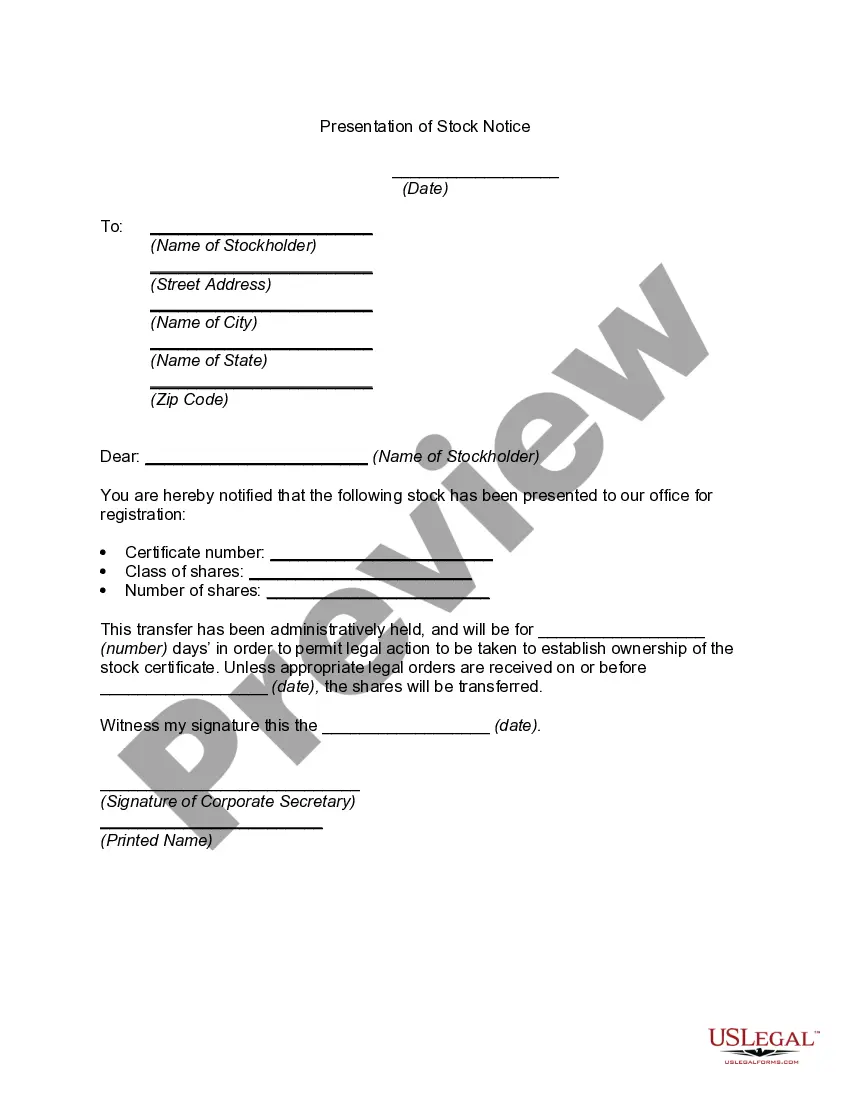
- Simple Stock Certificate


When to use this document
These forms should be used when a corporation needs to formally announce meetings to shareholders or directors, document decisions made during these meetings, and keep track of stock ownership transactions. They are essential during major business events such as annual meetings, special meetings, or transitions in ownership.
Who should use this form
- Corporate Secretaries responsible for documenting official meeting notices.
- Shareholders and Directors who need to keep records of their rights and responsibilities.
- Business owners looking to maintain compliance with state corporate laws.
- Individuals setting up or managing a corporation that issues stock.
Completing this form step by step
- Fill in the name of the corporation at the top of each notice or resolution.
- Specify the date, time, and location for each meeting in the Notices section.
- Clearly state the purpose of the meeting in the appropriate fields.
- For resolutions, outline the decisions being made and ensure proper signatures are collected.
- Maintain an updated Stock Transfer Ledger every time shares are transferred.
- If issuing certificates, complete the sections detailing the certificate number, share amounts, and date of issue.
Does this document require notarization?
This form does not typically require notarization unless specified by local law. However, having some resolutions notarized can help ensure their acceptance in certain legal contexts.
Get your form ready online
Our built-in tools help you complete, sign, share, and store your documents in one place.
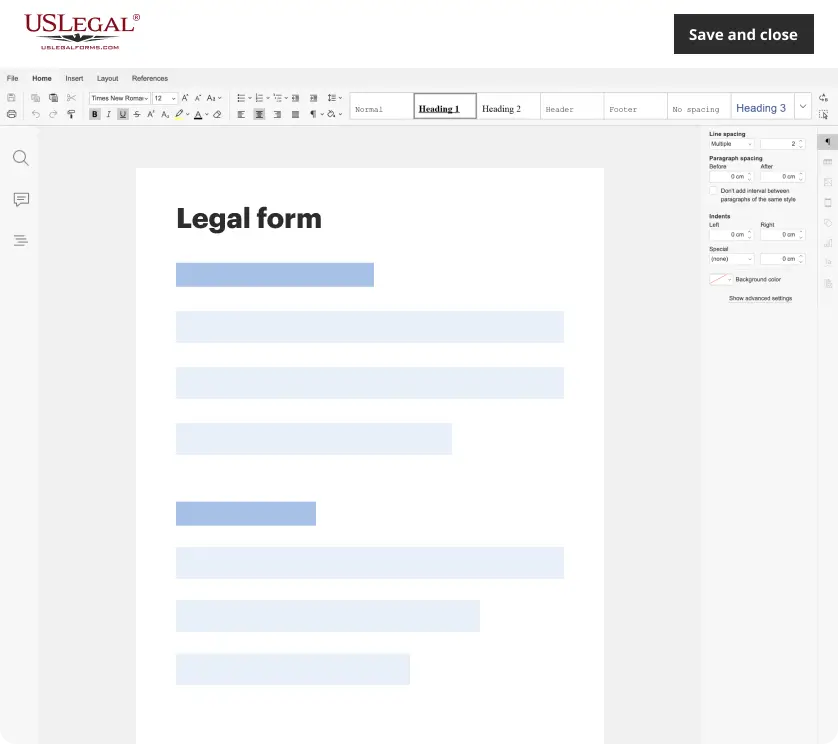
Make edits, fill in missing information, and update formatting in US Legal Forms—just like you would in MS Word.
Download a copy, print it, send it by email, or mail it via USPS—whatever works best for your next step.
Sign and collect signatures with our SignNow integration. Send to multiple recipients, set reminders, and more. Go Premium to unlock E-Sign.
If this form requires notarization, complete it online through a secure video call—no need to meet a notary in person or wait for an appointment.
We protect your documents and personal data by following strict security and privacy standards.
Make edits, fill in missing information, and update formatting in US Legal Forms—just like you would in MS Word.
Download a copy, print it, send it by email, or mail it via USPS—whatever works best for your next step.
Sign and collect signatures with our SignNow integration. Send to multiple recipients, set reminders, and more. Go Premium to unlock E-Sign.

If this form requires notarization, complete it online through a secure video call—no need to meet a notary in person or wait for an appointment.

We protect your documents and personal data by following strict security and privacy standards.
Common mistakes to avoid
- Failing to notify all directors or shareholders at least five days before a meeting.
- Leaving key fields, such as the purpose of the meeting, blank.
- Not properly documenting the resolutions passed, leading to misunderstandings.
Why use this form online
- Convenience of accessing and downloading the forms at any time.
- Editability allows for easy customization to meet specific corporate needs.
- Reliability, as all forms are drafted by licensed attorneys to ensure legal compliance.
Key takeaways
- This form set is crucial for corporate governance and stock management.
- Corporations must notify shareholders and directors about meetings formally.
- Proper documentation can ensure compliance with legal requirements.
- Using these forms online provides convenience and legal reliability.
Looking for another form?
Form popularity
FAQ
The three types of resolutions are joint resolutions, simple resolutions and concurrent resolutions. Roll Call Vote There are several different ways of voting in Congress, one of which is the roll call vote, where the vote of each member is recorded.
A corporate resolution form is used by a board of directors. Its purpose is to provide written documentation that a business is authorized to take specific action. This form is most often used by limited liability companies, s-corps, c-corps, and limited liability partnerships.
A corporate resolution is generally required to document actions taken by the corporation, but when it comes to LLCs, resolutions are not mandated. Because of this, there is no specific or required way to draft an LLC resolution.
What are the basic rules for writing a resolution? Rule #1 Every resolution must have a title, whereas clause(s) and resolved clause(s) and carry the author's name(s). The title should be clear and concise and convey the general idea of the topic of the resolution.
A corporate resolution is a written document created by the board of directors of a company detailing a binding corporate action. A corporate resolution is the legal document that provides the rules and framework as to how the board can act under various circumstances.
Write the Name of the Company. State at the top of the page, the governing body and the legal name of the organization making the corporate resolution. Add Further Legal Identification.
Write the Name of the Company. State at the top of the page, the governing body and the legal name of the organization making the corporate resolution. Add Further Legal Identification.
An LLC corporate resolution is a record of a decision made through a vote by the board of directors or LLC members. Limited liability companies (LLCs) enjoy specific tax and legal benefits modeled after a corporate structure, although they are not corporations.