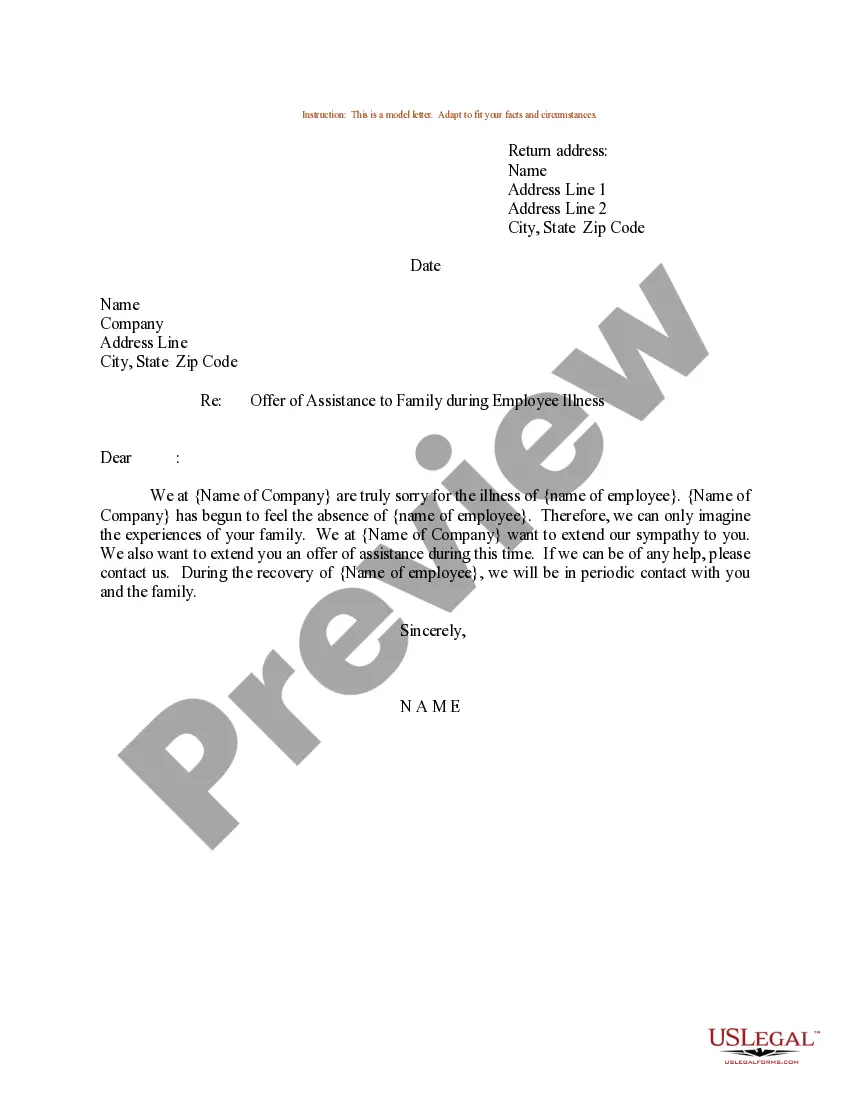
Texas Correction Statement and Agreement
Understanding this form
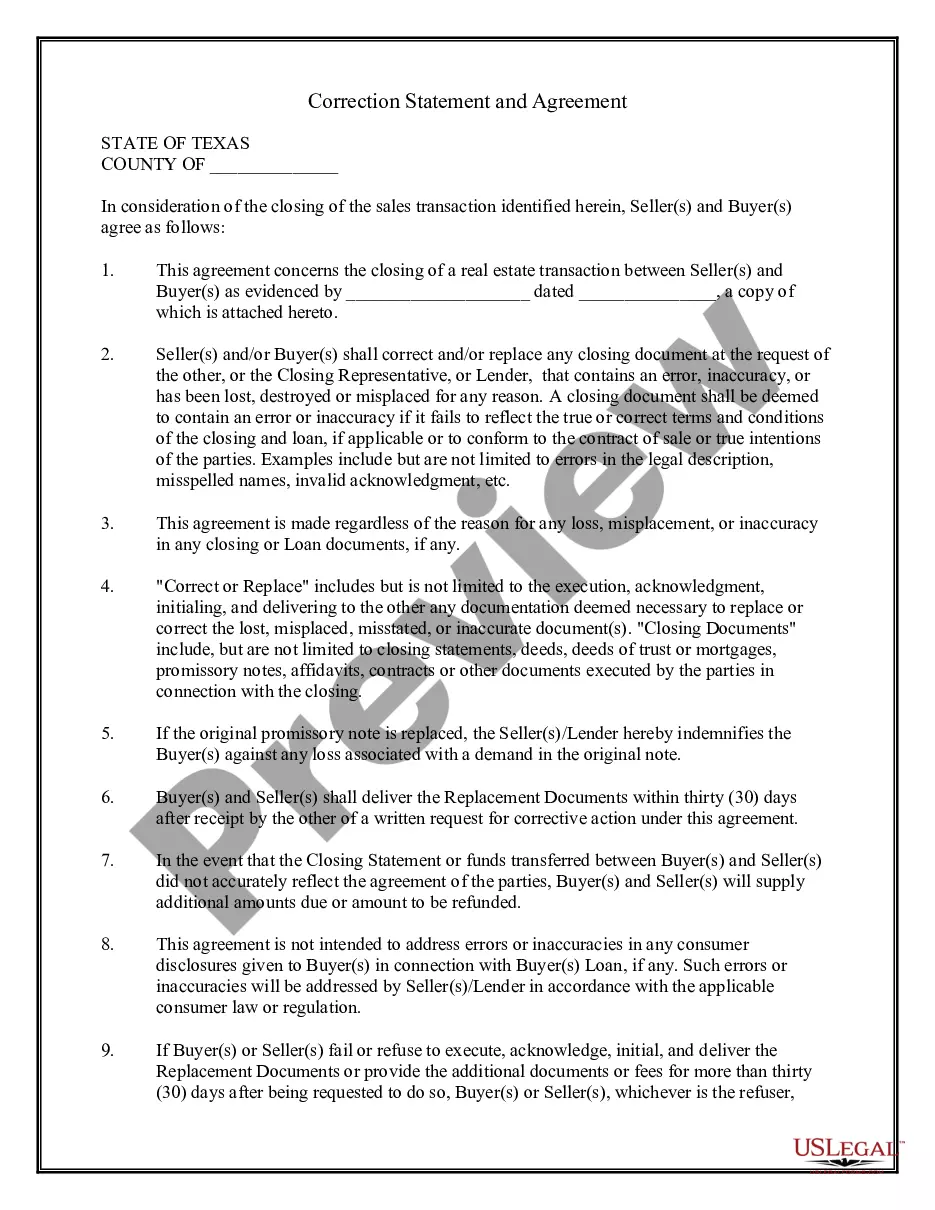
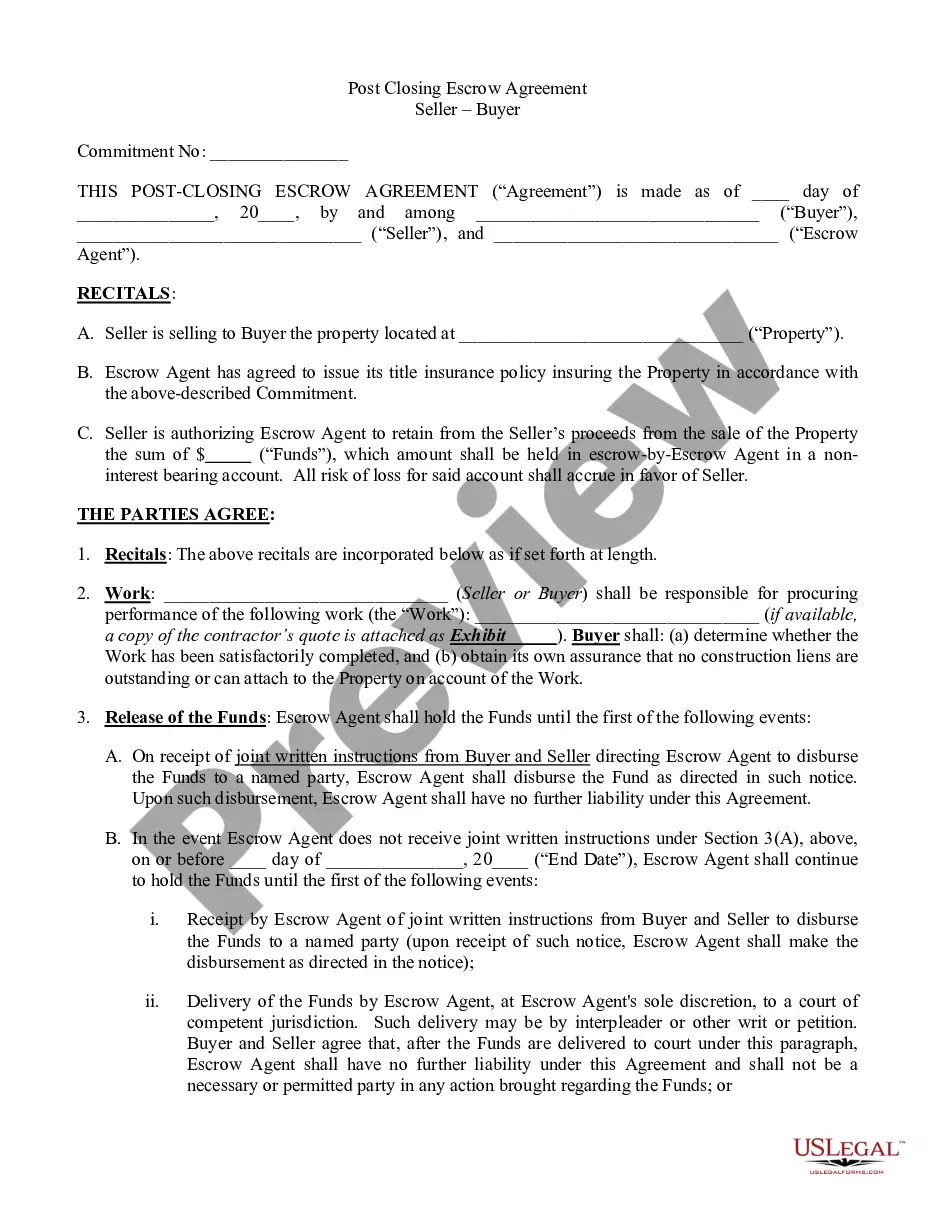
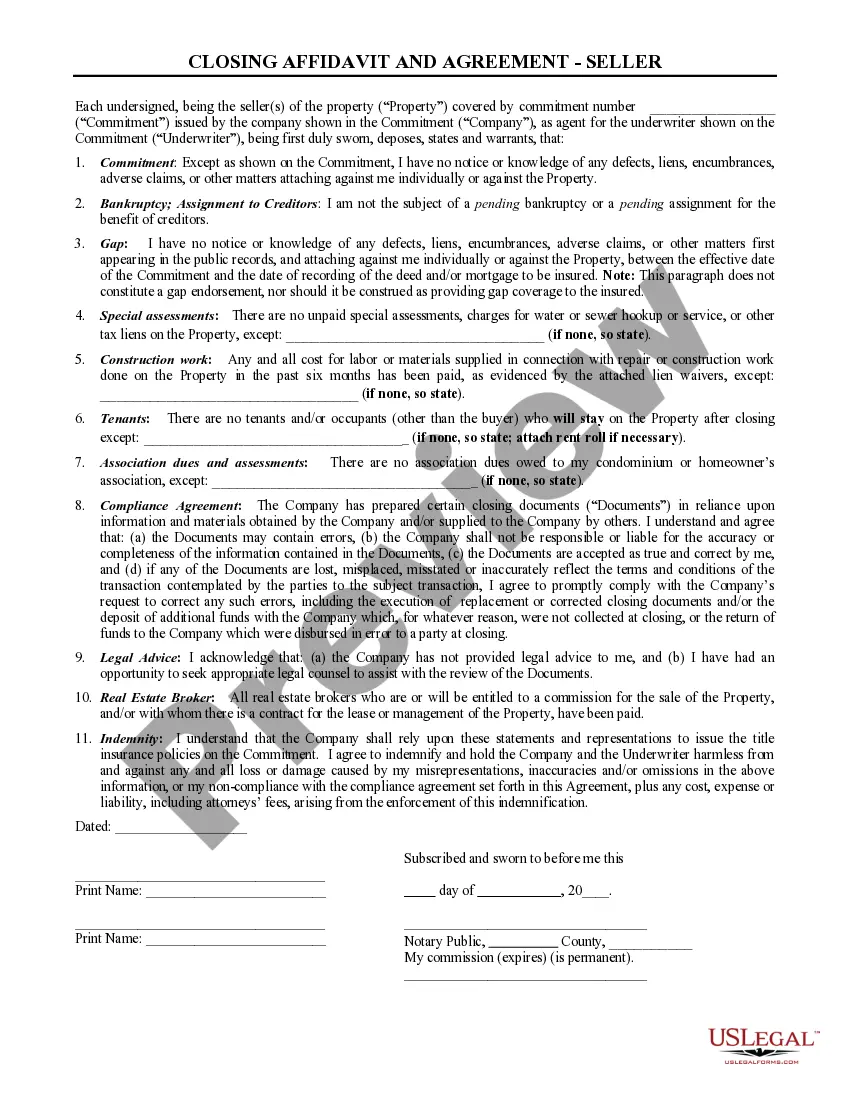
The Correction Statement and Agreement is a legal document used by buyers and sellers during the closing of a real estate transaction. This form allows both parties to agree to correct any errors found in closing documents or to replace any documents that may have been lost or misplaced. It is essential for ensuring that all documentation accurately reflects the agreed-upon terms, providing protection in case of inaccuracies or omissions.
Main sections of this form
- Identification of the buying and selling parties.
- Reference to the original sales transaction documents.
- Provisions for correcting or replacing any erroneous or lost documents.
- Terms regarding indemnification for any losses related to the original promissory note.
- Deadlines for the delivery of replacement documents.
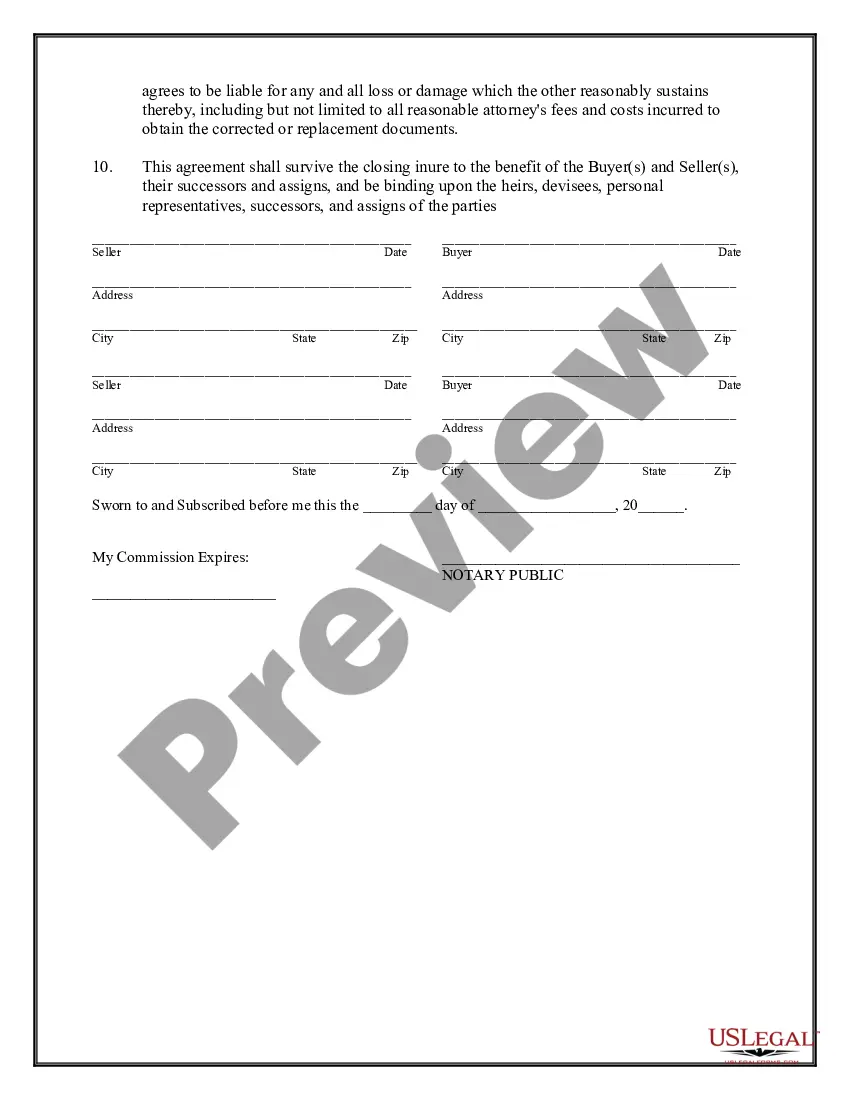
- Signatures and contact information for both parties.

Situations where this form applies
This form should be utilized at the closing of a real estate transaction when there are errors in the closing documents, such as incorrect legal descriptions or misspellings. It is also necessary if any documents are lost or misplaced during the closing process, ensuring all records are accurate and legally valid post-closing.
Who this form is for
This form is intended for:
- Buyers of real estate who want to ensure all closing documents are accurate.
- Sellers of real estate responsible for executing and delivering accurate documents.
- Closing agents or representatives who facilitate real estate transactions.
How to complete this form
- Identify and enter the names of the seller(s) and buyer(s).
- Provide details of the original sales transaction, including the date and any relevant attachments.
- Specify the corrections needed for any erroneous documents.
- Indicate the due date for delivering replacement documents after a request.
- Ensure all parties sign and date the agreement appropriately.
Notarization requirements for this form
This form does not typically require notarization unless specified by local law. Always check with a legal professional to ensure compliance with state regulations.
Get your form ready online
Our built-in tools help you complete, sign, share, and store your documents in one place.
Make edits, fill in missing information, and update formatting in US Legal Forms—just like you would in MS Word.
Download a copy, print it, send it by email, or mail it via USPS—whatever works best for your next step.
Sign and collect signatures with our SignNow integration. Send to multiple recipients, set reminders, and more. Go Premium to unlock E-Sign.
If this form requires notarization, complete it online through a secure video call—no need to meet a notary in person or wait for an appointment.
We protect your documents and personal data by following strict security and privacy standards.

Make edits, fill in missing information, and update formatting in US Legal Forms—just like you would in MS Word.

Download a copy, print it, send it by email, or mail it via USPS—whatever works best for your next step.

Sign and collect signatures with our SignNow integration. Send to multiple recipients, set reminders, and more. Go Premium to unlock E-Sign.

If this form requires notarization, complete it online through a secure video call—no need to meet a notary in person or wait for an appointment.

We protect your documents and personal data by following strict security and privacy standards.
Common mistakes
- Failing to include all parties' signatures.
- Not providing accurate details of the original transaction.
- Missing deadlines for corrections or replacements.
- Neglecting to specify reasons for corrections.
Advantages of online completion
- Convenient access to legal documentation from anywhere.
- Editability allows for customization based on your transaction details.
- Reliable templates drafted by licensed attorneys.
- Easy to download and print once completed.
Looking for another form?
Form popularity
FAQ
A corrective deed is an instrument filed in the public record in addition to the incorrect deed. It's known as a confirmatory instrument since it perfects an existing title by removing any defects, but it doesn't pass title on its own.
A correction deed is a new deed signed and acknowledged by the grantor. A correction affidavit can be signed by either party but is used in limited situations. This press release was authorized by Mark W. Bidwell, an attorney licensed in California.
In Texas, a correction deed is the deed issued to make changes to an erroneous deed, referred to as the corrected deed. These two instruments are closely linked, and all corrections are effective as of the date of the original recorded instrument (Property Code Sec. 5.030).
Correction Deed - Correcting A Recorded Deed.A corrective deed is most often used for minor mistakes, such as misspelled or incomplete names, missing or wrong middle initials, and omission of marital status or vesting information. It can also be used for obvious errors in the property description.
What is a Correction Affidavit? An Affidavit of Correction may be used to correct inaccurate information on an official court or government record. This includes: DMV records, such as vehicle registration or title. Property records, like deeds or liens.
Re-recording of the original document. With corrections made in the body of the original document. A cover sheet detailing the changes. Must be re-signed and re-acknowledged. Correction Deed. A new deed reflecting the corrections/changes. Must meet all recording requirements of a deed.
Correction Deed - Correcting A Recorded Deed.A correction deed confirms the covenants and warranties of the prior deed. It needs to refer to that instrument by indicating its execution and recording date, the place of recording, and the number under which the document is filed.