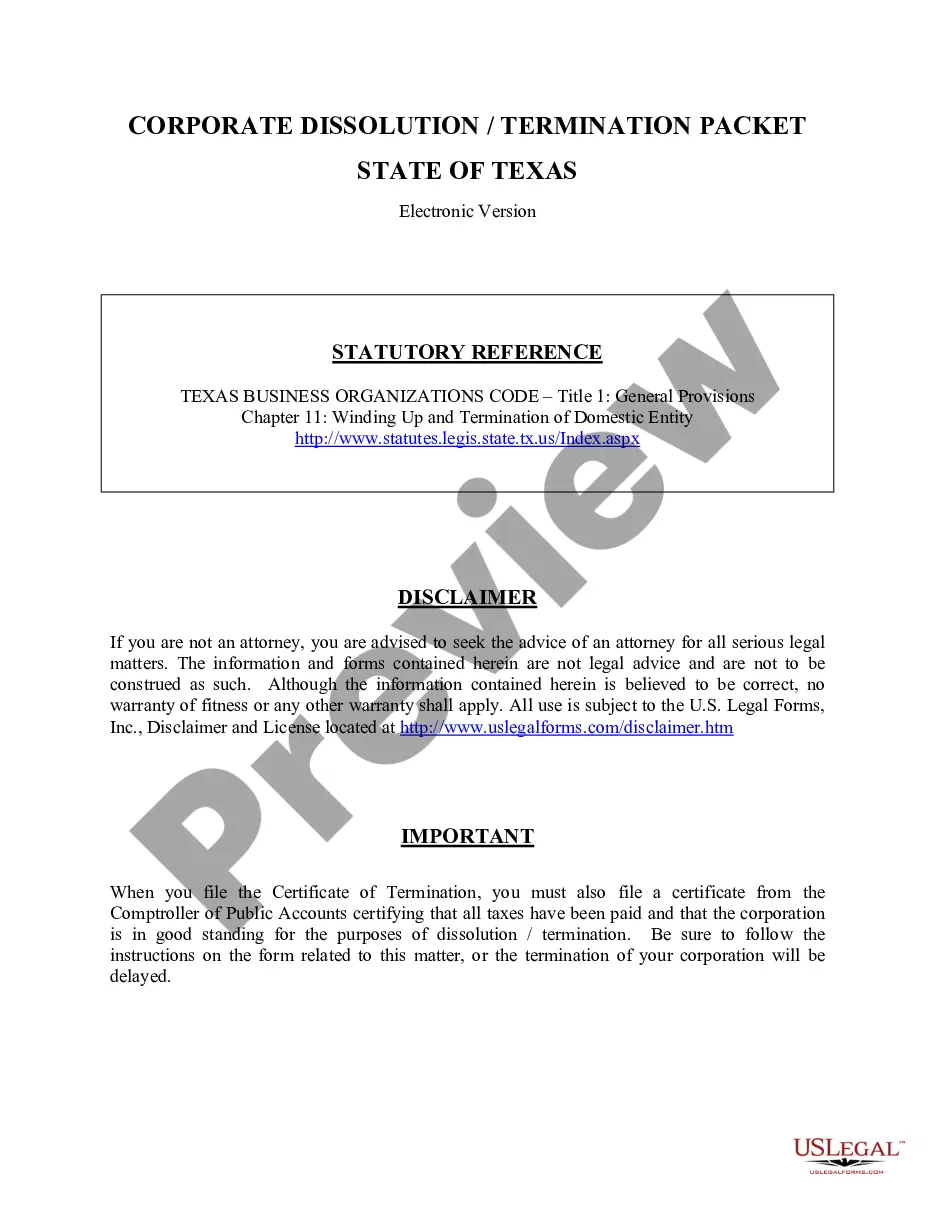
Texas Notice of Breach of Written Lease for Violating Specific Provisions of Lease with Right to Cure for Residential Property from Landlord to Tenant
Understanding this form
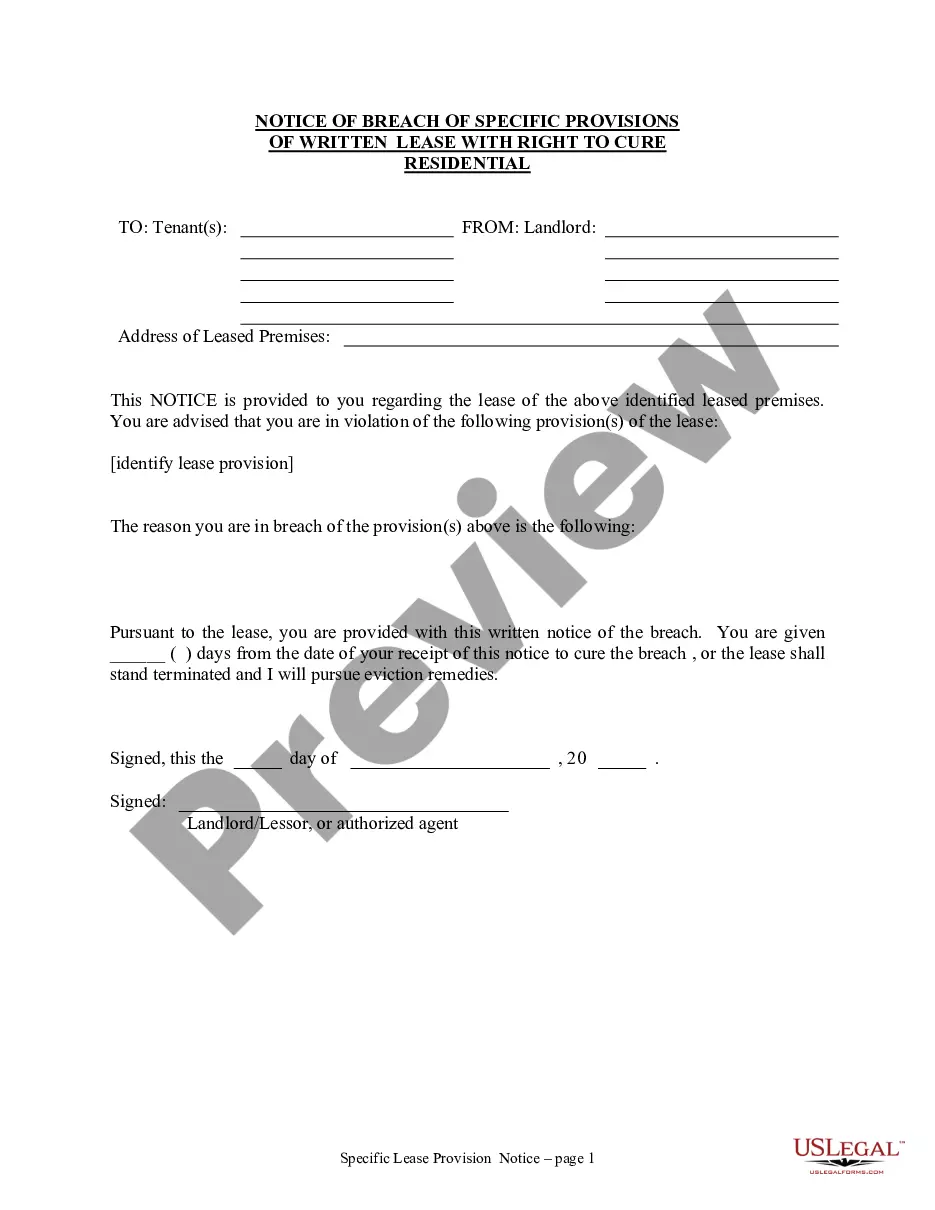
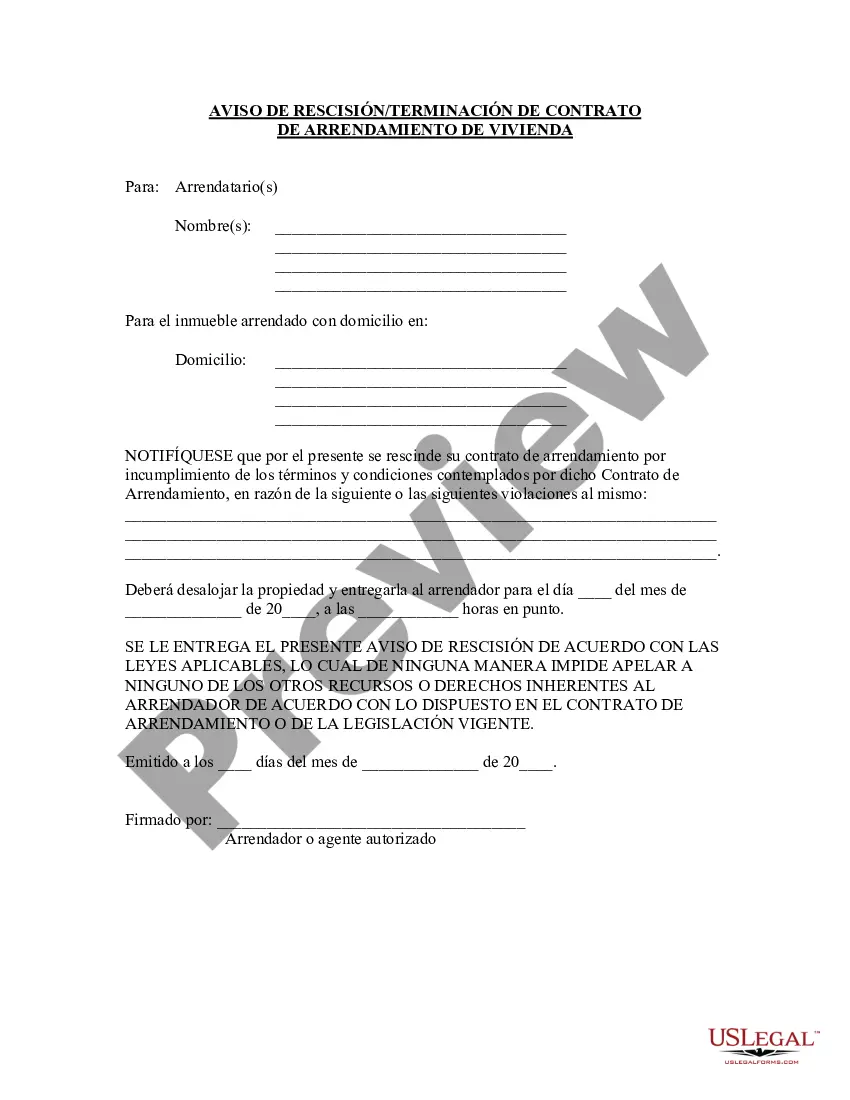
The Notice of Breach of Written Lease for Violating Specific Provisions of Lease with Right to Cure for Residential Property is a formal document used by landlords to notify tenants of a breach of lease terms. This form specifically addresses violations of written agreements and allows tenants the opportunity to "cure" or remedy the breach. Unlike generic breach notices, this form includes specific lease provisions and a cure period, ensuring that both parties understand their rights and responsibilities under the lease agreement.
Key parts of this document
- Details of the landlord and tenant, including names and addresses.
- Identification of the leased premises subject to the lease.
- Clear description of the specific lease provision that has been violated.
- Explanation of the nature of the breach that has occurred.
- Deadline by which the tenant must cure the breach to avoid termination of the lease.
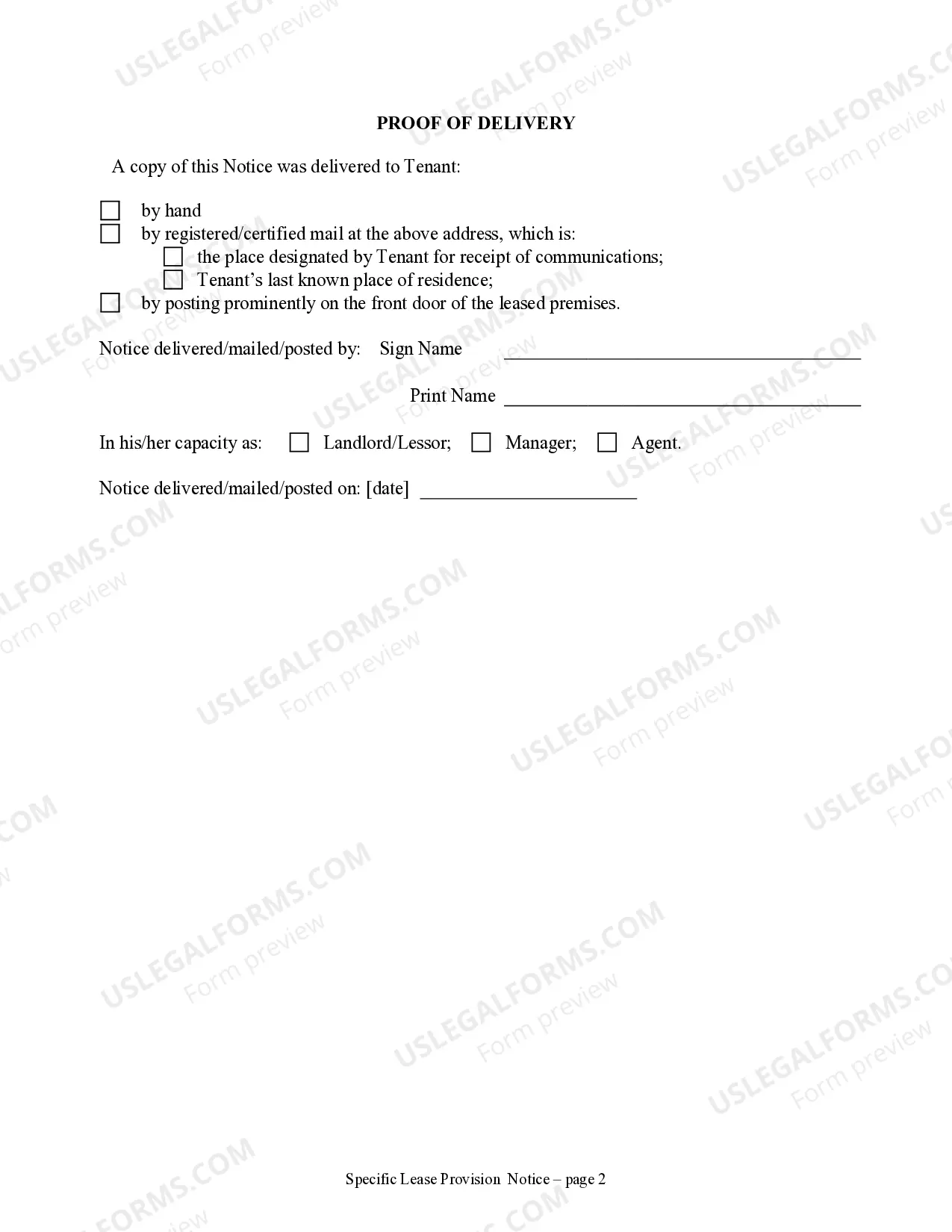
- Proof of delivery options to confirm the notice was properly served to the tenant.



When this form is needed
This form should be used when a landlord identifies a specific violation of lease terms by a tenant. Examples of appropriate scenarios include failure to pay rent, unauthorized pets on the property, or other violations outlined in the lease agreement. By providing this notice, landlords ensure that tenants are aware of the breach and are given a fair opportunity to rectify the situation, which can help prevent eviction proceedings.
Who needs this form
This form is designed for:
- Residential landlords who have a tenant in breach of their lease agreement.
- Property managers acting on behalf of landlords to enforce lease provisions.
- Landlords seeking to follow proper legal procedures before initiating eviction.
How to complete this form
- Identify the landlord and tenant's information clearly at the top of the notice.
- Specify the address of the leased premises where the violation occurred.
- Clearly outline the specific provision of the lease that is in violation.
- Provide a detailed explanation of why the tenant is deemed to be in breach.
- Enter the number of days the tenant has to cure the breach before further action is taken.
- Sign and date the notice, and ensure it is delivered according to the specified methods.
Notarization guidance
This form does not typically require notarization unless specified by local law. It's always a good practice to check local requirements for any additional documents that may need to accompany this notice.
Get your form ready online
Our built-in tools help you complete, sign, share, and store your documents in one place.
Make edits, fill in missing information, and update formatting in US Legal Forms—just like you would in MS Word.
Download a copy, print it, send it by email, or mail it via USPS—whatever works best for your next step.
Sign and collect signatures with our SignNow integration. Send to multiple recipients, set reminders, and more. Go Premium to unlock E-Sign.
If this form requires notarization, complete it online through a secure video call—no need to meet a notary in person or wait for an appointment.
We protect your documents and personal data by following strict security and privacy standards.
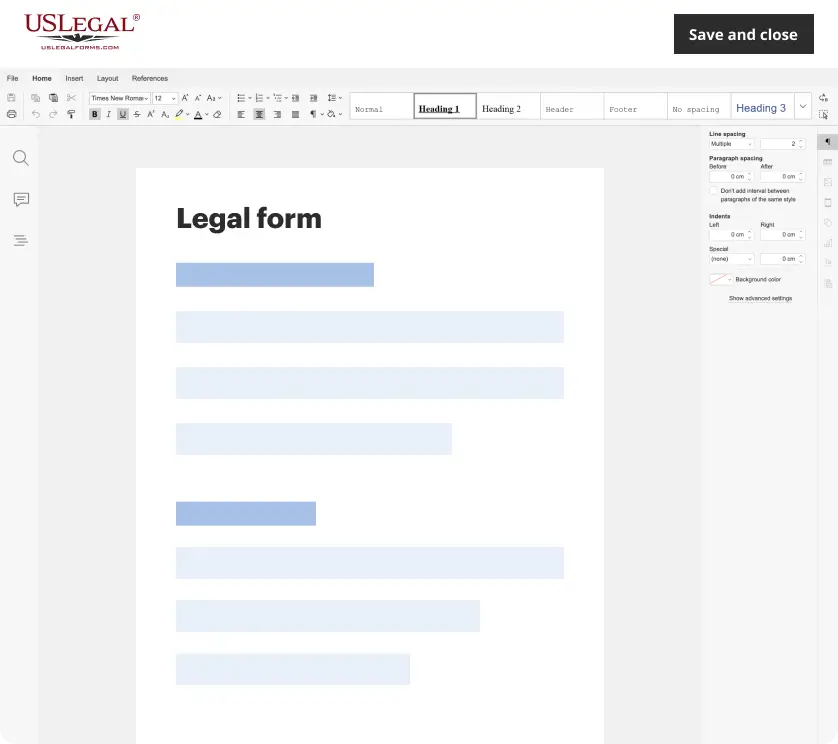
Make edits, fill in missing information, and update formatting in US Legal Forms—just like you would in MS Word.
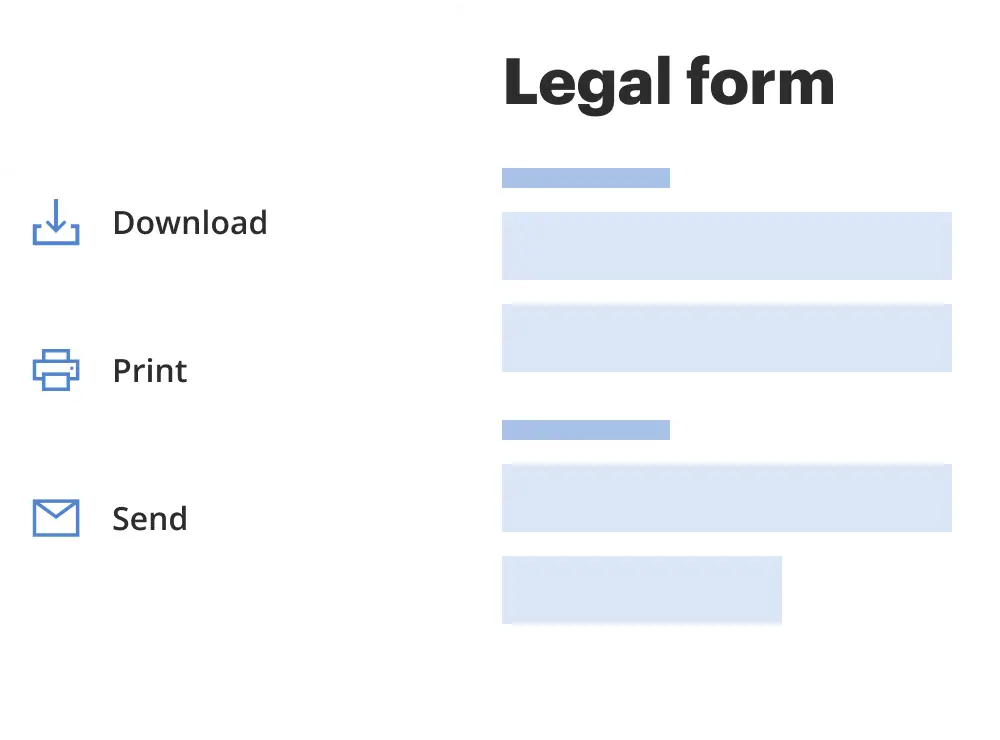
Download a copy, print it, send it by email, or mail it via USPS—whatever works best for your next step.
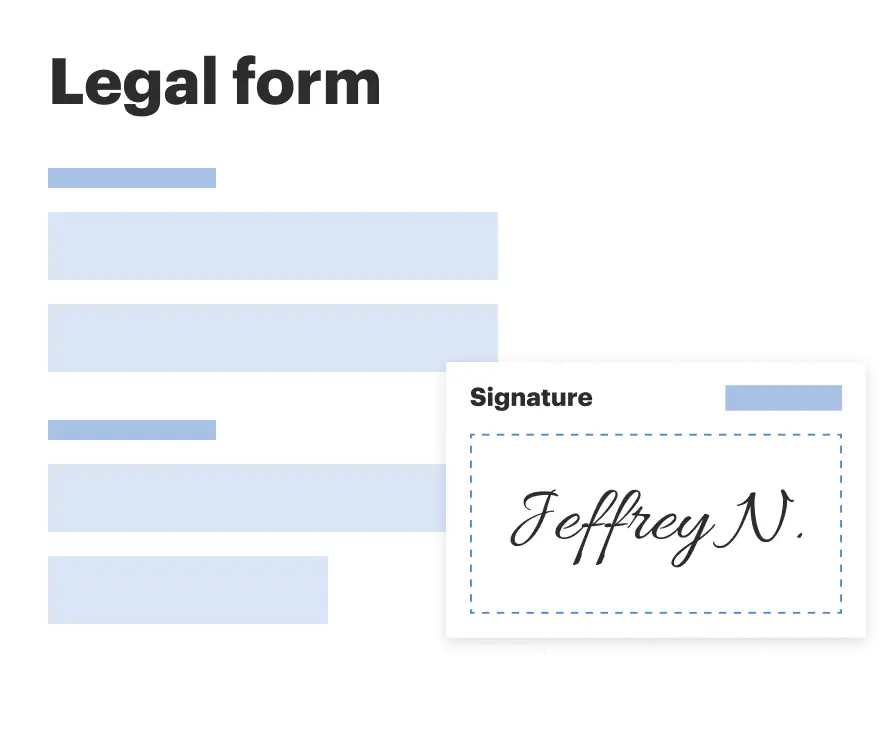
Sign and collect signatures with our SignNow integration. Send to multiple recipients, set reminders, and more. Go Premium to unlock E-Sign.
If this form requires notarization, complete it online through a secure video call—no need to meet a notary in person or wait for an appointment.
We protect your documents and personal data by following strict security and privacy standards.
Common mistakes
- Failing to include a specific and clear description of the lease violation.
- Not providing an adequate cure period based on local laws.
- Neglecting to serve the notice according to the proper channels, leading to legal challenges.
Why use this form online
- Convenience of filling out and printing from home, saving time and effort.
- Editability allows landlords to customize the form for their specific situation.
- Easy access to forms drafted by licensed attorneys, ensuring legal compliance.
Main things to remember
- This form serves as a formal notice to tenants regarding lease violations.
- Landlords must specify the breach and allow a reasonable time for tenants to correct it.
- Proper delivery of the notice is crucial for legal enforcement.
- The form is useful in various states, but compliance with local laws is necessary.
Looking for another form?
Form popularity
FAQ
Your name, and the landlord's name and address. The date you're writing the letter. Informing the landlord you're breaking your lease early. The reason why you're breaking your lease. The building and apartment you're vacating. The date by which you're vacating.
The rental property address, including unit number (if applicable) The names of all tenants on the lease agreement. The date the lease violation notice was written. The specific reason for the notice. The time and date the violation occurred (if applicable)
If you pay all outstanding charges before moving, including any back rent and fees, breaking a lease won't hurt your credit score. However, breaking a lease can damage your credit if it results in unpaid debt.Landlords generally don't report unpaid rent to credit bureaus.
If a tenant fails to pay rent, breaks a rule, or significantly damages the property, then it is considered breach of contract and you have grounds for eviction. If there are people living in the unit that are not on the lease, then that is also breach of contract and you have grounds to evict them.
If you break a lease without legal grounds to do so, you may: Be required to pay the rent for the remaining months on your lease. Be subject to legal action from your landlord, and/or. Receive a negative mark on your credit report.
If a resident fails to abide by the agreed-upon terms, legal action can be taken. If an eviction is the end-result of this action, it will stay listed on the resident's record for up to seven years. The most common reason evictions are requested involves failure to pay rent.
In many cases, the lease may give the tenant the option to pay an early termination fee. If this is the case, tenants can expect to pay one to two months' rent in order to exit the lease agreement.
A tenant must pay the rent up to and including the day their termination notice period ends and they vacate the property. If a tenant does not owe the landlord money at the end of their tenancy and there is no damage to the property, the bond paid at the beginning of the tenancy should be refunded in full.
"Written notice" means notice given in accordance with § 55-248.6, including any representation of words, letters, symbols, numbers, or figures, whether (i) printed in or inscribed on a tangible medium or (ii) stored in an electronic form or other medium, retrievable in a perceivable form, and regardless of whether an