Texas Letter from Tenant to Landlord about Inadequacy of heating resources insufficient heat
Overview of this form
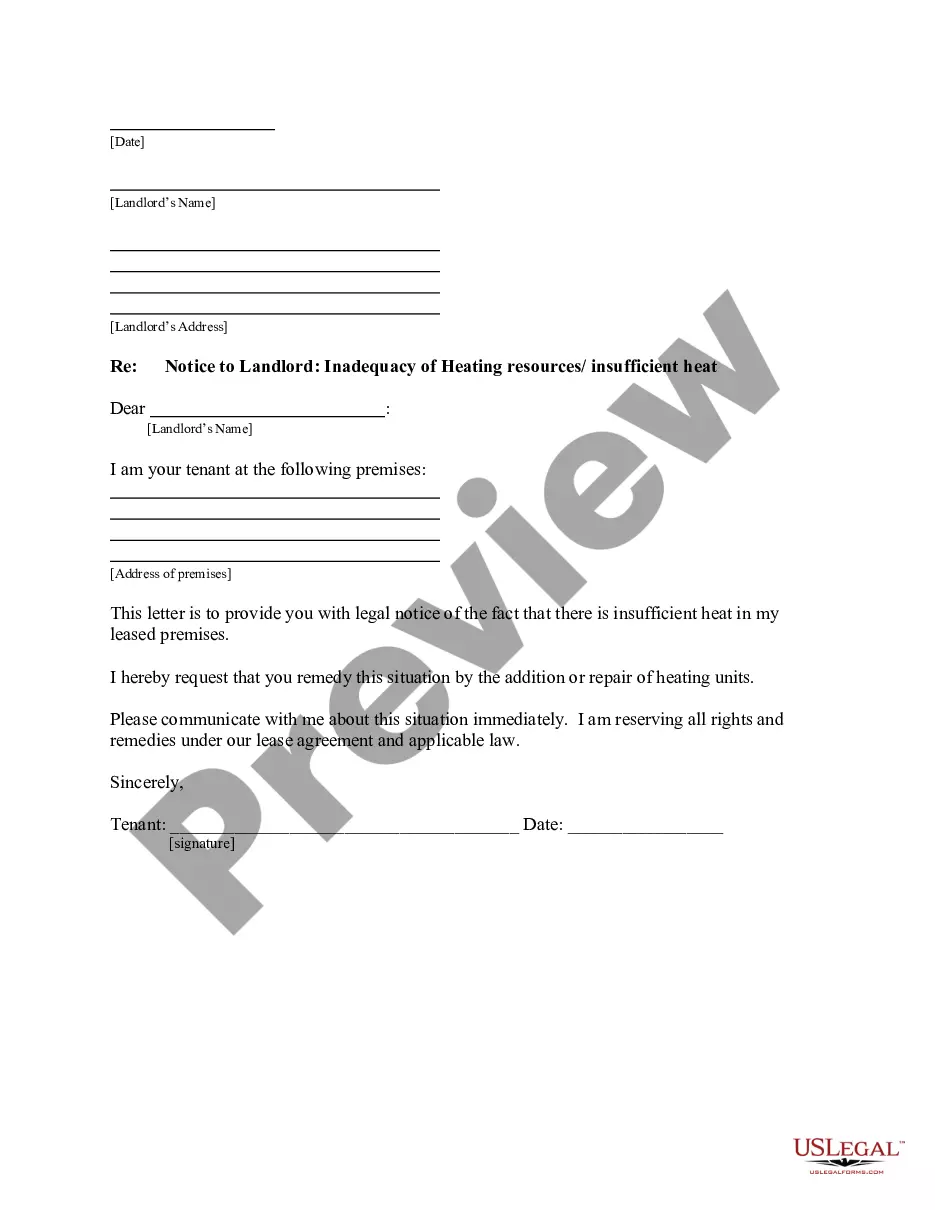
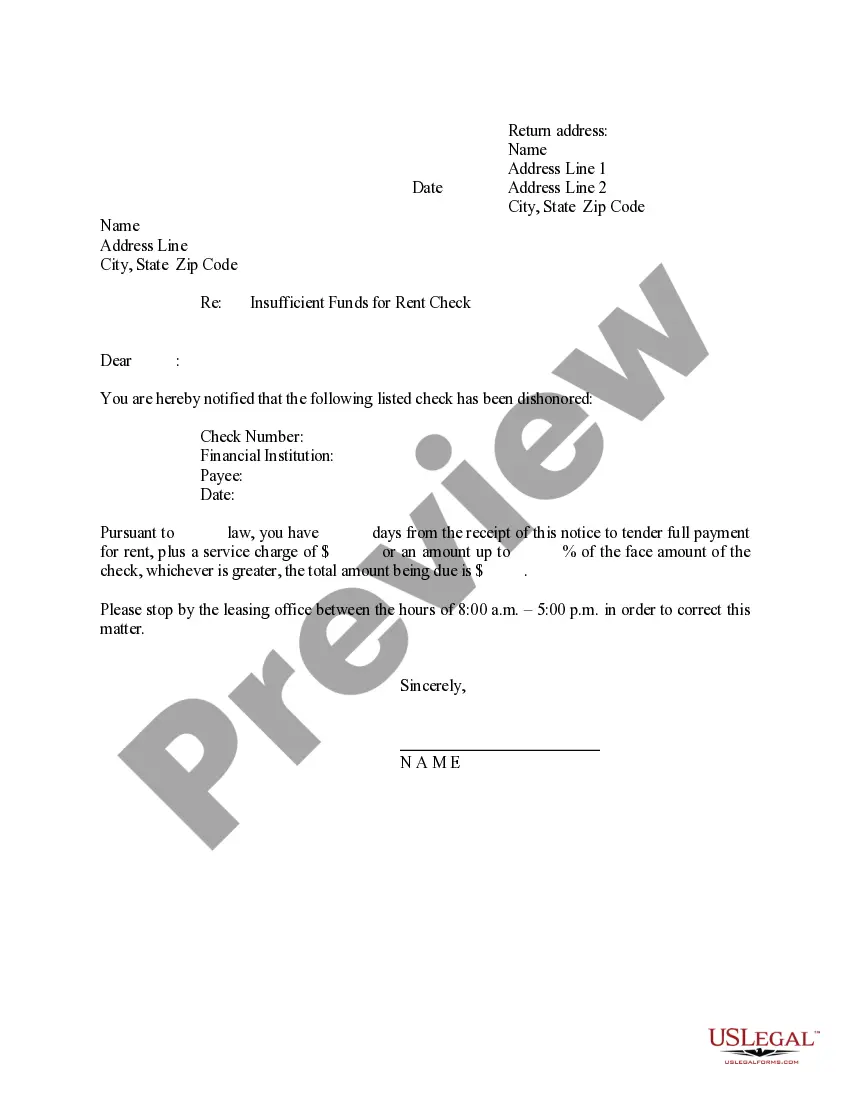
This form is a letter that serves as legal notice to your landlord regarding inadequate heating in your rental unit. It clearly states the need for remedial action, such as repairs or additions to heating resources. This document is essential for formally communicating issues affecting your living conditions, which sets it apart from general complaint letters.
Key components of this form
- Identification of the tenant and landlord's details.
- A description of the heating inadequacy in the leased premises.
- A request for remedial action regarding heating units.
- Statement reserving rights under the lease agreement and applicable law.
- Space for tenant's signature and date.


When to use this form
Use this form when you experience inadequate heating in your rental property. If your landlord has not adequately addressed heating issues, or if the heating system is malfunctioning, this letter is an appropriate way to formally request repairs or improvements. It should be used as part of the process of seeking resolution before taking further legal action.
Who this form is for
- Tenants currently renting residential properties.
- Individuals facing heating issues that require formal notification to their landlord.
- Any tenant who wants to document their communication regarding housing standards.
Completing this form step by step
- Identify the parties involved, including your name and the landlord's name.
- Specify the property address where the heating issue exists.
- Clearly describe the heating inadequacy and how it affects your living conditions.
- Request the necessary repairs or additions to the heating units.
- Reserve your rights under the lease agreement by including a statement regarding your legal options.
- Sign and date the letter for official documentation.
Does this form need to be notarized?
This form does not typically require notarization to be legally valid. However, some jurisdictions or document types may still require it. US Legal Forms provides secure online notarization powered by Notarize, available 24/7 for added convenience.
Get your form ready online
Our built-in tools help you complete, sign, share, and store your documents in one place.
Make edits, fill in missing information, and update formatting in US Legal Forms—just like you would in MS Word.
Download a copy, print it, send it by email, or mail it via USPS—whatever works best for your next step.
Sign and collect signatures with our SignNow integration. Send to multiple recipients, set reminders, and more. Go Premium to unlock E-Sign.
If this form requires notarization, complete it online through a secure video call—no need to meet a notary in person or wait for an appointment.
We protect your documents and personal data by following strict security and privacy standards.

Make edits, fill in missing information, and update formatting in US Legal Forms—just like you would in MS Word.

Download a copy, print it, send it by email, or mail it via USPS—whatever works best for your next step.

Sign and collect signatures with our SignNow integration. Send to multiple recipients, set reminders, and more. Go Premium to unlock E-Sign.

If this form requires notarization, complete it online through a secure video call—no need to meet a notary in person or wait for an appointment.

We protect your documents and personal data by following strict security and privacy standards.
Typical mistakes to avoid
- Failing to identify the landlord correctly, which can delay the notice.
- Not including the specific heating issues or symptoms.
- Omitting the request for action, which may lead to inaction from the landlord.
- Not signing or dating the letter, making it less official.
Advantages of online completion
- Easy access and availability for immediate use.
- Editable templates allow for customization according to your specific situation.
- Reliable legal framework assures compliance with legal standards.
Legal use & context
- Proper use of this form can strengthen your case if further action is needed.
- The form acts as a record of your communication with the landlord related to heating issues.
- Landlords are obligated to provide adequate housing standards, including sufficient heating.
Key takeaways
- This letter is essential for tenants who need to address heating issues formally.
- Clear communication is key to ensuring that the landlord takes remedial action.
- Keeping a copy of the letter is crucial for legal documentation.
Looking for another form?
Form popularity
FAQ
Make sure the repair is actually your landlord's responsibility. Document the problem thoroughly. Ask your landlord in writing to make the repair. Send your landlord a letter with return receipt requested. Wait for your landlord to respond.
Clearly, state what you demand to be repaired by the person. Mention the period since it has been causing a problem and that it is high time. Without being too harsh, the letter is written as a warning to the person. Address the person well.
Your rented home requires a reliable source of hot water and heating. It is the landlord's legal responsibility to provide this. This is included in every tenancy agreement and is a critical requirement for landlords and property owners.
Dear (Name of landlord or manager), I am writing to request repairs to the (appliance, heating/air conditioning, plumbing issue be specific!) due to (reason for repair; this could include things such as broken handle, leaky sink hose, even normal wear-and-tear that would necessitate replacement).
Every rented property in Texas must be fit for human habitation. Fully functioning heating in your home is a vital necessity no matter what your age or the time of year. Under the doctrine implied warranty of habitability, landlords must ensure that their Texan rental properties are liveable.
To give you an idea, it's in good taste to start your letter "Dear Mr./Ms. Insert Name Here," as is the case with any polite letter. No matter how much you might want to give your landlord a piece of your mind, do yourself a favor and refrain from calling him a slumlord.
Under Section 11 of the Landlord and Tenant Act 1985, you have the right to expect your landlord to carry out repairs in a 'reasonable time'. If it's an emergency repair as you've got no heating or hot water, your landlord should fix this in 24 hours.
Use an appropriate business letter format. Keep it simple. If appropriate, provide the recipient with pertinent information to help them remember who you are. Briefly explain what it is you want the reader to do.