Texas Letter from Landlord to Tenant as Notice to tenant to inform landlord of tenant's knowledge of condition causing damage to premises
About this form
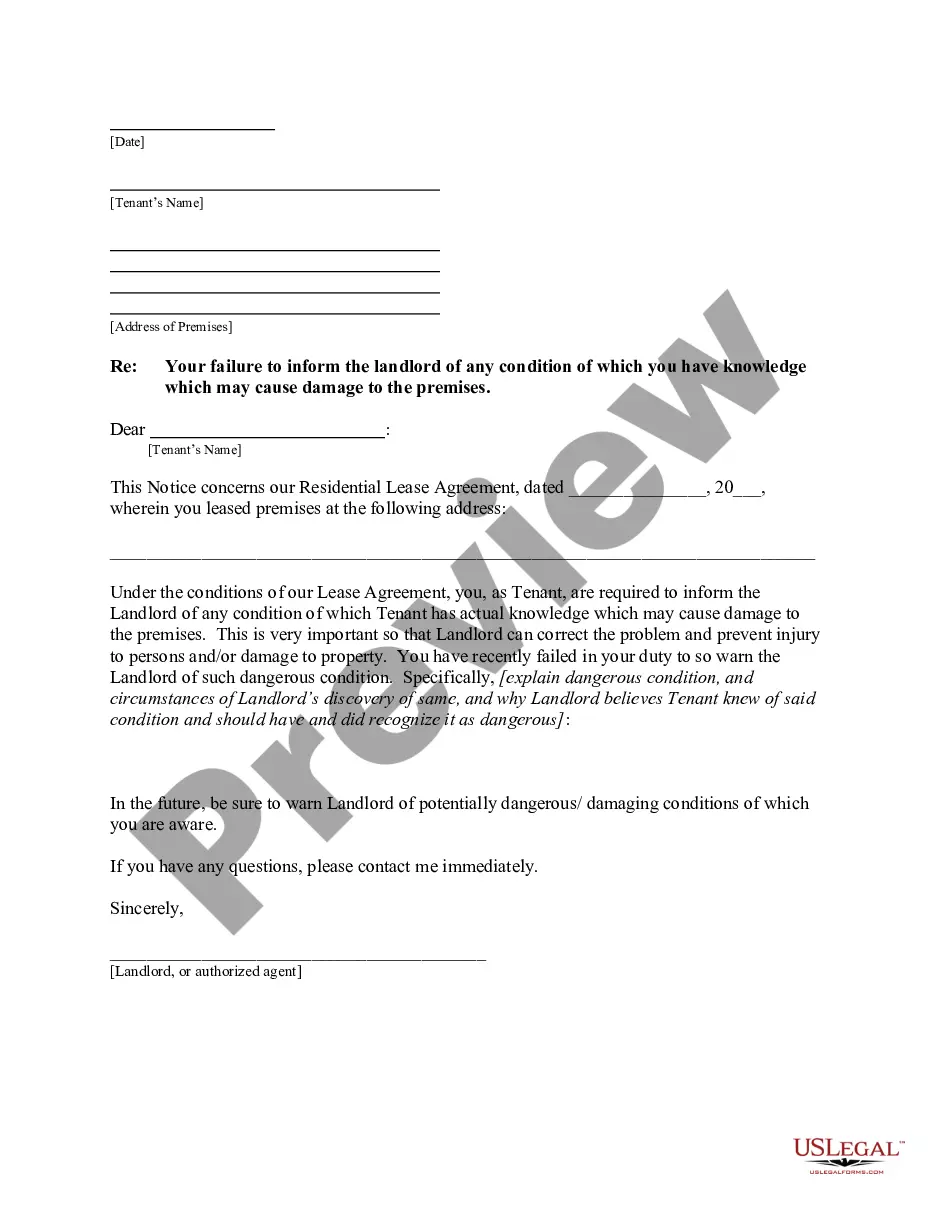
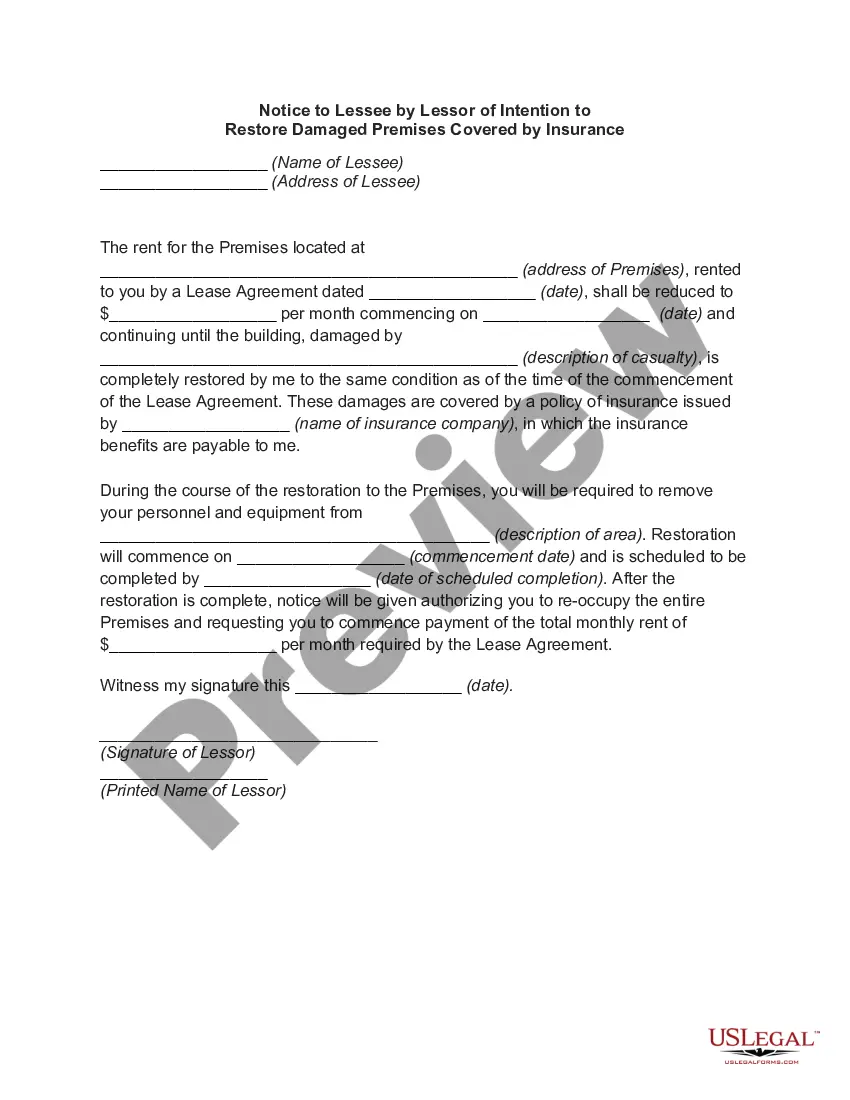
This form is a letter from the landlord to the tenant that serves as a notice for the tenant to inform the landlord of any known conditions that may cause damage to the premises. By using this letter, landlords can address potential issues promptly and prevent further damage or hazards. This differs from other notifications as it specifically emphasizes the tenant's responsibility to report any known issues under the lease agreement.
Key components of this form
- Sender information: Name and contact details of the landlord or authorized agent.
- Recipient information: Name and address of the tenant.
- Details of the condition: A prompt for the tenant to specify any known issues affecting the premises.
- Signature: Space for the landlord or their agent to sign and date the notice.
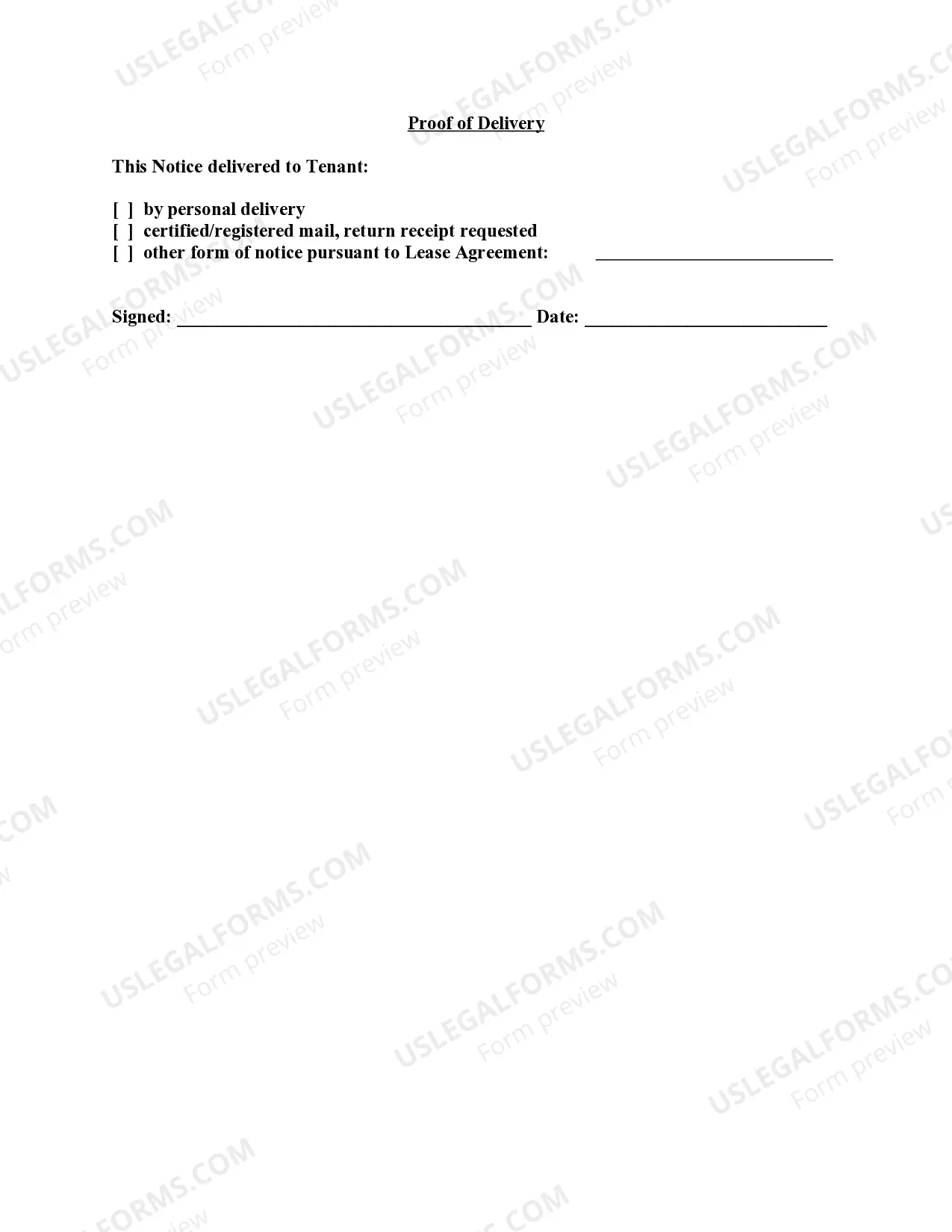
- Proof of delivery method: Options for how the notice is delivered, such as personal delivery or certified mail.

When to use this document
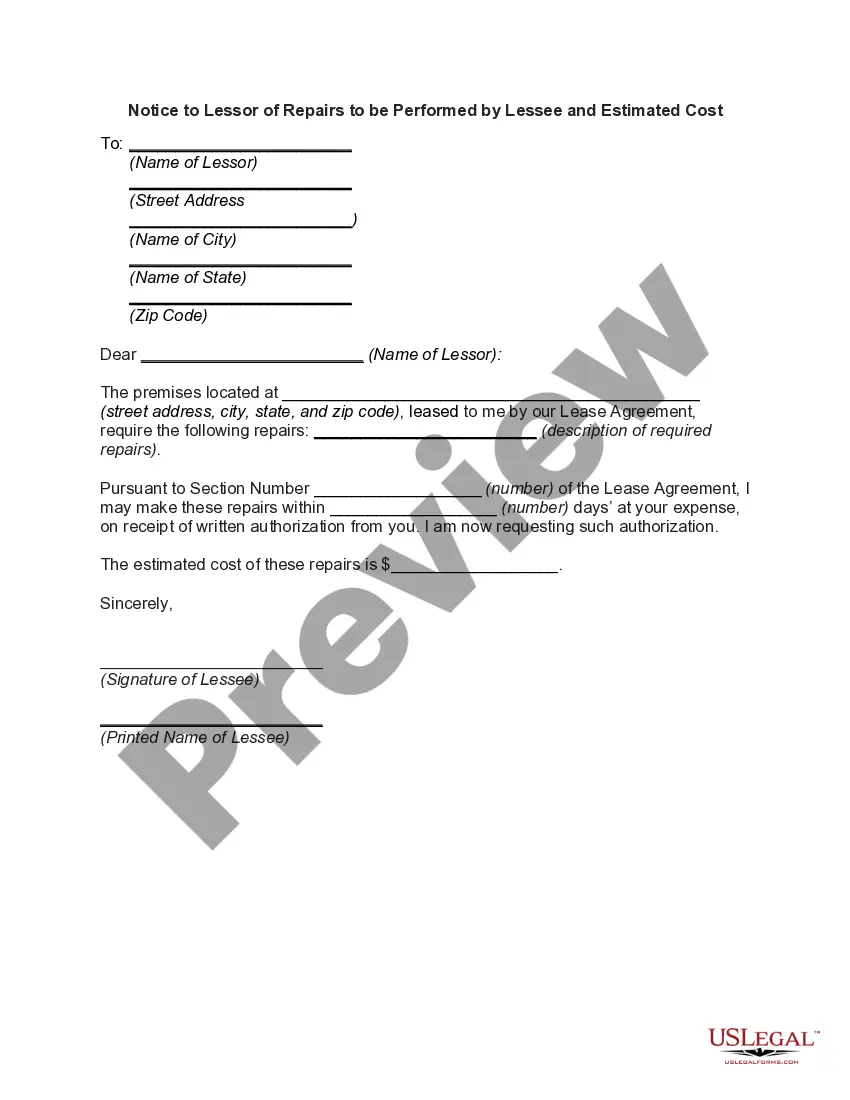
This form is needed when a landlord must remind a tenant of their obligation to notify about any conditions that could cause damage to the rental property. This can occur in situations such as when the tenant identifies a leaking pipe, mold, or any other structural issues, enabling the landlord to take necessary corrective actions.
Intended users of this form
- Landlords who rent out residential properties.
- Property managers or authorized agents acting on behalf of the landlord.
- Tenants who have identified conditions that might cause damage and need to report them.
Completing this form step by step
- Identify the landlord or authorized agent and enter their contact details at the top of the form.
- Enter the tenant's name and address in the designated fields.
- Clearly outline the condition known to the tenant that may lead to damage to the premises.
- Sign and date the letter to indicate it is an official notice.
- Choose the method of delivery (personal or certified mail) and note this on the form for proof of delivery.
Does this form need to be notarized?
This form usually doesn’t need to be notarized. However, local laws or specific transactions may require it. Our online notarization service, powered by Notarize, lets you complete it remotely through a secure video session, available 24/7.
Get your form ready online
Our built-in tools help you complete, sign, share, and store your documents in one place.
Make edits, fill in missing information, and update formatting in US Legal Forms—just like you would in MS Word.
Download a copy, print it, send it by email, or mail it via USPS—whatever works best for your next step.
Sign and collect signatures with our SignNow integration. Send to multiple recipients, set reminders, and more. Go Premium to unlock E-Sign.
If this form requires notarization, complete it online through a secure video call—no need to meet a notary in person or wait for an appointment.
We protect your documents and personal data by following strict security and privacy standards.
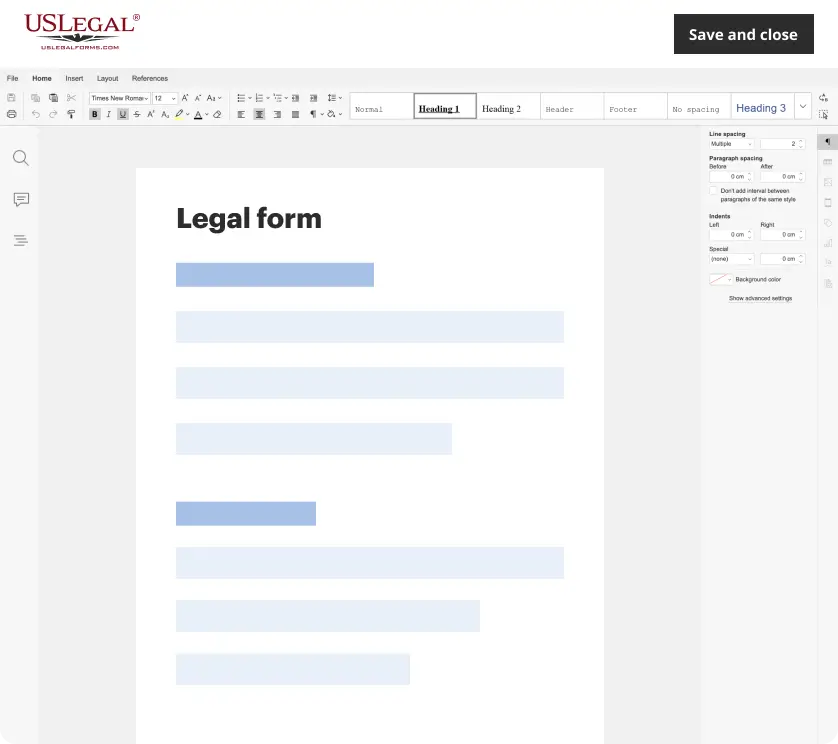
Make edits, fill in missing information, and update formatting in US Legal Forms—just like you would in MS Word.
Download a copy, print it, send it by email, or mail it via USPS—whatever works best for your next step.
Sign and collect signatures with our SignNow integration. Send to multiple recipients, set reminders, and more. Go Premium to unlock E-Sign.
If this form requires notarization, complete it online through a secure video call—no need to meet a notary in person or wait for an appointment.
We protect your documents and personal data by following strict security and privacy standards.
Typical mistakes to avoid
- Failing to provide clear details about the conditions known to the tenant.
- Not signing the letter, which could make it less effective as a formal notice.
- Using vague language that does not specify what actions are required from the tenant.
Why use this form online
- Convenient downloading and printing options save time.
- Forms are prepared by licensed attorneys, ensuring they meet legal standards.
- Editable fields allow landlords to customize notices specific to their situation.
- Secure storage and retrieval of documents for future reference.
Looking for another form?
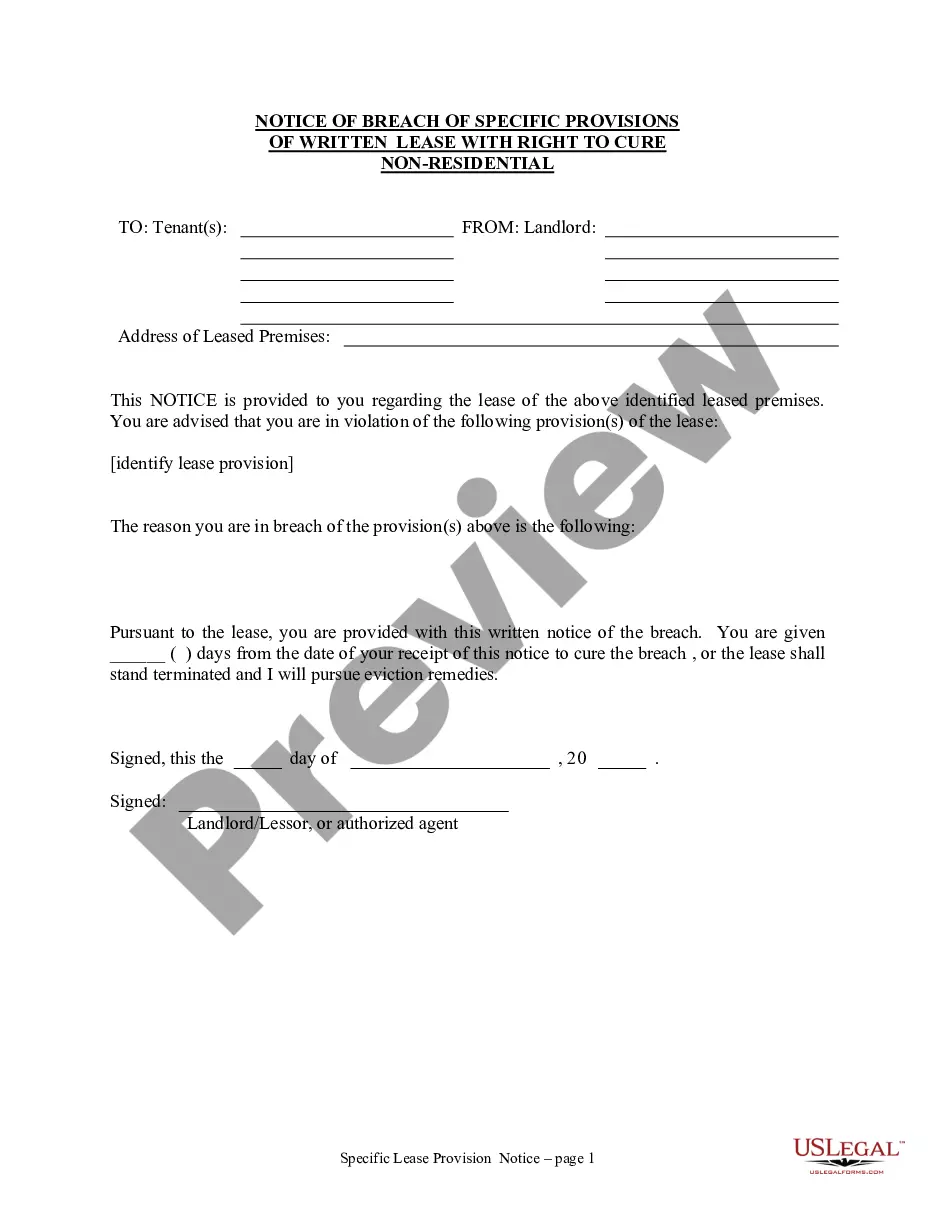
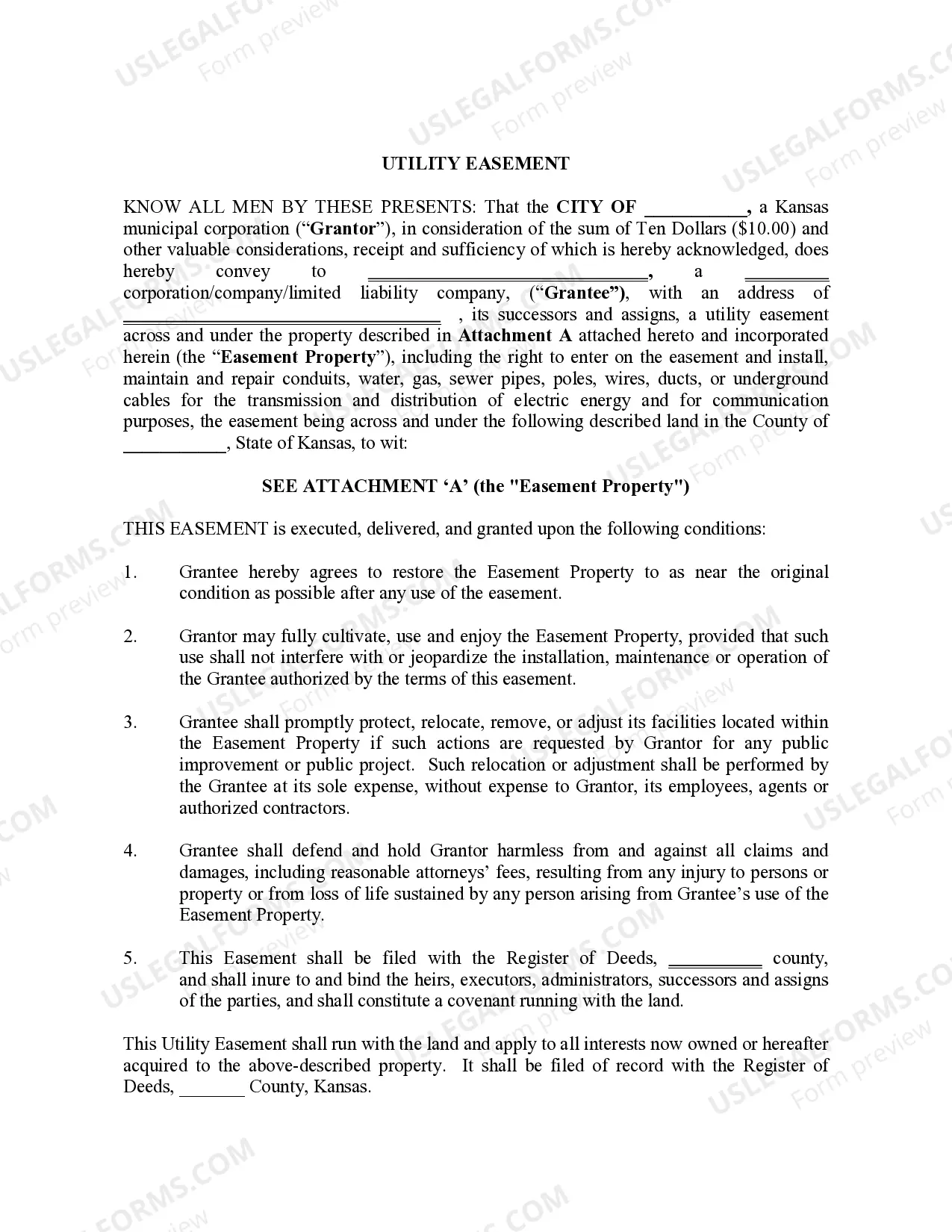
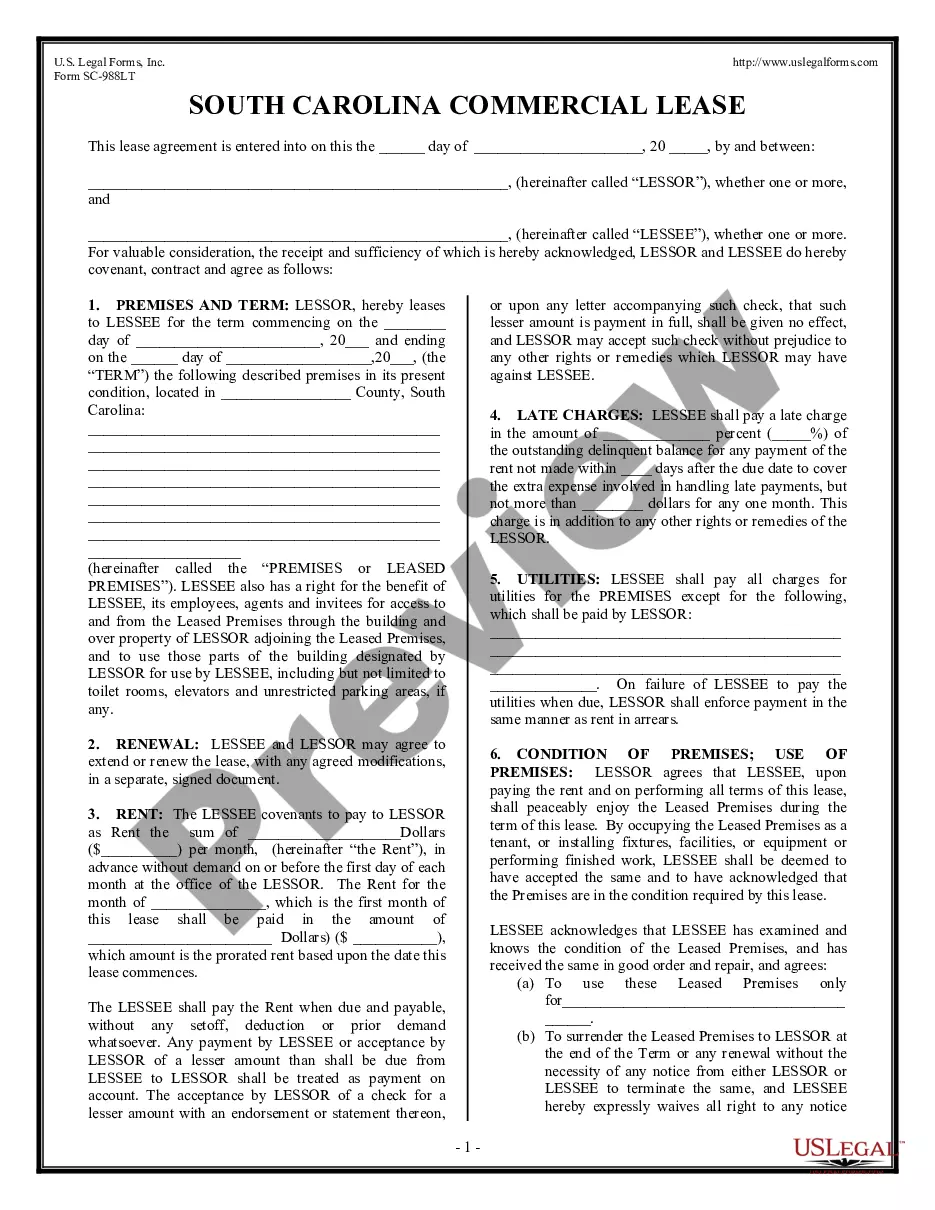
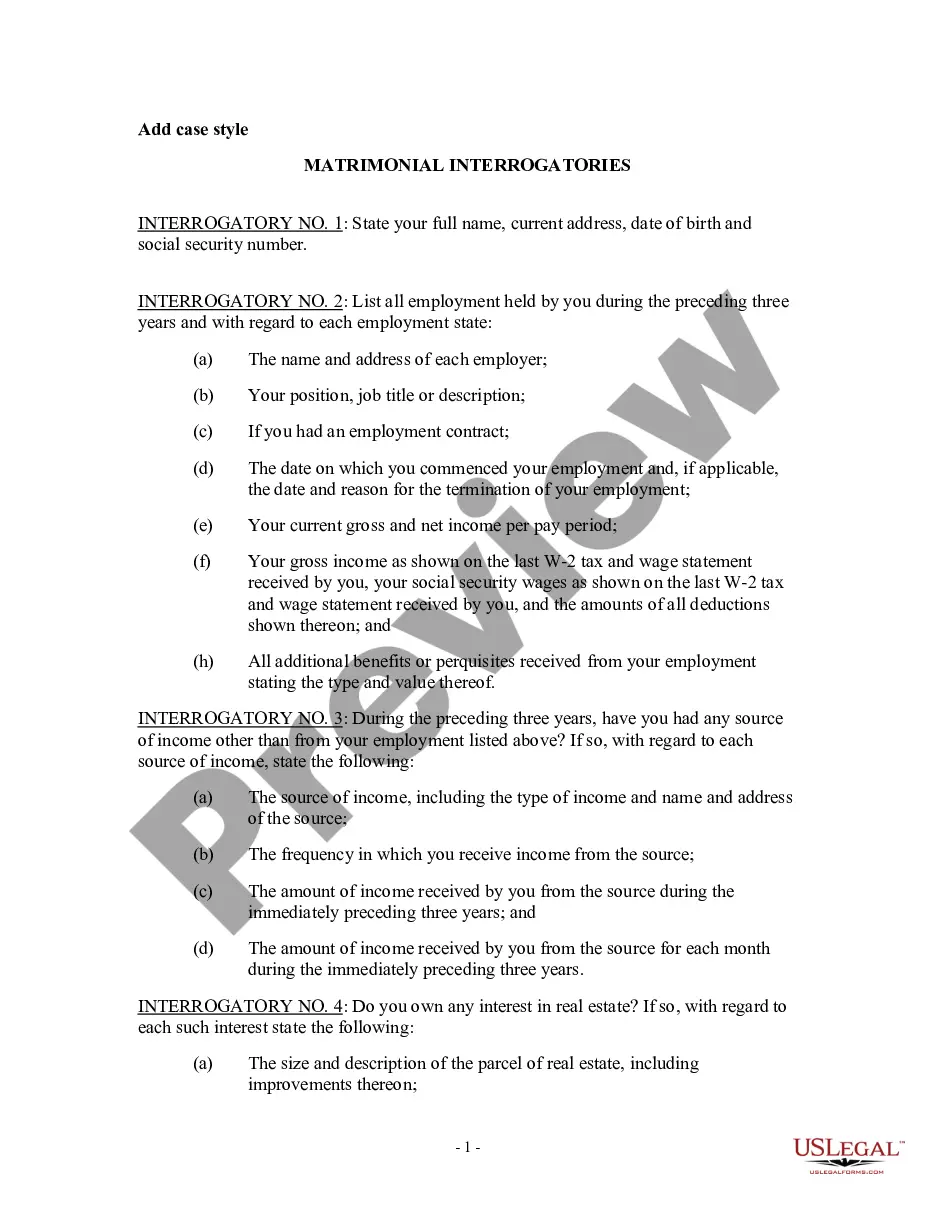
Form popularity
FAQ
A landlord can not, as a condition of renting or providing any service to a tenant, ask for consent to collect, use or disclose personal information beyond what is necessary to provide tenancy or any service section 7(2).
A landlord cannot evict a tenant without an adequately obtained eviction notice and sufficient time. A landlord cannot retaliate against a tenant for a complaint. A landlord cannot forego completing necessary repairs or force a tenant to do their own repairs.A landlord cannot remove a tenant's personal belongings.
Be in writing, Say the full name of the tenant or tenants, Have the address the notice is about, Say everything that the tenant did to break the lease or deserve a 3 day notice to leave, and include details and dates, Say clearly that the tenant has to move out as soon as the 3 days are up, and.
Dear (Name of landlord or manager), This letter constitutes my written (number of days' notice that you need to give based on your lease agreement)-day notice that I will be moving out of my apartment on (date), the end of my current lease. I am leaving because (new job, rent increase, etc.)
Dear (Name of landlord or manager), This letter constitutes my written (number of days' notice that you need to give based on your lease agreement)-day notice that I will be moving out of my apartment on (date), the end of my current lease. I am leaving because (new job, rent increase, etc.)
Write the title for your pay or quit notice across the top of the letter. If not included in the title, the number of days for the notice must be specified. Include the names of each of the tenants. Specify the address of the rental property.
Landlords need to collect confidential information from their tenants in order to determine whether or not they qualify for a lease. A tenant's employer, bank account numbers, credit history, social security number and previous addresses are all valuable to identity thieves.
Step 1: Mention the Reason for Giving a Notice. Step 2: Use Formal Language. Step 3: Mention the Date for Vacating. Step 4: Address the Formalities to Be Taken Care Of. Step 5: Proofread the Letter.
If you're an assured tenant or a protected tenant Your landlord will have to give you notice if they want you to leave. They have to give the reasons why they want to evict you - for example, if you have rent arrears or you've damaged the property. Your landlord will have to go to court and get a court order.