South Dakota Warranty Deed from Individual to Husband and Wife
About this form
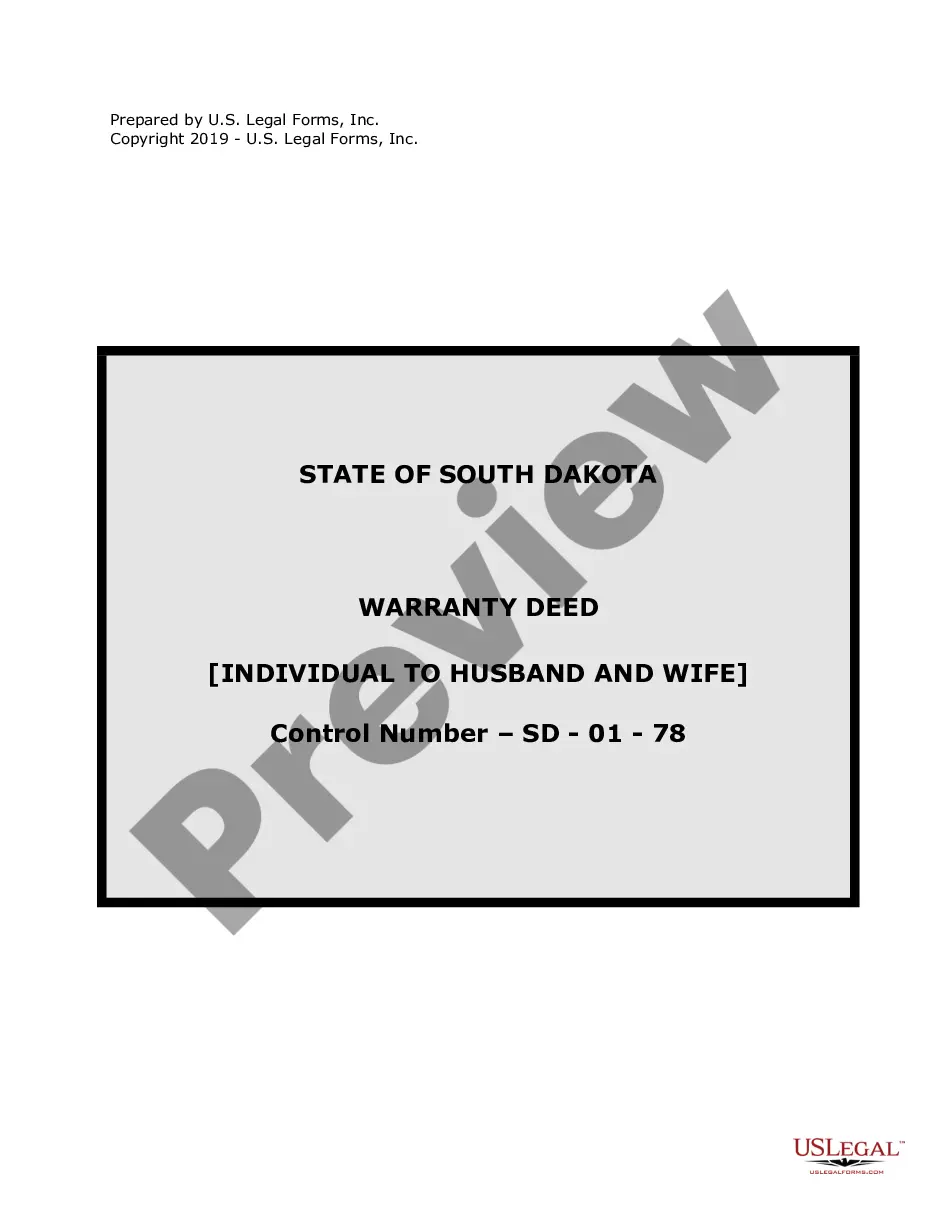
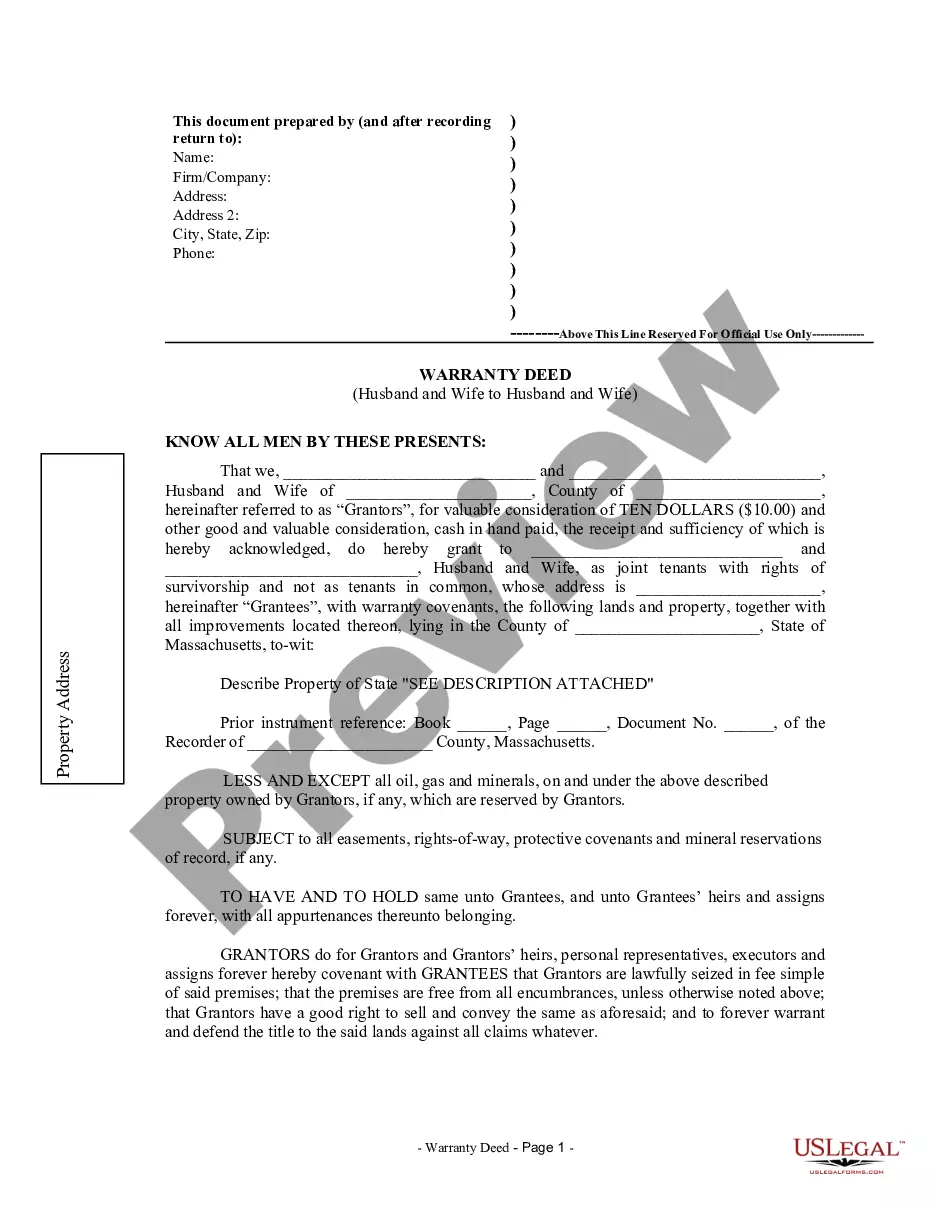
The Warranty Deed from Individual to Husband and Wife is a legal document used to transfer real estate ownership from an unmarried individual (grantor) to a married couple (grantees). This form ensures that the title to the property is conveyed completely and securely, providing a warranty against any claims on the property. Unlike general deeds, a warranty deed includes guarantees about the grantor's ownership and the title's freedom from encumbrances, making it a reliable choice for property transfers.
Form components explained
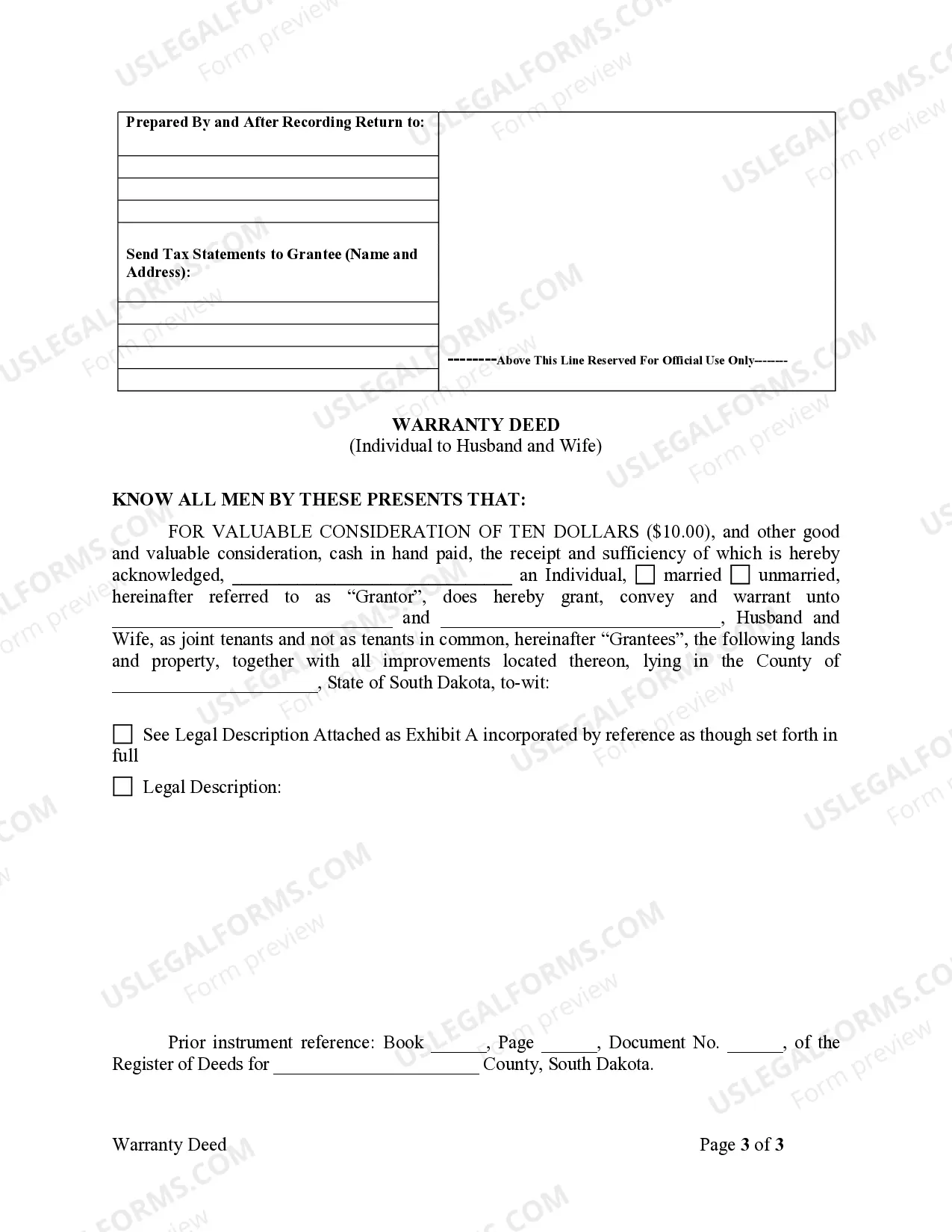
- Identification of the grantor (the individual transferring the property).
- Identification of the grantees (the husband and wife receiving the property).
- Description of the property being transferred.
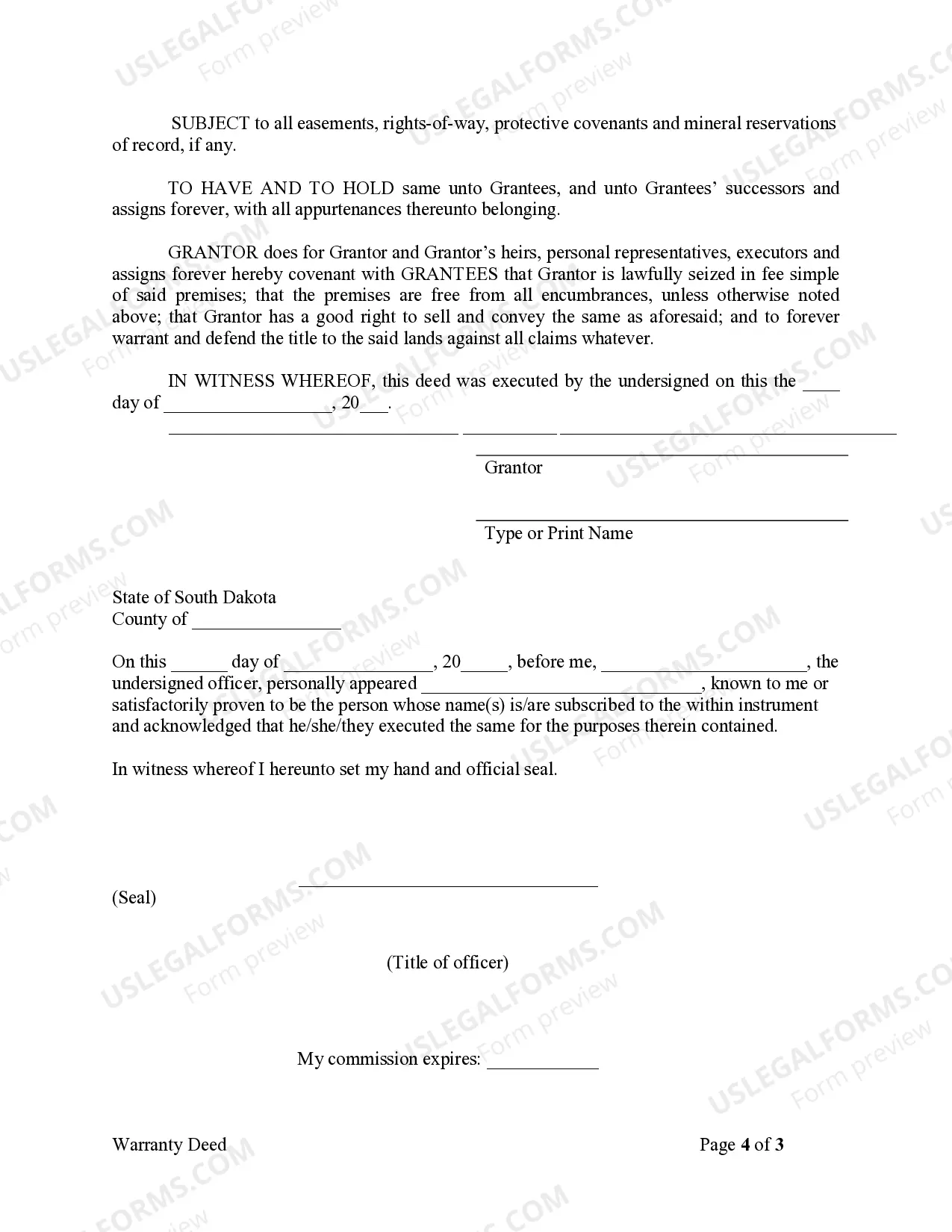
- Warranties provided by the grantor regarding title ownership.
- Signature line for the grantor to validate the deed.
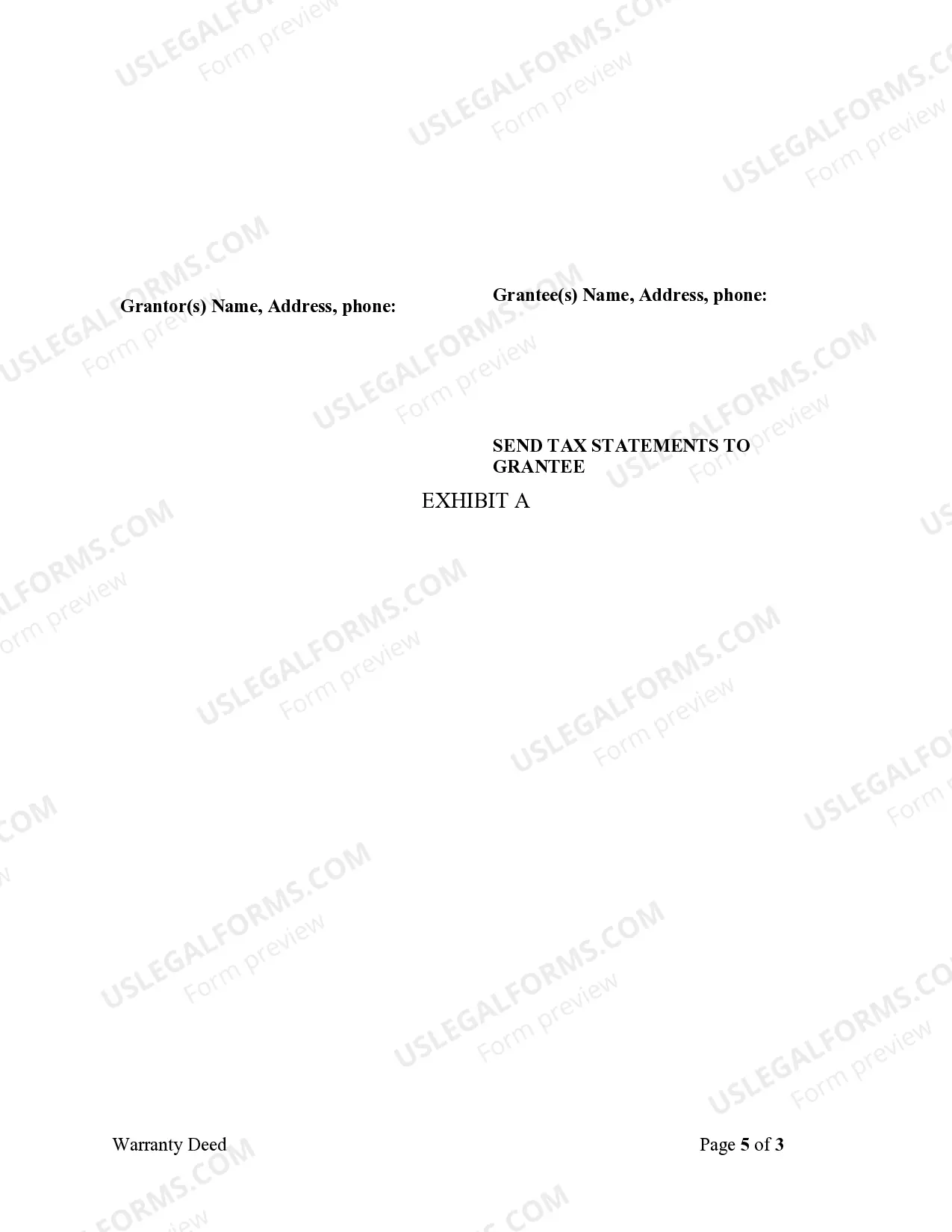
- Space for a legal description attached as an exhibit.






When to use this form
This form is appropriate in situations where an unmarried individual wishes to transfer property to a married couple. Common scenarios include gifting property to a family member and marriage as a change in ownership status. Proper completion of this form helps ensure that legal ownership is clear and that both spouses receive equal rights to the property.
Intended users of this form
Eligible users include:
- Unmarried individuals wishing to transfer property ownership.
- Married couples who are receiving property as a gift or purchase.
- Real estate professionals or legal representatives involved in property transactions.
How to prepare this document
- Identify the grantor by entering the full name of the individual transferring the property.
- Enter the names of the grantees, ensuring both spouses are correctly listed.
- Clearly describe the property being transferred, including legal descriptions if necessary.
- Include any encumbrances or restrictions, if applicable.
- Sign and date the form in the designated area to validate the transfer.
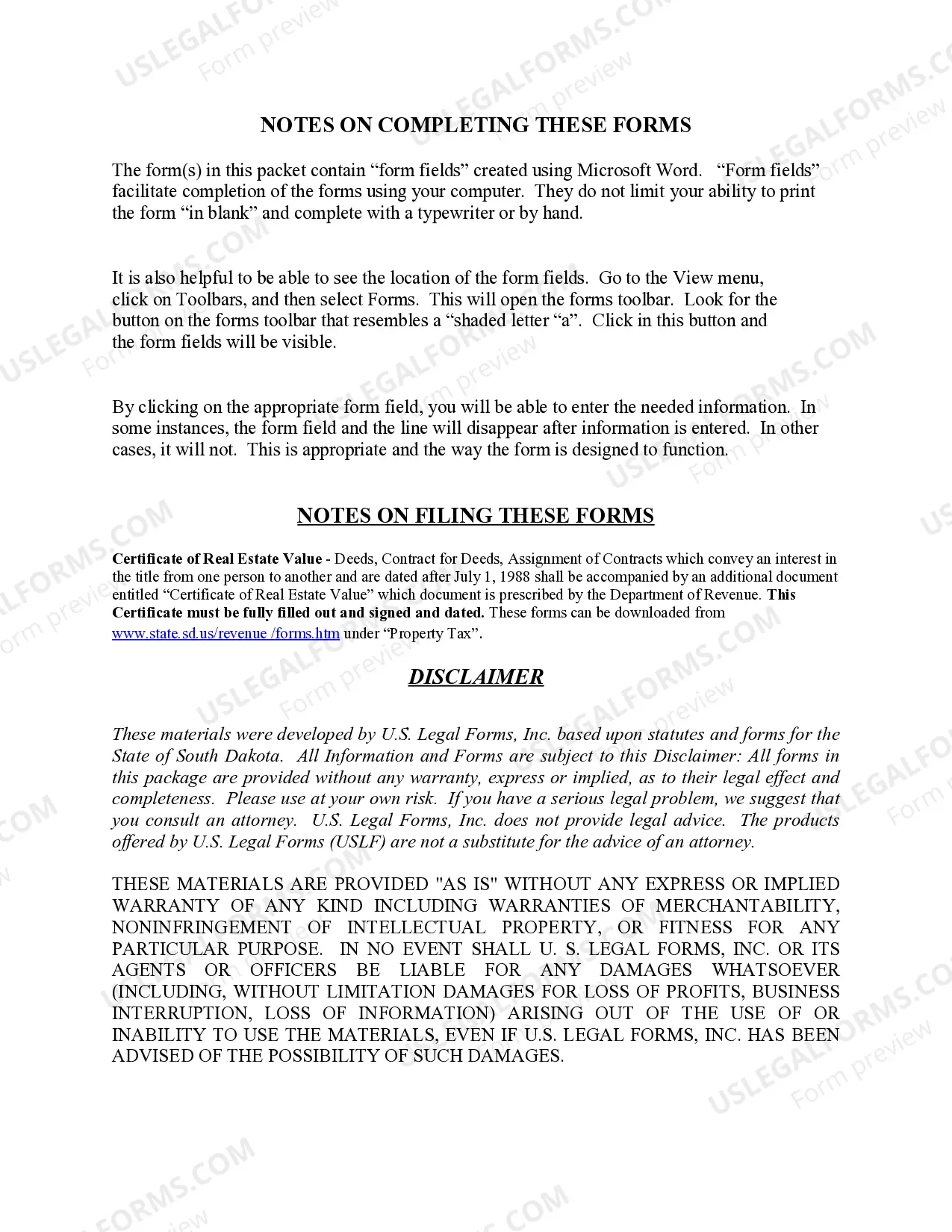
- Prepare a Certificate of Real Estate Value to accompany the deed if required by law.
Does this form need to be notarized?
Notarization is required for this form to take effect. Our online notarization service, powered by Notarize, lets you verify and sign documents remotely through an encrypted video session, available 24/7.
Get your form ready online
Our built-in tools help you complete, sign, share, and store your documents in one place.
Make edits, fill in missing information, and update formatting in US Legal Forms—just like you would in MS Word.
Download a copy, print it, send it by email, or mail it via USPS—whatever works best for your next step.
Sign and collect signatures with our SignNow integration. Send to multiple recipients, set reminders, and more. Go Premium to unlock E-Sign.
If this form requires notarization, complete it online through a secure video call—no need to meet a notary in person or wait for an appointment.
We protect your documents and personal data by following strict security and privacy standards.

Make edits, fill in missing information, and update formatting in US Legal Forms—just like you would in MS Word.

Download a copy, print it, send it by email, or mail it via USPS—whatever works best for your next step.

Sign and collect signatures with our SignNow integration. Send to multiple recipients, set reminders, and more. Go Premium to unlock E-Sign.

If this form requires notarization, complete it online through a secure video call—no need to meet a notary in person or wait for an appointment.

We protect your documents and personal data by following strict security and privacy standards.
Mistakes to watch out for
- Failing to include both names of the grantees.
- Neglecting to accurately describe the property.
- Not signing or dating the document, rendering it invalid.
- Missing the Certificate of Real Estate Value when applicable.
Benefits of using this form online
- Convenient download options in multiple formats (Word, Rich Text, Wordperfect).
- Edit the form easily on your computer before printing or signing.
- Access to an attorney-drafted form ensures legal compliance and accuracy.
- Save time by avoiding the need for in-person legal consultations.
Main things to remember
- The Warranty Deed is crucial for transferring property from an individual to a married couple.
- Accurate property description and inclusion of all parties' names are essential for validity.
- State-specific regulations, such as the Certificate of Real Estate Value, must be adhered to in South Dakota.
- Using this form ensures legal protection and clarity in property ownership.
Looking for another form?
Form popularity
FAQ
Special warranties allow the transfer of property title between seller and buyer. The purchase of title insurance can mitigate the risk of prior claims to the special warranty deed.
Identify the donee or recipient. Discuss terms and conditions with that person. Complete a change of ownership form. Change the title on the deed. Hire a real estate attorney to prepare the deed. Notarize and file the deed.
In states like California and Florida, the spouses may use a quitclaim deed to transfer the property without warranting title. Other stateslike Texasrecognize a similar type of deed called a deed without warranty.
Title the deed and list the amount given for the transfer. If it is a quitclaim deed, title the deed Quitclaim Deed; for warranty deeds, title the deed Warranty Deed. Write In consideration of dollar amount to list the amount given for the transfer. List the names of the parties involved.
Two of the most common ways to transfer property in a divorce are through an interspousal transfer deed or quitclaim deed. When spouses own property together, but then one spouse executes an interspousal transfer or a quitclaim deed, this is known as transmutation.
You may be able to transfer your interest in the property through a quitclaim deed, where you relinquish all ownership of the property to someone else. Your lender may also agree to add another name to the mortgage. In this case, someone else would be able to legally make payments on the mortgage.
Discuss property ownership interests. Access a copy of your title deed. Complete, review and sign the quitclaim or warranty form. Submit the quitclaim or warranty form. Request a certified copy of your quitclaim or warranty deed.
Title the deed and list the amount given for the transfer. If it is a quitclaim deed, title the deed Quitclaim Deed; for warranty deeds, title the deed Warranty Deed. Write In consideration of dollar amount to list the amount given for the transfer. List the names of the parties involved.
You can gift property to spouse, child or any relative and register the same. Under section 122 of the Transfer of Property Act, 1882, you can transfer immovable property through a gift deed. The deed should contain your details as well as those of the recipient.