South Dakota Seller's Information for Appraiser provided to Buyer
Overview of this form
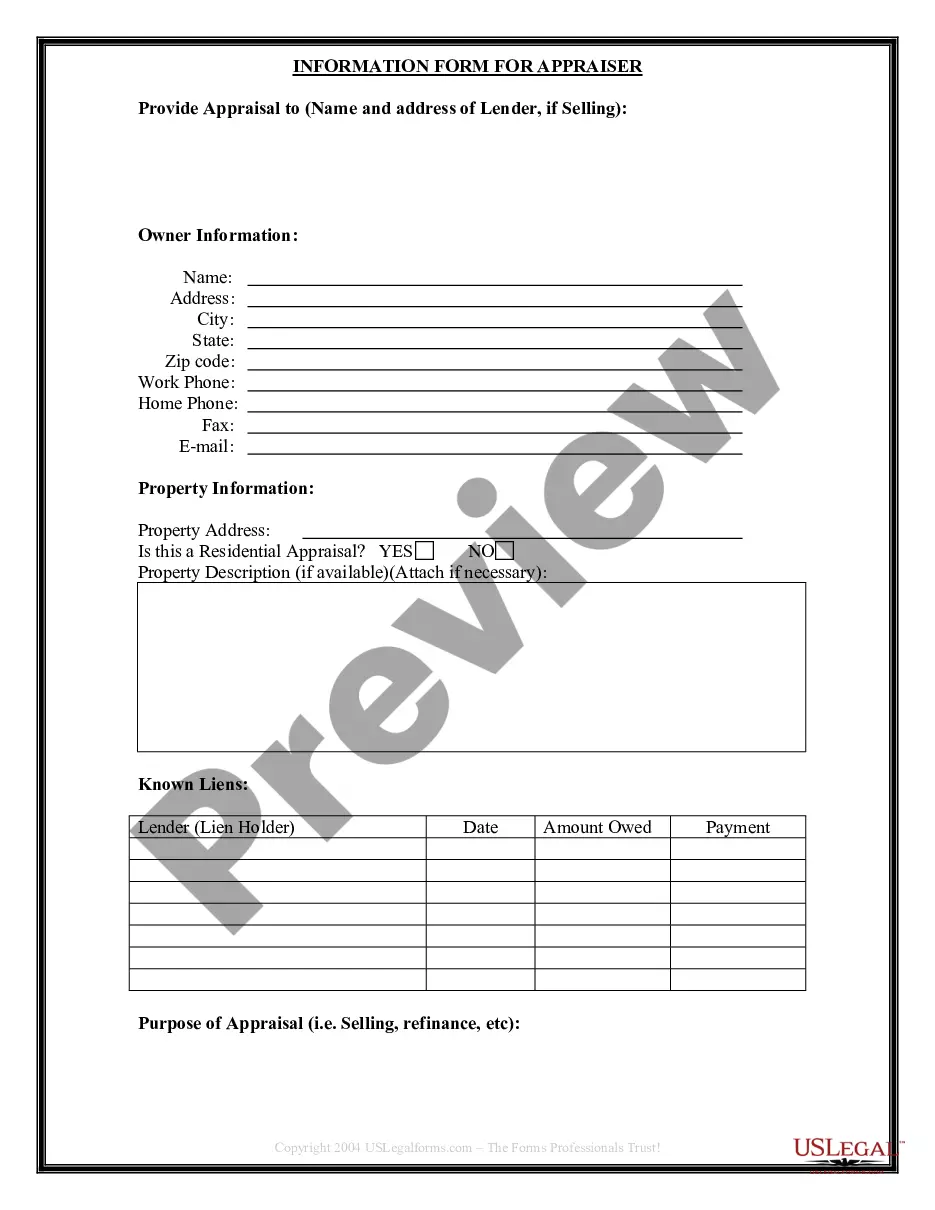
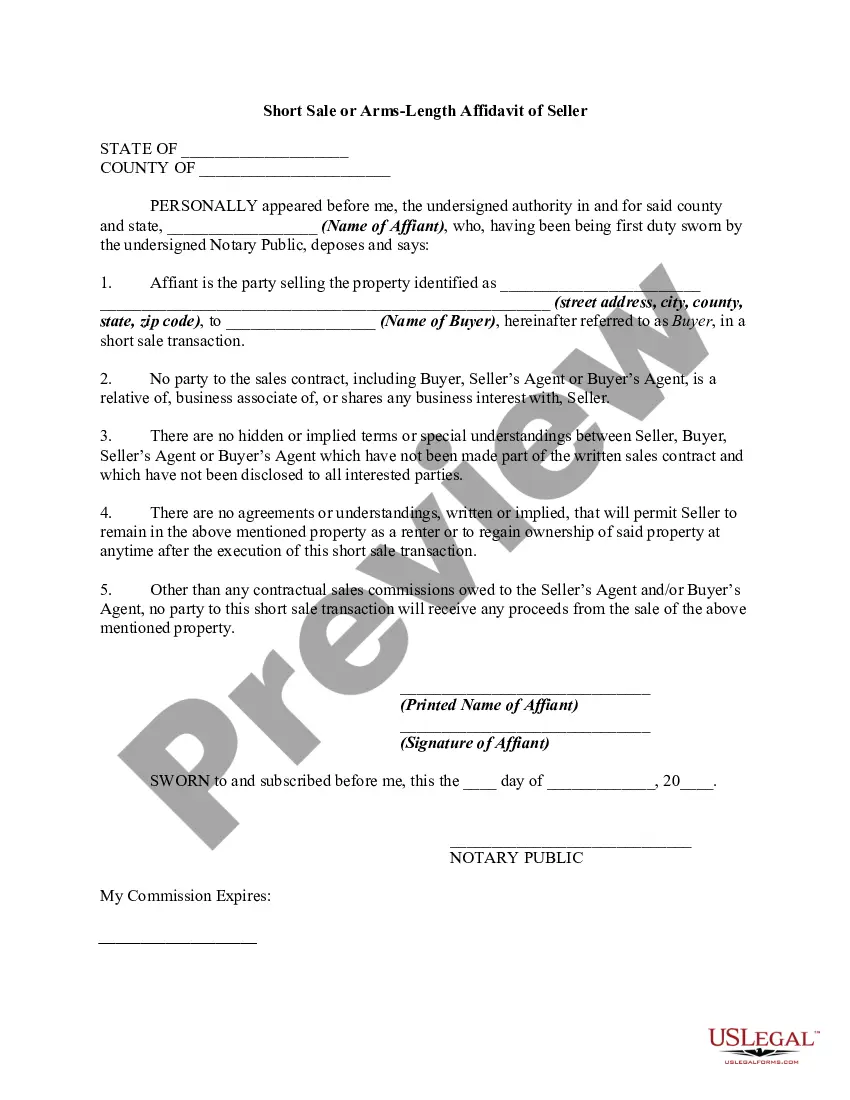
The Seller's Information for Appraiser provided to Buyer form is a document used in South Dakota to facilitate the appraisal process during a property transaction. This form allows the seller to provide essential details about the property to the buyer, who will then present it to the appraiser. By streamlining the information process, this form helps to ensure that the appraisal is thorough and accurate, differentiating it from standard property sale agreements.
Key parts of this document
- Property description including address and unique identifiers
- Seller's contact information for follow-up inquiries
- Disclosure of property features and any recent improvements
- Statements regarding current occupants and lease agreements, if applicable
- Signature line for the seller to verify the information provided

Common use cases
This form is typically used when a buyer has made an offer on a property and requires an appraisal to determine its market value. It is essential to provide accurate and detailed information about the property to facilitate an informed appraisal, which can impact financing and negotiation outcomes.
Who should use this form
- Property sellers who are negotiating with potential buyers
- Real estate agents assisting in the sale of property
- Buyers who require comprehensive information to provide to the appraiser
How to prepare this document
- Enter the property's full address and any identifying details.
- Fill in the seller's contact information accurately.
- Provide a detailed description of the property, including any enhancements made.
- Disclose any existing tenants and terms of occupancy if applicable.
- Sign the form to attest to the accuracy of the information submitted.
Notarization guidance
This form does not typically require notarization unless specified by local law. However, sellers may choose to have it notarized to enhance its validity during legal transactions.
Get your form ready online
Our built-in tools help you complete, sign, share, and store your documents in one place.
Make edits, fill in missing information, and update formatting in US Legal Forms—just like you would in MS Word.
Download a copy, print it, send it by email, or mail it via USPS—whatever works best for your next step.
Sign and collect signatures with our SignNow integration. Send to multiple recipients, set reminders, and more. Go Premium to unlock E-Sign.
If this form requires notarization, complete it online through a secure video call—no need to meet a notary in person or wait for an appointment.
We protect your documents and personal data by following strict security and privacy standards.

Make edits, fill in missing information, and update formatting in US Legal Forms—just like you would in MS Word.

Download a copy, print it, send it by email, or mail it via USPS—whatever works best for your next step.

Sign and collect signatures with our SignNow integration. Send to multiple recipients, set reminders, and more. Go Premium to unlock E-Sign.

If this form requires notarization, complete it online through a secure video call—no need to meet a notary in person or wait for an appointment.

We protect your documents and personal data by following strict security and privacy standards.
Common mistakes to avoid
- Neglecting to provide accurate property details, which can mislead the appraiser.
- Failing to disclose all relevant improvements made to the property.
- Omitting contact information, which can delay the appraisal process.
- Not signing the form, rendering it invalid.
Why use this form online
- Convenient access to the form anytime, allowing for quick completion.
- Editability ensures accurate information can be provided before submission.
- Reliable templates drafted by licensed attorneys to ensure compliance.
Key takeaways
- The Seller's Information for Appraiser provides vital information for accurate property appraisal.
- Accurate completion of this form can aid in the efficiency of real estate transactions.
- This form is specific to South Dakota, ensuring adherence to local standards.
Looking for another form?
Form popularity
FAQ
Once you and the buyer have signed a written agreement for the sale of your property, you must deliver a copy of your completed disclosures to the buyer within five business days.
A: An appraisal is generally considered a professional opinion of the market value of a property, not a fact. Although it's both legally and ethically necessary to disclose a material fact, the same requirement doesn't apply to an opinion.
Some seller disclosure laws require you to take action against the seller within the specified statute of limitations, perhaps one or two years from the date you close. If you are within this window, you may be able to sue the seller for the repair to your issue.
Who Must Make These Seller Disclosures in California. As a broad rule, all sellers of residential real estate property containing one to four units in California must complete and provide written disclosures to the buyer.
As a last resort, a homeowner may file a lawsuit against the seller within a limited amount of time, known as a statute of limitations. Statutes of limitations are typically two to 10 years after closing. Lawsuits may be filed in small claims court relatively quickly and inexpensively, and without an attorney.
If a seller fails to disclose, or actively conceals, problems that affect the value of the property; they are violating the law, and may be subject to a lawsuit for recovery of damages based on claims of fraud and deceit, misrepresentation and/or breach of contract.
Buyers must sign off on all disclosures and reports. So it's important to review them carefully and ask questions if you need to. Full disclosure upfront is the way to go. Providing full disclosure can help a seller.
The buyer can force the seller to complete the sale. In the event the buyer wins, the seller is legally compelled to sell the property to the buyer.
Death in the Home. Neighborhood Nuisances. Hazards. HOA Information. Repairs. Water Damage. Missing Items. Other Possible Disclosures.