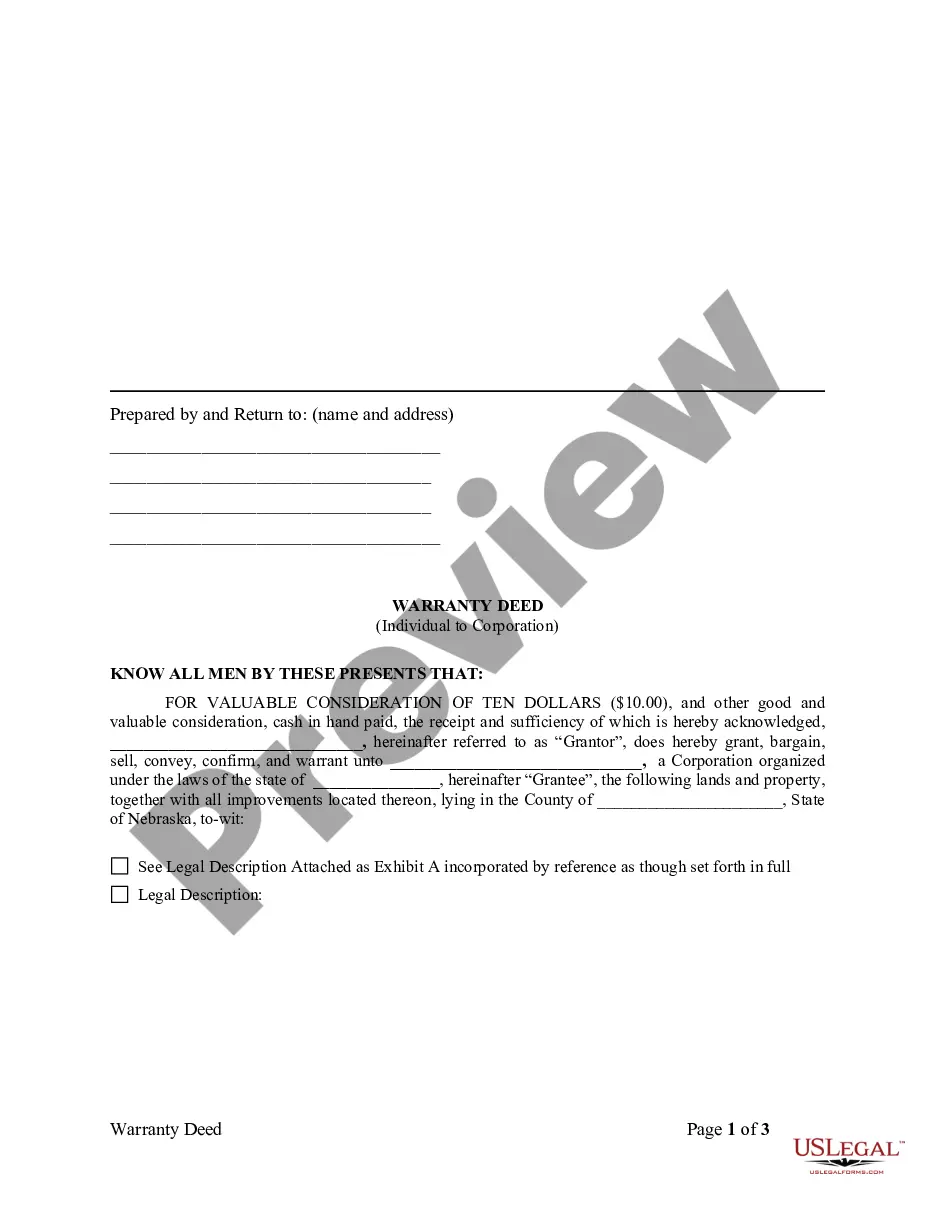
South Carolina Quitclaim Deed from Individual to Two Individuals in Joint Tenancy
Understanding this form
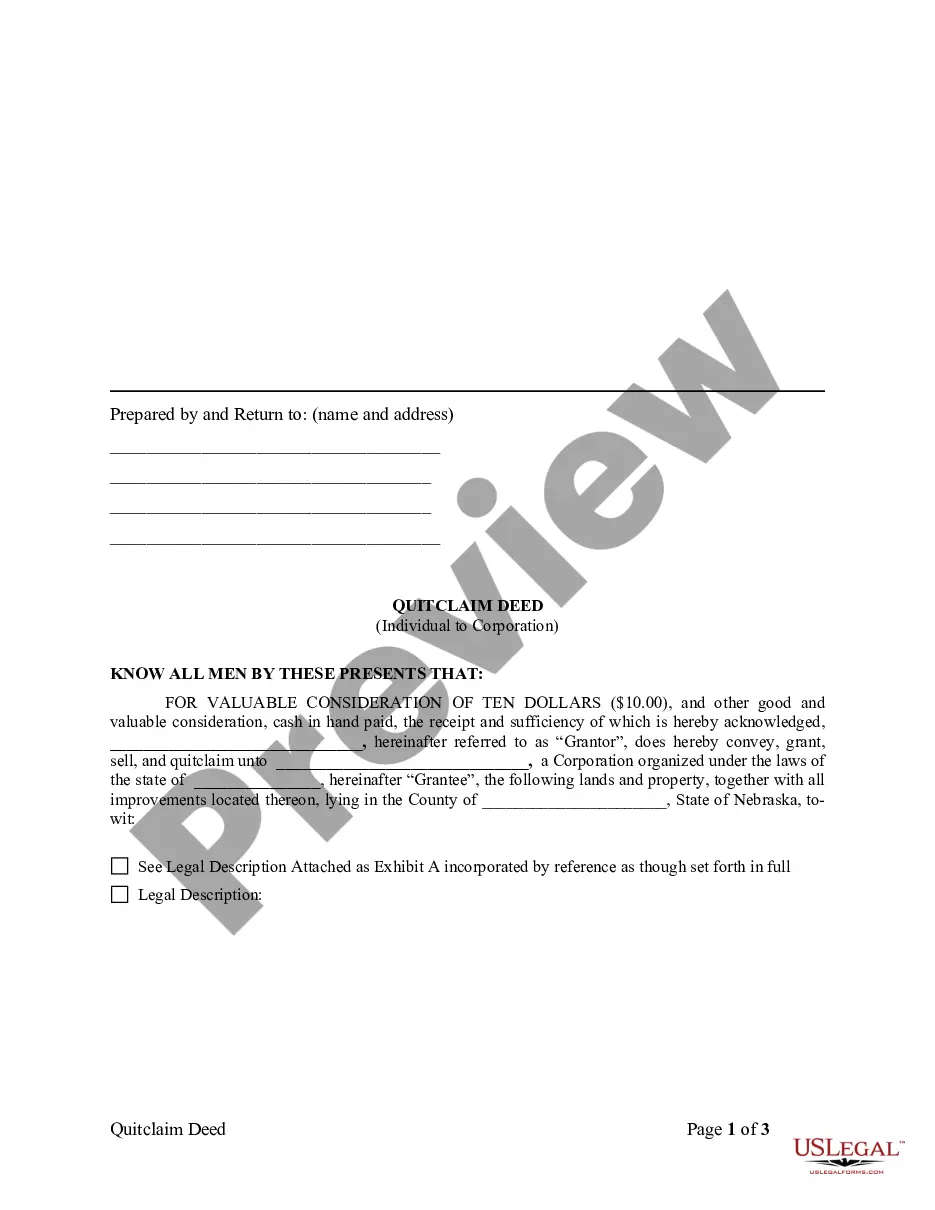
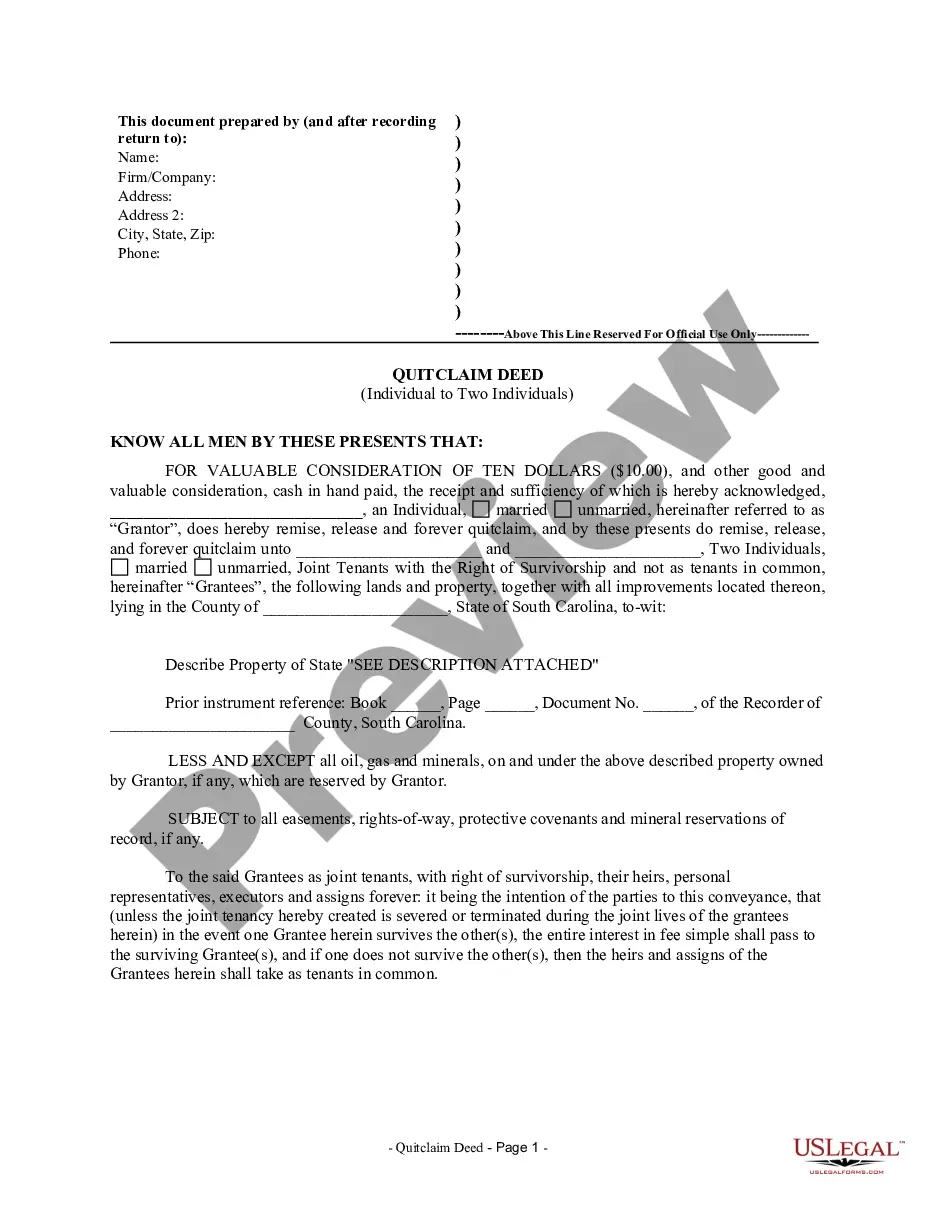
The Quitclaim Deed from Individual to Two Individuals in Joint Tenancy is a legal document used to transfer property ownership from one individual (the Grantor) to two individuals (the Grantees) who will own the property together in joint tenancy. This type of deed is often used when the Grantor wants to relinquish any rights to the property without making any guarantees about the title. Unlike a warranty deed, a quitclaim deed does not provide any warranties or guarantees about the propertyâs title, making it a quicker and simpler option for transferring property interests.
Key components of this form
- Identification of the Grantor and the Grantees involved in the transaction.
- A detailed description of the property being transferred.
- Clauses specifying the reservation of rights for oil, gas, and minerals, if applicable.
- Provisions explaining the joint tenancy rights and survivorship of the Grantees.
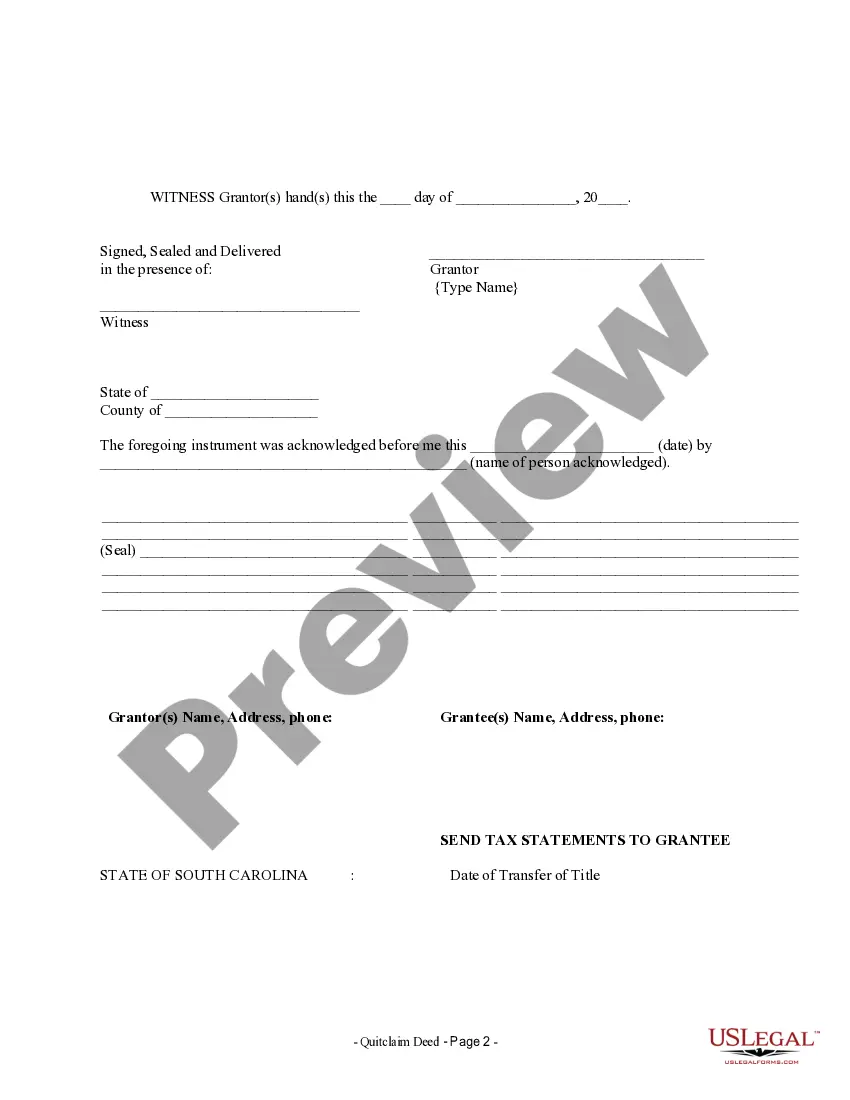
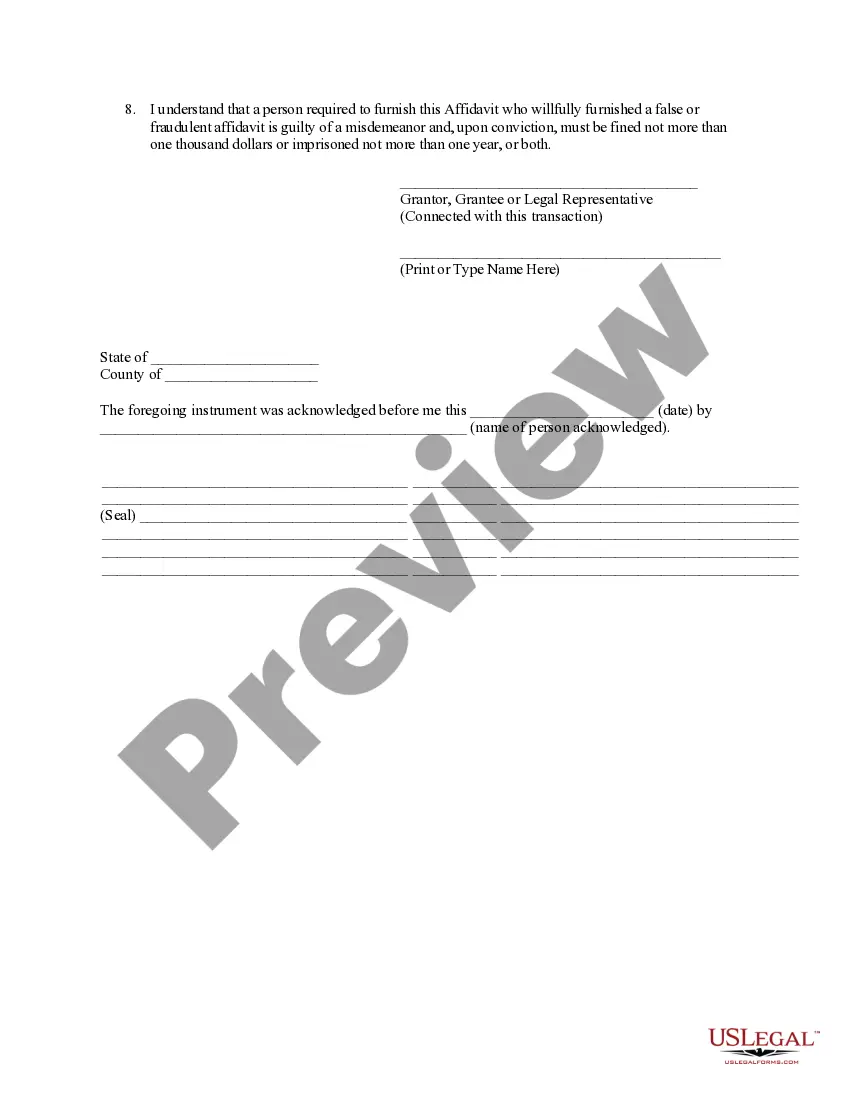
- Sections for notarization and acknowledgment to validate the deed.




Common use cases
This form is typically used in situations where an individual wants to transfer ownership of real estate to two individuals who will own the property jointly. This scenario can occur during family transactions, such as transferring property to children or co-owners, or in instances where individuals want to combine their interests in a property for investment purposes. It is especially useful when the Grantor does not wish to provide warranties concerning the propertyâs title.
Who this form is for
- Individuals looking to transfer property to two parties while ensuring they hold the title as joint tenants.
- Homeowners or property owners wanting to simplify the transfer process without extensive legal representation.
- Grantors wanting to reserve rights for minerals under the property being transferred.
Completing this form step by step
- Identify all parties involved: Enter the names and addresses of the Grantor and both Grantees.
- Provide a clear and accurate description of the property to be transferred.
- Fill in references to any prior instruments and record details, such as Book and Page numbers.
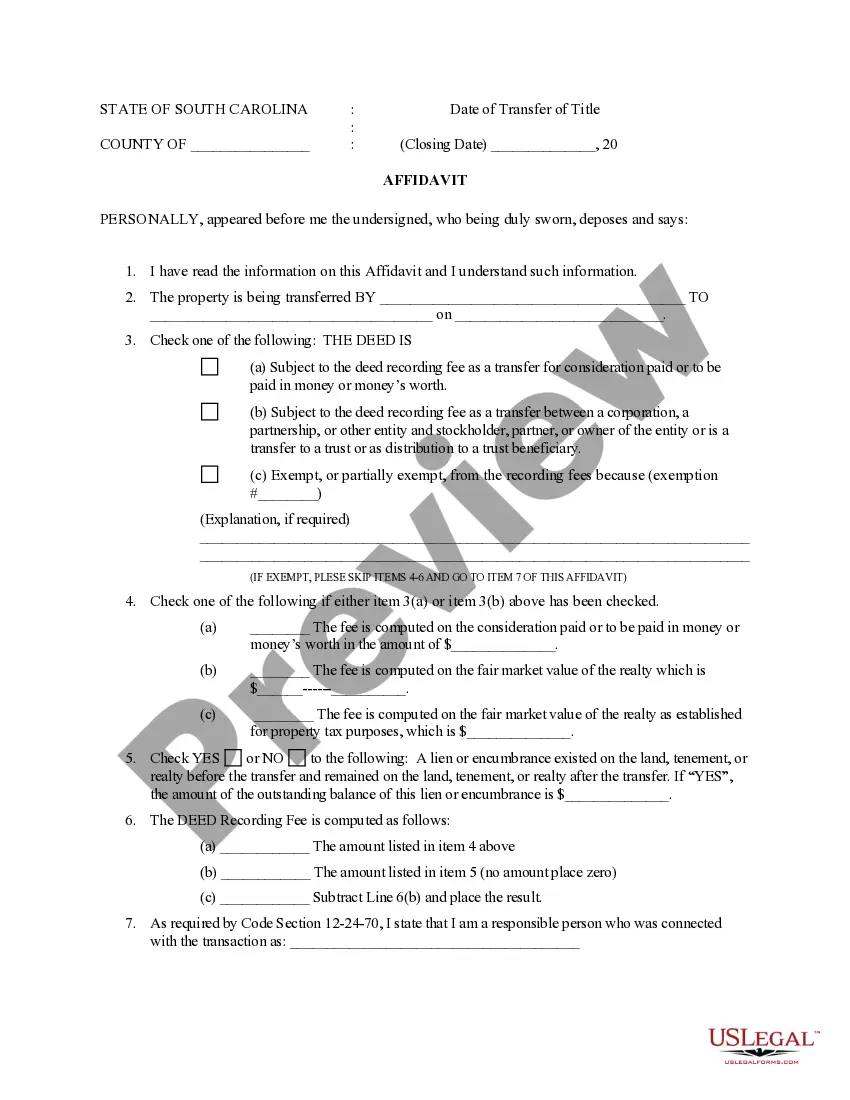
- Complete the sections regarding the reservation of minerals and any exemption from transfer fees.
- Ensure all parties sign the document before a notary public.
Does this document require notarization?
Yes, this form must be notarized to be legally valid. US Legal Forms offers integrated online notarization services, making it convenient to have your deed notarized via a secure video call at any time.
Get your form ready online
Our built-in tools help you complete, sign, share, and store your documents in one place.
Make edits, fill in missing information, and update formatting in US Legal Forms—just like you would in MS Word.
Download a copy, print it, send it by email, or mail it via USPS—whatever works best for your next step.
Sign and collect signatures with our SignNow integration. Send to multiple recipients, set reminders, and more. Go Premium to unlock E-Sign.
If this form requires notarization, complete it online through a secure video call—no need to meet a notary in person or wait for an appointment.
We protect your documents and personal data by following strict security and privacy standards.

Make edits, fill in missing information, and update formatting in US Legal Forms—just like you would in MS Word.

Download a copy, print it, send it by email, or mail it via USPS—whatever works best for your next step.

Sign and collect signatures with our SignNow integration. Send to multiple recipients, set reminders, and more. Go Premium to unlock E-Sign.

If this form requires notarization, complete it online through a secure video call—no need to meet a notary in person or wait for an appointment.

We protect your documents and personal data by following strict security and privacy standards.
Typical mistakes to avoid
- Failing to provide a complete description of the property can lead to ambiguity in the transfer.
- Not having the form notarized, which may render it invalid for recording.
- Forgetting to include the typical clauses related to joint tenancy and survivorship rights.
Advantages of online completion
- Convenience of downloading the form and filling it out at your own pace.
- Ability to customize the document easily before printing and signing.
- Time-saving option to access legally compliant forms without the need for a legal consultation.
What to keep in mind
- The Quitclaim Deed facilitates the transfer of property to two individuals in joint tenancy.
- Make sure to complete all sections accurately, especially the property description and signatures.
- Notarization is required and can often be completed easily through online services.
Looking for another form?
Form popularity
FAQ
Transferring ownership from one Grantor to two Grantees as joint tenants with the right of survivorship. The deed conveys the property to two people and provides that the surviving Grantee automatically owns the entire property on a death. It does not guarantee clear title and includes essential elements like grantor/grantees, property description, and witness/notary validation plus recording considerations.
This form is designed to name exactly two Grantees and establish joint tenancy with the right of survivorship. It is not intended for three or more named Grantees in a single deed. If more parties must share ownership, use separate deeds or a different form that accommodates additional grantees.
Common mistakes include misidentifying the Grantor or Grantees, an inaccurate property description, and missing the joint tenancy with the right of survivorship language. Also, failing to sign, have witnesses, or notarize, or neglecting to record or address recording fees can delay or invalidate the transfer.
In this form, the two Grantees hold as joint tenants with the right of survivorship. When one owner dies, the surviving Grantee automatically owns the entire property, which can avoid probate for the deceased's share, assuming there are no other encumbrances or interests.
Yes. A quitclaim deed provides no title guarantees, so challenges can arise from issues like fraud, lack of grantor capacity, forged signatures, or misrepresentation. Because of potential disputes, consult a licensed attorney to review the deed and any competing claims before recording.
This form creates a joint tenancy with the right of survivorship for two grantees. The surviving owner automatically receives the deceased's interest, whereas a non-survivorship arrangement (such as a tenancy in common) may not provide automatic transfer to a single survivor and could require probate checks or different terms.