Pennsylvania Landlord Tenant Sublease Package
Understanding this form package
The Pennsylvania Landlord Tenant Sublease Package is a comprehensive collection of legal documents designed to facilitate the subleasing process for rental properties in Pennsylvania. This package includes essential forms that address potential legal issues between the landlord, tenant, and subtenant before and during a sublease agreement. Unlike other generic subleasing forms, this package is tailored to comply with Pennsylvania law, ensuring that all parties are protected and informed.
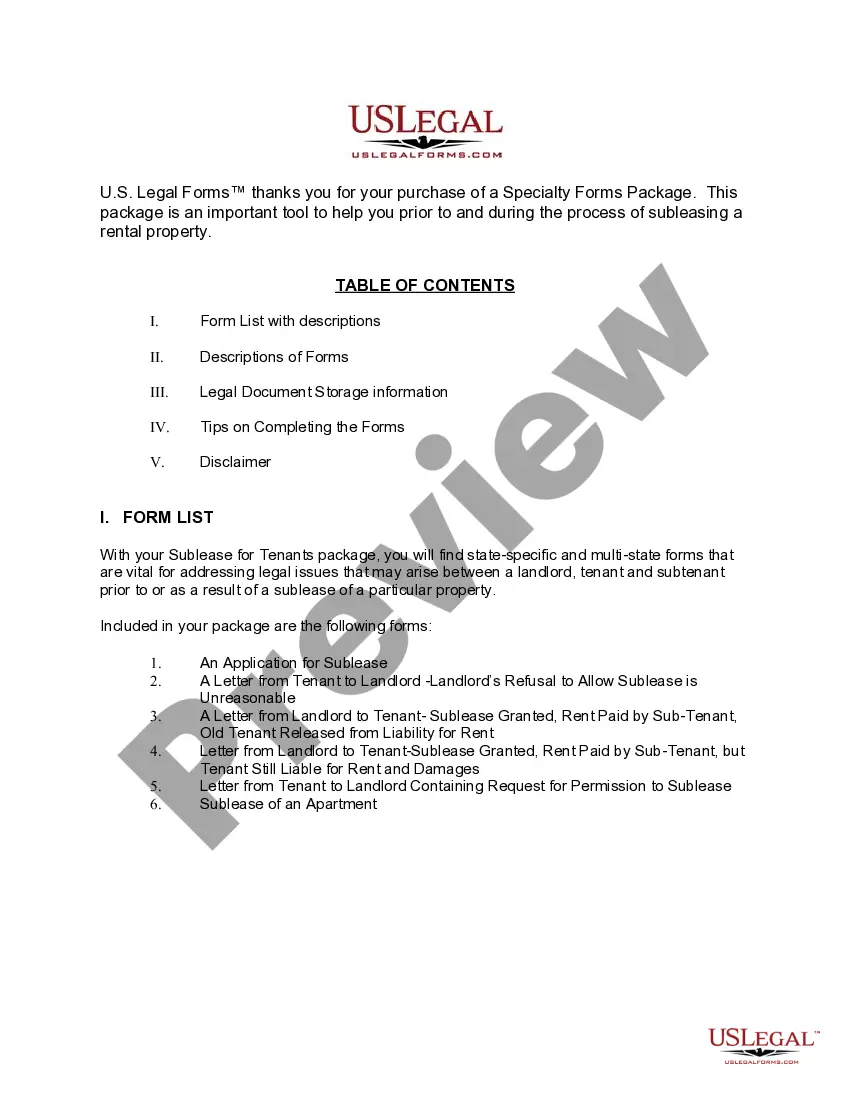
Forms included in this package
- Letter from Tenant to Landlord containing Request for permission to sublease
- Letter from Landlord to Tenant that Sublease granted - Rent Paid by Subtenant, but Tenant Still Liable for Rent and Damages
- Letter from Landlord to Tenant that Sublease granted - Rent Paid by Subtenant, Old Tenant Released from Liability for Rent
- Letter from Tenant to Landlord about Landlord's refusal to allow sublease is unreasonable
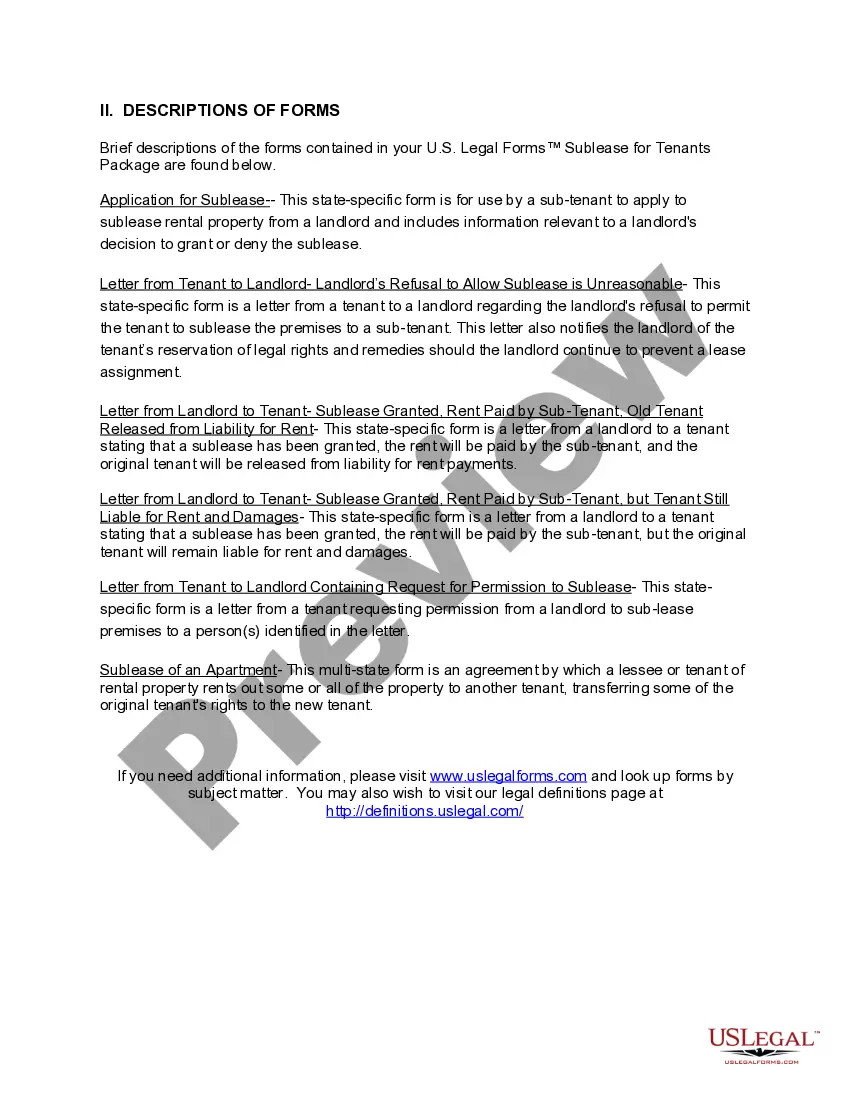
- Application for Sublease
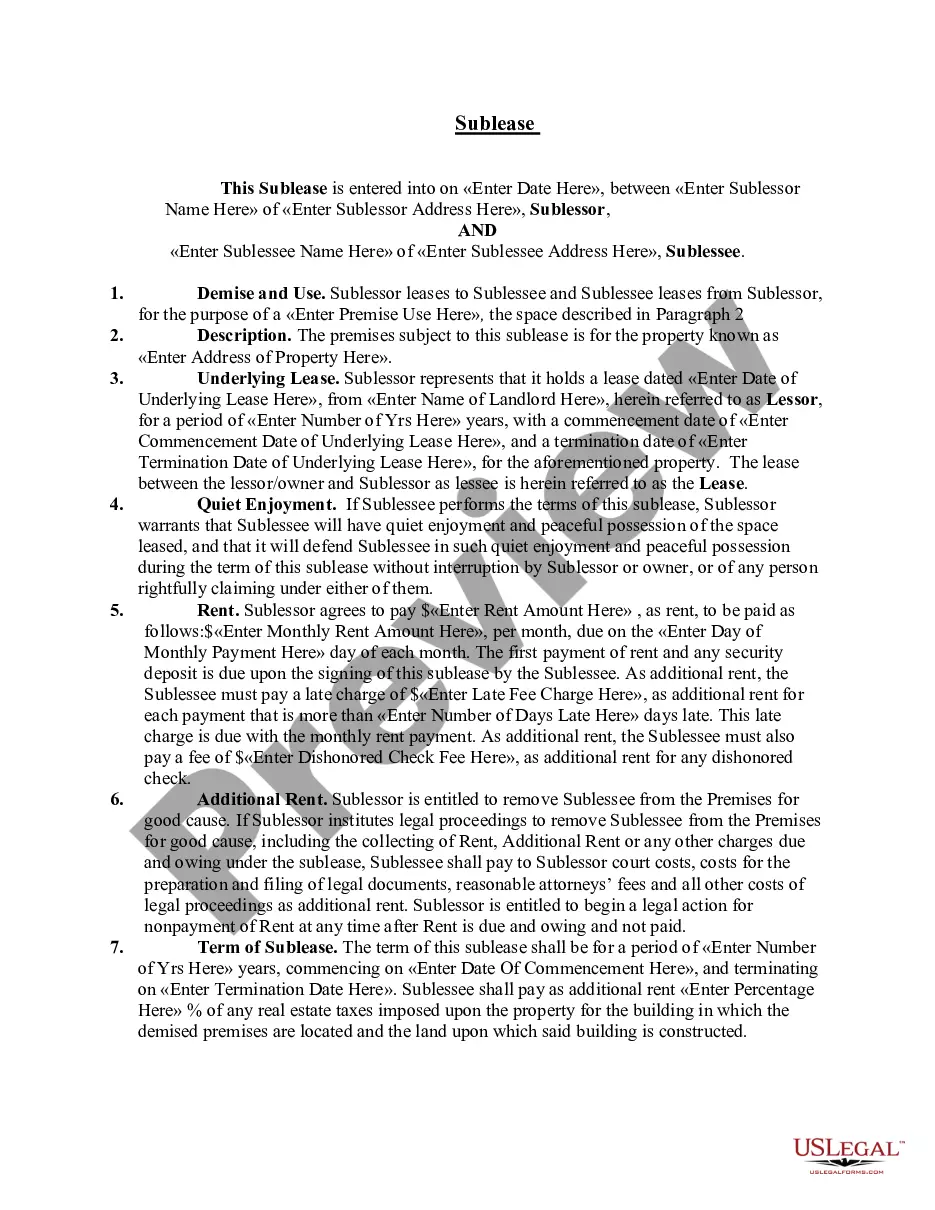
- Sublease of an Apartment - Real Estate Rental
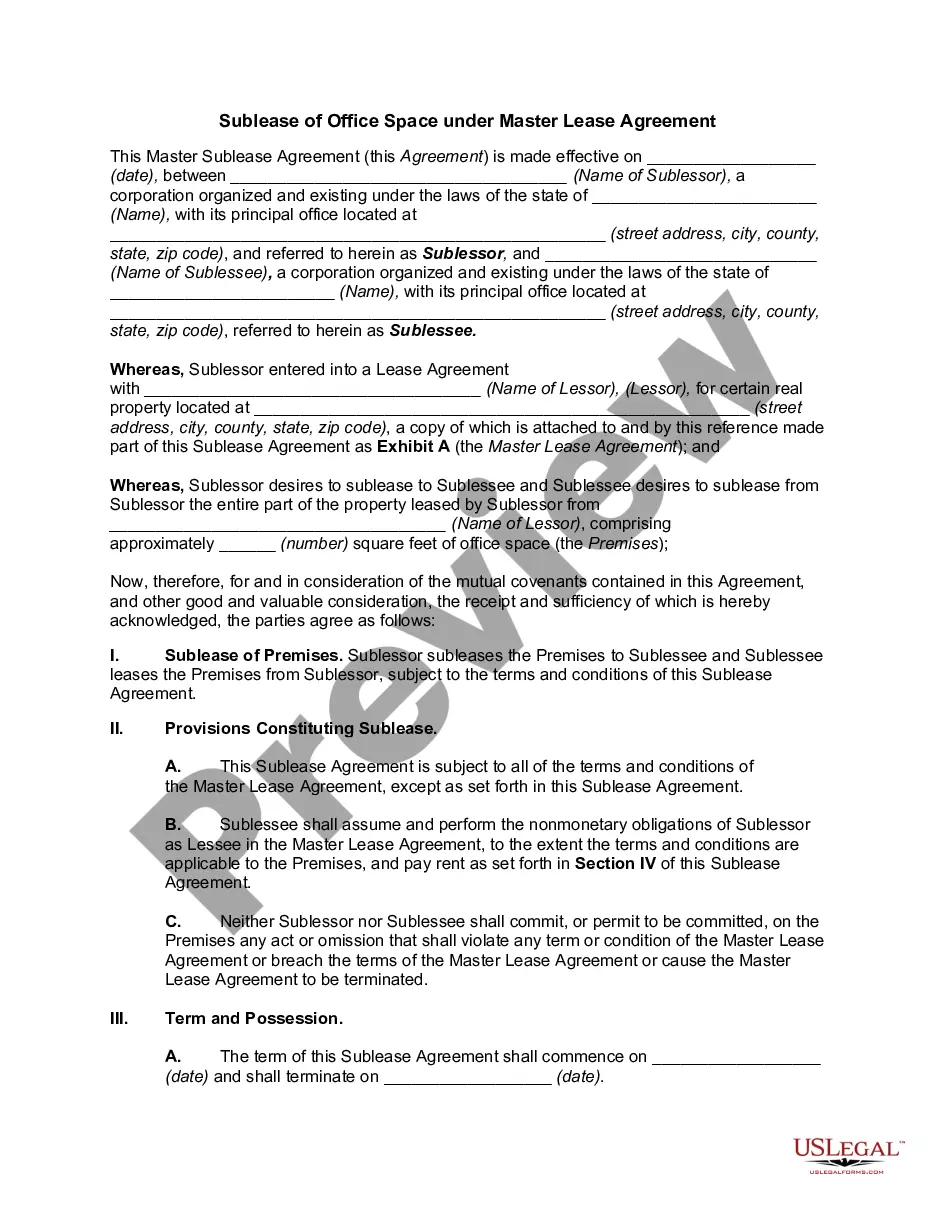
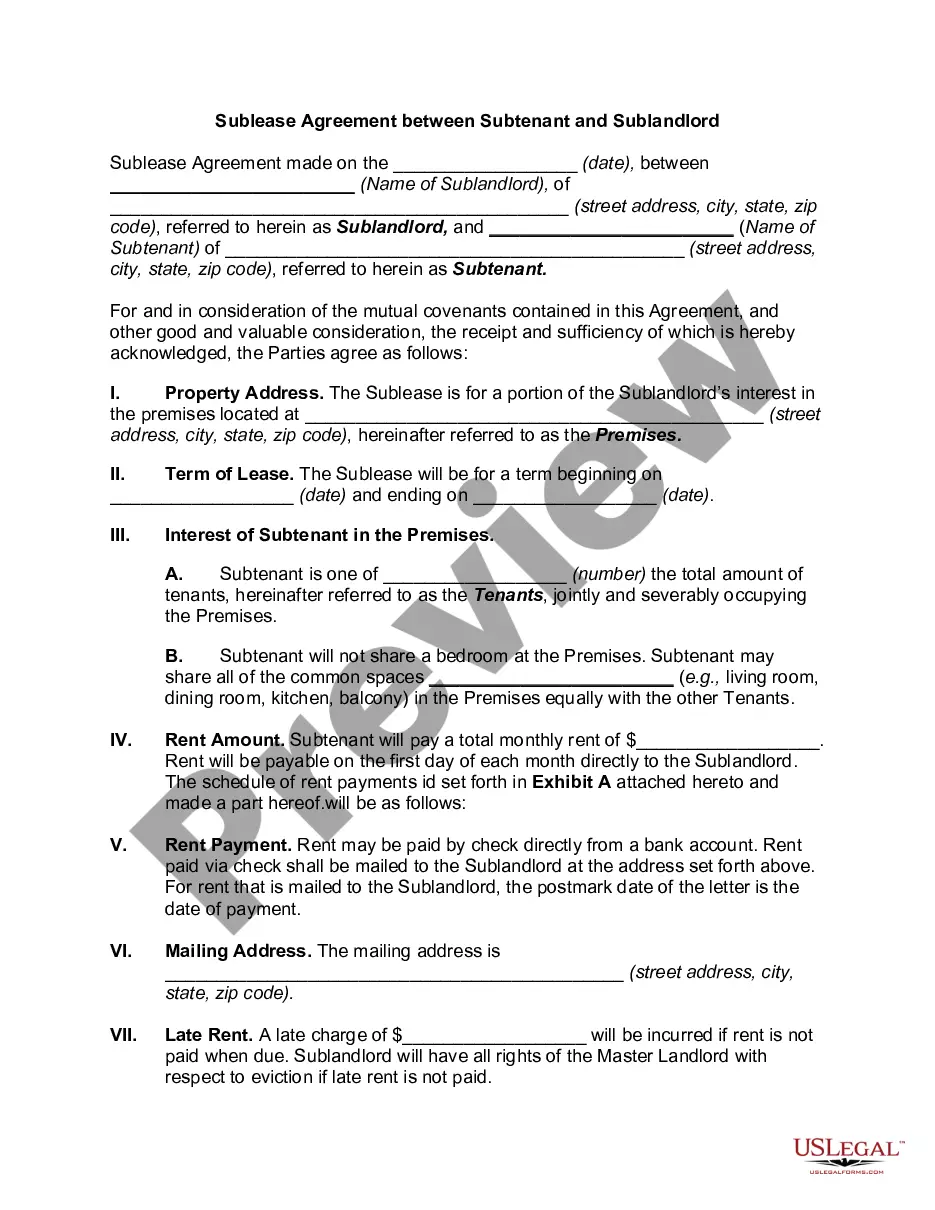
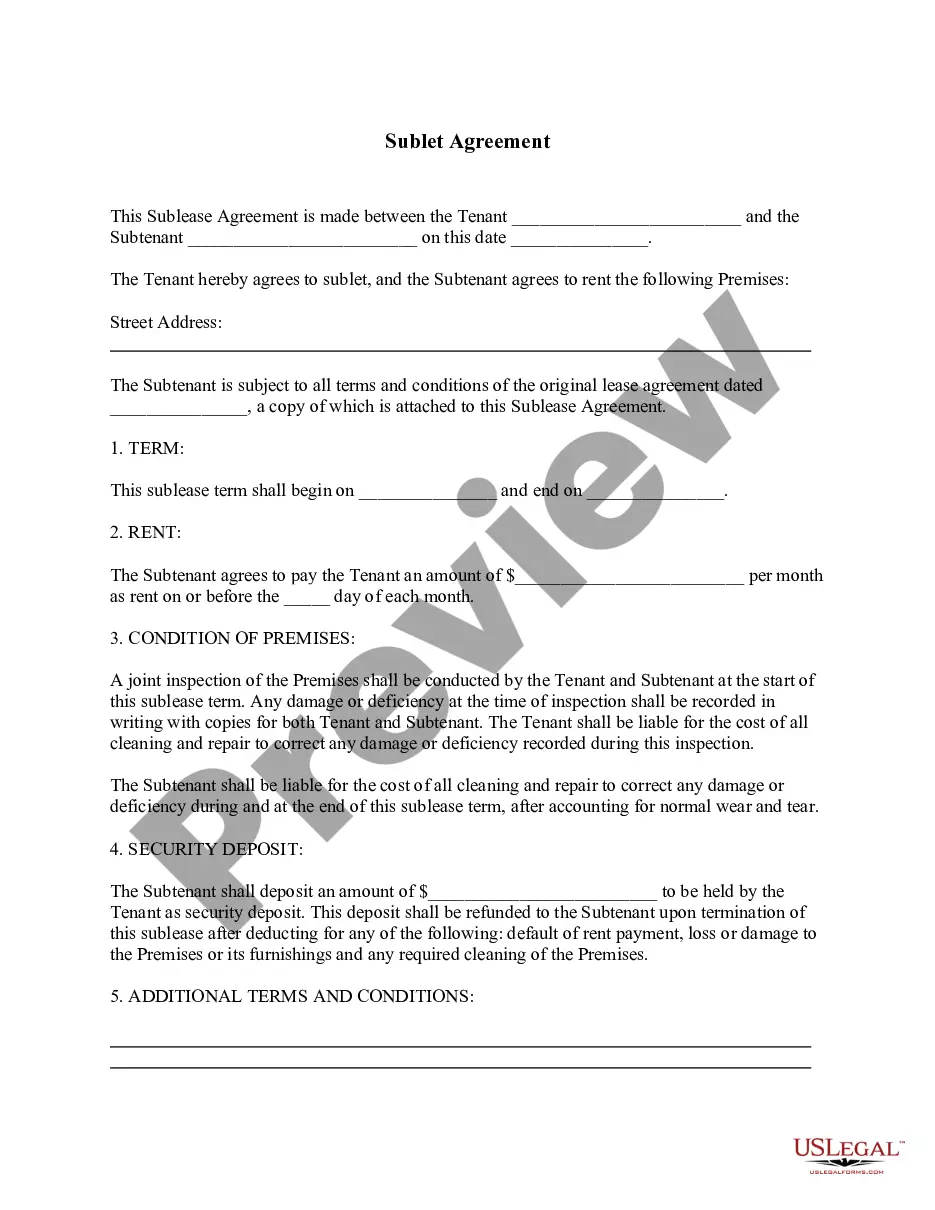
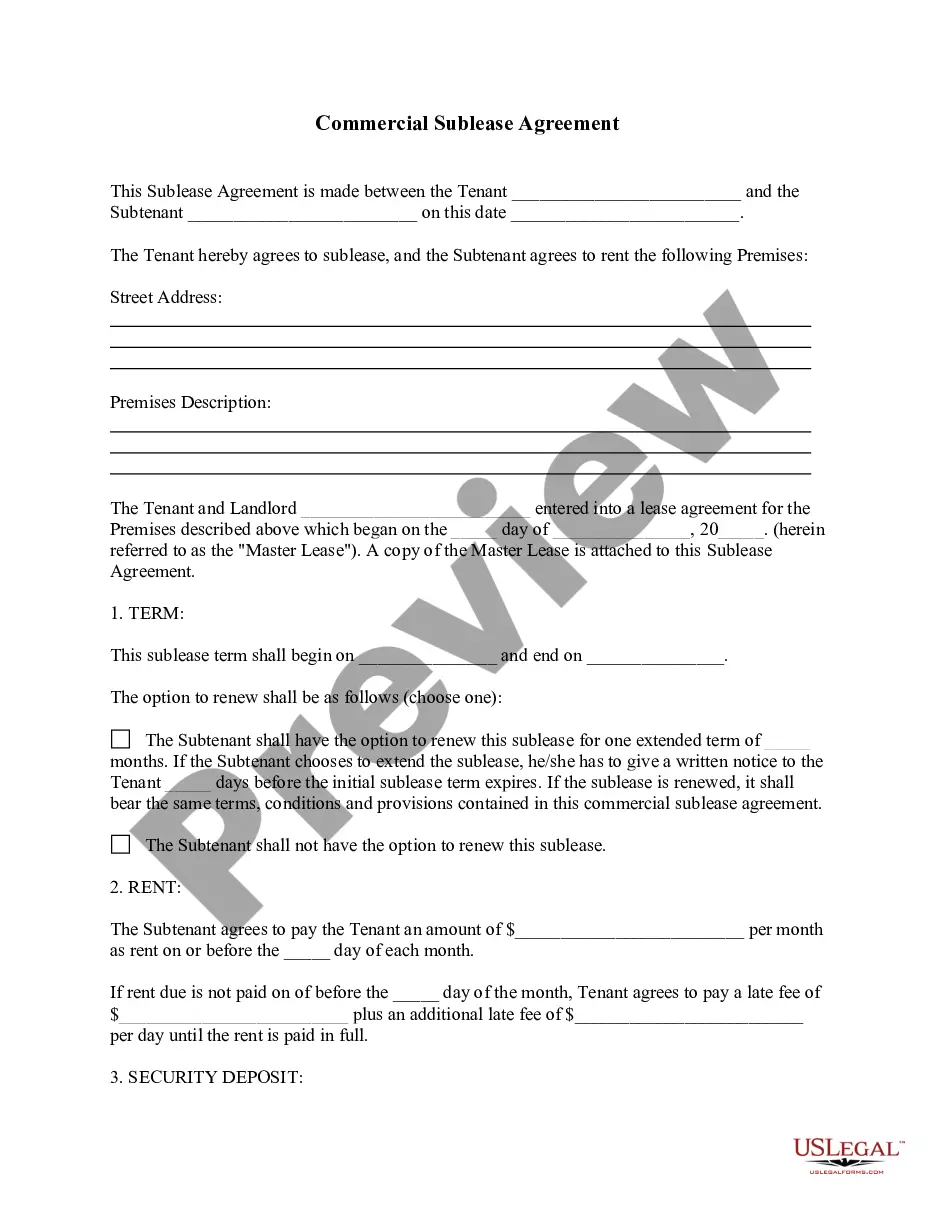
When to use this form package
This package is useful in a variety of situations, including:
- When a tenant wishes to sublease their apartment or rental property to another person.
- If a tenant's request to sublease has been unreasonably denied by their landlord.
- When a landlord needs to provide formal approval for a sublease arrangement.
- In situations where the original tenant wants to clarify their liability and responsibilities regarding the lease agreement.
Intended users of this form package
- Current tenants seeking to sublease their rental property.
- Landlords who need to approve or respond to a tenant's sublease request.
- Subtenants looking for a secure agreement with the original tenant.
- Property managers who oversee rental agreements and need to navigate tenant relationships.
Steps to complete these forms
- Review the included forms to understand each document's purpose.
- Identify the parties involved: current tenant, landlord, and subtenant.
- Fill out the Application for Sublease, providing necessary details about the subtenant.
- Draft letters as needed to communicate with the landlord and receive formal approvals.
- Ensure all parties sign the Sublease of an Apartment agreement to finalize the arrangement.
- Keep a copy of all documents for your records.
Notarization details for included forms
Most forms in this package do not require notarization. However, local laws or specific situations may demand it. Our online notarization service, powered by Notarize, lets you complete the process through a verified video call, available anytime.
Get your form ready online
Our built-in tools help you complete, sign, share, and store your documents in one place.
Make edits, fill in missing information, and update formatting in US Legal Forms—just like you would in MS Word.
Download a copy, print it, send it by email, or mail it via USPS—whatever works best for your next step.
Sign and collect signatures with our SignNow integration. Send to multiple recipients, set reminders, and more. Go Premium to unlock E-Sign.
If this form requires notarization, complete it online through a secure video call—no need to meet a notary in person or wait for an appointment.
We protect your documents and personal data by following strict security and privacy standards.

Make edits, fill in missing information, and update formatting in US Legal Forms—just like you would in MS Word.

Download a copy, print it, send it by email, or mail it via USPS—whatever works best for your next step.

Sign and collect signatures with our SignNow integration. Send to multiple recipients, set reminders, and more. Go Premium to unlock E-Sign.

If this form requires notarization, complete it online through a secure video call—no need to meet a notary in person or wait for an appointment.

We protect your documents and personal data by following strict security and privacy standards.
Common mistakes
- Failing to obtain written consent from the landlord before subleasing.
- Not clearly defining the terms of the sublease agreement.
- Overlooking the need for signatures from all involved parties.
- Neglecting to keep copies of all communications and agreements.
Why use this package online
- Convenient access to state-specific forms available for immediate download.
- Ease of use with fillable fields that allow for digital completion.
- Cost-effective savings of up to 40% compared to purchasing individual forms.
- Reliable templates crafted by licensed attorneys, ensuring legal compliance.
Looking for another form?

Form popularity
FAQ
Figure out if you need a security deposit from the subletter. A security deposit ensures that any damages to the home will be paid for. If you're considering subleasing an apartment, you may want to request a security deposit to ensure you won't be responsible for the damages the sublessee has caused.
If a court finds you guilty of the first offence of unlawful subletting, you can be fined in the magistrates' court.At the magistrates' court, you can get up to six months in prison or a fine, or both. At the Crown Court the maximum penalty is imprisonment for two years or a fine, or both.
To know what rights you have as a subletter, as well as if you're allowed to be there in the first place, make sure to read the original lease between the landlord and the original renter before signing a sublet agreement. Also know that you have the chance to negotiate a rental price with the original renter.
The names of the parties (the tenant, the subtenant and the landlord); information of the master/original lease; the term of the sublease and whether the sublease is fixed or periodic; and. the amount of rent payable (if different from the master lease).
The Bottom Line: The Pennsylvania Tenant's Rights Act, holds you accountable to the terms of your lease. So if your lease prohibits sublets, then you aren't allowed to sublet. You should also obtain written approval from your landlord prior to subletting.
On your sublease agreement, include a list of various areas of the property (including the subtenant's room, hardwood floors, walls, exterior, etc.) and note its condition. And since you and your subtenant will need to abide by the original lease that you signed, it's important to include this with your sublease.
Record a liability calculated as the present value of the remaining minimum lease payments due under the original (head) lease, reduced by the present value of any estimated sublease income, Write off the deferred rent from the original lease, and. Record a loss on the income statement for the difference.
Subleasing occurs when the tenant transfers a part of their legal tenancy to a third-party as a new tenant.That means that if a new subtenant does not pay rent for three months, the original tenant that subleased the property is liable to the landlord for the overdue rent amount and any late fees.
If a tenant is subletting without consent, it's likely they will have broken terms in their tenancy agreement. This breach of contract means that the landlord can take action to evict them from their home. Possession proceedings can be started quickly, but it's important to follow the correct legal process.