Pennsylvania Demolition Contract for Contractor
About this form
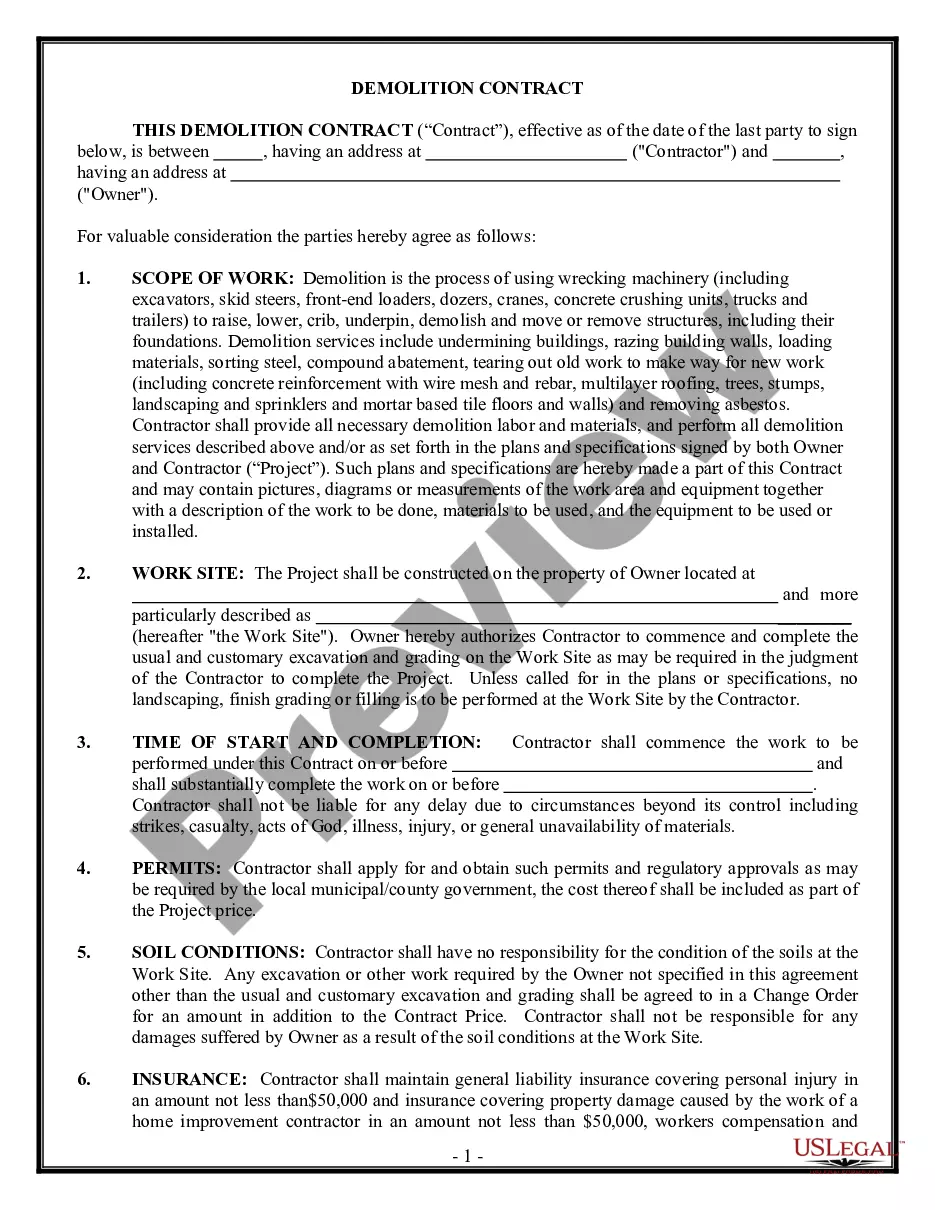
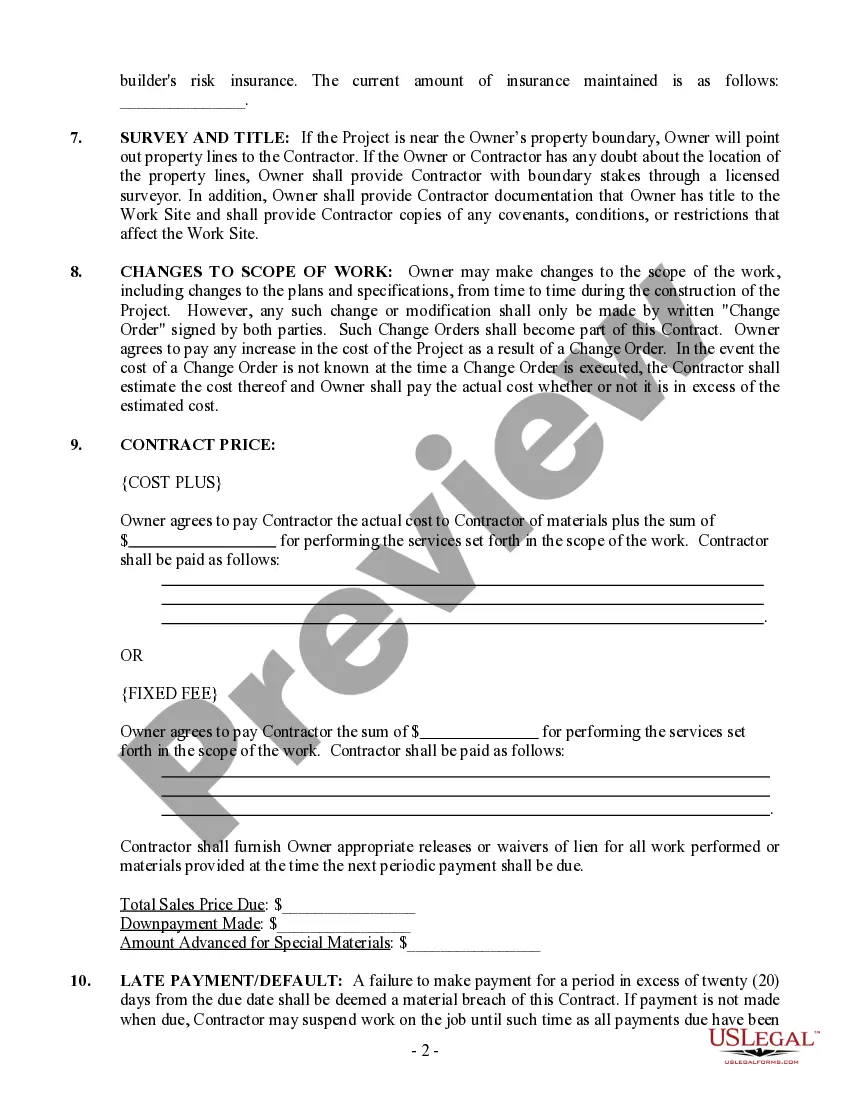
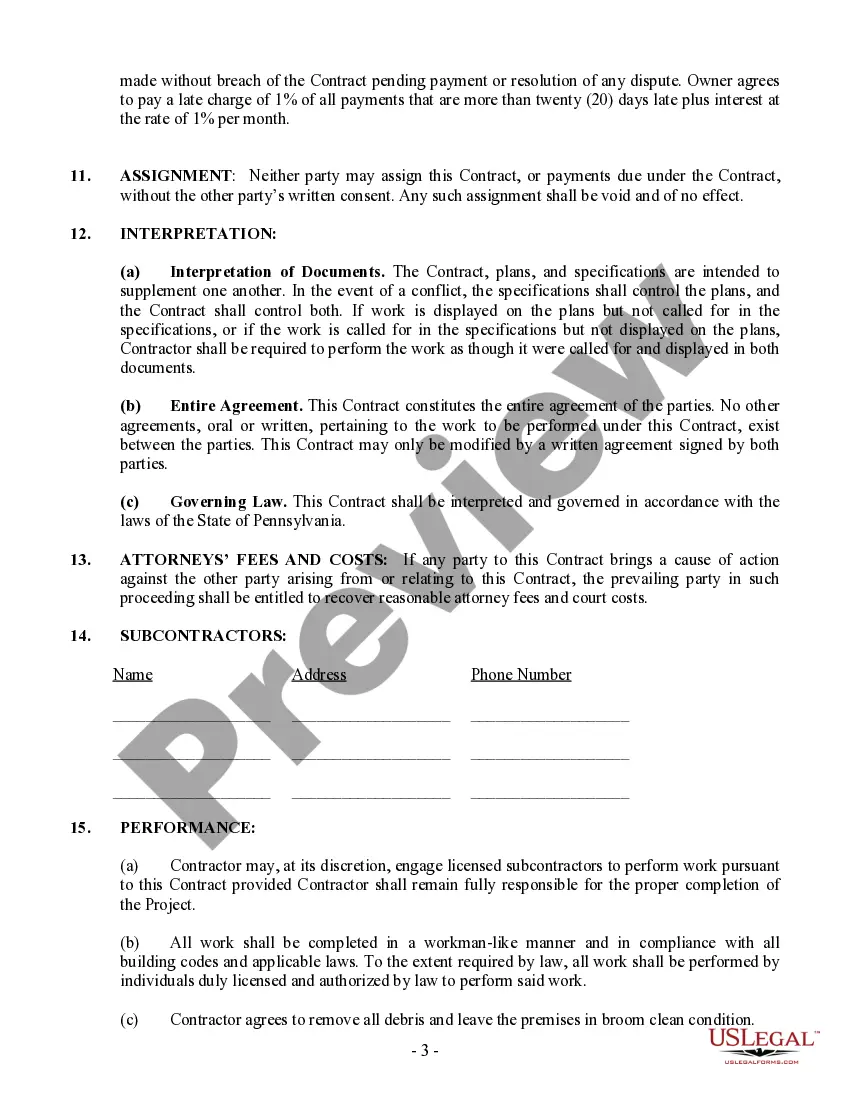
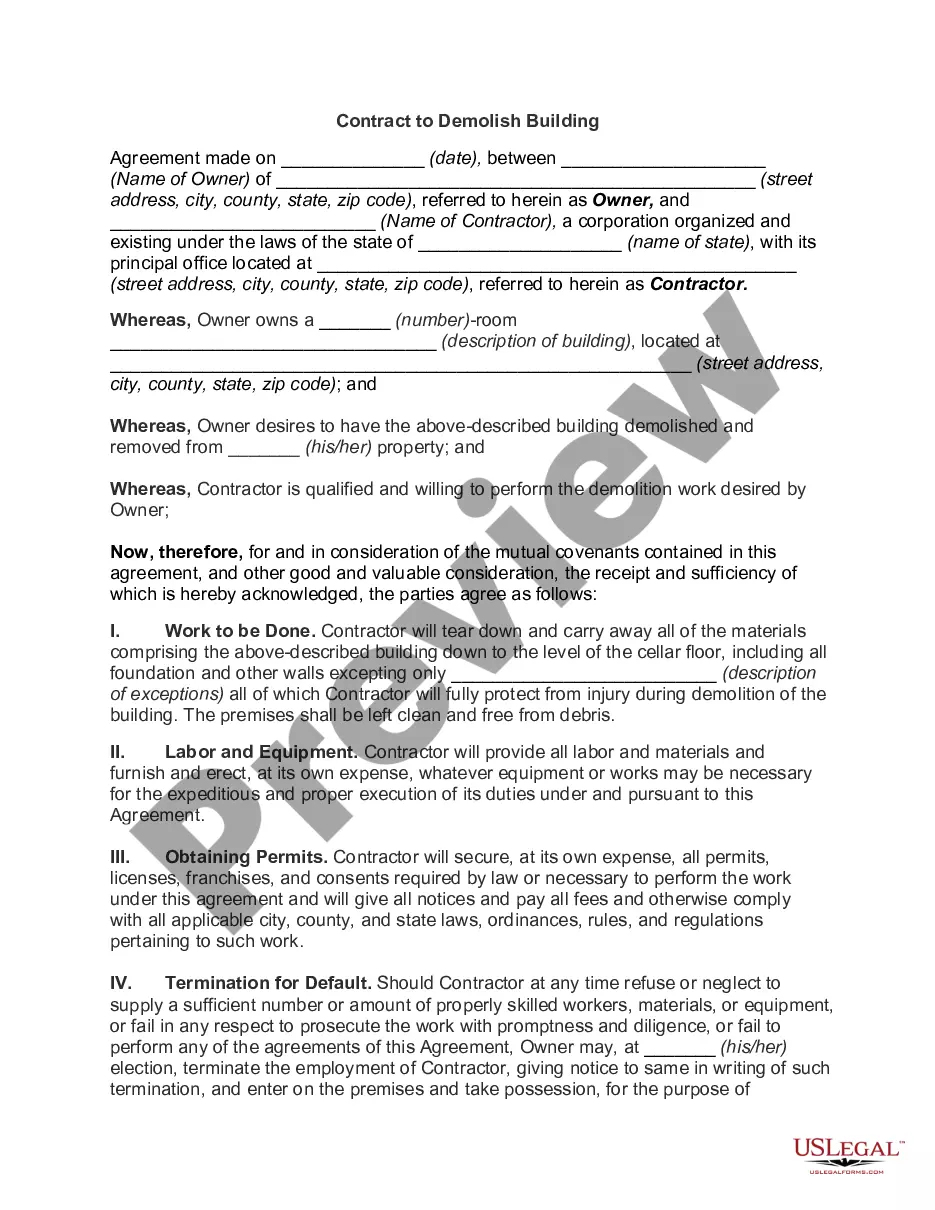
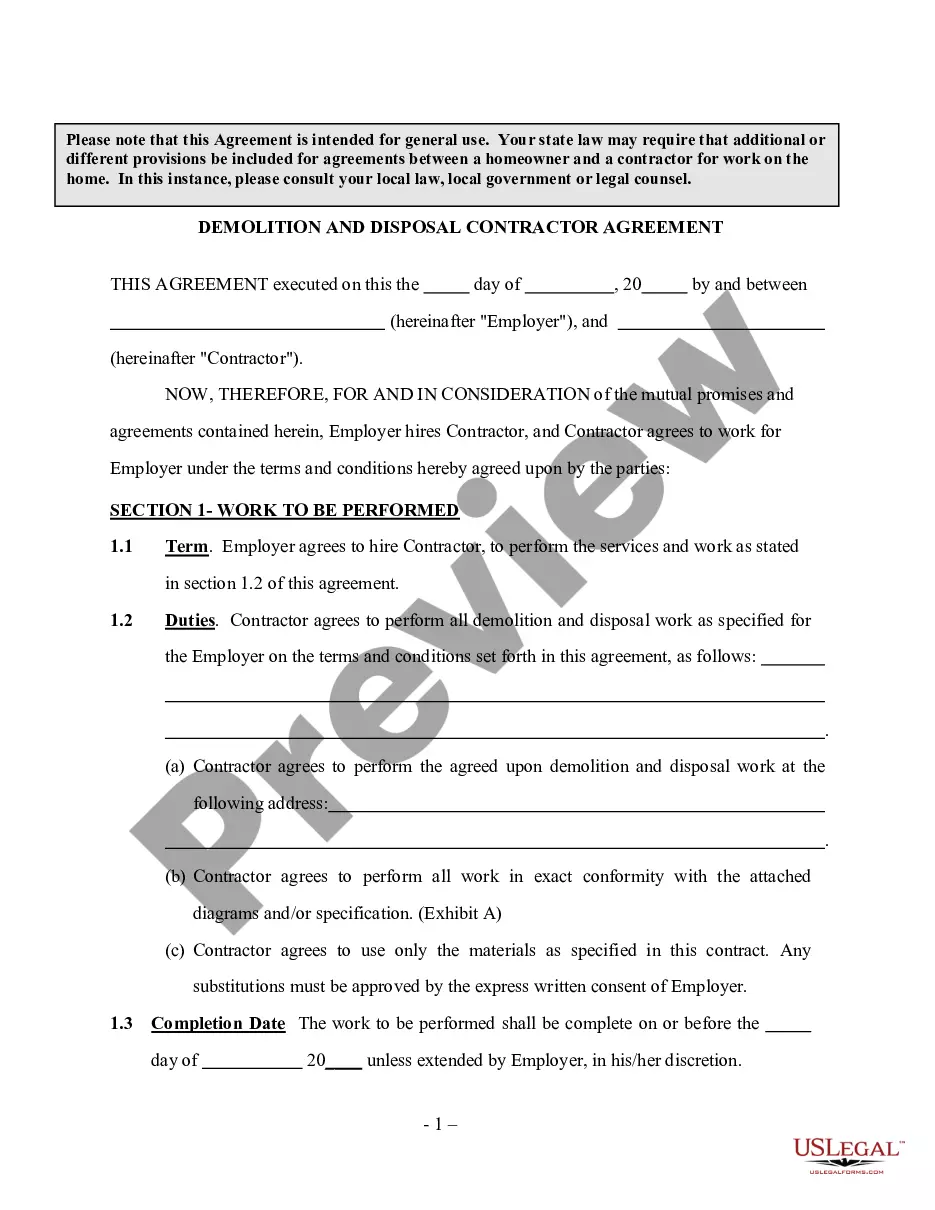
The Demolition Contract for Contractor is a legal agreement between a demolition contractor and a property owner outlining the terms of a demolition project. This contract can be structured as a cost-plus or fixed-fee arrangement and covers crucial elements such as permits, change orders, insurance, and warranties. It is specifically tailored to comply with Pennsylvania state laws, ensuring that both parties meet their legal obligations during the demolition process.
Form components explained
- Permits: Details on obtaining required licenses from local authorities.
- Soil Conditions: Outlines contractor responsibilities regarding site soil.
- Insurance: Specifies contractor's insurance obligations and coverage amounts.
- Change Orders: Procedures for modifying the scope of work during the project.
- Contract Price: Details on payment structures for cost-plus agreements.
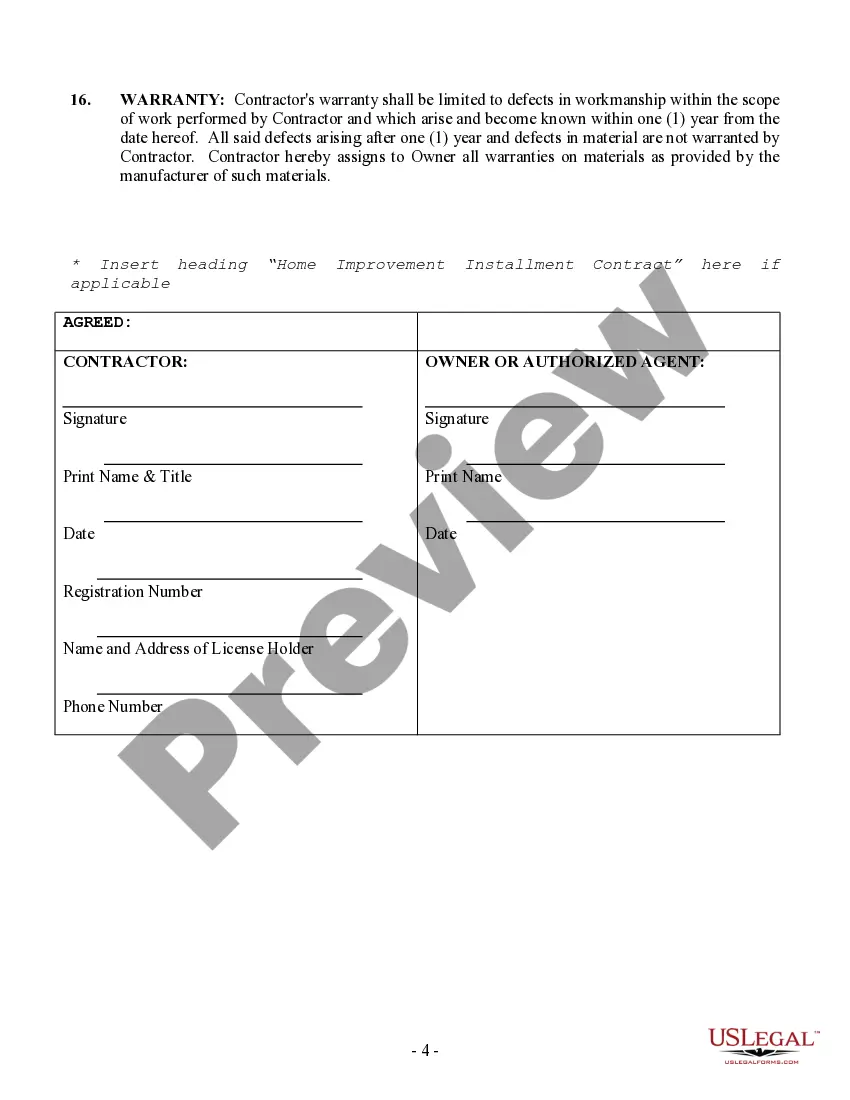
- Warranty: Defines the warranty period for workmanship and materials.

Common use cases
This form is essential when a property owner hires a demolition contractor for a project requiring deconstruction or removal of structures. Use this contract to ensure clear communication and legal protection regarding costs, timelines, and responsibilities. It is particularly useful for larger demolition projects or when specific regulations and permits from local authorities are needed.
Who this form is for
- Property owners looking to hire a demolition contractor.
- Demolition contractors seeking a formal agreement with clients.
- Legal advisors and professionals involved in construction agreements.
Instructions for completing this form
- Identify the parties: Enter the names and addresses of the demolition contractor and property owner.
- Specify the project details: Describe the demolition project and its location clearly.
- Outline payment terms: Choose between cost-plus or fixed fee and fill in the corresponding amounts.
- Detail permits and insurance: Ensure all necessary permits are noted, and outline the required insurance coverage.
- Sign and date the contract: Both parties should review the contract before signing to indicate agreement.
Does this form need to be notarized?
This form does not typically require notarization unless specified by local law. However, having a notary can provide additional legal verification for both parties.
Get your form ready online
Our built-in tools help you complete, sign, share, and store your documents in one place.
Make edits, fill in missing information, and update formatting in US Legal Forms—just like you would in MS Word.
Download a copy, print it, send it by email, or mail it via USPS—whatever works best for your next step.
Sign and collect signatures with our SignNow integration. Send to multiple recipients, set reminders, and more. Go Premium to unlock E-Sign.
If this form requires notarization, complete it online through a secure video call—no need to meet a notary in person or wait for an appointment.
We protect your documents and personal data by following strict security and privacy standards.
Make edits, fill in missing information, and update formatting in US Legal Forms—just like you would in MS Word.
Download a copy, print it, send it by email, or mail it via USPS—whatever works best for your next step.
Sign and collect signatures with our SignNow integration. Send to multiple recipients, set reminders, and more. Go Premium to unlock E-Sign.

If this form requires notarization, complete it online through a secure video call—no need to meet a notary in person or wait for an appointment.
We protect your documents and personal data by following strict security and privacy standards.
Avoid these common issues
- Failing to specify clear payment terms, leading to disputes over costs.
- Not including essential permits in the contract, risking legal issues.
- Neglecting to outline responsibilities for soil conditions at the worksite.
- Omitting necessary insurance details, which could expose both parties to liability.
Advantages of online completion
- Convenience: Download and complete the form at your own pace.
- Editability: Easily customize the form to meet specific project needs.
- Reliability: Access forms drafted by licensed attorneys, ensuring compliance and legal accuracy.
Legal use & context
- The contract must be executed in accordance with Pennsylvania laws.
- It is enforceable in a court of law, provided all parties adhere to its terms.
- Any changes to the scope of work must be documented as Change Orders to ensure validity.
What to keep in mind
- The Demolition Contract for Contractor establishes the terms between property owners and contractors.
- Understanding key components can prevent disputes and ensure compliance.
- Using this form enhances clarity regarding responsibilities, payment, and liabilities.
Definitions you should know
- Change Order: A document that outlines modifications to the original agreement.
- Cost-Plus Contract: A payment structure where the owner pays for actual costs plus agreed-upon fees.
- Permit: An official approval from local authorities to carry out specific work.
- Warranty: A guarantee regarding the repair or replacement of faulty work within a specified period.
Looking for another form?
Form popularity
FAQ
-Register your handyman business name. -Select your business structure. -Register your handyman business. -Open a Business Checking Account. -Find out about taxes and hire an accountant. -Get Business Software. -Get Liability Insurance. -Register as a Contractor.
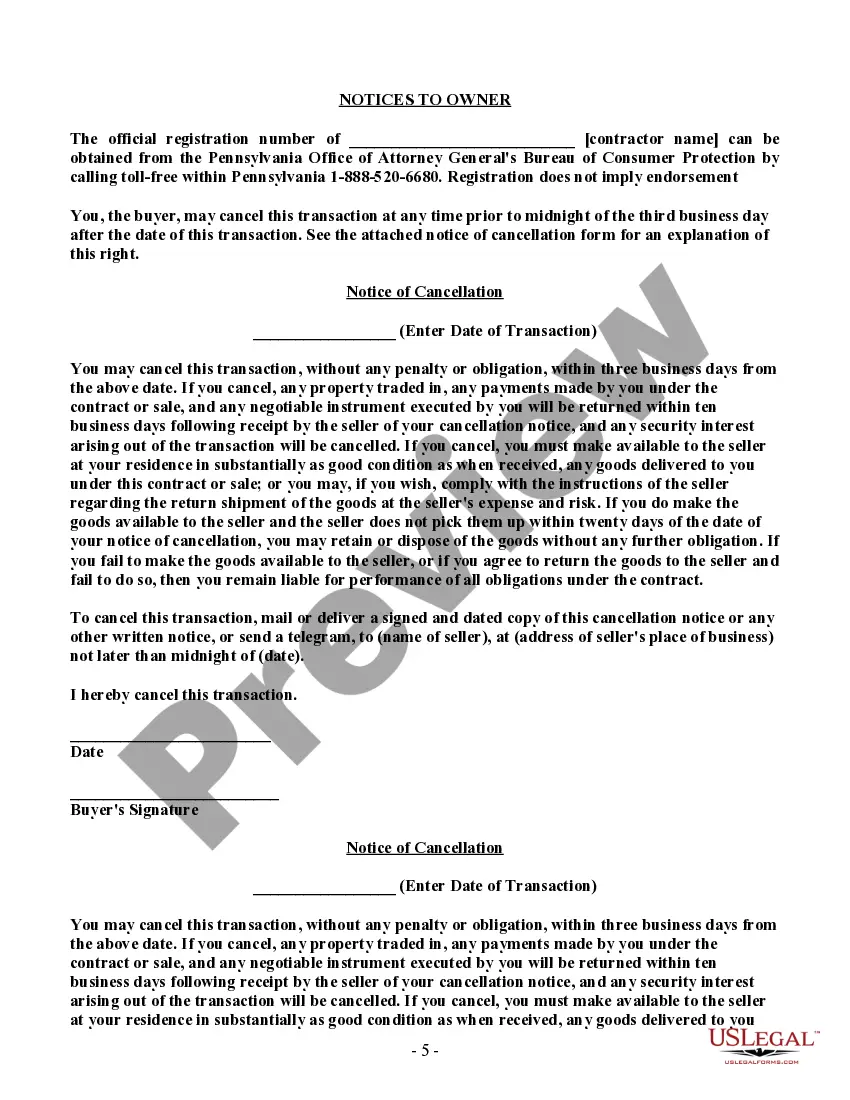
Pennsylvanians who believe they have been the victim of a home improvement contractor or disreputable business practices should contact the Office of Attorney General's Bureau of Consumer Protection at 1-800-441-2555 or by email at scams@attorneygeneral.gov or visit www.attorneygeneral.gov to file a complaint.
Pennsylvania. You do not need a state license to work as a handyman in Pennsylvania. However, if you do more than $5,000 worth of home improvement work per year, you must register with the Attorney General's Office.
Contractors can legally only ask for 1/3 of the contract price up front. It's considered fraud if a substantial portion of the work is not performed in the time requested, or more than 45 days go by without work being done.
Fortunately, Pennsylvania does a fairly good job of providing options to resolve your contractor dispute. Your first and least expensive option is to make a formal complaint to the Pennsylvania Attorney General's office. If you go to the website attorneygeneral.gov there is an option to File a Complaint.
Renovation. Repairing. Removal. Demolition. Remodeling. Replacement. Installation. Conversion.
One of the most important reasons to only hire a licensed and insured handyman company is to protect yourself from liability. If a handyman gets injured while working on a project at your home or business and does not have insurance, they can sue you for any damages.
The Commonwealth of Pennsylvania currently has no licensure or certification requirements for most construction contractors (or their employees).
The Commonwealth of Pennsylvania currently has no licensure or certification requirements for most construction contractors (or their employees).