Oregon Letter from Tenant to Landlord with Demand that landlord provide proper outdoor garbage receptacles
About this form
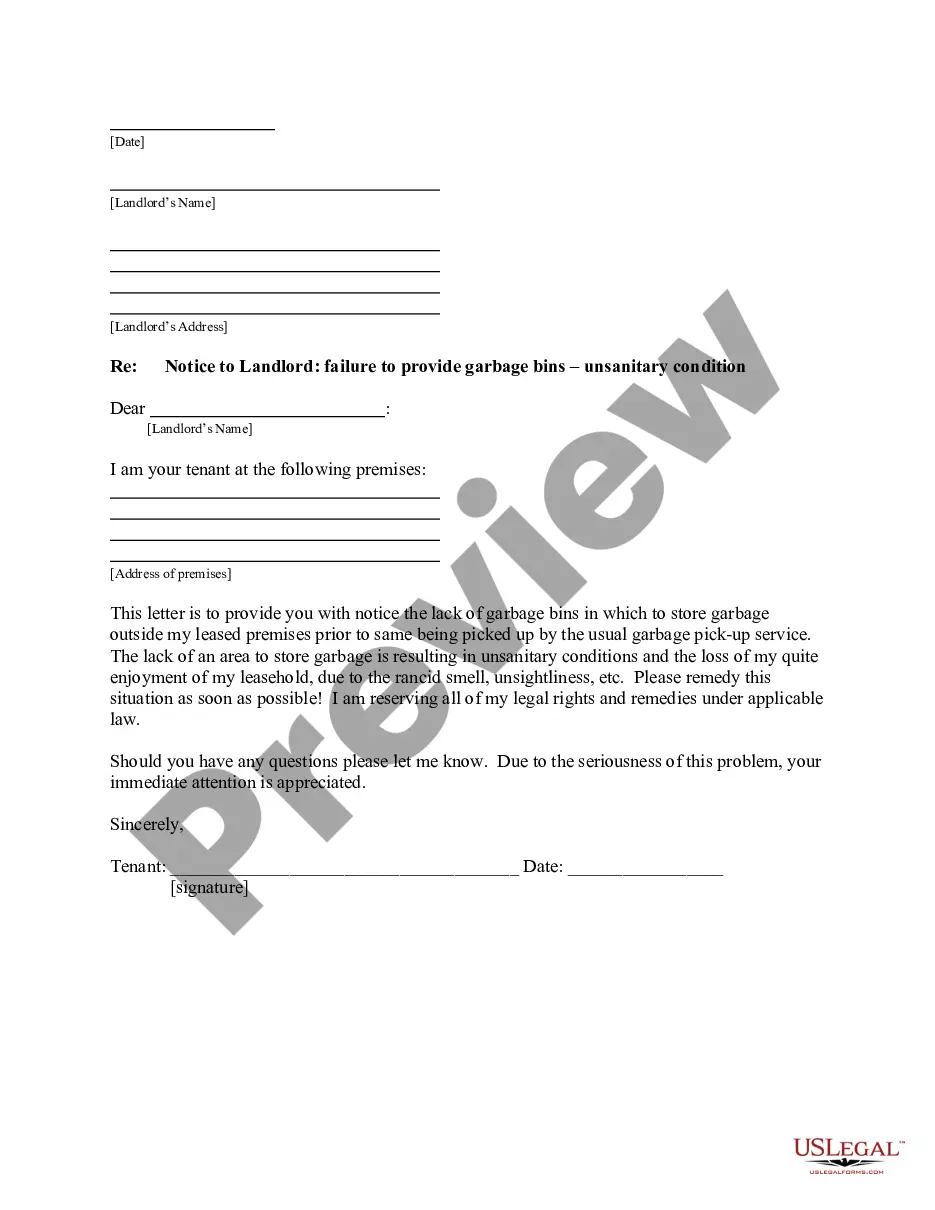
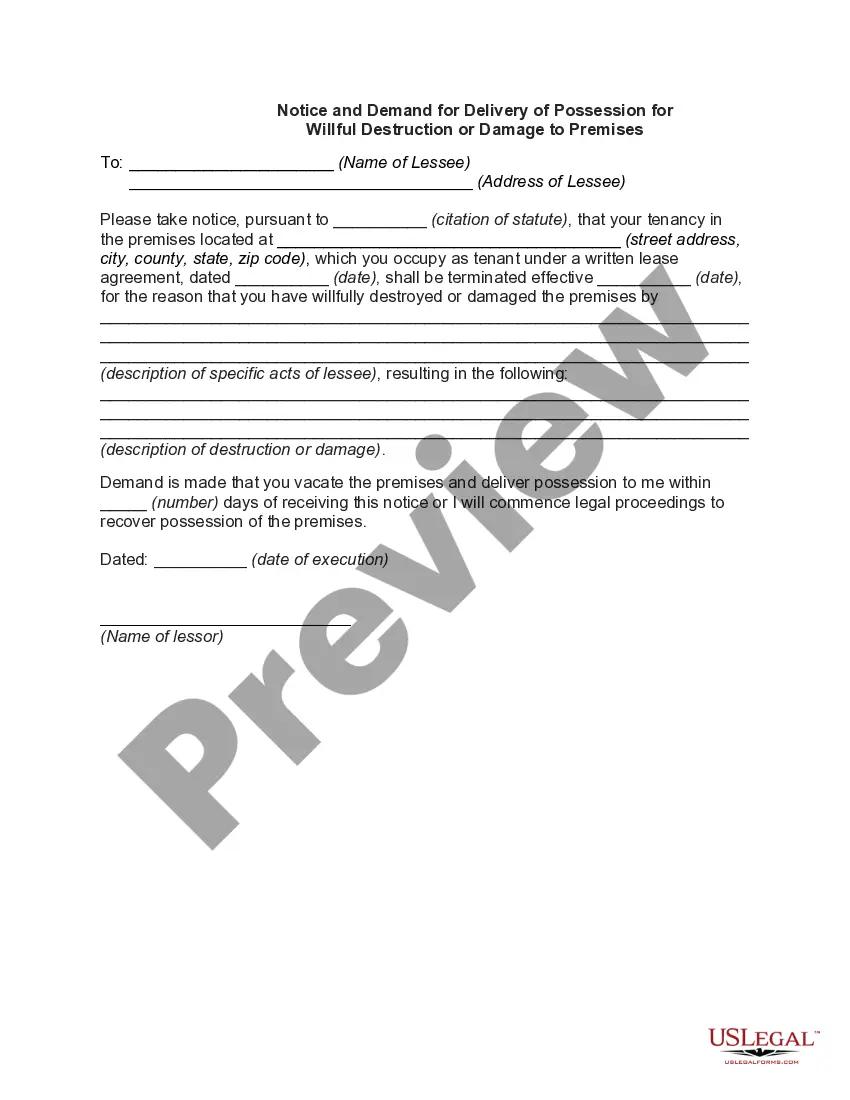
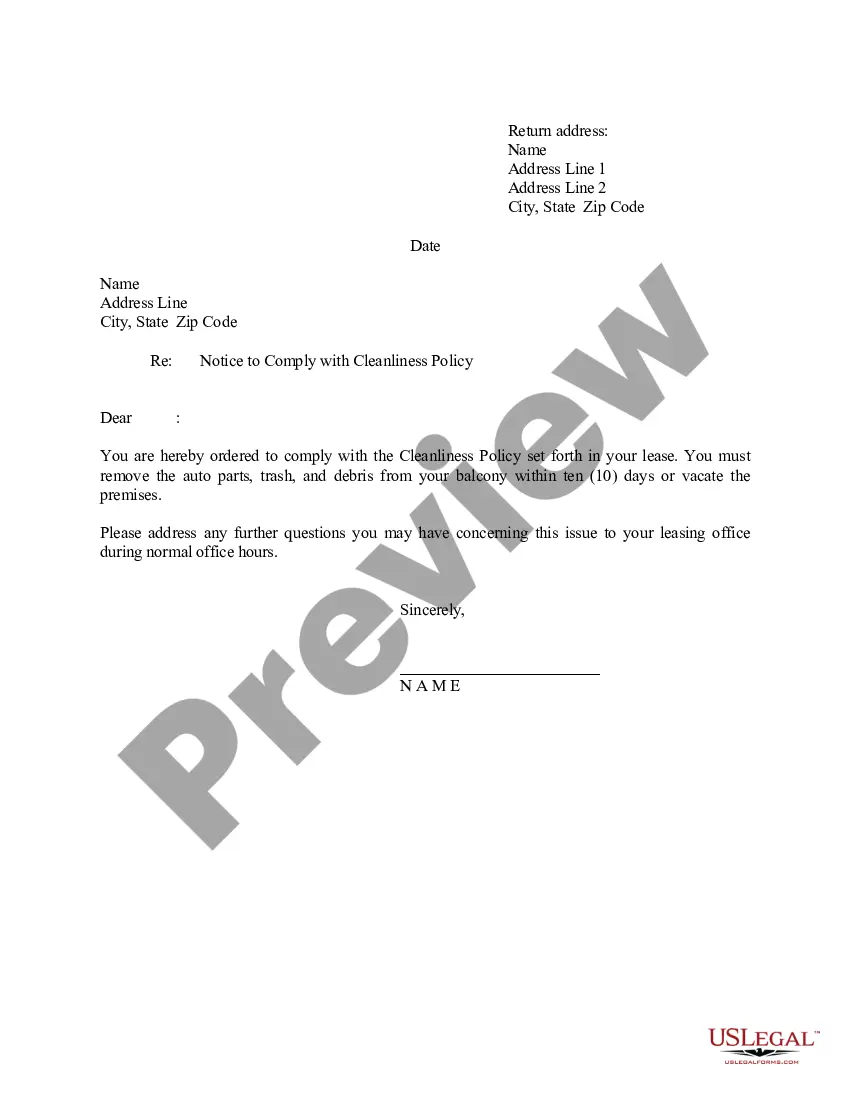
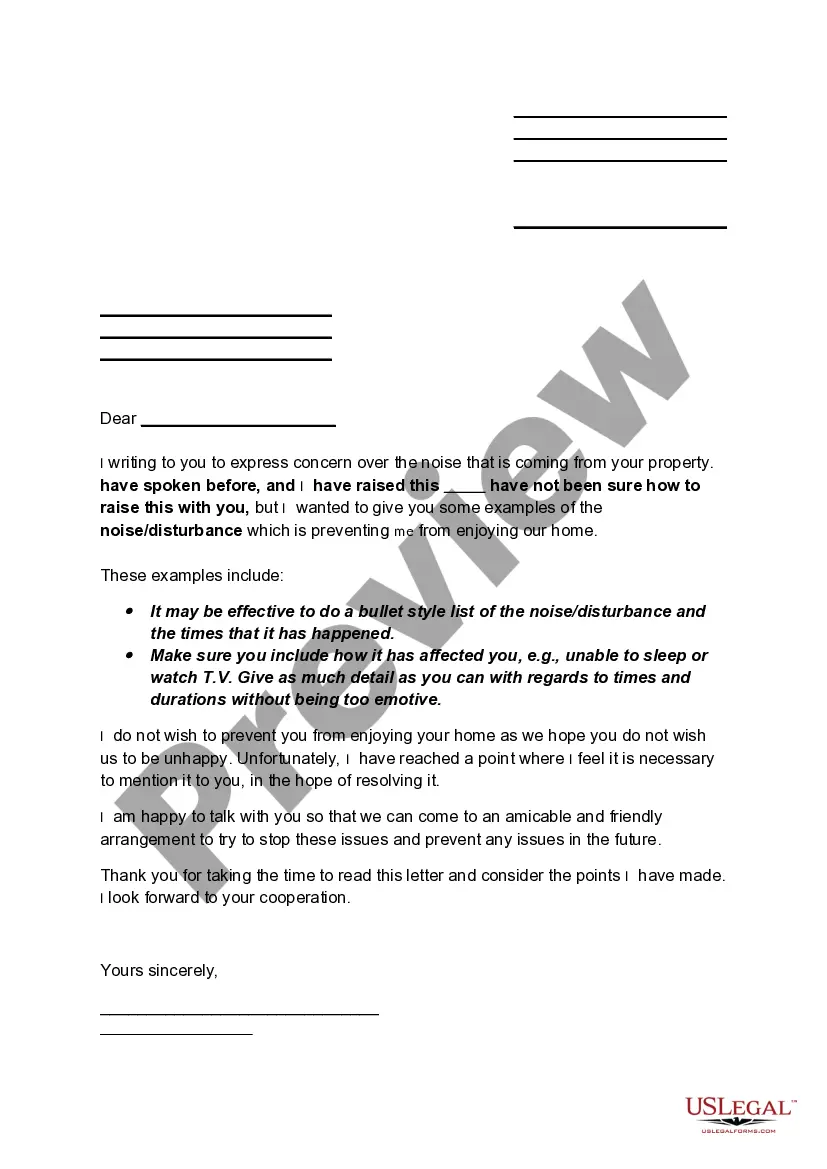
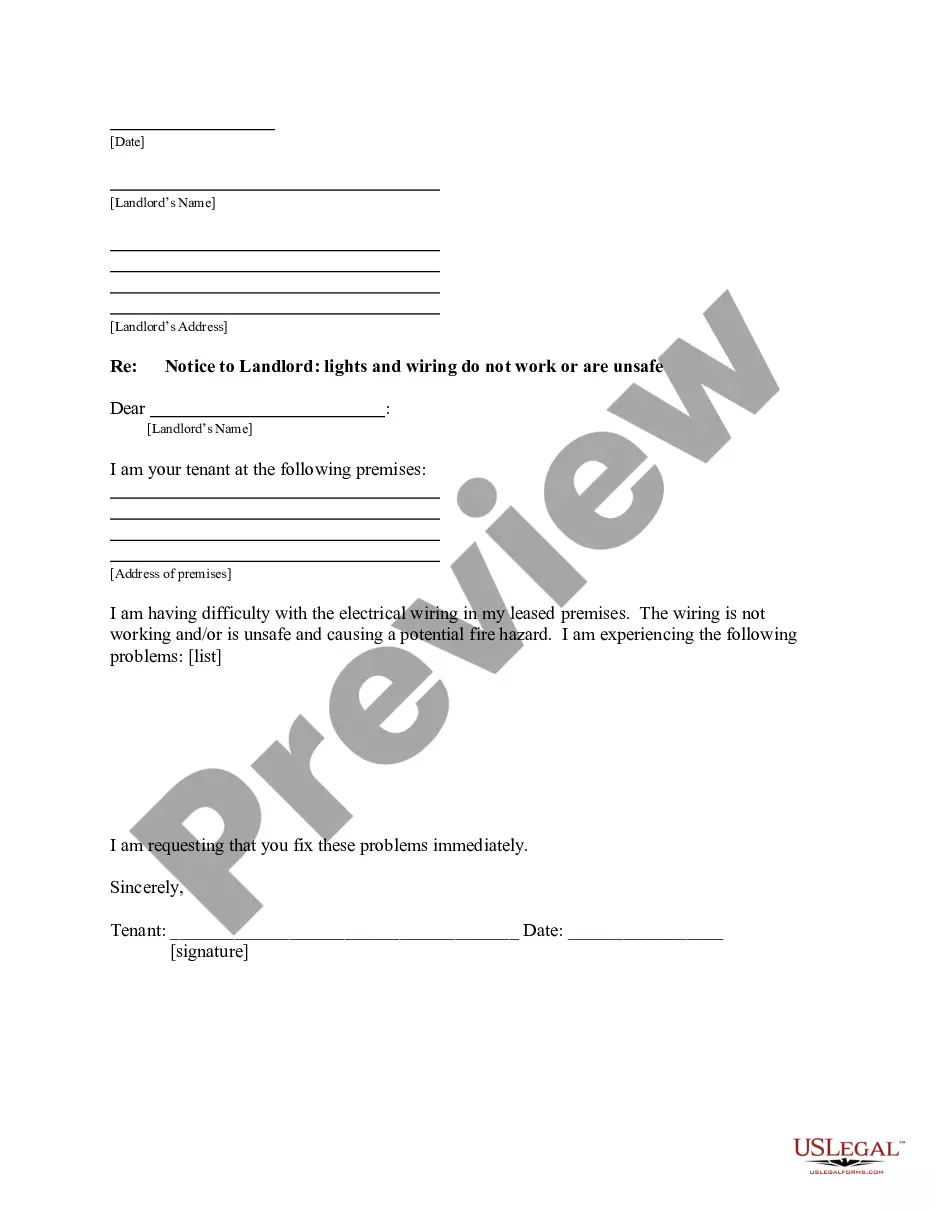
This form is a Letter from a tenant to a landlord, demanding the provision of proper outdoor garbage receptacles. The purpose of this letter is to communicate to the landlord that there are unsanitary conditions at the leased premises due to the lack of proper garbage bins. This letter serves as a formal notice that the landlord has breached the lease agreement, prompting them to take immediate action to remedy the situation.
What’s included in this form
- Tenant's Name and Contact Information
- Landlord's Name and Contact Information
- Description of the issue with garbage receptacles
- Demand for immediate remedy
- Date of the request
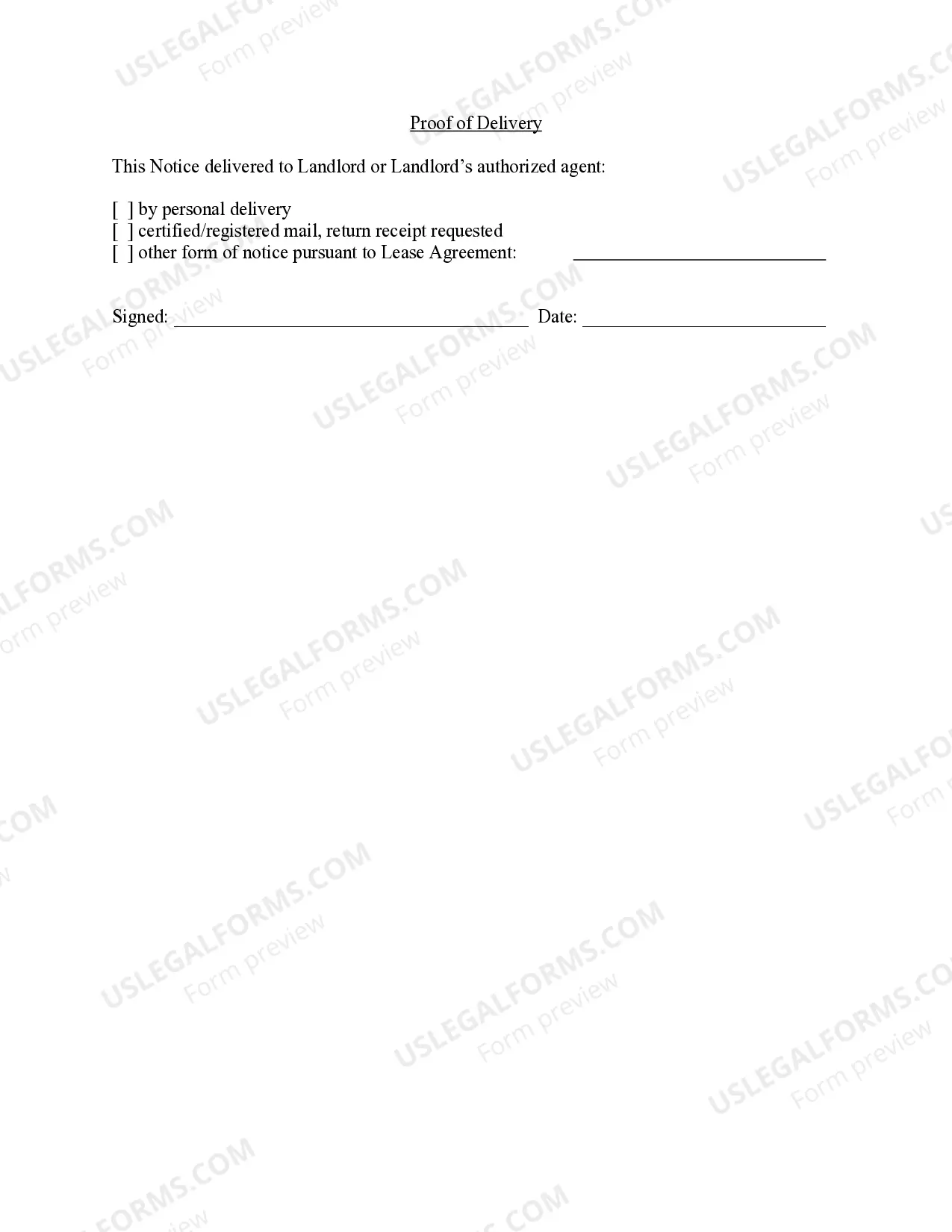
- Proof of delivery section

Situations where this form applies
This form should be used when a tenant identifies that their landlord has not provided adequate outdoor garbage receptacles, leading to unsanitary conditions. It is important for tenants to formally request the provision of these receptacles to ensure compliance with health and safety standards, and to notify the landlord of the lease violation.
Who needs this form
- Current tenants facing issues with garbage disposal.
- Tenants who believe their landlord is violating lease terms regarding sanitation.
- Individuals seeking to formally document requests for improvements to leasing conditions.
How to prepare this document
- Identify the tenant and landlord by entering their names and contact information.
- Clearly describe the issue related to the outdoor garbage receptacles.
- State the demand for the landlord to remedy the situation immediately.
- Enter the date when the request is being made.
- Sign the document to validate the request.
- Select the method of proof of delivery and complete that section accordingly.
Does this document require notarization?
Notarization is not commonly needed for this form. However, certain documents or local rules may make it necessary. Our notarization service, powered by Notarize, allows you to finalize it securely online anytime, day or night.
Get your form ready online
Our built-in tools help you complete, sign, share, and store your documents in one place.
Make edits, fill in missing information, and update formatting in US Legal Forms—just like you would in MS Word.
Download a copy, print it, send it by email, or mail it via USPS—whatever works best for your next step.
Sign and collect signatures with our SignNow integration. Send to multiple recipients, set reminders, and more. Go Premium to unlock E-Sign.
If this form requires notarization, complete it online through a secure video call—no need to meet a notary in person or wait for an appointment.
We protect your documents and personal data by following strict security and privacy standards.

Make edits, fill in missing information, and update formatting in US Legal Forms—just like you would in MS Word.

Download a copy, print it, send it by email, or mail it via USPS—whatever works best for your next step.

Sign and collect signatures with our SignNow integration. Send to multiple recipients, set reminders, and more. Go Premium to unlock E-Sign.

If this form requires notarization, complete it online through a secure video call—no need to meet a notary in person or wait for an appointment.

We protect your documents and personal data by following strict security and privacy standards.
Common mistakes to avoid
- Failing to provide accurate contact information for both the tenant and landlord.
- Not clearly stating the issue or the demand for remedy.
- Neglecting to sign the letter or enter the date.
- Using ambiguous language that may confuse or mislead the landlord.
Why use this form online
- Convenient access to the form anytime, from anywhere.
- Edit and customize the form to meet your specific needs easily.
- Prepared by licensed attorneys for reliability and legal soundness.
- Easy downloadable format for immediate use.
What to keep in mind
- This form helps tenants formally address sanitary issues with their landlord.
- It serves as a record of the tenant's complaint and demand for action.
- Proper completion ensures clarity and helps protect tenant rights.
Looking for another form?
Form popularity
FAQ
Although the landlord is legally responsible for ensuring that you as a tenant have enough bins to dispose of household waste properly and are informed about where to dispose of your waste, you as a tenant have a responsibility to make every effort to dispose of your own household waste.
With only a very few exceptions, the landlord may not charge any other fees to the tenant. This prohibition includes cleaning fees, for instance; the practice of charging tenants a cleaning fee is no longer permitted.
For 2020, the maximum rent increase is 9.9%. Between tenants, there is no limit to how much the rent can go up (except if a short-term tenant was just evicted from the unit, a provision that discourages a revolving door of tenants for rent increases.)
The landlord must make sure that the building, out-buildings, and the grounds are clean and free of trash, rodents and bugs at the time the rental agreement commences.During the tenancy, the landlord has a continuing responsibility to keep all areas under his or her control clean, decent, healthy and safe.
The short answer is yes, a tenant can be billed for garbage.Furthermore, the Oregon landlord/tenant law that addresses utility payments, ORS 90.315, does NOT prohibit charging tenants for garbage service.
In Oregon, the landlord is required to provide a pest-free environment at the start. From there, it's up to the tenant to keep it that way.In fact, a professional pest control company may be able to determine the cause of the infestation in the first place.
Oregon landlords can require tenants to pay a security deposit. Under Oregon law, a last month's rent deposit is considered to be a security deposit. Landlords must provide tenants with a receipt when they receive the deposit. Written rental agreements must include the amount of the security deposit.
If you think your landlord is violating the Fair Housing Act, you can get that landlord in trouble by filing a complaint at HUD.gov. Your remedy for breach of quiet enjoyment is to terminate the lease and move or sue in small claims court.