Oregon Warranty Deed - One Individual to Three Individuals
What this document covers
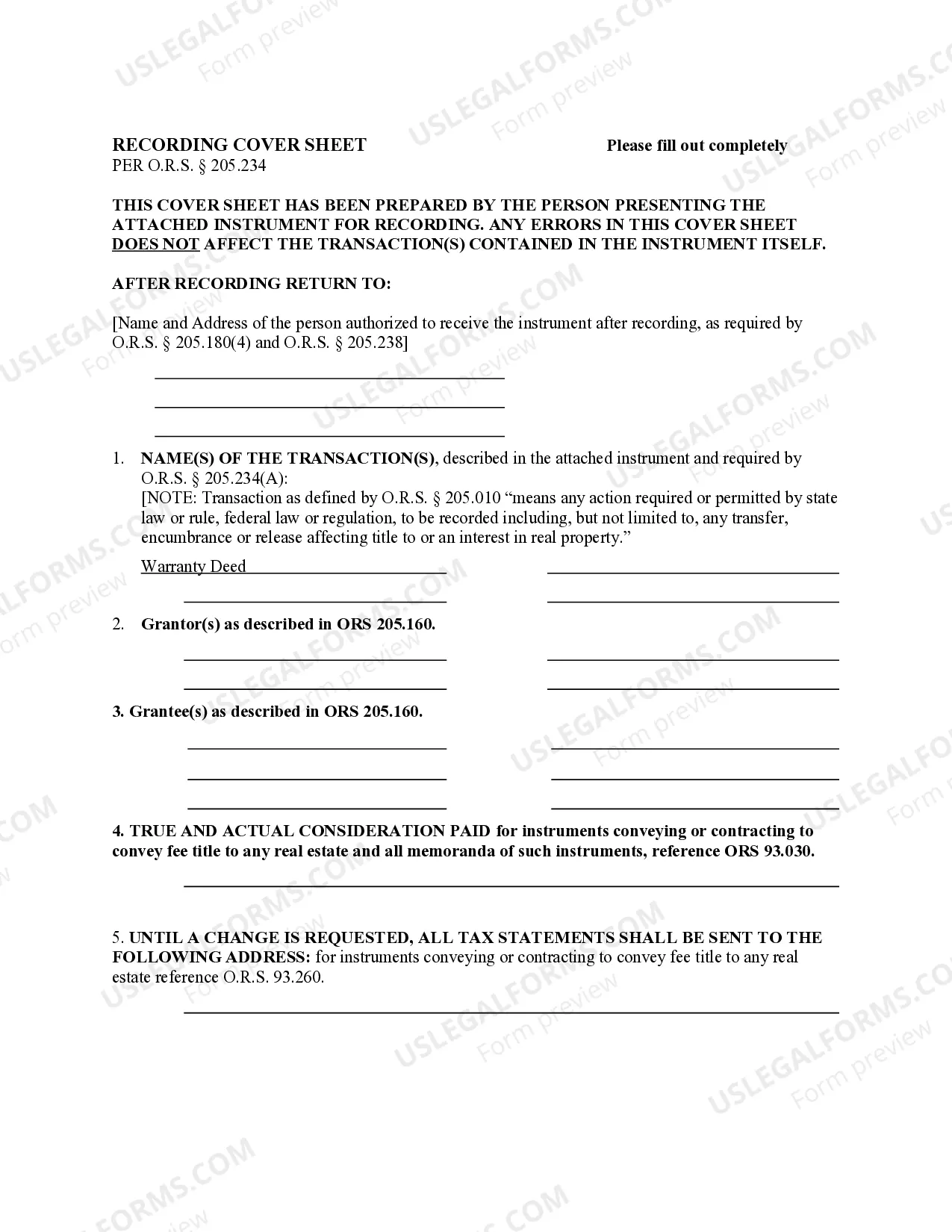
This form is a Warranty Deed, also known in some jurisdictions as a Grant Deed. It is used when one individual, known as the grantor, conveys property to three individuals, referred to as grantees, who will own the property as tenants in common. This form is legally compliant with state statutory laws and ensures that the grantor warrants their ownership of the property being transferred.
Main sections of this form
- Details of the grantor: The individual transferring the property.
- Details of the grantees: Three individuals receiving the property.
- Description of the property: Specific information about the property being conveyed.
- Warranties: Assurance provided by the grantor regarding the property's title.
- Signature section: To be signed by the grantor to validate the deed.
- Notarization requirement: Indicates whether the deed must be notarized.





When to use this document
Who needs this form
- Property owners looking to transfer property to multiple grantees.
- Individuals involved in estate planning who wish to distribute assets among heirs.
- Business owners seeking to share ownership of property among partners or investors.
- Anyone needing a legally recognized method of transferring property to be held in common.
How to complete this form
- Identify the parties involved: Clearly state the name of the grantor and the three grantees.
- Specify the property: Provide a detailed description of the property being transferred.
- Enter grantor's assurances: Include any warranties being offered by the grantor regarding the title.
- Complete signatures: Ensure that the grantor signs the deed and dates the document.
- Check notarization requirements: Confirm if notarization is needed based on local regulations.
Notarization guidance
This form needs to be notarized to ensure legal validity. US Legal Forms provides secure online notarization powered by Notarize, allowing you to complete the process through a verified video call, available anytime.
Get your form ready online
Our built-in tools help you complete, sign, share, and store your documents in one place.
Make edits, fill in missing information, and update formatting in US Legal Forms—just like you would in MS Word.
Download a copy, print it, send it by email, or mail it via USPS—whatever works best for your next step.
Sign and collect signatures with our SignNow integration. Send to multiple recipients, set reminders, and more. Go Premium to unlock E-Sign.
If this form requires notarization, complete it online through a secure video call—no need to meet a notary in person or wait for an appointment.
We protect your documents and personal data by following strict security and privacy standards.

Make edits, fill in missing information, and update formatting in US Legal Forms—just like you would in MS Word.

Download a copy, print it, send it by email, or mail it via USPS—whatever works best for your next step.

Sign and collect signatures with our SignNow integration. Send to multiple recipients, set reminders, and more. Go Premium to unlock E-Sign.

If this form requires notarization, complete it online through a secure video call—no need to meet a notary in person or wait for an appointment.

We protect your documents and personal data by following strict security and privacy standards.
Mistakes to watch out for
- Failing to include complete and accurate property descriptions.
- Omitting signatures or dates from the grantor.
- Not checking specific state regulations that may apply to the deed.
- Ignoring the need for notarization, if required.
Advantages of online completion
- Convenience of completing the form at your own pace from home.
- Editability: Make corrections easily before finalizing the document.
- Access to legally vetted forms drafted by experienced attorneys.
- Easy downloading in formats compatible with various devices.
Looking for another form?
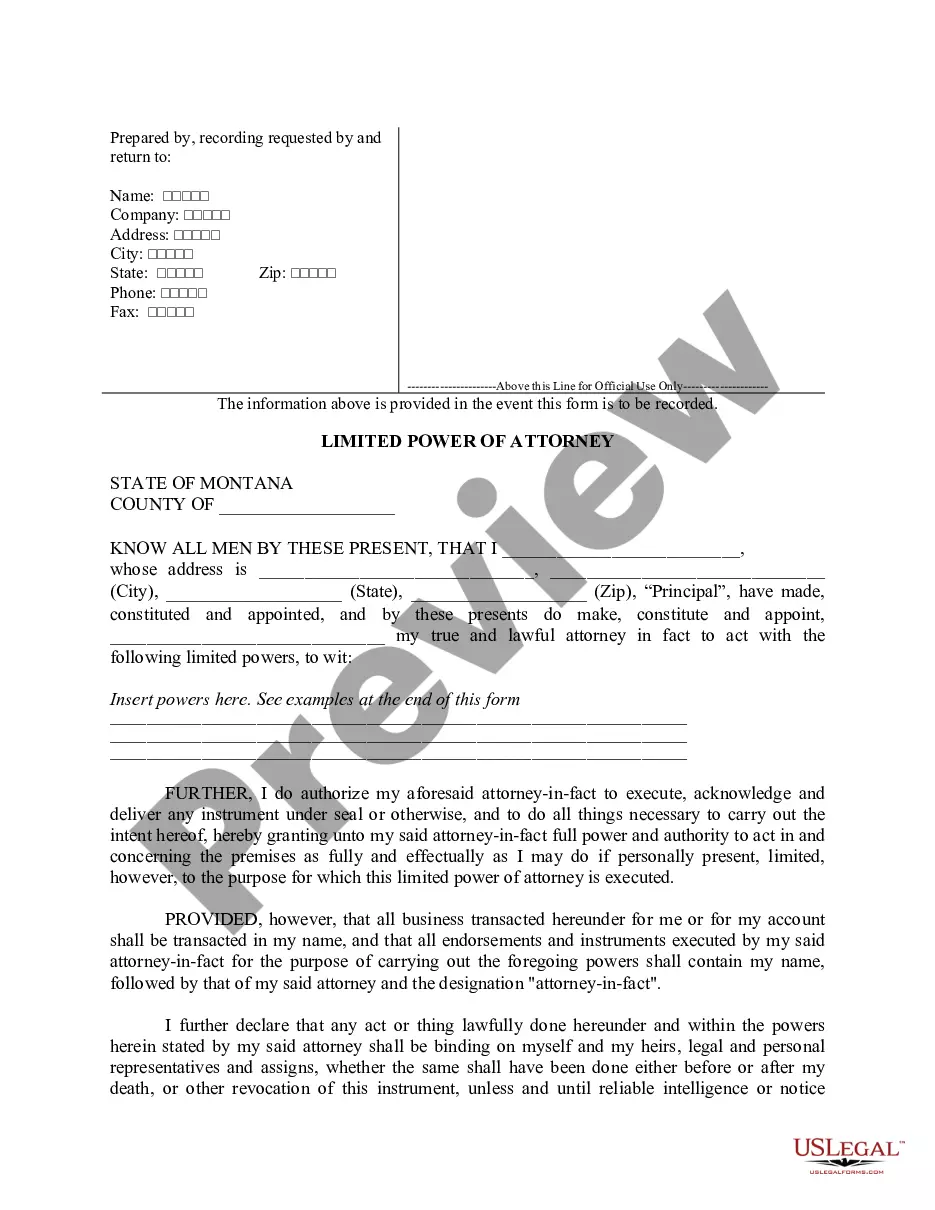
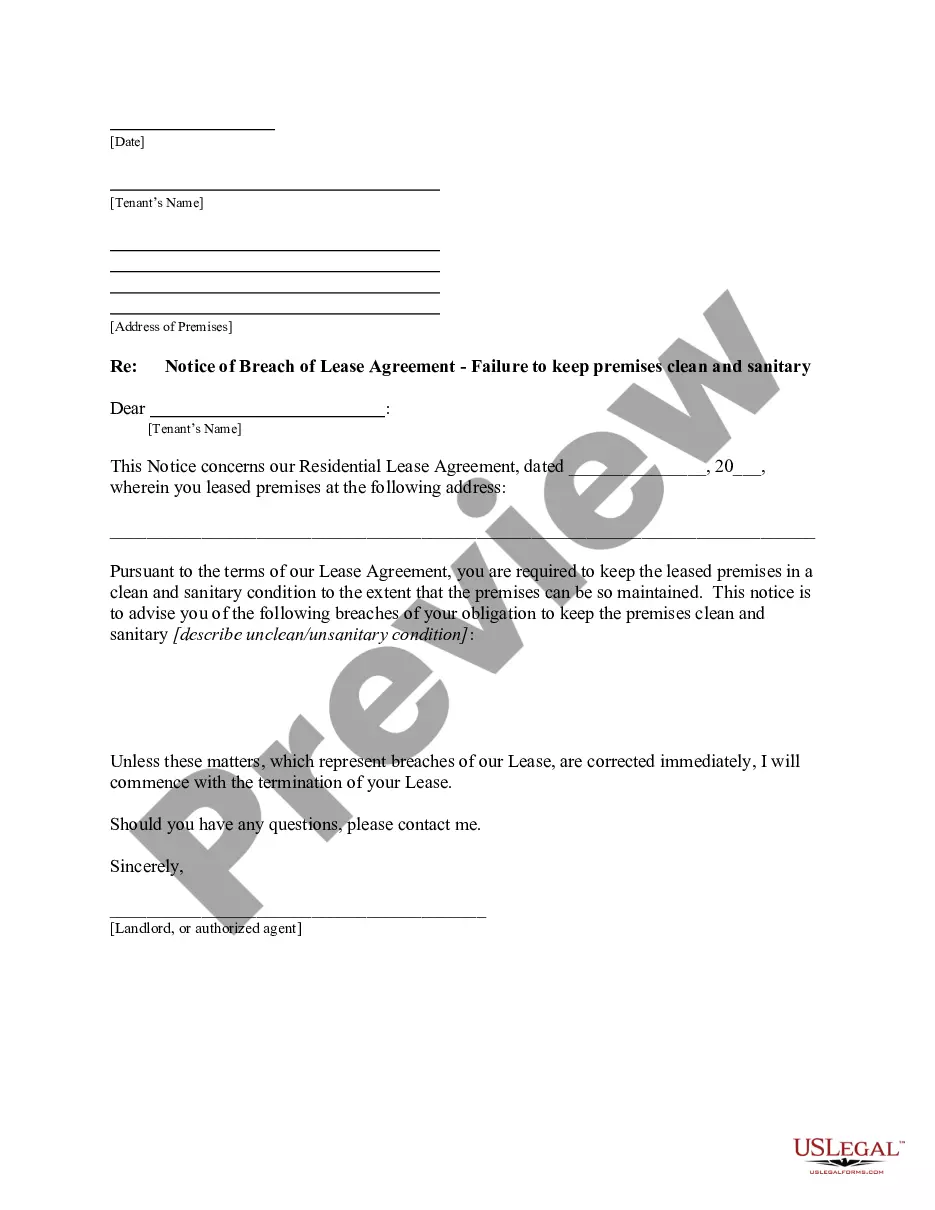
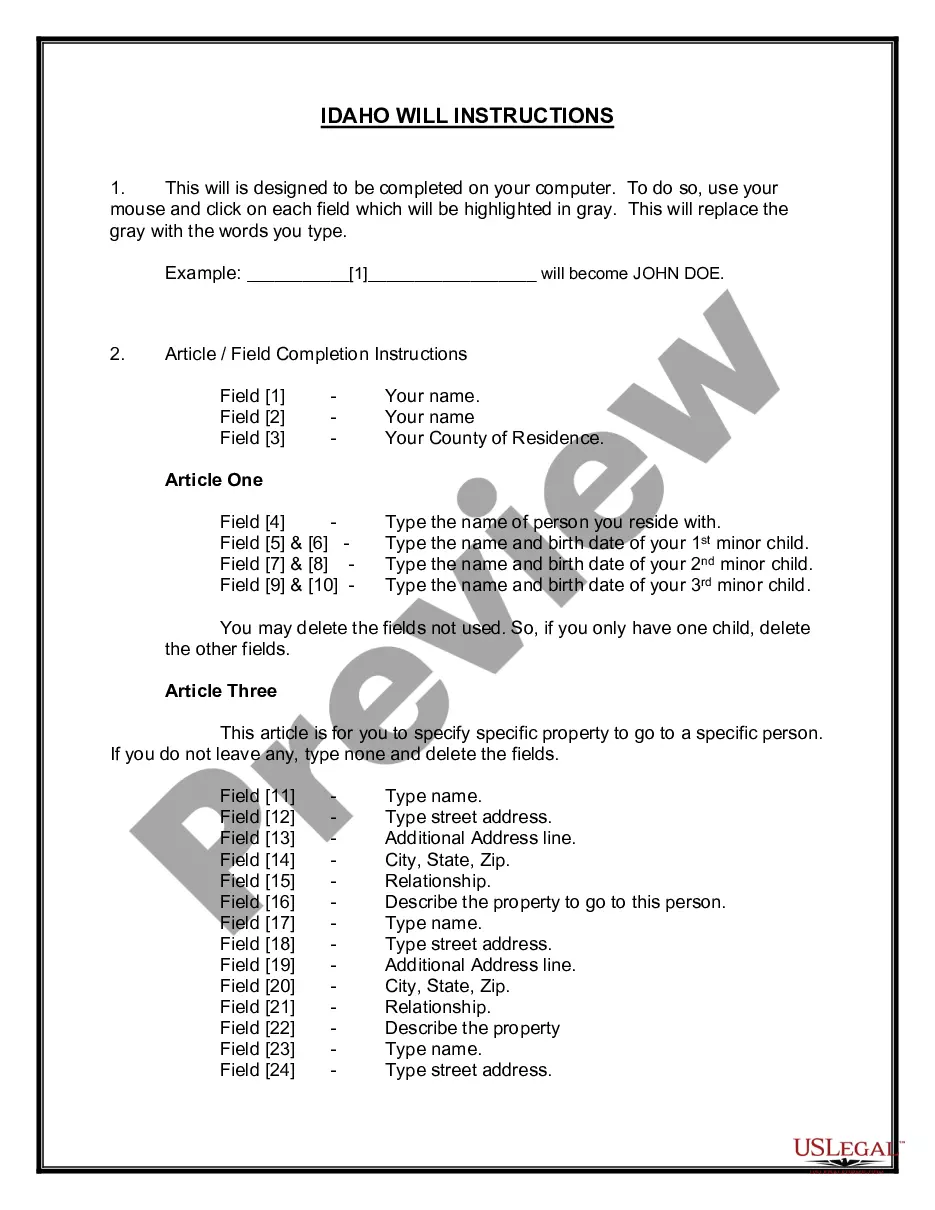
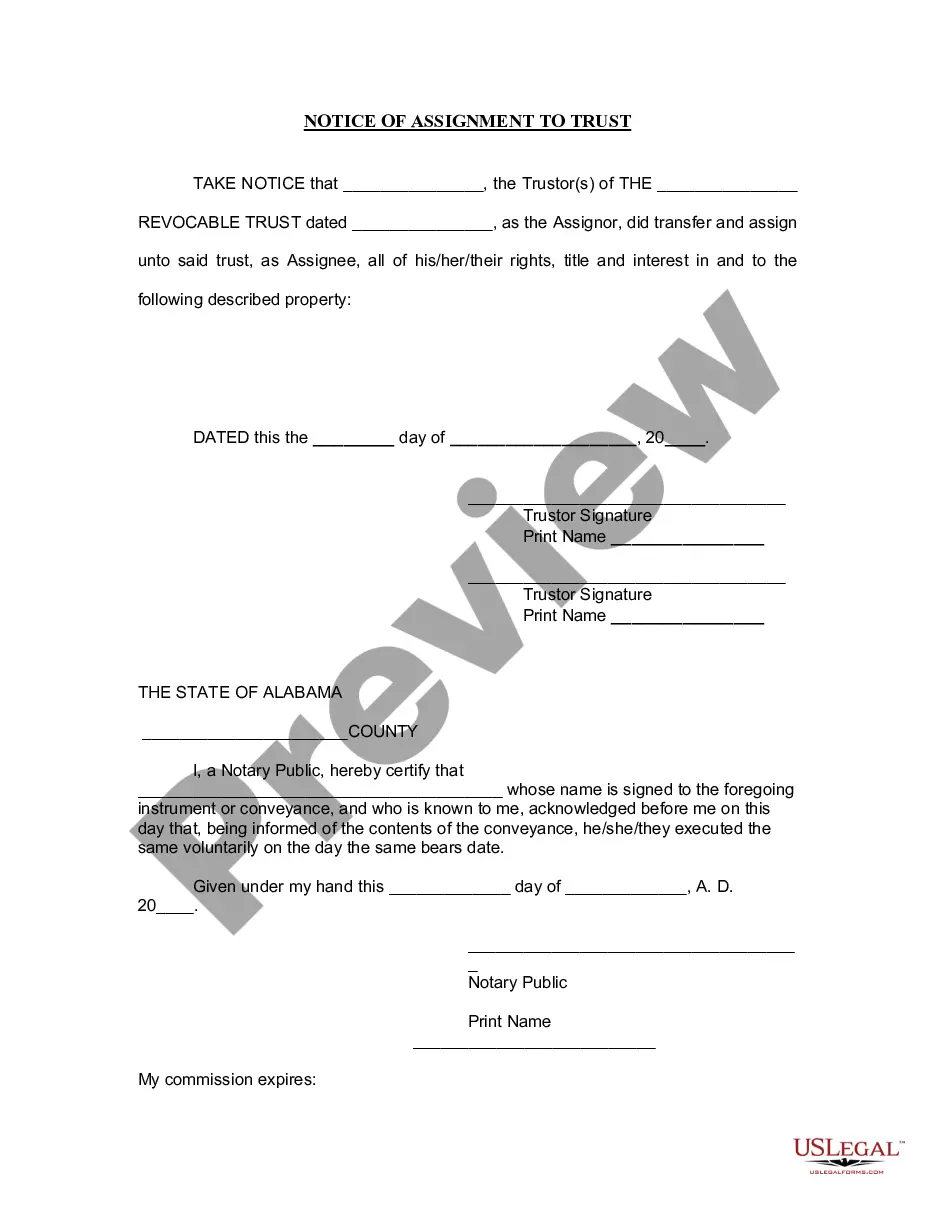
Form popularity
FAQ
Adding someone to your house deed requires the filing of a legal form known as a quitclaim deed. When executed and notarized, the quitclaim deed legally overrides the current deed to your home. By filing the quitclaim deed, you can add someone to the title of your home, in effect transferring a share of ownership.
A statutory warranty deed is different from a warranty deed because it is a shorter form made available through your state's statutes and it may not outright list the promise that the title is guaranteed to be clear. Instead, because it is a statutory form, this guarantee is implied and is still legally enforceable.
A warranty deed guarantees that: The grantor is the rightful owner of the property and has the legal right to transfer the title.The title would withstand third-party claims to ownership of the property. The grantor will do anything to ensure the grantee's title to the property.
The Oregon special warranty deed is a legal document transferring property from an owner of an interest in property to another person. This is a warranty deed, but the warranty is limited to the time frame involving seller's ownership of the property.
A warranty deed conveys an interest in real property to the named grantee with full warranties of title. Warranty deeds are statutory in Oregon under ORS 93.850, and they convey real property in fee simple with the most assurance of title.Generally, real property is owned in either sole ownership or in co-ownership.