Oklahoma Assignment of Mortgage by Individual Mortgage Holder
What is this form?
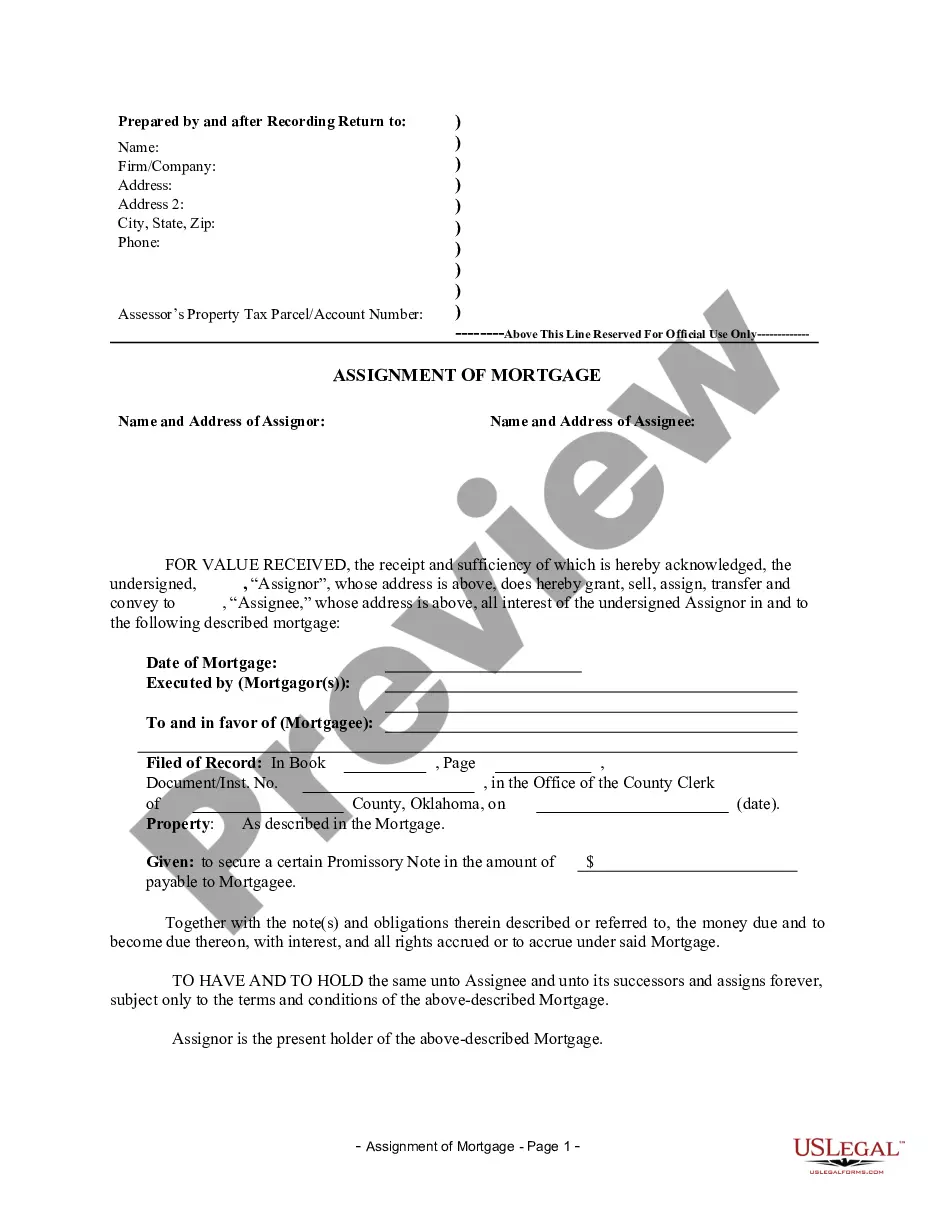
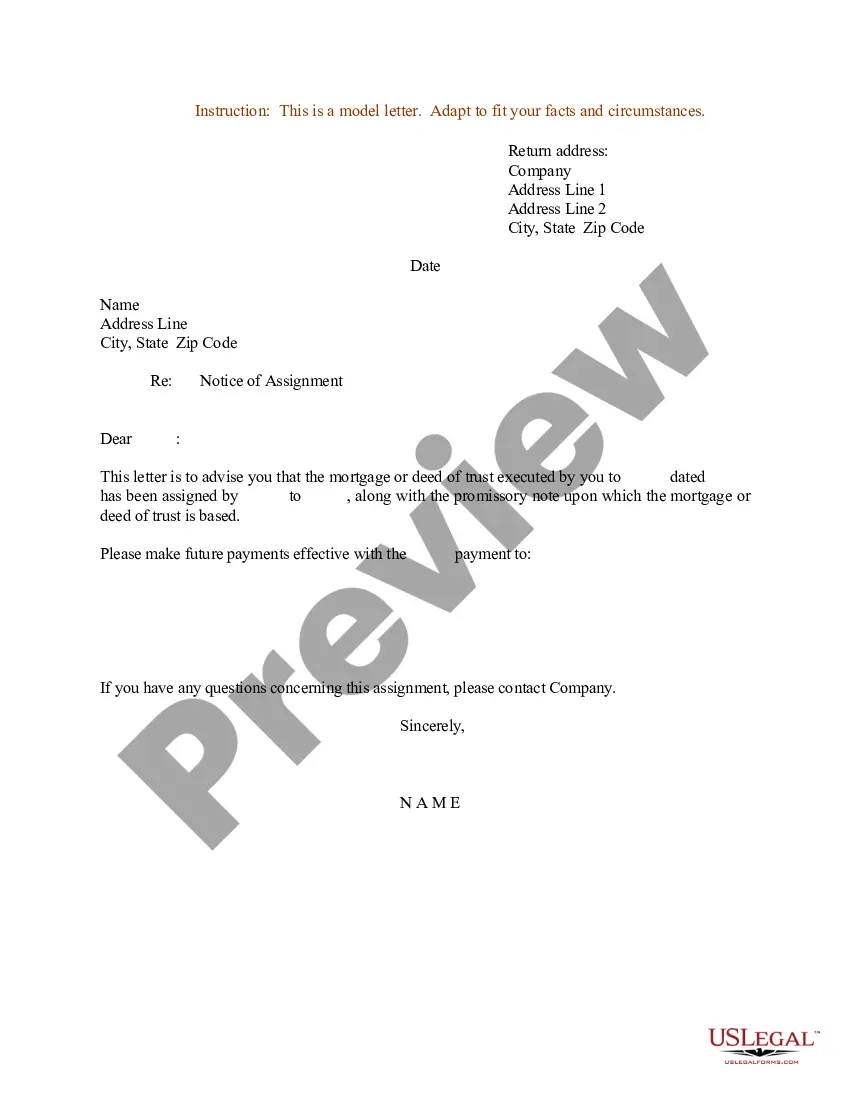
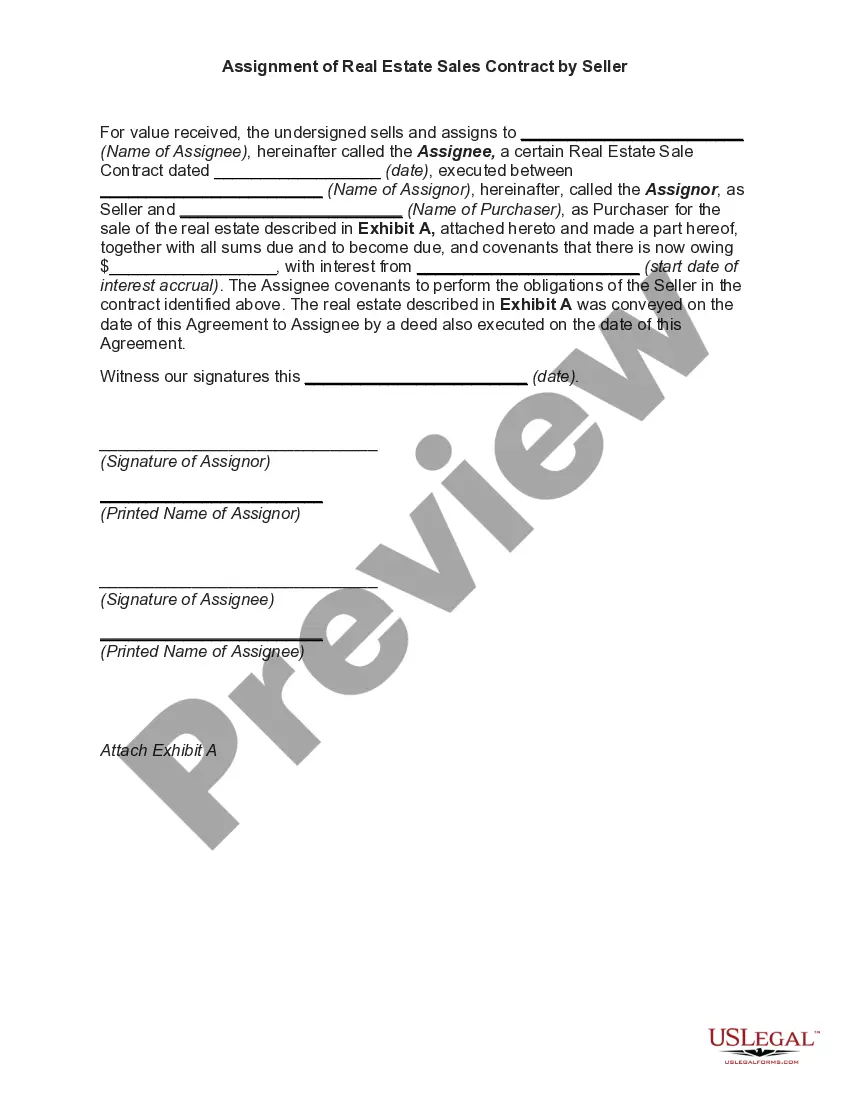
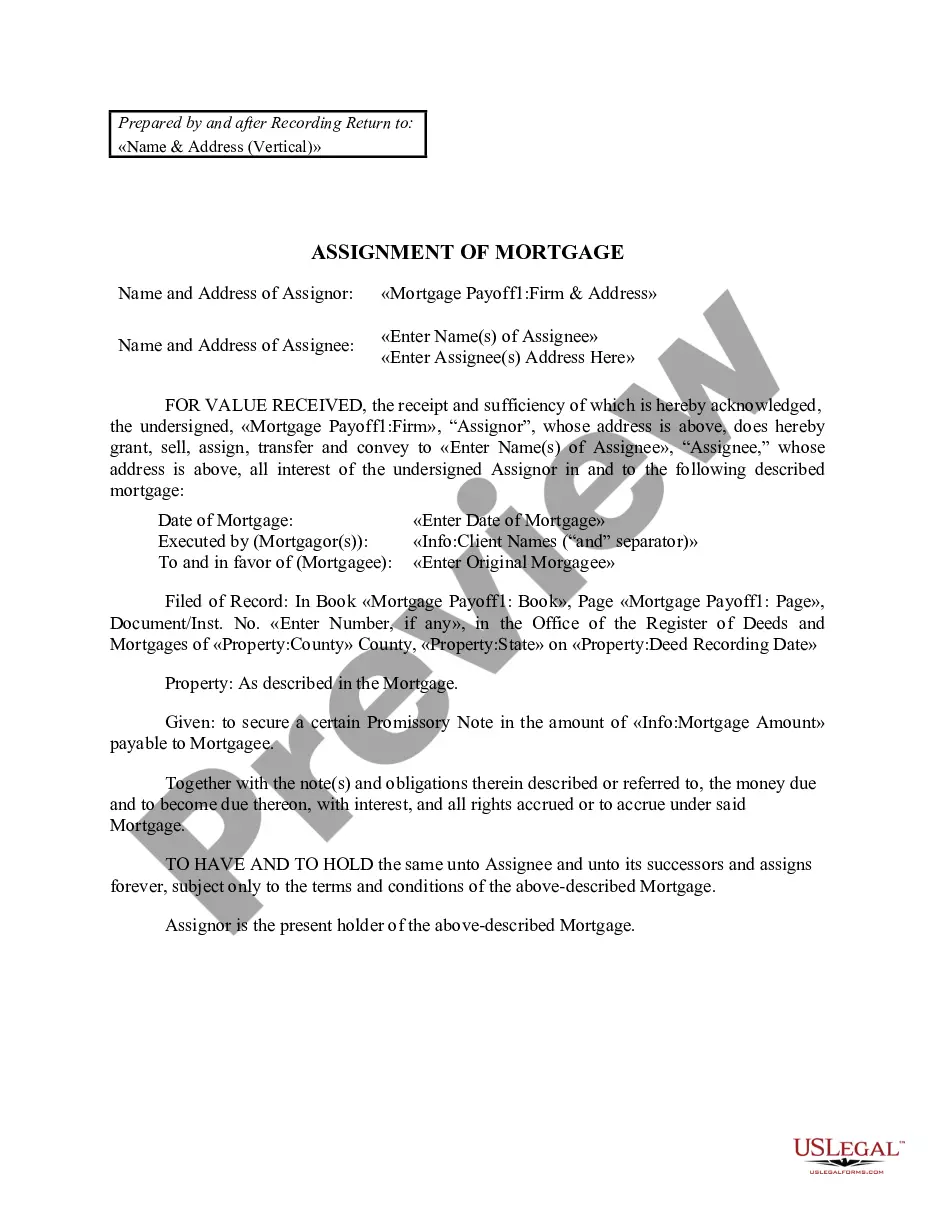
The Assignment of Mortgage by Individual Mortgage Holder is a legal document that enables the current mortgage holder to transfer their interest in a mortgage or deed of trust to another party. This form is specifically designed for individual mortgage holders, distinguishing it from other forms that may involve multiple parties or institutional lenders. It facilitates a clear transfer of rights and obligations associated with the mortgage, ensuring that both parties are legally recognized in this transaction.
Main sections of this form
- Date of the mortgage execution
- Names and details of the mortgagor(s) and mortgagee
- Description of the property covered by the mortgage
- Details regarding the original promissory note secured by the mortgage
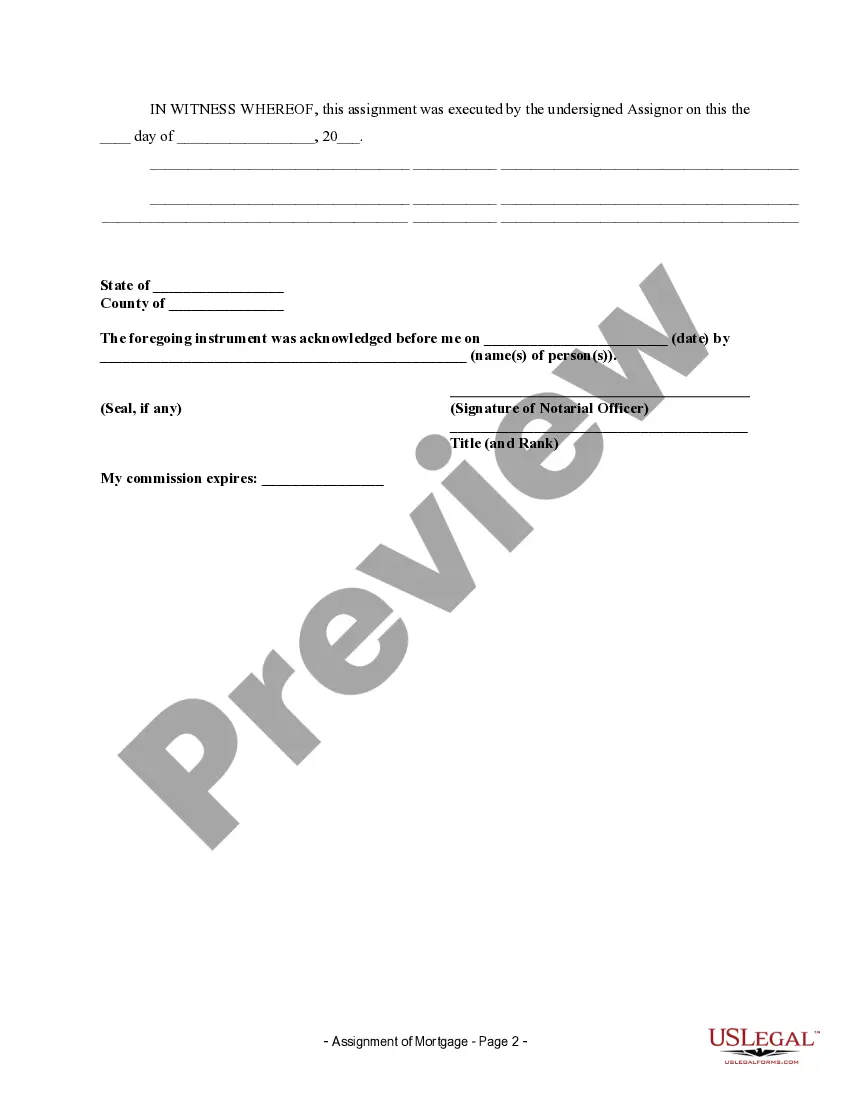
- Signature and acknowledgment section for the assignor
- Notary public acknowledgment section

When to use this form
This form is used when an individual mortgage holder wishes to transfer their interest in a mortgage to another party. Common scenarios include selling a property where the mortgage needs to be assigned to the buyer, or refinancing when transferring the existing mortgage to a new lender. It may also be applicable in situations such as estate planning, where a mortgage holder designates a family member as the new mortgagee.
Who can use this document
This form is intended for:
- Individual mortgage holders looking to assign their mortgage to another party
- Real estate professionals facilitating transactions involving mortgage assignments
- Individuals engaged in estate planning who wish to transfer mortgage responsibilities
Completing this form step by step
- Identify the mortgage holder (assignor) and the new mortgagee (assignee).
- Specify the details of the property as described in the original mortgage.
- Enter the date of execution and any reference numbers for the mortgage.
- Have the assignor sign the document in the designated area.
- Complete the notary acknowledgment section to verify the assignment.
Does this form need to be notarized?
To make this form legally binding, it must be notarized. Our online notarization service, powered by Notarize, lets you verify and sign documents remotely through an encrypted video session.
Get your form ready online
Our built-in tools help you complete, sign, share, and store your documents in one place.
Make edits, fill in missing information, and update formatting in US Legal Forms—just like you would in MS Word.
Download a copy, print it, send it by email, or mail it via USPS—whatever works best for your next step.
Sign and collect signatures with our SignNow integration. Send to multiple recipients, set reminders, and more. Go Premium to unlock E-Sign.
If this form requires notarization, complete it online through a secure video call—no need to meet a notary in person or wait for an appointment.
We protect your documents and personal data by following strict security and privacy standards.

Make edits, fill in missing information, and update formatting in US Legal Forms—just like you would in MS Word.

Download a copy, print it, send it by email, or mail it via USPS—whatever works best for your next step.

Sign and collect signatures with our SignNow integration. Send to multiple recipients, set reminders, and more. Go Premium to unlock E-Sign.

If this form requires notarization, complete it online through a secure video call—no need to meet a notary in person or wait for an appointment.

We protect your documents and personal data by following strict security and privacy standards.
Mistakes to watch out for
- Failing to accurately describe the property being assigned.
- Not providing all required signatures.
- Neglecting to have the document notarized when required.
- Using outdated or incorrect information from the original mortgage.
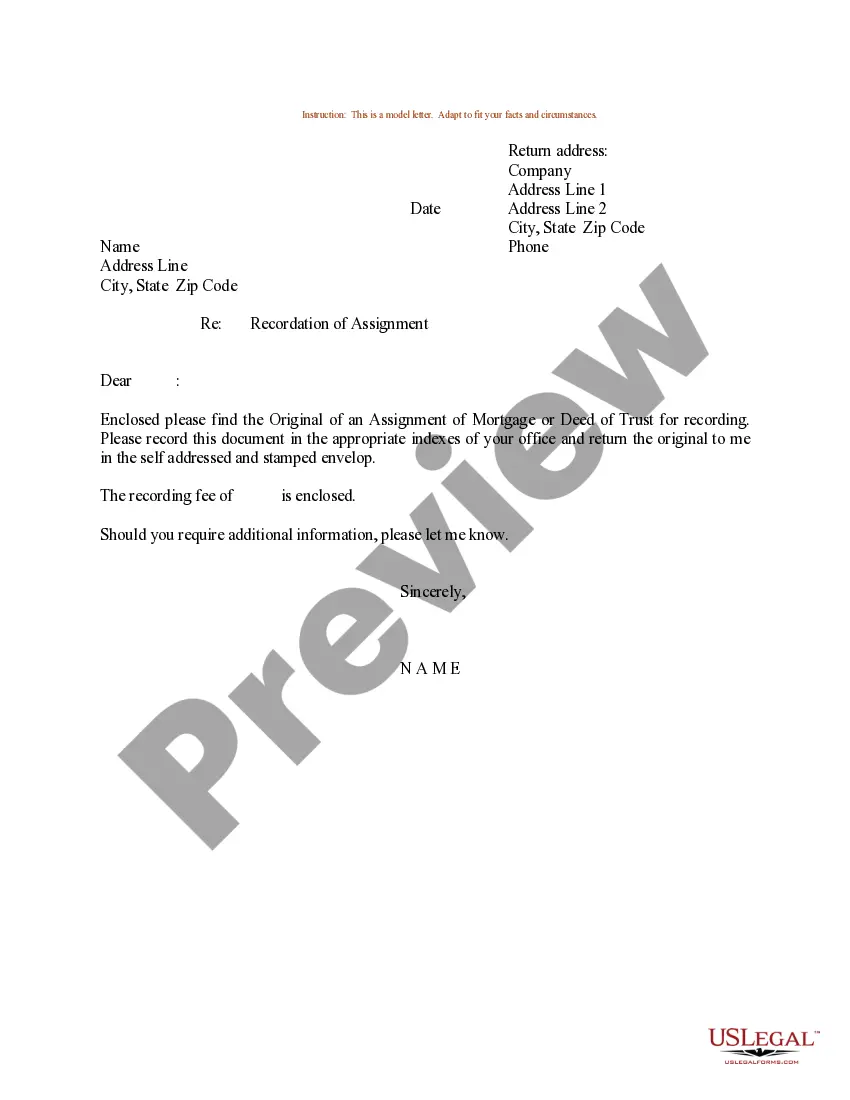
- Forgetting to record the assignment with the appropriate county office.
Benefits of completing this form online
- Convenient access to legal forms from any location.
- Editable templates tailored to your specific needs.
- Assured reliability with forms crafted by licensed attorneys.
- Streamlined process to complete and store important legal documents.
Legal use & context
- The Assignment of Mortgage is legally recognized as a binding document for transferring mortgage rights.
- It is important to record this assignment with the appropriate county clerk's office to maintain public records.
- Failure to properly execute this assignment can lead to disputes over mortgage obligations and property rights.
Looking for another form?
Form popularity
FAQ
Once the note is assigned, the person to whom it is assigned, the assignee, can collect payment under the note. Assignment of the mortgage agreement occurs when the mortgagee (the bank or lender) transfers its rights under the agreement to another party.
An assignment of mortgage gives the loan seller's rights under the mortgage, including the right to foreclose if the borrower doesn't make payments, to the new owner of the loan.
An assignment transfers all of the original mortgagee's interest under the mortgage or deed of trust to the new bank. Generally, the mortgage or deed of trust is recorded shortly after the mortgagors sign it and, if the mortgage is subsequently transferred, each assignment is to be recorded in the county land records.
Purpose A gap mortgages allows funding for a property to continue while it is going through the process of selling.Documents required for a mortgage assignment are: Instead of having you pay off your old loan with money from your new lender, your original lender assigns your loan balance to the new one.
Banks often sell and buy mortgages from each other as a way to liquidate assets and improve their credit ratings. When the original lender sells the debt to another bank or an investor, a mortgage assignment is created and recorded in the public record and the promissory note is endorsed.
When a borrower prepays their mortgage or makes the final mortgage payment, a satisfaction of mortgage document must be prepared, signed, and filed by the financial institution in ownership of the mortgage. The satisfaction of mortgage document is created by a lending institution and their legal counsel.
If the borrower on a recorded mortgage defaults, the lender can foreclose and either be paid in full or receive the property. However, if a mortgage or deed of trust was not recorded, the lender cannot foreclose against the property, just against the defaulting borrower personally.
Gap Financing is a term mostly associated with mortgage loans or property loans such as a bridge loan. It is an interim loan given to finance the difference between the floor loan and the maximum permanent loan as committed.
A mortgage lender can transfer a mortgage to another company using an assignment agreement.Many banks and mortgage lenders sell outstanding loans in order to free up money to lend to new borrowers, and use an assignment of mortgage to legally grant the loan obligation to the new mortgage holder.