Oklahoma Letter from Tenant to Landlord containing Notice to landlord to cease retaliatory threats to evict or retaliatory eviction
What this document covers
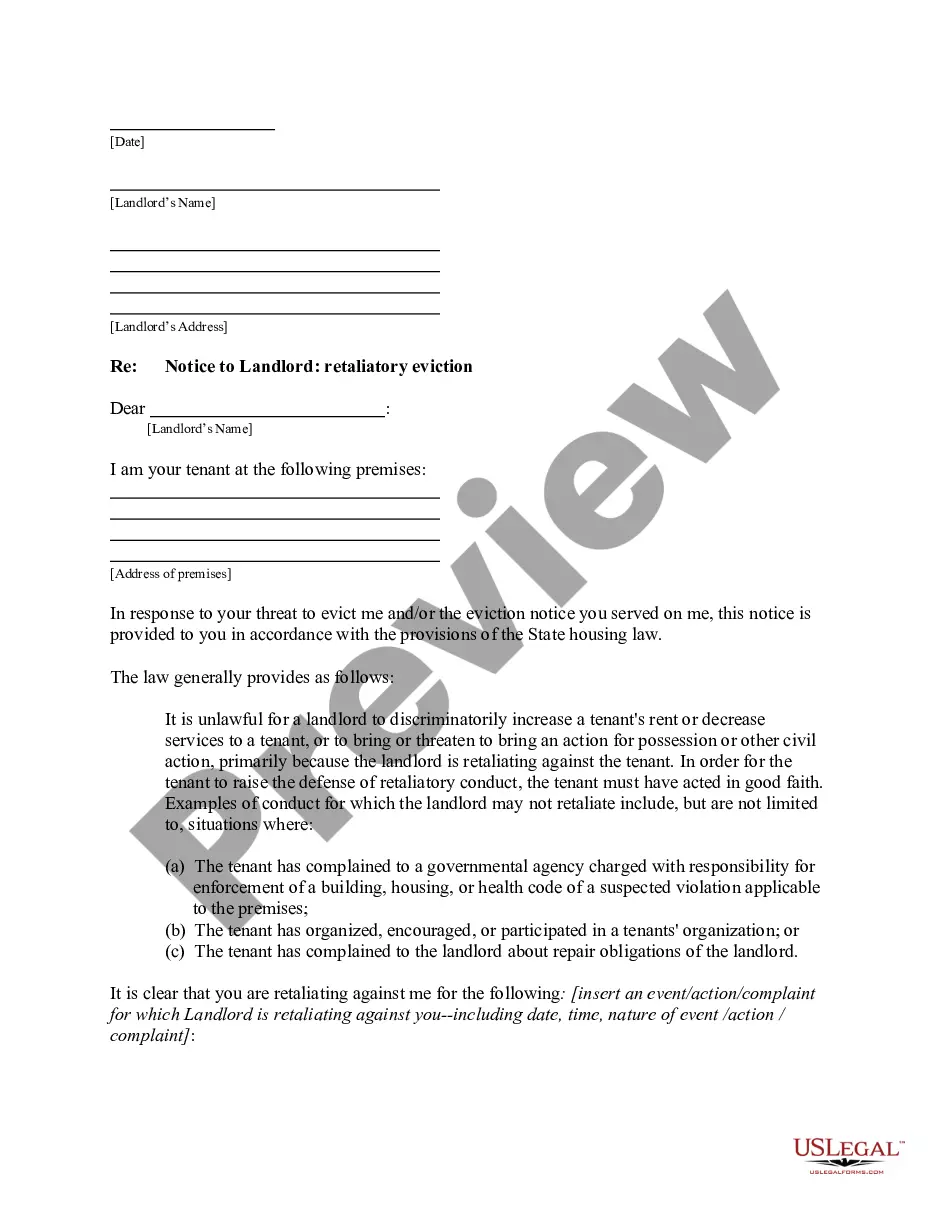
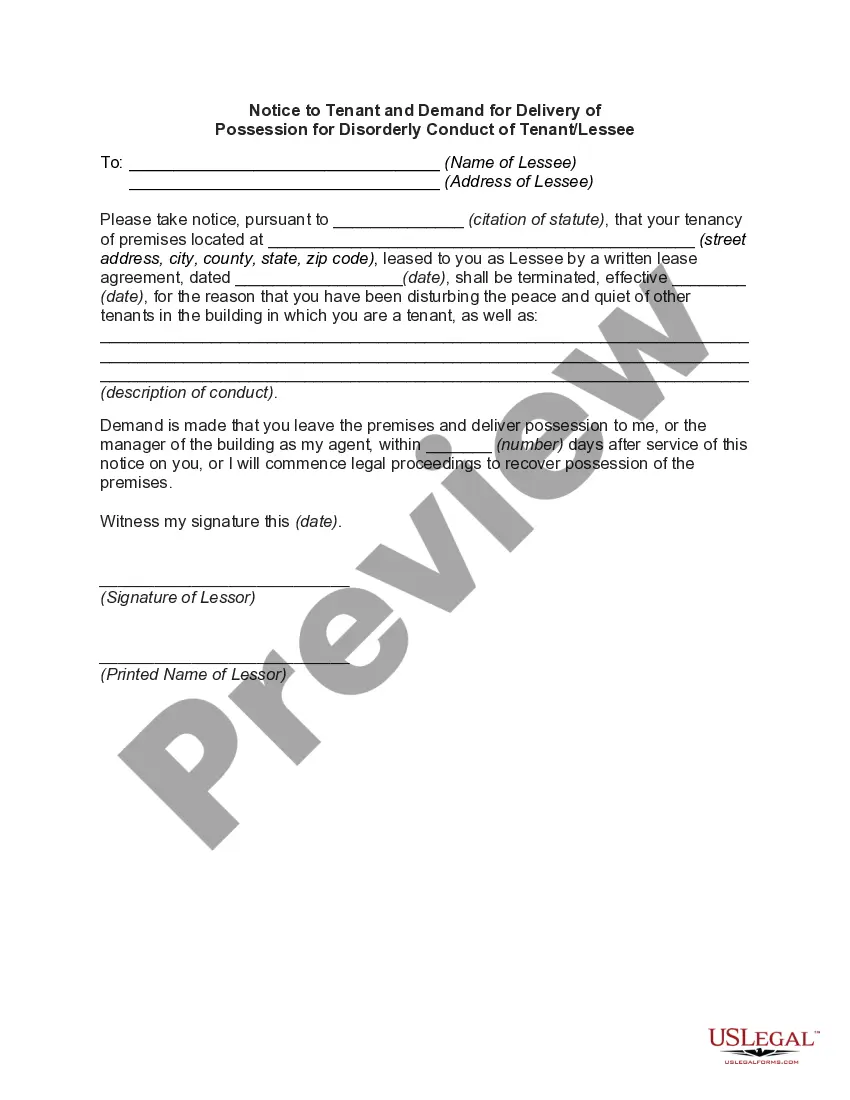
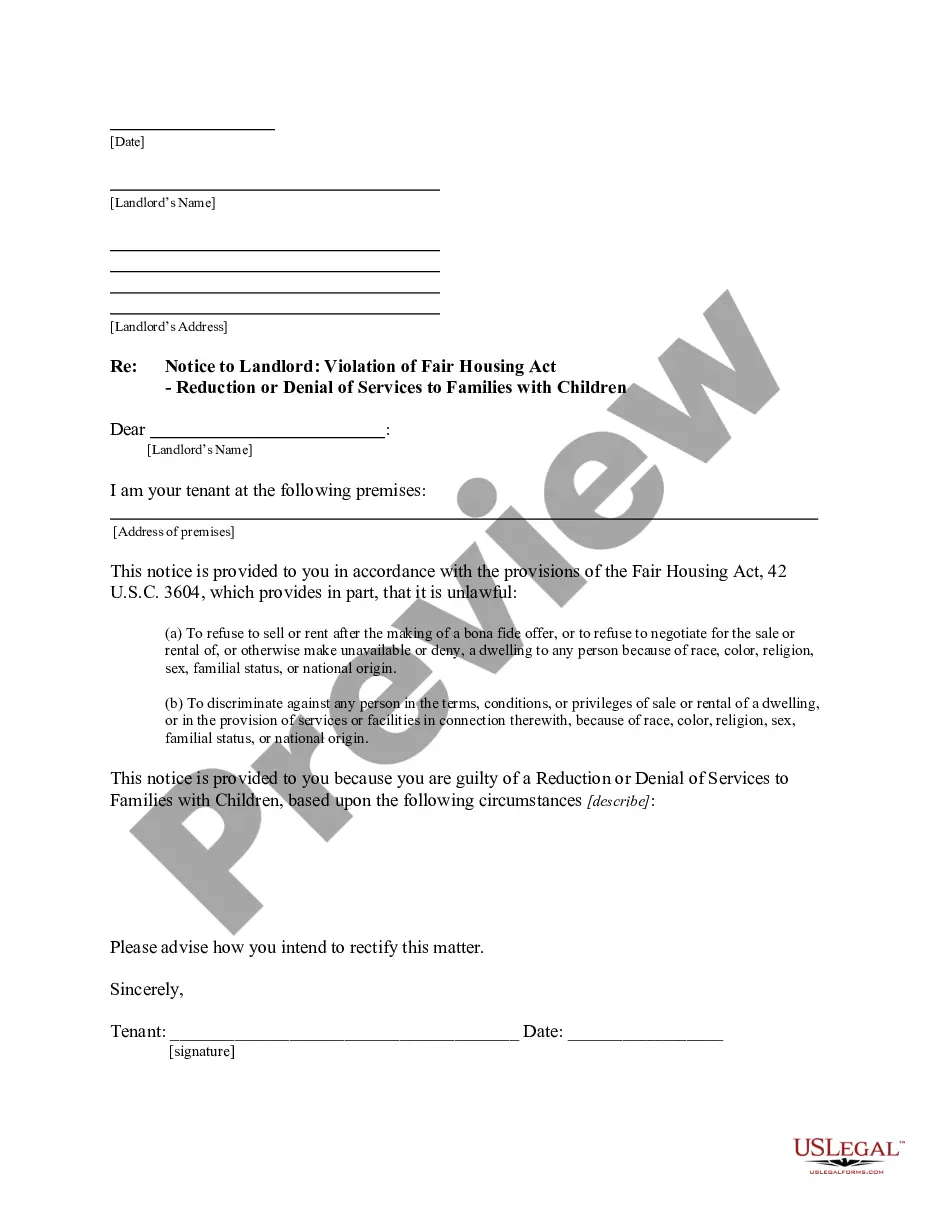
This Letter from Tenant to Landlord containing Notice to landlord to cease retaliatory threats to evict or retaliatory eviction is a formal notice from a tenant to their landlord, addressing threats of eviction perceived to be retaliatory. The purpose of this form is to inform the landlord that their actions may violate housing laws designed to protect tenants from retaliatory evictions. This form is essential for tenants who believe they are being unfairly targeted due to legitimate actions they have taken as a tenant, differentiating it from general eviction notices.
Form components explained
- Formal introduction and date of the letter.
- Identification of tenant and landlord details.
- Statements outlining the perceived retaliatory threats by the landlord.
- Explanation of tenant's actions that may have prompted these threats.
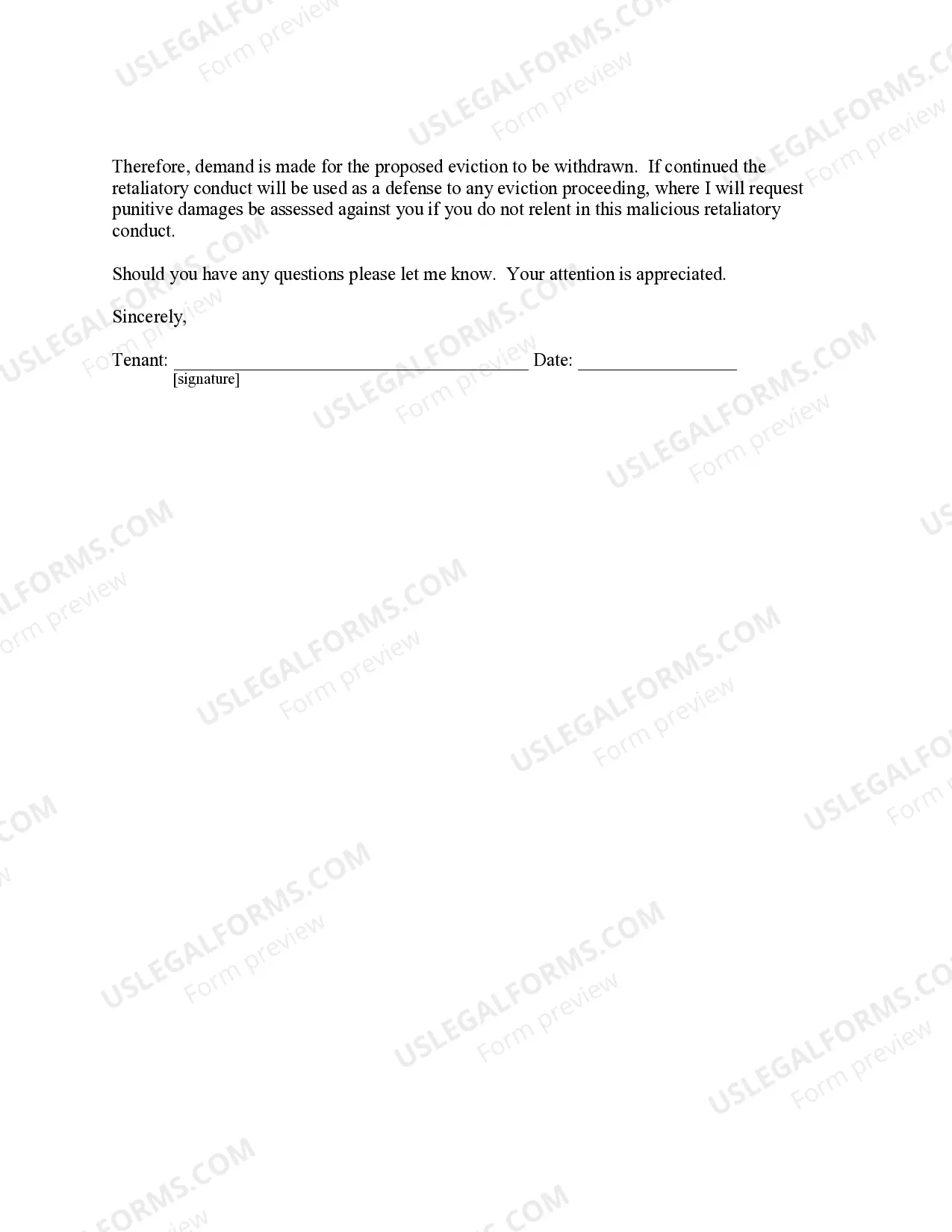
- Signature line for the tenant.
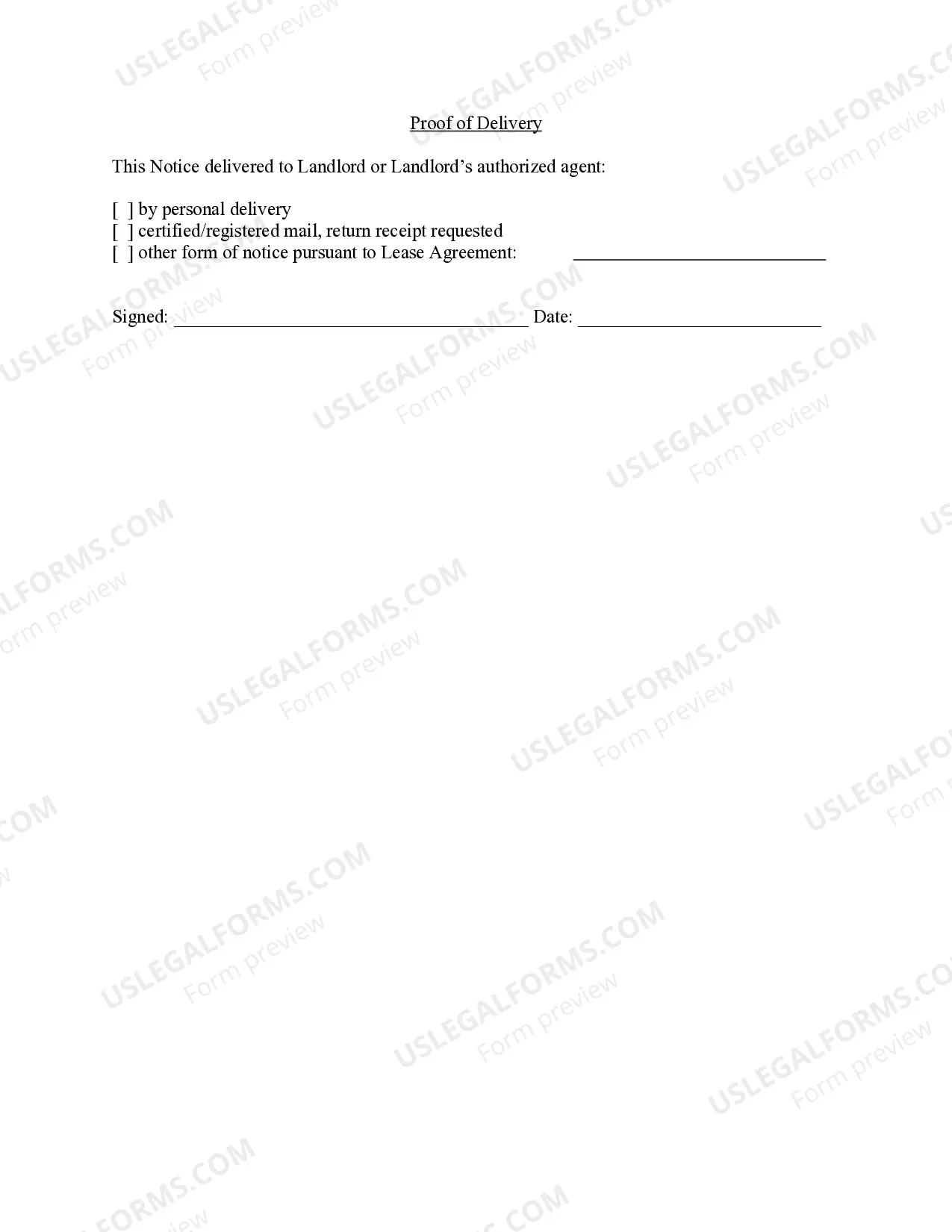
- Proof of delivery section to ensure the landlord receives the notice.


When to use this document
You should use this form if you receive a threat of eviction from your landlord that you believe is retaliatory. Common scenarios include instances where a tenant has filed complaints regarding safety, repairs, or has participated in tenant organizing activities. This form provides documented notice to the landlord that their actions may be unlawful, ensuring that you protect your rights as a tenant.
Who needs this form
- Tenants facing eviction threats they believe to be retaliatory.
- Individuals who have reported unhealthy or unsafe living conditions to authorities.
- Those who have participated in tenant organizations or associations.
- Tenants who have formally requested repairs that were ignored by the landlord.
Steps to complete this form
- Identify and enter your name and address at the top of the form.
- Provide the date of the notice.
- Fill in the landlord's name and address.
- Clearly state the landlord's threats and your previous actions that may have led to the retaliation.
- Sign and date the form in the designated space.
- Deliver the notice to the landlord or authorized agent, ensuring you keep proof of delivery.
Does this form need to be notarized?
Notarization is not commonly needed for this form. However, certain documents or local rules may make it necessary. Our notarization service, powered by Notarize, allows you to finalize it securely online anytime, day or night.
Get your form ready online
Our built-in tools help you complete, sign, share, and store your documents in one place.
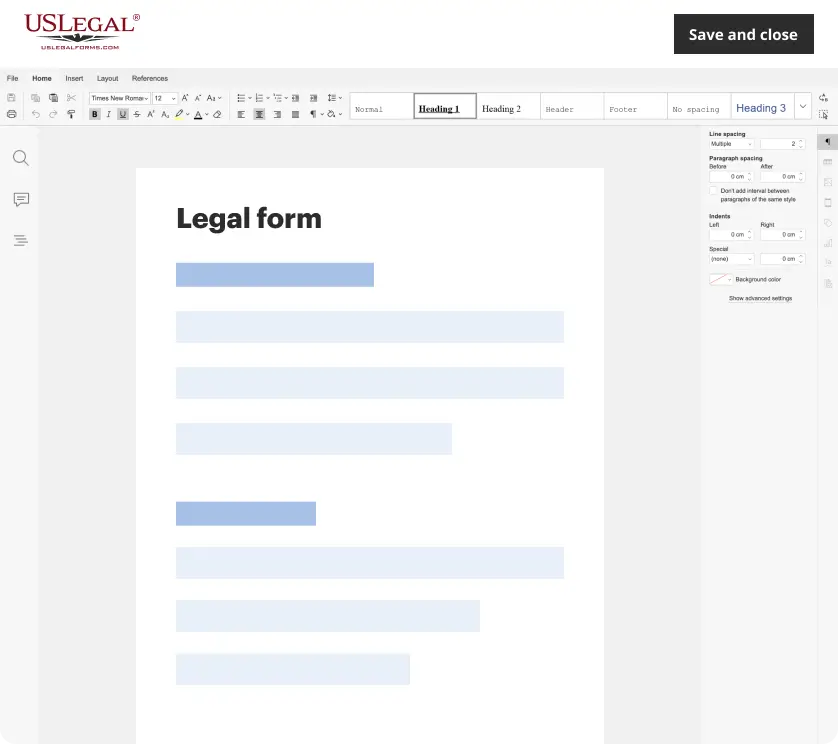
Make edits, fill in missing information, and update formatting in US Legal Forms—just like you would in MS Word.
Download a copy, print it, send it by email, or mail it via USPS—whatever works best for your next step.
Sign and collect signatures with our SignNow integration. Send to multiple recipients, set reminders, and more. Go Premium to unlock E-Sign.
If this form requires notarization, complete it online through a secure video call—no need to meet a notary in person or wait for an appointment.
We protect your documents and personal data by following strict security and privacy standards.
Make edits, fill in missing information, and update formatting in US Legal Forms—just like you would in MS Word.
Download a copy, print it, send it by email, or mail it via USPS—whatever works best for your next step.
Sign and collect signatures with our SignNow integration. Send to multiple recipients, set reminders, and more. Go Premium to unlock E-Sign.
If this form requires notarization, complete it online through a secure video call—no need to meet a notary in person or wait for an appointment.
We protect your documents and personal data by following strict security and privacy standards.
Avoid these common issues
- Failing to provide a clear explanation of the retaliatory threats.
- Not including proof of delivery with the notice.
- Omitting personal information or the date.
- Using unclear language that could confuse the landlord regarding your intentions.
Benefits of using this form online
- Convenient access to a professionally drafted legal form.
- Immediate download provides quicker resolution to potential disputes.
- Editable templates allow you to customize the content to fit your specific situation.
- Accessibility to legal support resources and guidance through the process.
Looking for another form?

Form popularity
FAQ
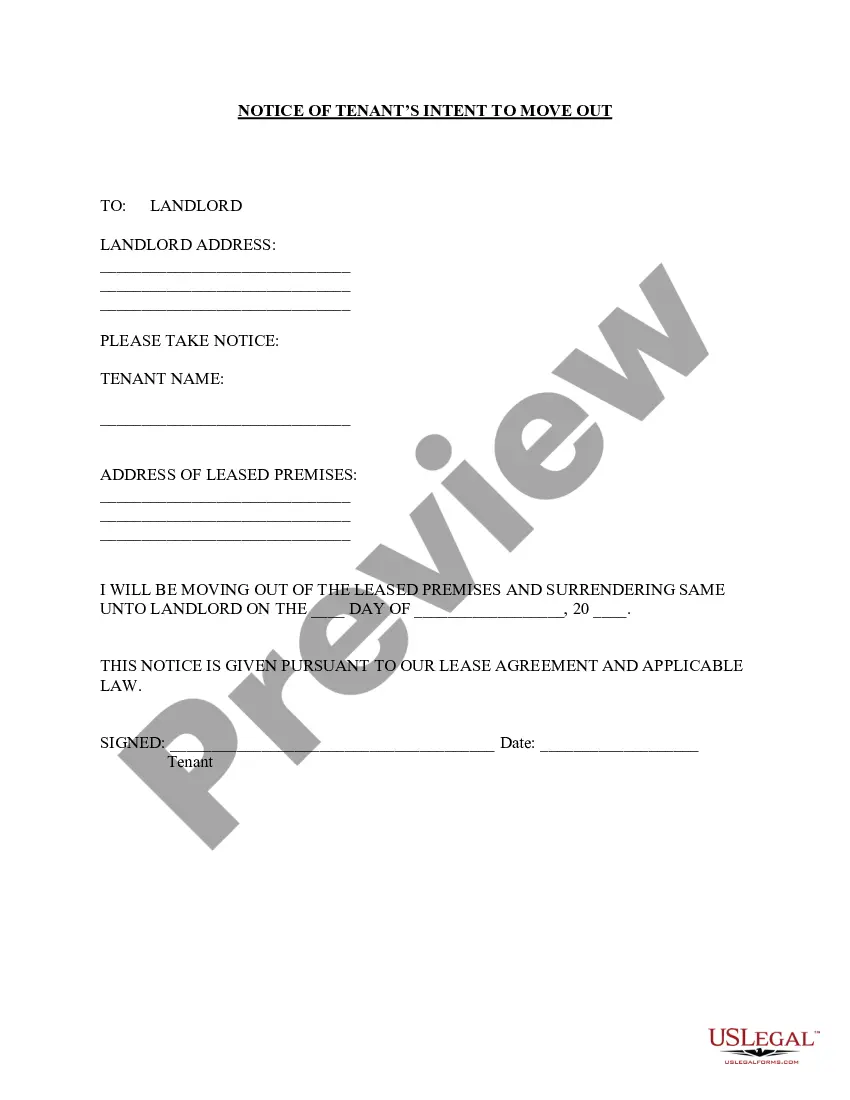
Dear (Name of landlord or manager), This letter constitutes my written (number of days' notice that you need to give based on your lease agreement)-day notice that I will be moving out of my apartment on (date), the end of my current lease. I am leaving because (new job, rent increase, etc.)
You can send your letter by email if your tenancy agreement says you can. You should say something like: I am giving 1 month's notice to end my tenancy, as required by law. I will be leaving the property on (date xxxxx).
Your name, and the landlord's name and address. The date you're writing the letter. Informing the landlord you're breaking your lease early. The reason why you're breaking your lease. The building and apartment you're vacating. The date by which you're vacating.
In some circumstances, a tenant can break a fixed-term agreement early without penalty. A tenant can give 14 days' written notice to end an agreement early without penalty if: they have accepted an offer of social housing (e.g. from DCJ Housing)
There is no direct way to stop a landlord from serving an eviction notice. Although, there are indirect ways. One is through a public authority or agency. By filing a complaint with the local housing authority, a tenant may be able to stop eviction.
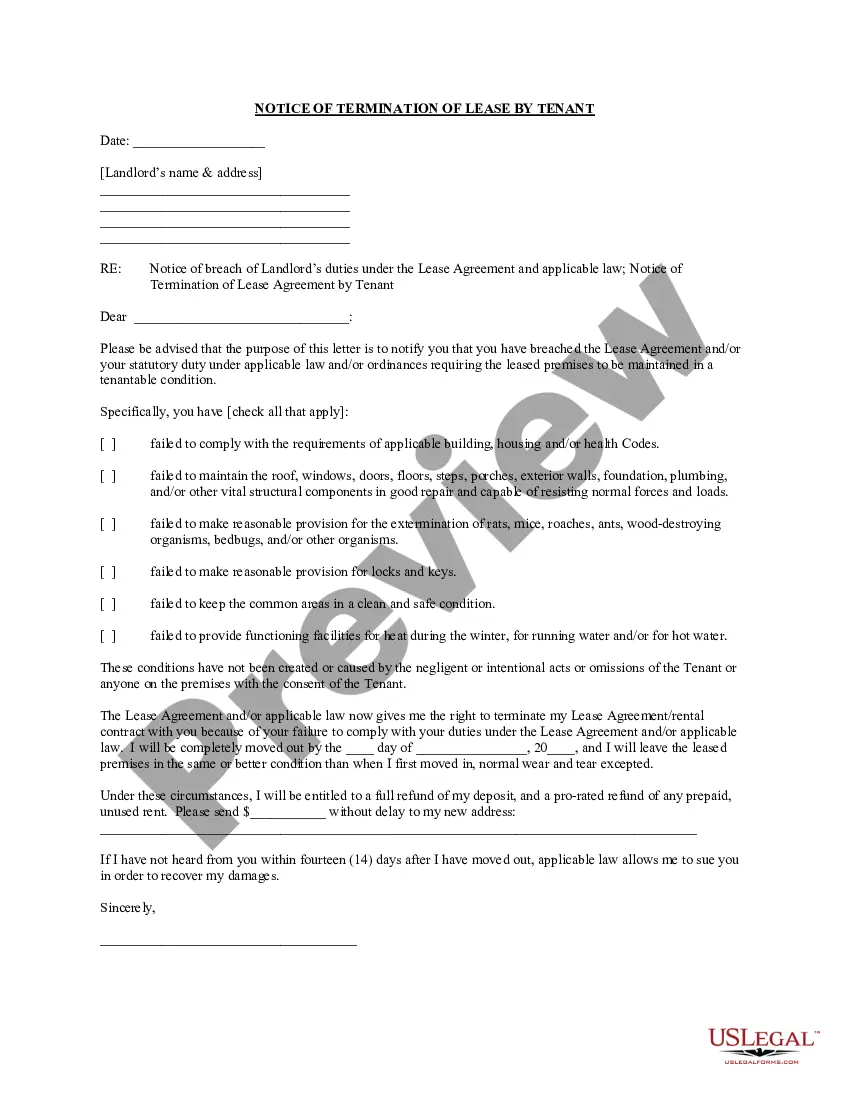
When writing to your landlord, be specific in describing the problems you are having. Do not exaggerate or under-emphasize the extent of the problem. The landlord may show this letter to a judge if your problem is ever litigated.
Write your name, job title and date. State that the document is a letter of resignation. Include your last day of employment. Show your appreciation for the position. Explain any open projects or next steps. Print and sign the document.
Pay any delinquent rent that is due to the landlord within the allotted time of the notice. Move out of the premises within the allotted time of the notice. File an answer with the judicial court. File a motion to stay with the court.
Your name and address. Your Landlord's name and address. The date your notice period ends. A forwarding address. A request for tenancy documentation such as the tenancy agreement or deposit details. A reason for a request to terminate the tenancy early (if applicable)