Ohio Quitclaim Deed - Individual to Trust
What this document covers
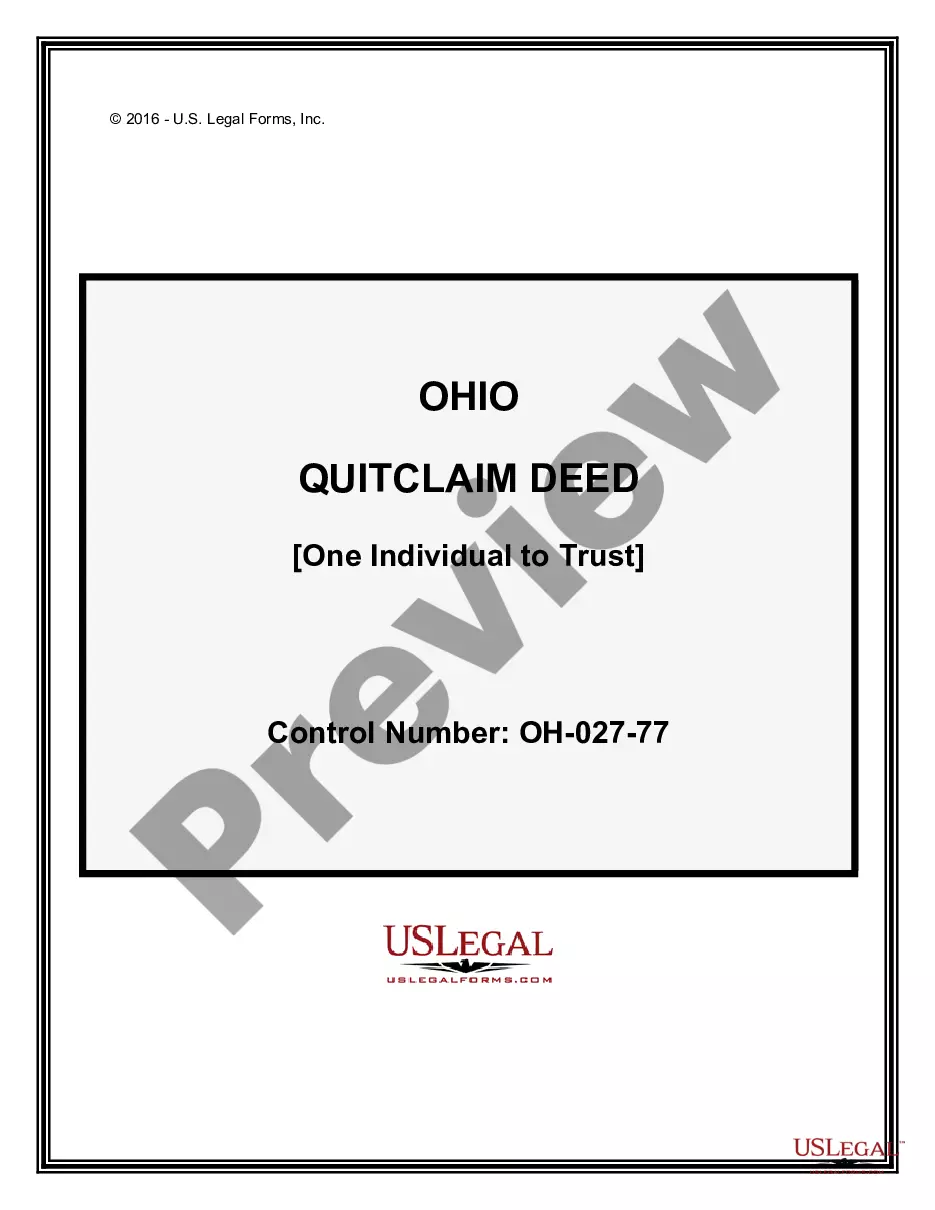
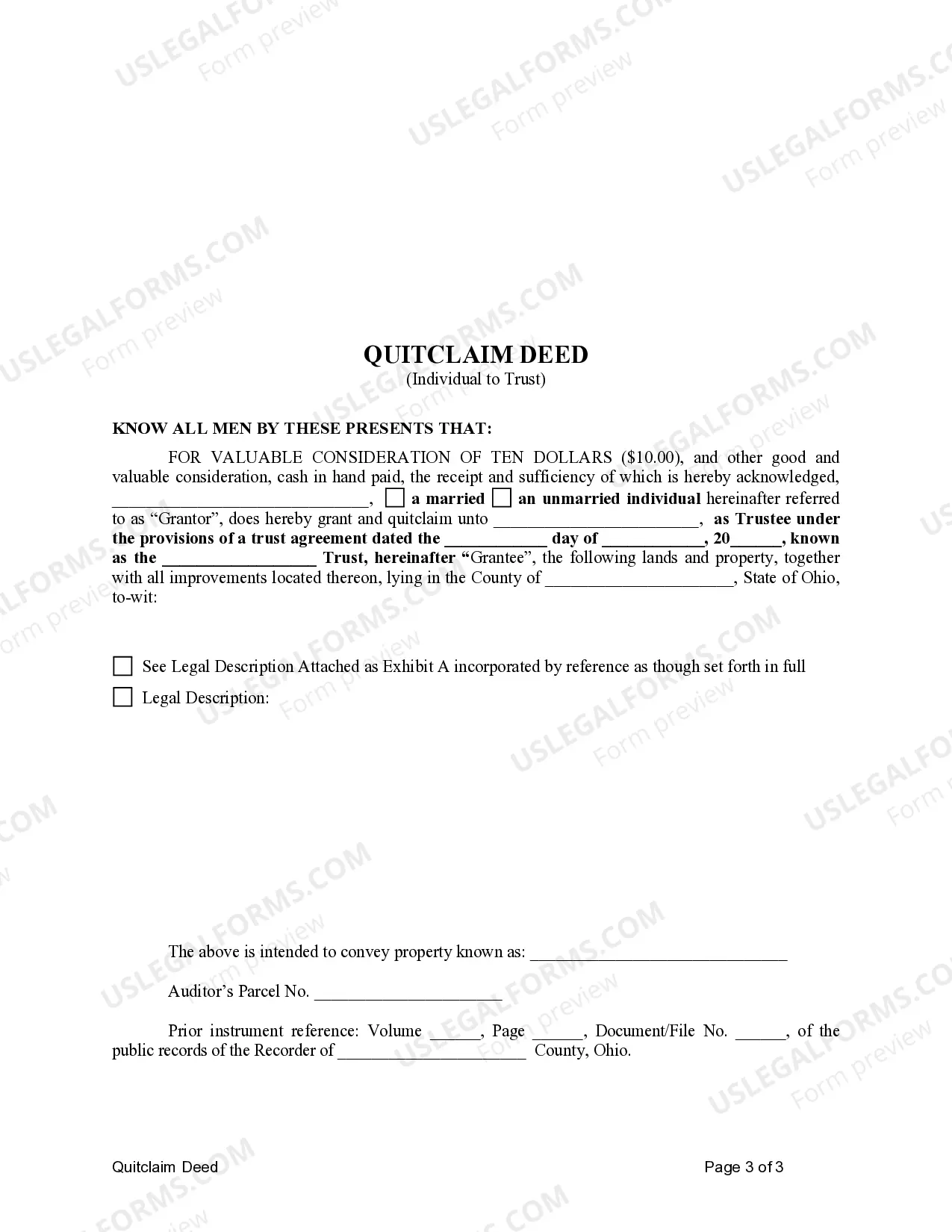
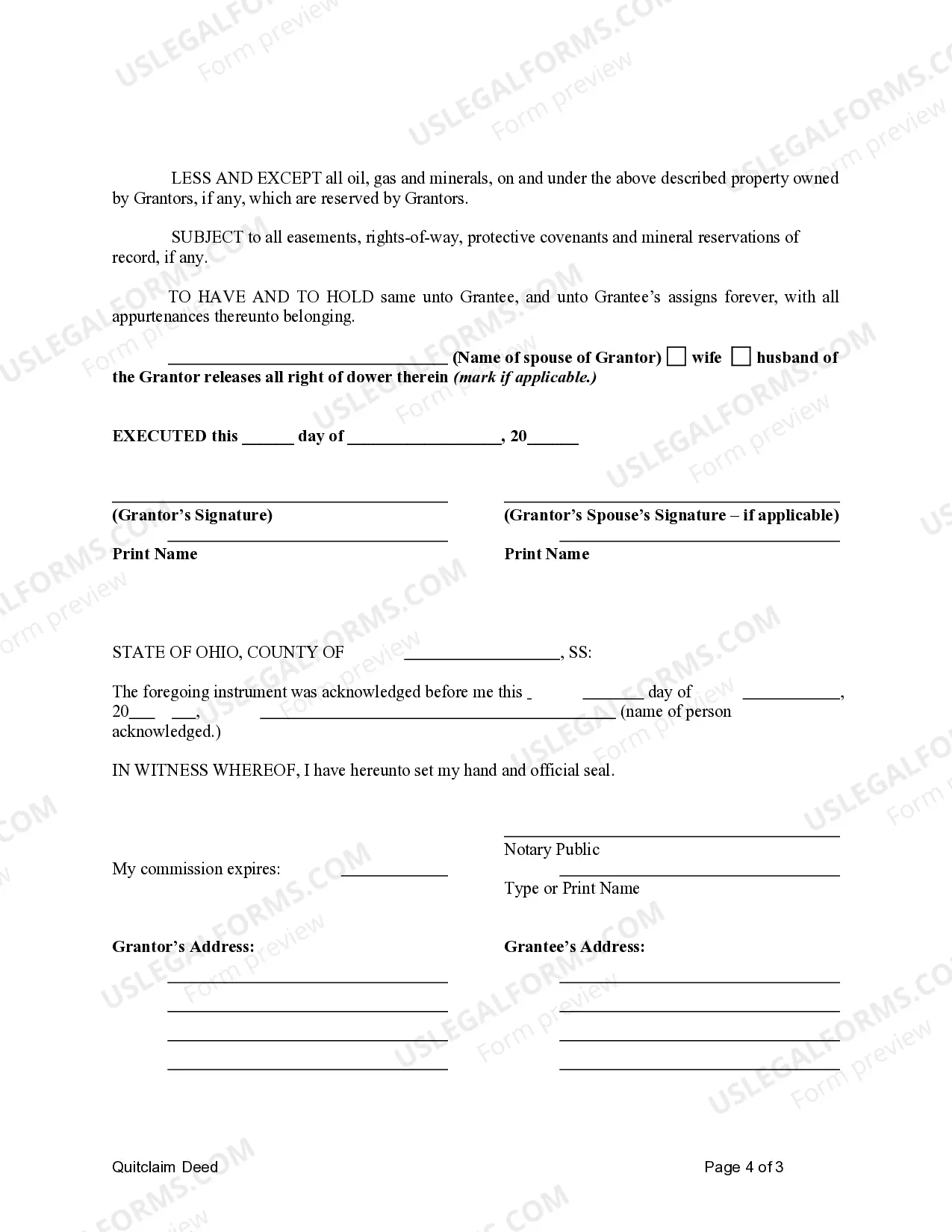
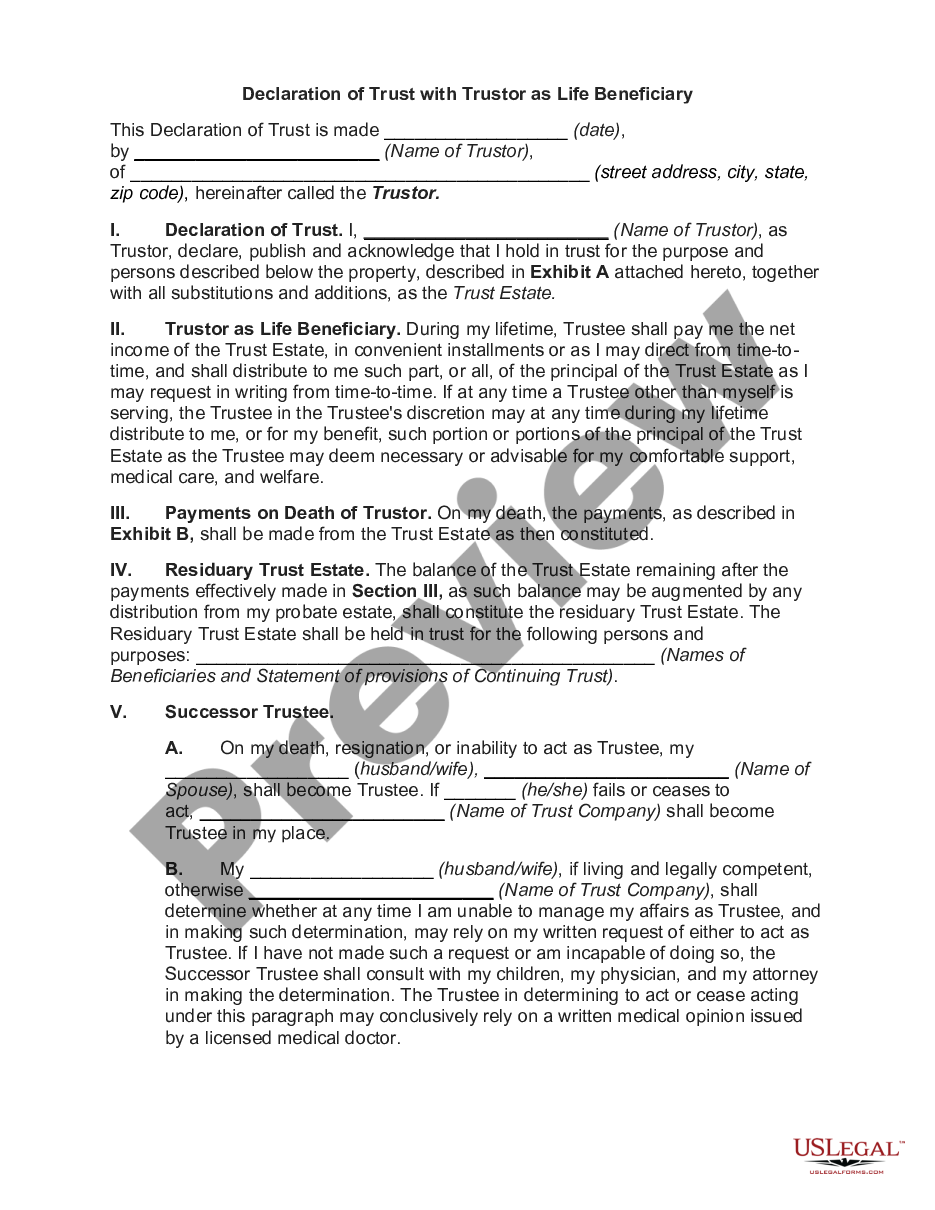
The Quitclaim Deed - Individual to Trust is a legal document used to transfer property ownership from an individual, known as the grantor, to a trust, the grantee. Unlike other types of deeds, a quitclaim deed offers no guarantees regarding the ownership of the propertyâonly that the grantor relinquishes any interest they may have. This form is essential for transferring assets into a trust, which can aid in estate planning and asset management.
Key components of this form
- Grantor's name and signature: The individual transferring the property.
- Grantee's name: The trust receiving the property.
- Description of the property: A clear legal description of the property being transferred.
- Consideration: The amount paid for the property transfer, which may be nominal.
- Notarization section: Space for a notary public to verify the identities of the parties involved.






Situations where this form applies
This quitclaim deed is typically used when an individual wants to transfer real estate into a trust, often for estate planning purposes. It is particularly useful when the grantor wishes to remove the property from their personal ownership to avoid probate or manage the asset better as part of a trust structure.
Who can use this document
- Individuals looking to transfer property into a trust for estate planning.
- Grantors who want to simplify property ownership and prevent probate for their heirs.
- Trustees who need to accept property into a trust on behalf of the trust beneficiaries.
- Anyone managing family property that requires clear legal documentation.
Steps to complete this form
- Identify the parties: Enter the full legal names of the grantor and the grantee (the trust).
- Specify the property: Provide a detailed legal description of the property being transferred.
- Enter consideration: Fill in the amount of money or value exchanged for the transfer, if applicable.
- Sign the document: The grantor must sign the deed in the presence of a notary public.
- Submit for recording: File the completed quitclaim deed with the appropriate county office to make it legally binding.
Is notarization required?
Yes, this form must be notarized to be legally valid. U.S. Legal Forms provides integrated online notarization, available 24/7 via secure video call, ensuring all parties can authenticate the document without the need for travel.
Get your form ready online
Our built-in tools help you complete, sign, share, and store your documents in one place.
Make edits, fill in missing information, and update formatting in US Legal Forms—just like you would in MS Word.
Download a copy, print it, send it by email, or mail it via USPS—whatever works best for your next step.
Sign and collect signatures with our SignNow integration. Send to multiple recipients, set reminders, and more. Go Premium to unlock E-Sign.
If this form requires notarization, complete it online through a secure video call—no need to meet a notary in person or wait for an appointment.
We protect your documents and personal data by following strict security and privacy standards.

Make edits, fill in missing information, and update formatting in US Legal Forms—just like you would in MS Word.

Download a copy, print it, send it by email, or mail it via USPS—whatever works best for your next step.

Sign and collect signatures with our SignNow integration. Send to multiple recipients, set reminders, and more. Go Premium to unlock E-Sign.

If this form requires notarization, complete it online through a secure video call—no need to meet a notary in person or wait for an appointment.

We protect your documents and personal data by following strict security and privacy standards.
Typical mistakes to avoid
- Failing to provide a complete legal description of the property.
- Not having the deed notarized, which could render it invalid.
- Not recording the quitclaim deed with the proper local authority.
- Using outdated or incorrect forms that do not comply with state laws.
Advantages of online completion
- Convenience: Access and complete the form anytime from your computer.
- Editability: Easily fill out and revise the form as needed.
- Compliance: Ensure your form aligns with state requirements, reducing the risk of errors.
- Simplified process: Streamlined access to legal documentation without the need for in-person visits.
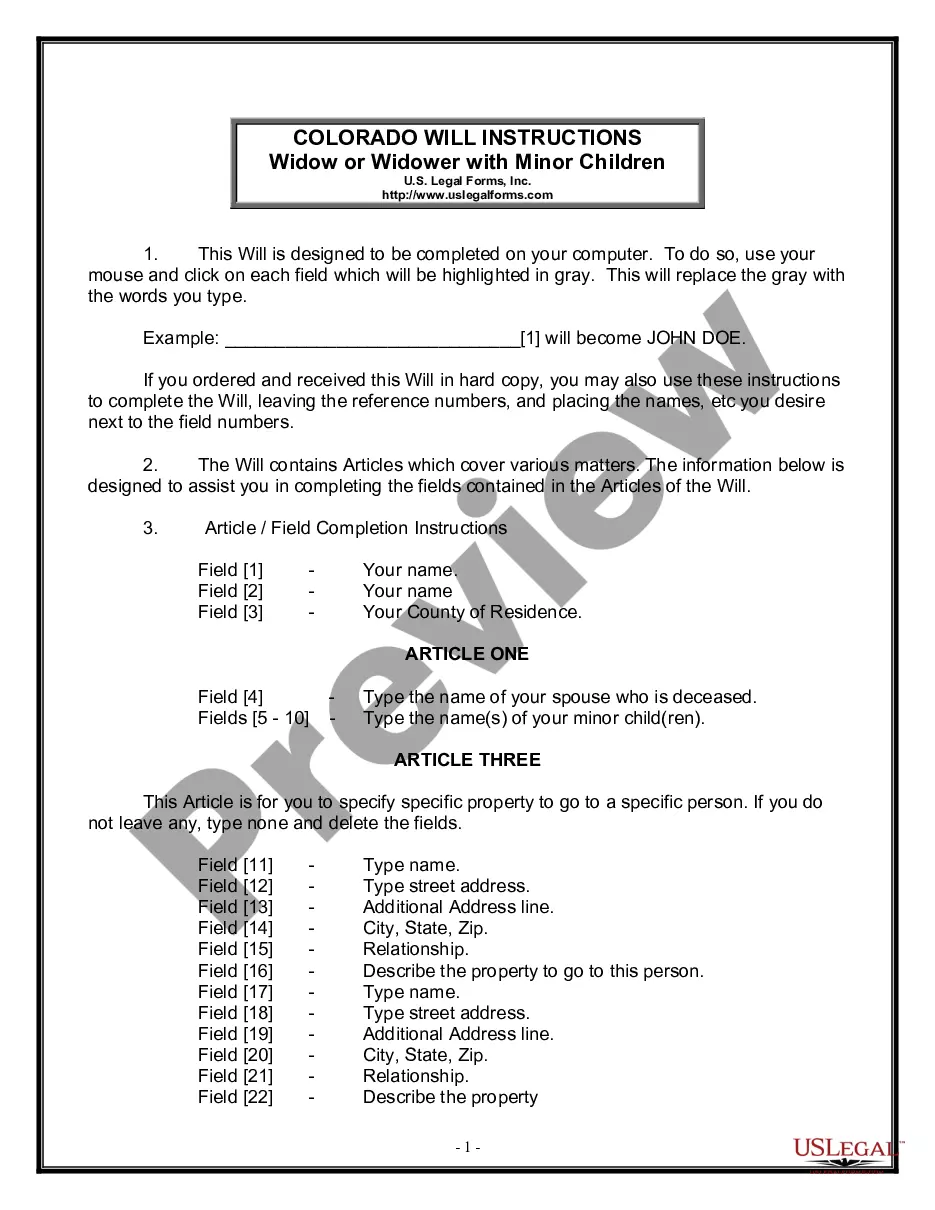
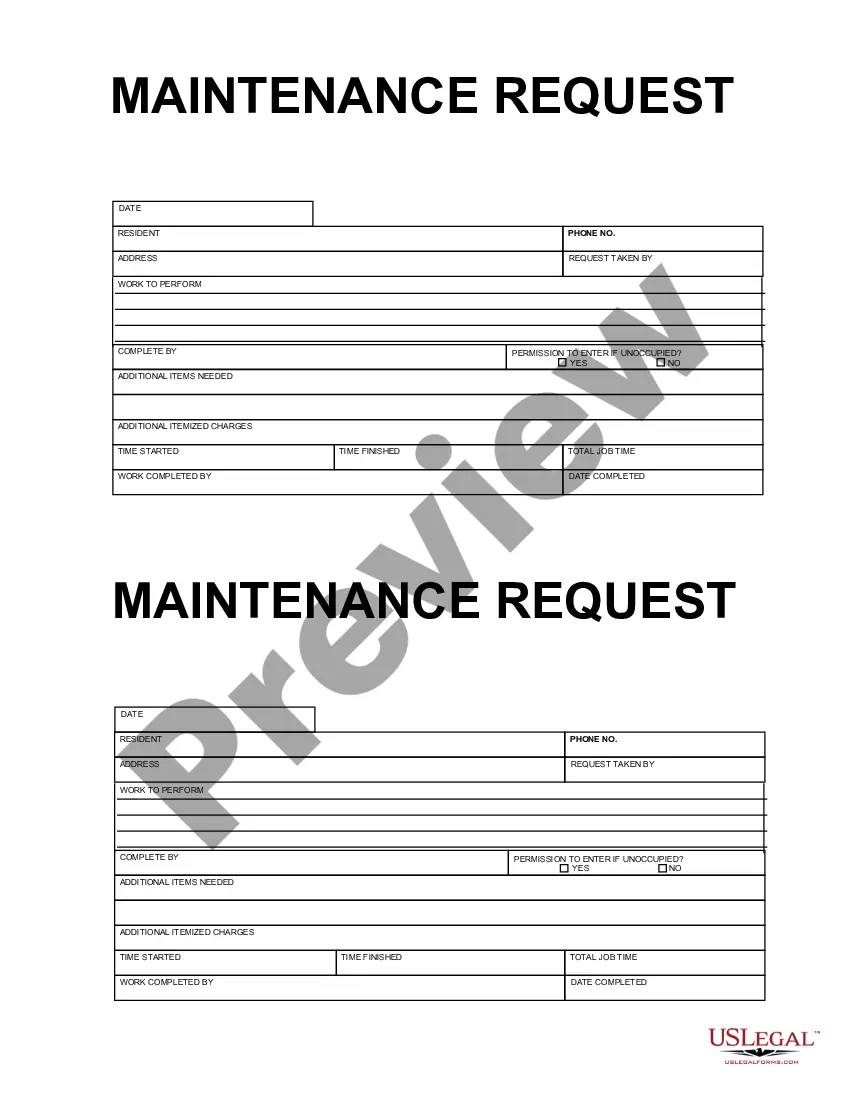
Looking for another form?

Form popularity
FAQ
The drawback, quite simply, is that quitclaim deeds offer the grantee/recipient no protection or guarantees whatsoever about the property or their ownership of it. Maybe the grantor did not own the property at all, or maybe they only had partial ownership.
It's usually a very straightforward transaction, but it's possible for a quitclaim deed to be challenged. If a quitclaim deed is challenged in court, the issue becomes whether the property was legally transferred and if the grantor had the legal right to transfer the property.
If the quitclaim deed requires the signature of all co-owners, the deed is invalid unless all co-owners have signed it and the deed is then delivered to the grantee.If one individual owns real estate and desires to add a co-owner such as a spouse, a quitclaim deed might be used.
Locate your current deed. Use the proper deed. Check with your title insurance company and lender. Prepare a new deed. Sign in the presence of a notary. Record the deed in the county clerk's office. Locate the deed that's in trust. Use the proper deed.
Fill out the quit claim deed form, which can be obtained online, or write your own using the form as a guide. The person giving up the interest in the property is the grantor, and the person receiving the interest is the grantee.
In Ohio, you need to have the quitclaim deed signed by both parties and notarized by a notary public. Step 6: File the deed at the Recorder's Office. The deed must be filed at the Recorder's Office in the county where the property is located to finalize the transfer.
But you might be wondering if an owner can transfer a deed to another person without a real estate lawyer. The answer is yes. Parties to a transaction are always free to prepare their own deeds.A quitclaim deed, for example, is far simpler than a warranty deed.
Yes, a quit claim deed supercedes the trust. The only thing that can be done is to file a suit in court challenging the deed as the product of fraud and undue influence. A court action like that will cost thousands of dollars, but might be worth it if the house was owned free and clear.
No. And unless the deed identifies the trust as an owner, then father is the owner of an interest. It is a common mistake to set up a trust and then fail to deed property into the trust. However, you cannot force him to make the changes you are...