Ohio Revocation of Premarital or Prenuptial Agreement
Overview of this form
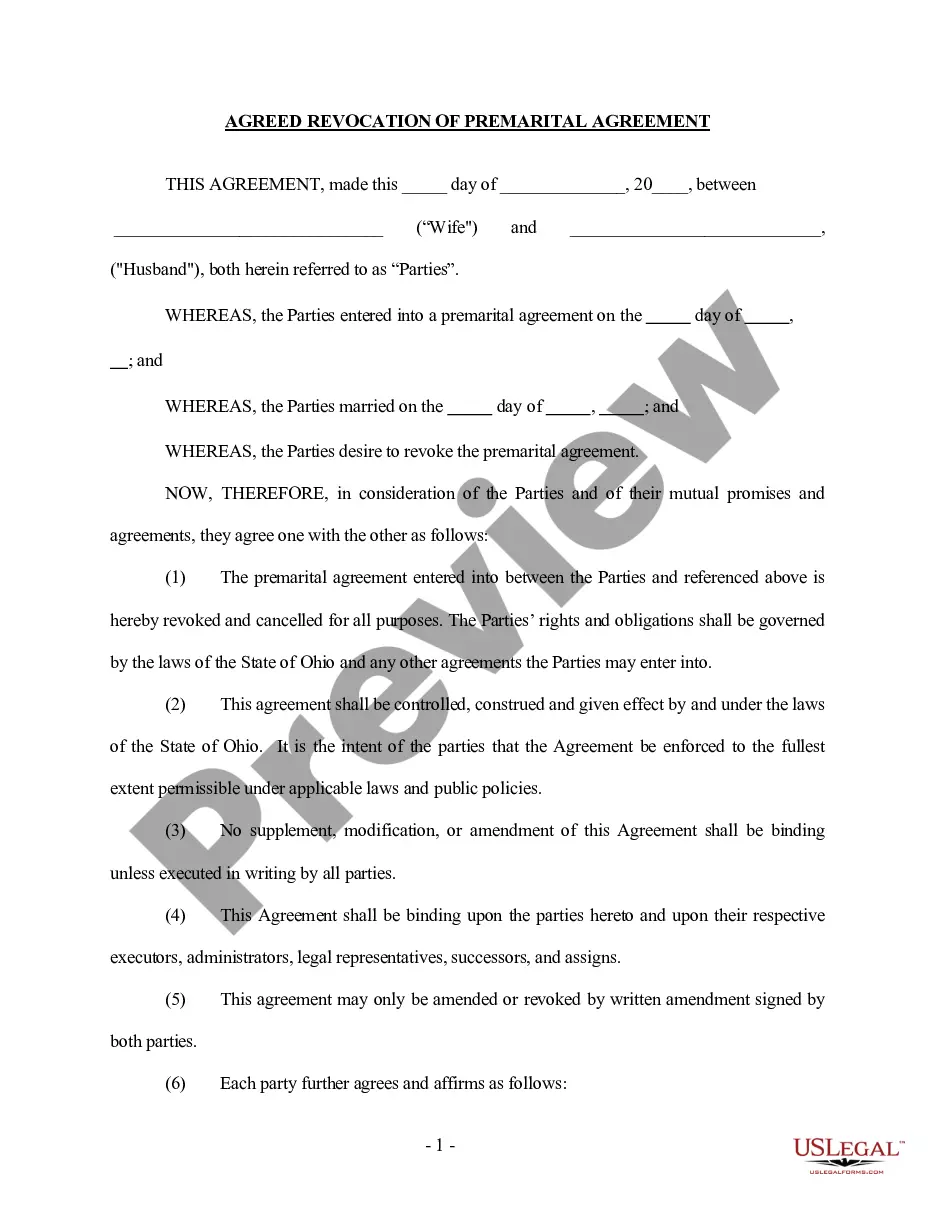
The Revocation of Premarital or Prenuptial Agreement is a legal document used by spouses to cancel an existing premarital agreement. This form helps clarify that the previous agreement is no longer in effect, allowing the parties to redefine their rights and obligations without prior constraints. Unlike typical agreements, this form specifically serves to revoke rather than establish terms, making it essential for couples who have decided to move forward without their prenuptial terms in place.
Main sections of this form
- Date of the agreement: Identifies when the revocation is executed.
- Parties involved: Names of the wife and husband revoking the premarital agreement.
- Revocation clause: Clearly states that the previous premarital agreement is cancelled for all purposes.
- Governing law: Specifies that the laws of the State of Ohio will apply.
- Amendment clause: Details how the agreement can be modified or revoked in the future.
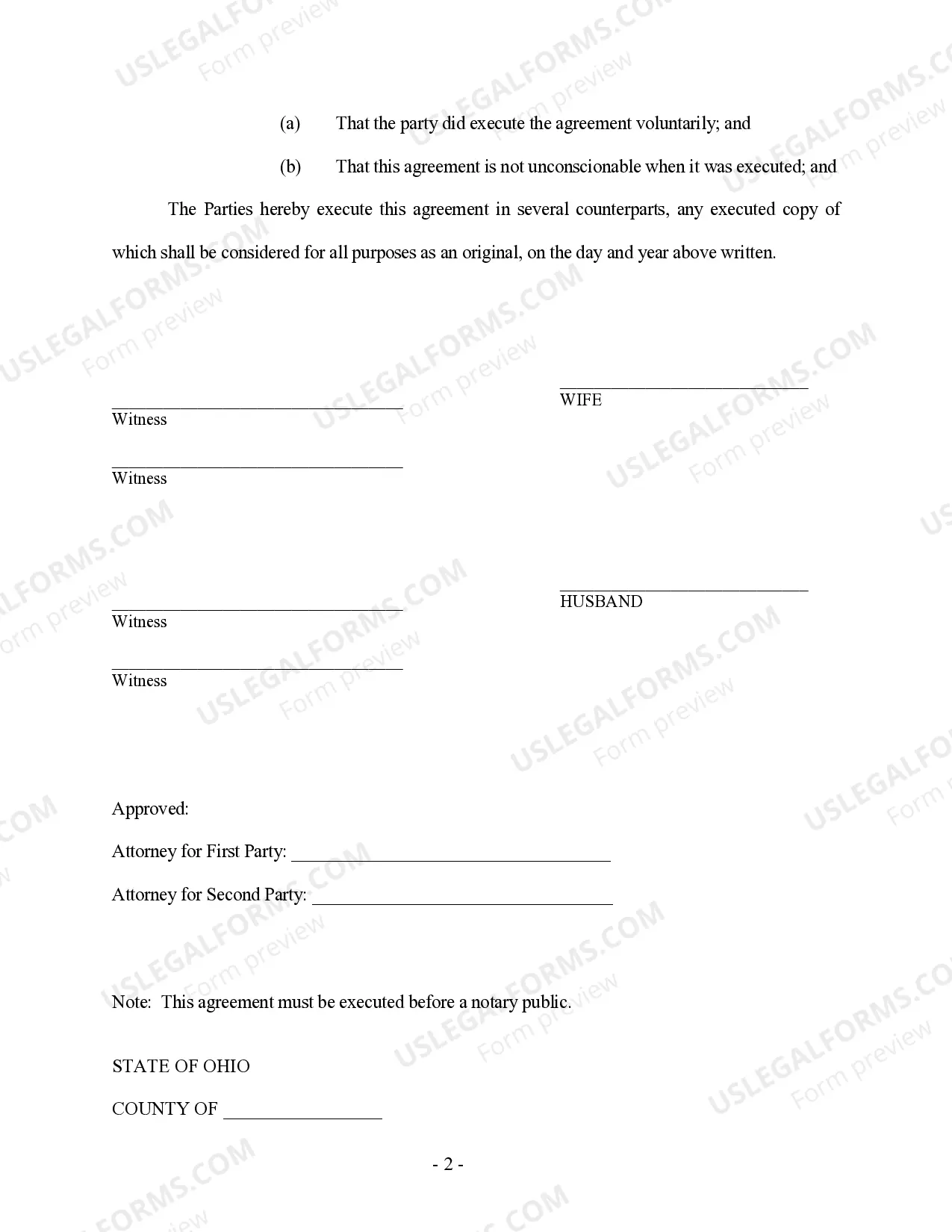
- Execution provisions: Requires signatures from both parties and witnesses, along with a notary public.
When to use this document
This form is appropriate in various situations, such as when a couple decides to reconcile after considering divorce or significantly alters their financial situation. It is also useful when spouses wish to negate old agreements in favor of updated arrangements or a more informal arrangement moving forward. If both parties agree that their prior prenuptial agreement no longer serves their needs, this form provides a legal mechanism to formally revoke it.
Intended users of this form
- Married couples who have signed a premarital or prenuptial agreement and wish to revoke it.
- Individuals entering into a more informal arrangement without the constraints of their previous agreement.
- Couples planning to modify or negotiate financial and support terms in a new agreement.
How to prepare this document
- Identify the parties involved by clearly entering the names of the wife and husband.
- Specify the date when the revocation is being executed.
- Sign the form to confirm that both parties agree to revoke the original premarital agreement.
- Have the document witnessed by individuals who can attest to your signing of the agreement.
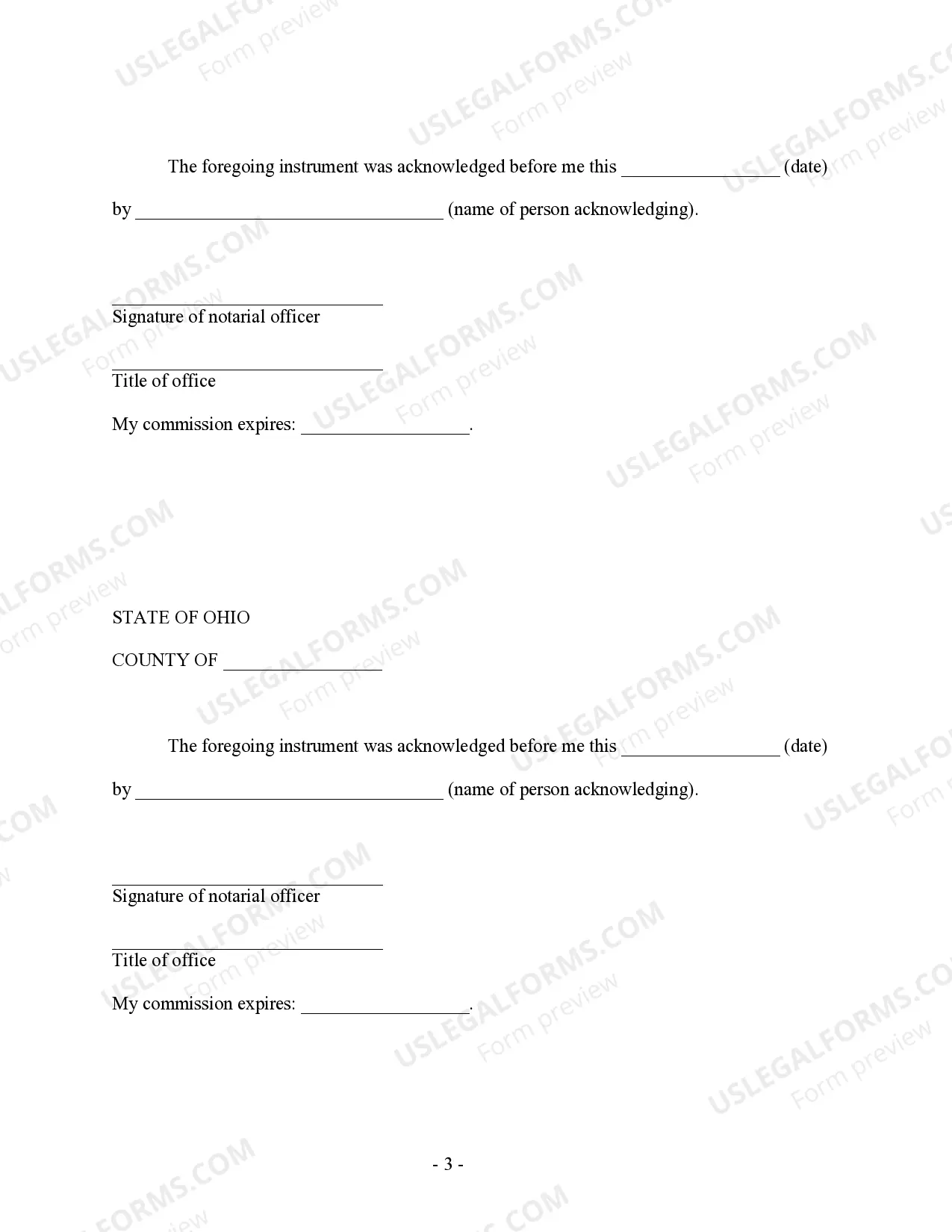
- Ensure the agreement is notarized by a notary public to meet legal requirements.
Does this document require notarization?
This form needs to be notarized to ensure legal validity. US Legal Forms provides secure online notarization powered by Notarize, allowing you to complete the process through a verified video call, available anytime.
Get your form ready online
Our built-in tools help you complete, sign, share, and store your documents in one place.
Make edits, fill in missing information, and update formatting in US Legal Forms—just like you would in MS Word.
Download a copy, print it, send it by email, or mail it via USPS—whatever works best for your next step.
Sign and collect signatures with our SignNow integration. Send to multiple recipients, set reminders, and more. Go Premium to unlock E-Sign.
If this form requires notarization, complete it online through a secure video call—no need to meet a notary in person or wait for an appointment.
We protect your documents and personal data by following strict security and privacy standards.

Make edits, fill in missing information, and update formatting in US Legal Forms—just like you would in MS Word.

Download a copy, print it, send it by email, or mail it via USPS—whatever works best for your next step.

Sign and collect signatures with our SignNow integration. Send to multiple recipients, set reminders, and more. Go Premium to unlock E-Sign.

If this form requires notarization, complete it online through a secure video call—no need to meet a notary in person or wait for an appointment.

We protect your documents and personal data by following strict security and privacy standards.
Common mistakes to avoid
- Not having the form notarized, which may invalidate the revocation.
- Failing to date the agreement correctly, leading to potential disputes.
- Inadequate witness signatures, which may lead to the agreement being deemed unenforceable.
Benefits of using this form online
- Convenience of completing the form from home, saving time and effort.
- Editable templates that allow customization to individual needs.
- Access to legally vetted forms drafted by licensed attorneys, enhancing reliability.
Legal use & context
- This revocation form is legally recognized and enforceable in Ohio.
- It serves to formally cancel previous agreements, eliminating any legal obligations detailed within them.
What to keep in mind
- The Revocation of Premarital or Prenuptial Agreement cancels prior agreements.
- This form must be notarized for legal validity.
- Both parties must sign and witness the document.
Looking for another form?

Form popularity
FAQ
The three most common grounds for nullifying a prenup are unconscionability, failure to disclose, or duress and coercion.Duress and coercion can also invalidate a prenup. If the prenup was signed the day before your wedding, it may appear that the parties didn't have much time to fully review the agreement.
#1) One spouse signed the prenup under duress. #2) The prenup is too one-sided. #3) The prenup is full of unenforceable clauses. #4) One or both parties committed fraud. #5) One or both parties did not have a lawyer at the time of signing.
Prenuptial agreements are generally one-sided, but are dressed up to pretend that there is consideration for the contract on both sides.
The three most common grounds for nullifying a prenup are unconscionability, failure to disclose, or duress and coercion. Unconscionability may be present if the agreement is patently unfair to one party.
The agreement was signed under fraud or duress; The agreement is unconscionable; The circumstances of the parties have changed, making the agreement unenforceable at this time.
These documents need to be revised, refreshed, updated and reaffirmed through a post-nuptial agreement on a regular basis. This is advised every five years, but at the very least, couples should re-affirm their agreements every 10 years. Failing to do so could cause a prenup to appear stale and outdated to the court.
A prenup can also be overturned if one or both parties change their mind after initially signing the agreement. They may decide at that time to sign a new agreement suspending the prenup.
Prenuptial agreements help couples determine what will happen to the parties' assets in the event of a divorce or a spouse's death. The law states that couples cannot revoke prenuptial agreements unless both parties agree to it.
No, you cannot get a prenup if you are already married.You can still sign a postnuptial agreement (or postnup), which achieves the same goals as a prenup in most cases. Prenups are a common step before marriage. Texas community property rules are the reason why prenups are common in Texas.