New York Letters of Recommendation Package
Overview of this form package
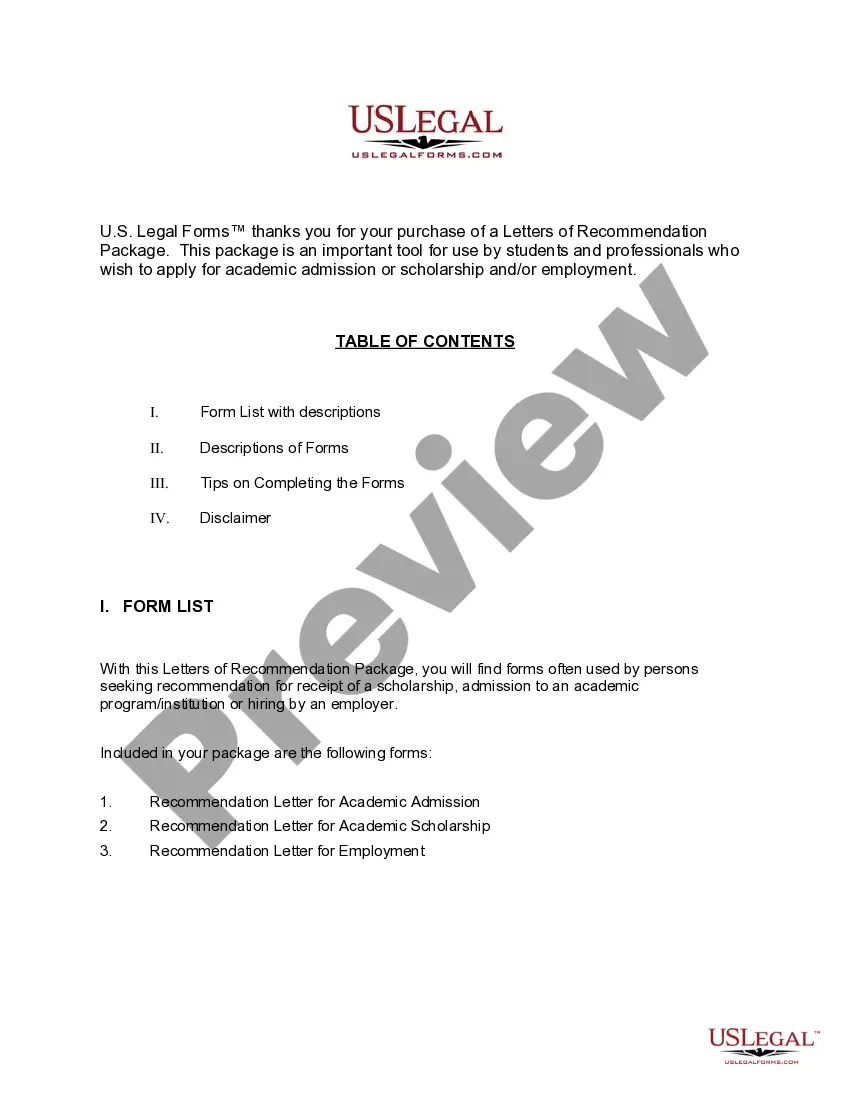
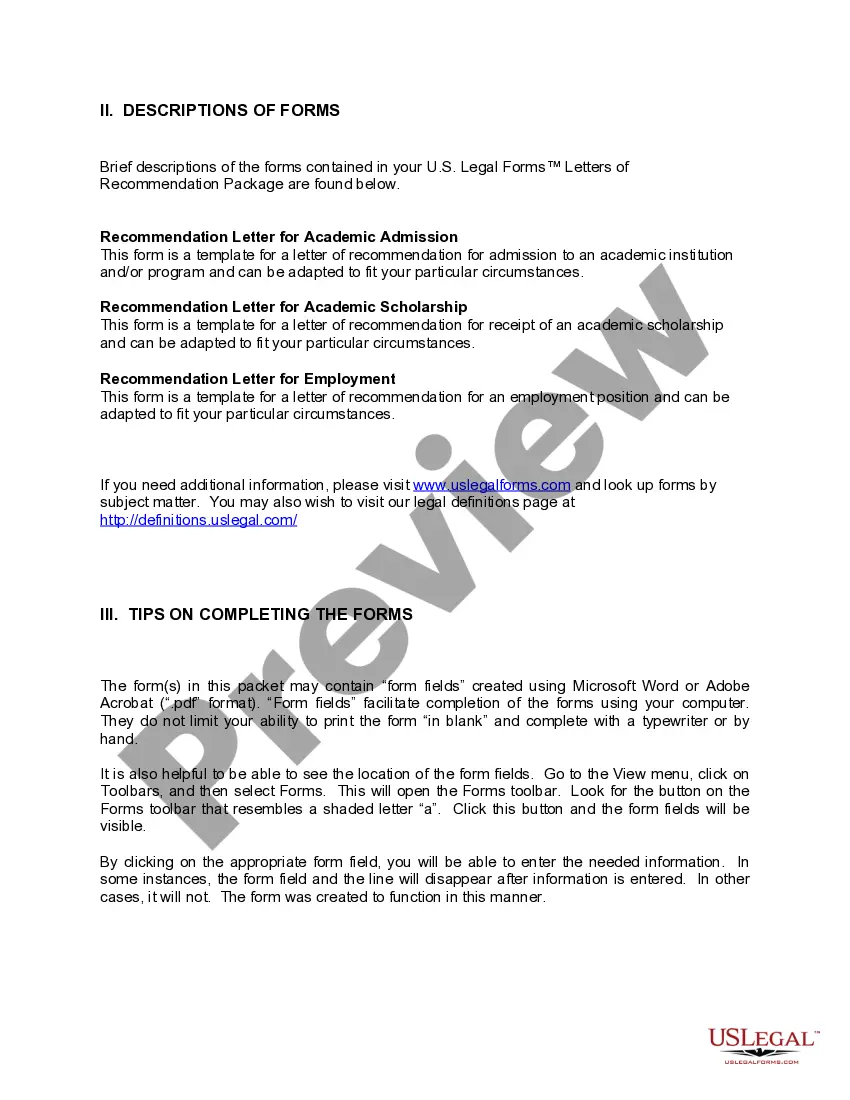
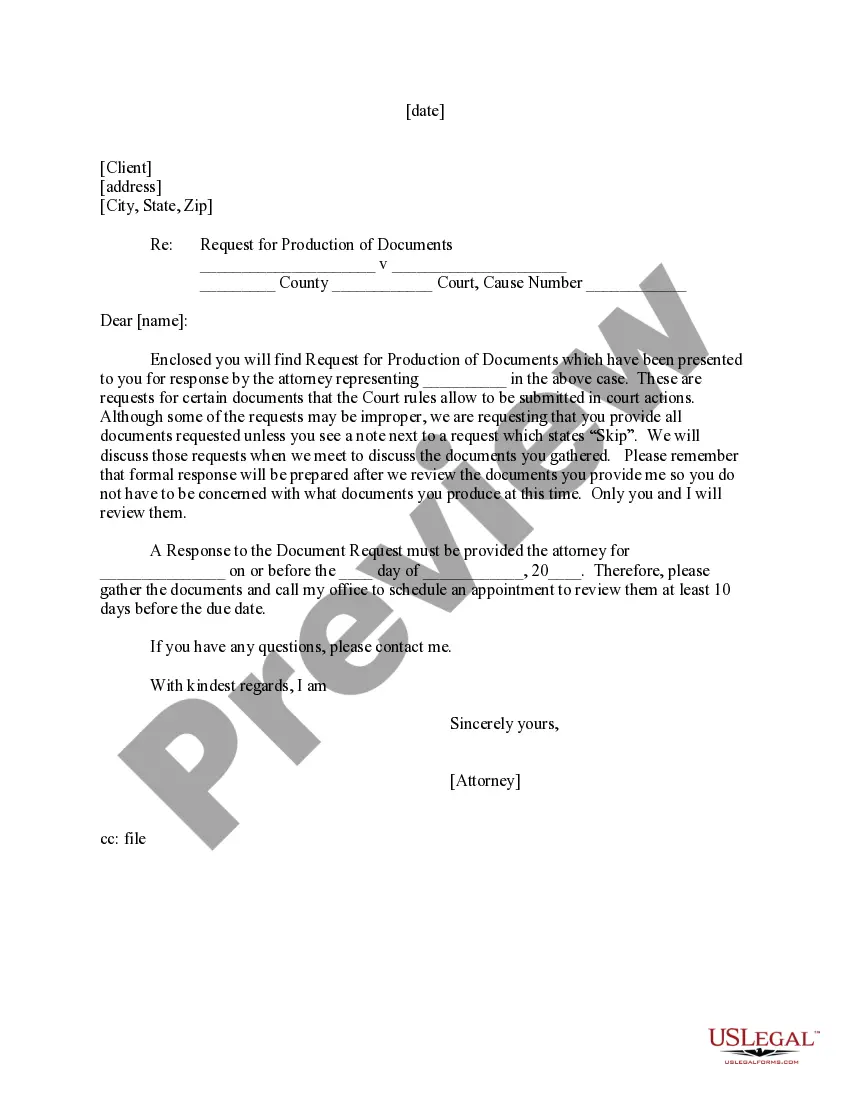
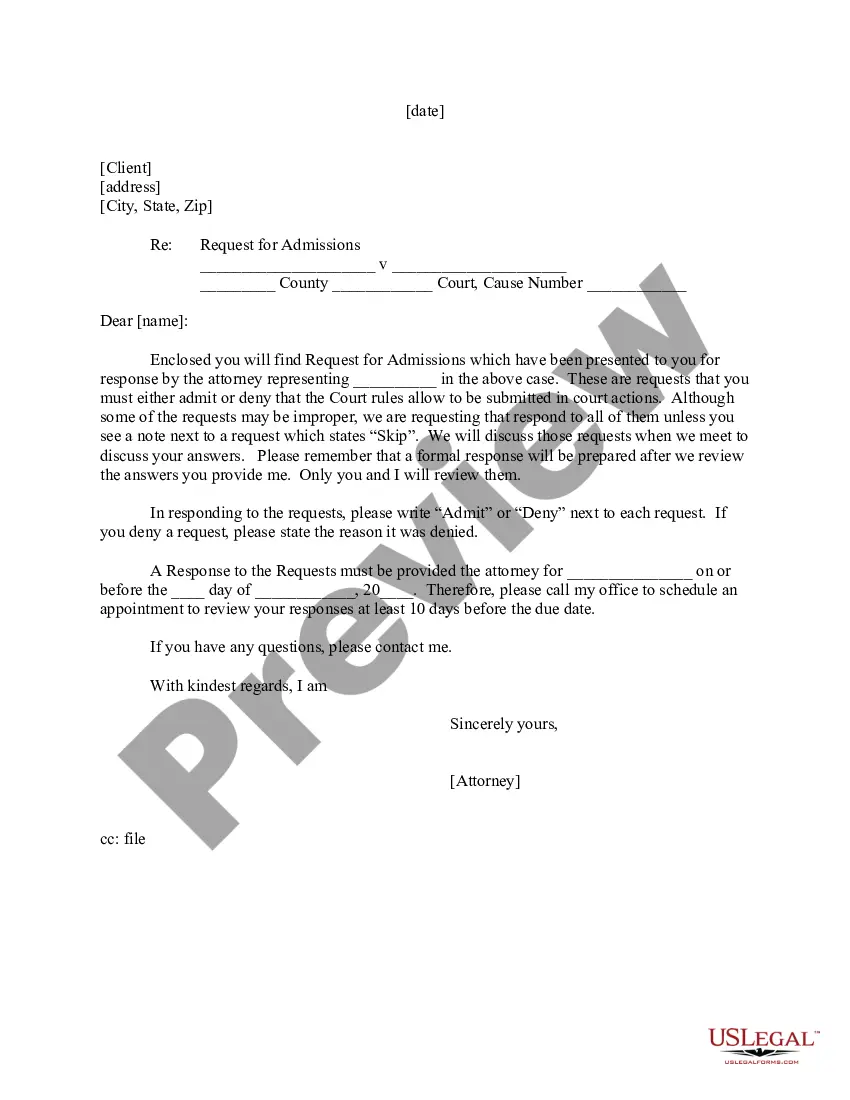
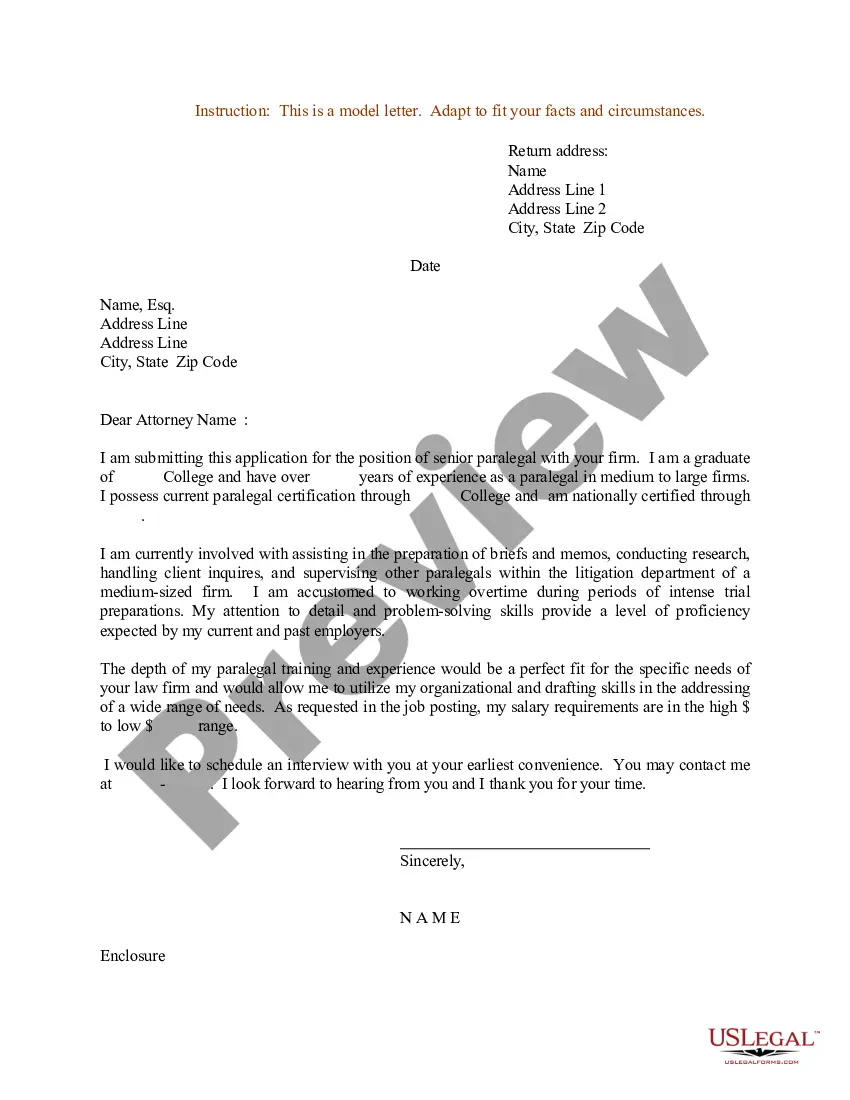
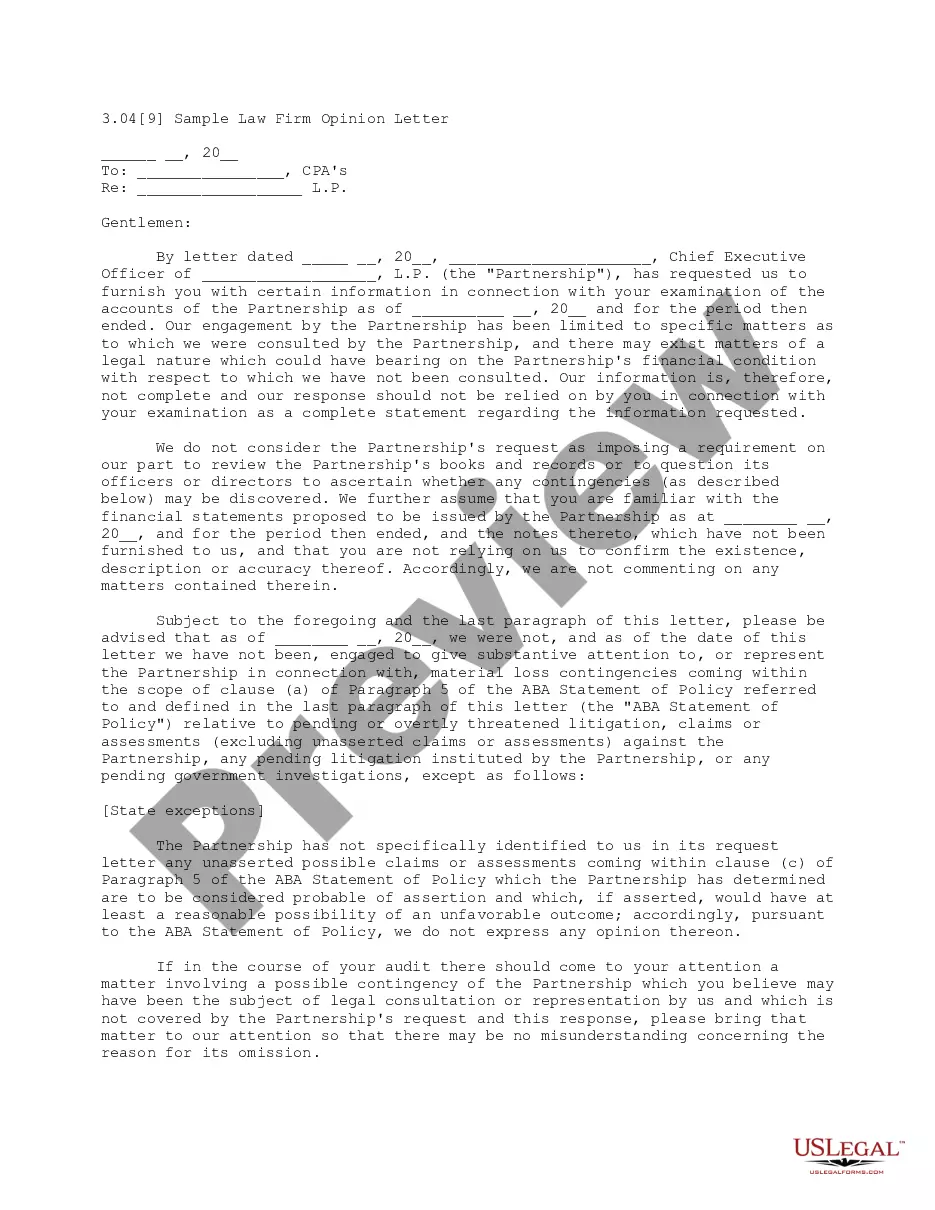
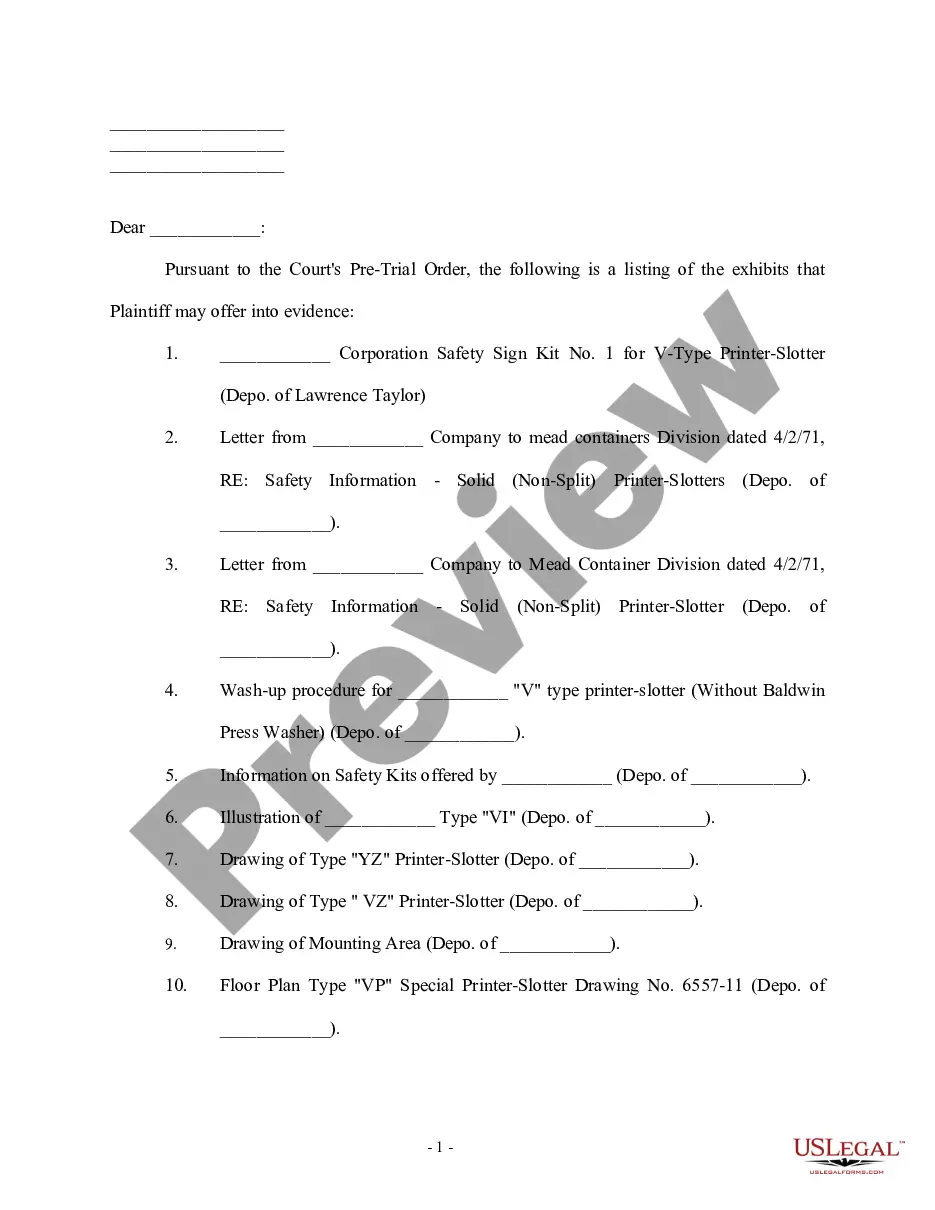
The New York Letters of Recommendation Package is designed to assist students and professionals in obtaining letters of recommendation for academic admission, academic scholarships, and employment. This package offers tailored templates that can be customized to meet individual needs, setting it apart from generic forms that may lack specific context or guidance.
What’s included in this form package
When to use this form package
This form package is useful in a variety of situations, including:
- Applying for admission to colleges or graduate schools that require letters of recommendation.
- Seeking academic scholarships that necessitate endorsements from educators or professionals.
- Entering the job market and needing a letter of recommendation from previous employers or mentors.
Intended users of this form package
- Students pursuing higher education opportunities.
- Individuals applying for scholarships or grants.
- Professionals looking for employment and needing recommendation letters.
- Educators or advisors writing recommendations on behalf of their students.
How to complete these forms
- Review the included forms to understand their purpose and structure.
- Choose the specific recommendation letter template that suits your needs (academic admission, scholarship, or employment).
- Customize the template by entering the required details, such as recipient information and specific achievements.
- Ensure each letter reflects a genuine and personal tone, emphasizing qualifications and experiences relevant to the purpose.
- Print the final letters for signatures and submit them according to the instructions provided by your educational institution or employer.
Notarization requirements for forms in this package
Forms in this package typically do not require notarization unless required by local law. However, it's always advisable to check with the institution or employer requesting the letter for their specific requirements.
Get your form ready online
Our built-in tools help you complete, sign, share, and store your documents in one place.
Make edits, fill in missing information, and update formatting in US Legal Forms—just like you would in MS Word.
Download a copy, print it, send it by email, or mail it via USPS—whatever works best for your next step.
Sign and collect signatures with our SignNow integration. Send to multiple recipients, set reminders, and more. Go Premium to unlock E-Sign.
If this form requires notarization, complete it online through a secure video call—no need to meet a notary in person or wait for an appointment.
We protect your documents and personal data by following strict security and privacy standards.

Make edits, fill in missing information, and update formatting in US Legal Forms—just like you would in MS Word.

Download a copy, print it, send it by email, or mail it via USPS—whatever works best for your next step.

Sign and collect signatures with our SignNow integration. Send to multiple recipients, set reminders, and more. Go Premium to unlock E-Sign.

If this form requires notarization, complete it online through a secure video call—no need to meet a notary in person or wait for an appointment.

We protect your documents and personal data by following strict security and privacy standards.
Typical mistakes to avoid
- Using a generic template without personalizing it to fit the individualâs qualifications.
- Failing to proofread for grammatical errors and typos before submission.
- Not including specific examples of achievements that highlight the applicantâs strengths.
- Overlooking required formatting or length guidelines from the institutions or employers.
Why use this package online
- Convenient access to professionally drafted templates that save time.
- Easy editability, allowing for customization to fit specific situations.
- Reliable legal forms created and reviewed by licensed attorneys, enhancing your confidence in their use.
What to keep in mind
- This package contains tailored recommendation letters for academic and professional purposes.
- Templates are designed for easy completion and customization.
- Using these forms can improve your chances of securing a positive recommendation.
Looking for another form?
Form popularity
FAQ
A paragraph or sentence that explains how you know this person and the duration of your relationship with them. An evaluation of the person and their skills/accomplishments. A summary that explains why you would recommend this person and to what degree you would recommend them.
Your letter should use meaningful, vivid stories and examples to demonstrate your outstanding qualities. If you have ideas, share them with your recommender. Your recommender can also include her own stories that reveal who you are and what kind of person admissions officers can expect to show up at their college.
Think carefully about saying yes. Focus on the particular school. Collect information. Mention how you know the student. Include specific examples. Remain positive. Avoid cliches. Share your contact information.
To ask or not to ask. NYU requires first-year applicants to submit two letters of recommendation. One must be from a school counselor.The counselor letter provides insight to a student's college-preparedness and general character exhibited in high school.
You can provide the type of information - your academic interests and goals, your personal strengths and values, and memorable anecdotes from class - that your teacher can incorporate to make her letter stand out. Generally, this recommenders' packet will be provided for you by your guidance office.
Three letters of recommendation from persons who know your academic qualifications are required. Recommenders should be chosen from people most familiar with your former studies, research interests, or work, including at least one instructor in the institution you last attended.
Most selective colleges and universities require one to three recommendation letters with your application, usually from your guidance counselor and at least one teacher. Recommendation letters are typically submitted electronically through the school specific supplements on The Common Application.
The date that this letter is due, submission details, and other logistical information. The correct spelling of your full name. Your current GPA. List of relevant courses, including any major projects or presentations. Titles and abstracts of research papers written.