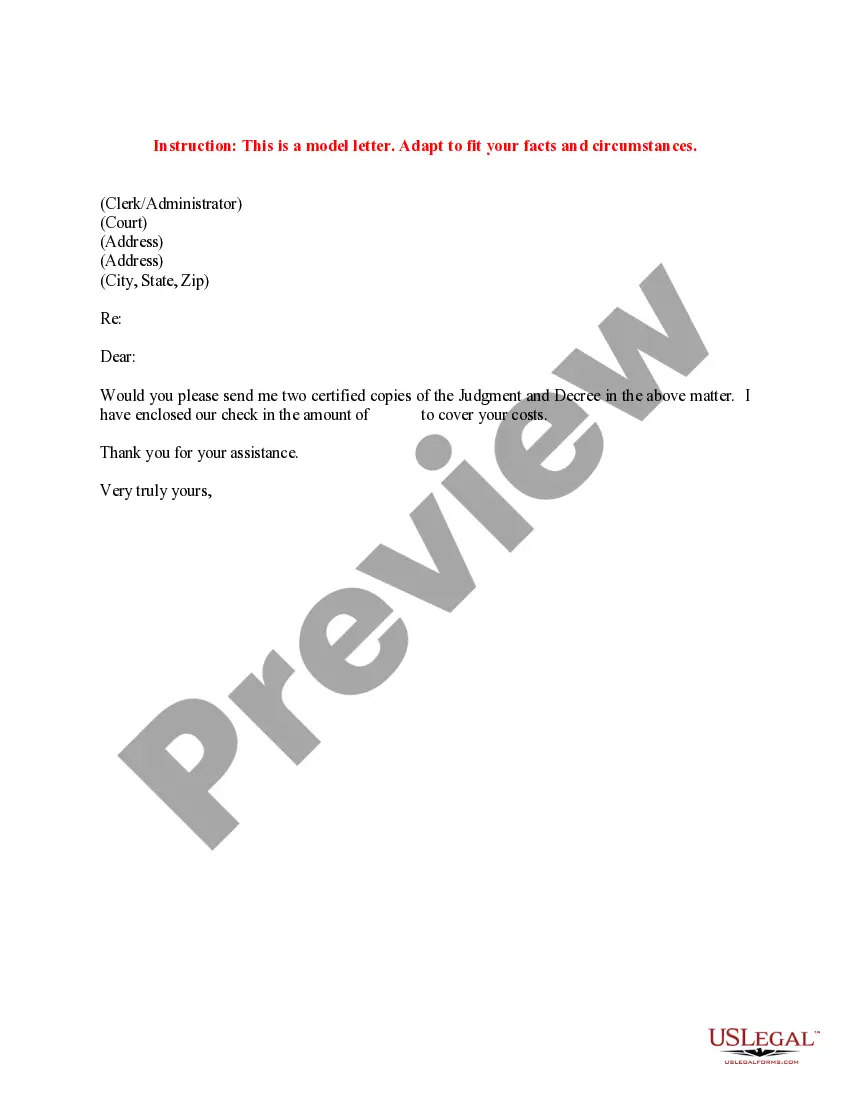
New York Notice of Lien by Individual
Overview of this form
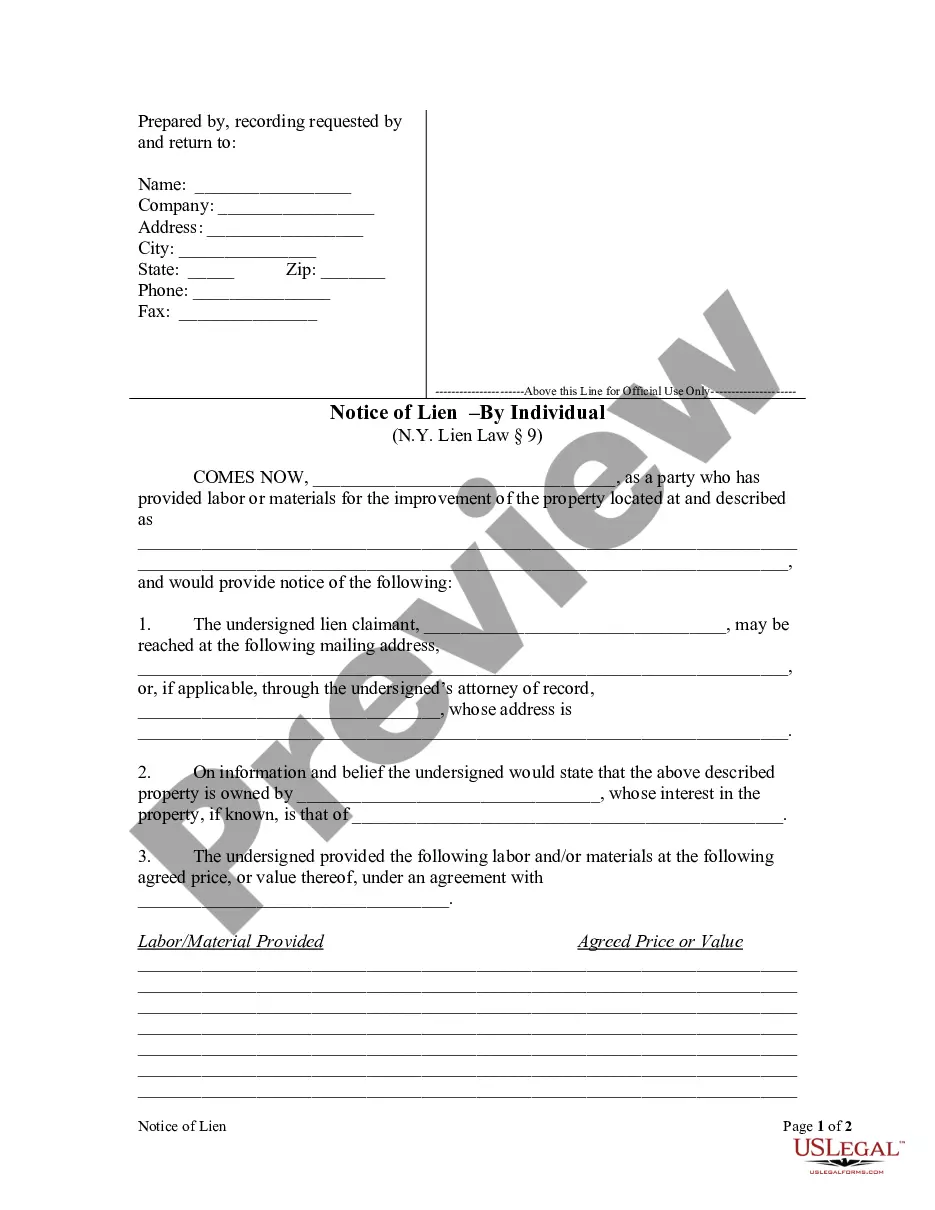
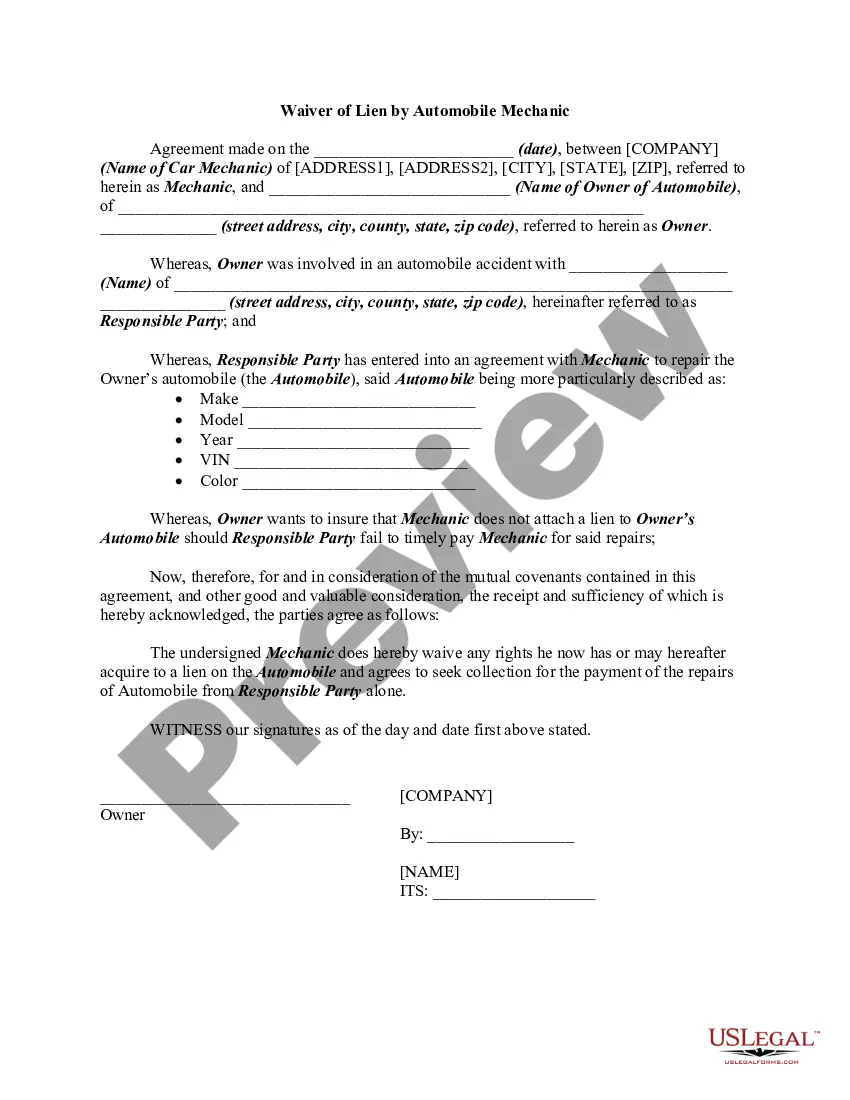
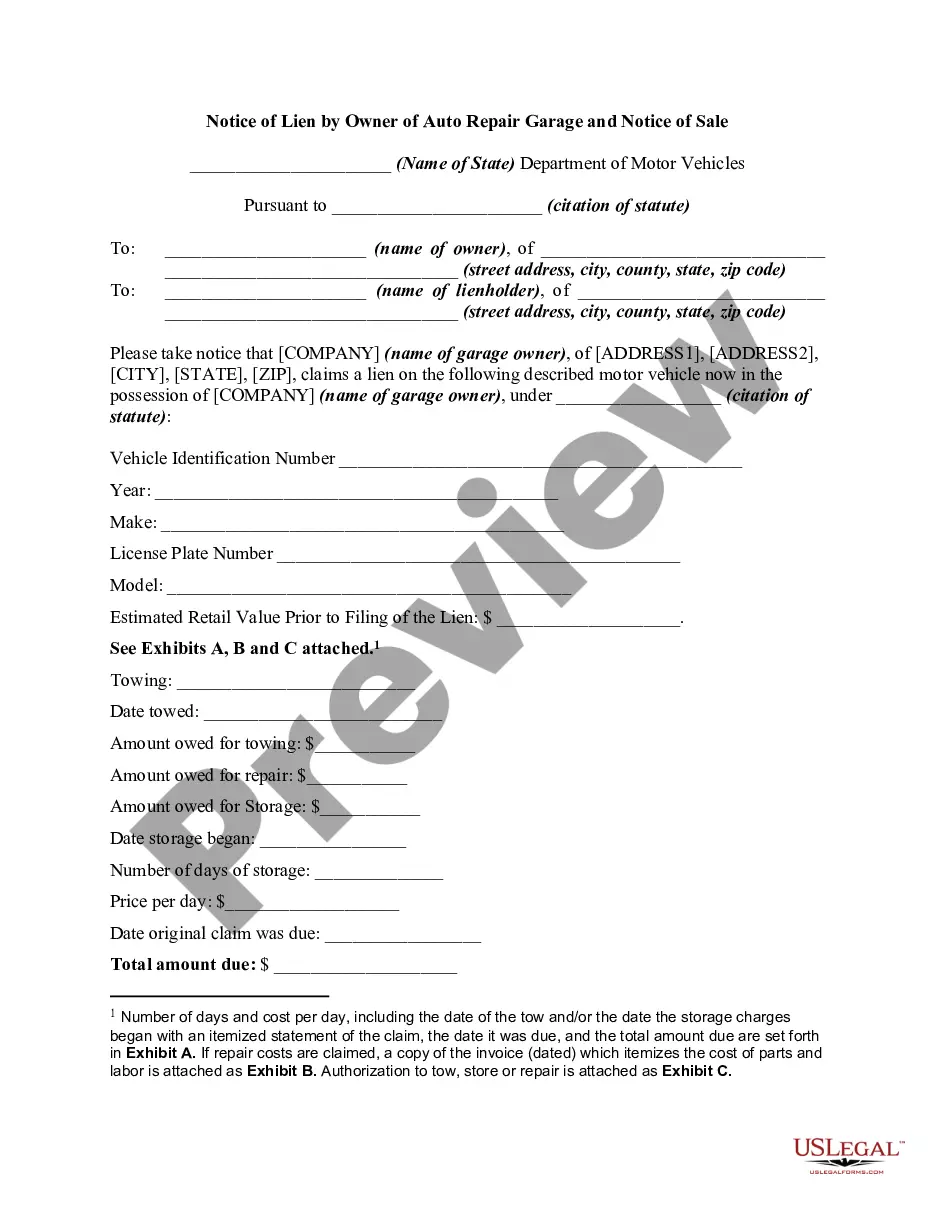
The Notice of Lien by Individual is a legal form used in New York to officially claim a lien on property. This form is essential for individuals who have provided labor or materials in the improvement of a property. Unlike other lien forms, it is specifically tailored for individual claimants and ensures that their rights are protected under New York's lien laws.
Key components of this form
- Claimant's information: Name and contact details of the individual filing the lien.
- Property description: Detailed information about the property improved.
- Owner information: Name and ownership interest of the property owner.
- Labor and materials provided: Description and agreed value of services rendered.
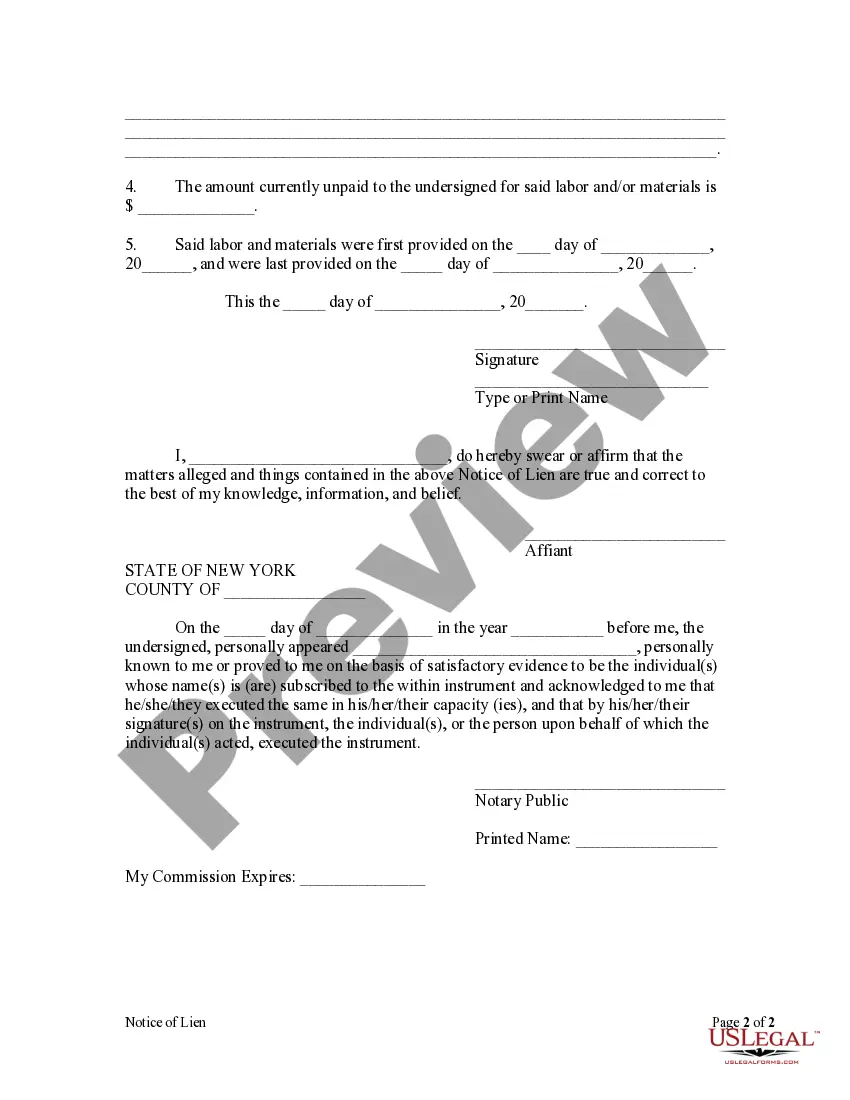
- Unpaid amount: The total amount still owed to the claimant.
- Date range: The dates when labor and materials were first and last provided.
- Signature and notarization: Required signature and affirmation of truthfulness.
When to use this document
This form should be used when an individual seeks to enforce a lien on property for unpaid work or materials related to property improvement. It can be filed during the work period or within eight months of completing the contract or providing the final materials. It serves as a notice to the property owner and other interested parties about the claim on the property.
Who can use this document
- Individuals who have completed work or provided materials for property improvements.
- Contractors or subcontractors who have not received payment for their services.
- Suppliers who have delivered materials to a project site and are owed money.
- Property owners needing to notify about claims against their property.
Completing this form step by step
- Identify and fill in your name, contact information, and company details.
- Provide a clear description of the property subject to the lien.
- Include the name of the property owner and their interest in the property.
- Detail the labor and materials provided, along with the agreed price or value.
- State the unpaid amount that you seek to claim through this lien.
- Sign the notice and have it notarized by a public notary.
Is notarization required?
This form needs to be notarized to ensure legal validity. US Legal Forms provides secure online notarization powered by Notarize, allowing you to complete the process through a verified video call, available anytime.
Get your form ready online
Our built-in tools help you complete, sign, share, and store your documents in one place.
Make edits, fill in missing information, and update formatting in US Legal Forms—just like you would in MS Word.
Download a copy, print it, send it by email, or mail it via USPS—whatever works best for your next step.
Sign and collect signatures with our SignNow integration. Send to multiple recipients, set reminders, and more. Go Premium to unlock E-Sign.
If this form requires notarization, complete it online through a secure video call—no need to meet a notary in person or wait for an appointment.
We protect your documents and personal data by following strict security and privacy standards.

Make edits, fill in missing information, and update formatting in US Legal Forms—just like you would in MS Word.

Download a copy, print it, send it by email, or mail it via USPS—whatever works best for your next step.

Sign and collect signatures with our SignNow integration. Send to multiple recipients, set reminders, and more. Go Premium to unlock E-Sign.

If this form requires notarization, complete it online through a secure video call—no need to meet a notary in person or wait for an appointment.

We protect your documents and personal data by following strict security and privacy standards.
Common mistakes
- Failing to provide a complete and accurate description of the property.
- Omitting important contact information or signatures.
- Not filing the notice within the required timeframe.
- Incorrectly stating the amount owed or failing to include documentation of payment terms.
Why complete this form online
- Convenience: Downloadable format allows for immediate access and completion.
- Editability: Customizable fields to tailor the form to your specific needs.
- Reliability: Forms are created by licensed attorneys, ensuring compliance with legal standards.
What to keep in mind
- The Notice of Lien is essential for protecting individual claims regarding unpaid services in property improvement.
- Timely filing and accurate completion are critical to enforce your rights under New York law.
- Ensure notarization to validate the document legally.
Looking for another form?
Form popularity
FAQ
If you're claiming a lien on real property, it must be filed in the recorder's office of the county where the property is located. Expect to pay a filing fee between $25 and $50 depending on the location where you file.
There, a construction lien on a commercial project must be filed with a county clerk within 90 days of the last day services or materials were provided. Filing a construction lien on residential projects requires filing a Notice of Unpaid Balance and Right to File Lien within 90 days of the last day of service.
2. States where the lien law doesn't require a written contract. In these states, contractors and suppliers are generally allowed to file a lien even if they don't have a written contract.These states typically permit parties with verbal, oral, or even implied contracts to claim lien rights.
Fill out an Abstract Of Judgment form. Bring or mail the two paper copies to the court. Bring or mail two copies of the Abstract Of Judgment to the county recorder where the judgment debtor's property is located.
Who you are. The services or materials you provided. The last date you provided the services or materials. How much payment should be. The date on which you will file a lien if you do not receive payment. How the debtor should pay.
Fill out the proper NY mechanics lien form. New York law sets specific requirements for the form to use when filing a mechanics lien claim. Serve a copy of the lien on the property owner. You must notify the property owner of the lien. Record the lien with the NY county recorder.
Individuals or companies that borrow from a Financial Institution using their vehicle as collateral for a loan must submit their title and a completed Notice of Lien (PDF) (MV-900) to the Department of Motor Vehicles in order to file the lien.
To place a lien, you must first demonstrate that you have a valid debt that has not been paid by the property holder for example if you performed construction work as a contractor or subcontractor at company headquarters and the business did not pay your bill.