New York Construction Contract Cost Plus or Fixed Fee
Overview of this form
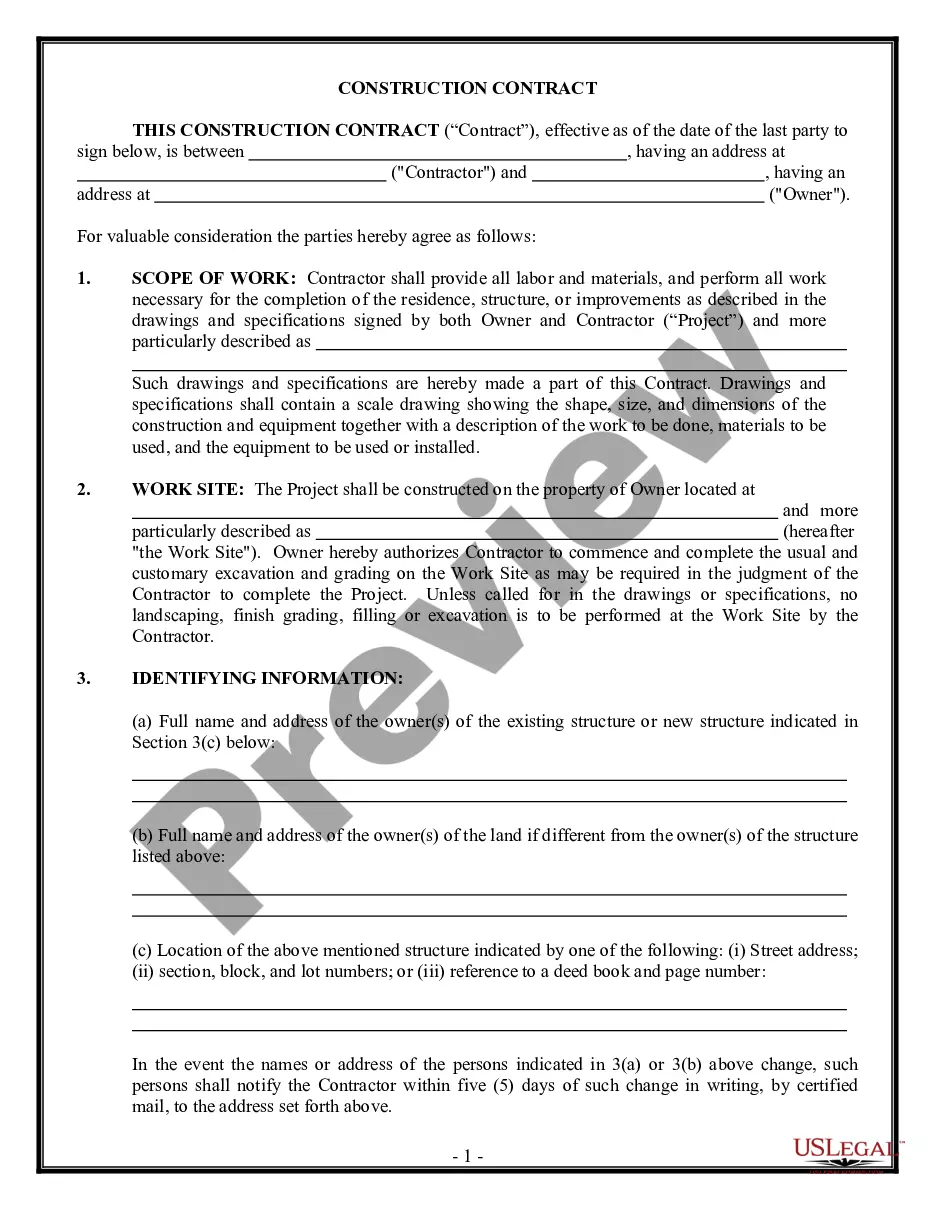
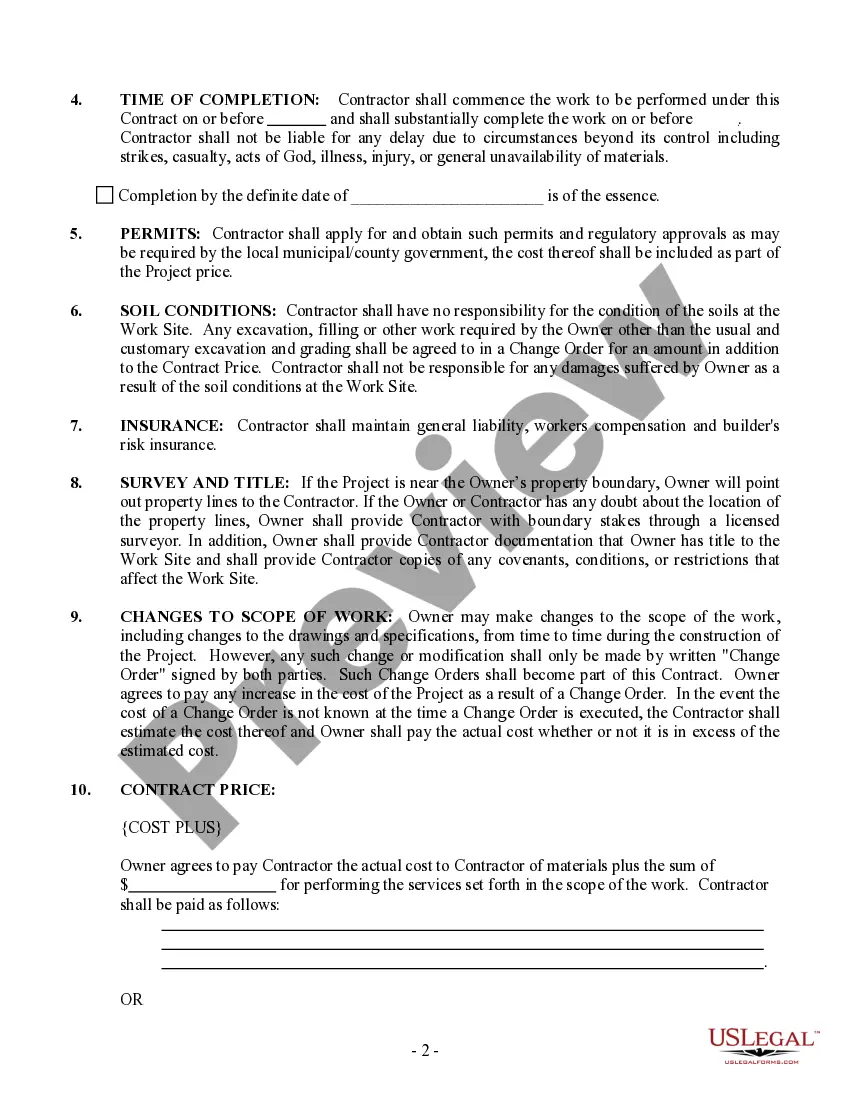
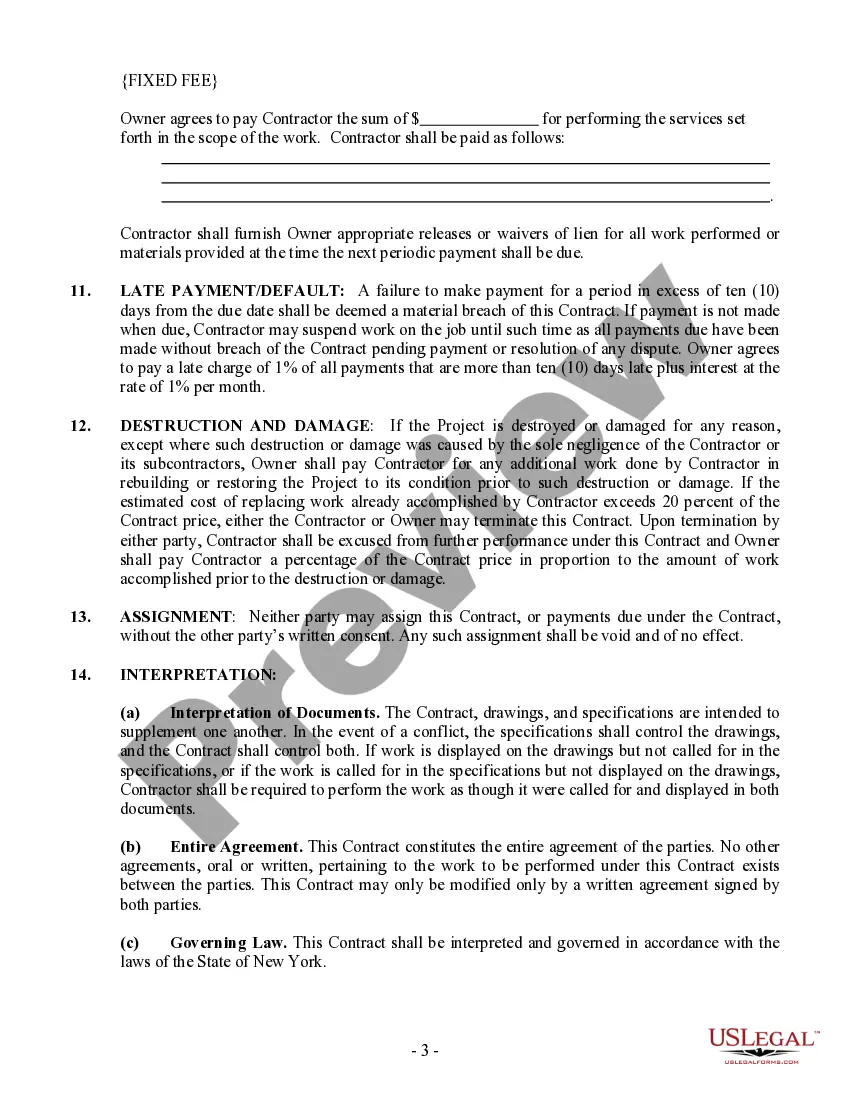
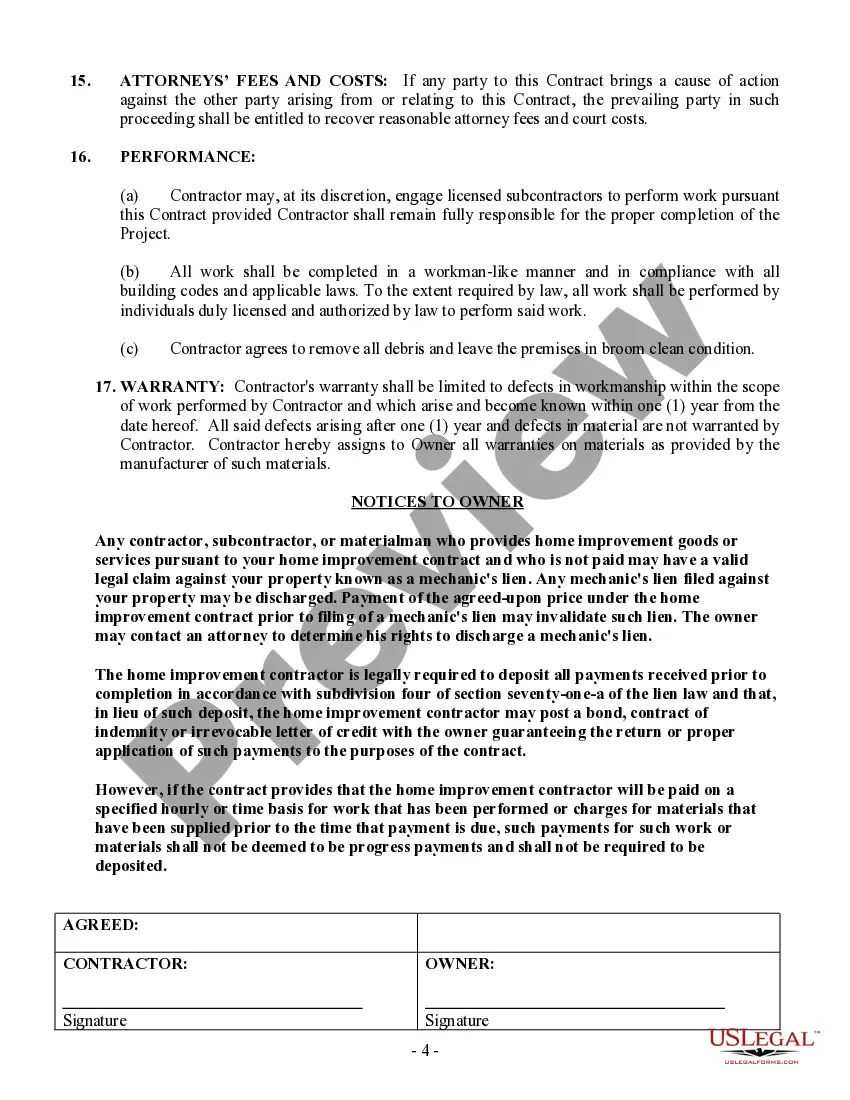
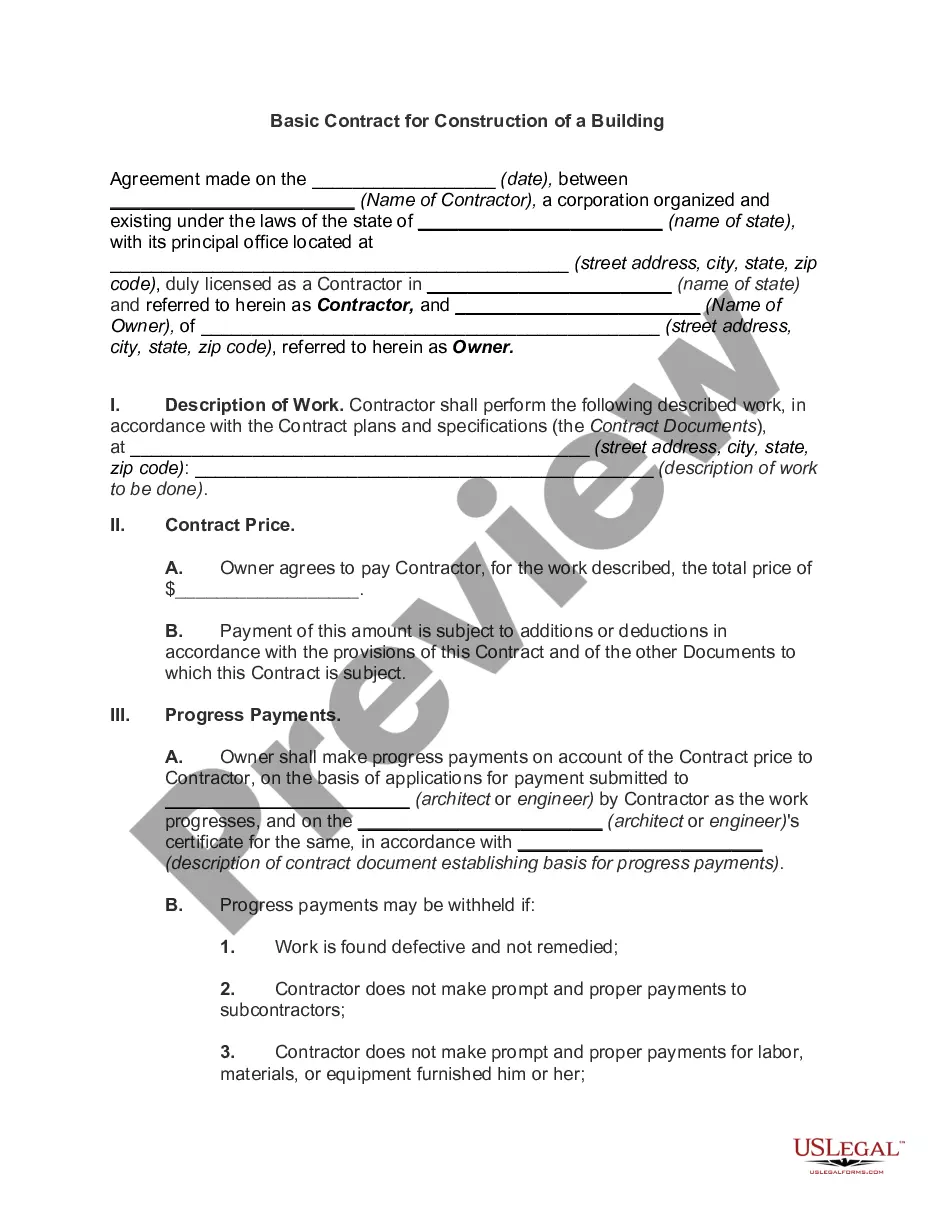
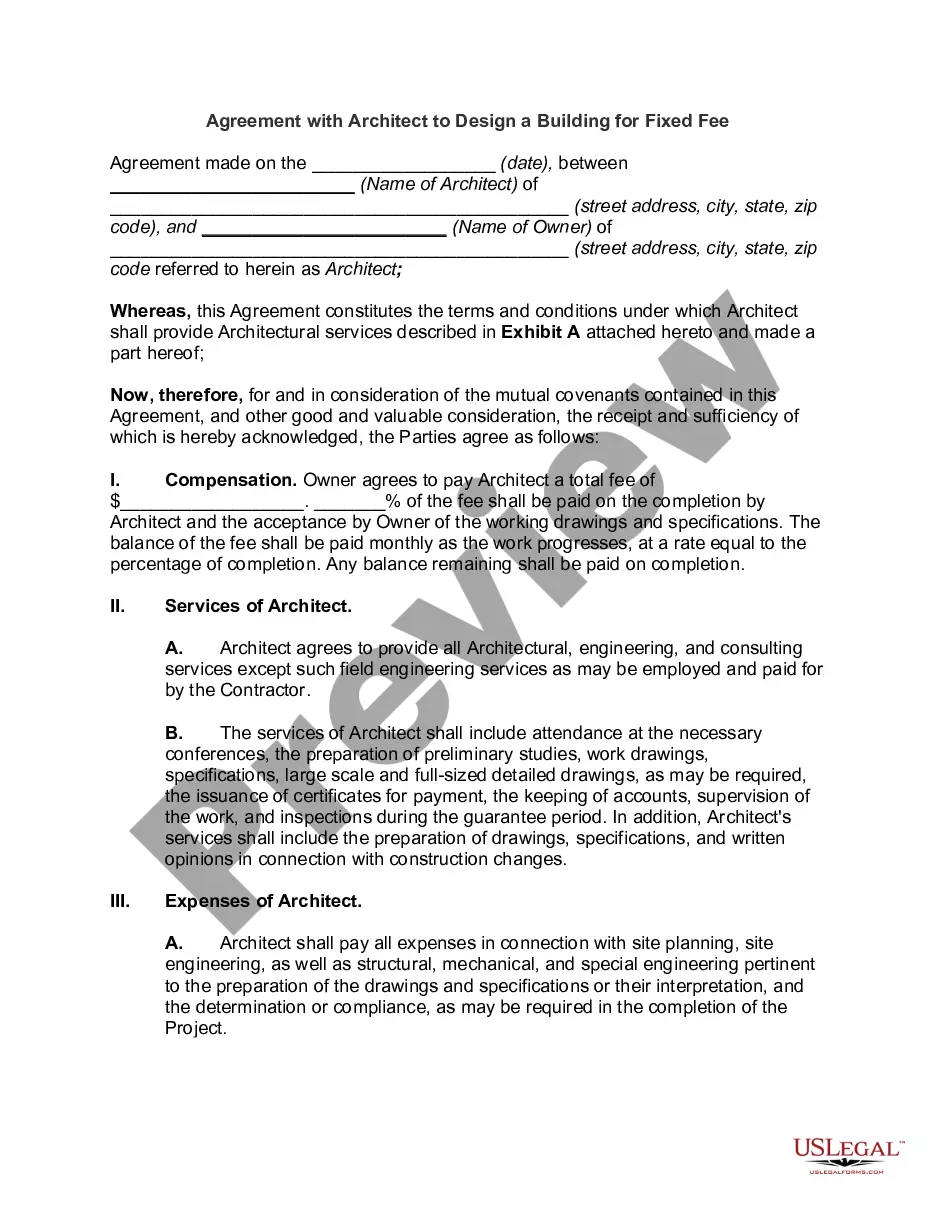
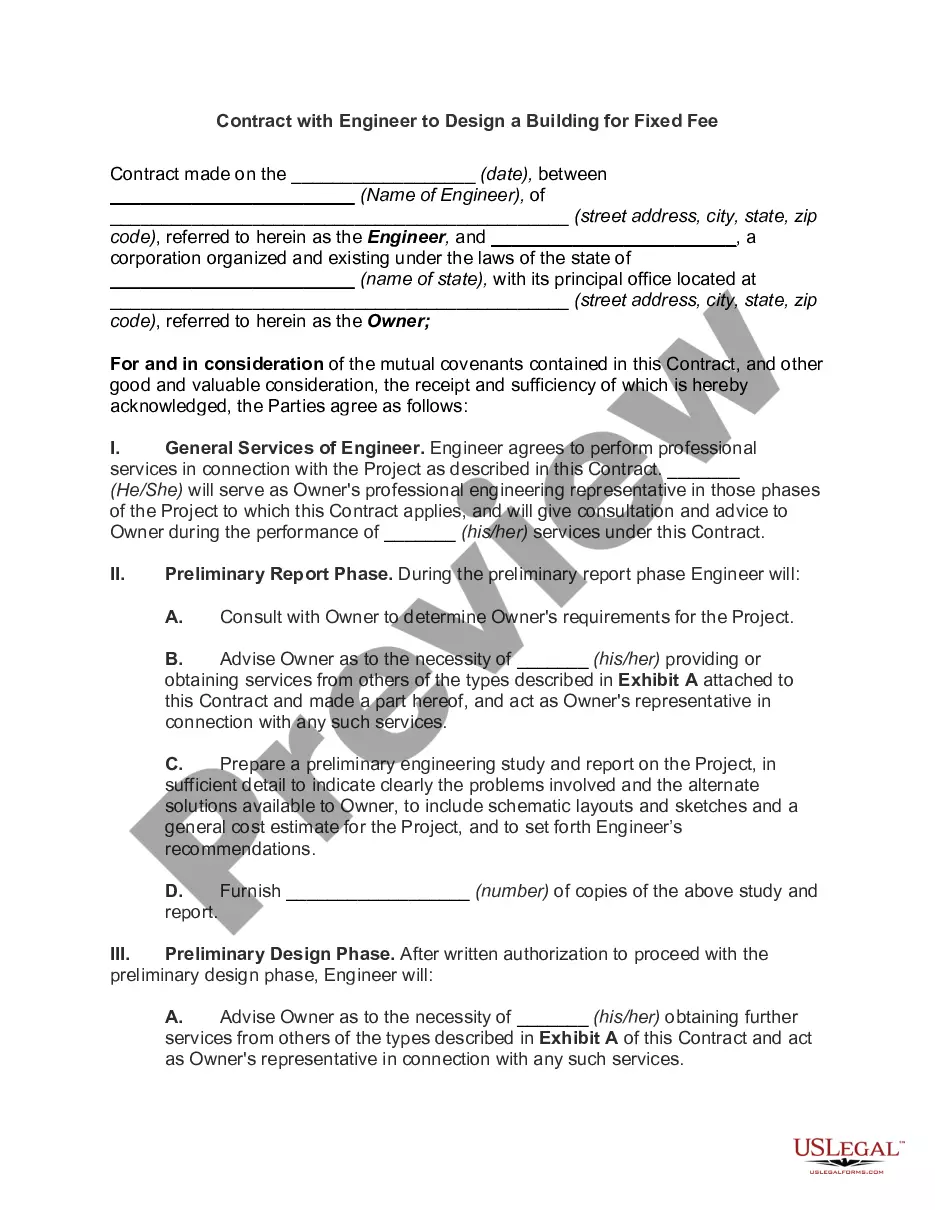
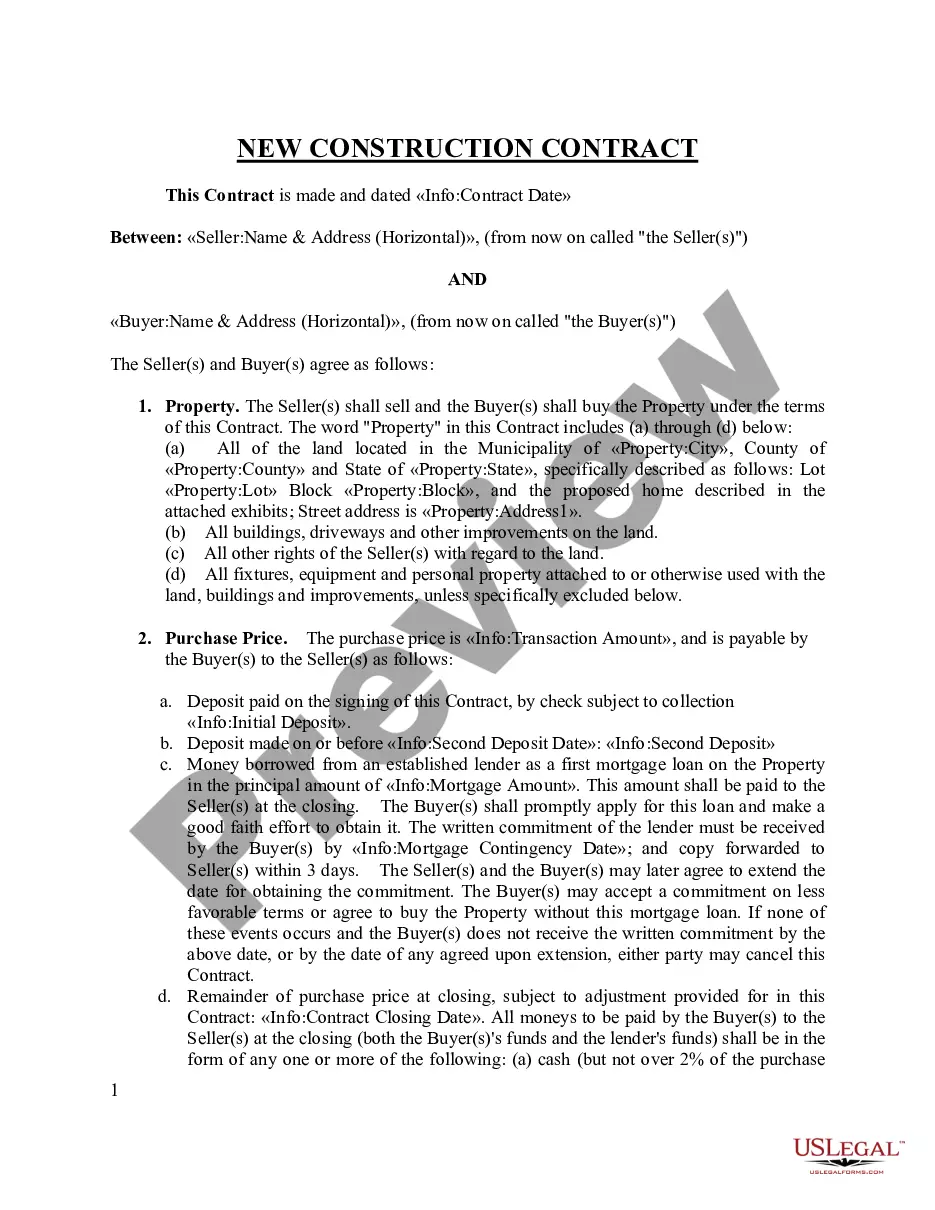
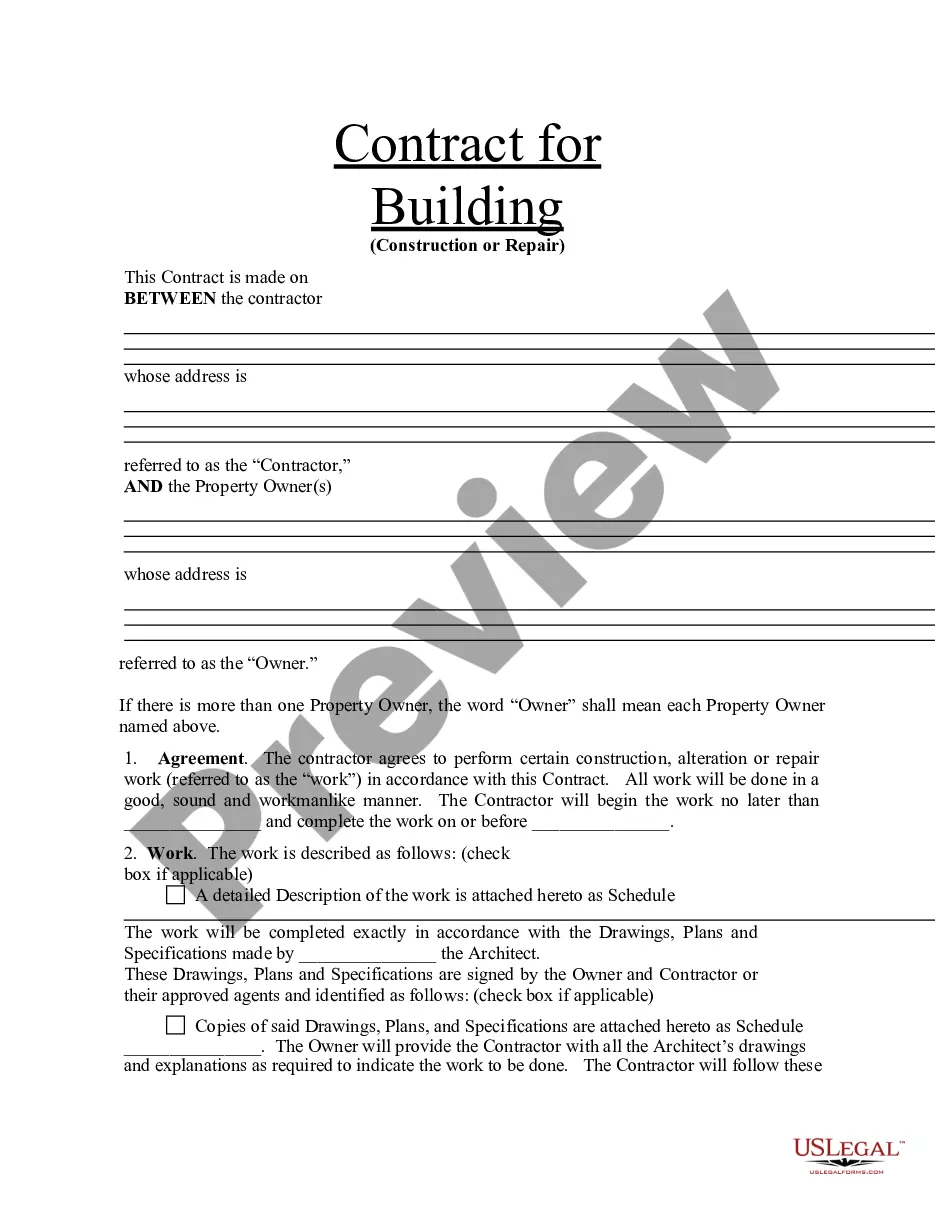
The Construction Contract Cost Plus or Fixed Fee form is a legal template designed for agreements between property owners and contractors regarding construction projects. This contract allows for payment arrangements based on either a fixed fee or costs incurred plus an additional fee. It covers essential components such as the scope of work, insurance requirements, and warranty provisions, ensuring compliance with New York state law. This form is important for clearly outlining the responsibilities and expectations of both parties involved in a construction project.
Form components explained
- Work Site: Specifies the location of the construction project.
- Permits: Details the contractor's obligation to obtain necessary permits.
- Soil Conditions: Clarifies the contractor's liability regarding soil conditions at the site.
- Insurance: Outlines required insurance coverage for the contractor.
- Warranties: Provides the terms for warranties on workmanship and materials.
- Termination: Includes conditions under which the contract may be terminated.
When to use this document
This form is essential when entering into a construction agreement where the payment structure may vary. Use this contract when you need to establish clear expectations regarding the scope of work, materials to be used, project management, and payment terms. It is particularly useful for larger projects or when the actual costs may not be entirely predictable upfront, making it ideal for renovations, new constructions, or any significant repairs.
Who should use this form
- Property owners looking to hire contractors for construction projects.
- Contractors who require a legally binding agreement outlining the terms of their work.
- Real estate developers managing construction projects with varying cost structures.
- Individuals involved in home renovations or improvements requiring detailed agreements.
Steps to complete this form
- Identify the parties: Clearly list the owner's and contractor's full names and addresses.
- Specify the work site: Provide the complete address of the property where the project will take place.
- Define the scope: Outline the specific work to be performed as part of the project.
- Enter payment details: Indicate whether the contract is based on a cost plus or fixed fee structure.
- Review insurance and warranty sections: Ensure all required insurance and warranty details are included.
- Sign and date the contract: Both parties must sign the document to make it legally binding.
Does this document require notarization?
In most cases, this form does not require notarization. However, some jurisdictions or signing circumstances might. US Legal Forms offers online notarization powered by Notarize, accessible 24/7 for a quick, remote process.
Get your form ready online
Our built-in tools help you complete, sign, share, and store your documents in one place.
Make edits, fill in missing information, and update formatting in US Legal Forms—just like you would in MS Word.
Download a copy, print it, send it by email, or mail it via USPS—whatever works best for your next step.
Sign and collect signatures with our SignNow integration. Send to multiple recipients, set reminders, and more. Go Premium to unlock E-Sign.
If this form requires notarization, complete it online through a secure video call—no need to meet a notary in person or wait for an appointment.
We protect your documents and personal data by following strict security and privacy standards.

Make edits, fill in missing information, and update formatting in US Legal Forms—just like you would in MS Word.

Download a copy, print it, send it by email, or mail it via USPS—whatever works best for your next step.

Sign and collect signatures with our SignNow integration. Send to multiple recipients, set reminders, and more. Go Premium to unlock E-Sign.

If this form requires notarization, complete it online through a secure video call—no need to meet a notary in person or wait for an appointment.

We protect your documents and personal data by following strict security and privacy standards.
Avoid these common issues
- Failing to specify the exact work to be performed, leading to misunderstandings later.
- Not checking local permit requirements before construction starts.
- Omitting insurance coverage details, which can leave parties exposed to liability.
- Neglecting to clearly define payment terms, leading to disputes over costs.
Advantages of online completion
- Convenience: Easily download and print the form from home.
- Editability: Customize the template to reflect specific project needs.
- Reliability: Obtain a professionally drafted form that complies with legal standards.
Looking for another form?
Form popularity
FAQ
A fixed-price contract is a type of contract where the payment amount does not depend on resources used or time expended. This is opposed to a cost-plus contract, which is intended to cover the costs with additional profit made.
Cost Plus Contract Disadvantages For the buyer, the major disadvantage of this type of contract is the risk for paying much more than expected on materials. The contractor also has less incentive to be efficient since they will profit either way.
A Cost-Based Pricing Example Suppose that a company sells a product for $1, and that $1 includes all the costs that go into making and marketing the product. The company may then add a percentage on top of that $1 as the "plus" part of cost-plus pricing. That portion of the price is the company's profit.
Disadvantages of cost-plus fixed-fee contracts may include: The final, overall cost may not be very clear at the beginning of negotiations. May require additional administration or oversight of the project to ensure that the contractor is factoring in the various cost factors.
A cost-plus contract is an agreement to reimburse a company for expenses incurred plus a specific amount of profit, usually stated as a percentage of the contract's full price.
A cost-plus contract, also known as a cost-reimbursement contract, is a form of contract wherein the contractor is paid for all of their construction-related expenses. Plus, the contractor is paid a specific agreed-upon amount for profit.
In the cost plus a percentage arrangement, the contractor bills the client for his direct costs for labor, materials, and subs, plus a percentage to cover his overhead and profit. Markups might range anywhere from 10% to 25%.
A fixed price contract sets a total price for all construction-related activities during a project. Many fixed price contracts include benefits for early termination and penalties for a late termination to give the contractors incentives to ensure the project is completed on time and within scope.