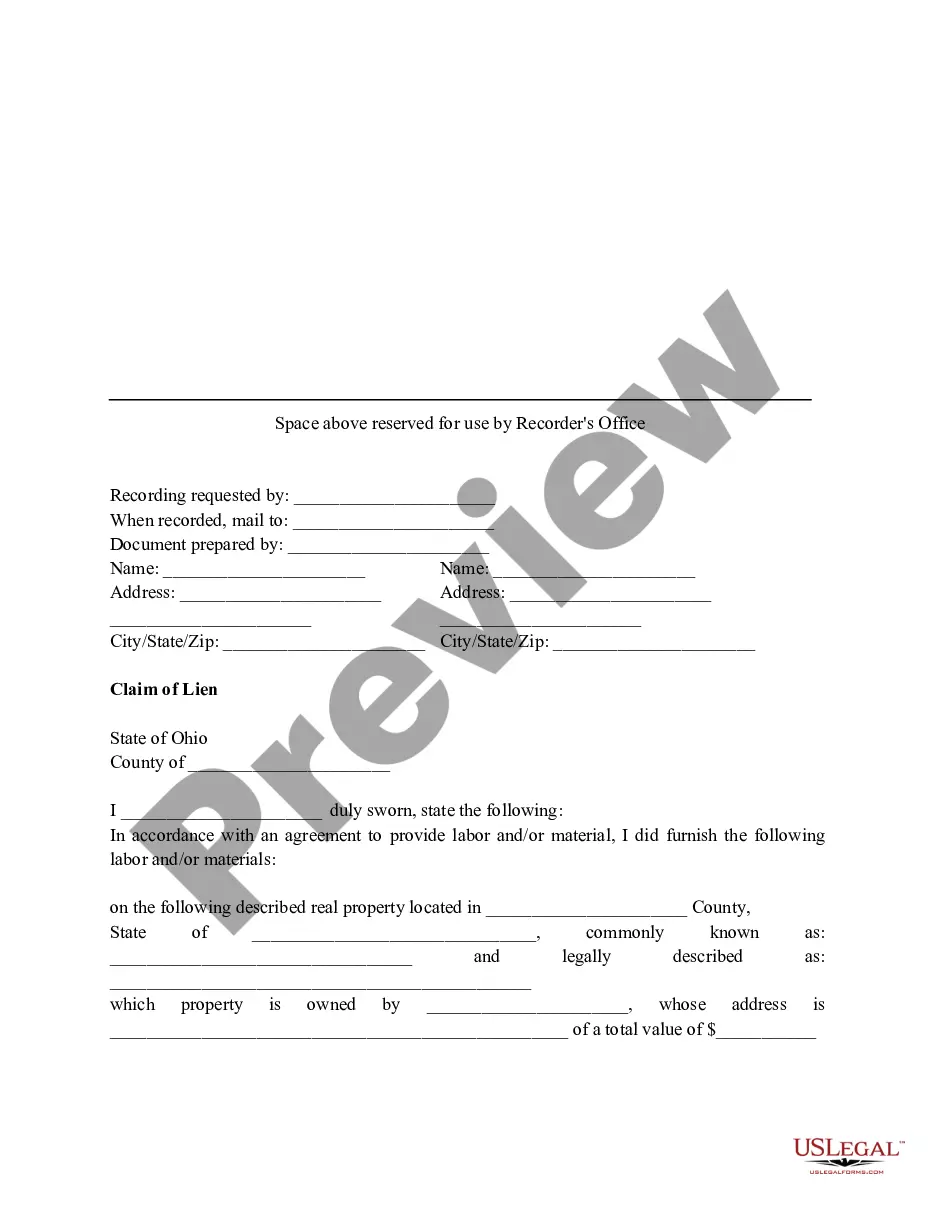
New Jersey Mutual Wills containing Last Will and Testaments for Man and Woman living together not Married with No Children
What is this form?
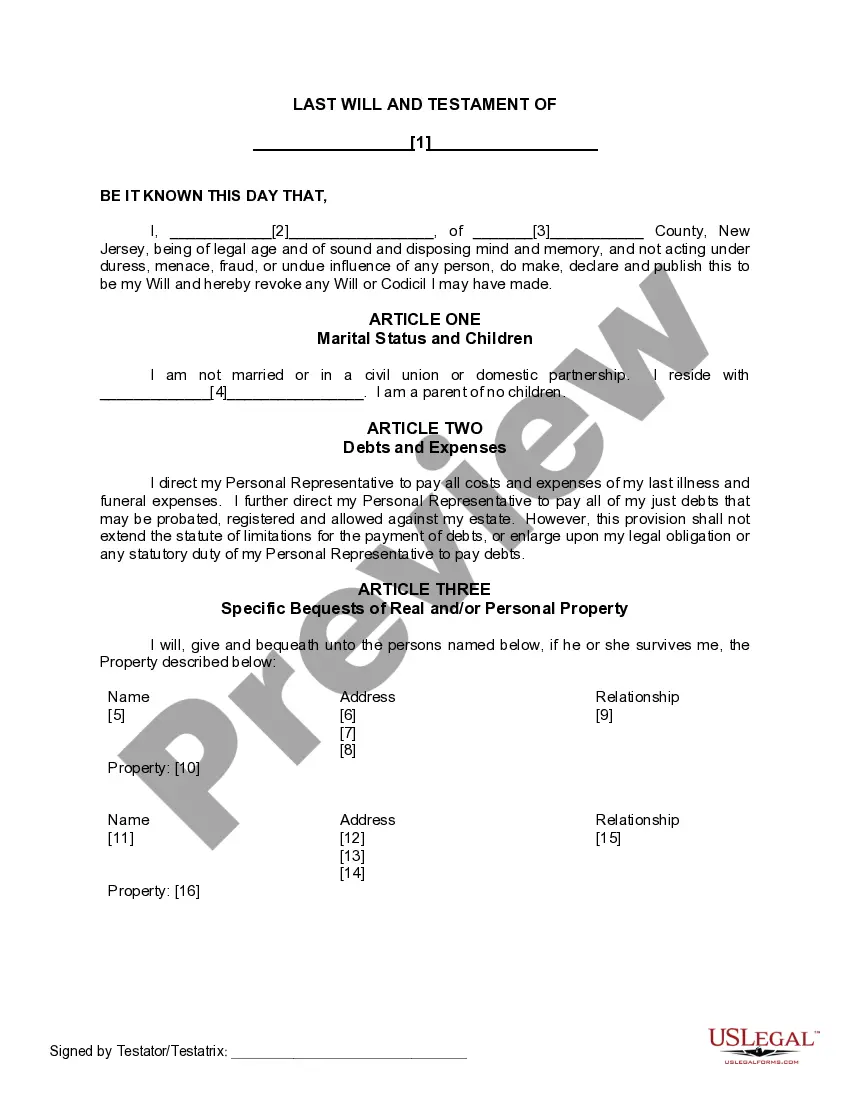
The Mutual Wills containing Last Will and Testaments for a man and woman living together not married with no children is a legal document that allows partners, who are not married, to designate their final wishes regarding their property and assets. This form includes two identical wills to ensure that both parties can protect each other's interests and specify how their assets should be distributed upon death. Unlike standard wills, mutual wills create a binding agreement between partners to uphold each other's wishes, providing more security in their estate planning.
Key parts of this document
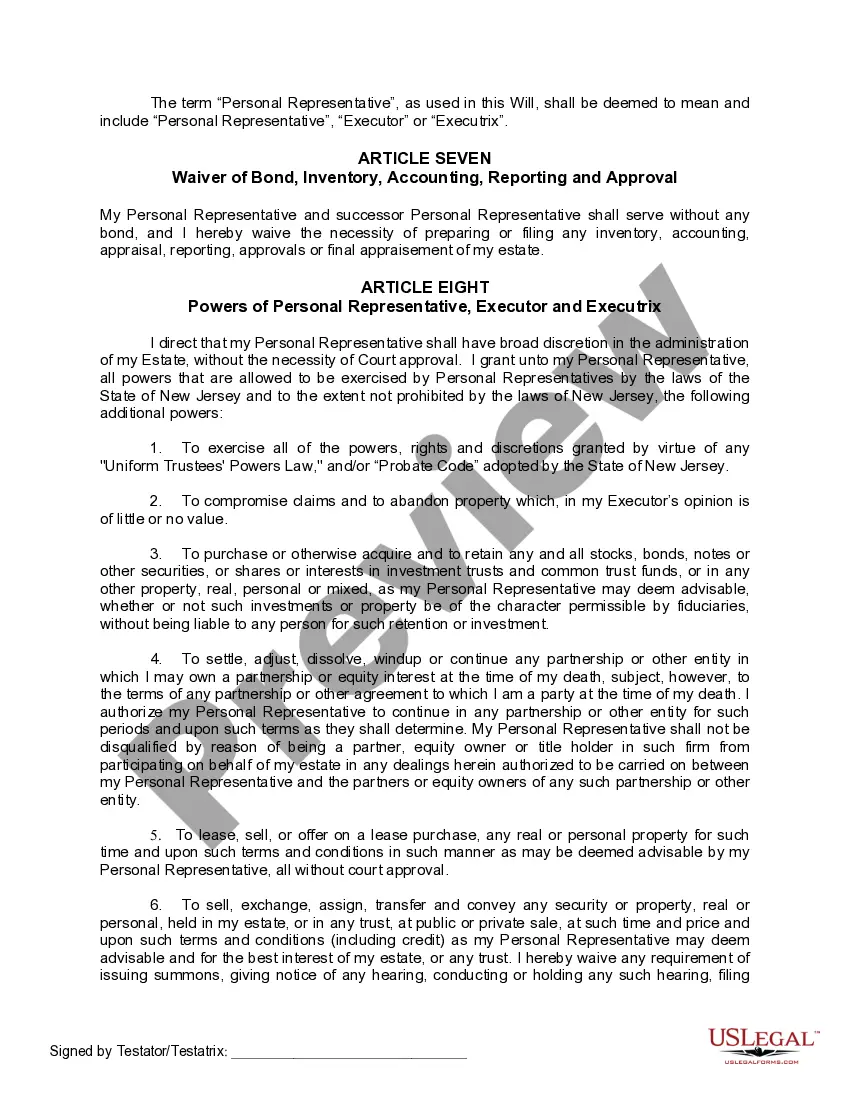
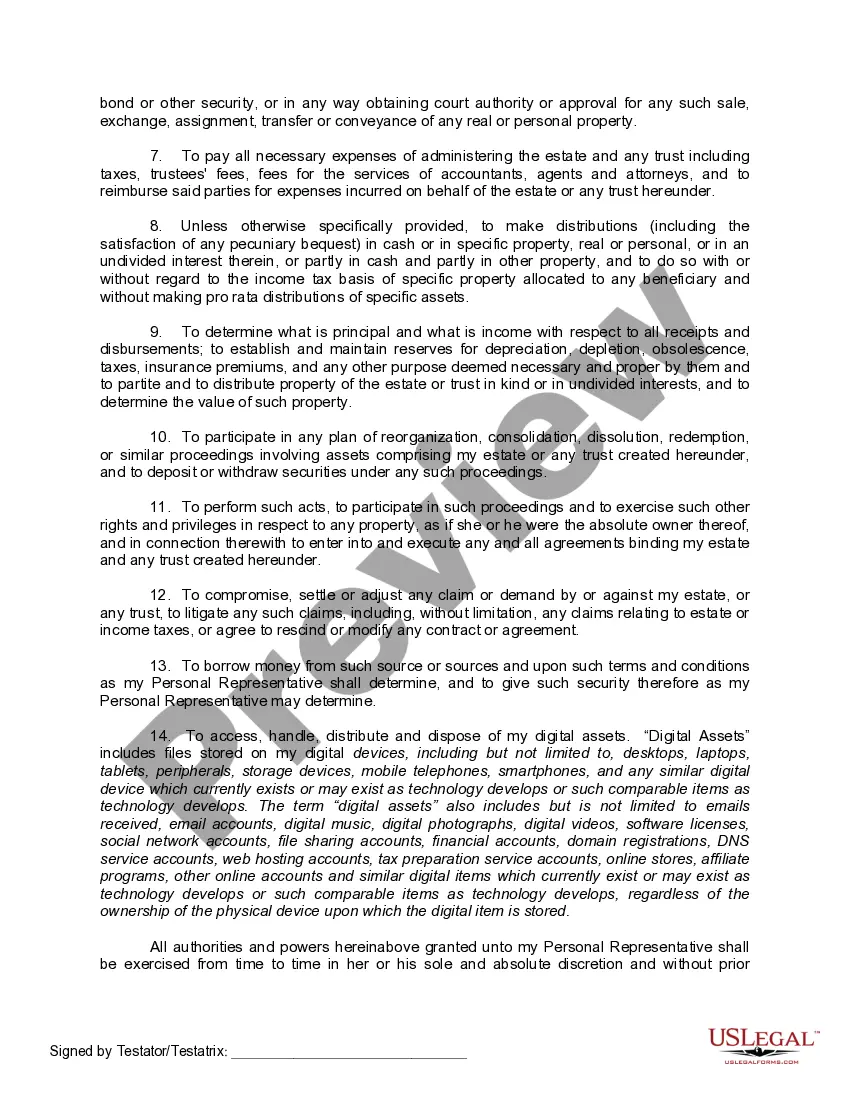
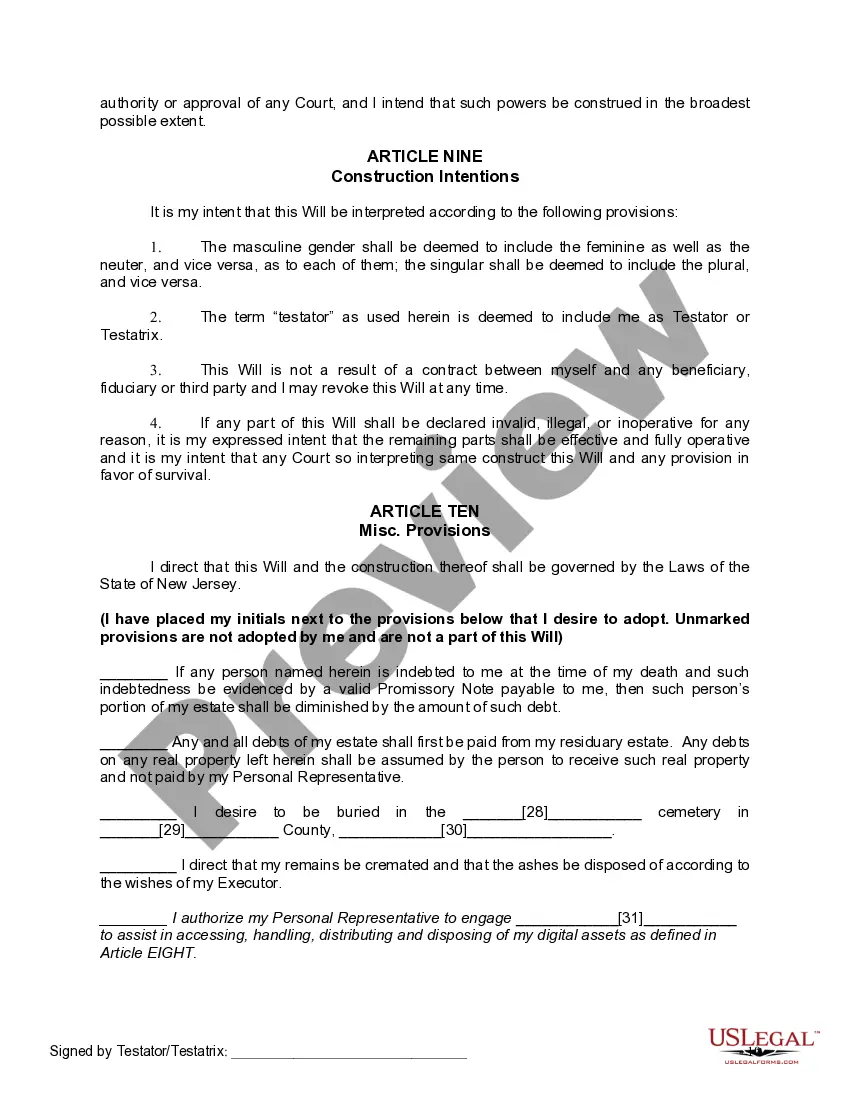
- Introduction and revocation of previous wills
- Specification of marital status and living arrangements
- Instructions regarding debts and final expenses
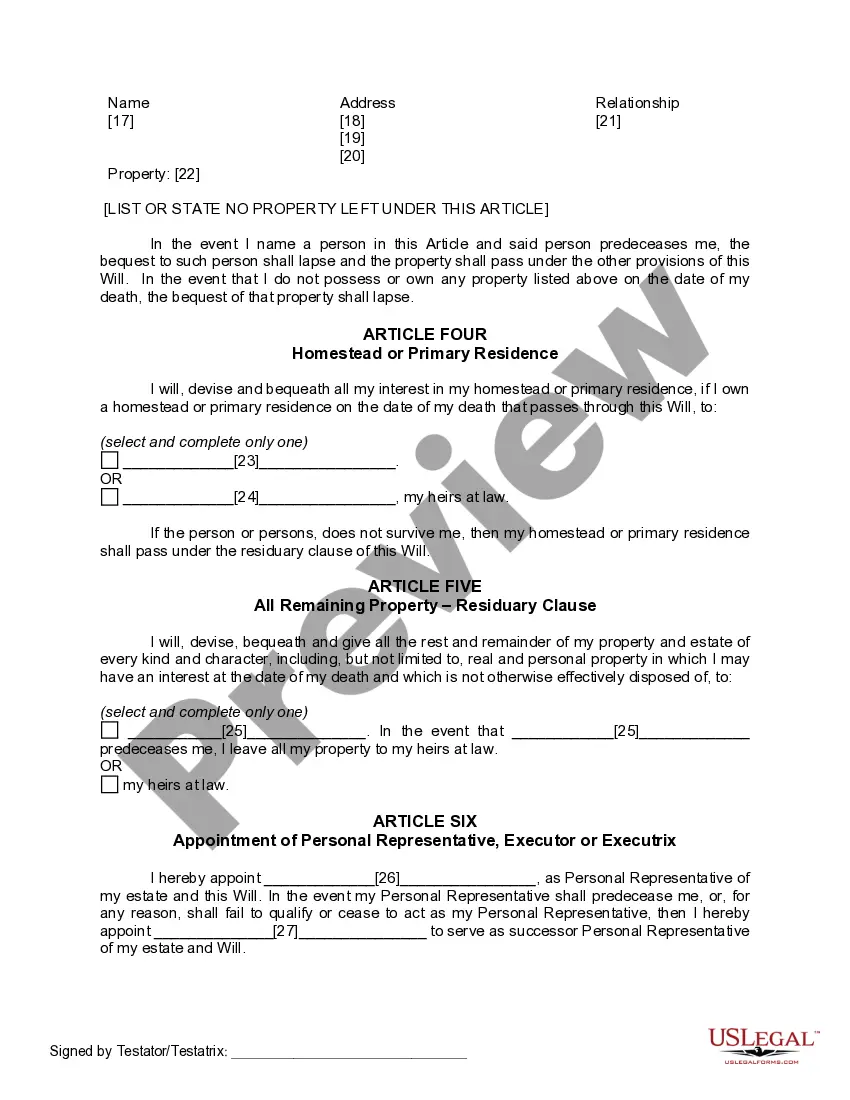
- Detailed articles for specific bequests of property
- Designation of a personal representative
- Self-proving affidavit provisions for legal validity



When this form is needed
This form is suitable for couples living together without marriage who want to ensure that their partner is cared for after their death. Use it if you wish to leave your assets to one another and provide clear instructions on your estate's management. It is also beneficial if you want to avoid complications that may arise from intestacy laws, which could otherwise dictate how your estate is handled.
Who can use this document
- Couples living together without formal marriage
- Partners who wish to leave assets to each other
- Individuals without children seeking to clarify inheritance wishes
- Those wanting to establish mutual estate planning agreements
Steps to complete this form
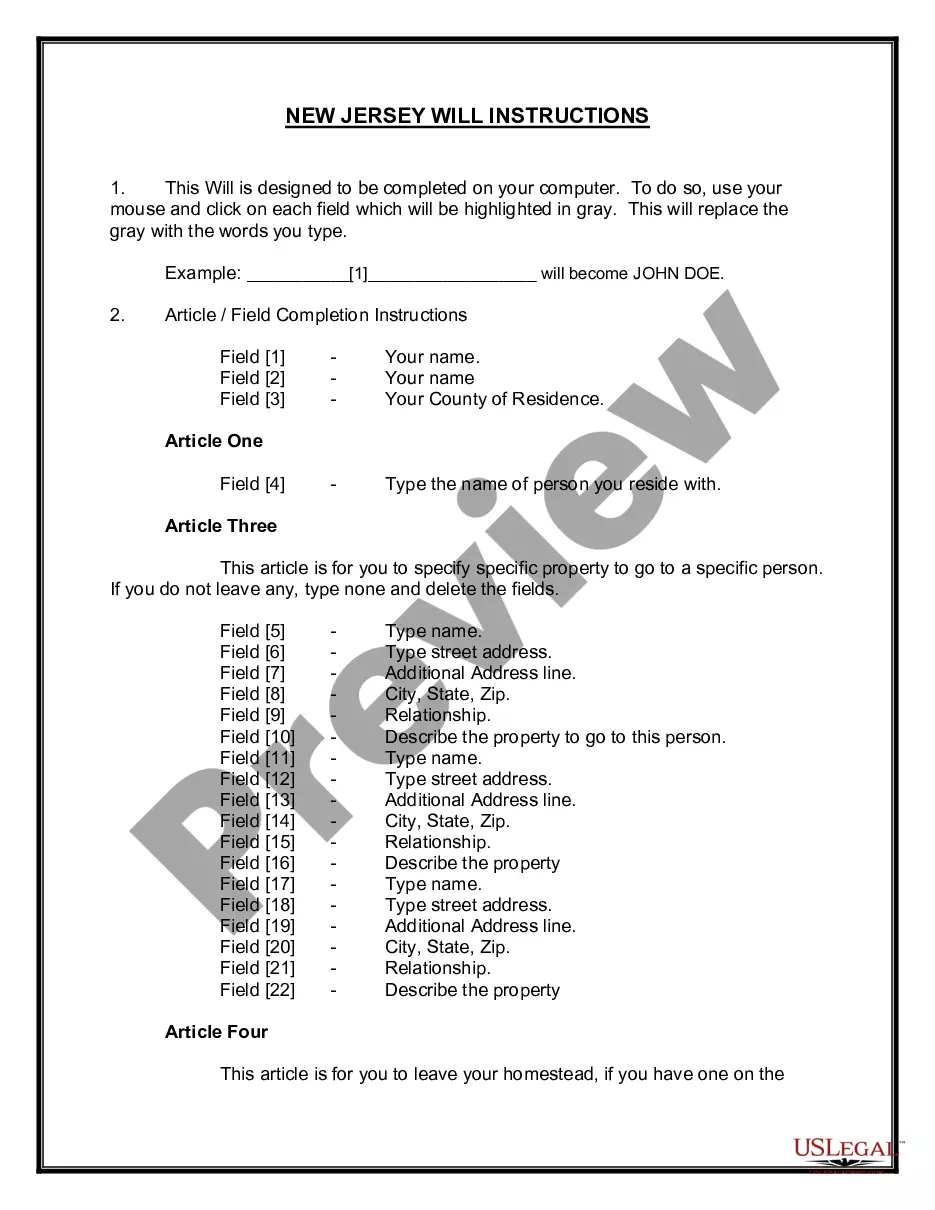
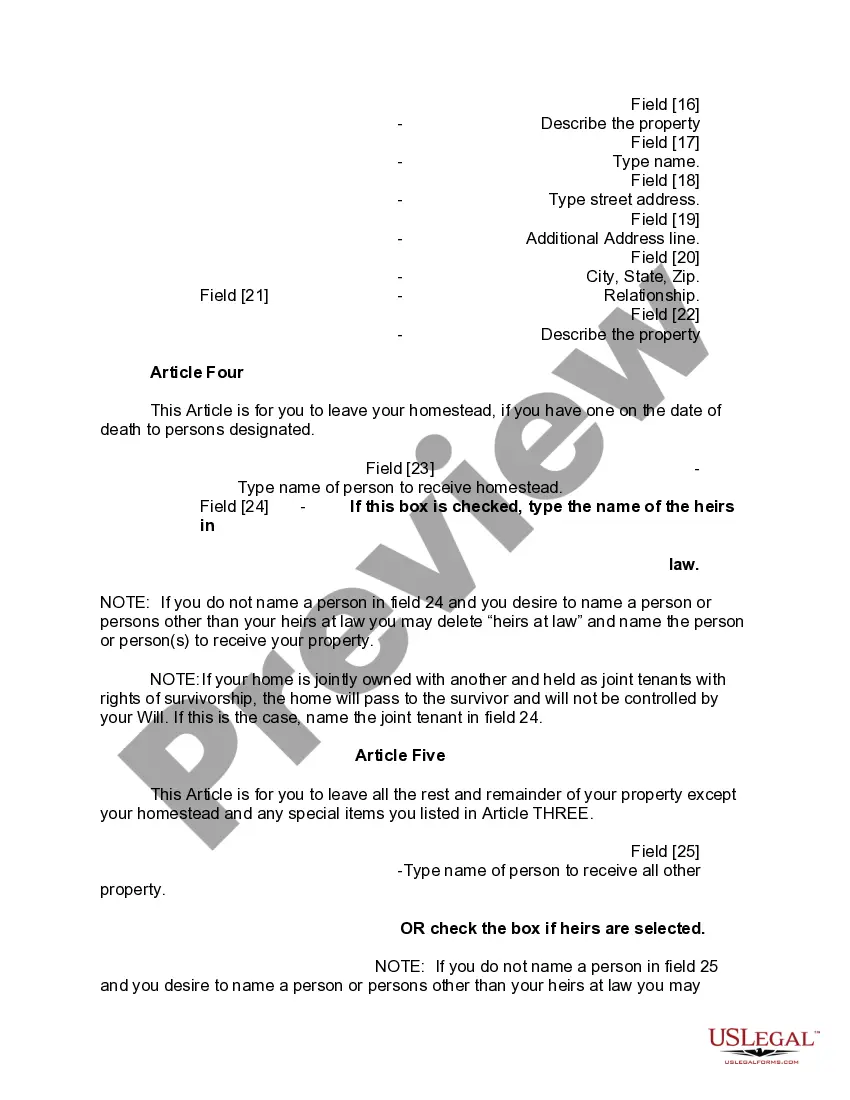
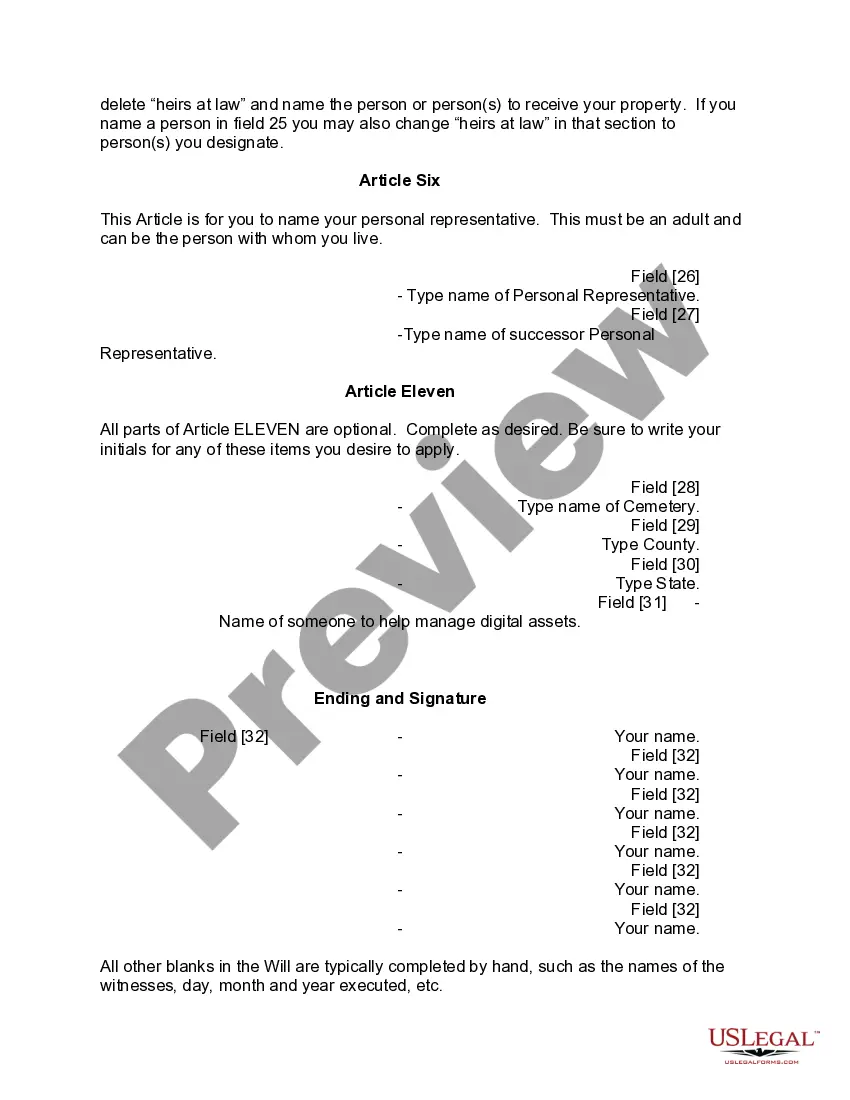
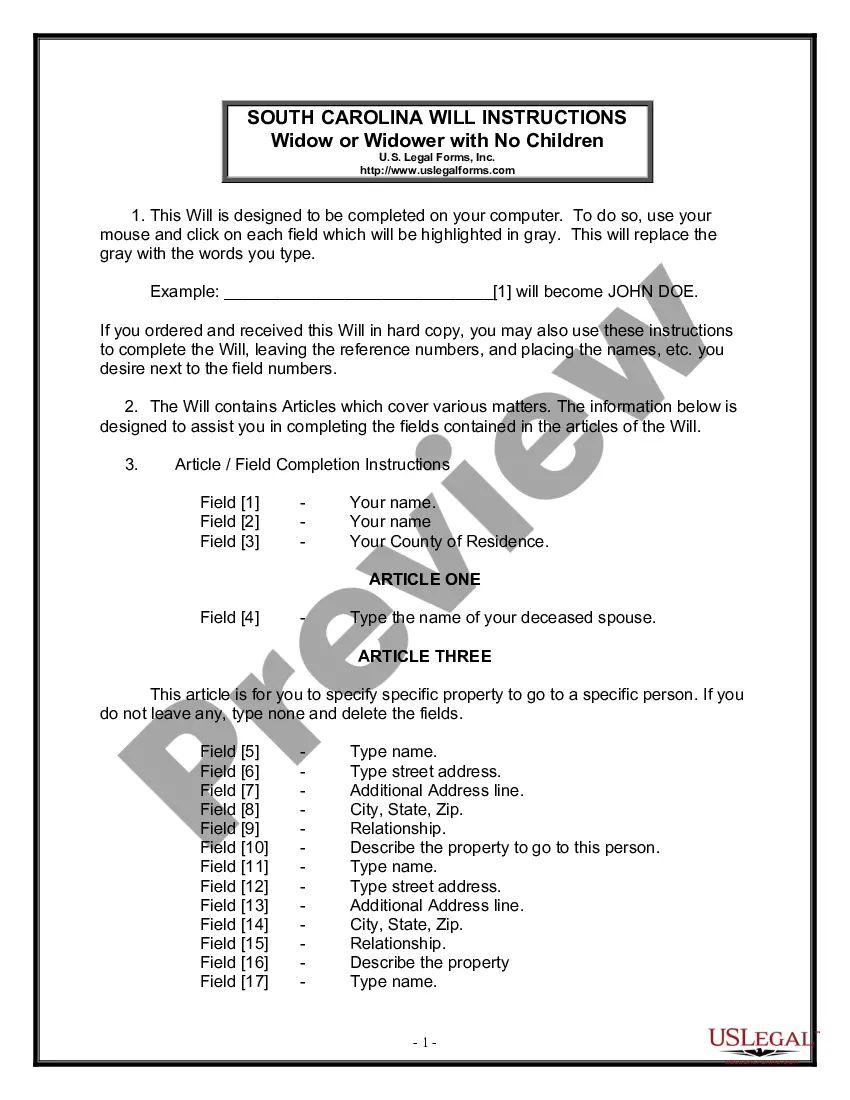
- Enter your name and the name of your partner in the designated fields.
- Fill in your county of residence.
- Specify any specific property or assets you wish to bequeath to named individuals.
- Identify your chosen personal representative to manage your estate.
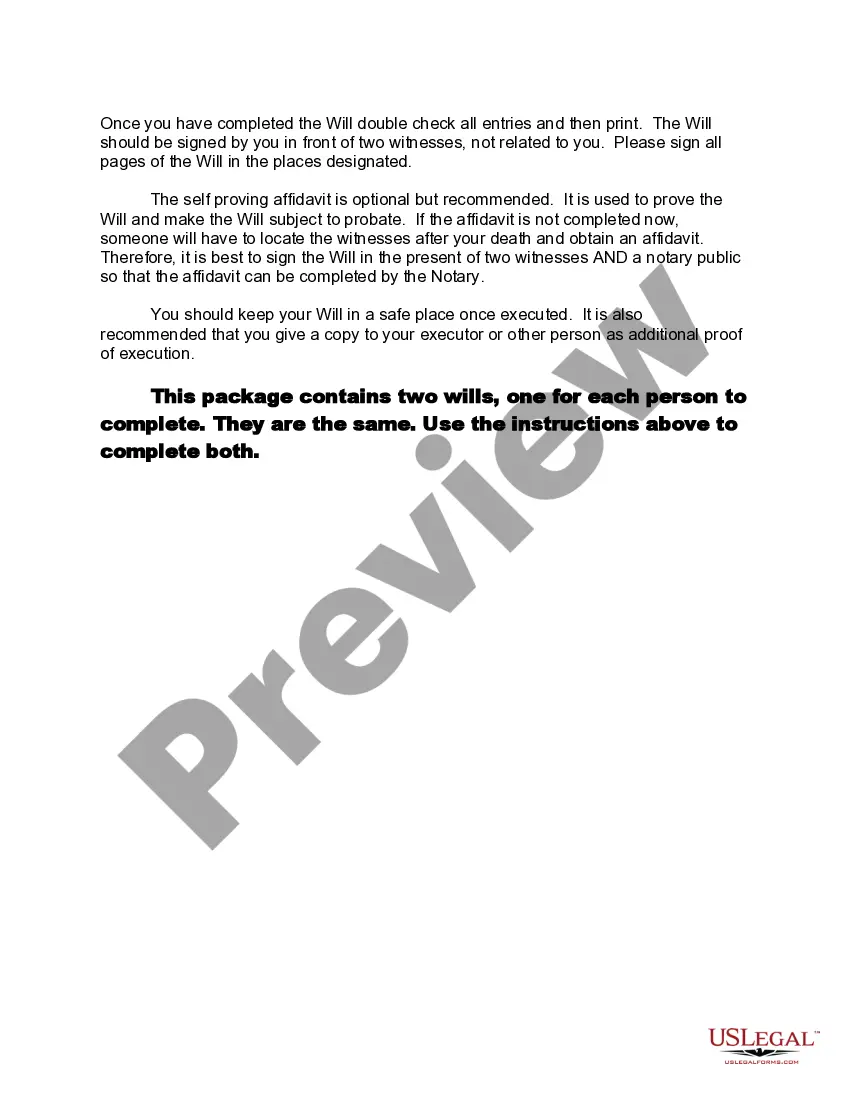
- Sign the will in front of two witnesses who are not named in the will.
- If applicable, complete the self-proving affidavit with a notary public.
Notarization guidance
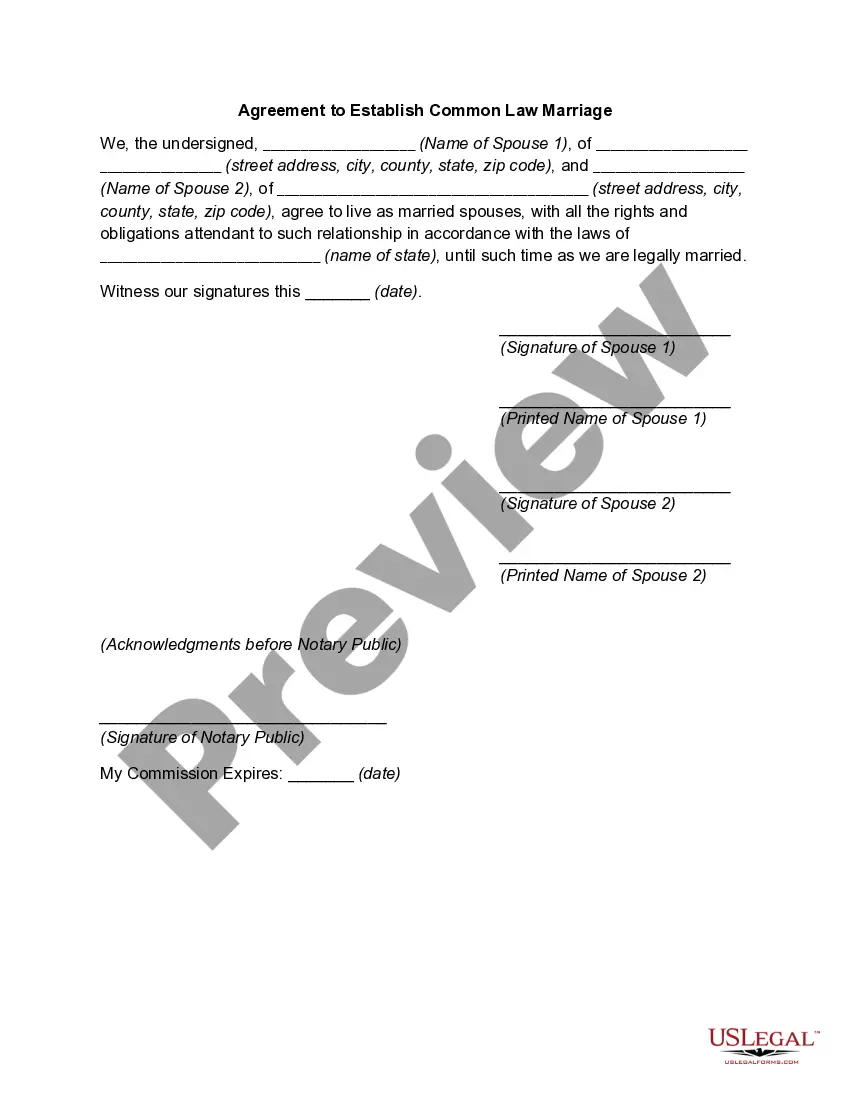
Yes, this form must be notarized to be legally valid. The notarization process ensures that the will is authentic and can be upheld in court. US Legal Forms offers integrated online notarization services, available 24/7, through secure video calls without the need for travel.
Get your form ready online
Our built-in tools help you complete, sign, share, and store your documents in one place.
Make edits, fill in missing information, and update formatting in US Legal Forms—just like you would in MS Word.
Download a copy, print it, send it by email, or mail it via USPS—whatever works best for your next step.
Sign and collect signatures with our SignNow integration. Send to multiple recipients, set reminders, and more. Go Premium to unlock E-Sign.
If this form requires notarization, complete it online through a secure video call—no need to meet a notary in person or wait for an appointment.
We protect your documents and personal data by following strict security and privacy standards.

Make edits, fill in missing information, and update formatting in US Legal Forms—just like you would in MS Word.

Download a copy, print it, send it by email, or mail it via USPS—whatever works best for your next step.

Sign and collect signatures with our SignNow integration. Send to multiple recipients, set reminders, and more. Go Premium to unlock E-Sign.

If this form requires notarization, complete it online through a secure video call—no need to meet a notary in person or wait for an appointment.

We protect your documents and personal data by following strict security and privacy standards.
Typical mistakes to avoid
- Not having the will signed in front of the required witnesses.
- Failing to fill out all fields accurately and completely.
- Missing the self-proving affidavit, which can help simplify the probate process.
- Neglecting to store the will in a safe but accessible location.
Benefits of completing this form online
- Convenience of filling out the form at your own pace and from home.
- Editability allows you to customize your wishes as needed.
- Access to forms drafted by licensed attorneys, ensuring reliability.
- Immediate download for quick access, saving time and effort.
Main things to remember
- The form is designed for unmarried couples who want to ensure their partner inherits their assets.
- Completing mutual wills can significantly ease the burden on your partner during a difficult time.
- Proper completion and notarization are critical for the legality of the will.
Looking for another form?
Form popularity
FAQ
An executor of a will cannot take everything unless they are the will's sole beneficiary.However, the executor cannot modify the terms of the will. As a fiduciary, the executor has a legal duty to act in the beneficiaries and estate's best interests and distribute the assets according to the will.
Married couples often execute wills which are identical in their provisions, frequently giving the estate to the surviving spouse or if the spouse does not survive to the children.However, not every mirror will is a "mutual will", indeed very few mirror wills are mutual wills.
You and your spouse may have one of the most common types of estate plans between married couples, which is a simple will leaving everything to each other. With this type of plan, you leave all of your assets outright to your surviving spouse. The kids or other beneficiaries only get something after you are both gone.
Like most wills, a joint will lets the will-makers name who will get their property and assets after they die.After one spouse has died, all the couple's property will be left to the surviving spouse; and. After the surviving spouse dies, the remaining property will be left to the couple's children.
Property in a living trust. One of the ways to avoid probate is to set up a living trust. Retirement plan proceeds, including money from a pension, IRA, or 401(k) Stocks and bonds held in beneficiary. Proceeds from a payable-on-death bank account.
Bank accounts. Brokerage or investment accounts. Retirement accounts and pension plans. A life insurance policy.
What makes a will valid in New Jersey? A person must be at least 18 years old and mentally competent to create a valid will. Generally, this means they understand the purpose of the will and know what they wish to happen to their property. The testator, as well as two witnesses, must sign a typed will.
Most joint wills also contains a provision stating that neither spouse can change or revoke the will alonewhich means that the will can't be changed after the first spouse dies.But a joint will is really a binding legal contract, which cannot be revoked or changed after one spouse has died.
A will can also be declared invalid if someone proves in court that it was procured by undue influence. This usually involves some evil-doer who occupies a position of trust -- for example, a caregiver or adult child -- manipulating a vulnerable person to leave all, or most, of his property to the manipulator instead