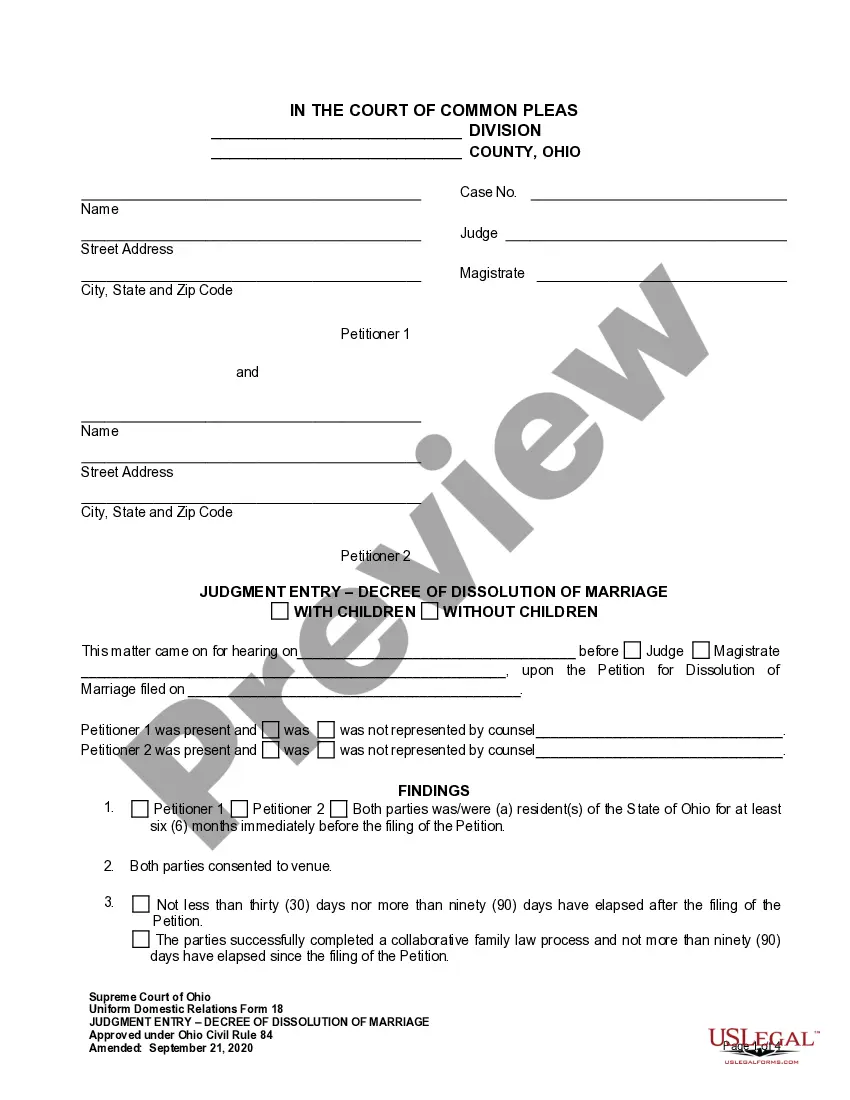
New Jersey Letter from Tenant to Landlord about Inadequacy of heating resources insufficient heat
About this form
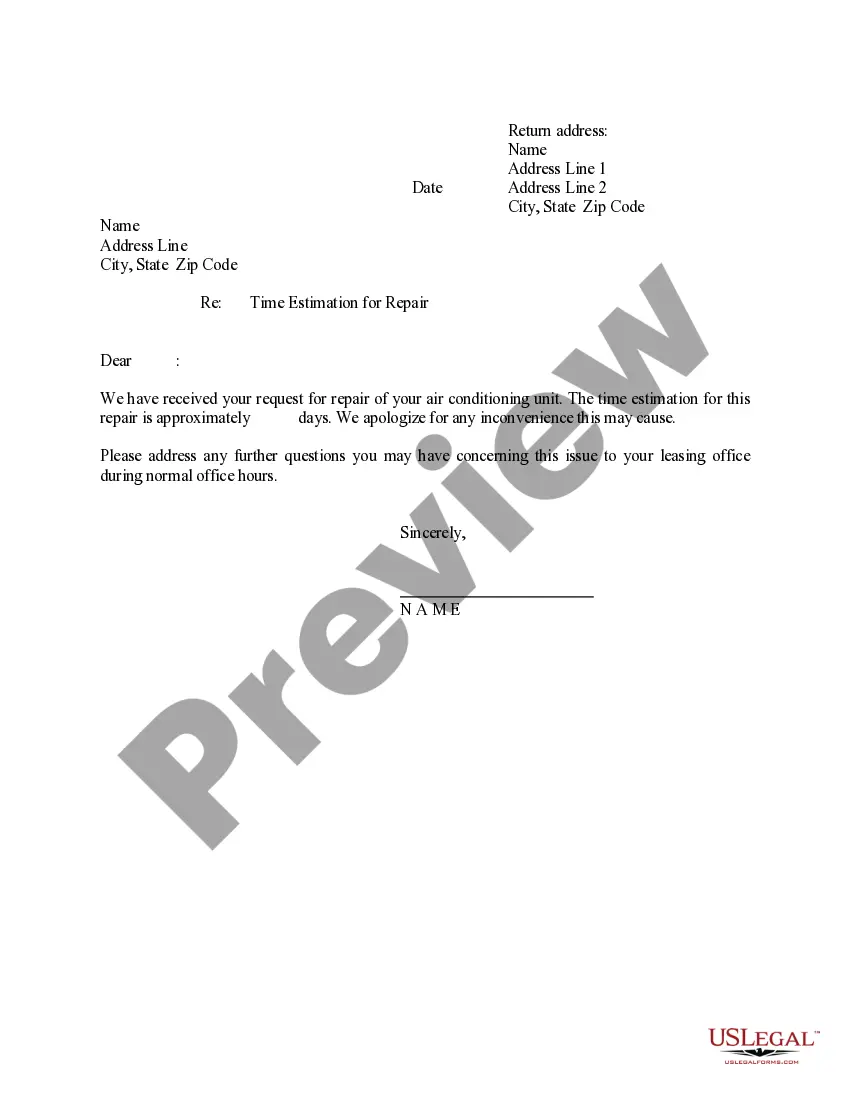
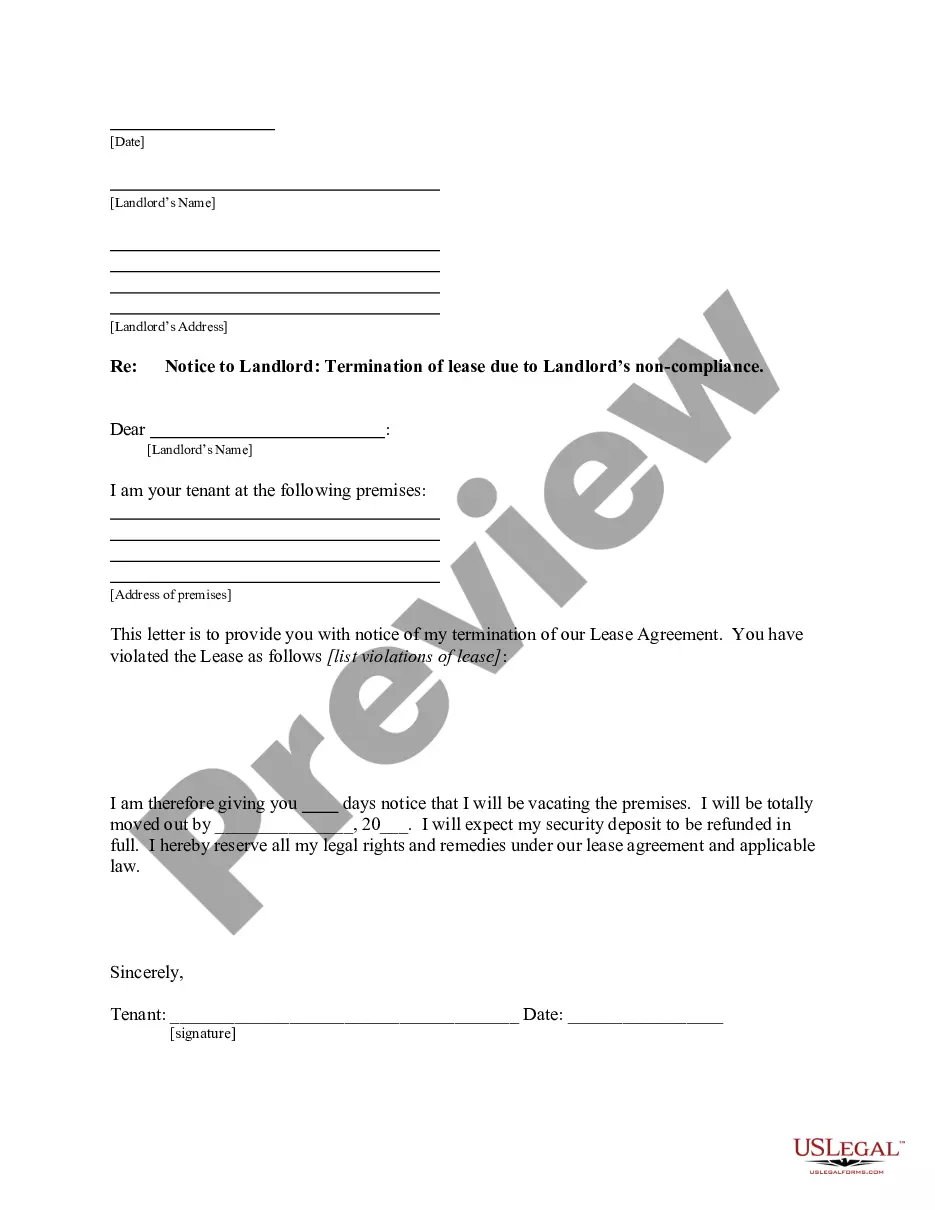
This form is a letter from a tenant to their landlord addressing the issue of inadequate heating resources in the leased premises. It serves as a legal notice that the tenant is experiencing insufficient heat and requests the landlord to take action, either by adding new heating units or repairing existing ones. This letter is crucial for tenants seeking to formally communicate their heating concerns, distinguishing it from general tenant requests or complaints.
What’s included in this form
- Tenant's request for remedy: A clear statement asking the landlord to address the heating issue.
- Notification of rights: A clause indicating that the tenant reserves all rights under the lease agreement and applicable law.
- Signature and date: Space for the tenant to provide their signature and the date of the notice.
- Proof of delivery: A section to confirm the delivery of the notice to the landlord or their authorized agent.



When to use this form
This letter should be used when a tenant encounters problems with inadequate heating in their rental unit. If the temperature inside the premises is uncomfortably low and the landlord has not addressed the issue, the tenant can utilize this form to formally notify the landlord and seek a resolution. It is particularly important before pursuing further legal remedies or withholding rent due to unlivable conditions.
Who this form is for
- Tenants in residential rental agreements experiencing insufficient heat.
- Individuals seeking a formal record of communication with their landlord regarding heating issues.
- Renters who want to ensure that they are protecting their legal rights when faced with inadequate housing conditions.
Steps to complete this form
- Identify the tenant: Include the tenant's full name and contact information at the top of the letter.
- Specify the problem: Clearly state that there is insufficient heat in the leased premises.
- Request action: Explicitly request that the landlord either add or repair heating resources.
- Sign and date: Provide your signature and the date of the notice at the bottom of the letter.
- Deliver the notice: Ensure the notice is delivered to the landlord or their authorized agent, noting the delivery method for proof.
Is notarization required?
This form does not typically require notarization unless specified by local law. However, it is recommended to keep a copy and proof of delivery for your records to ensure your rights are protected.
Get your form ready online
Our built-in tools help you complete, sign, share, and store your documents in one place.
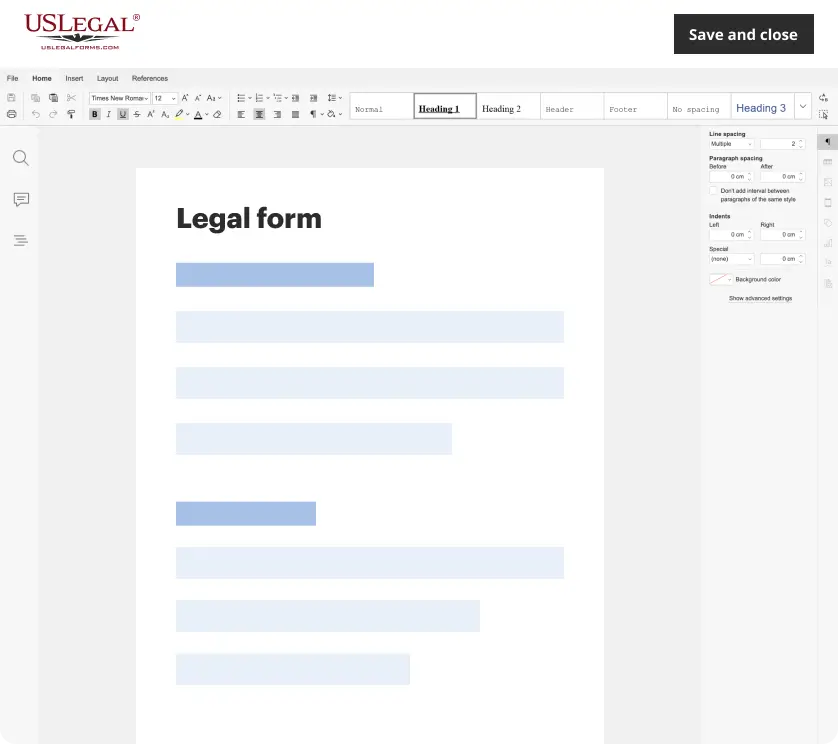
Make edits, fill in missing information, and update formatting in US Legal Forms—just like you would in MS Word.
Download a copy, print it, send it by email, or mail it via USPS—whatever works best for your next step.
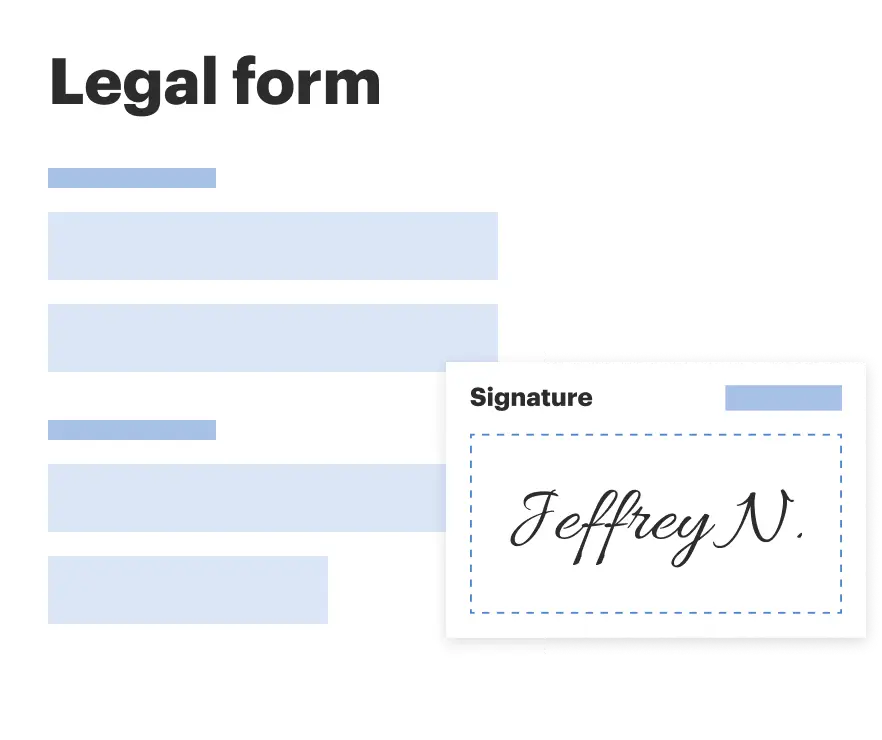
Sign and collect signatures with our SignNow integration. Send to multiple recipients, set reminders, and more. Go Premium to unlock E-Sign.
If this form requires notarization, complete it online through a secure video call—no need to meet a notary in person or wait for an appointment.
We protect your documents and personal data by following strict security and privacy standards.
Make edits, fill in missing information, and update formatting in US Legal Forms—just like you would in MS Word.
Download a copy, print it, send it by email, or mail it via USPS—whatever works best for your next step.
Sign and collect signatures with our SignNow integration. Send to multiple recipients, set reminders, and more. Go Premium to unlock E-Sign.

If this form requires notarization, complete it online through a secure video call—no need to meet a notary in person or wait for an appointment.
We protect your documents and personal data by following strict security and privacy standards.
Common mistakes
- Failing to include contact information, making it difficult for the landlord to respond.
- Not clearly stating the heating issue, which can lead to misunderstandings.
- Neglecting to sign and date the letter, which may render it less authoritative.
- Not providing proper proof of delivery, risking a lack of documentation of the notice being sent.
Benefits of using this form online
- Convenience: Quickly download and complete the form from anywhere.
- Editability: Easily customize the template to fit your specific situation.
- Reliability: Access a professionally drafted form that complies with legal standards.
Legal use & context
- Serves as formal documentation of the tenant's request for heat remediation.
- Protects tenant rights under the lease agreement and landlord-tenant laws.
- Can serve as evidence in any potential disputes regarding housing conditions.
Quick recap
- The form provides a structured way for tenants to address heating issues with their landlord.
- It serves as legal evidence of the request, which may be important if further actions are necessary.
- Completing the form accurately can help ensure the tenant's rights are protected.
Looking for another form?
Form popularity
FAQ
Typically, the deadline to fix the problem is 30 to 60 days. If your heat stops working, and your landlord won't fix it, Veitengruber Law can help. It's important to consult with us as soon as possible so that we can advise you and take action in a timely manner.
For other tenant/landlord affairs information, residents may contact the NJ Department of Community Affairs, Division of Codes & Standards, Landlord/Tenant Divsion by phone 609-292-7899, on their website at www.nj.gov/dca or by mail at P.O. Box 805, Trenton NJ 08625.
All tenants have a right to live in habitable conditions, but they also have the responsibility to maintain and preserve a landlord's property under New Jersey law. The landlord must maintain livable conditions in an apartment or rental home and must repair damages caused from normal wear and tear.
Under the state housing codes, from October 1 to May 1, the landlord must provide enough heat so that the temperature in the apartment is at least 68 degrees from 6 am to 11 pm. Between 11 pm and 6 am, the temperature in the apartment must be at least 65 degrees.
State law regulates several rent-related issues, including late fees, the amount of notice (at least 30 days in New Jersey) landlords must give tenants to raise the rent and how much time (30 days in New Jersey) a tenant has to pay overdue rent or move before a landlord can file for eviction.
A landlord is allowed to provide heat at less than 68 degrees Fahrenheit if they enters into an agreement with the tenant.
Tenants are entitled to have central heating or other equipment for heating each occupied room and a boiler for heating water. The minimum heating standard is at least 18°C in sleeping rooms, and 21A°C in living rooms, when the temperature outside is minus 1A°C and it should be available at all times.
From October 1 to May 1, the rental premises shall be maintained at a temperature of at least 68 degrees Fahrenheit between the hours of a.m. and p.m.; between the hours of p.m. and a.m. the rental premises shall be maintained at a temperature of at least 65 degrees Fahrenheit.