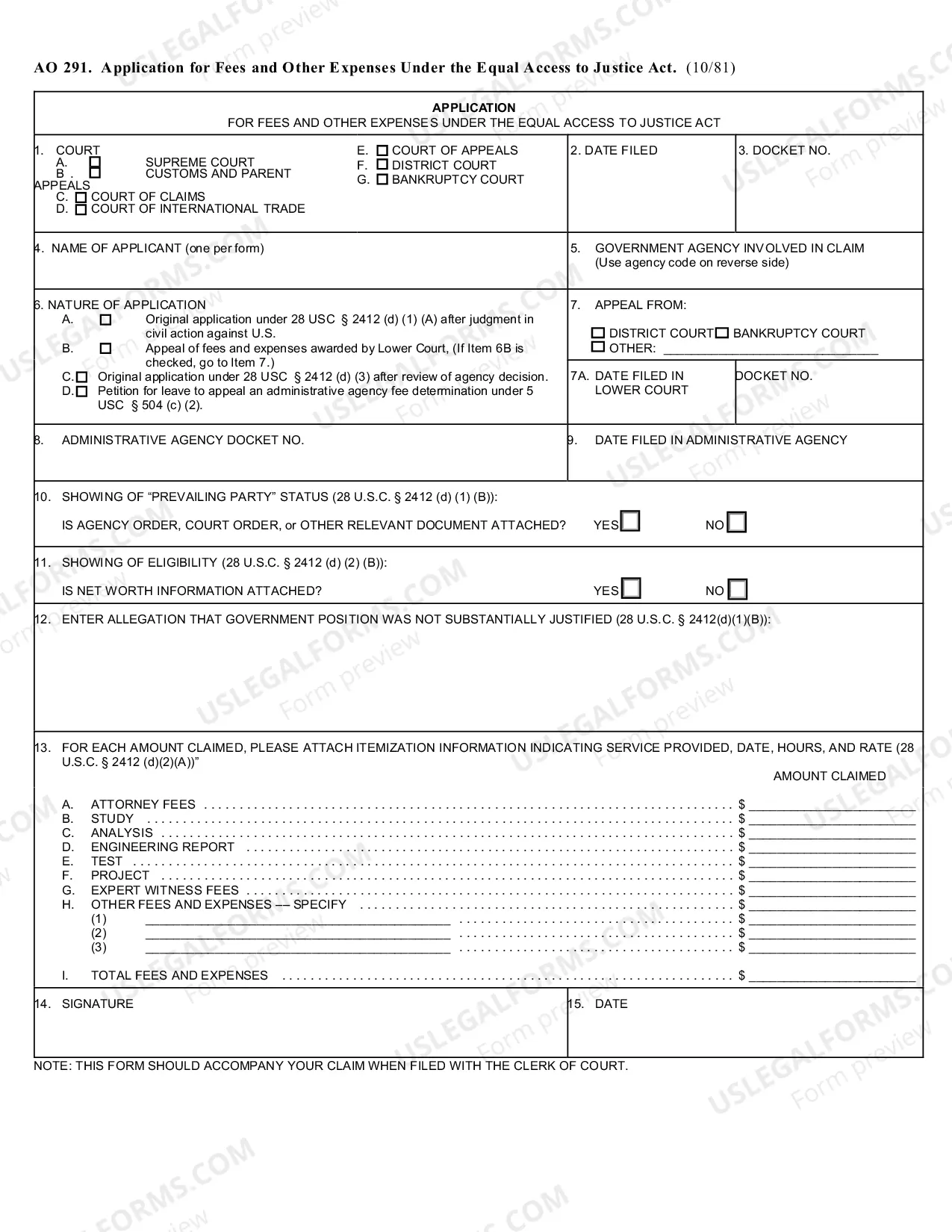
New Jersey Letter from Tenant to Landlord containing Notice that premises in uninhabitable in violation of law and demand immediate repair
About this form
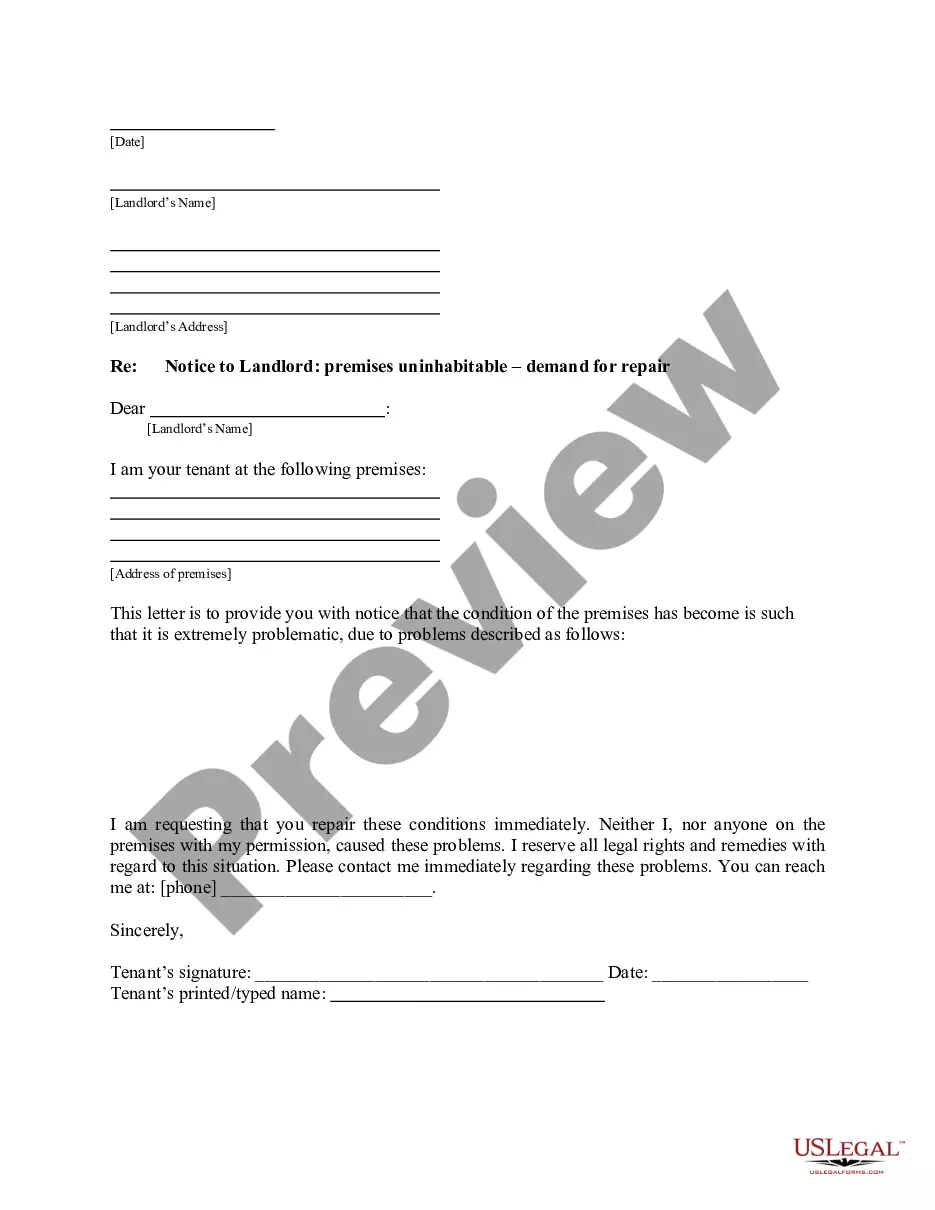
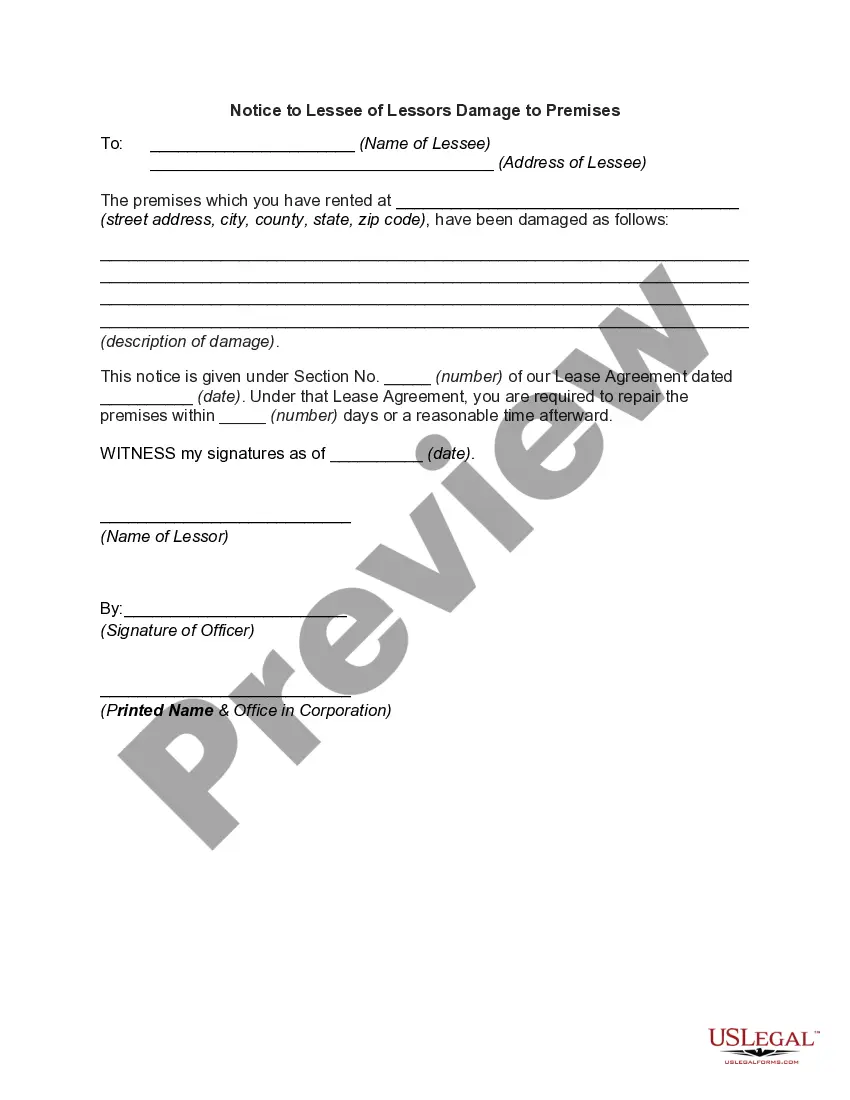
This form is a formal communication from a tenant to a landlord, providing notice that the leased premises are uninhabitable and in violation of legal standards. The tenant uses this letter to demand immediate repairs. Unlike other tenant forms, this letter specifically addresses health and safety issues that affect the tenant's ability to live in the premises safely and comfortably.
What’s included in this form
- Tenant's notice of uninhabitability and legal violation
- Demand for immediate repairs from the landlord
- Signature fields for the tenant and the date of notice


Common use cases
This form is used when a tenant discovers serious health or safety issues in their rental property, such as plumbing failures, mold, or structural problems. It is essential when these issues make the living conditions unsafe or violate local housing laws. Using this form allows the tenant to formally address the issue with the landlord and initiate a timeline for repairs.
Intended users of this form
- Tenants who are experiencing conditions in their rented property that render it uninhabitable.
- Individuals seeking to ensure their landlord complies with legal housing standards.
- Renters who wish to protect their rights and possibly seek lease termination or rent abatement if repairs are not addressed.
How to complete this form
- Identify the parties involved: the tenant and the landlord.
- Clearly describe the premises that are affected.
- Document the issues making the rental property uninhabitable.
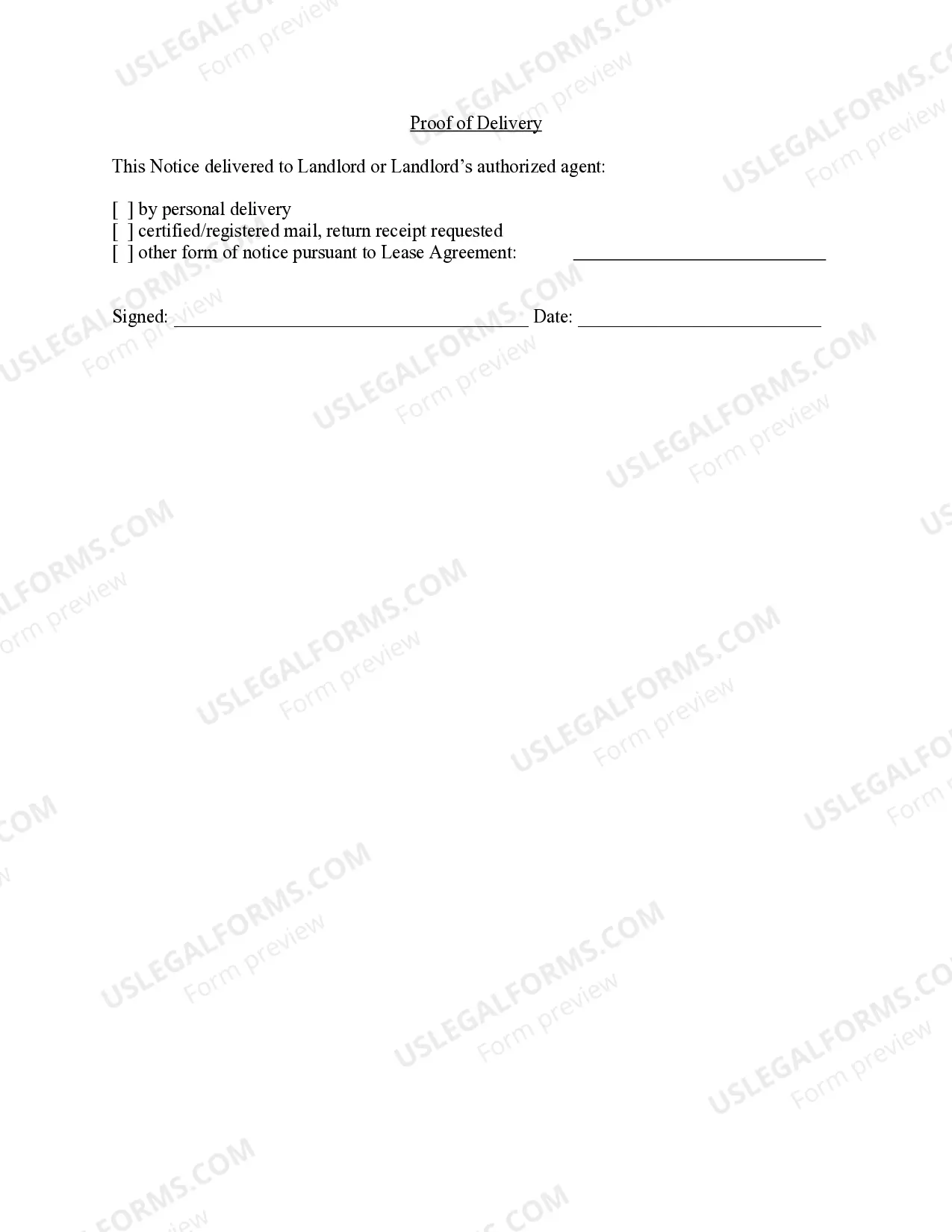
- Specify the date on which you are delivering the notice.
- Sign the form and provide the date of your signature.
Does this document require notarization?
In most cases, this form does not require notarization. However, some jurisdictions or signing circumstances might. US Legal Forms offers online notarization powered by Notarize, accessible 24/7 for a quick, remote process.
Get your form ready online
Our built-in tools help you complete, sign, share, and store your documents in one place.
Make edits, fill in missing information, and update formatting in US Legal Forms—just like you would in MS Word.
Download a copy, print it, send it by email, or mail it via USPS—whatever works best for your next step.
Sign and collect signatures with our SignNow integration. Send to multiple recipients, set reminders, and more. Go Premium to unlock E-Sign.
If this form requires notarization, complete it online through a secure video call—no need to meet a notary in person or wait for an appointment.
We protect your documents and personal data by following strict security and privacy standards.

Make edits, fill in missing information, and update formatting in US Legal Forms—just like you would in MS Word.

Download a copy, print it, send it by email, or mail it via USPS—whatever works best for your next step.

Sign and collect signatures with our SignNow integration. Send to multiple recipients, set reminders, and more. Go Premium to unlock E-Sign.

If this form requires notarization, complete it online through a secure video call—no need to meet a notary in person or wait for an appointment.

We protect your documents and personal data by following strict security and privacy standards.
Common mistakes to avoid
- Failing to provide specific details about the issues affecting habitability.
- Not sending the form to the correct landlord or property management company.
- Neglecting to keep a copy of the letter for personal records.
Advantages of online completion
- Easy download and immediate access for quick use.
- Edit and customize the form to fit specific circumstances.
- Reliably drafted by licensed attorneys to ensure legal compliance.
Legal use & context
- This form establishes a formal complaint, documenting issues with the rental property.
- It serves as a potential legal safeguard for tenants should the landlord fail to make necessary repairs.
- Understanding local laws around tenant rights can enhance the enforceability of this notice.
Key takeaways
- This letter effectively communicates tenant concerns regarding unsafe living conditions.
- Proper completion of this form can compel the landlord to take necessary repairs.
- Tenants are encouraged to document all communications and maintain copies for their records.
Looking for another form?
Form popularity
FAQ
All tenants have a right to live in habitable conditions, but they also have the responsibility to maintain and preserve a landlord's property under New Jersey law. The landlord must maintain livable conditions in an apartment or rental home and must repair damages caused from normal wear and tear.
You are legally required to keep rental premises livable in New Jersey, under a legal doctrine called the implied warranty of habitability. If you don't take care of important repairs, such as a broken heater, tenants in New Jersey may have several options, including the right to withhold rent or repair and deduct.
They don't have to give you any reasons why they want to evict you. They have to give you at least 28 days notice, but this could be longer depending on your agreement. If you don't leave by the time your notice ends, your landlord has to go to court to get a court order to make you leave.
Notice to Terminate the Lease A month-to-month tenant must give written notice of lease termination at least one full month prior to moving. Most yearly leases require a 60 to 90 day notice from the tenants in order to terminate the lease.
However, it's important to know that even without a lease your landlord is still required to give you a 30-day notice for ending your lease or for increasing your rent. If you refuse to pay the increase in your rent, the landlord has the right to legally begin the eviction process.
The Eviction Process in NJ with No Lease Your landlord is required to go through the court in order to legally evict you. Your landlord is also not permitted from unilaterally locking you out of your home, removing your personal belongings, or shutting off any utilities.
For other tenant/landlord affairs information, residents may contact the NJ Department of Community Affairs, Division of Codes & Standards, Landlord/Tenant Divsion by phone 609-292-7899, on their website at www.nj.gov/dca or by mail at P.O. Box 805, Trenton NJ 08625.
A landlord must have good cause to evict a tenant.Each cause, except for nonpayment of rent, must be described in detail by the landlord in a written notice to the tenant. A Notice to Quit is required for all good cause evictions, except for an eviction for nonpayment of rent.
State law regulates several rent-related issues, including late fees, the amount of notice (at least 30 days in New Jersey) landlords must give tenants to raise the rent and how much time (30 days in New Jersey) a tenant has to pay overdue rent or move before a landlord can file for eviction.