New Jersey Framing Contract for Contractor
What is this form?
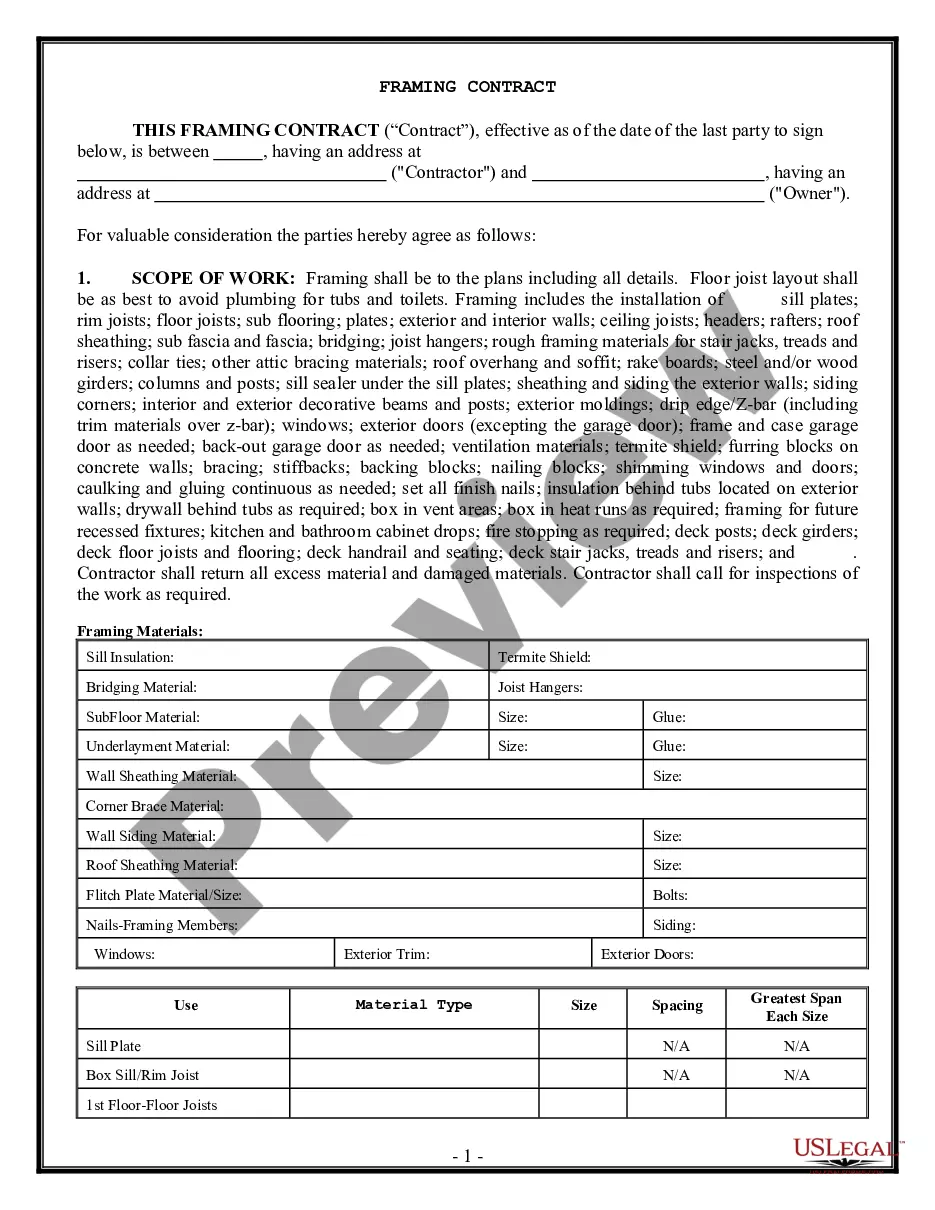
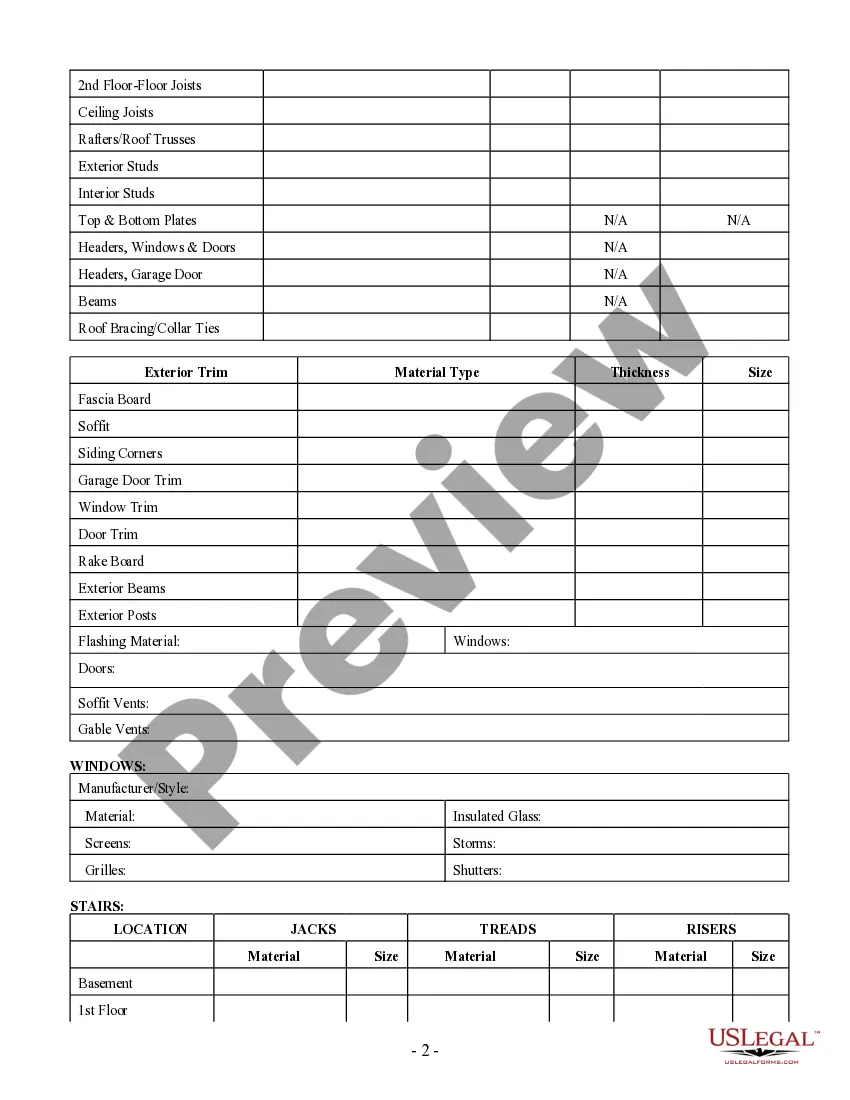
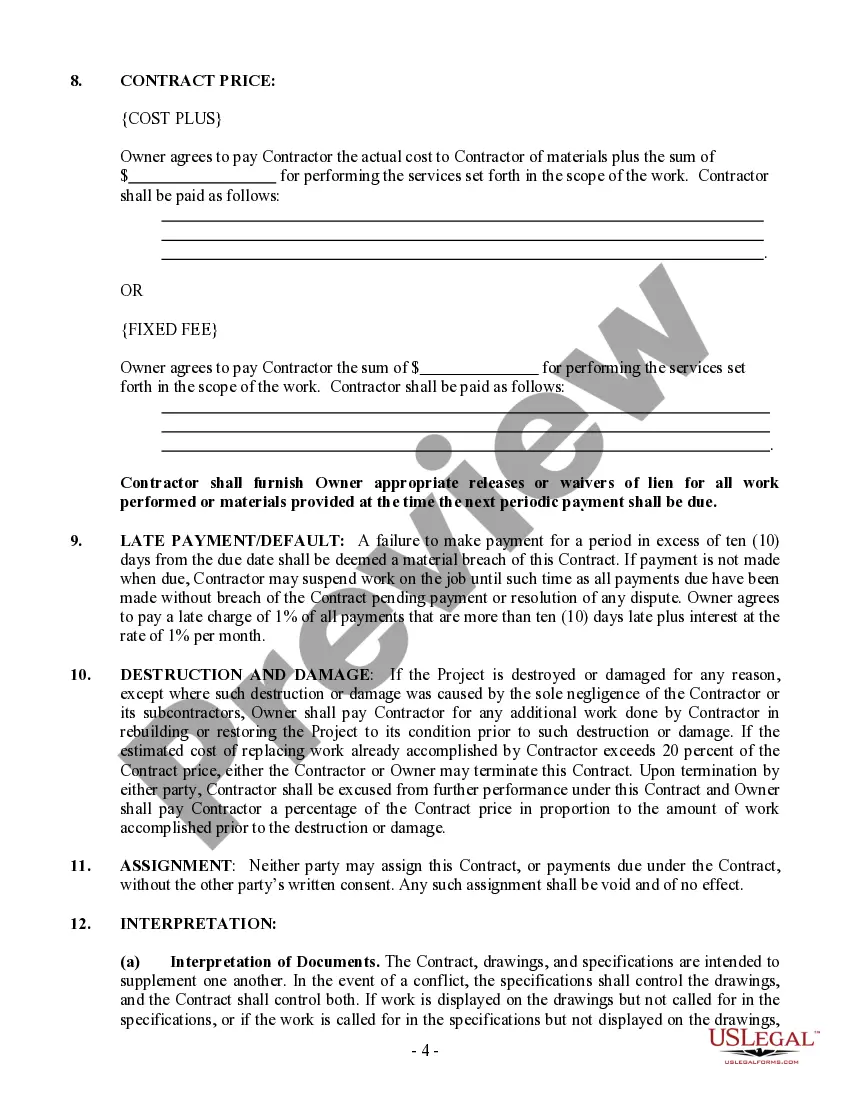
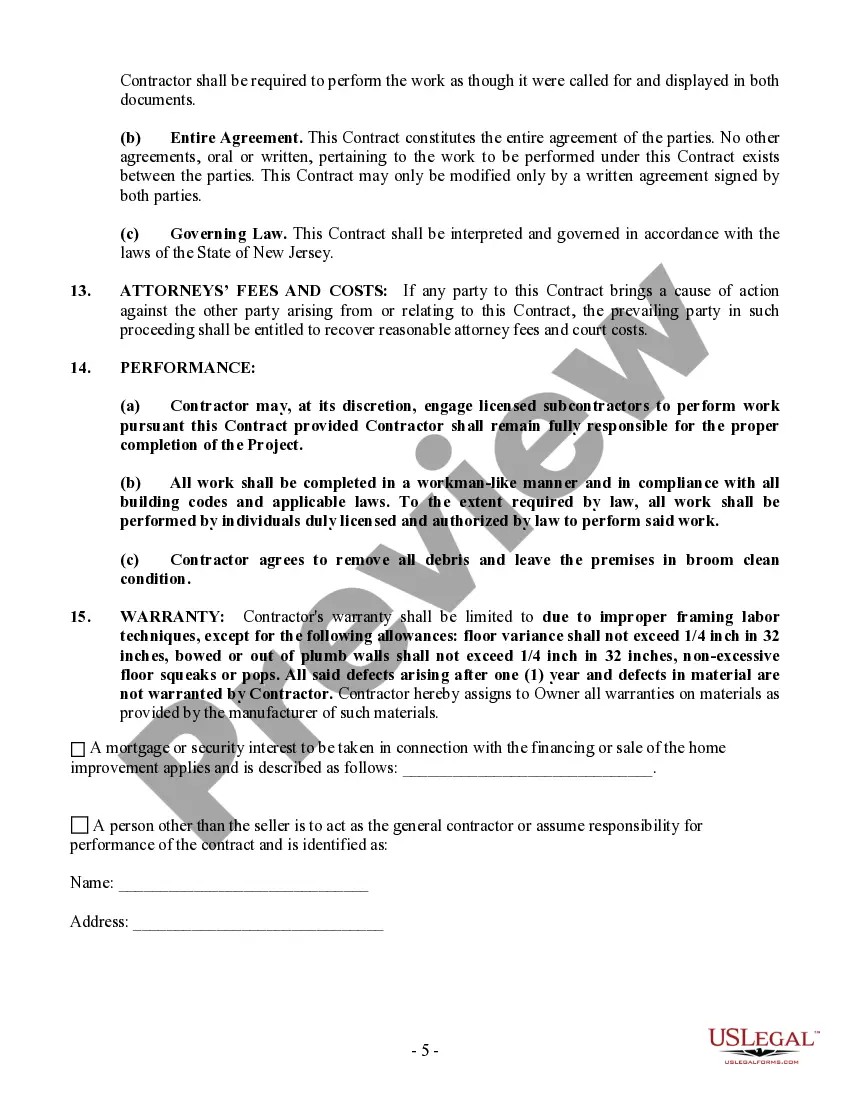
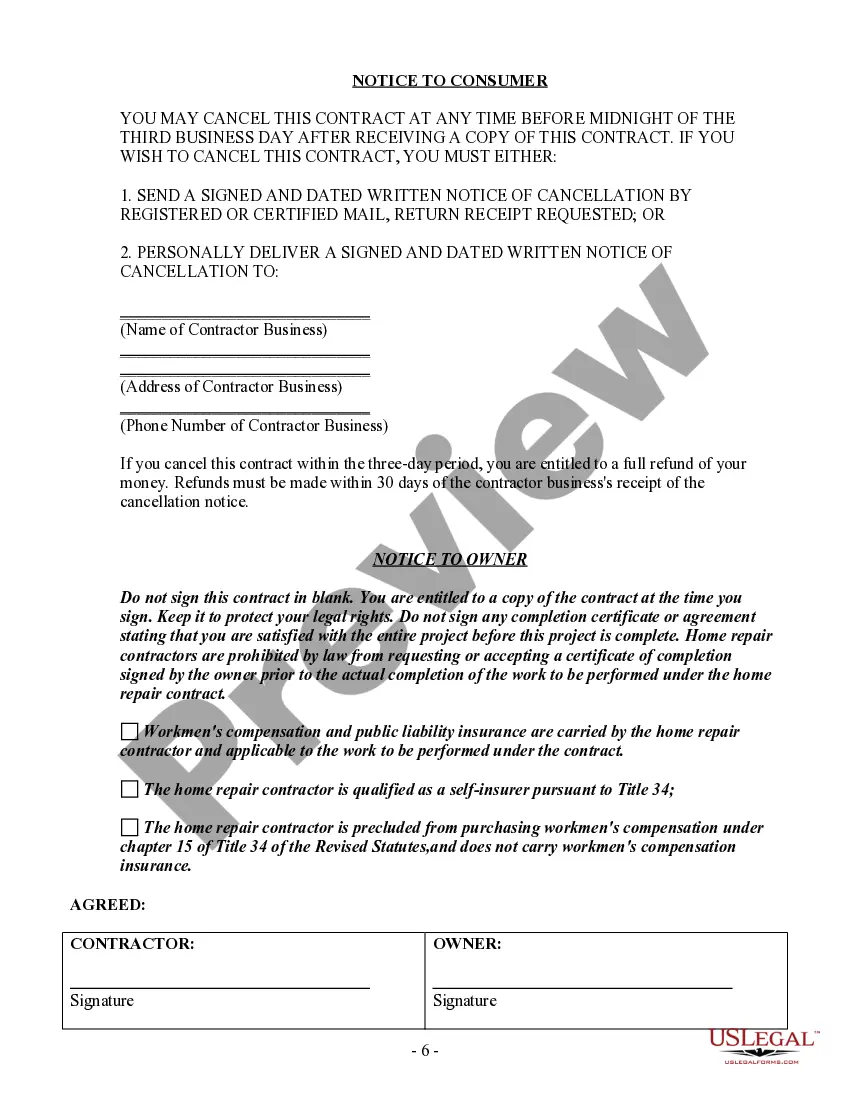
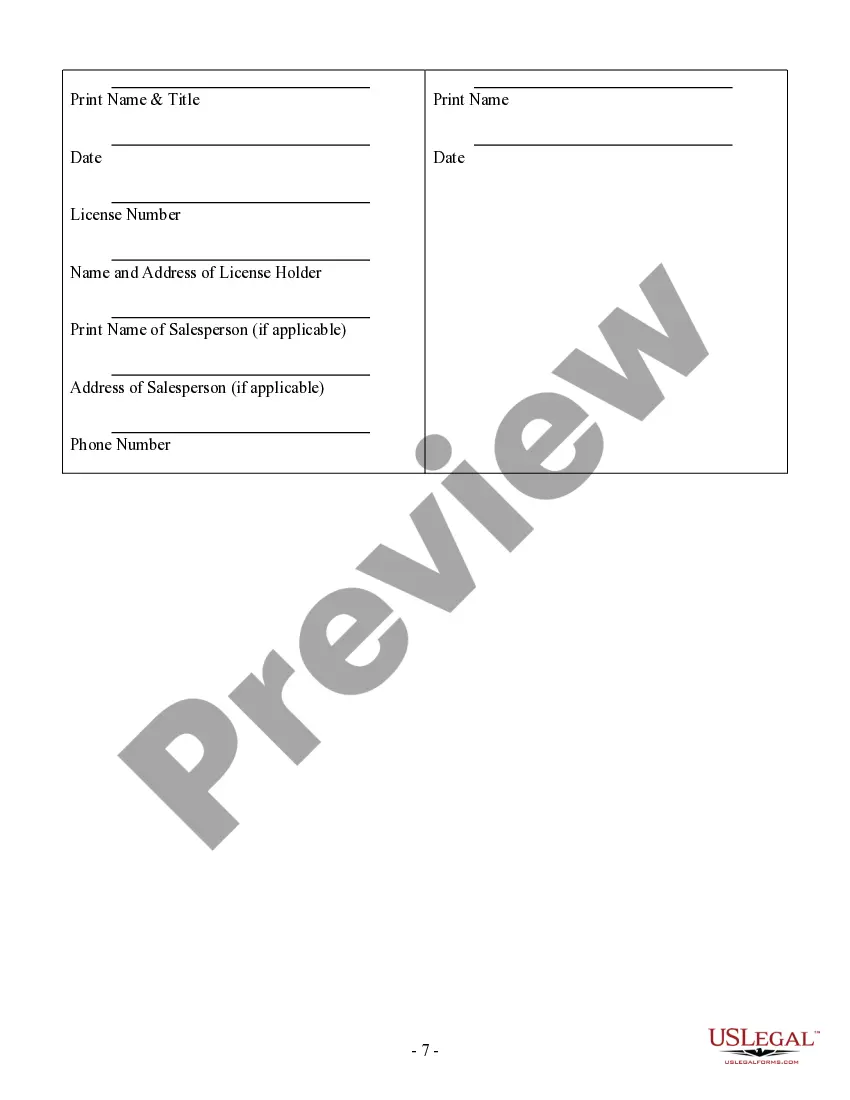
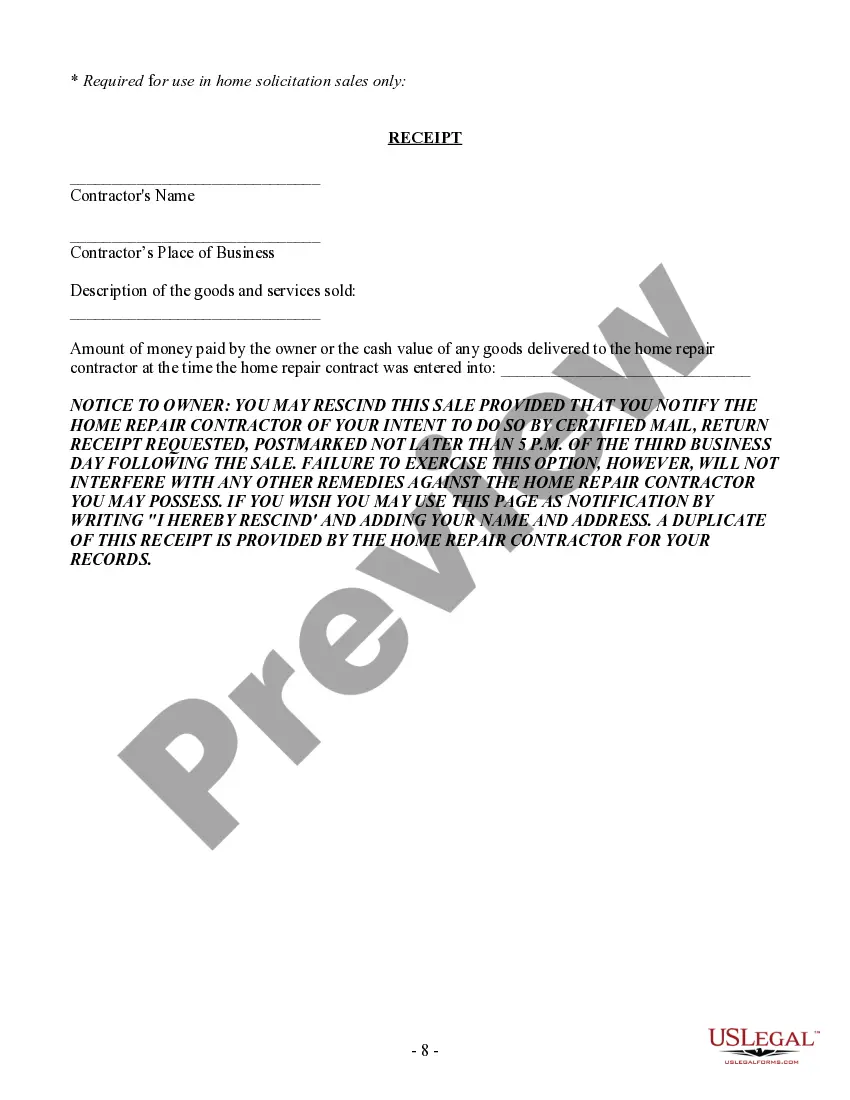
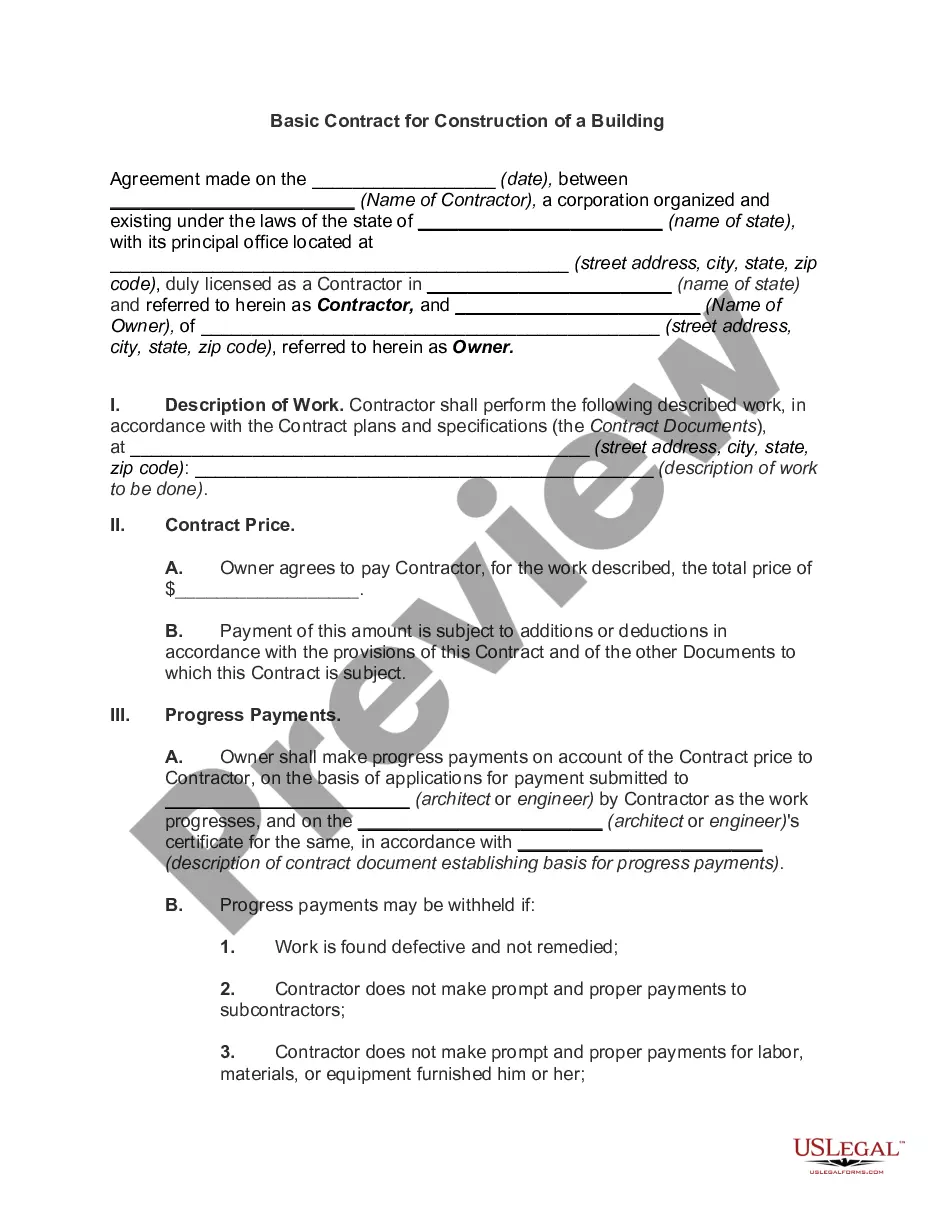
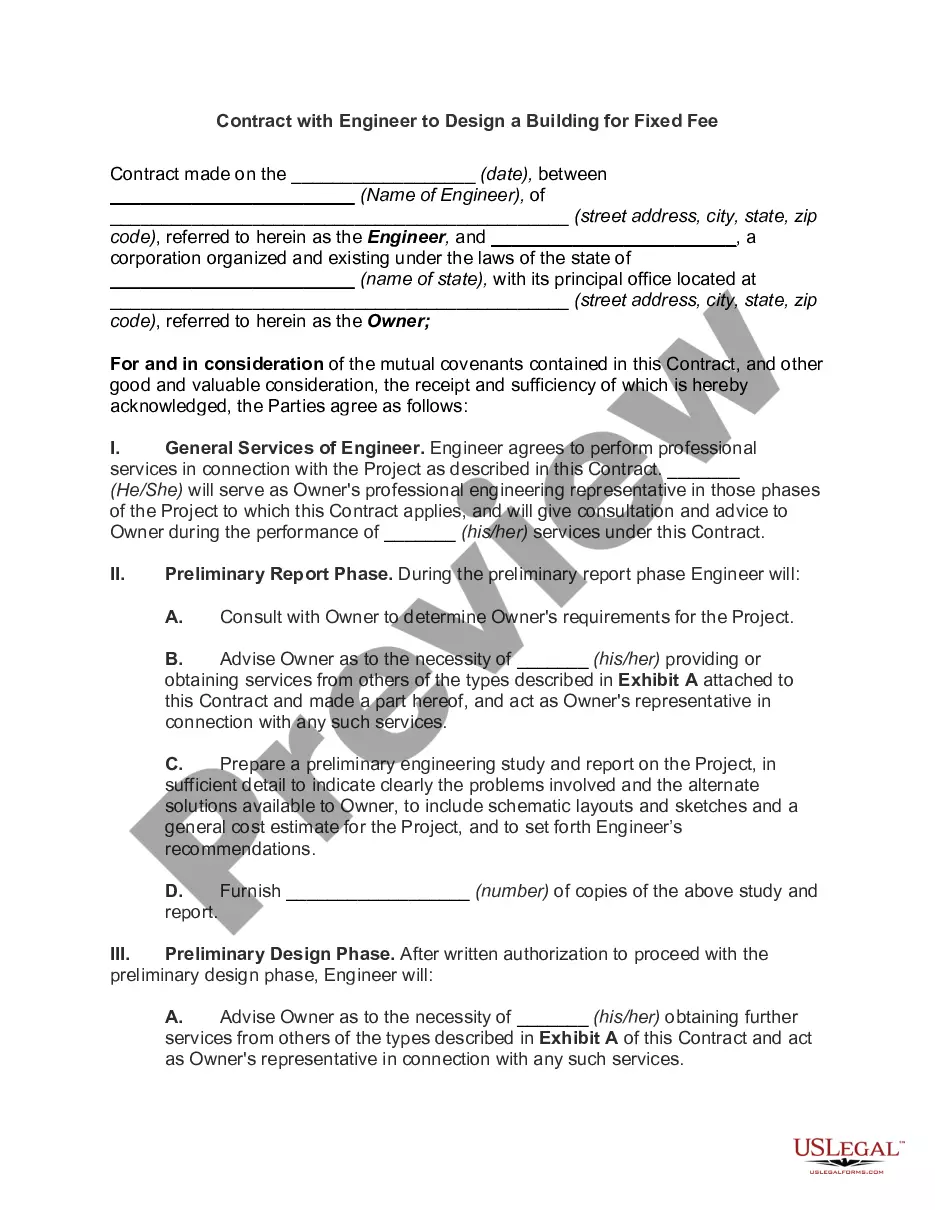
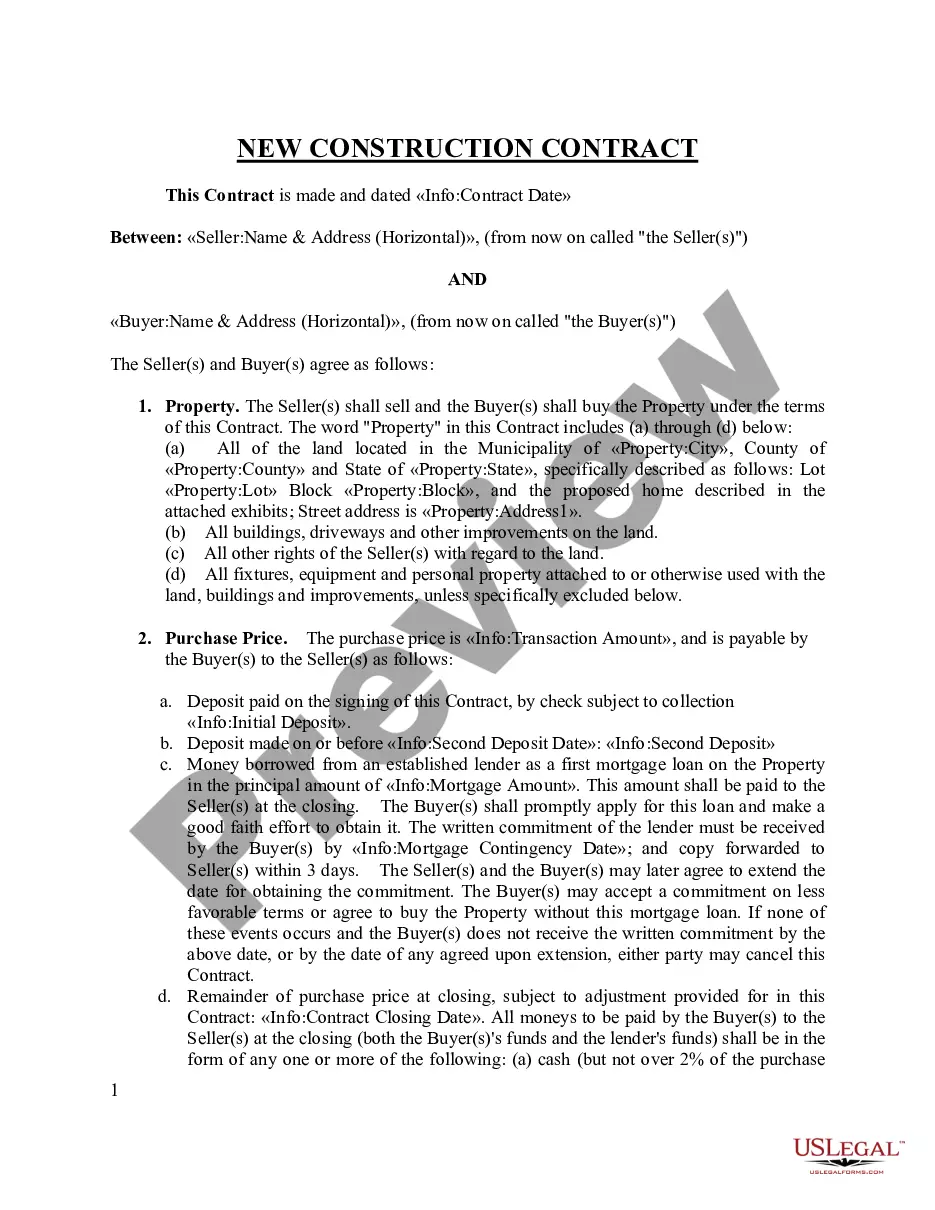
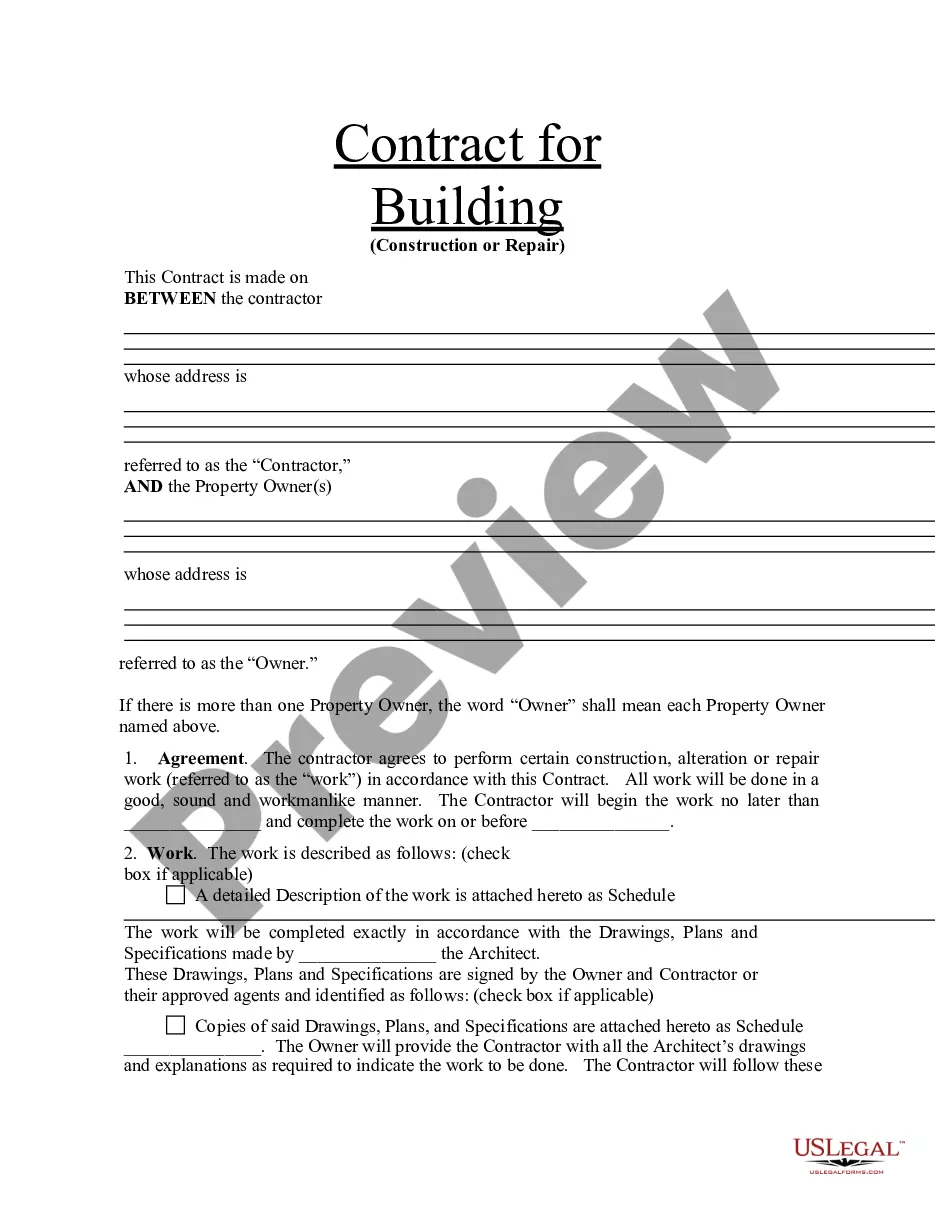
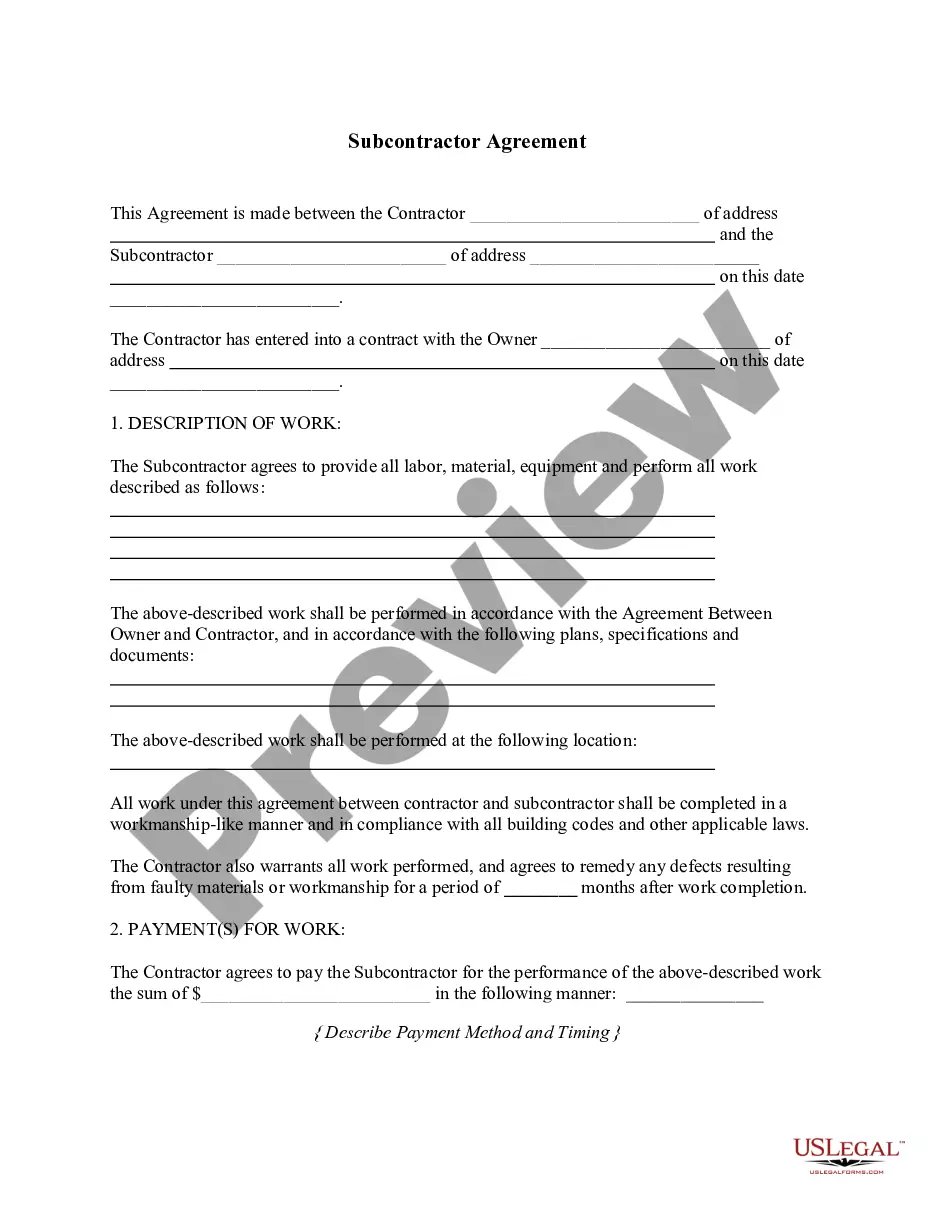
The Framing Contract for Contractor is a legal document used to formalize the relationship between a framing contractor and a property owner. This contract can be utilized under either a cost-plus or fixed-fee payment arrangement. It is designed to cover essential aspects such as change orders, warranty, insurance, and site regulations, ensuring both parties have clear expectations throughout the construction process. This form is specifically tailored to comply with New Jersey laws, differentiating it from similar contracts that may not meet state-specific requirements.
Form components explained
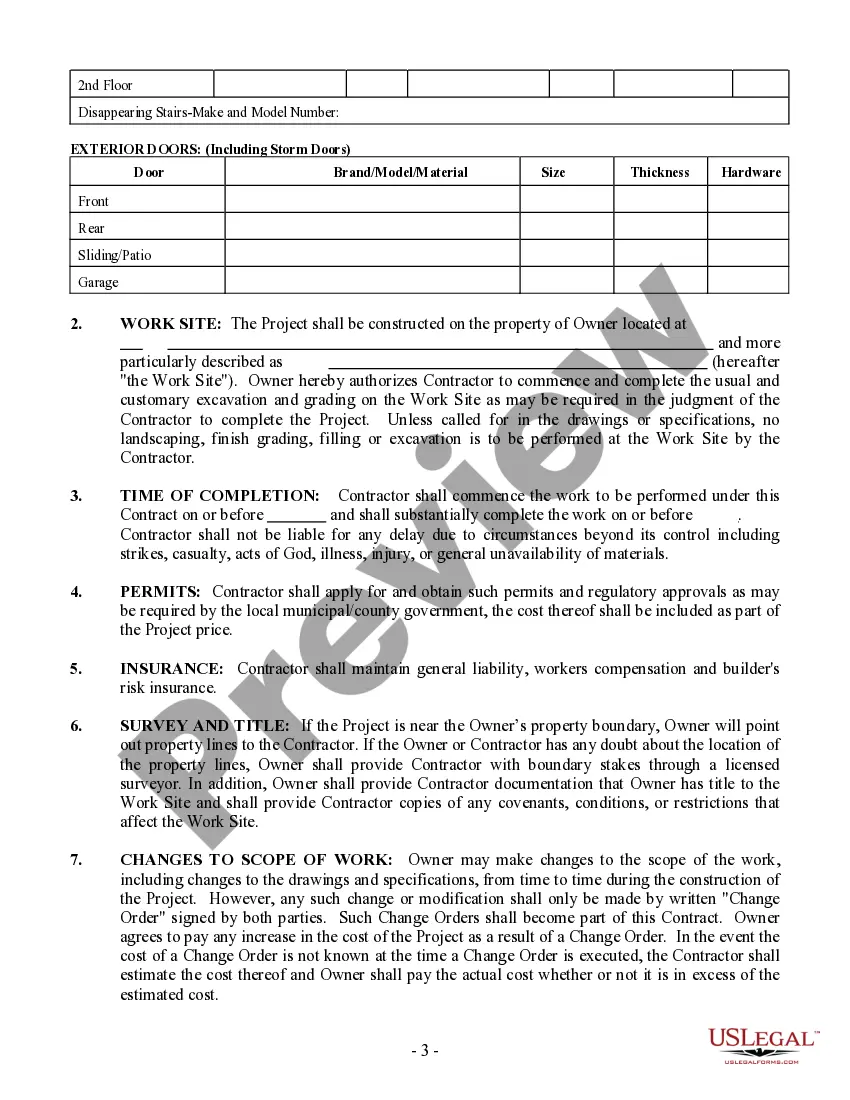
- Permits: Outlines the contractor's responsibility to obtain necessary local permits.
- Insurance: Specifies that the contractor must maintain general liability and workers compensation insurance.
- Changes to Scope of Work: Details the process for making changes during the project with written change orders.
- Destruction and Damage: Addresses liability issues in the event of project damage and the conditions for contract termination.
- Warranty: Limits the contractor's warranty to specific framing defects for one year.
Common use cases
This form should be used whenever a property owner hires a framing contractor for construction or renovation projects. It is especially relevant when changes to the scope of work may occur, or when ensuring compliance with local laws and regulations is necessary. It helps both parties establish clear expectations, especially regarding payment, responsibilities for permits, insurance requirements, and warranty obligations.
Who this form is for
- Property owners looking to hire a framing contractor.
- Framing contractors seeking to establish a formal contract with property owners.
- Individuals managing construction projects who require clear terms and conditions.
Instructions for completing this form
- Identify the parties involved by entering the property owner's and contractor's names and contact information.
- Specify the project details, including the location and scope of work.
- Detail the payment arrangement, indicating whether it is cost-plus or fixed fee.
- Ensure that all necessary sections, such as permits and insurance, are adequately filled out according to the project requirements.
- Both parties should sign and date the form to finalize the contract.
Does this form need to be notarized?
In most cases, this form does not require notarization. However, some jurisdictions or signing circumstances might. US Legal Forms offers online notarization powered by Notarize, accessible 24/7 for a quick, remote process.
Get your form ready online
Our built-in tools help you complete, sign, share, and store your documents in one place.
Make edits, fill in missing information, and update formatting in US Legal Forms—just like you would in MS Word.
Download a copy, print it, send it by email, or mail it via USPS—whatever works best for your next step.
Sign and collect signatures with our SignNow integration. Send to multiple recipients, set reminders, and more. Go Premium to unlock E-Sign.
If this form requires notarization, complete it online through a secure video call—no need to meet a notary in person or wait for an appointment.
We protect your documents and personal data by following strict security and privacy standards.

Make edits, fill in missing information, and update formatting in US Legal Forms—just like you would in MS Word.

Download a copy, print it, send it by email, or mail it via USPS—whatever works best for your next step.

Sign and collect signatures with our SignNow integration. Send to multiple recipients, set reminders, and more. Go Premium to unlock E-Sign.

If this form requires notarization, complete it online through a secure video call—no need to meet a notary in person or wait for an appointment.

We protect your documents and personal data by following strict security and privacy standards.
Common mistakes
- Not obtaining the necessary permits before starting the project.
- Failing to clarify the payment structure, leading to misunderstandings.
- Neglecting to document changes in writing as per the change order clause.
- Omitting required insurance details that could expose parties to liability.
- Overlooking the completion of the contract before starting work.
Benefits of using this form online
- Convenience of downloading the form anytime and anywhere.
- Editability allows customization to fit specific project needs.
- Reliability, ensuring the use of a professionally drafted legal document.
What to keep in mind
- The Framing Contract for Contractor establishes clear obligations for both contractors and property owners.
- Using this contract helps prevent misunderstandings during a construction project.
- It is essential to adhere to New Jersey legal requirements to ensure enforceability.
Looking for another form?
Form popularity
FAQ
Complete and submit an application to the Division, including copies of all required documentation. Complete the application's Disclosure Statement page. Complete and submit a Licensing Application to the DOBI, if you are planning on offering financing options.
Identifying/Contact Information. Title and Description of the Project. Projected Timeline and Completion Date. Cost Estimate and Payment Schedule. Stop Work Clause and Stop Payment Clause. Act of God Clause. Change Order Agreement. Warranty.
Get it in writing. Keep it simple. Deal with the right person. Identify each party correctly. Spell out all of the details. Specify payment obligations. Agree on circumstances that terminate the contract. Agree on a way to resolve disputes.
Name of contractor and contact information. Name of homeowner and contact information. Describe property in legal terms. List attachments to the contract. The cost. Failure of homeowner to obtain financing. Description of the work and the completion date. Right to stop the project.
A copy of your Alternate Name Form C-150G or Trade Name Certificate (if you have another business name). Proof of general liability insurance that's a minimum of $500,000 for each occurrence. A Federal Employer Identification Number (FEIN). Your Social Security Number.
Timeframe or key milestones of the project; hours of work; deliverables of the project; and. way the business will pay the contractor for their services.
Do You Need a License in New Jersey to Become a Handyman? New Jersey doesn't offer handyman licenses. However, handyman professionals must apply for a home improvement contractor license to perform any type of handyman work in New Jersey.
In New Jersey are authorized to alter, paint, remodel, repair, restore, renovate, move, modernize, or demolish any part of residential properties. This work includes patios, kitchens, cabinets, porches, doors, fences, bathrooms, garages, basements, and floor coverings.
To do home construction and many types of substantial home repairs in New Jersey, an individual must be a licensed contractor. Obtaining an NJ contractor license requires the contractor to register with the New Jersey Division of Consumer Affairs, a process that involves multiple smaller steps.