New Jersey Fencing Contract for Contractor
About this form
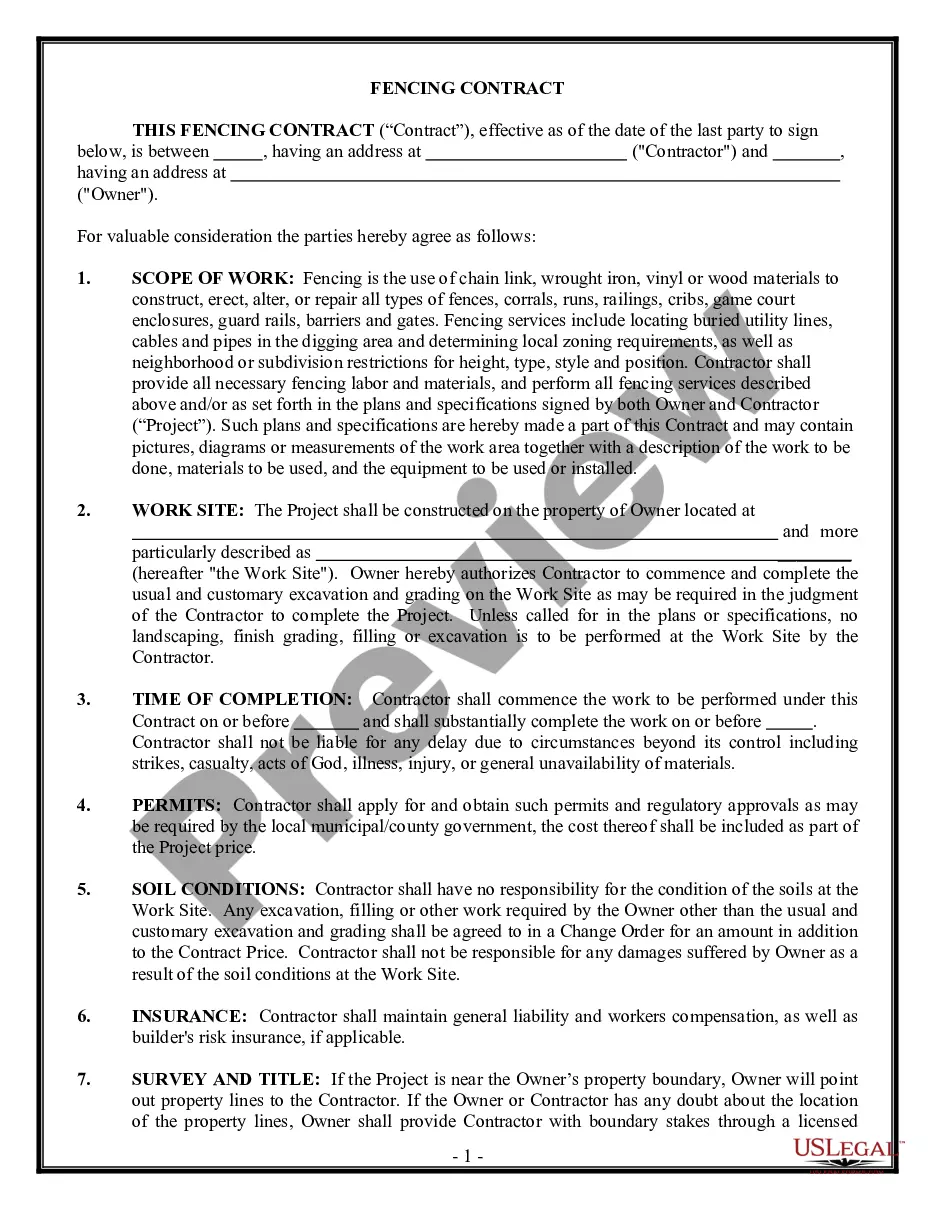
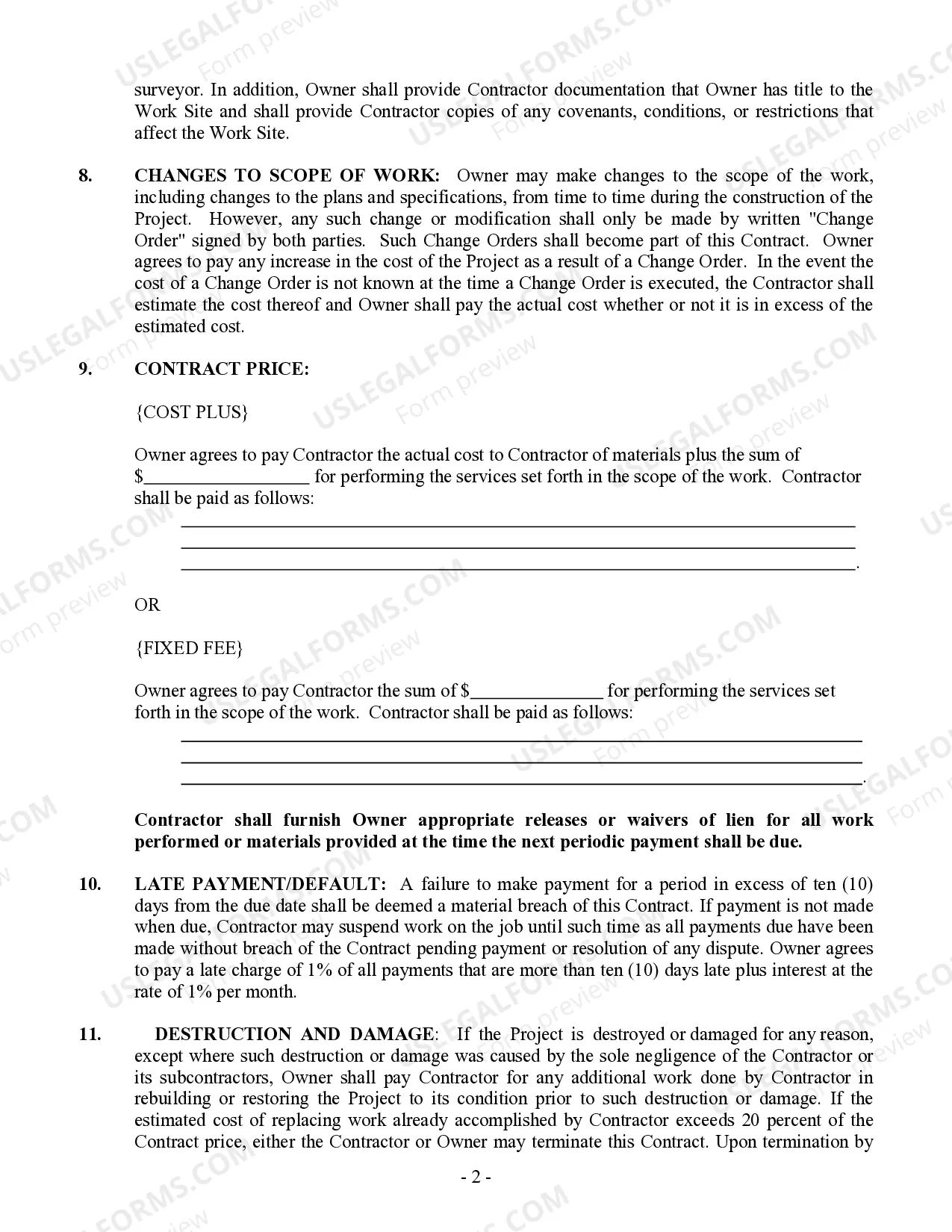
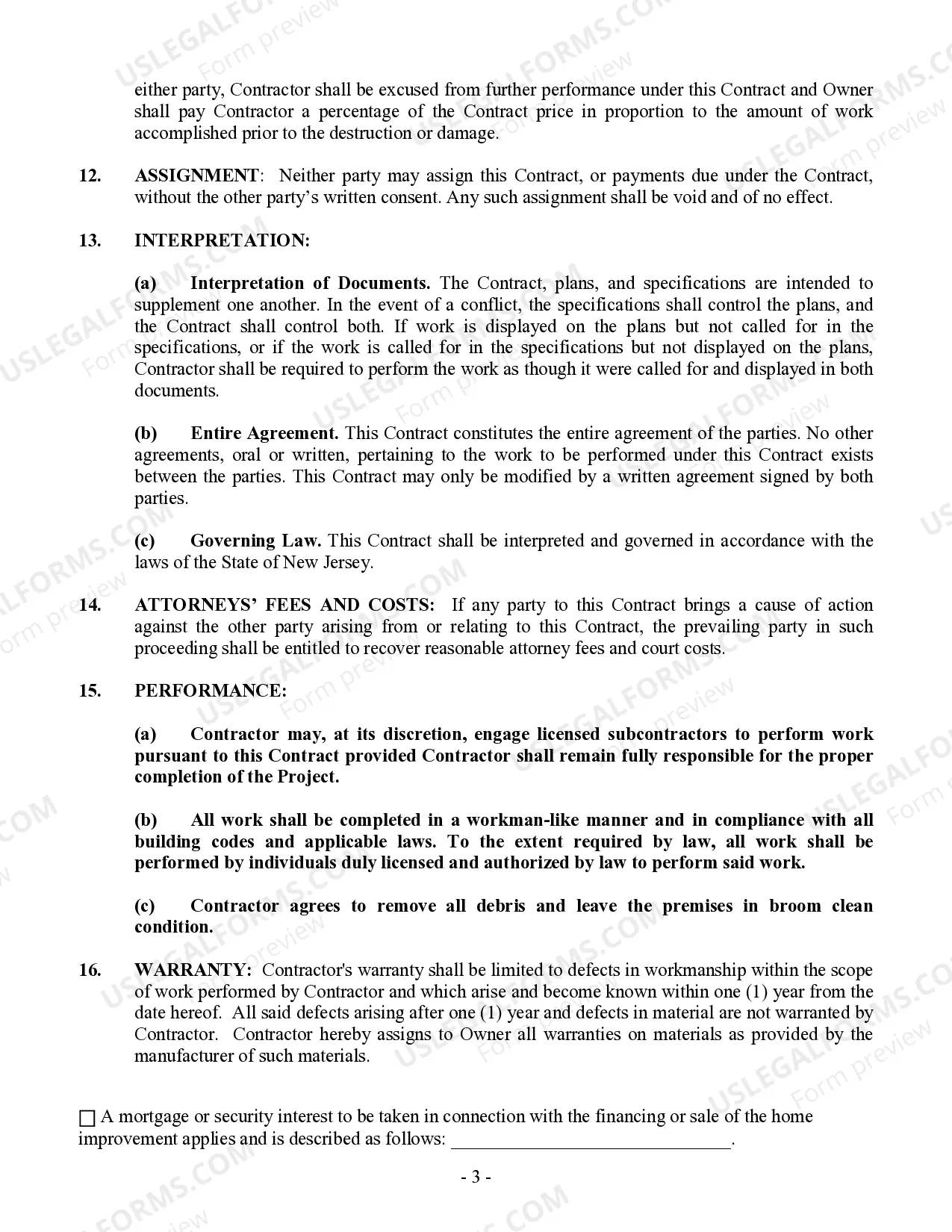
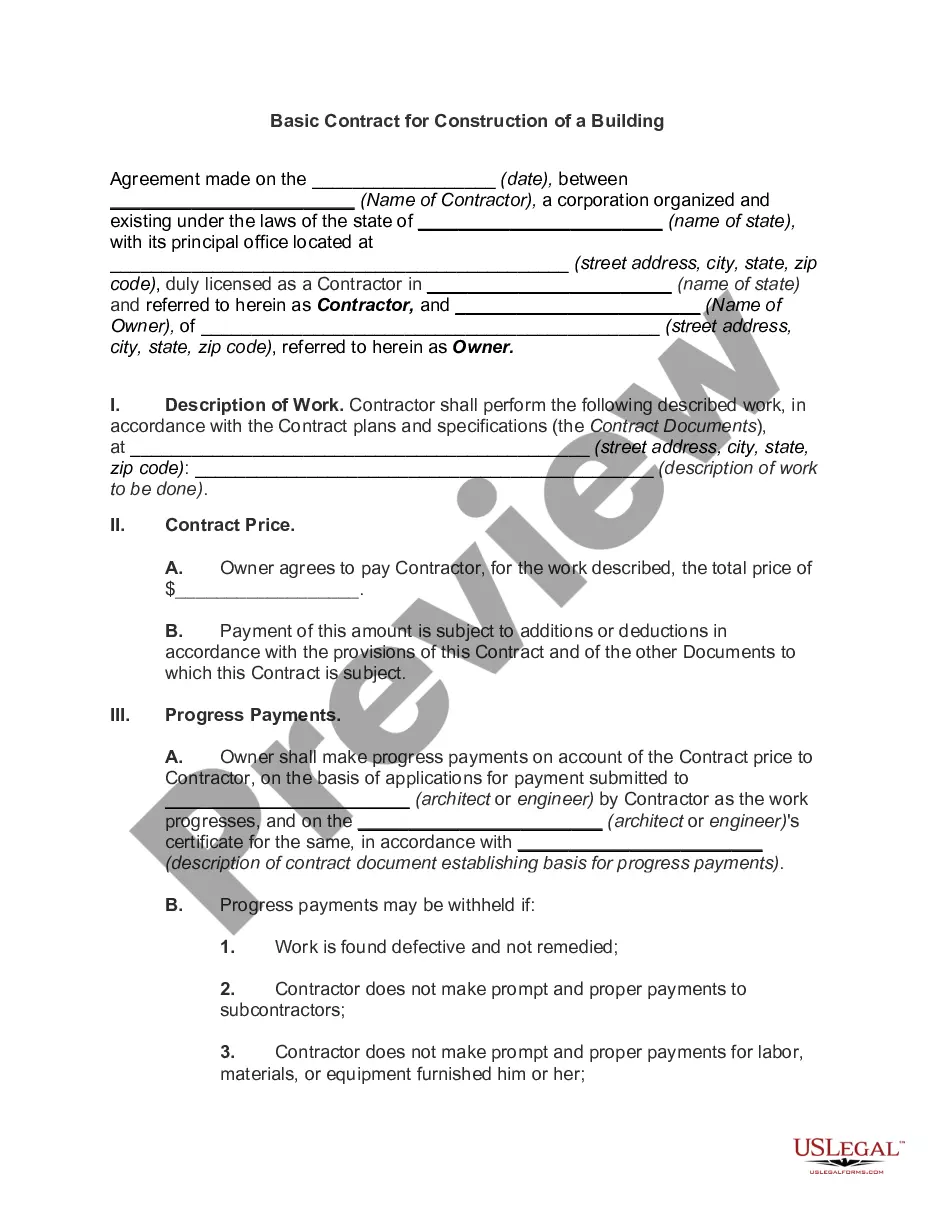
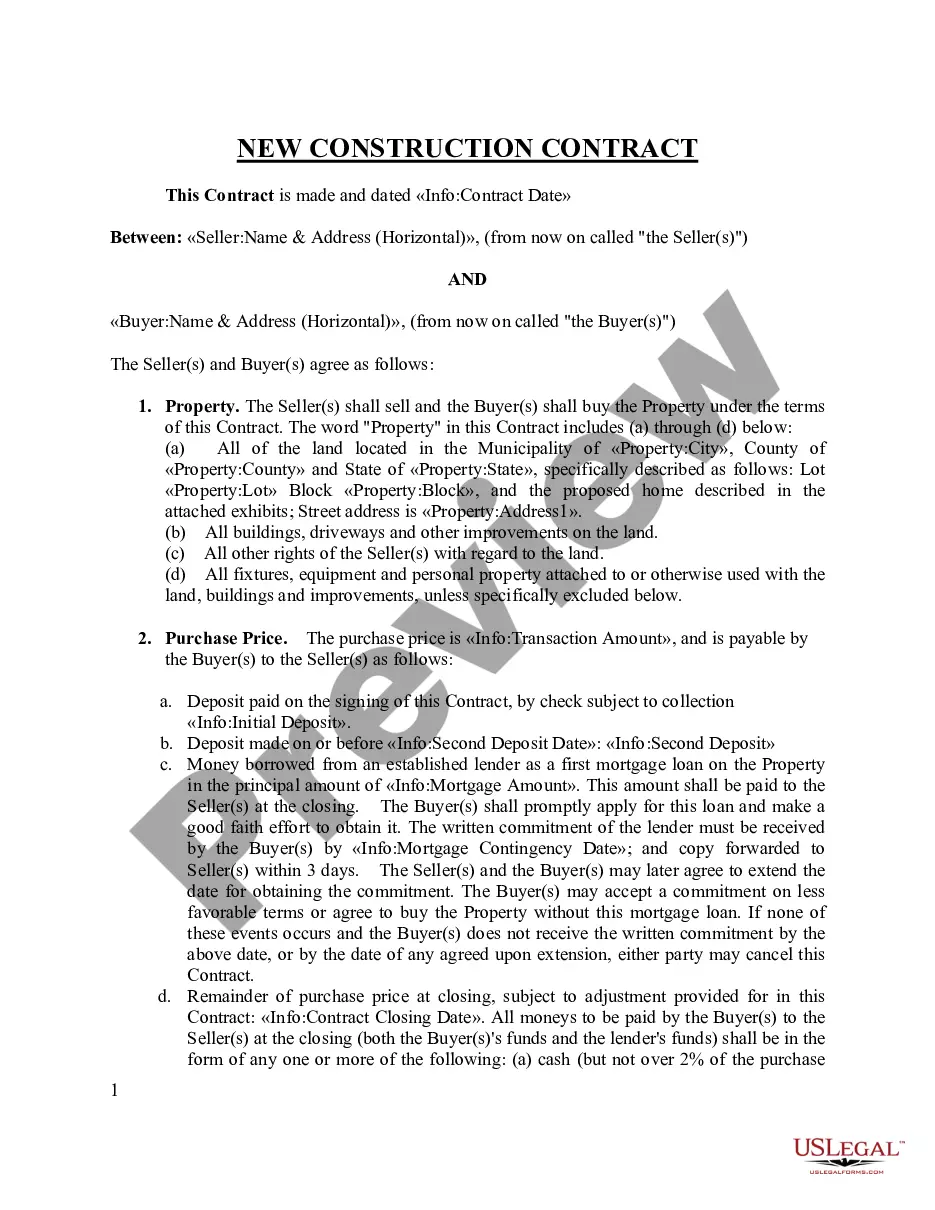
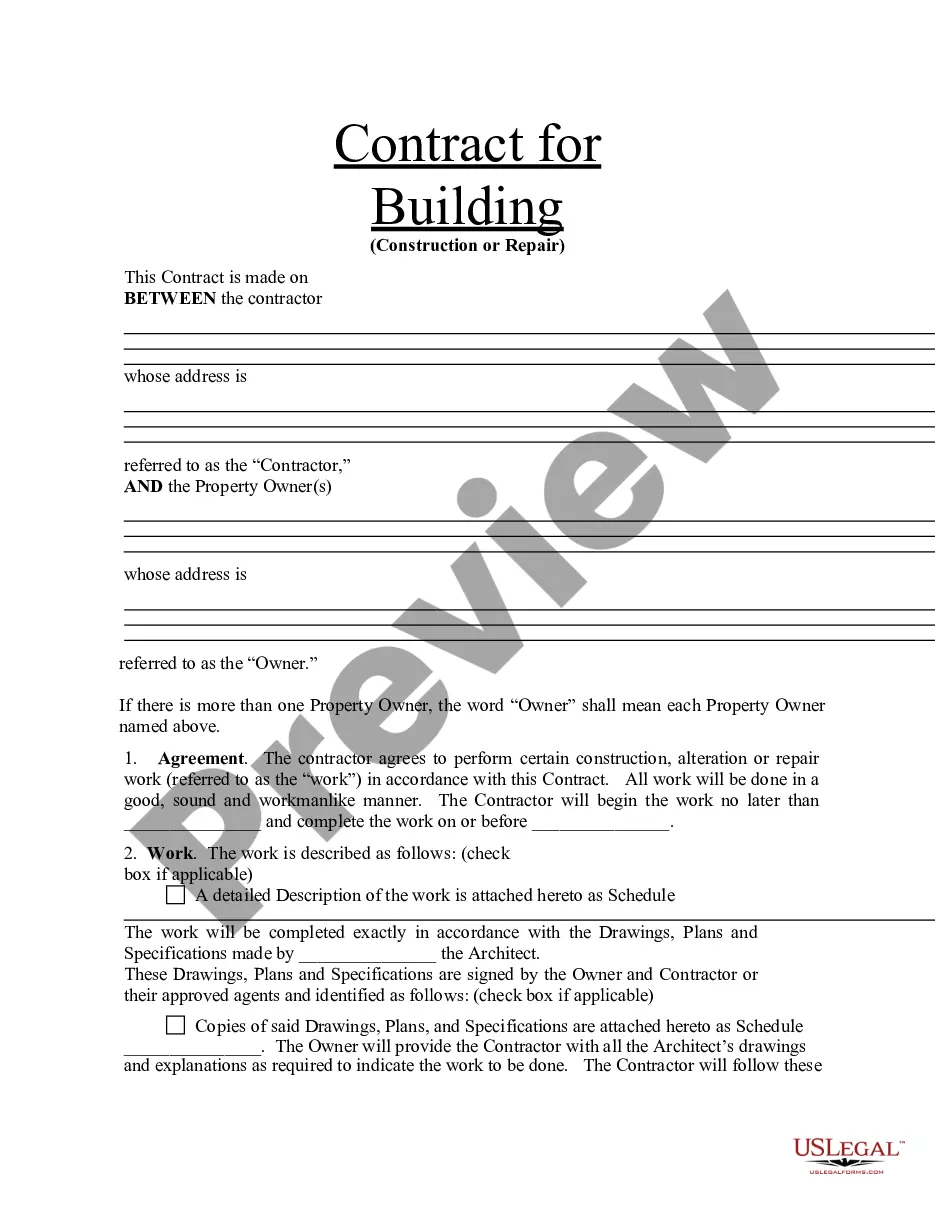
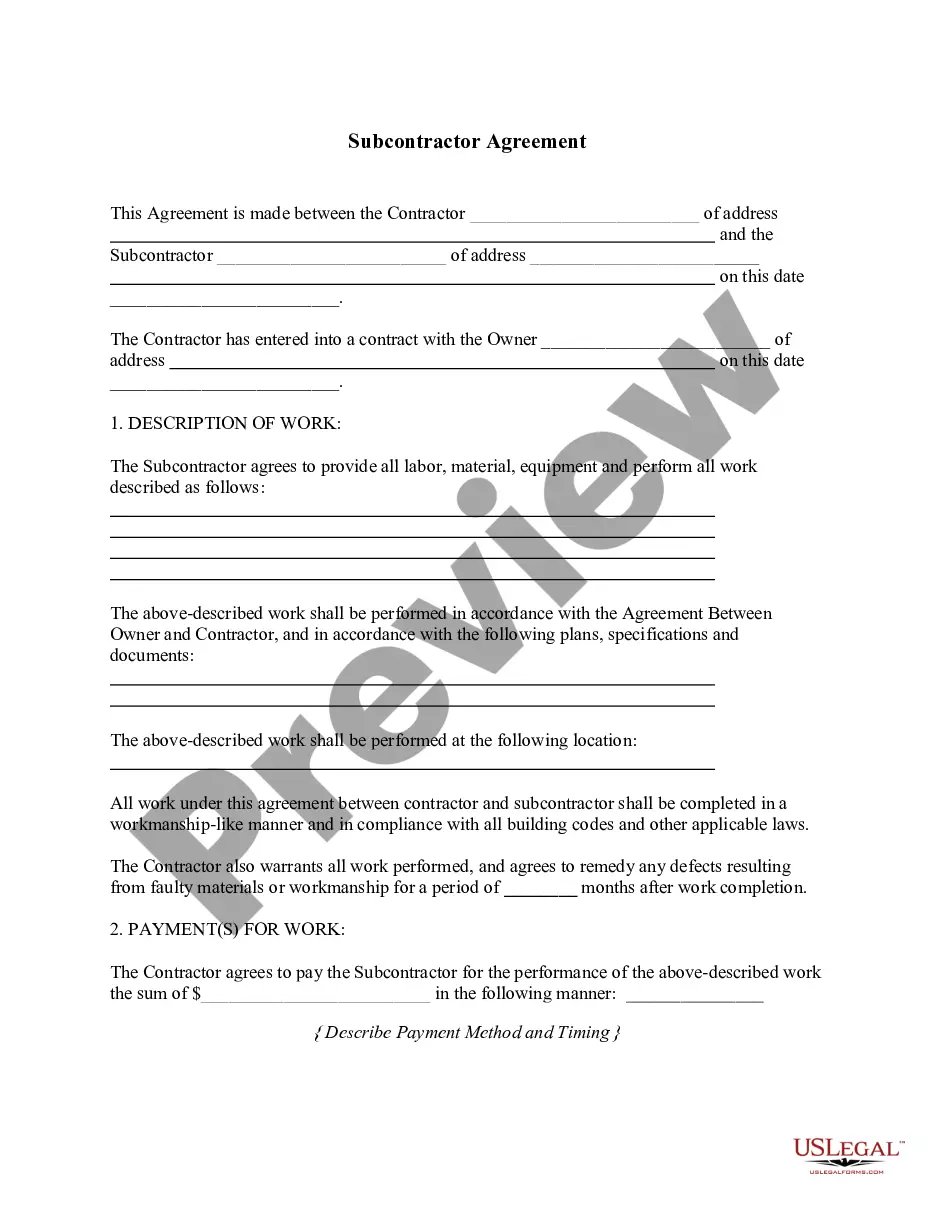
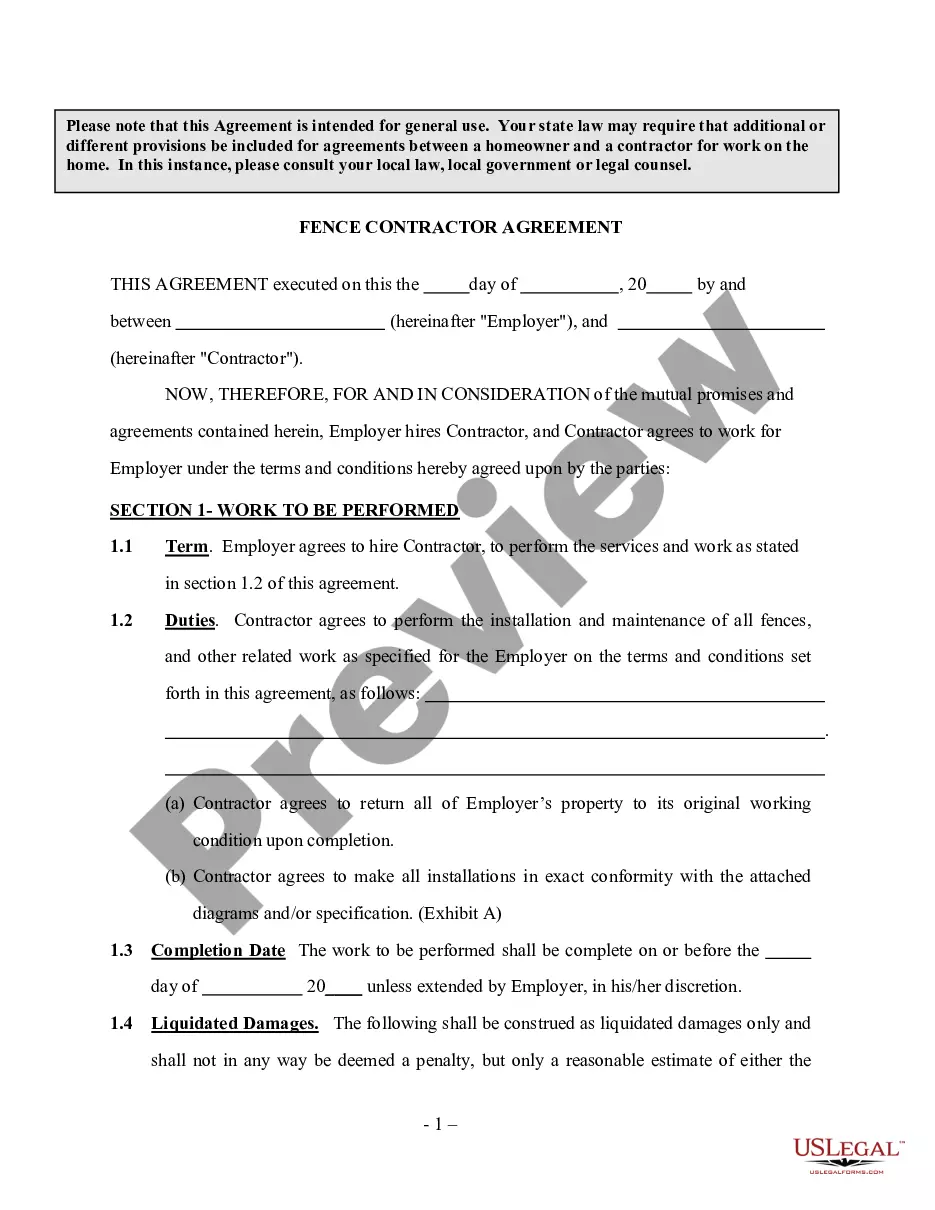
The Fencing Contract for Contractor is a legal document designed to outline the agreement between fencing contractors and property owners. This contract facilitates a clear understanding of project scope, payment terms, insurance, and other essential aspects related to fencing installation. By utilizing this specialized form, parties can ensure compliance with New Jersey laws while protecting their interests.
Main sections of this form
- Work site details, including the property location.
- Permit responsibilities and costs associated with obtaining necessary approvals.
- Soil conditions and the contractor's responsibilities regarding these conditions.
- Insurance requirements for the contractor, including liability and workers' compensation.
- Procedures for changes to the project scope, requiring written change orders.
- Payment terms, including conditions for late payment and default.
- Warranties on workmanship and assigned warranties for materials.
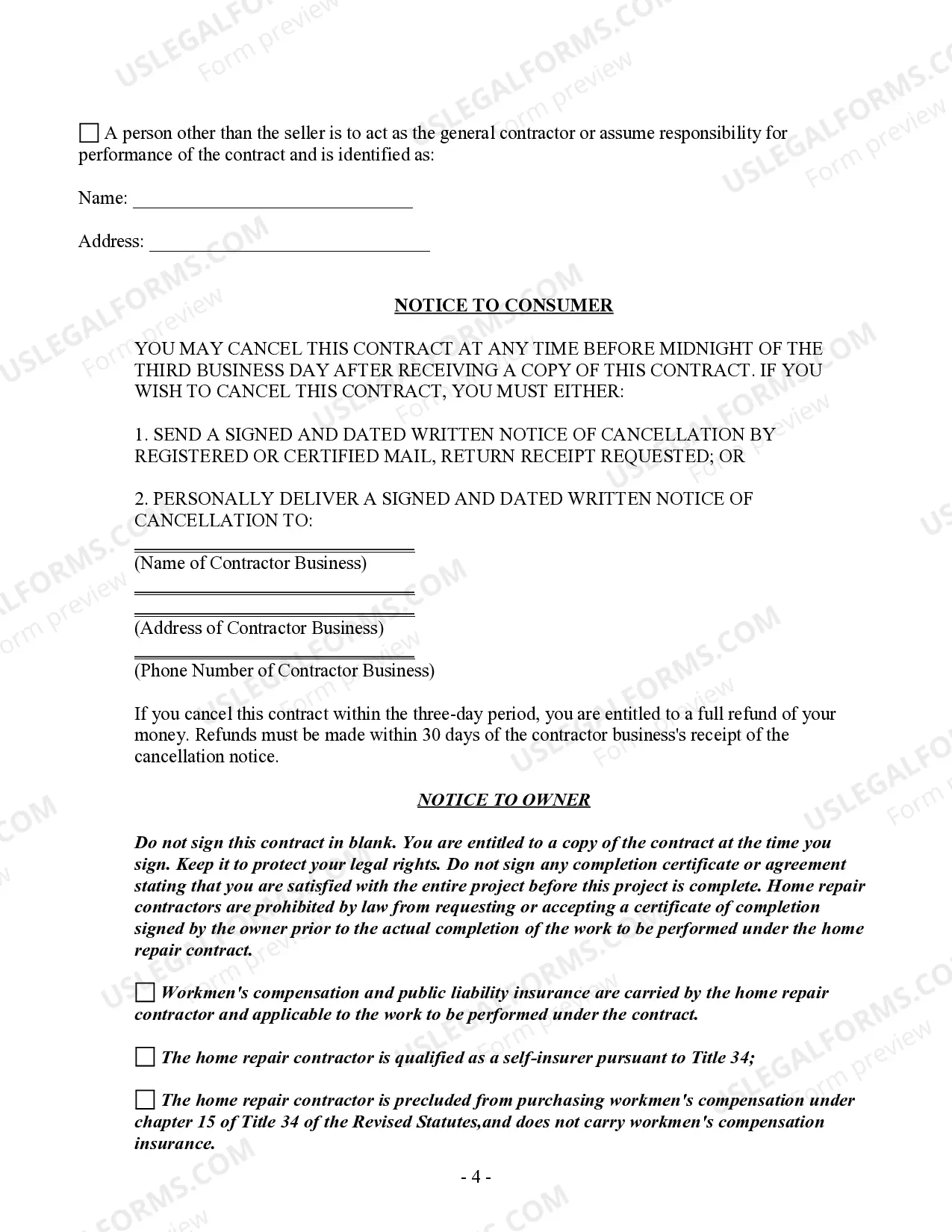
- Notification requirements for potential project cancellation.
When to use this document
This fencing contract is essential whenever a property owner hires a contractor to install or repair a fence on their property. It is particularly useful in situations involving specific project requirements, budget considerations, or changes in the scope of work during the construction process. Using this form helps to manage expectations and responsibilities while ensuring compliance with local regulations.
Who can use this document
- Property owners looking to hire a fencing contractor.
- Fencing contractors who need a formal agreement to establish terms and conditions of their services.
- Parties wishing to protect their legal rights in a fencing project.
How to complete this form
- Identify the parties involved: the fencing contractor and the property owner.
- Specify the work site location where the fencing will be installed.
- Outline the payment arrangement, indicating if it is a fixed fee or cost-plus payment.
- Detail any necessary permits to be acquired by the contractor and their associated costs.
- Include any warranties related to workmanship and materials.
- Ensure both parties sign the contract to make it legally binding.
Is notarization required?
In most cases, this form does not require notarization. However, some jurisdictions or signing circumstances might. US Legal Forms offers online notarization powered by Notarize, accessible 24/7 for a quick, remote process.
Get your form ready online
Our built-in tools help you complete, sign, share, and store your documents in one place.
Make edits, fill in missing information, and update formatting in US Legal Forms—just like you would in MS Word.
Download a copy, print it, send it by email, or mail it via USPS—whatever works best for your next step.
Sign and collect signatures with our SignNow integration. Send to multiple recipients, set reminders, and more. Go Premium to unlock E-Sign.
If this form requires notarization, complete it online through a secure video call—no need to meet a notary in person or wait for an appointment.
We protect your documents and personal data by following strict security and privacy standards.

Make edits, fill in missing information, and update formatting in US Legal Forms—just like you would in MS Word.

Download a copy, print it, send it by email, or mail it via USPS—whatever works best for your next step.

Sign and collect signatures with our SignNow integration. Send to multiple recipients, set reminders, and more. Go Premium to unlock E-Sign.

If this form requires notarization, complete it online through a secure video call—no need to meet a notary in person or wait for an appointment.

We protect your documents and personal data by following strict security and privacy standards.
Avoid these common issues
- Failing to specify the work site location accurately.
- Not including all necessary permits, leading to legal issues.
- Overlooking warranty details which could leave the owner unprotected.
- Neglecting to get signatures from both parties, rendering the contract unenforceable.
Advantages of online completion
- Convenience of immediate download and electronic completion.
- Editability allows for customization according to specific project needs.
- Reliability of having a document drafted by licensed attorneys.
Legal use & context
- The contract serves as a legally binding agreement once signed by both parties.
- It protects both the contractor's and property owner's rights and outlines clear expectations.
- Change orders must be documented in writing to ensure validity.
Summary of main points
- The Fencing Contract for Contractor is critical for formalizing agreements in fencing projects.
- Understanding key components such as payment terms and warranties is essential.
- Proper completion and signature are necessary for legal enforceability.
Looking for another form?
Form popularity
FAQ
A copy of your Alternate Name Form C-150G or Trade Name Certificate (if you have another business name). Proof of general liability insurance that's a minimum of $500,000 for each occurrence. A Federal Employer Identification Number (FEIN). Your Social Security Number.
Complete and submit a Licensing Application to the DOBI, if you are planning on offering financing options. File proof of general liability insurance with a minimum amount of $500,000 per occurrence. Pay the non-refundable fee of $110.00 to the Division.
2. How long does it take to process an application? A properly completed application will be processed within 30 days of receipt.
Sales Tax LawExempt items include most food sold as grocery items, most clothing and footwear, disposable paper products for household use, prescription drugs, and over-the-counter drugs.
Do You Need a License in New Jersey to Become a Handyman? New Jersey doesn't offer handyman licenses. However, handyman professionals must apply for a home improvement contractor license to perform any type of handyman work in New Jersey.
Contractors are required to pay Sales or Use Tax on the materials, supplies, equipment, and services they purchase, rent, or use when performing work on the real property of others, except as described below. It is the general rule that the sale to the actual consumer is a retail sale.
To do home construction and many types of substantial home repairs in New Jersey, an individual must be a licensed contractor. Obtaining an NJ contractor license requires the contractor to register with the New Jersey Division of Consumer Affairs, a process that involves multiple smaller steps.
A certified contractor passed the state licensing examination. Certified contractors can work anywhere within the state in which they are licensed. A registered contractor is registered by a local county or municipality and receives a certificate of competency from the Electrical Contractors' Licensing Board.
In New Jersey are authorized to alter, paint, remodel, repair, restore, renovate, move, modernize, or demolish any part of residential properties. This work includes patios, kitchens, cabinets, porches, doors, fences, bathrooms, garages, basements, and floor coverings.