Nebraska Letter from Tenant to Landlord with Demand that landlord repair broken windows
Understanding this form
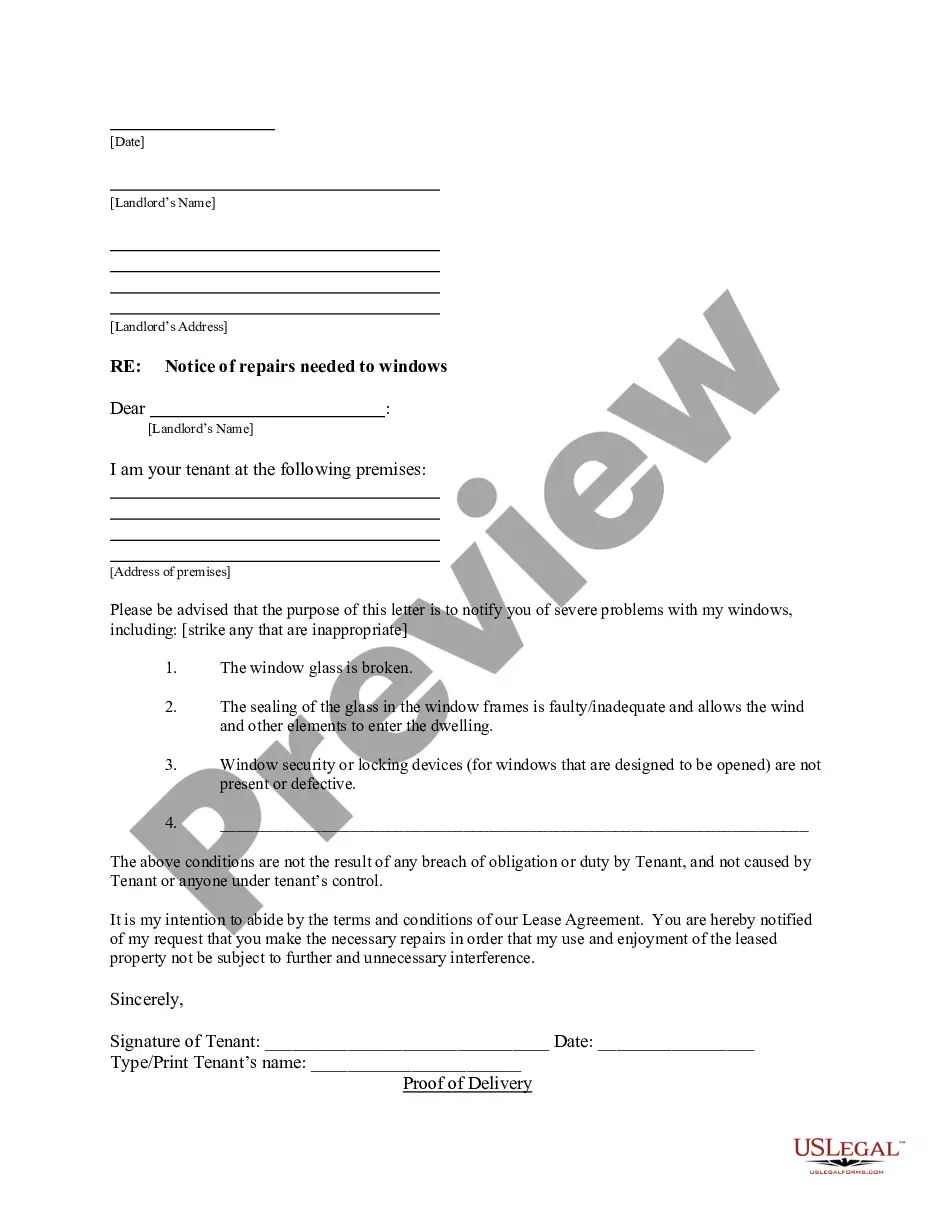
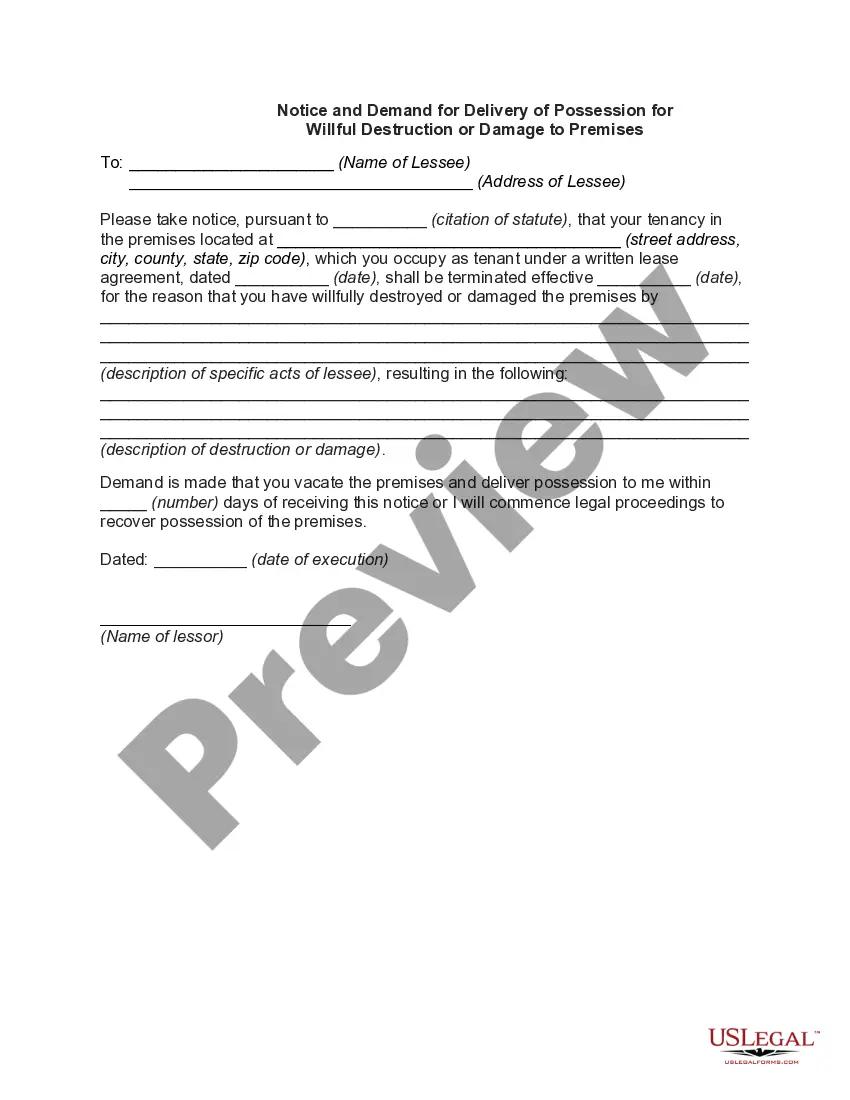
This form is used by a tenant to formally notify the landlord about broken windows in a leased property. The letter includes a demand for necessary repairs, emphasizing the landlord's responsibility to maintain the property in a habitable condition. This form serves as a crucial communication tool to address maintenance issues and is distinct from other tenant-landlord correspondence as it specifically addresses repair requests related to broken windows.
Form components explained
- Description of the broken window glass.
- Details on faulty sealing that allows elements to enter the dwelling.
- Information regarding defective or missing window locking devices.
- A declaration that the damage was not caused by the tenant.
- Signature and date fields for the tenant's acknowledgment.

When this form is needed
This letter should be used when a tenant discovers broken windows in their rental property and needs to formally request repairs from the landlord. It is appropriate to use this form when the tenant believes that the damage is the landlord's responsibility and directly affects their ability to enjoy the premises safely. Situations may include issues with window security, drafts from gaps, or visibility and weather concerns due to broken glass.
Intended users of this form
- Tenants experiencing issues with broken windows in their rental properties.
- Individuals who have a lease agreement requiring the landlord to maintain the property.
- Tenants seeking to document their repair requests formally to protect their rights.
How to complete this form
- Identify the specific issues with the windows, such as broken glass or faulty sealing.
- Specify that these issues are not a result of the tenant's actions.
- Include a clear request for the landlord to make repairs.
- Sign and date the letter to formalize the request.
- Print the tenant's name clearly beneath the signature.
Does this form need to be notarized?
This form usually doesn’t need to be notarized. However, local laws or specific transactions may require it. Our online notarization service, powered by Notarize, lets you complete it remotely through a secure video session, available 24/7.
Get your form ready online
Our built-in tools help you complete, sign, share, and store your documents in one place.
Make edits, fill in missing information, and update formatting in US Legal Forms—just like you would in MS Word.
Download a copy, print it, send it by email, or mail it via USPS—whatever works best for your next step.
Sign and collect signatures with our SignNow integration. Send to multiple recipients, set reminders, and more. Go Premium to unlock E-Sign.
If this form requires notarization, complete it online through a secure video call—no need to meet a notary in person or wait for an appointment.
We protect your documents and personal data by following strict security and privacy standards.

Make edits, fill in missing information, and update formatting in US Legal Forms—just like you would in MS Word.

Download a copy, print it, send it by email, or mail it via USPS—whatever works best for your next step.

Sign and collect signatures with our SignNow integration. Send to multiple recipients, set reminders, and more. Go Premium to unlock E-Sign.

If this form requires notarization, complete it online through a secure video call—no need to meet a notary in person or wait for an appointment.

We protect your documents and personal data by following strict security and privacy standards.
Mistakes to watch out for
- Failing to describe the specific issues with the windows clearly.
- Not stating whether the tenant caused the damage or not.
- Omitting the signature or date, which may render the request less formal.
Benefits of completing this form online
- Convenient access to legal forms without needing to visit a lawyer.
- Editable templates ensure accurate and personalized details are included.
- Immediate download gives tenants the ability to act quickly on maintenance issues.
Legal use & context
- This letter serves as a formal request for repairs and may be used as evidence of the tenant's notification to the landlord.
- It helps protect the tenant's rights under the lease agreement.
- Proper use of this form may help prompt timely repairs and maintain a good landlord-tenant relationship.
Main things to remember
- This letter formally requests repairs for broken windows from a landlord.
- It emphasizes the landlord's responsibility to maintain the property.
- Proper completion and submission of this form can ensure better communication and protection of tenant rights.
Looking for another form?
Form popularity
FAQ
When a lease ends, a tenant may choose to move, continue to pay rent as a month-to-month tenant, or sign a new lease. If a tenant continues to pay rent after a lease ends, in most states the terms of the expired lease carry over into a month-to-month tenancy.
Uninhabitable conditions can include dangerous ones, such as holes in the floor, unsafe or exposed wiring, or non-working air conditioning in dangerously hot summer months. Gross infestations of roaches, fleas or other pests are also uninhabitable conditions.
Property Needs to Meet Local Health and Building Codes. Visible Mold. Pests. Changing Locks. Heat, Electric, Hot and Cold Water. Structural Integrity and Weather Protected. Regularly Discarding Trash. Damage Caused by the Tenant or Their Guests.
The law usually allows for 30 days as a reasonable amount of time for a landlord to complete a needed repair. Shorter periods of time may be appropriate in certain situations.
The 14-day/30-day notice must say how the tenant is breaching the lease and that the lease will automatically terminate 30 days (or more) from the date of the notice unless the tenant fixes the problem within 14 days of the date of the notice.
Nebraska Eviction is 3 Days or 30 Days And it must state that the tenant may halt the eviction process by paying the rent or curing the violation within the notice period.
Kansas Eviction Process Timeline Issuance/Service of Summons and Complaint at least 3 days prior to the eviction hearing. Court Hearing and Ruling on the Eviction 3-28 days, depending on whether a follow-up hearing is held. Issuance of Writ of Restitution A few hours to a few days.
Unfortunately that is not the case. Once a break notice has been served is cannot be unilaterally withdrawn. Even if both parties agree that the notice is withdrawn, service of the notice terminates the existing lease and creates a new tenancy by implication. There are a number of consequences that flow from this.
So when is your landlord responsible for repairs? When you rent, your landlord is responsible for maintaining the functional aspects of your home such as plumbing, electricity, and heating. Landlords must also generally take action when flooding, a clogged pipe, pest infestation, or other problems occur.