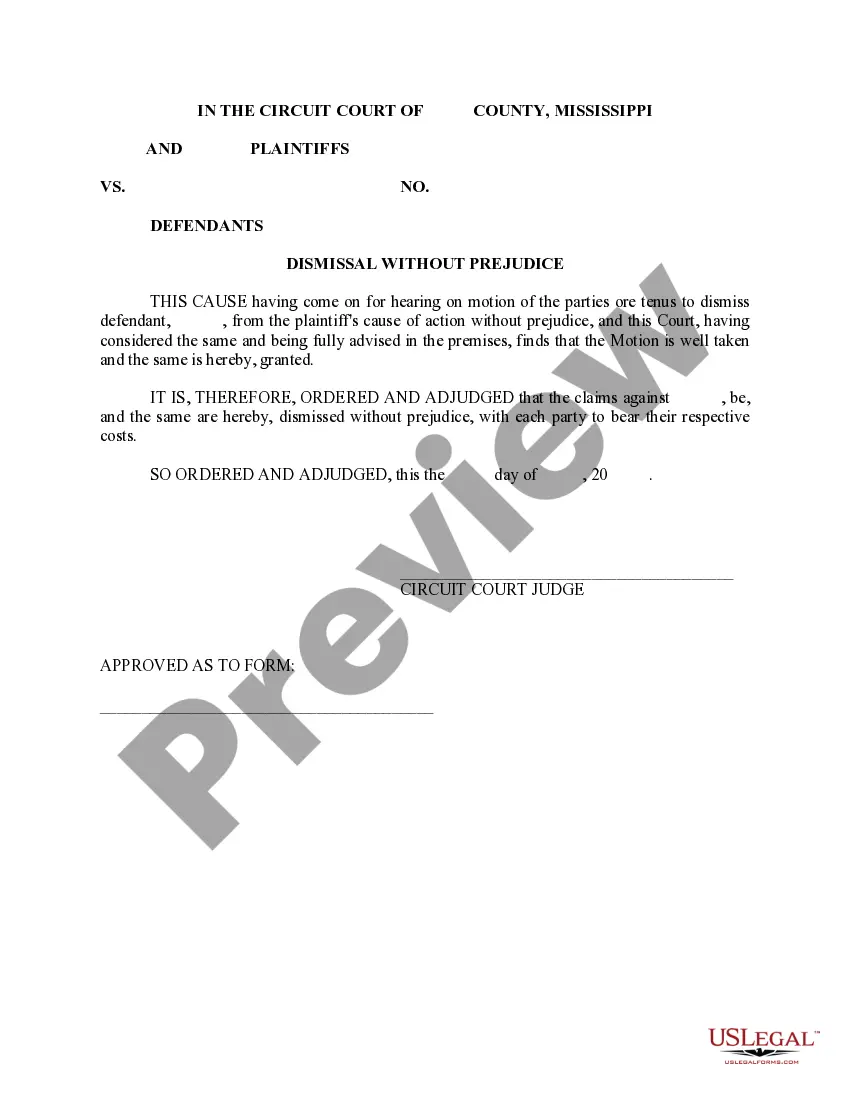
North Dakota Letter from Tenant to Landlord containing Notice of wrongful deductions from security deposit and demand for return
What this document covers
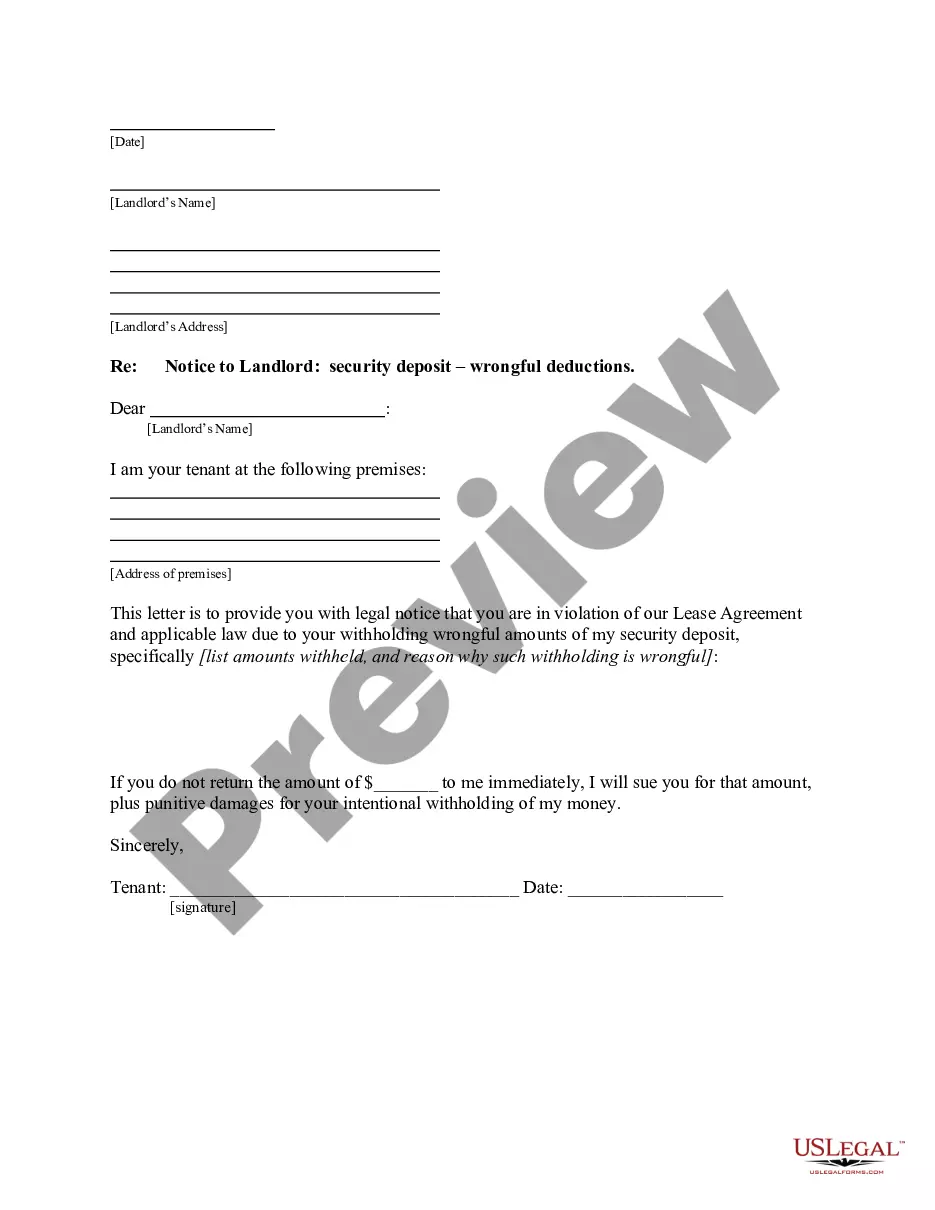
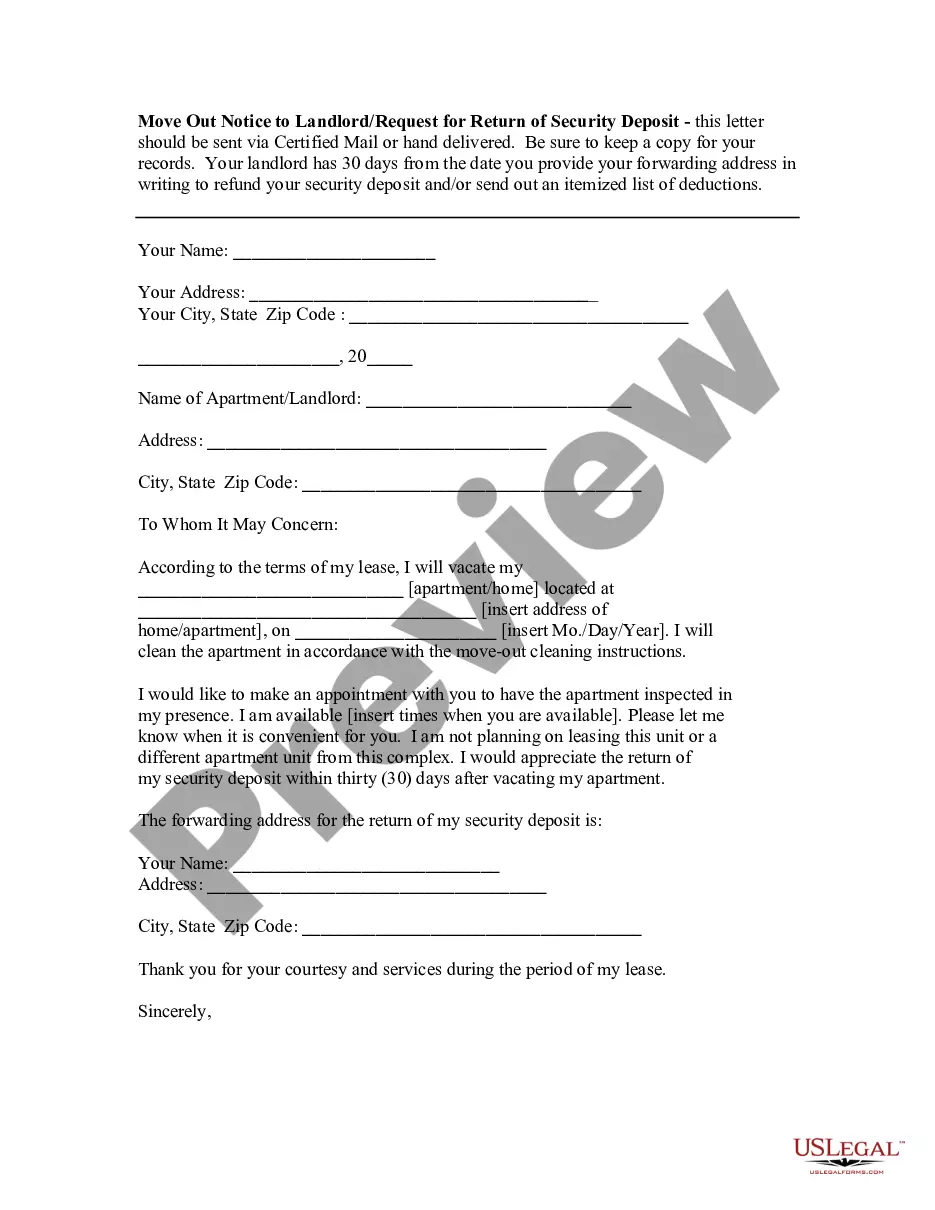
This form is a Letter from Tenant to Landlord containing notice of wrongful deductions from the security deposit and a demand for return. It serves to formally communicate disputes regarding deductions made from a tenant's security deposit, ensuring compliance with state statutory law. This form is essential for tenants who believe their landlord has unjustly withheld part of their security deposit after moving out.
Main sections of this form
- Tenant's name and signature
- Date of the notice
- Details of deductions made from the security deposit
- Demand for the return of the disputed amount
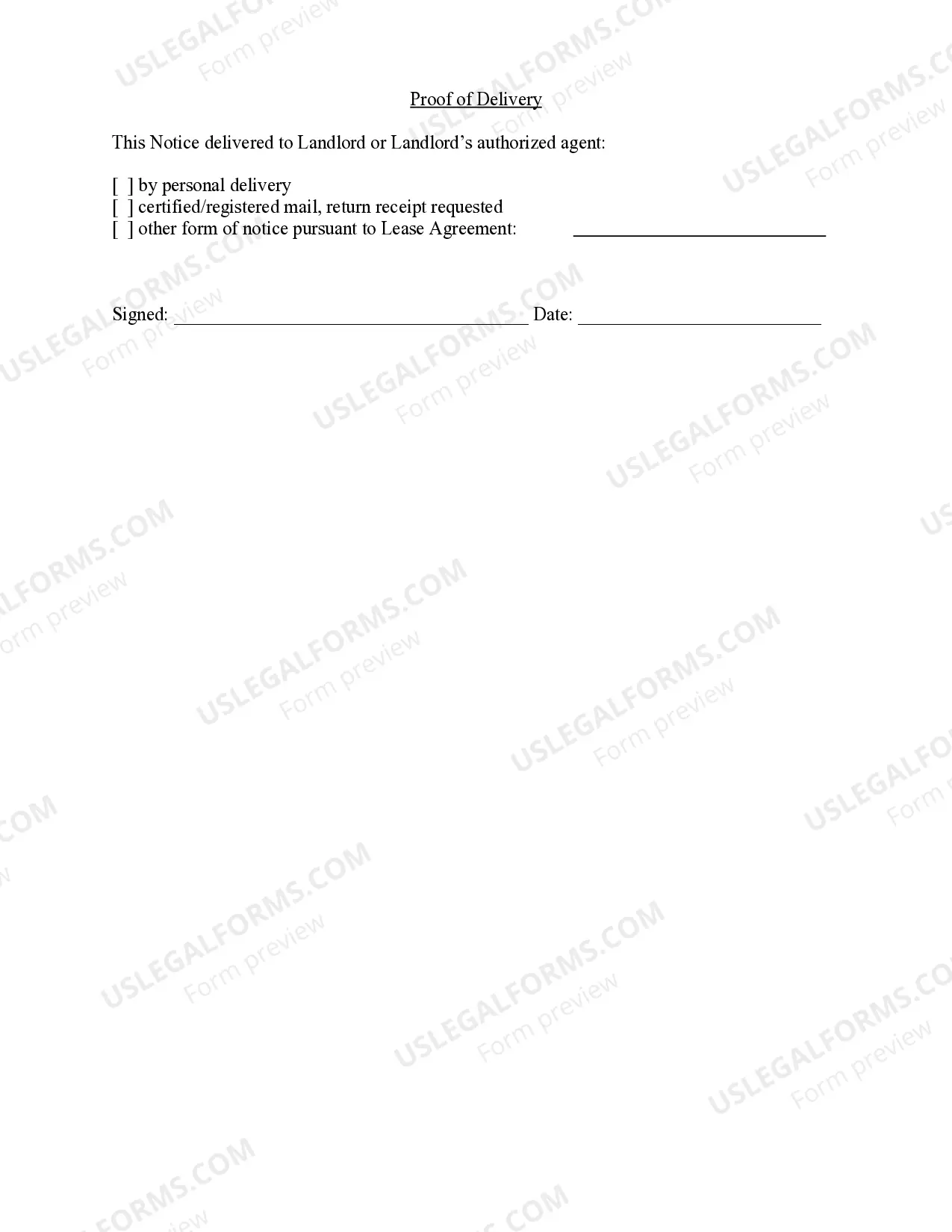
- Proof of delivery method for sending the notice to the landlord



When to use this document
This form should be used when a tenant receives an itemized list of deductions from their security deposit upon moving out and believes those deductions are unjustified. It is particularly pertinent in situations where the tenant has not been properly informed of the deductions or when the deductions exceed what is allowable under state law.
Intended users of this form
- Tenants who have recently moved out of a rental property
- Individuals experiencing disputes over the security deposit with their landlord
- Tenants seeking to formally request the return of their security deposit
How to prepare this document
- Identify the tenant's name and current address.
- List the specific deductions made from the security deposit and the reasons they are considered wrongful.
- State the total amount being demanded for return.
- Sign and date the notice.
- Choose the method of delivery to the landlord and note it in the proof of delivery section.
Is notarization required?
This form does not typically require notarization to be legally valid. However, some jurisdictions or document types may still require it. US Legal Forms provides secure online notarization powered by Notarize, available 24/7 for added convenience.
Get your form ready online
Our built-in tools help you complete, sign, share, and store your documents in one place.
Make edits, fill in missing information, and update formatting in US Legal Forms—just like you would in MS Word.
Download a copy, print it, send it by email, or mail it via USPS—whatever works best for your next step.
Sign and collect signatures with our SignNow integration. Send to multiple recipients, set reminders, and more. Go Premium to unlock E-Sign.
If this form requires notarization, complete it online through a secure video call—no need to meet a notary in person or wait for an appointment.
We protect your documents and personal data by following strict security and privacy standards.
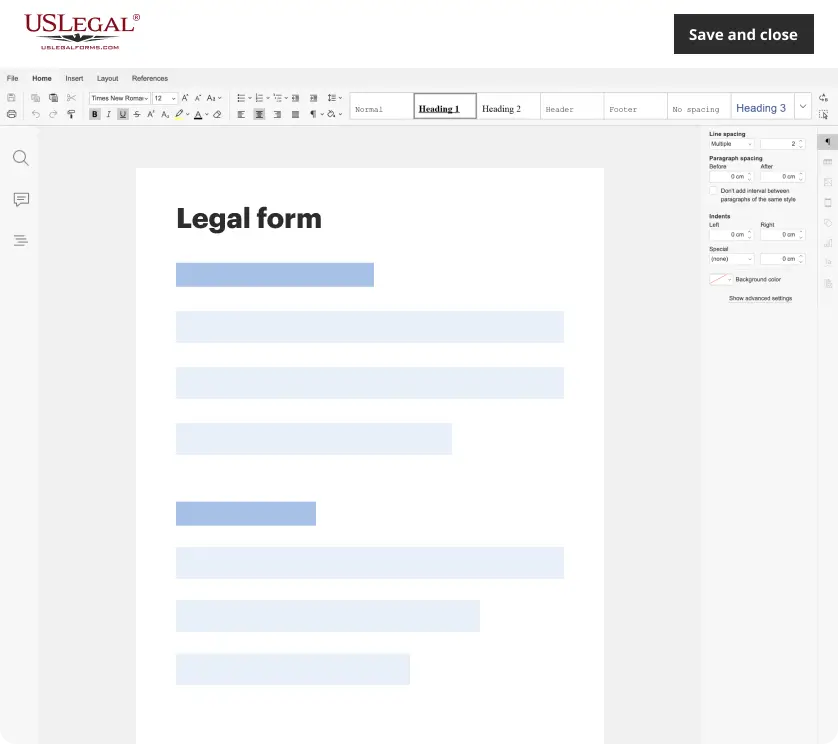
Make edits, fill in missing information, and update formatting in US Legal Forms—just like you would in MS Word.
Download a copy, print it, send it by email, or mail it via USPS—whatever works best for your next step.
Sign and collect signatures with our SignNow integration. Send to multiple recipients, set reminders, and more. Go Premium to unlock E-Sign.
If this form requires notarization, complete it online through a secure video call—no need to meet a notary in person or wait for an appointment.
We protect your documents and personal data by following strict security and privacy standards.
Common mistakes to avoid
- Failing to include all the relevant deductions in the letter.
- Not signing or dating the letter, which can invalidate the notice.
- Sending the letter without proof of delivery, making it difficult to verify that the landlord received it.
Advantages of online completion
- Convenience of immediate downloading and completion.
- Editable format allows for personalization specific to the tenant's circumstances.
- Reliable legal structure based on state laws to ensure protection of tenant rights.
Summary of main points
- This form serves as an official notice to dispute wrongful deductions from the security deposit.
- It is crucial for tenants to detail all deductions and provide a clear demand for the return of funds.
- Using this form ensures compliance with state regulations regarding security deposits.
Looking for another form?




Form popularity
FAQ
The amount of the security deposit is usually one month's rent. The maximum for residential tenants is 2 months' rent on an unfurnished apartment or 3 months' rent on a fully furnished apartment, with a small exception.
Date. Date format is month/day/year. Payee. Write the name of the person or company to whom you are paying money with the check. Amount in numbers. Write the amount in numbers e.g. $375.00. Amount in words. This will be the same amount that you wrote in the numbers area. Memo. Signature.
Even if your landlord has a valid reason for keeping some of your deposit, you should get the rest back. Your landlord cannot usually deduct money from your deposit for advertising or agency fees to re let the property. Your landlord can only do this if you left your tenancy early.Your landlord cannot do this.
For some grounds (reasons) for eviction, before the landlord can start the eviction process in North Dakota district court, the landlord is required to serve (deliver) a 3-day notice of intention to evict to you. A 3-day notice of intention to evict is a document that gives you notice the landlord intends to evict you.
If your landlord doesn't refund the deposit after the seven-day notice, you can sue him in small claims court. If your landlord sends a letter on time saying he is withholding some or all of your deposit, but you think the amount is too high, you can still sue him in small claims court.
Tenant's name and new address, or address he gave for return of the security deposit. Commencement date of the lease and date it ended. Amount of the security deposit when the tenant moved in. Amount of interest accrued.
You should usually get your deposit back within 10 days of agreeing on the amount with your landlord. It can take a lot longer if you and your landlord disagree on the amount that's being taken off.
Notice to terminate a week-to-week lease. One-week written notice (§ 47-16-15(1)) Notice to terminate a month-to-month lease. Notice to terminate a yearly lease with no end date.
Nonpayment of rent: A landlord may keep all or part of a tenant security deposit to cover unpaid rent.Tenant breaks the lease: If a tenant breaks his or her lease, the landlord can keep all or part of the security deposit, depending on the terms of the lease and the applicable state laws.