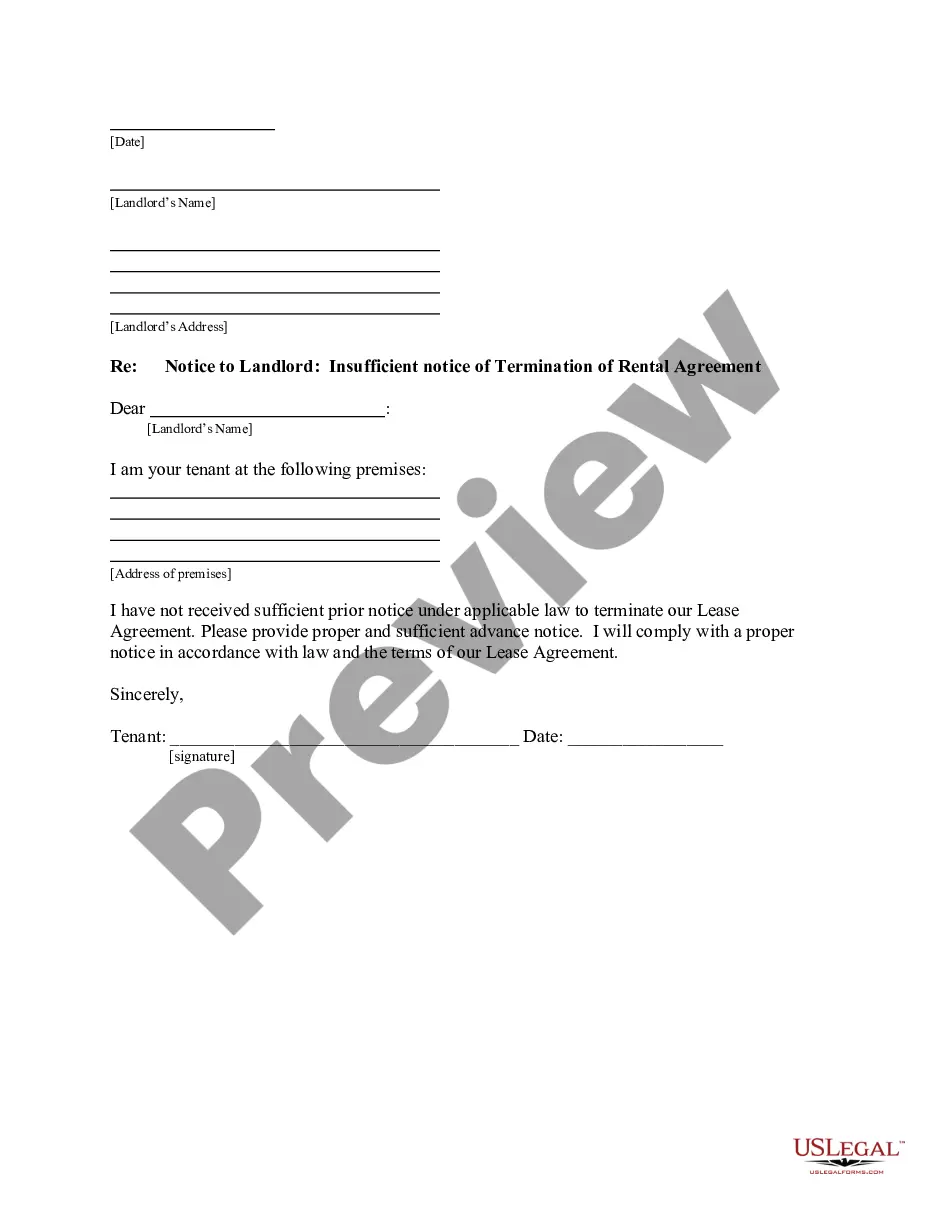
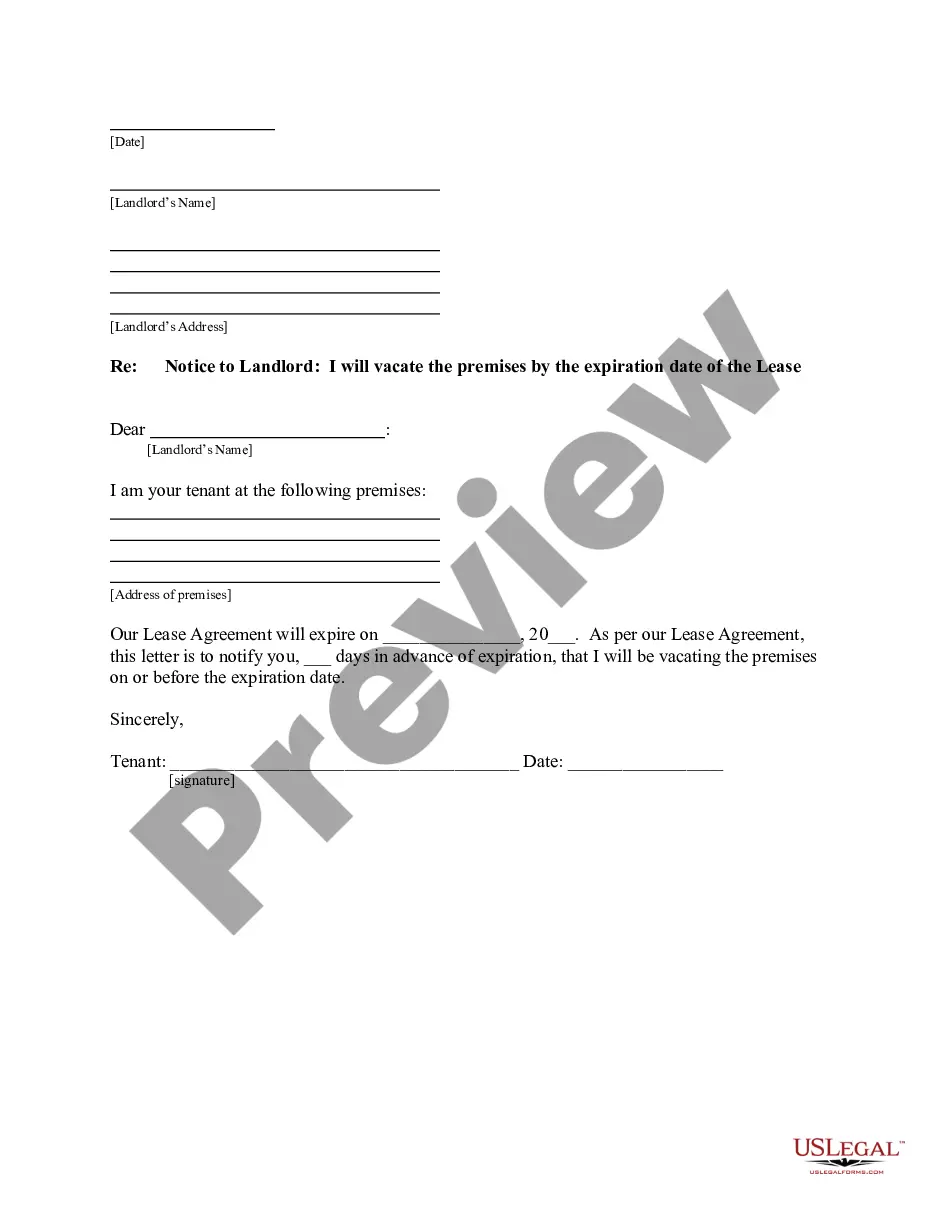
North Carolina Letter from Tenant to Landlord about Insufficient Notice to Terminate Rental Agreement
Understanding this form
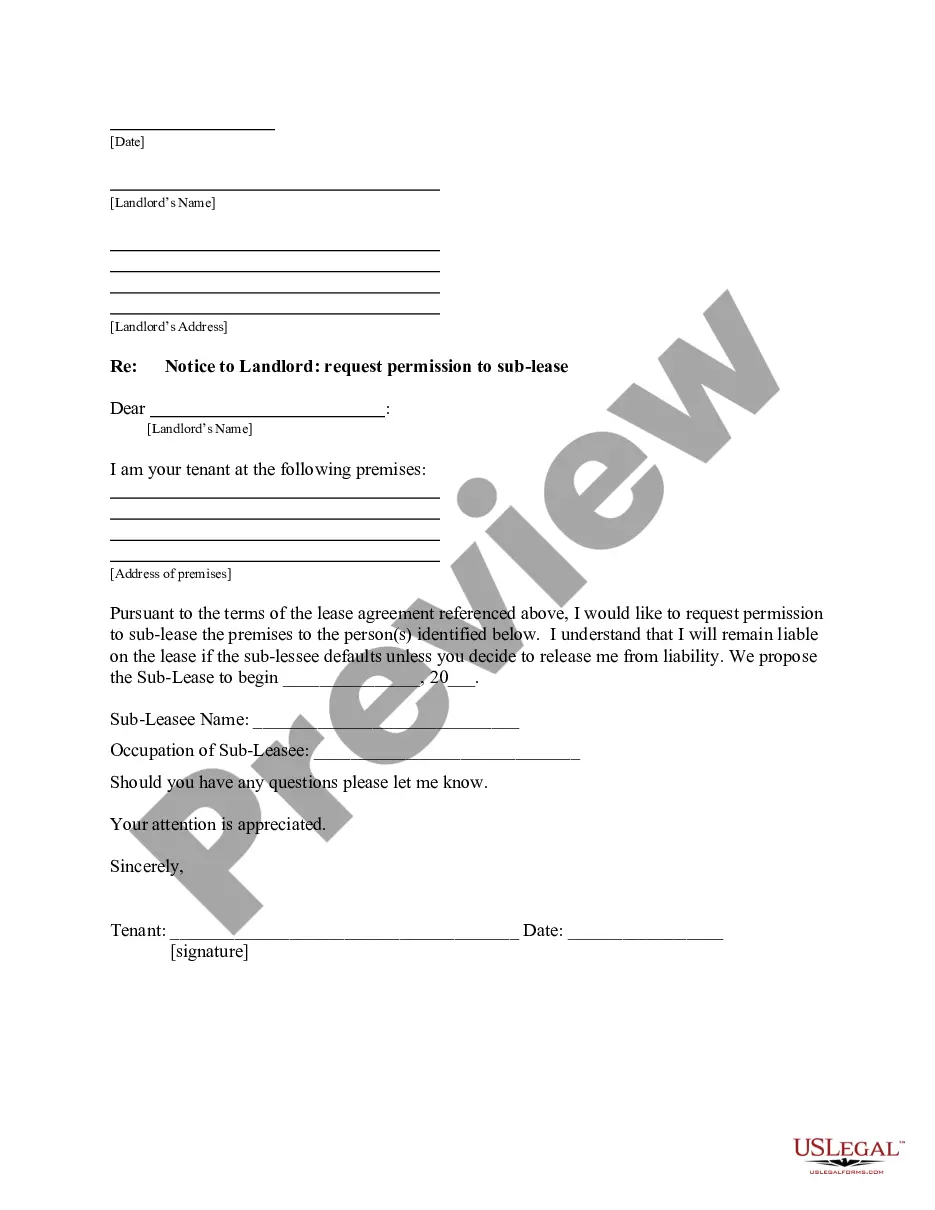
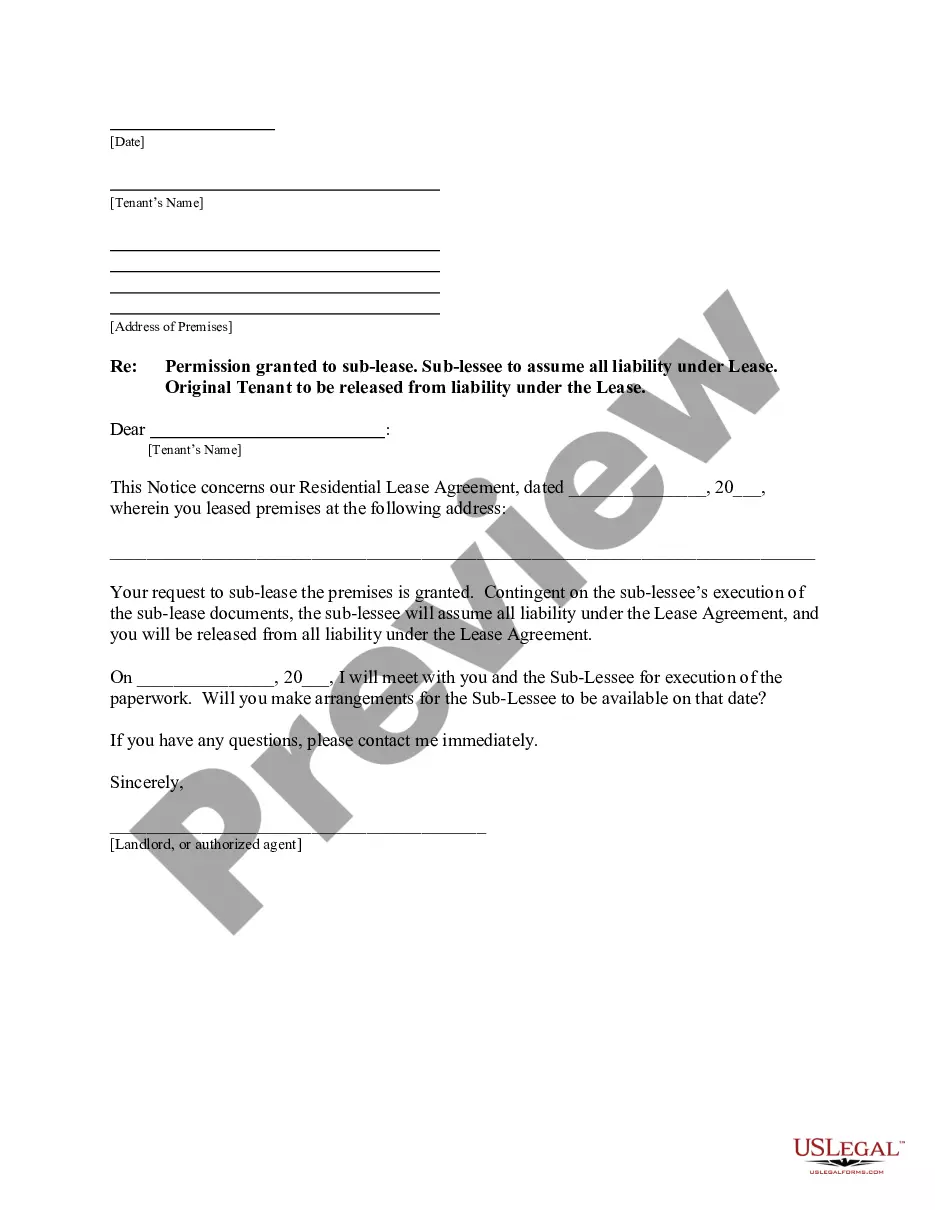
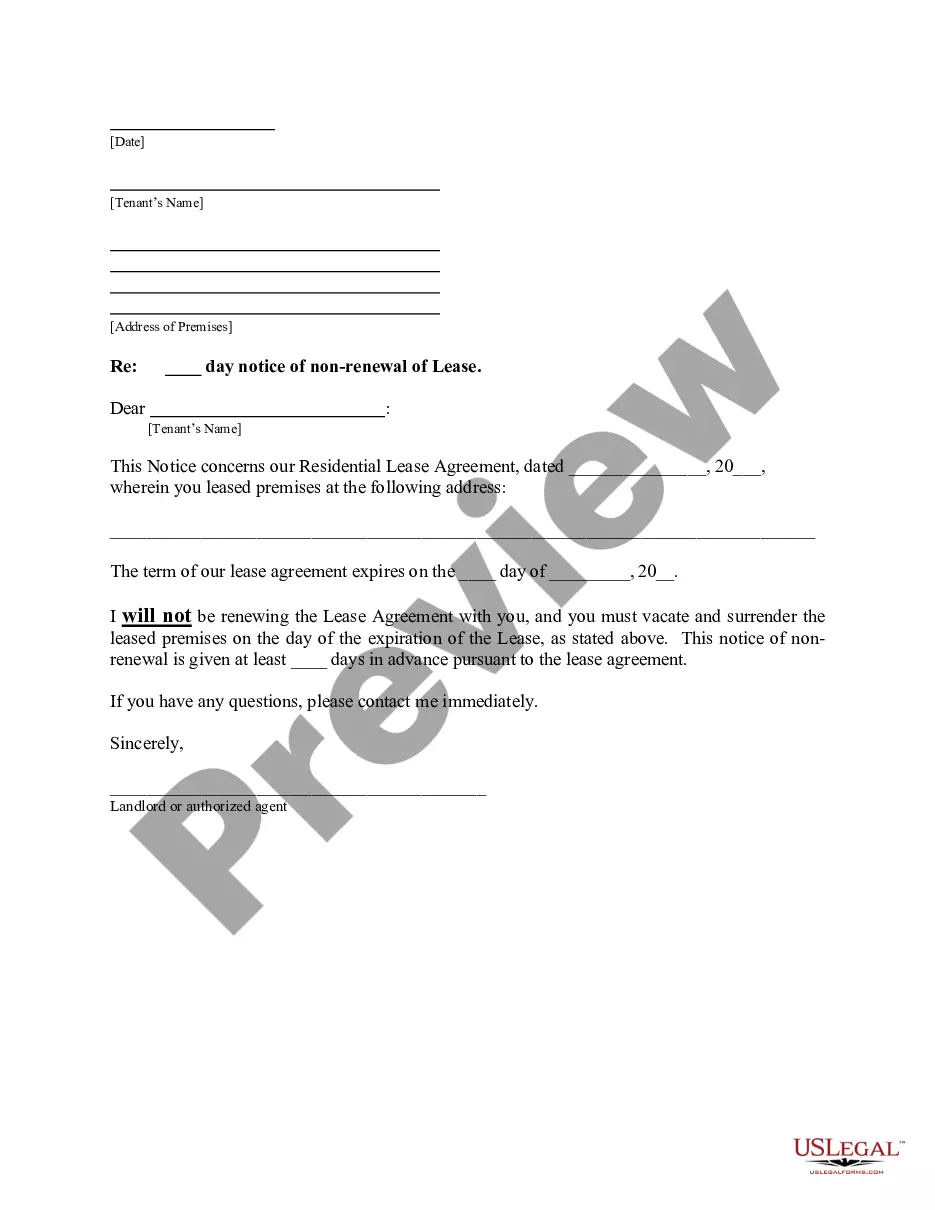
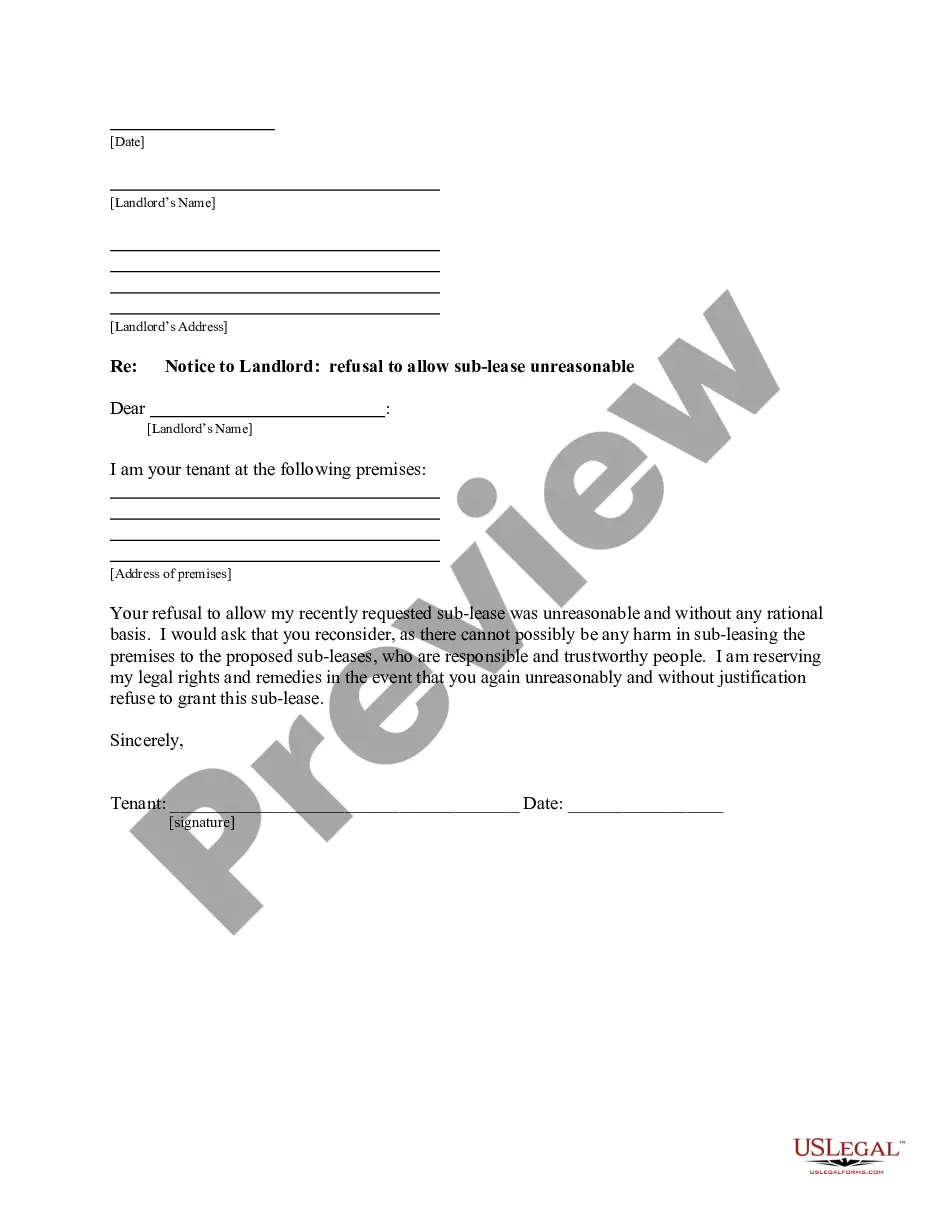
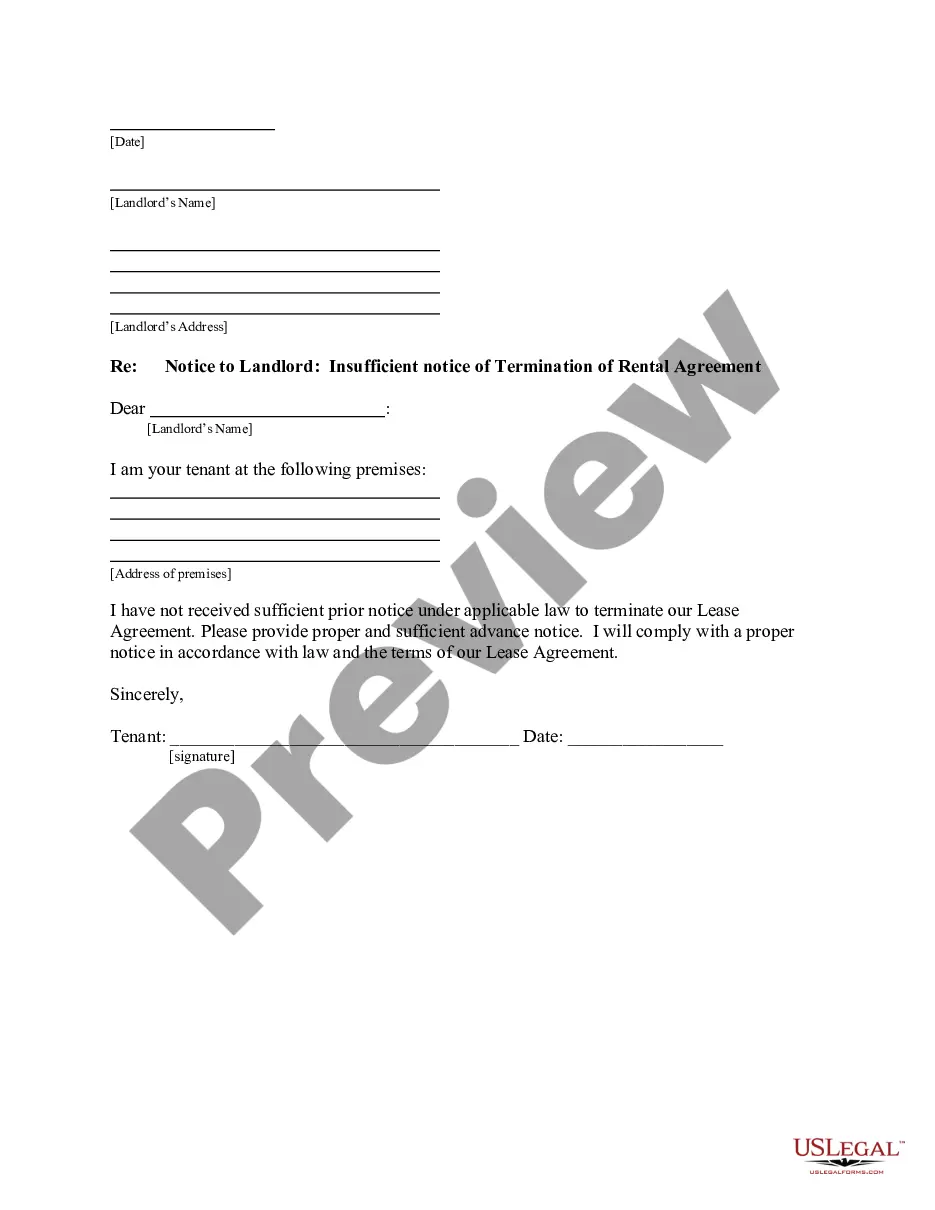
This Letter from Tenant to Landlord about Insufficient Notice to Terminate Rental Agreement serves as a formal communication from a tenant to their landlord. The purpose of this form is to notify the landlord that they have not provided adequate notice regarding changes to the lease agreement. Until the specified date outlined in the letter, the tenant will not comply with the proposed changes. This form is crucial for tenants who want to assert their rights and ensure that lease terms are honored in accordance with local laws.
Key components of this form
- Tenant's name and signature
- Date of delivery
- Details of insufficient notice
- Date by which compliance is expected
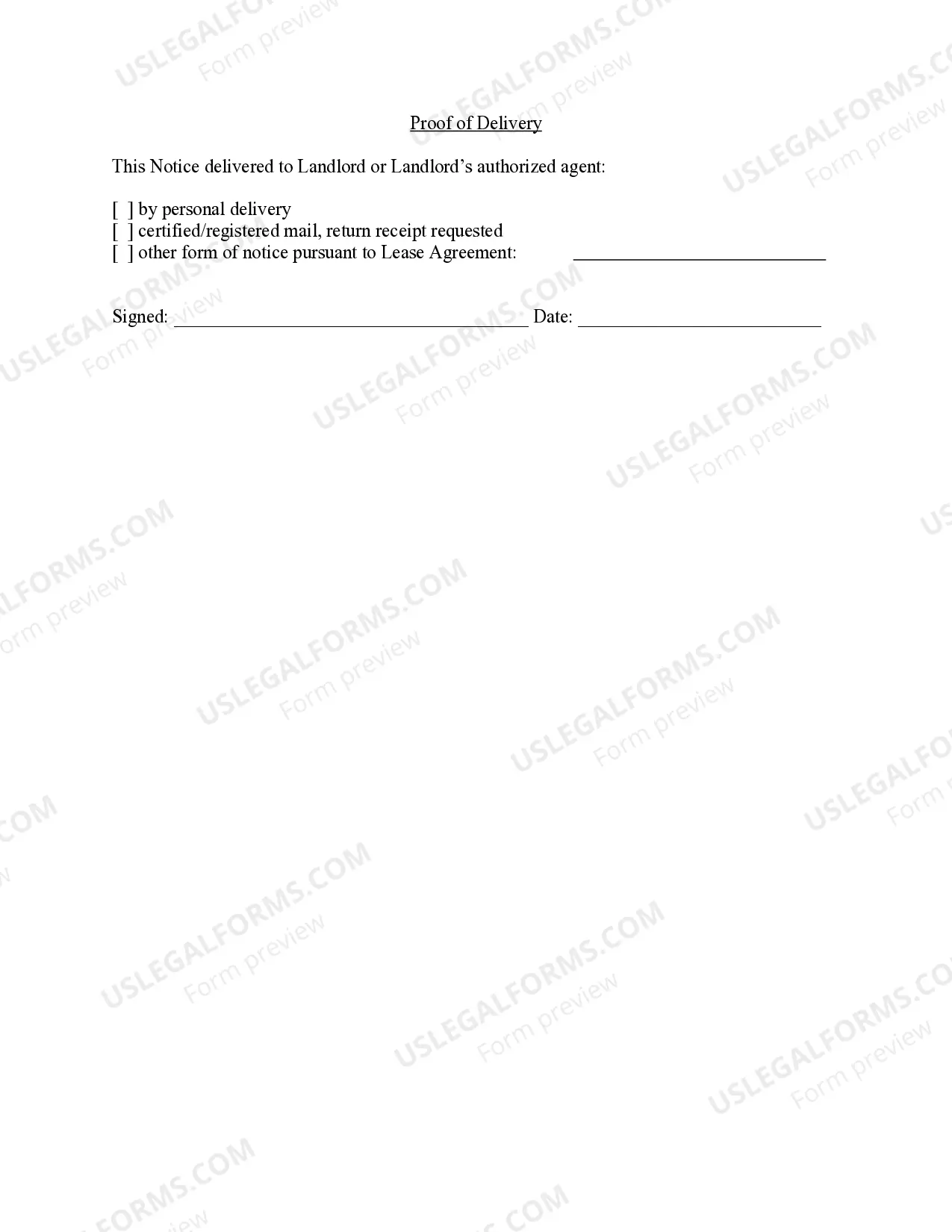
- Proof of delivery options

Situations where this form applies
This form should be used when a landlord provides insufficient notice to terminate or modify a rental agreement. For example, if a landlord wishes to change terms in the lease or terminate it but fails to meet the notice period stipulated in the lease contract, this letter can be utilized to formally address such discrepancies.
Who can use this document
- Tenants who have received a notice from their landlord regarding changes to the rental agreement.
- Individuals seeking to maintain their rights as tenants under the lease agreement.
- Tenants wanting to assert that the landlord has not complied with proper notice periods as outlined in their lease.
How to complete this form
- Identify the tenant's name and address at the top of the letter.
- Clearly state the change made by the landlord and the specific date when notice was provided.
- Detail the anticipated compliance date for the tenant regarding the changes.
- Include the tenant's signature along with the date of signing.
- Select the method of delivering the notice (personal delivery or certified mail) and provide necessary details.
Does this form need to be notarized?
This form usually doesn’t need to be notarized. However, local laws or specific transactions may require it. Our online notarization service, powered by Notarize, lets you complete it remotely through a secure video session, available 24/7.
Get your form ready online
Our built-in tools help you complete, sign, share, and store your documents in one place.
Make edits, fill in missing information, and update formatting in US Legal Forms—just like you would in MS Word.
Download a copy, print it, send it by email, or mail it via USPS—whatever works best for your next step.
Sign and collect signatures with our SignNow integration. Send to multiple recipients, set reminders, and more. Go Premium to unlock E-Sign.
If this form requires notarization, complete it online through a secure video call—no need to meet a notary in person or wait for an appointment.
We protect your documents and personal data by following strict security and privacy standards.

Make edits, fill in missing information, and update formatting in US Legal Forms—just like you would in MS Word.

Download a copy, print it, send it by email, or mail it via USPS—whatever works best for your next step.

Sign and collect signatures with our SignNow integration. Send to multiple recipients, set reminders, and more. Go Premium to unlock E-Sign.

If this form requires notarization, complete it online through a secure video call—no need to meet a notary in person or wait for an appointment.

We protect your documents and personal data by following strict security and privacy standards.
Mistakes to watch out for
- Failing to provide the specific date of change by the landlord.
- Not signing the letter, which can render it ineffective.
- Using unclear language that may misinterpret the intent of the notice.
- Not retaining proof of delivery.
Why complete this form online
- Convenience: Download and fill out your form anytime, without the need for a lawyer.
- Editability: You can easily modify the form to fit your specific situation.
- Reliability: Use templates drafted by licensed attorneys to ensure legal compliance.
Legal use & context
- Provides a formal record of communication between tenant and landlord
- Strengthens tenant's position regarding disputes over notice timelines
- May serve as evidence in potential legal proceedings
Key takeaways
- This letter allows tenants to formally notify landlords of insufficient notice to terminate a lease.
- Filling out the necessary details ensures clarity and legal protection for the tenant.
- Review local laws to confirm compliance with lease agreements and notice requirements.
Looking for another form?
Form popularity
FAQ
Give the landlord/agent a written termination notice and vacate move out and return the keys according to your notice, and/or. apply to the NSW Civil & Administrative Tribunal (NCAT) for a termination order.
Declare a Constructive Eviction. Point Out Landlord Breaches to Reduce Your Debt. Landlords Have a Duty to Mitigate Their Damages. Consequences for Breaking Your Lease. Look for These Clauses in Your Lease. Your Landlord May Have a Duty to Mitigate. Declare a Constructive Eviction.
If you don't move out by the day in the notice, the landlord can ask the NSW Civil and Administrative Tribunal (NCAT) for a termination order. A termination order means the rental agreement is ended. The order will state the day when you must give vacant possession that is, you move out and return the keys.
Your name, and the landlord's name and address. The date you're writing the letter. Informing the landlord you're breaking your lease early. The reason why you're breaking your lease. The building and apartment you're vacating. The date by which you're vacating.
Leaving without giving notice Your tenancy won't have ended and you'll still have to pay your rent until you end your tenancy in the right way. You might also have to pay other bills - for example, council tax. Your landlord can get a court order to make you pay the rent you owe.
Notice Requirements for North Carolina Landlords A landlord can simply give you a written notice to move, allowing you seven days as required by North Carolina law and specifying the date on which your tenancy will end.
Withhold rent. Move out. Sue the landlord for the difference between the value of the unit with defects and the monthly rent. File a complaint with state or local health or building inspectors. Repair the defect and deduct the cost from the rent.
If the landlord/agent wants to end your agreement at the end of the fixed term, they must give you at least 30 days notice that includes the last day of the term. If the landlord/agent applies for a termination order, the Tribunal must terminate the agreement.
If you break a lease and stop paying rent, your landlord might decide to take legal action against you. Your landlord can file a civil lawsuit to make you pay off the lease balance. If the judge rules against you, you will have to pay out your debt. Lowered credit score.