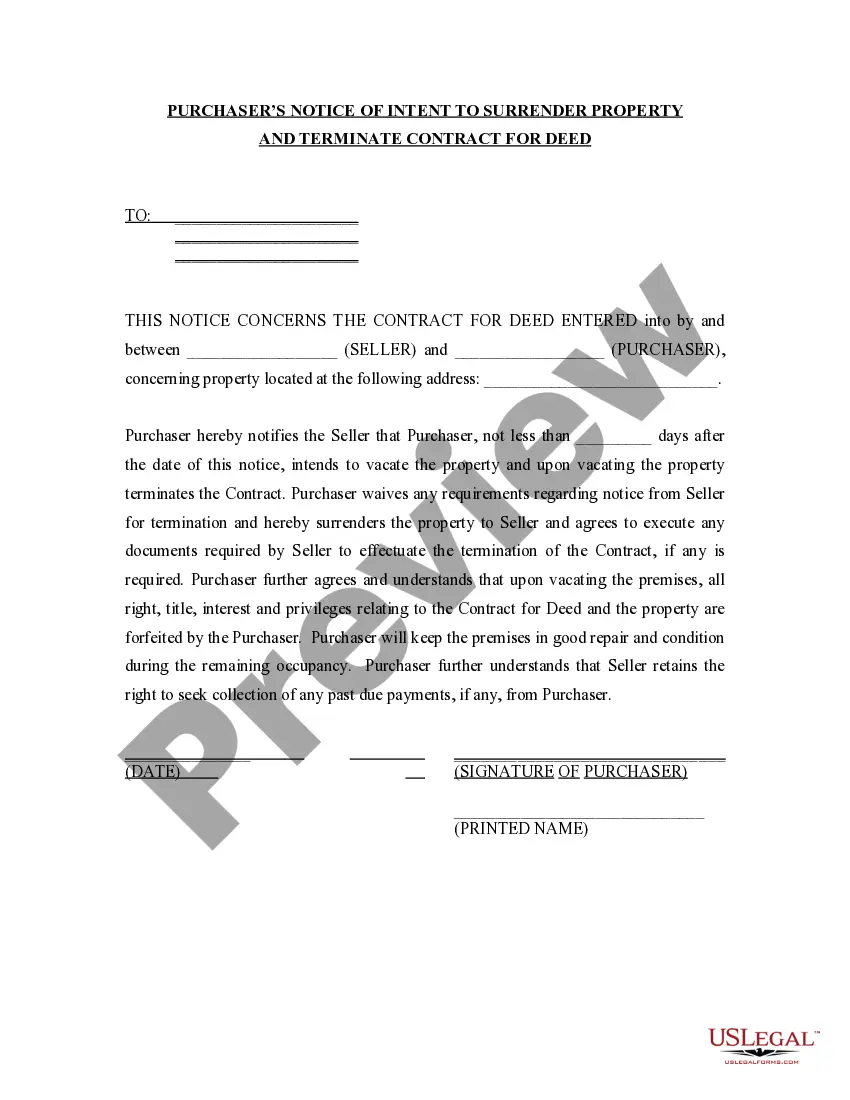
North Carolina Buyer's Notice of Intent to Vacate and Surrender Property to Seller under Contract for Deed
What this document covers
The Buyer's Notice of Intent to Vacate and Surrender Property to Seller under Contract for Deed is a legal document used by a purchaser to formally notify the seller of their intention to vacate and surrender the property. This form is crucial as it confirms the buyer's decision to cease occupancy and understand that all rights and interests related to the property will be relinquished upon vacating. Unlike other rental or lease termination notices, this specific form is tailored for situations involving a contract for deed, impacting property ownership and transfer.
Main sections of this form
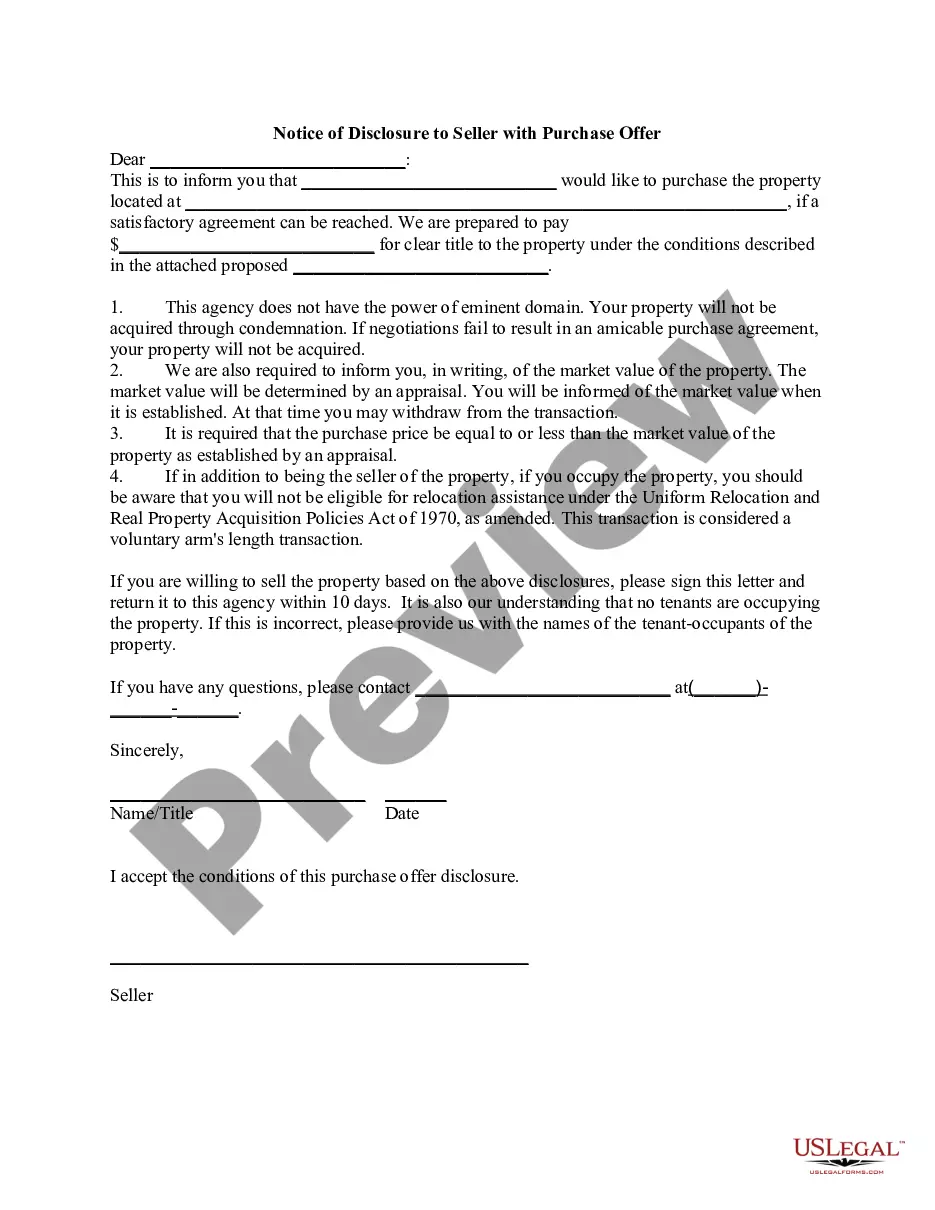
- Purchaser's notice of intent to vacate the property.
- Seller's details for proper notification.
- Agreement of the purchaser to forfeit all rights related to the property.
- Statement confirming the cessation of occupancy.
- Signature field for the purchaser to validate the notice.
Situations where this form applies
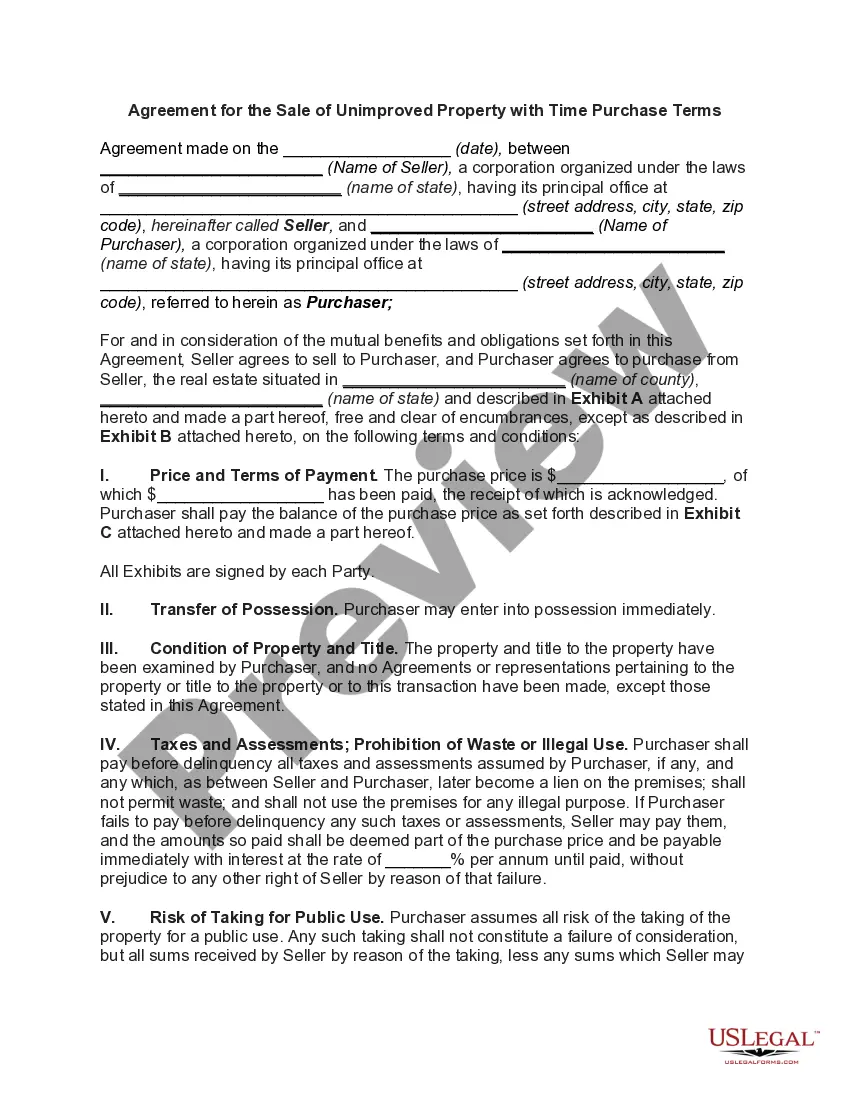
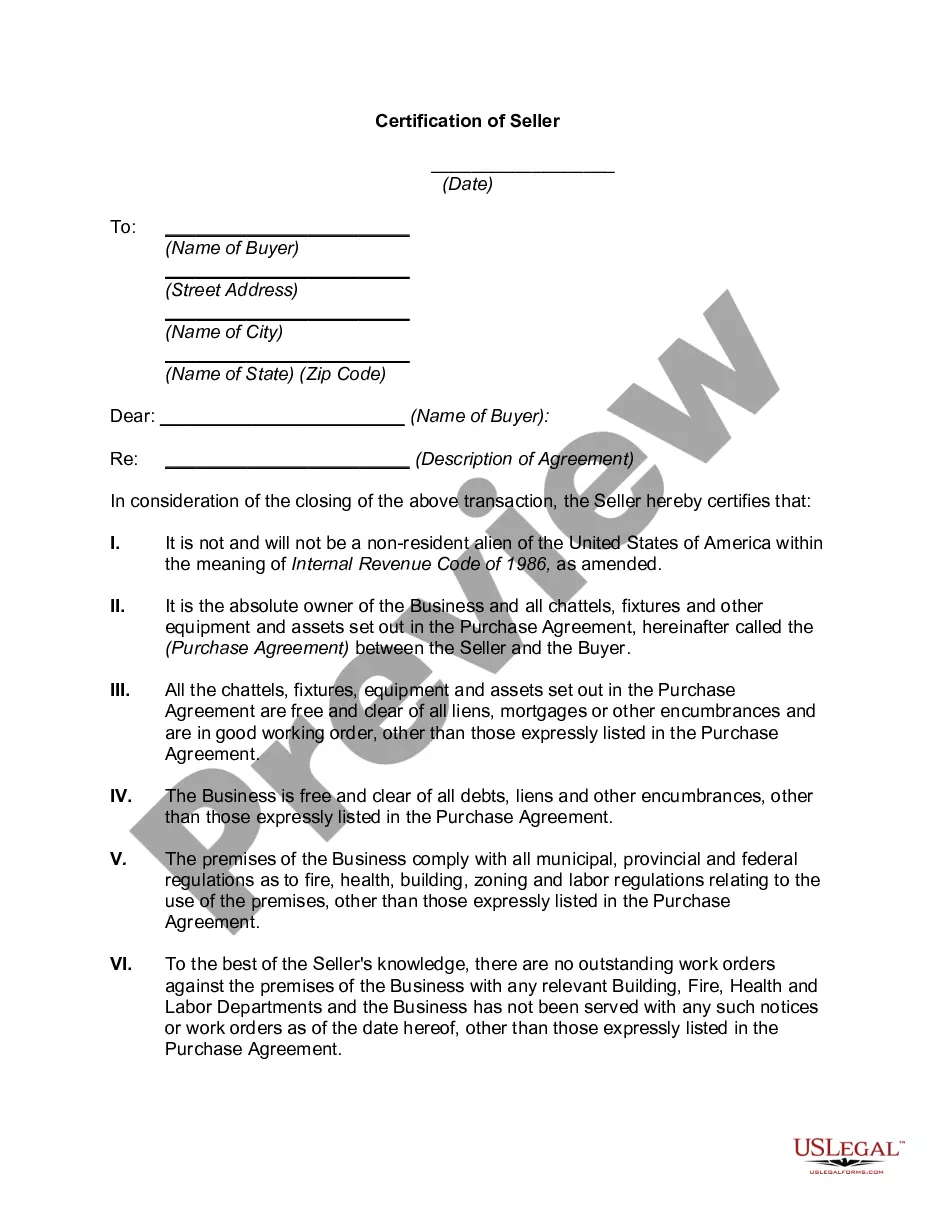
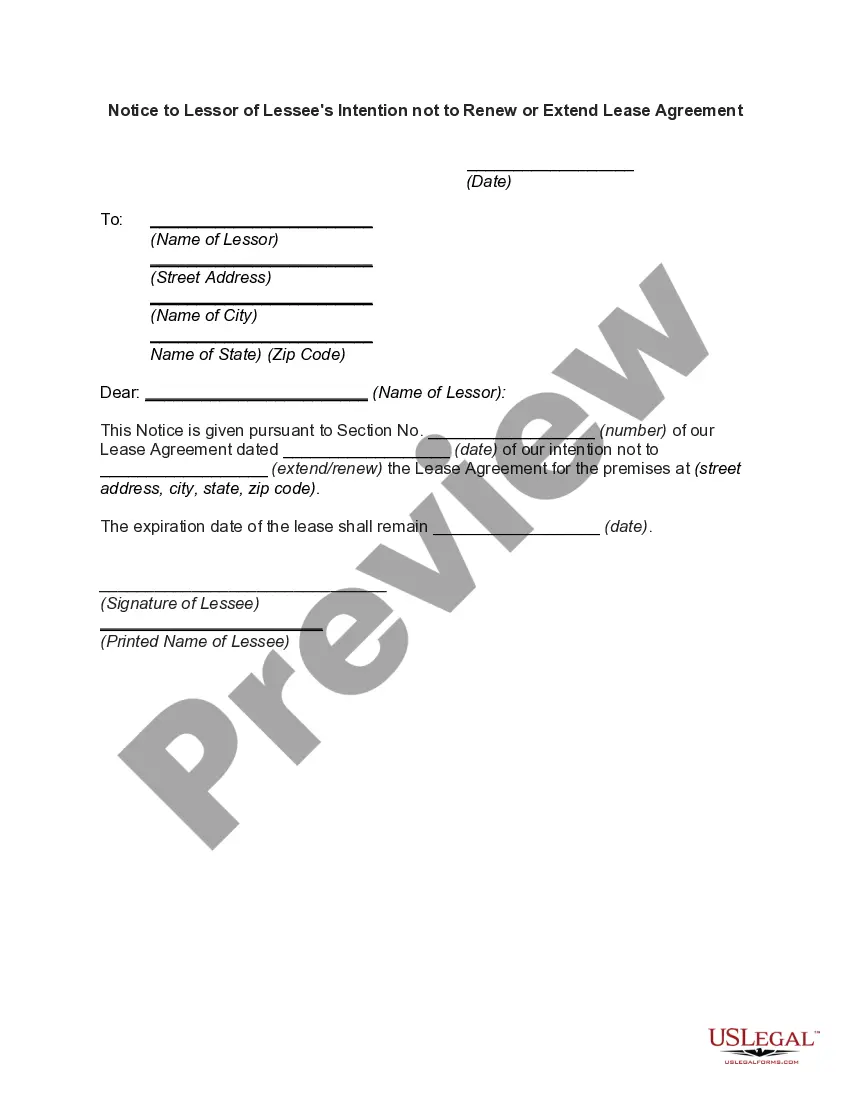
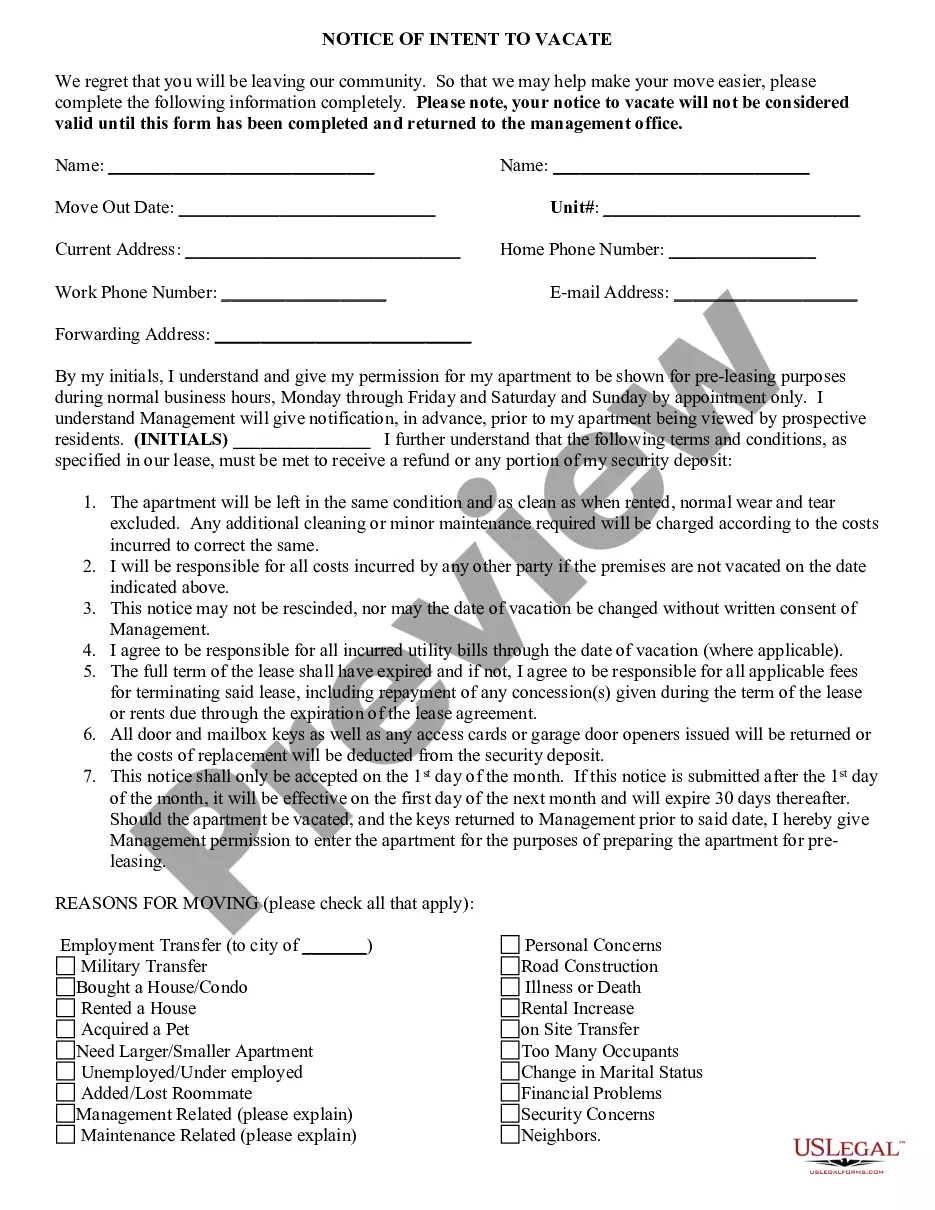
This form should be used when a purchaser who has entered into a contract for deed decides to vacate the property permanently. It is especially important to complete this form when the buyer intends to formally notify the seller and ensure that they comply with the terms of the contract for deed. Examples may include situations where the purchaser can no longer fulfill their financing obligations or decide to relocate for personal or financial reasons.
Who this form is for
This form is designed for individuals who have purchased property under a contract for deed and have decided to vacate. It is suitable for:
- Buyers looking to abandon their rights to the property.
- Individuals needing to formally inform the seller of their intent to leave.
- Anyone who wants to ensure compliance with contractual obligations regarding the property transfer.
How to complete this form
- Identify the parties involved: include your full name and the seller's name.
- Specify the property: provide the address of the property in question.
- Clearly state your intent to vacate and surrender the property.
- Sign and date the form to validate it.
Does this document require notarization?
This form must be notarized to be legally valid. US Legal Forms provides secure online notarization powered by Notarize, allowing you to complete the process through a verified video call.
Get your form ready online
Our built-in tools help you complete, sign, share, and store your documents in one place.
Make edits, fill in missing information, and update formatting in US Legal Forms—just like you would in MS Word.
Download a copy, print it, send it by email, or mail it via USPS—whatever works best for your next step.
Sign and collect signatures with our SignNow integration. Send to multiple recipients, set reminders, and more. Go Premium to unlock E-Sign.
If this form requires notarization, complete it online through a secure video call—no need to meet a notary in person or wait for an appointment.
We protect your documents and personal data by following strict security and privacy standards.

Make edits, fill in missing information, and update formatting in US Legal Forms—just like you would in MS Word.

Download a copy, print it, send it by email, or mail it via USPS—whatever works best for your next step.

Sign and collect signatures with our SignNow integration. Send to multiple recipients, set reminders, and more. Go Premium to unlock E-Sign.

If this form requires notarization, complete it online through a secure video call—no need to meet a notary in person or wait for an appointment.

We protect your documents and personal data by following strict security and privacy standards.
Common mistakes to avoid
- Failing to include the full names of both parties involved.
- Not specifying the address of the property clearly.
- Neglecting to sign and date the form, which can render it invalid.
- Assuming verbal notification to the seller suffices; a written notice is necessary.
Benefits of using this form online
- Convenience of immediate access to the form for downloading and completion.
- Editability allows users to customize the form to their specific situation.
- Reliability since the form is created by licensed attorneys to meet legal standards.
Legal use & context
- The notice serves as formal communication to the seller regarding the buyer's intentions.
- Failure to provide this notice may complicate the legal standing of the buyer.
- This form helps in preventing misunderstandings between parties regarding occupancy rights.
Key takeaways
- The Buyer's Notice of Intent to Vacate is essential for buyers exiting a contract for deed arrangement.
- Clear and accurate completion of the form is necessary to avoid legal issues.
- Using this form helps formalize the process of surrendering a property.
Looking for another form?





Form popularity
FAQ
This means that if you default and can?t make your payments, you lose the property and all of the money you have already paid into it (often including repairs and improvements). Unlike a traditional mortgage, a defaulting buyer in a contact for deed may only have 30-60 days to cure the default or move out.
In order for the seller to legally cancel the land contract, the seller must bring an action in court for forfeiture of the buyer's rights in the land contract and for restitution of the property.
In the first instance, if your deed is not recorded, there is nothing in the public record to stop the seller from conveying the property to another person.The second situation could happen if your seller fails to pay his or her debts and the seller's creditors file liens or judgments against your property.
Contrary to normal expectations, the Deed DOES NOT have to be recorded to be effective or to show delivery, and because of that, the Deed DOES NOT have to be signed in front of a Notary Public. However, if you plan to record it, then it does have to be notarized as that is a County Recorder requirement.
Contact the other party and ask whether they are willing to negotiate the cancellation of the contract. Offer the other party an incentive to cancel the contract for deed.
To cancel a contract for deed, it takes at least 60 days. You are required to personally serve a notice of cancellation on the buyer and then 60 days later (there are a few exceptions) the contract is terminated.
The buyer should record the contract for deed with the county recorder where the land is located and does so normally within four months after the contract is signed, though the time may vary depending on state law.
Failure to record a deed effectively makes it impossible for the public to know about the transfer of a property. That means the legal owner of the property appears to be someone other than the buyer, a situation that can generate serious ramifications.