Montana Guaranty or Guarantee of Payment of Rent
What this document covers
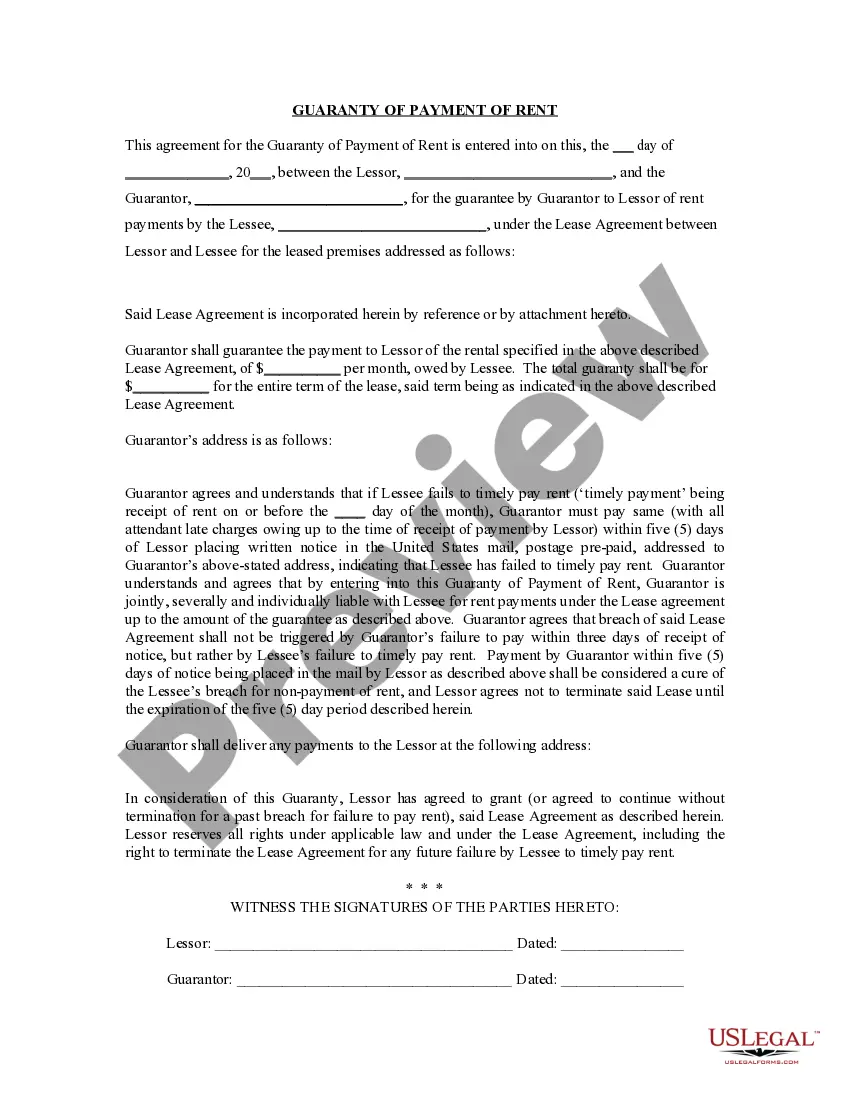
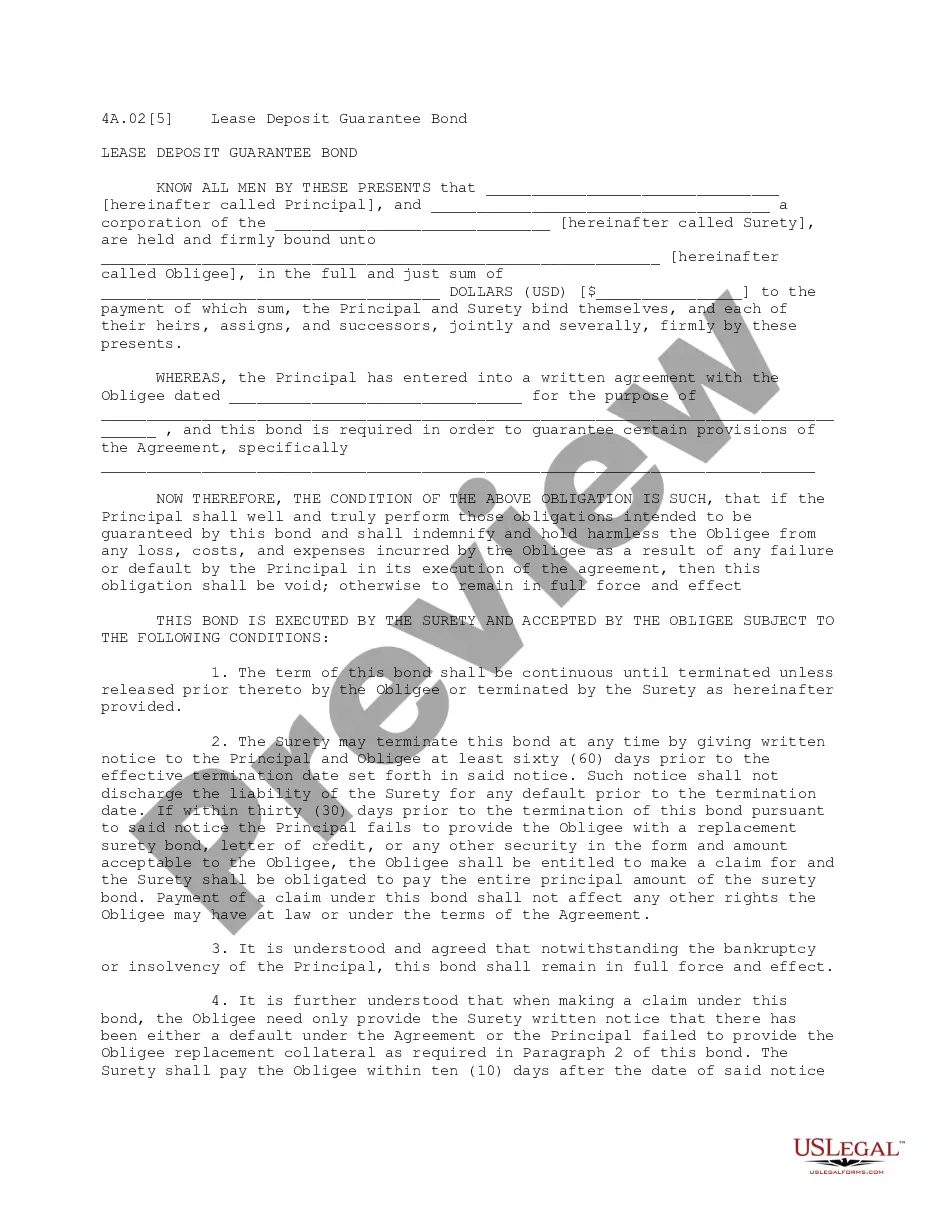
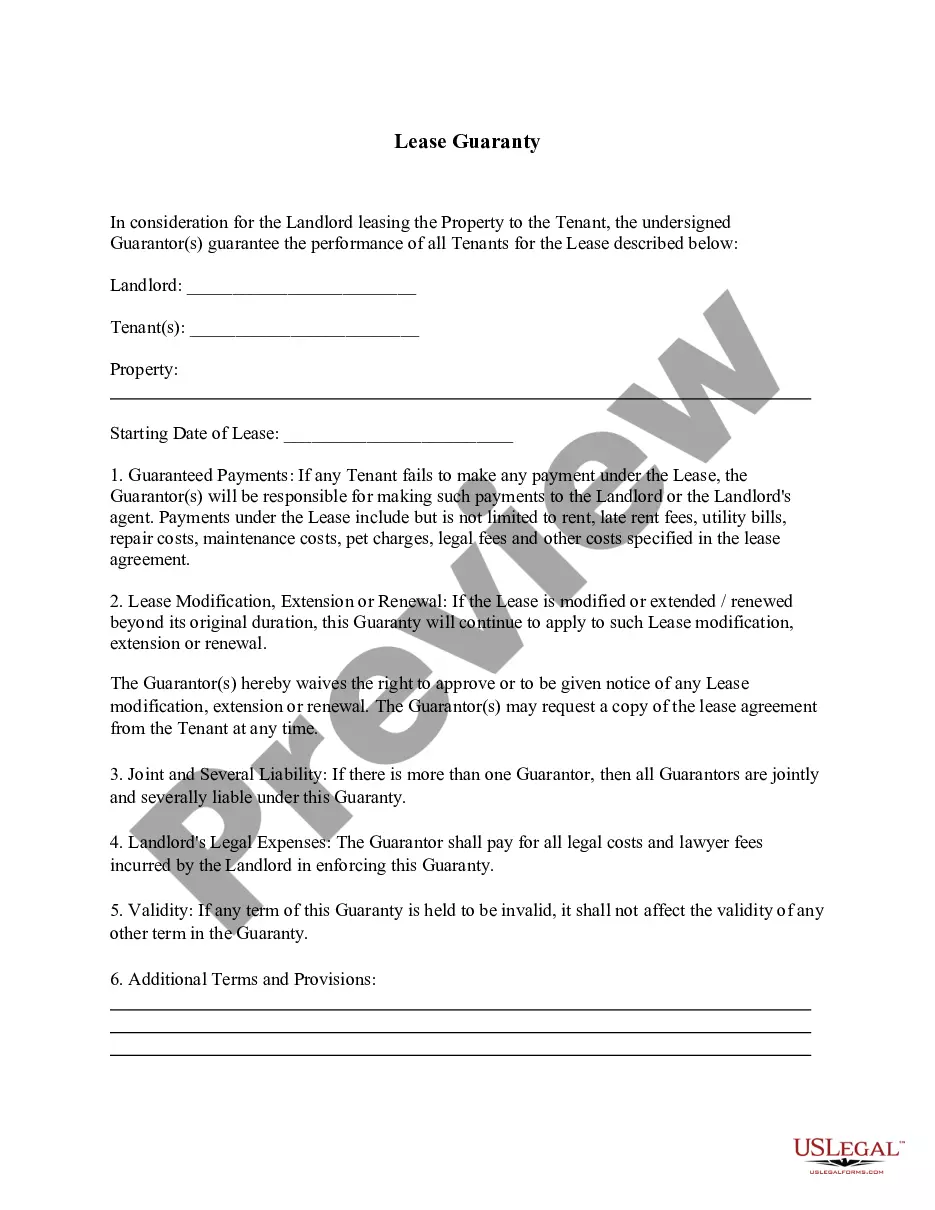
The Guaranty or Guarantee of Payment of Rent is a legal document that outlines an agreement between a tenant's guarantor and the landlord. In this form, the guarantor agrees to cover the rent in the event that the tenant is unable to make payments. This form is essential for landlords who want security in lease agreements, as it clarifies the responsibilities and conditions under which the guarantor must pay. It differs from a rental lease agreement in that it focuses specifically on the financial obligations rather than tenancy terms.
Main sections of this form
- Guarantor's address: Information about the guarantor must be clearly stated.
- Lessor's signature: The landlord must sign to validate the agreement.
- Guarantor's signature: The guarantor's signature is required to confirm their acceptance of the responsibilities outlined.
- Date fields: Each party must date their signature to establish when the agreement takes effect.
When to use this document
This form is relevant when a tenant has a limited credit history or financial instability that may concern landlords regarding timely rent payments. It is commonly used in residential rental agreements where an individual or entity agrees to back the tenant's payment obligations, providing the landlord with an additional layer of security against potential defaults.
Who should use this form
This form is suitable for:
- Landlords seeking assurances for rental agreements.
- Tenants who may not have strong credit histories.
- Guarantors willing to take responsibility for a tenant's rent.
Completing this form step by step
- Identify the parties: Clearly state the names of the tenant and the guarantor.
- Specify the property: Provide the address of the rental property.
- Enter dates: Fill in the date when the agreement is signed by both parties.
- Gather signatures: Ensure both the landlord and guarantor sign the document to validate the agreement.
Does this document require notarization?
Notarization is generally not required for this form. However, certain states or situations might demand it. You can complete notarization online through US Legal Forms, powered by Notarize, using a verified video call available anytime.
Get your form ready online
Our built-in tools help you complete, sign, share, and store your documents in one place.
Make edits, fill in missing information, and update formatting in US Legal Forms—just like you would in MS Word.
Download a copy, print it, send it by email, or mail it via USPS—whatever works best for your next step.
Sign and collect signatures with our SignNow integration. Send to multiple recipients, set reminders, and more. Go Premium to unlock E-Sign.
If this form requires notarization, complete it online through a secure video call—no need to meet a notary in person or wait for an appointment.
We protect your documents and personal data by following strict security and privacy standards.

Make edits, fill in missing information, and update formatting in US Legal Forms—just like you would in MS Word.

Download a copy, print it, send it by email, or mail it via USPS—whatever works best for your next step.

Sign and collect signatures with our SignNow integration. Send to multiple recipients, set reminders, and more. Go Premium to unlock E-Sign.

If this form requires notarization, complete it online through a secure video call—no need to meet a notary in person or wait for an appointment.

We protect your documents and personal data by following strict security and privacy standards.
Common mistakes
- Failing to include the guarantor's address.
- Not dating the signatures.
- Ignoring to read or clarify the obligations outlined in the agreement.
Benefits of completing this form online
- Easy access: Download and print the form from anywhere at any time.
- Editability: Tailor the form to fit specific scenarios before finalizing.
- Reliability: The forms are drafted by licensed attorneys, ensuring legal accuracy.
Legal use & context
- The agreement is legally enforceable as long as it is signed by both parties.
- Guarantors should understand their financial responsibilities before signing.
- Landlords must still comply with tenant laws when enforcing the guaranty.
Main things to remember
- The Guaranty or Guarantee of Payment of Rent is vital for securing lease agreements.
- It clarifies the responsibilities of the guarantor should the tenant default.
- Complete the form accurately to avoid legal issues in the future.
Looking for another form?
Form popularity
FAQ
Indiana. Indiana laws allow landlords to hold on to security deposits for 45 days to give them time to determine any damages caused by tenants. Colorado. Colorado is one of few states that allow landlords to access the rental property without an advance notice requirement. Georgia.
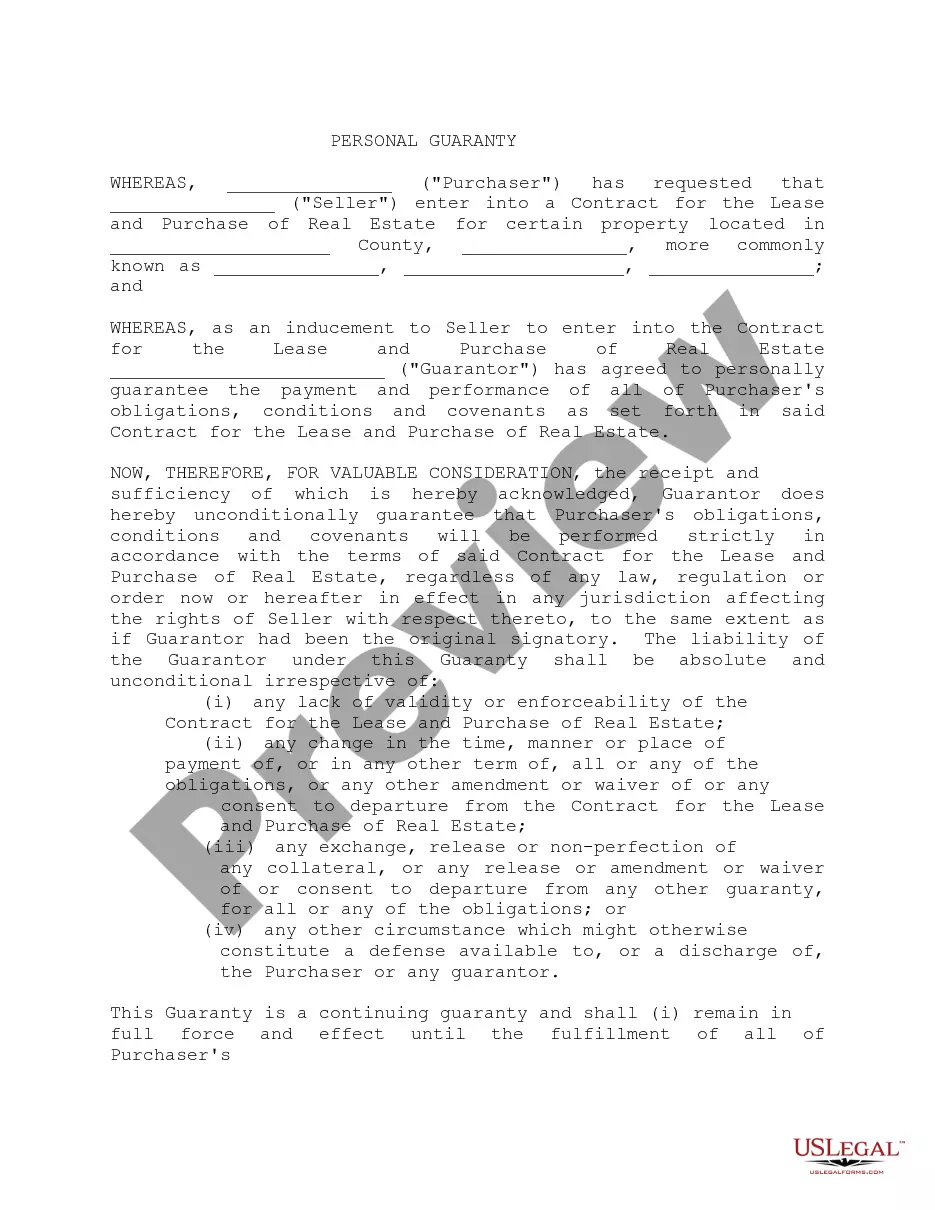
What is a Personal Guarantee? A personal guarantee is a written promise from a guarantor (business owner or other person) guaranteeing commercial lease payments in the event the business does not pay. In the event of non-payment the landlord can go after the guarantor personally for payment.
A lease guaranty is a separate contract under which a third party guarantor agrees to meet the obligations of the Tenant to the Landlord.If the Tenant fails to pay rent, the Landlord can recover the arrears from the guarantor, usually before seeking damages from Tenant.
This question is about Montana Landlord Tenant RightsMontana is fairly landlord-friendly as there is not state-wide rent control and landlords have relatively few regulations as far as evictions proceedings are concerned.
Wyoming is a landlord-friendly state, that doesn't mess around when it comes to late rent. Landlords have the right to enter a tenant's apartment without notice if the tenant is more than three days late on the rent, and landlords can terminate a lease after three days of nonpayment of rent.
1- Vermont. 2- Delaware. 3- Oregon. 4- Rhode Island. 5- Nevada.
Vermont ranked first among the renter-friendly states, followed closely by Delaware and Hawaii who were tied for second place. Rhode Island, Arizona, D.C., Maine and Alaska Statutes also seem to take good care of their renters according to our analysis.
Generally, you have all the rights of a month-to-month tenant. Your landlord must give you 30 days' notice to terminate your rental agreement, unless the landlord alleges some violation that allows for shorter notice. For example, if you are behind on rent, the landlord could give you a 3 day notice to pay or vacate.
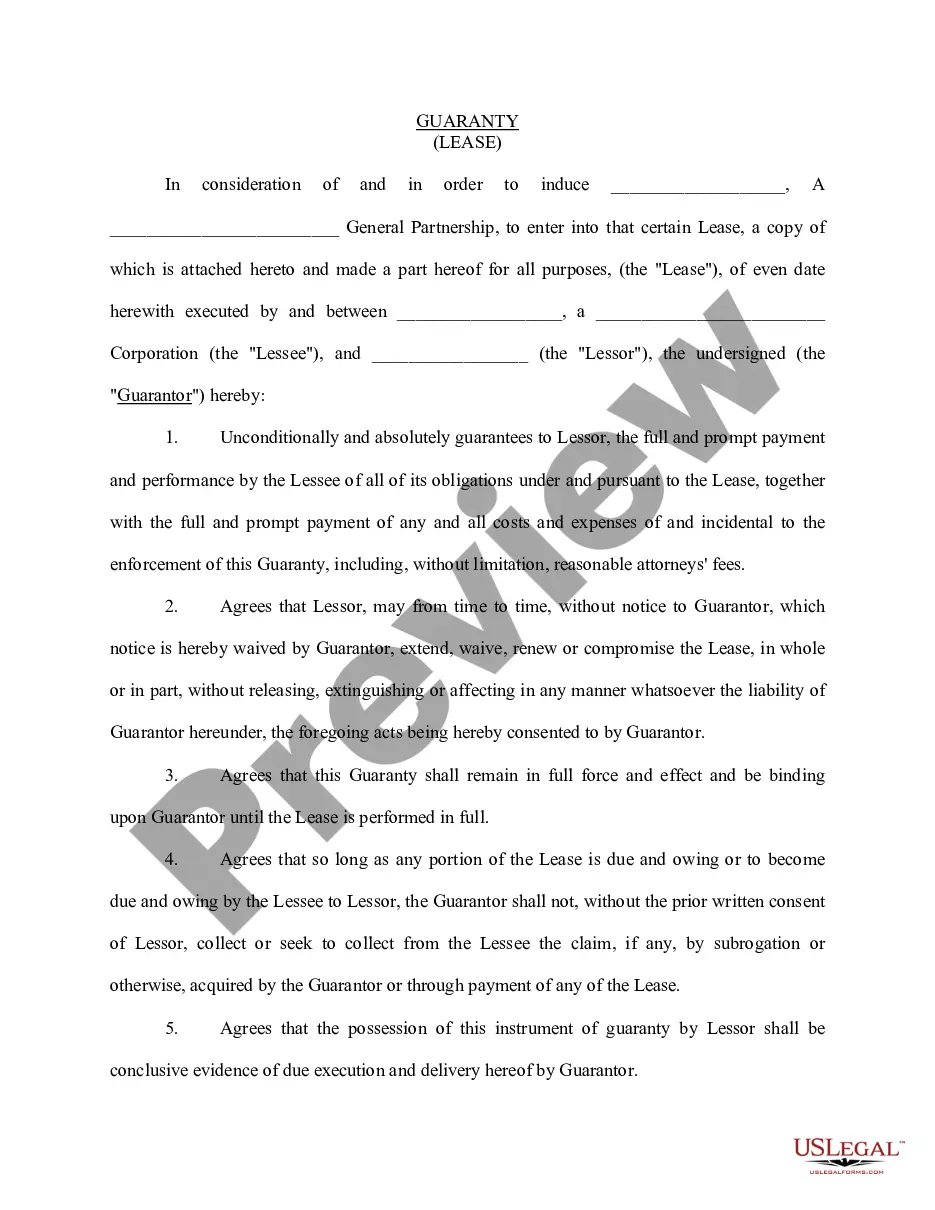
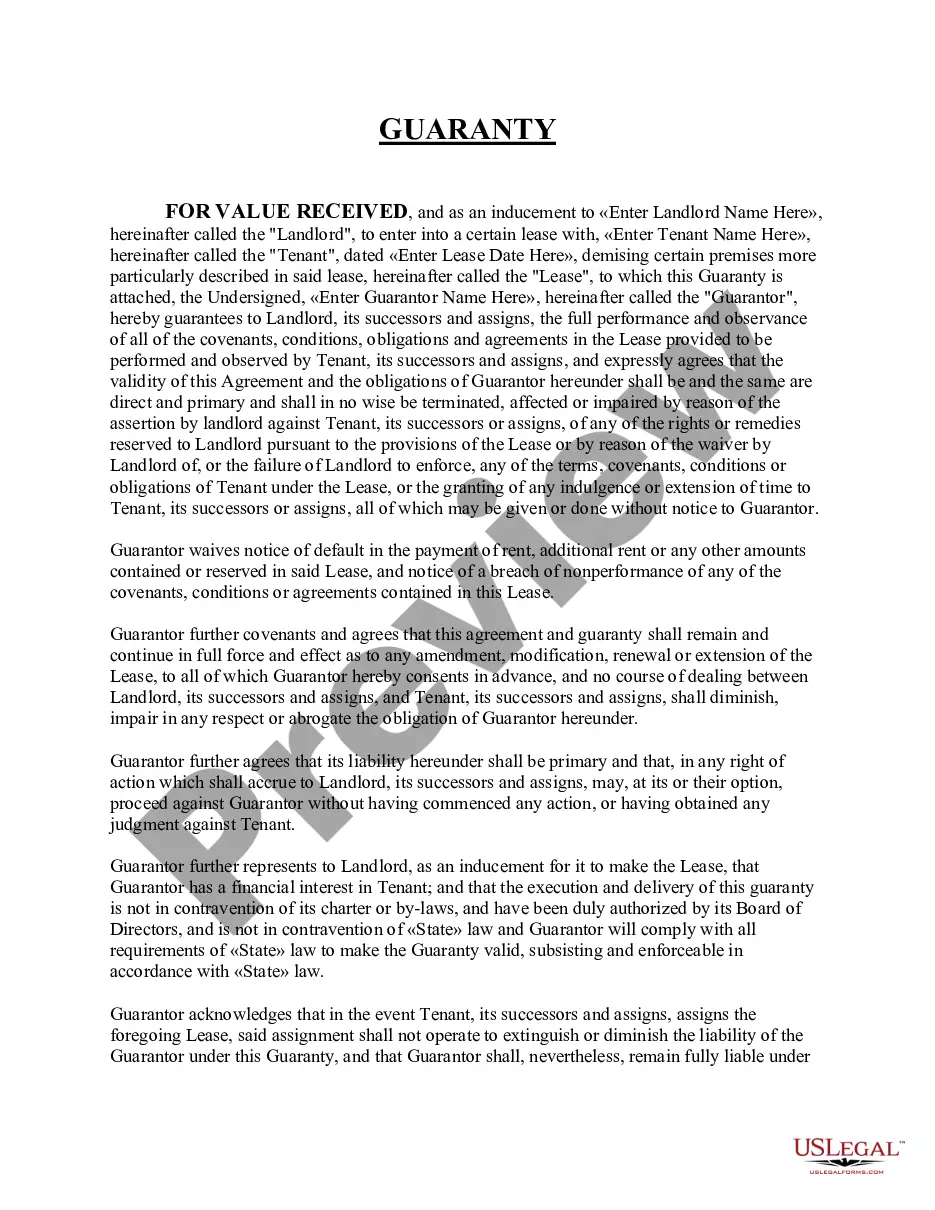
A guaranty of lease is a covenant by the guarantor to be responsible for the obligations of the tenant.In these examples, a selective landlord would not enter into the lease without the tenant offering a creditworthy guarantor.