Montana Seller's Disclosure of Financing Terms for Residential Property in connection with Contract or Agreement for Deed a/k/a Land Contract
What is this form?
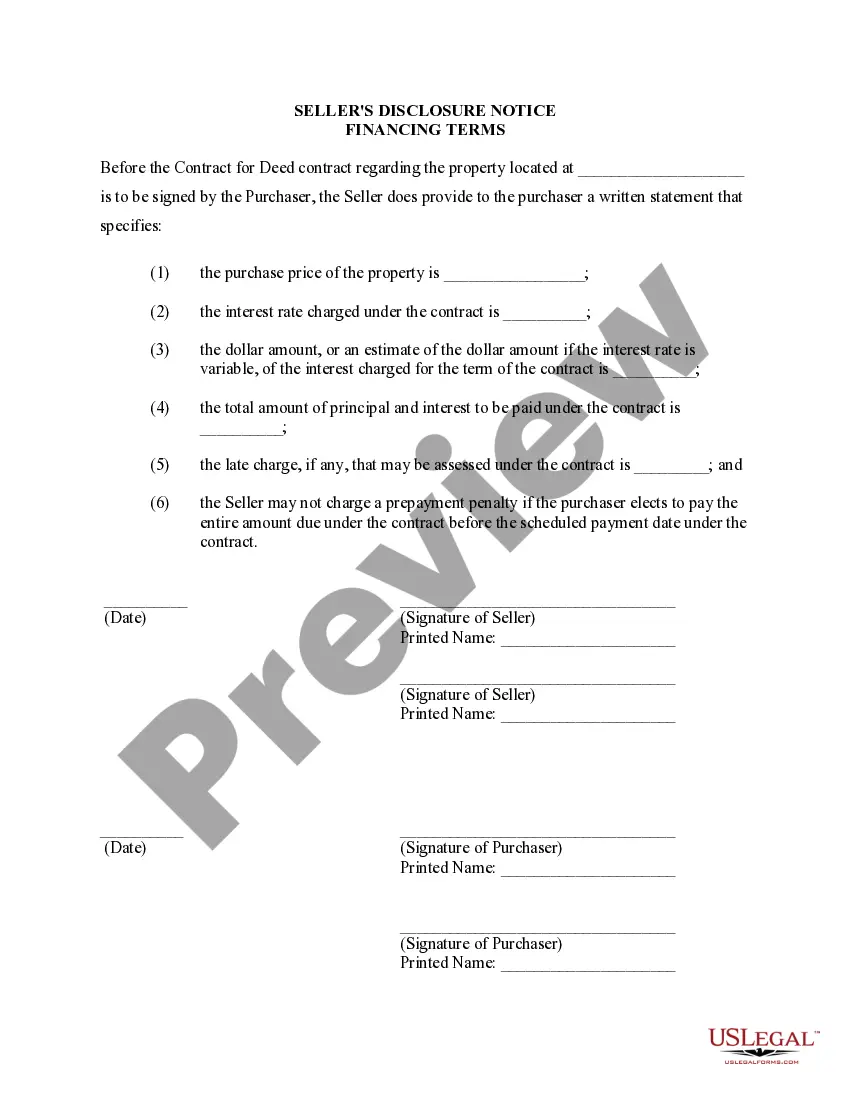
The Seller's Disclosure of Financing Terms for Residential Property is a legal document that informs the purchaser about the financing terms associated with a contract for deed, also known as a land contract. This form outlines key details, including the purchase price, payment structure, interest rates, and any applicable late charges. It is important because it ensures transparency between the seller and purchaser, enabling informed decision-making during the property transaction process.
Key parts of this document
- Purchase price: The total cost of the residential property.
- Payment terms: A detailed outline of payment structure, including amounts and due dates.
- Interest rate: The percentage charged on the outstanding balance of the purchase price.
- Late charges: Any fees that may apply if payments are not made on time.
- Seller's information: Contact details and legal identity of the seller.
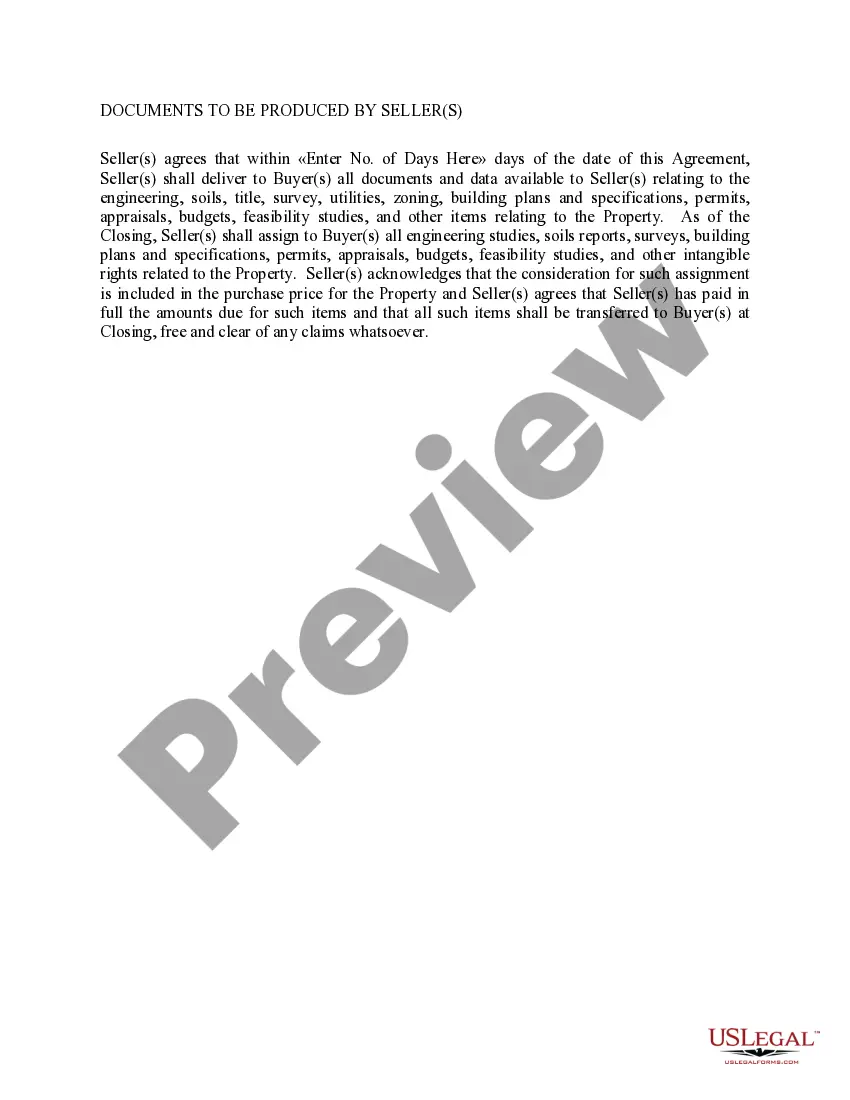
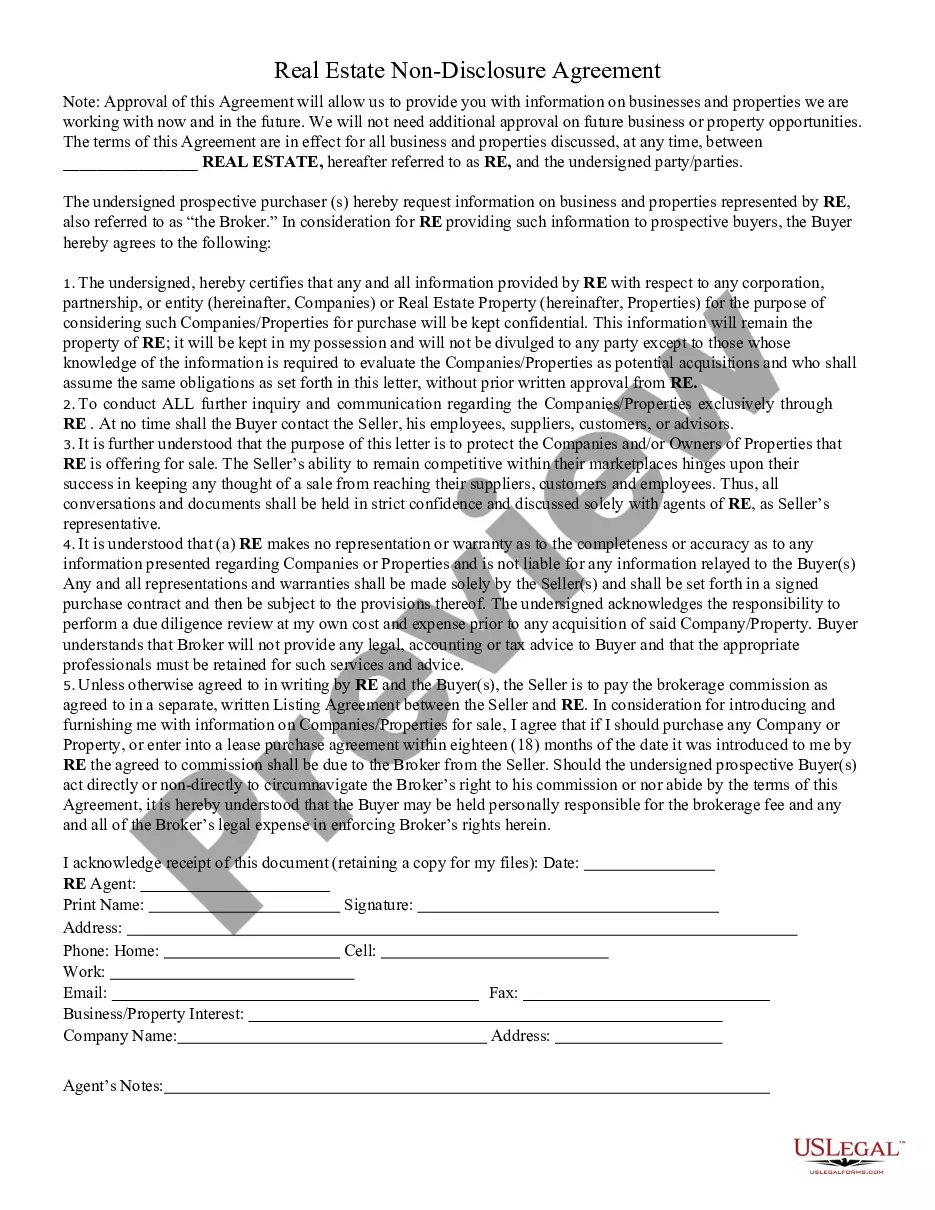
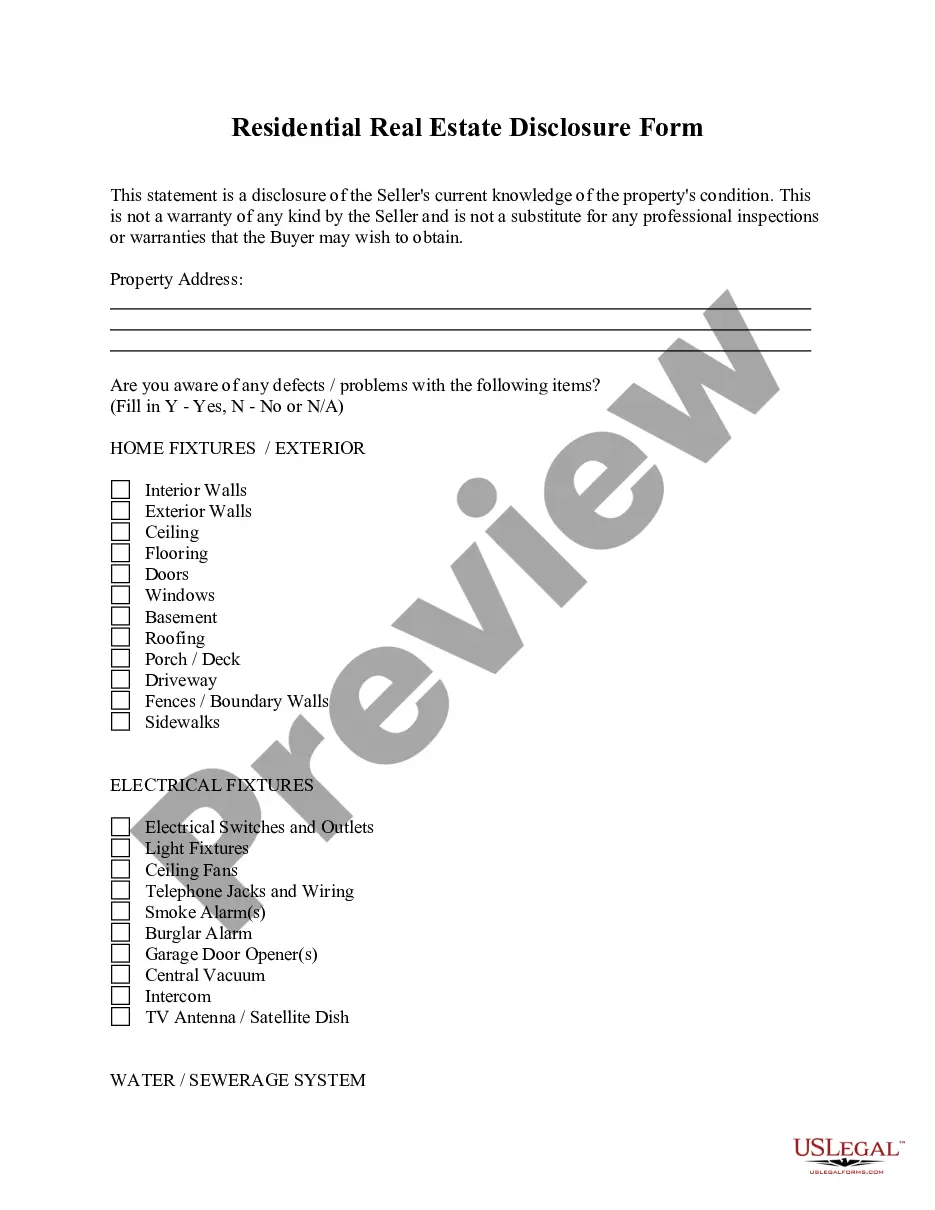
When to use this form
This form should be used when a seller is entering into a contract for deed to sell residential property. It is essential for sellers to disclose financing terms to potential buyers before finalizing the agreement. Common scenarios for using this form include residential real estate transactions, especially when traditional mortgage financing is not utilized.
Who should use this form
This form is intended for:
- Property sellers who are offering a contract for deed.
- Purchasers seeking transparent financial terms related to the property sale.
- Real estate agents or brokers facilitating the sale of residential properties.
How to prepare this document
- Identify the parties: Fill in the names and contact information for both the seller and the purchaser.
- Specify the property: Include a detailed description of the property being sold.
- Enter the purchase price: Clearly state the total purchase price of the property.
- Detail payment terms: Outline the agreed-upon payment structure, including due dates.
- Include interest rate: Specify the applicable interest rate on the purchase price.
- Document late charges: State any fees that apply for late payments, if any.
Does this form need to be notarized?
Notarization is required for this form to take effect. Our online notarization service, powered by Notarize, lets you verify and sign documents remotely through an encrypted video session, available 24/7.
Get your form ready online
Our built-in tools help you complete, sign, share, and store your documents in one place.
Make edits, fill in missing information, and update formatting in US Legal Forms—just like you would in MS Word.
Download a copy, print it, send it by email, or mail it via USPS—whatever works best for your next step.
Sign and collect signatures with our SignNow integration. Send to multiple recipients, set reminders, and more. Go Premium to unlock E-Sign.
If this form requires notarization, complete it online through a secure video call—no need to meet a notary in person or wait for an appointment.
We protect your documents and personal data by following strict security and privacy standards.

Make edits, fill in missing information, and update formatting in US Legal Forms—just like you would in MS Word.

Download a copy, print it, send it by email, or mail it via USPS—whatever works best for your next step.

Sign and collect signatures with our SignNow integration. Send to multiple recipients, set reminders, and more. Go Premium to unlock E-Sign.

If this form requires notarization, complete it online through a secure video call—no need to meet a notary in person or wait for an appointment.

We protect your documents and personal data by following strict security and privacy standards.
Avoid these common issues
- Failing to provide accurate contact information for all parties involved.
- Leaving out key details about the property or financing terms.
- Not disclosing late charges or conditions that could apply.
- Incorrectly calculating or omitting the interest rate.
Advantages of online completion
- Convenience: Easily download the form at your convenience without waiting for physical copies.
- Editability: Modify the form to fit specific terms and conditions of your transaction.
- Reliability: Ensure you are using the most current legal templates, drafted by licensed attorneys.
Legal use & context
- The form helps create a legally binding agreement between the seller and purchaser.
- Provides important details that help both parties understand financial commitments.
- Ensures that the terms of financing are clear and disclosed upfront, helping avoid potential conflicts.
Summary of main points
- The Seller's Disclosure of Financing Terms is essential for residential property sales under a land contract.
- Both sellers and purchasers benefit from transparency regarding financing terms.
- Completing this form accurately helps prevent future disputes over payment obligations.
Looking for another form?
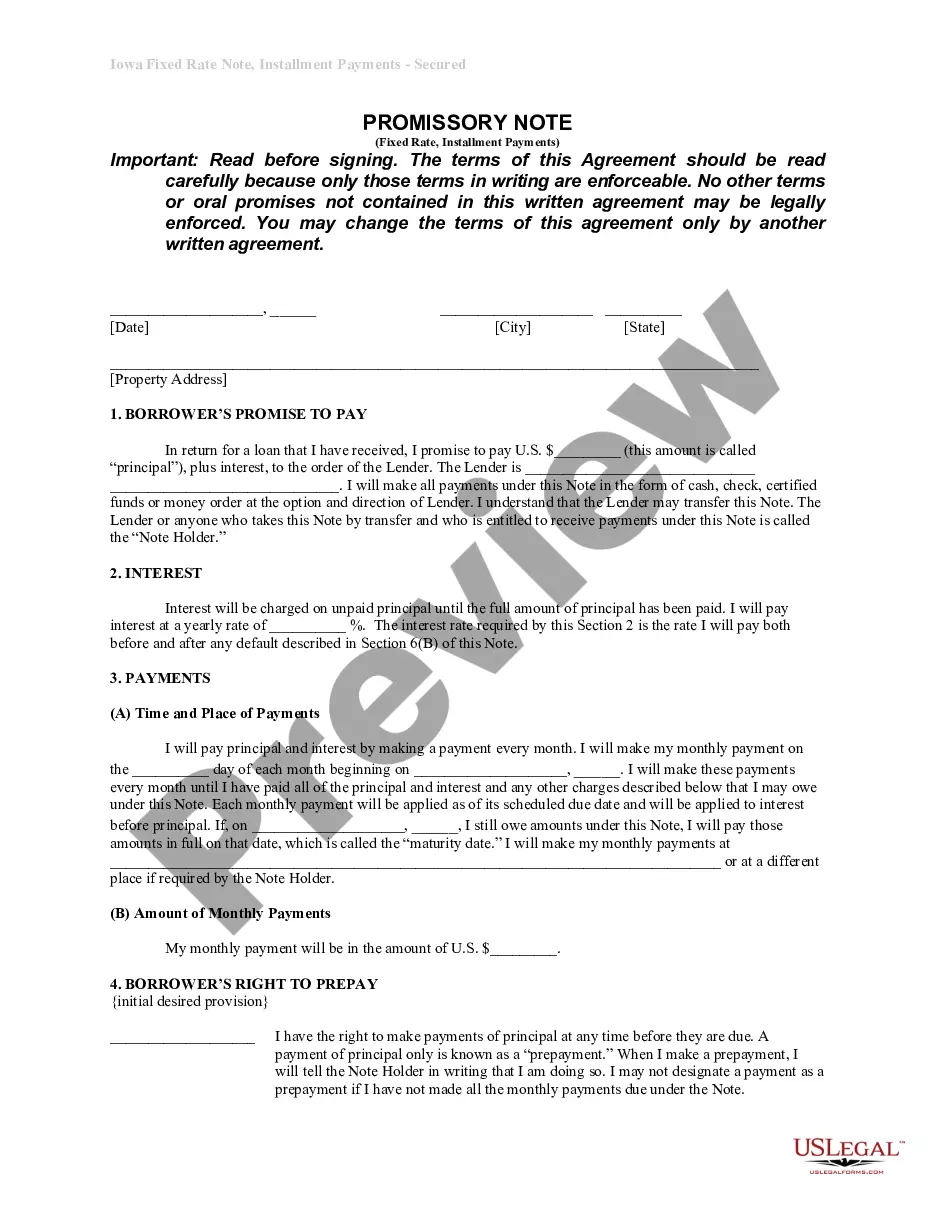



Form popularity
FAQ
The purpose of a disclosure statement is to provide explanatory information regarding the significant features of the insurance policy to enable the insured to make an informed decision regarding purchasing the insurance policy.
A seller's disclosure form, often called a property disclosure statement, is a form you fill out that details all the potential problems with your home. Sellers are legally required to produce these statements in most parts of the country. The idea is to protect buyers from purchasing a home with undisclosed problems.
It includes the name of the organization, the party of the loans, approval, date, and place at which the document was signed, key terms such as tenure of the loan, interest charged, annual percentage rate, total processing fees, loan statement, prepayment terms, and various other information including the terms
Disclosure is defined as the act of revealing or something that is revealed. An example of disclosure is the announcement of a family secret. An example of a disclosure is the family secret which is told. (law) The making known of a previously hidden fact or series of facts to another party; the act of disclosing.
Property disclosure statements essentially outline any flaws that the home sellers (and their real estate agents) are aware of that could negatively affect the home's value. These statements are required by law in most areas of the country so buyers can know a property's good and bad points before they close the deal.
A contract for deed, also called a land contract or contract for sale, is a financing option for buyers who do not qualify for a mortgage loan to purchase property. In a contract for deed, the seller finances the purchase of the property, much like a mortgage company in a more traditional mortgage situation.
Who Must Make These Seller Disclosures in California. As a broad rule, all sellers of residential real estate property containing one to four units in California must complete and provide written disclosures to the buyer.
If a seller fails to disclose, or actively conceals, problems that affect the value of the property; they are violating the law, and may be subject to a lawsuit for recovery of damages based on claims of fraud and deceit, misrepresentation and/or breach of contract.
A disclosure statement is a financial document given to a participant in a transaction explaining key information in plain language. Disclosure statements for retirement plans must clearly spell out who contributes to the plan, contribution limits, penalties, and tax status.