Missouri Last Will and Testament for Single Person with Adult Children
What is this form?
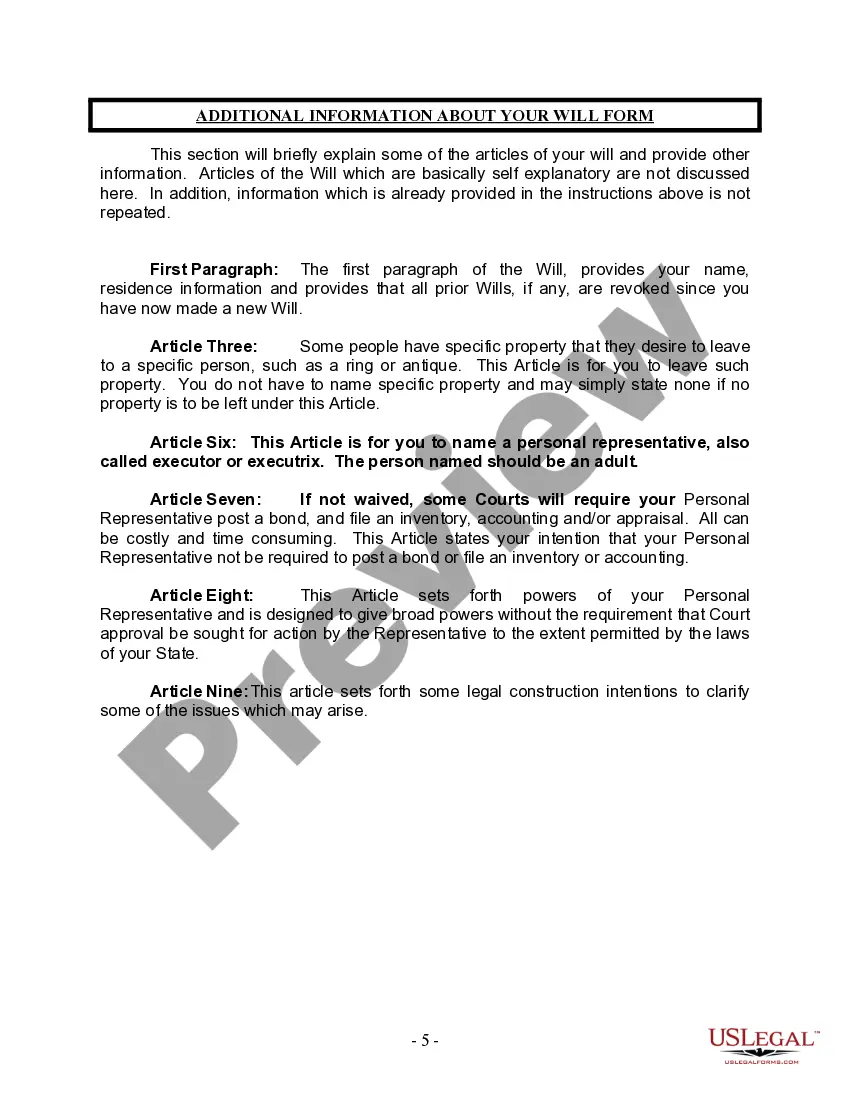
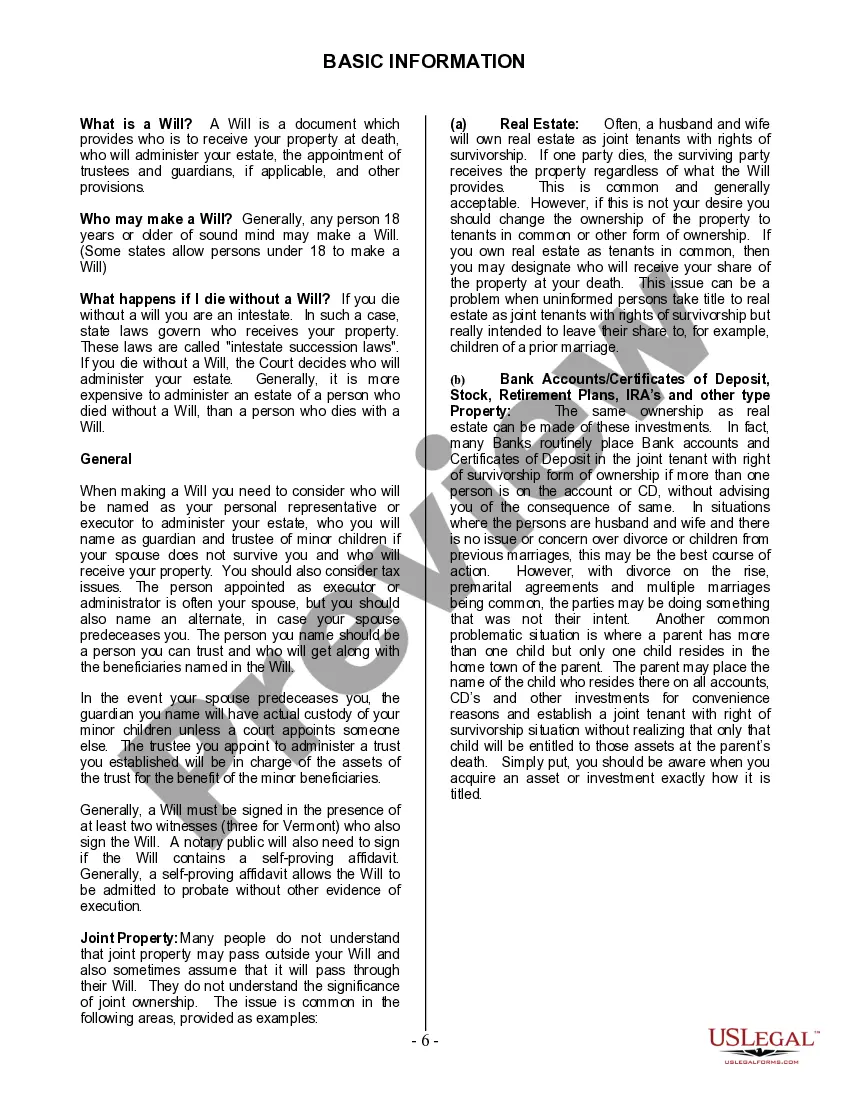
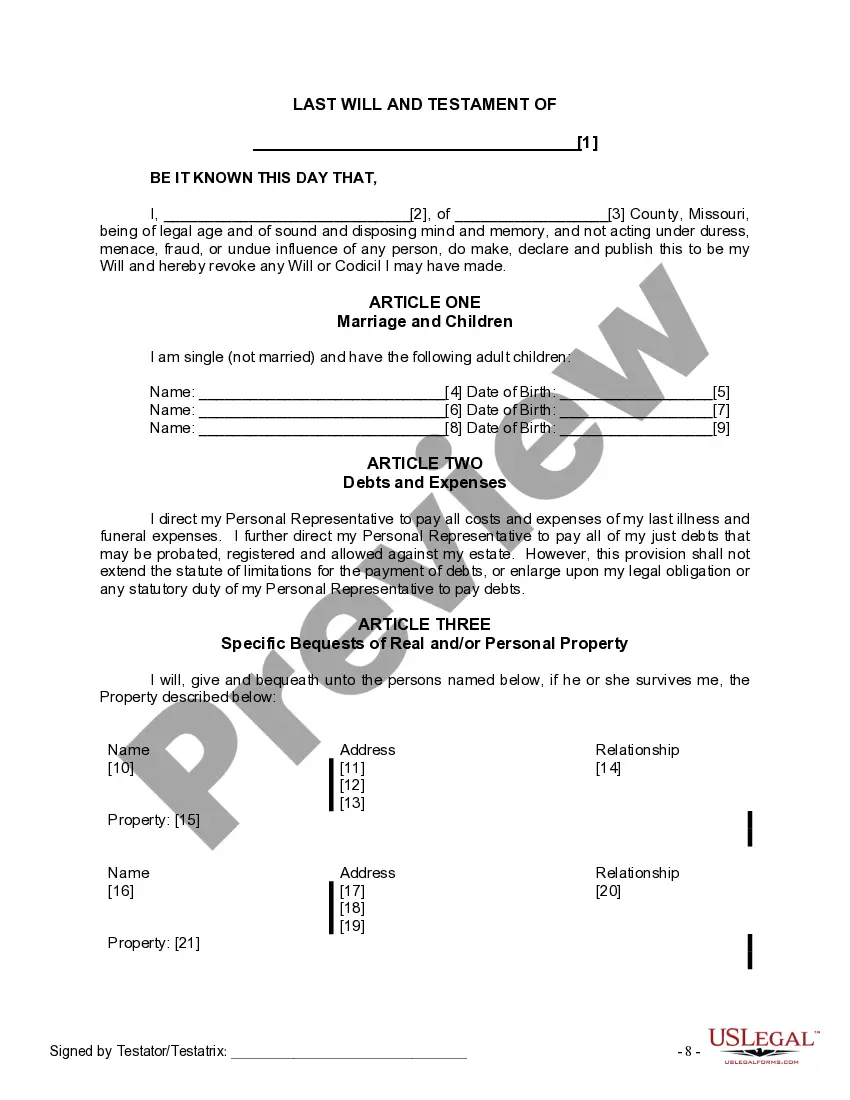
The Last Will and Testament for a Single Person with Adult Children is a legal document that specifies how your assets will be distributed upon your death. Unlike other wills, this form is tailored specifically for individuals who are single and have adult children, allowing you to address your unique circumstances. It outlines the appointment of a personal representative or executor and designates beneficiaries for your property, ensuring your wishes are honored after your passing.
Key components of this form
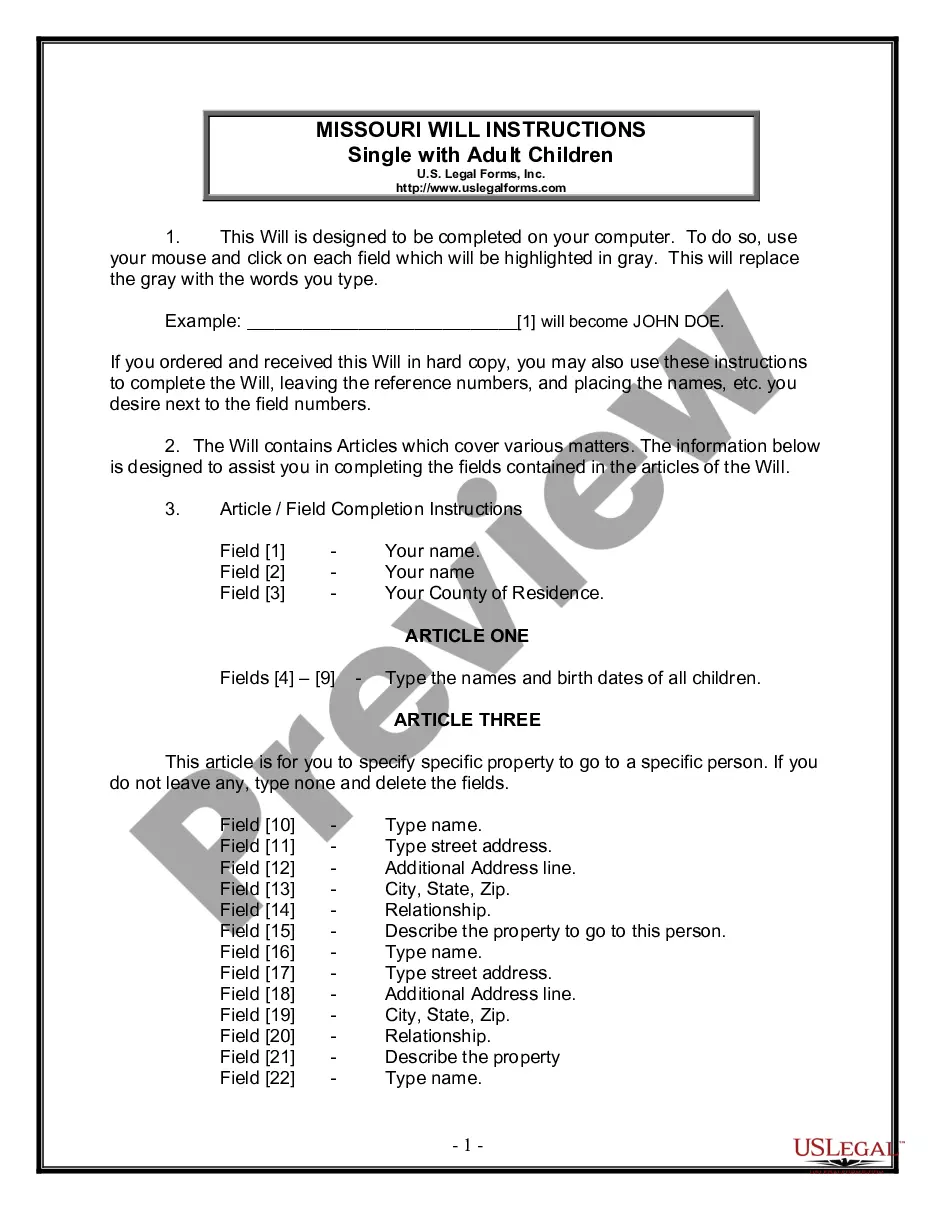
- Your personal information, including name and county of residence.
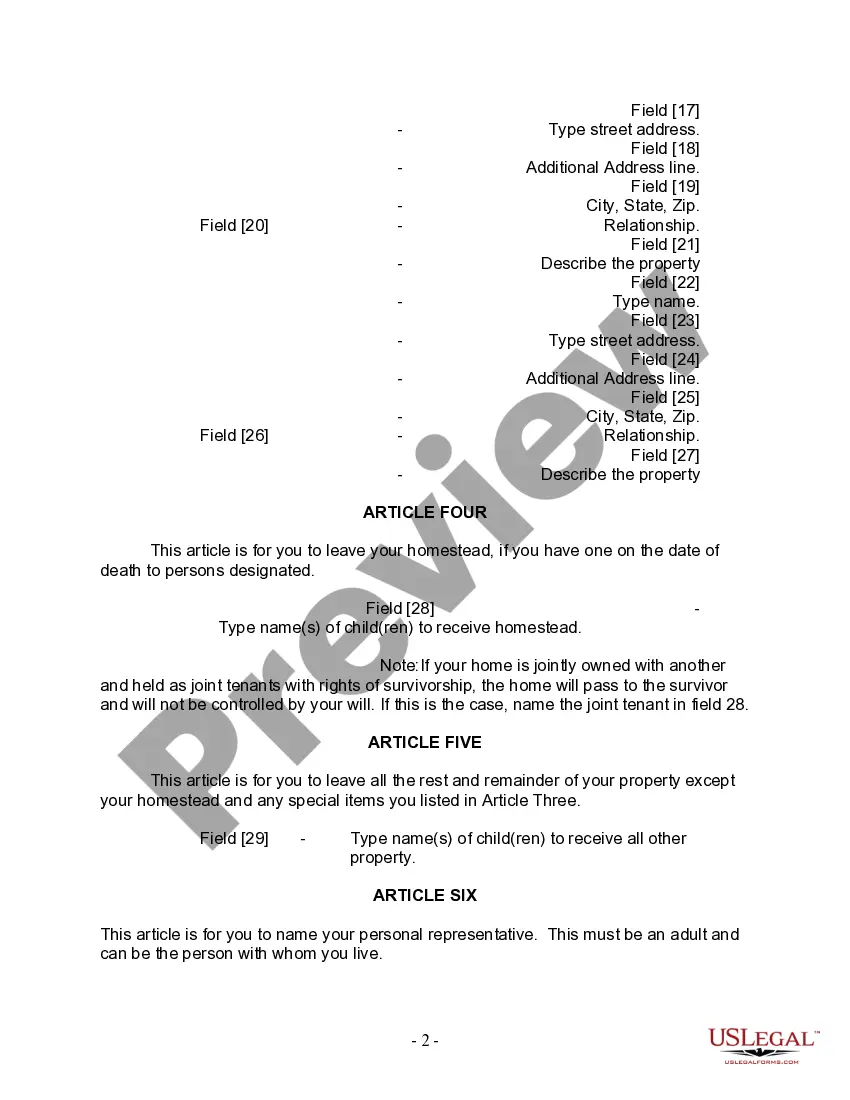
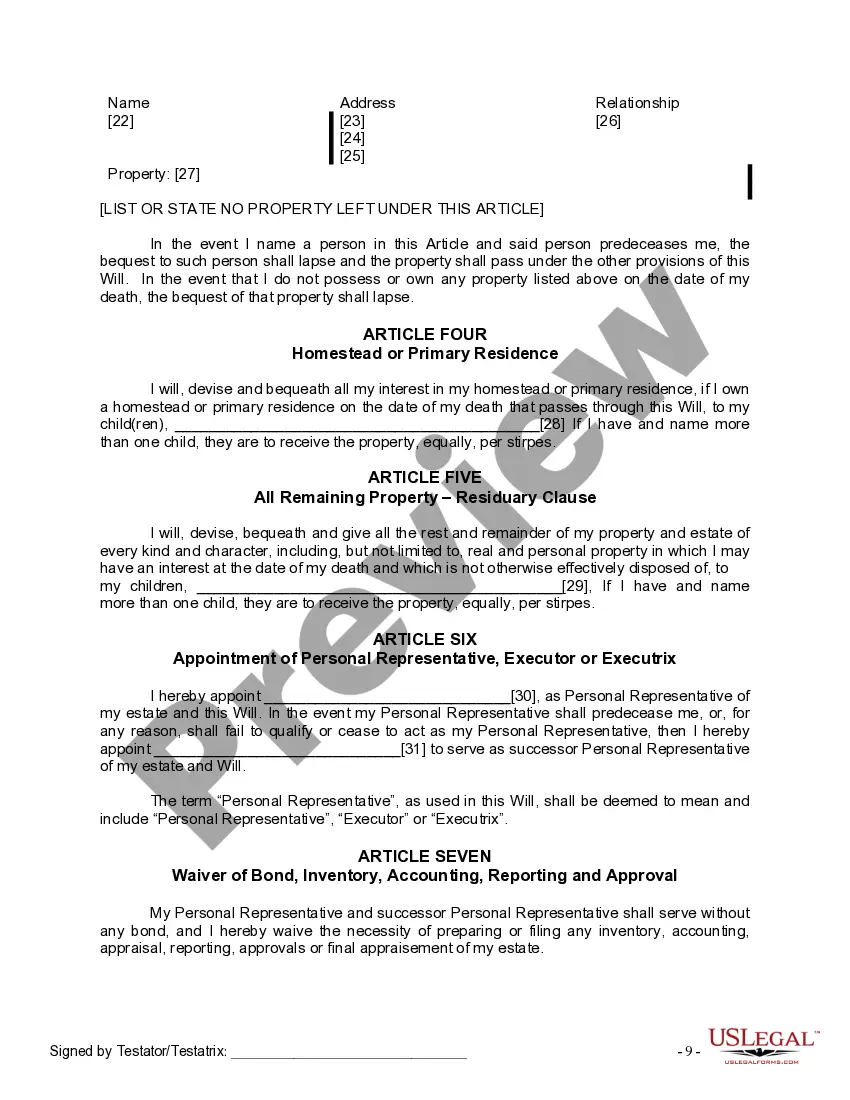
- Articles detailing specific inheritances, including property and assets.
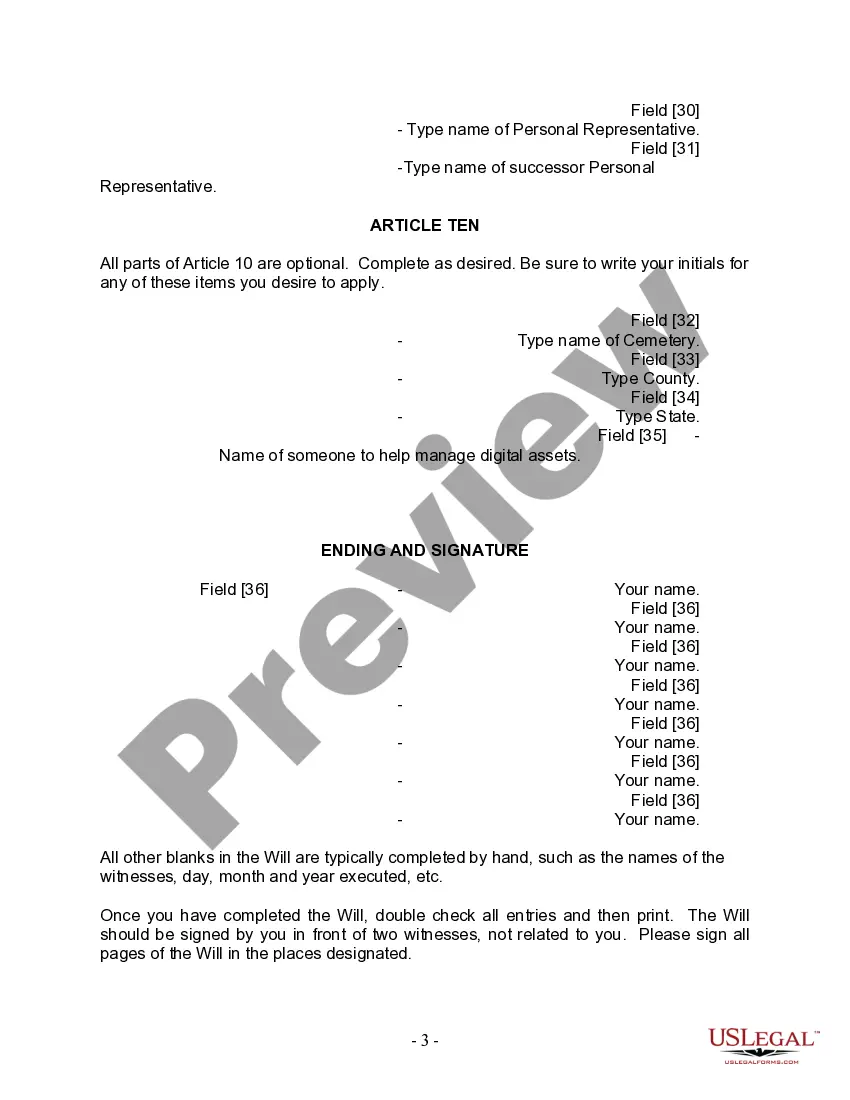
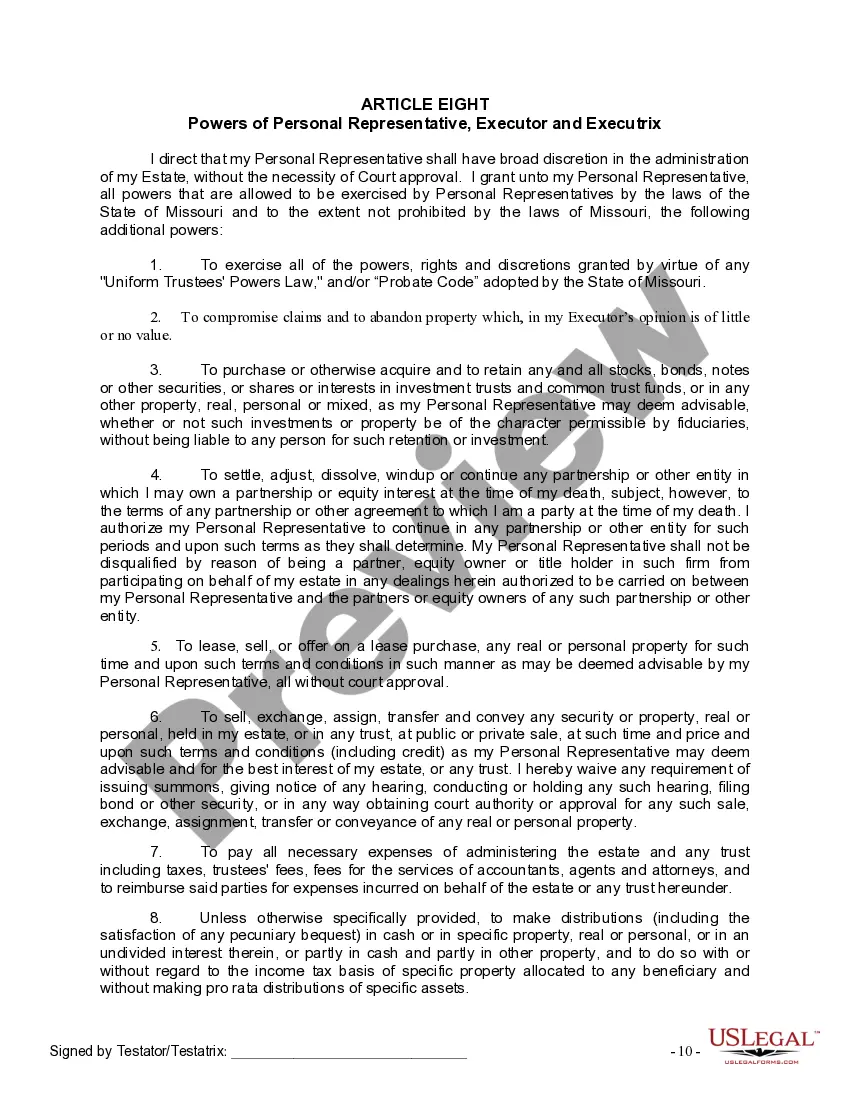
- Designation of your personal representative to oversee the execution of the will.
- Provisions for your homestead and any specific bequests to beneficiaries.
- Signing requirements in front of witnesses and potential notarization for validity.





When to use this form
This form is essential when you want to ensure that your estate is managed according to your wishes and allocated to your adult children after your death. It is particularly important if you have specific assets that you wish to leave to designated individuals and if you want to assign someone you trust as your personal representative to carry out your directives.
Who needs this form
- Individuals who are single and have adult children.
- Anyone wishing to create a clear plan for asset distribution upon their death.
- People who want to appoint a personal representative to manage their estate.
- Those needing a formal declaration of their wishes to avoid intestate succession issues.
Completing this form step by step
- Fill in your full name and county of residence at the beginning of the document.
- List all your adult children, including their names and birthdates.
- Specify any particular assets you wish to leave to specific individuals in the respective sections.
- Designate your personal representative and any successor if needed.
- Sign the document in front of two witnesses and consider notarizing it for added validity.
Is notarization required?
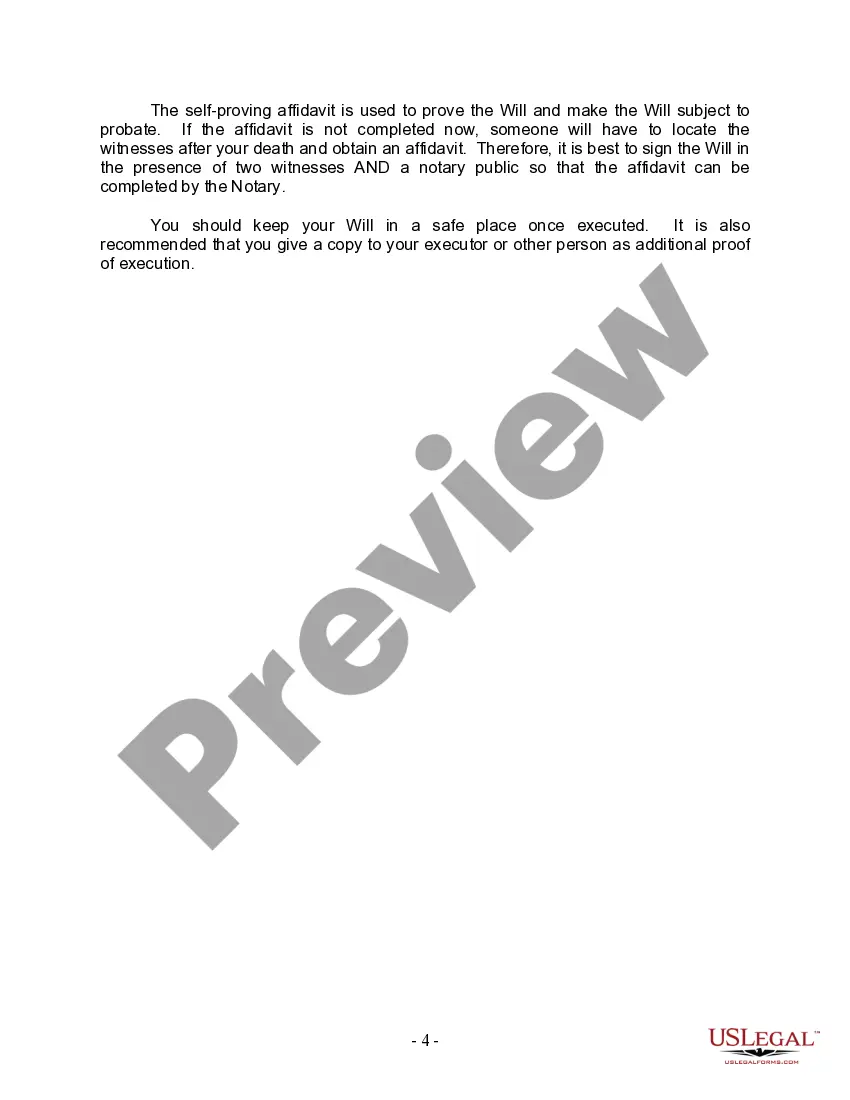
Yes, this form must be notarized to be legally valid. A self-proving affidavit is included to streamline the probate process, which requires the presence of a notary public alongside witnesses during the signing of the will. Using US Legal Formsâ integrated online notarization is a secure and efficient option.
Get your form ready online
Our built-in tools help you complete, sign, share, and store your documents in one place.
Make edits, fill in missing information, and update formatting in US Legal Forms—just like you would in MS Word.
Download a copy, print it, send it by email, or mail it via USPS—whatever works best for your next step.
Sign and collect signatures with our SignNow integration. Send to multiple recipients, set reminders, and more. Go Premium to unlock E-Sign.
If this form requires notarization, complete it online through a secure video call—no need to meet a notary in person or wait for an appointment.
We protect your documents and personal data by following strict security and privacy standards.

Make edits, fill in missing information, and update formatting in US Legal Forms—just like you would in MS Word.

Download a copy, print it, send it by email, or mail it via USPS—whatever works best for your next step.

Sign and collect signatures with our SignNow integration. Send to multiple recipients, set reminders, and more. Go Premium to unlock E-Sign.

If this form requires notarization, complete it online through a secure video call—no need to meet a notary in person or wait for an appointment.

We protect your documents and personal data by following strict security and privacy standards.
Typical mistakes to avoid
- Failing to properly sign the document in the presence of required witnesses.
- Not designating a successor executor, which may complicate estate management.
- Leaving properties unspecified, causing confusion over asset distribution.
- Neglecting to update the will after significant life changes or changes in assets.
Why complete this form online
- Convenient access: Download and complete the form at your convenience.
- Editability: Easily make adjustments as your circumstances change.
- Reliability: The form is drafted by licensed attorneys and complies with legal standards.
Legal use & context
- This will clearly outlines how your estate will be administered and distributed, offering instructions that follow state laws.
- In the absence of a will, your stateâs intestate succession laws will determine how your assets are divided, which may not align with your wishes.
- Consulting with an attorney can provide additional assurance that your will meets all legal requirements.
Key takeaways
- This Last Will and Testament is specifically designed for single individuals with adult children.
- Proper execution, including witness signatures and notarization, is crucial for the willâs validity.
- Completing this form allows you to designate how your assets will be managed and distributed, providing peace of mind.
Looking for another form?



Form popularity
FAQ
As long as it was properly signed and witnessed by two adult independent witnesses who are present at the time you sign your will, it should be legally binding.Using the wrong wording could mean that your instructions aren't followed, or even that your will isn't valid.
You don't have to get a lawyer to draft your will. It's perfectly legal to write your own will, and any number of products exist to help you with this, from software programs to will-writing kits to the packet of forms you can pick up at your local drugstore.
Although Missouri does not require a will to be notarized, most Missouri practitioners use two witnesses and a notary to make the will self-proving (see Drafting Note, Self-Proving Affidavit).
Although Missouri does not require a will to be notarized, most Missouri practitioners use two witnesses and a notary to make the will self-proving (see Drafting Note, Self-Proving Affidavit).
A normal probate administration in Missouri involves over $40,000 in net assets, so an estate with less than $40,000 is referred to as a small estate.
To make a will self-proved in Missouri, the testator and witnesses must sign a self proving affidavit before a notary public. An affidavit is a sworn statement, and a notary public is an officer of the court. Therefore, an affidavit before a notary public is like making a statement in court.
Create the initial document. Start by titling the document Last Will and Testament" and including your full legal name and address. Designate an executor. Appoint a guardian. Name the beneficiaries. Designate the assets. Ask witnesses to sign your will. Store your will in a safe place.
While some states recognize handwritten wills, also known as holographic wills, Missouri does not recognize holographic wills as valid unless all of the statutory requirements are met, or the will is considered valid in the state where it was prepared and executed.552, 447 (Mo. 1920).