Missouri Commercial Rental Lease Application Questionnaire
Overview of this form
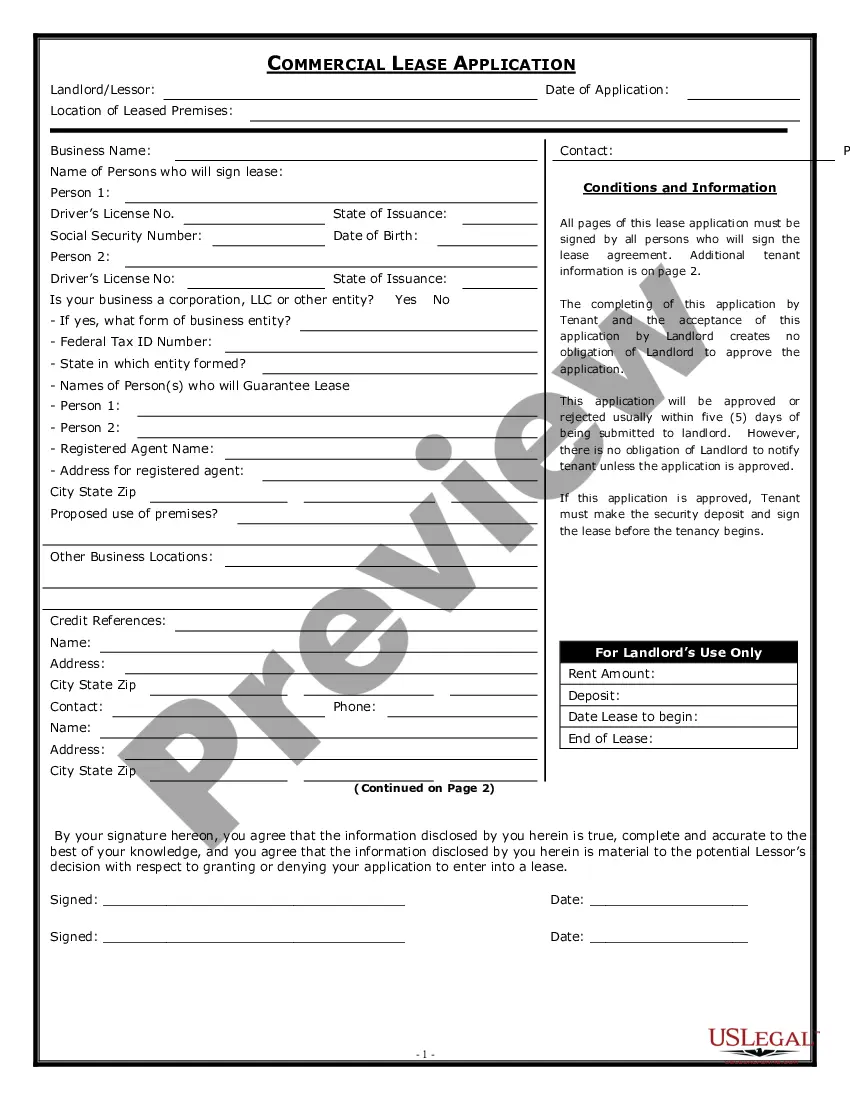
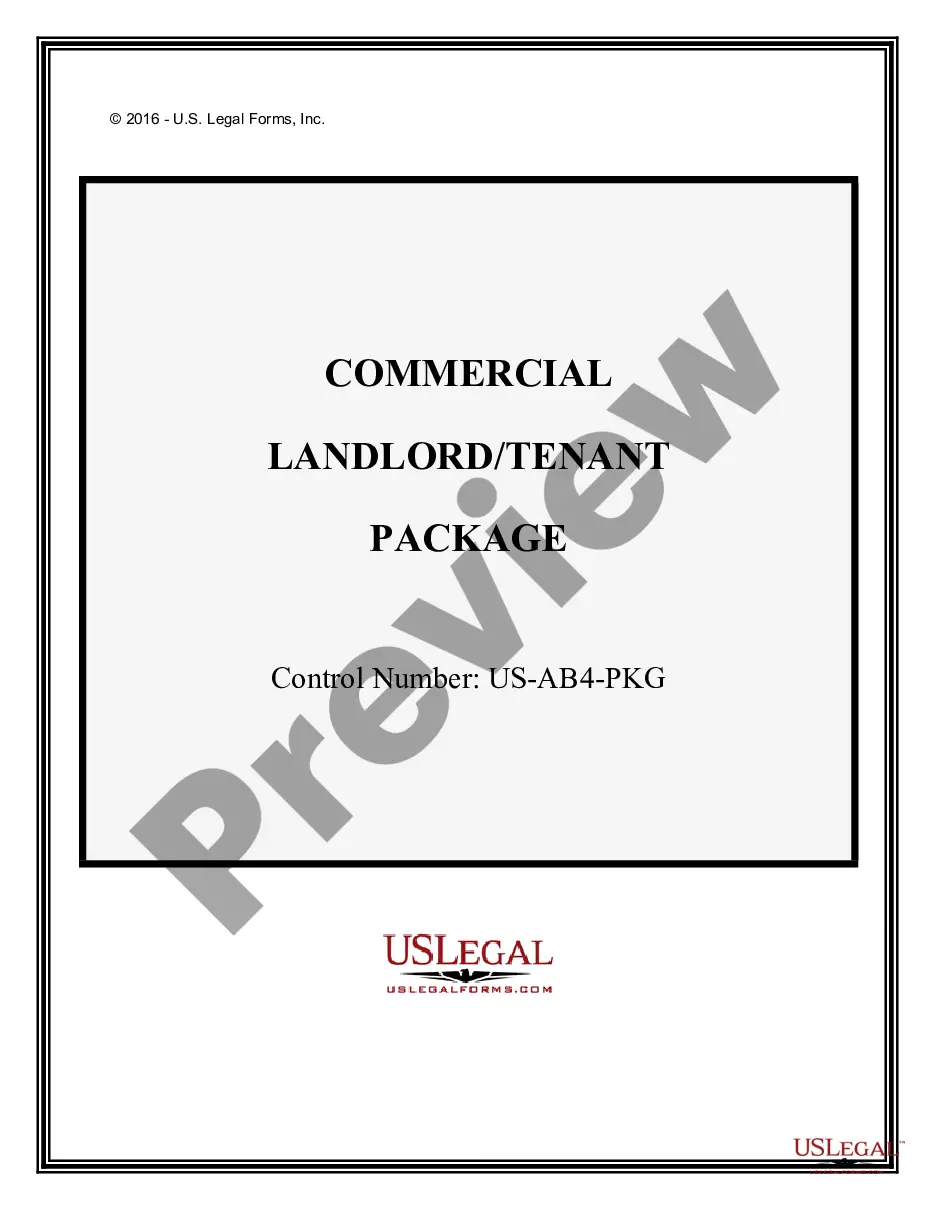
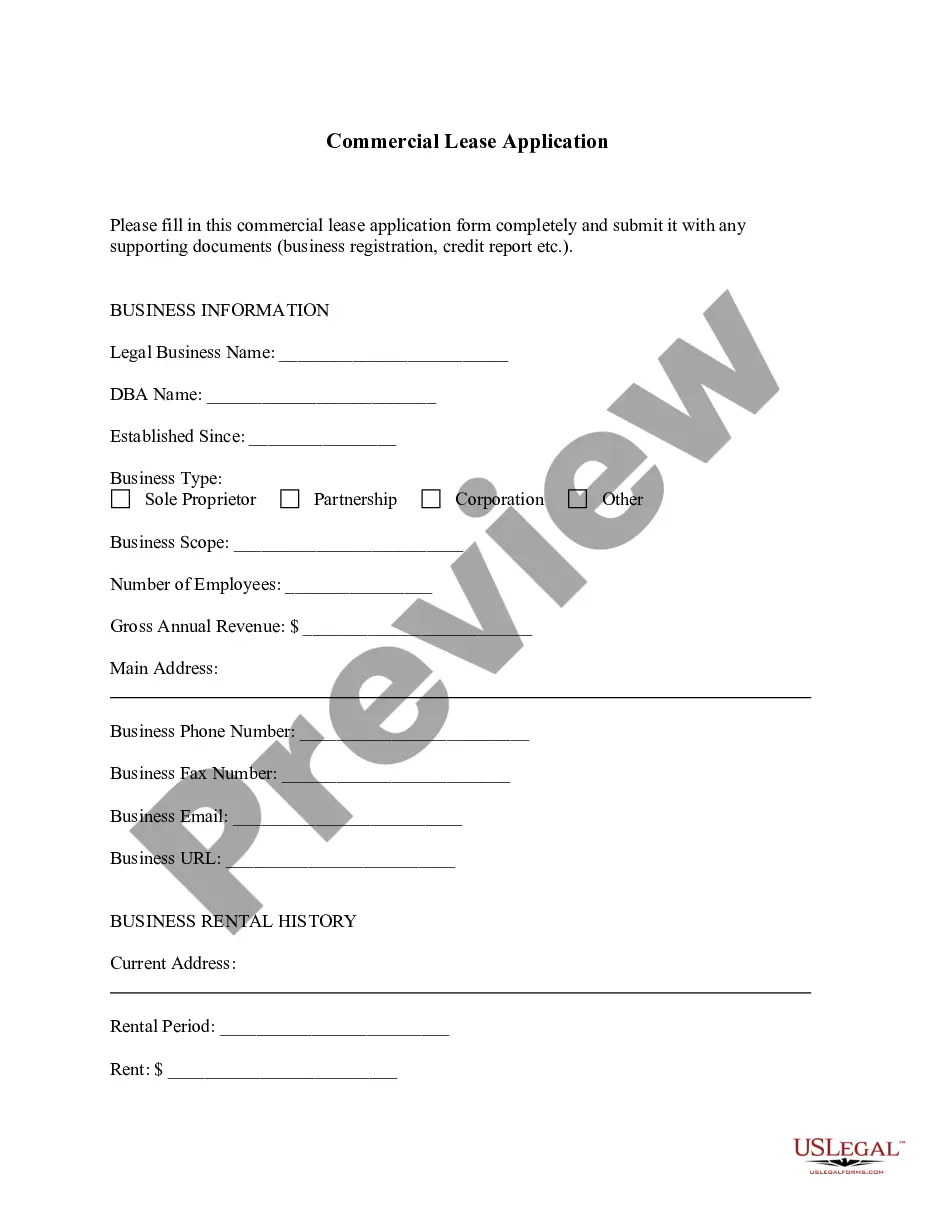
The Commercial Rental Lease Application Questionnaire is a form used by landlords to assess prospective tenants for commercial property leases. Unlike residential leases, commercial leases involve properties primarily used for business purposes, making them more complex. This questionnaire requires disclosures and authorization for information release, providing landlords with crucial financial and background details about potential lessees.
Form components explained
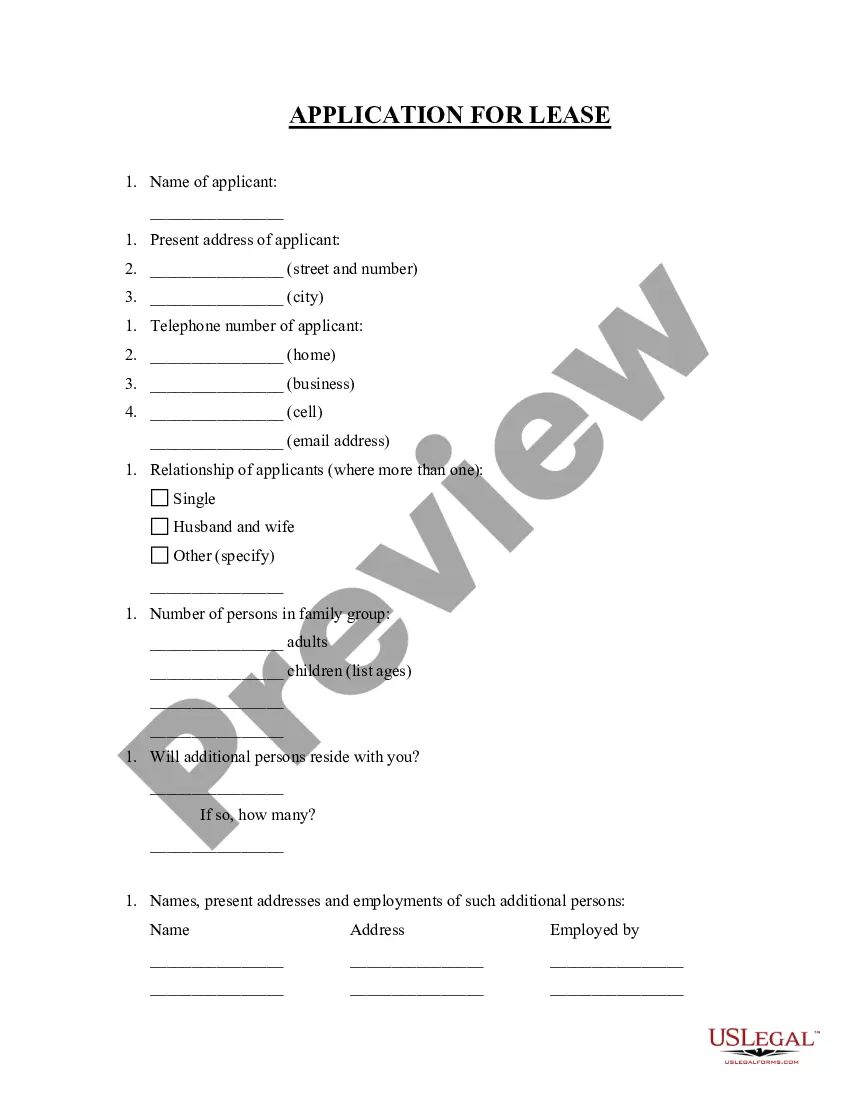
- Personal information of the applicant.
- Credit and financial references, including bank and credit card information.
- Disclosure of the property manager's contact information.
- Authorization for credit and criminal background checks.
- Signature section for applicants to confirm the accuracy of information provided.

When to use this form
This form is essential when landlords want to evaluate a potential tenant's qualifications before entering into a commercial lease agreement. Use this questionnaire to gather detailed financial and reference information and to ensure that the prospective lessee is suitable for the property being rented.
Who this form is for
- Landlords seeking to rent commercial real estate.
- Property managers responsible for overseeing commercial properties.
- Business owners looking to lease commercial space.
- Anyone completing an application as a prospective tenant for a commercial property.
Steps to complete this form
- Begin by entering the personal information of all applicants, including names and contact details.
- Provide financial information, including bank details and credit references.
- Sign and date the application to verify the accuracy of the information disclosed.
- Authorize the landlord to perform credit and background checks by signing the relevant section.
- Submit the completed application to the landlord for consideration.
Notarization requirements for this form
This form usually doesn’t need to be notarized. However, local laws or specific transactions may require it. Our online notarization service, powered by Notarize, lets you complete it remotely through a secure video session, available 24/7.
Get your form ready online
Our built-in tools help you complete, sign, share, and store your documents in one place.
Make edits, fill in missing information, and update formatting in US Legal Forms—just like you would in MS Word.
Download a copy, print it, send it by email, or mail it via USPS—whatever works best for your next step.
Sign and collect signatures with our SignNow integration. Send to multiple recipients, set reminders, and more. Go Premium to unlock E-Sign.
If this form requires notarization, complete it online through a secure video call—no need to meet a notary in person or wait for an appointment.
We protect your documents and personal data by following strict security and privacy standards.

Make edits, fill in missing information, and update formatting in US Legal Forms—just like you would in MS Word.

Download a copy, print it, send it by email, or mail it via USPS—whatever works best for your next step.

Sign and collect signatures with our SignNow integration. Send to multiple recipients, set reminders, and more. Go Premium to unlock E-Sign.

If this form requires notarization, complete it online through a secure video call—no need to meet a notary in person or wait for an appointment.

We protect your documents and personal data by following strict security and privacy standards.
Typical mistakes to avoid
- Omitting required signatures or dates.
- Failing to provide accurate and complete personal and financial information.
- Not reviewing the form for errors before submission.
- Ignoring the section for credit authorizations.
Advantages of online completion
- Convenient access from any device at any time.
- Easy to edit and fill out electronically.
- Quick download for immediate use.
- Reliability as forms are prepared by licensed attorneys.
Quick recap
- The Commercial Rental Lease Application Questionnaire is vital for assessing potential tenants for commercial properties.
- Ensure accuracy and completeness to avoid application delays.
- Always review state-specific requirements if applicable.
- Using the form online provides convenience and reliability.
Looking for another form?
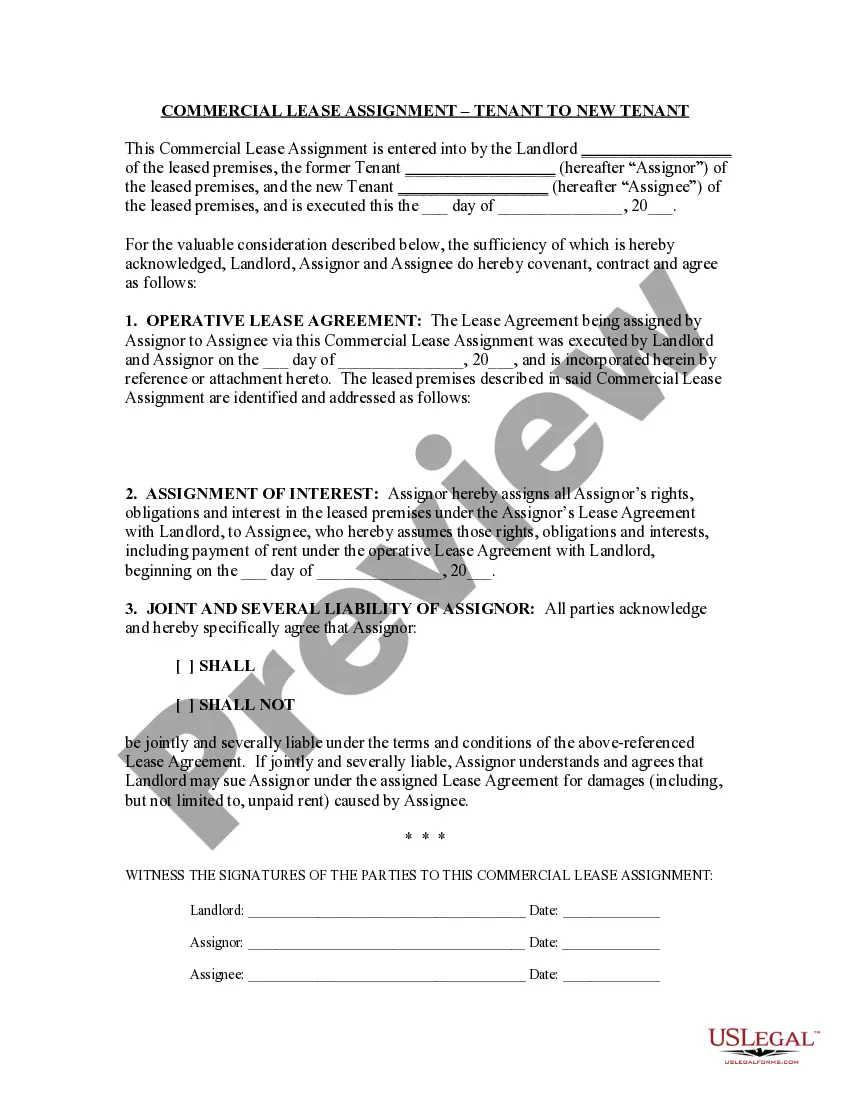
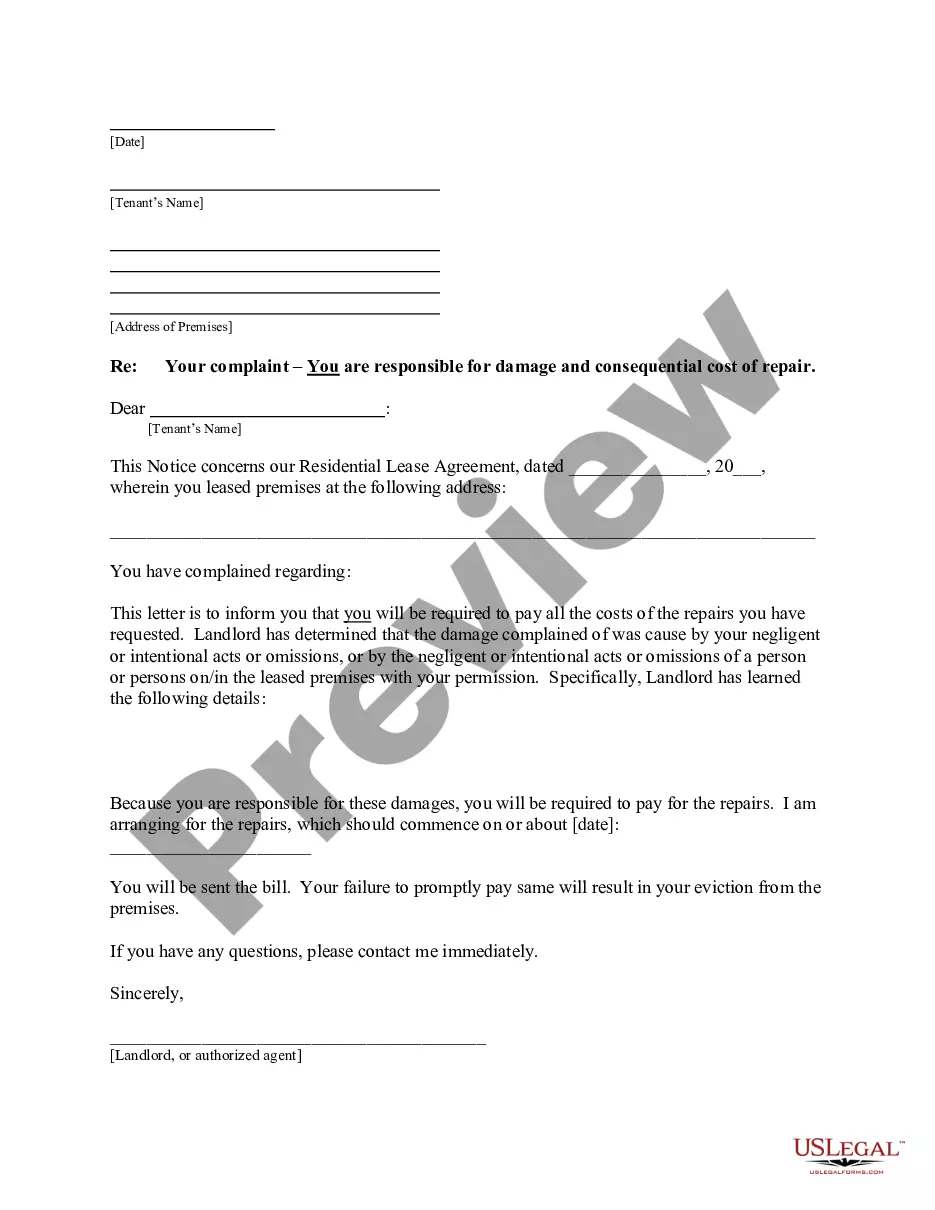
Form popularity
FAQ
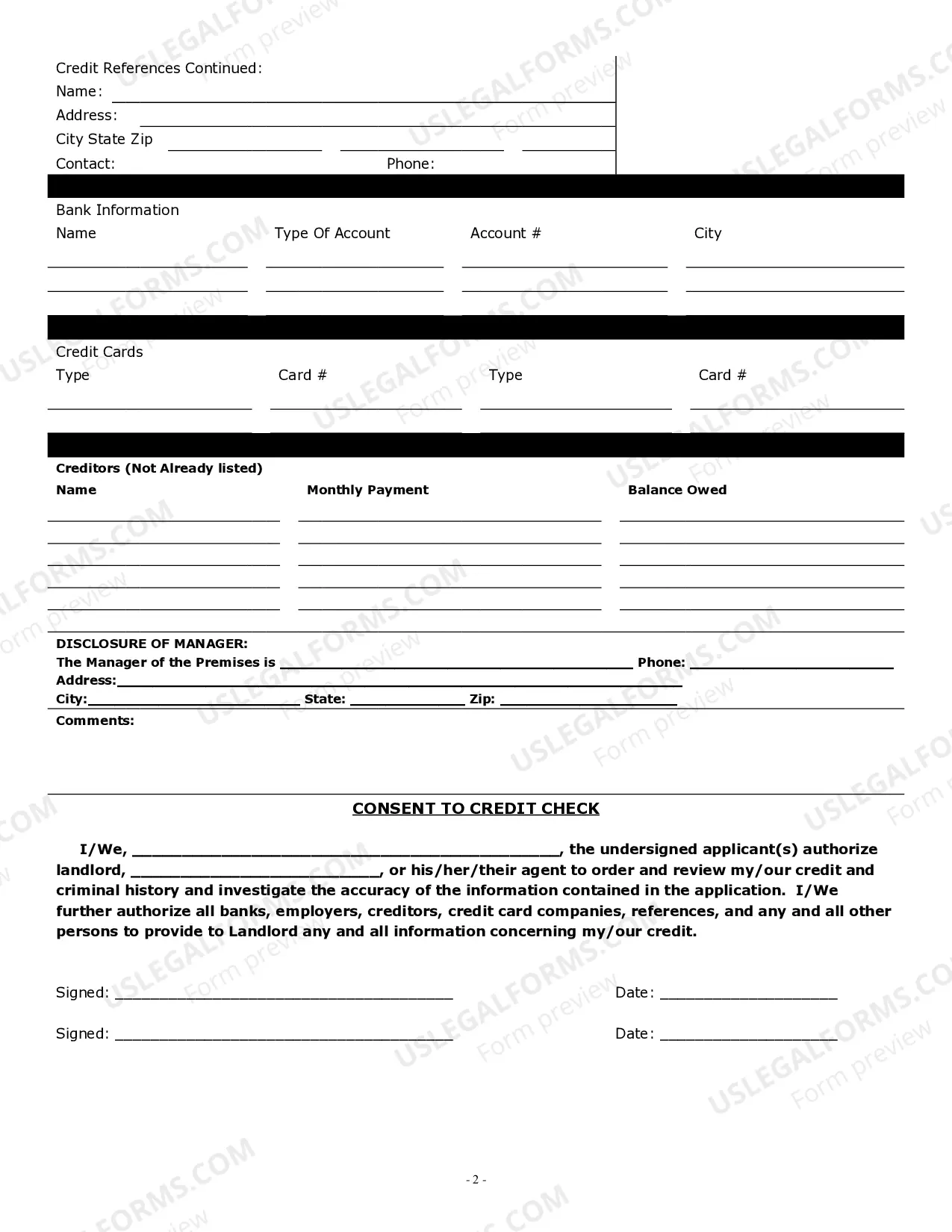
Drawing up a commercial lease agreement involves several key steps. First, outline the terms of the lease, including the duration, rental amount, and any special conditions. Utilize our Missouri Commercial Rental Lease Application Questionnaire to gather relevant information from potential tenants, which helps in drafting a comprehensive agreement. It's advisable to consult with a legal expert or use online services like uslegalforms to ensure your lease complies with state regulations and protects your interests.
To create a rental application form, start by outlining the essential information you need from potential tenants, such as their contact details, employment history, and references. You can use our Missouri Commercial Rental Lease Application Questionnaire as a template to ensure you cover all necessary aspects. After gathering the required information, format the form clearly and professionally. Finally, consider using an online platform like uslegalforms to streamline the process and ensure compliance with local laws.
Filling out a commercial lease application involves providing detailed information about your business, including its structure, financial statements, and the intended use of the space. Be sure to include references and any relevant experience that could strengthen your application. The Missouri Commercial Rental Lease Application Questionnaire can guide you through this process, making it easier to present a compelling application.
To properly fill out a lease agreement, ensure that all parties involved understand the terms and conditions outlined in the document. Clearly state the rental amount, payment schedule, and duration of the lease. Utilizing the Missouri Commercial Rental Lease Application Questionnaire from US Legal Forms can help you draft a comprehensive lease agreement, ensuring all legal requirements are met.
Red flags on a rental application include inconsistent information, a history of evictions, and insufficient income to cover the rent. Additionally, applicants with poor credit history or multiple recent address changes may raise concerns. By using the Missouri Commercial Rental Lease Application Questionnaire, you can better assess potential red flags and make informed decisions while renting.
To fill out a rental application template effectively, start by gathering all necessary information about yourself, including your identification, employment details, and rental history. Follow the template's structure, ensuring that you provide accurate and complete answers to each section. Consider using the Missouri Commercial Rental Lease Application Questionnaire available on US Legal Forms, which offers a streamlined process and ensures compliance with local regulations.
Are you building for the future? Is the location safe? Is the office space adequately wired for your business and equipment needs. How much will furniture cost? How much will the rent increase each year? What's included in the lease? Who handles repairs?
The process for retailers qualifying for a commercial lease can vary from landlord to landlord. Landlords consider several factors including tenant mix, personal credit history of the owner, company balance sheet, profit and loss statements, open credit lines, and growth projections.
Bank references. Current credit reports/scores from all three reporting bureaus. Previous/current landlord references (for an existing business moving to a new location) Personal and corporate financial statement(s) A copy of your business plan. Business bank statement(s) Prior tax returns.
A security deposit is typically an amount equivalent to one or two month's rent, which is deposited by the tenant to secure, as far as money can, the tenant's performance of the tenant's obligations under the Lease.