Michigan Landlord Tenant Closing Statement to Reconcile Security Deposit
Understanding this form
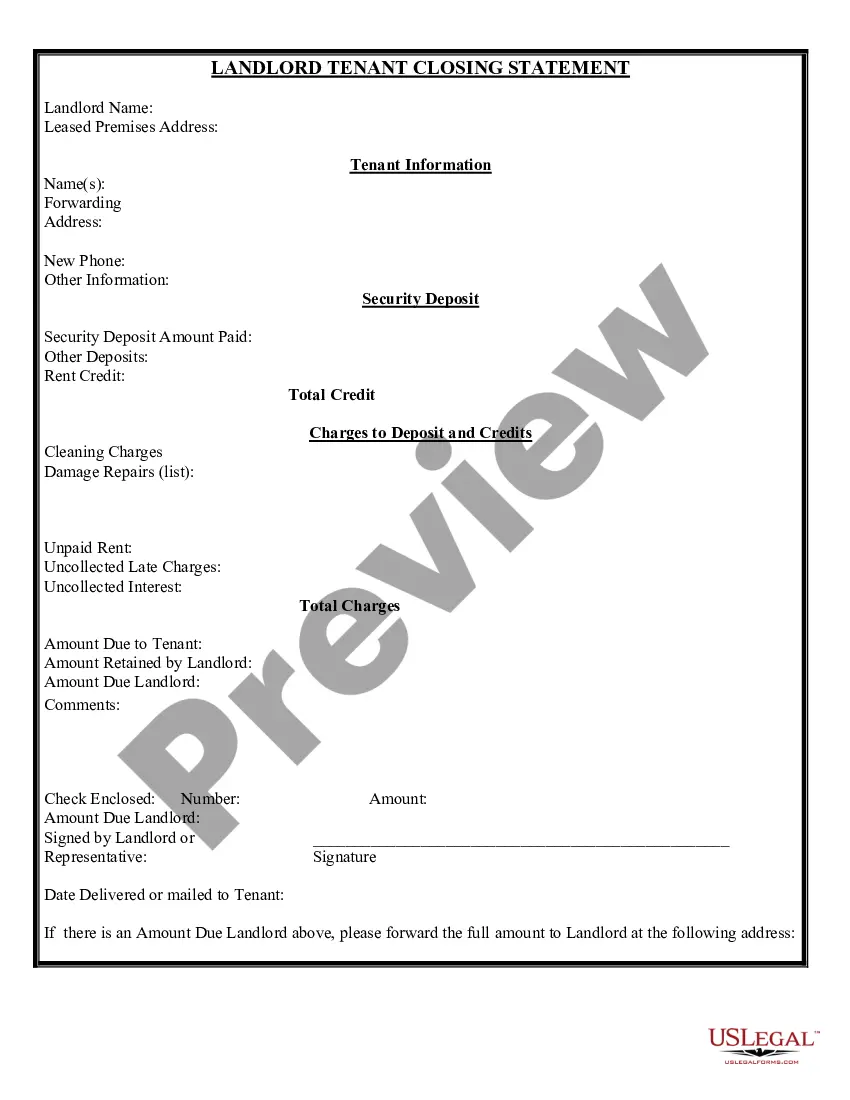
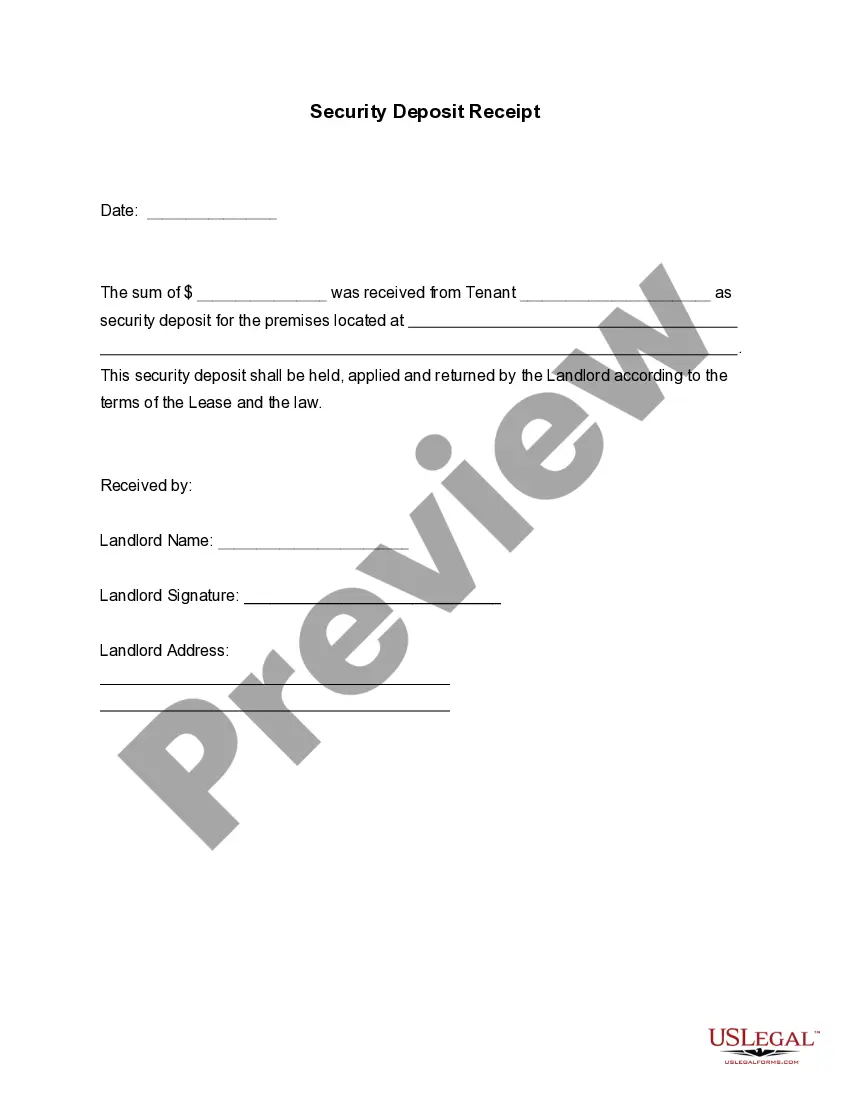
The Landlord Tenant Closing Statement to Reconcile Security Deposit is a document used by landlords to detail the handling of security deposits collected from tenants. This form is essential to provide transparency regarding the amounts held, including deposits and credits, while outlining any deductions made for damages beyond normal wear and tear. Unlike rental agreements, this form specifically addresses the management and potential return of security deposits, ensuring that both landlords and tenants have a clear understanding of their rights and responsibilities.
What’s included in this form
- Identification of parties involved: landlord and tenant details.
- Amount of security deposit initially collected.
- Record of any deductions along with reasons specified.
- Documentation of credits and payments made by the tenant.
- Final amount to be returned to the tenant, if applicable.
When this form is needed
This form should be used at the end of a lease when a tenant vacates the property and the landlord needs to account for the security deposit. It helps to establish a clear record of any deductions made for damages, unpaid rent, or other reasons, and to inform the tenant of the final amount being returned to them. Using this statement can help prevent disputes between landlords and tenants regarding the security deposit settlement.
Intended users of this form
- Landlords who manage rental properties.
- Property managers handling lease agreements.
- Tenants who need to verify the status of their security deposit.
Instructions for completing this form
- Identify the landlord and tenant involved by providing their full names and addresses.
- Specify the total amount of the security deposit collected from the tenant.
- Detail any deductions made, including descriptions and amounts for each deduction.
- List any credits applied towards the security deposit, including payments made by the tenant.
- Calculate the final balance to be returned to the tenant and provide a summary of the transaction.
Does this document require notarization?
This form usually doesn’t need to be notarized. However, local laws or specific transactions may require it. Our online notarization service, powered by Notarize, lets you complete it remotely through a secure video session, available 24/7.
Get your form ready online
Our built-in tools help you complete, sign, share, and store your documents in one place.
Make edits, fill in missing information, and update formatting in US Legal Forms—just like you would in MS Word.
Download a copy, print it, send it by email, or mail it via USPS—whatever works best for your next step.
Sign and collect signatures with our SignNow integration. Send to multiple recipients, set reminders, and more. Go Premium to unlock E-Sign.
If this form requires notarization, complete it online through a secure video call—no need to meet a notary in person or wait for an appointment.
We protect your documents and personal data by following strict security and privacy standards.

Make edits, fill in missing information, and update formatting in US Legal Forms—just like you would in MS Word.

Download a copy, print it, send it by email, or mail it via USPS—whatever works best for your next step.

Sign and collect signatures with our SignNow integration. Send to multiple recipients, set reminders, and more. Go Premium to unlock E-Sign.

If this form requires notarization, complete it online through a secure video call—no need to meet a notary in person or wait for an appointment.

We protect your documents and personal data by following strict security and privacy standards.
Mistakes to watch out for
- Failing to document all deductions clearly, which could lead to disputes.
- Not providing a detailed explanation for each deduction made from the security deposit.
- Neglecting to include the final amount due to the tenant.
- Forgetting to have both parties sign the form to acknowledge agreement.
Benefits of using this form online
- Convenience of instant access and download.
- Editability to customize details pertinent to your lease.
- Reliability of using attorney-drafted forms to meet legal standards.
Looking for another form?

Form popularity
FAQ
Landlords in Michigan can legally ask for a maximum deposit equal to one and a half months' rent. This limit is intended to balance the interests of both landlords and tenants, making sure the process is fair. It's advisable to maintain proper documentation of this transaction. For clarity, the Michigan Landlord Tenant Closing Statement to Reconcile Security Deposit can serve as a helpful tool in the reconciliation process.
The maximum security deposit in Michigan is set at one and a half times the monthly rent. This regulation ensures that tenants are not overburdened with excessive upfront costs. Keeping this limit in mind benefits both landlords and tenants during the leasing process. Use a Michigan Landlord Tenant Closing Statement to Reconcile Security Deposit to formalize and document this agreement effectively.
To fill out a rent deposit receipt correctly, begin by including the date of the transaction, the tenant's name, and the address of the rental property. Next, specify the amount of the security deposit and method of payment. It's important to provide a detailed description of the terms under which the deposit is held. This ensures that both you and the tenant have clarity, helping with the Michigan Landlord Tenant Closing Statement to Reconcile Security Deposit.
Landlords in Michigan must refund the security deposit or provide an itemized list of any deductions within 30 days of the tenant moving out. If the landlord fails to comply, they risk losing the right to claim deductions. Utilizing the Michigan Landlord Tenant Closing Statement to Reconcile Security Deposit can help both parties ensure all rules are followed and avoid disputes over refunds.
The 554.134 law governs the responsibilities of landlords regarding the rental property and the security deposit. It mandates that landlords maintain the property in a habitable condition and adhere to agreed-upon terms. Tenants need to understand this law when examining their Michigan Landlord Tenant Closing Statement to Reconcile Security Deposit, as it influences their rights to deposit refunds.
The 554.613 law, also known as the Michigan Security Deposit Law, sets forth the conditions under which a landlord can retain a tenant's security deposit. This law requires landlords to return the deposit unless they can provide specific reasons for any deductions. Understanding this law is crucial when using the Michigan Landlord Tenant Closing Statement to Reconcile Security Deposit, as it outlines the rights of both tenants and landlords.
A security deposit reconciliation is the structured process of comparing the initial security deposit with any deductions made and the final refund to the tenant. This reconciliation ensures that the tenant receives the correct amount back, minus any authorized deductions for repairs or unpaid rent. Utilizing tools from platforms like USLegalForms can simplify the creation of the Michigan Landlord Tenant Closing Statement to Reconcile Security Deposit, making this task easier and more accurate.
In Michigan, landlords must follow specific laws regarding security deposits, which state that the deposit cannot exceed one and a half months' rent. The landlord is required to provide tenants with a written statement detailing the terms of the deposit. Understanding these laws is vital when completing a Michigan Landlord Tenant Closing Statement to Reconcile Security Deposit, as it helps ensure compliance and protects both parties involved.
A deposit reconciliation is the method used to align the deposit amounts received with what is recorded in your financial statements. This process verifies that the security deposit has been handled properly and that any deductions, if applicable, are justified. Ultimately, it plays a crucial role in drafting the Michigan Landlord Tenant Closing Statement to Reconcile Security Deposit, providing clarity for the final settlement.
Reconciliation in security refers to the process of ensuring that all financial transactions related to a security deposit are accurate and up-to-date. This involves comparing your recorded amounts with actual amounts and resolving any discrepancies. Performing this reconciliation is essential for preparing a Michigan Landlord Tenant Closing Statement to Reconcile Security Deposit, ensuring transparency for both landlords and tenants.