Michigan Letter from Tenant to Landlord containing Notice of wrongful deductions from security deposit and demand for return
What this document covers
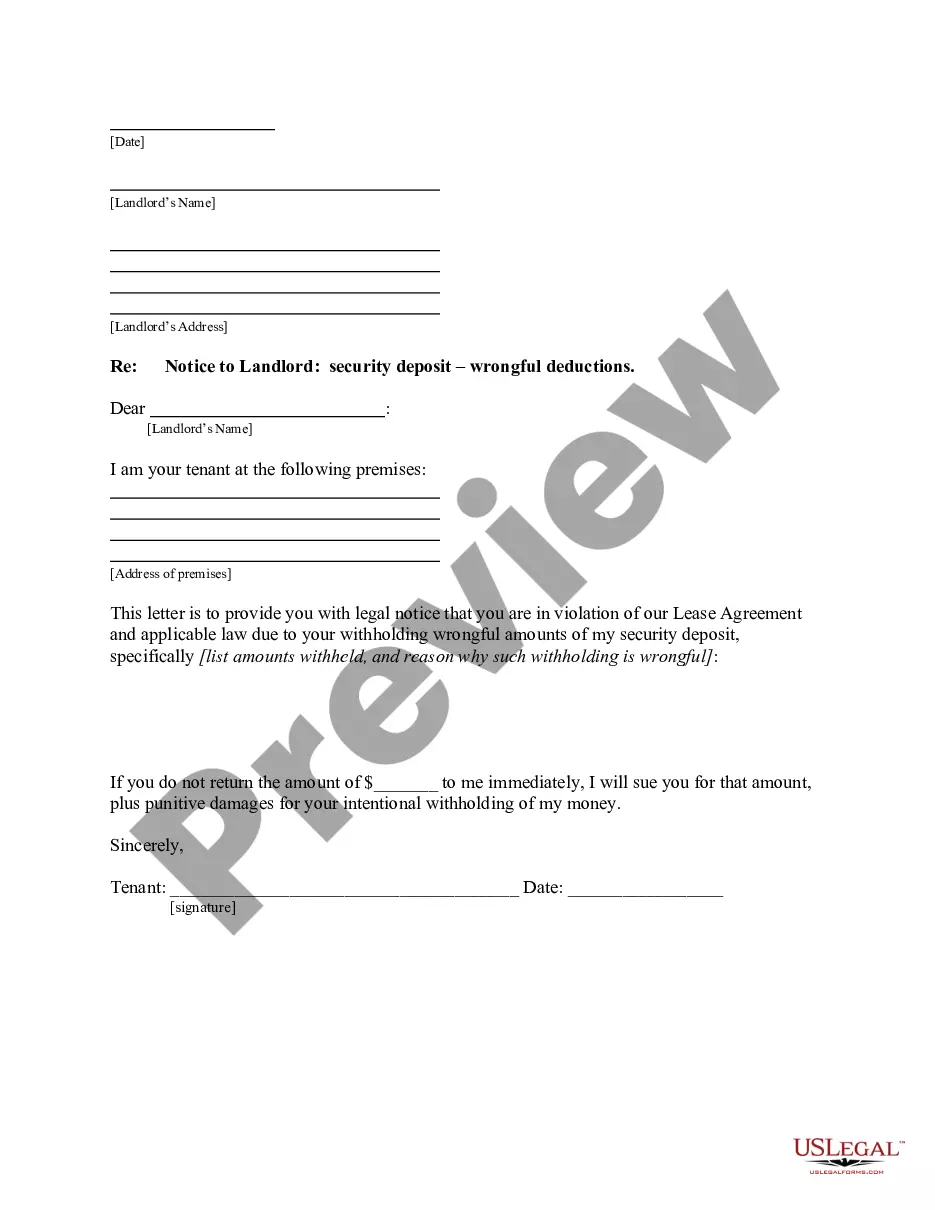
This form is a notice from a tenant to the landlord that addresses wrongful deductions made from a security deposit. It serves as a formal request for the return of the disputed amount. This letter is crucial for tenants seeking to reclaim their security deposit and specifies the issues regarding the deductions, helping to clarify the tenant's position and enforce their rights under state law.
Key components of this form
- Identification of the tenant and landlord.
- Details of the security deposit and amounts deducted.
- Clear statement of wrongful deductions and reasons.
- Formal demand for the return of the security deposit.
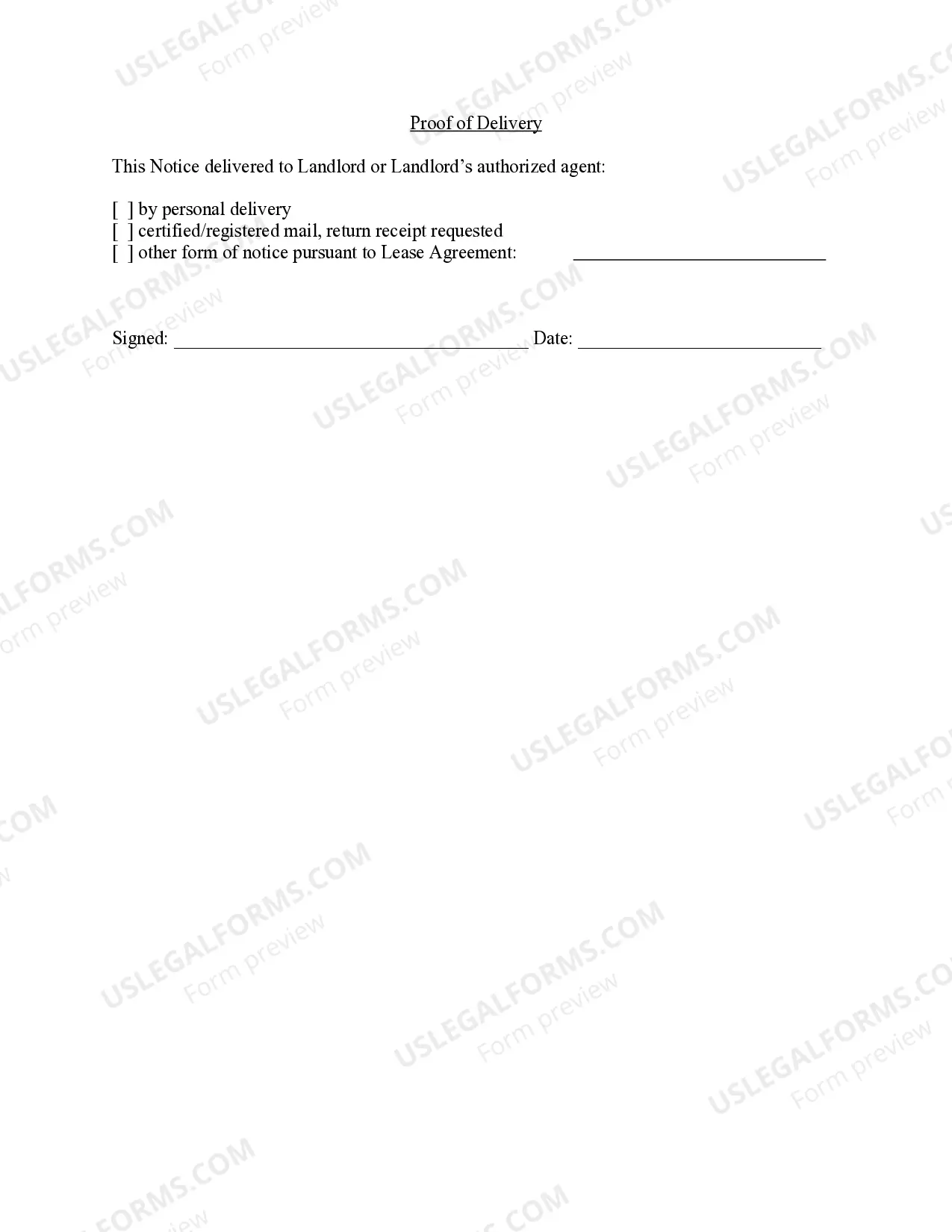
- Proof of delivery options to ensure legal notice is provided.



When to use this form
This form should be used when a tenant believes their landlord has made unauthorized deductions from their security deposit. It is applicable when a tenant wants to formally document their grievances and request the return of funds prior to escalating to legal action or pursuing mediation. This letter helps create a clear record of communication between the tenant and landlord regarding the disputed deductions.
Who can use this document
This form is intended for:
- Tenants who have recently moved out and are disputing deductions from their security deposit.
- Individuals who have received an itemized list of deductions they believe to be unjust.
- Renters looking to assert their rights and seek the return of their security funds.
Steps to complete this form
- Identify the parties by filling in the names and addresses of both the tenant and the landlord.
- Enter details regarding the security deposit, including the total amount and items deducted.
- Explain the reasons for disputing each deduction, being clear and concise.
- State your demand for the return of the disputed portion of the security deposit.
- Sign and date the letter to formalize your request.
- Deliver the letter using one of the proof of delivery methods specified in the form.
Does this document require notarization?
This form does not typically require notarization unless specified by local law. It is essential to ensure that proper delivery methods are followed to satisfy legal requirements.
Get your form ready online
Our built-in tools help you complete, sign, share, and store your documents in one place.
Make edits, fill in missing information, and update formatting in US Legal Forms—just like you would in MS Word.
Download a copy, print it, send it by email, or mail it via USPS—whatever works best for your next step.
Sign and collect signatures with our SignNow integration. Send to multiple recipients, set reminders, and more. Go Premium to unlock E-Sign.
If this form requires notarization, complete it online through a secure video call—no need to meet a notary in person or wait for an appointment.
We protect your documents and personal data by following strict security and privacy standards.
Make edits, fill in missing information, and update formatting in US Legal Forms—just like you would in MS Word.
Download a copy, print it, send it by email, or mail it via USPS—whatever works best for your next step.
Sign and collect signatures with our SignNow integration. Send to multiple recipients, set reminders, and more. Go Premium to unlock E-Sign.

If this form requires notarization, complete it online through a secure video call—no need to meet a notary in person or wait for an appointment.
We protect your documents and personal data by following strict security and privacy standards.
Common mistakes to avoid
- Failing to include all deductions in dispute.
- Not providing sufficient detail or evidence supporting the claim.
- Omitting to sign and date the letter, which can invalidate the request.
- Using informal language; the notice should maintain a professional tone.
- Not keeping a copy for records or proof of delivery.
Benefits of completing this form online
- Convenience of drafting and downloading the form quickly from any device.
- Editability that allows you to customize it to your specific situation.
- Access to forms created by licensed attorneys, ensuring legal compliance.
- Elimination of guesswork, knowing you are using a legally recognized document.
Summary of main points
- This form is essential for tenants disputing wrongful deductions from their security deposit.
- It serves as official communication to the landlord and demands the return of funds.
- Ensure compliance with your state's specific regulations when using this form.
Looking for another form?
Form popularity
FAQ
Type your letter. Concisely review the main facts. Be polite. Write with your goal in mind. Ask for exactly what you want. Set a deadline. End the letter by stating you will promptly pursue legal remedies if the other party does not meet your demand. Make and keep copies.
Tenant's name and new address, or address he gave for return of the security deposit. Commencement date of the lease and date it ended. Amount of the security deposit when the tenant moved in. Amount of interest accrued.
Before you go to court, a number of states require you to send a demand letter to your opposing party. An attorney is usually not necessary at this point and you can write a demand letter on your own. To write one, gather necessary documents, draft your letter, and send the letter to your opposing party.
Start by simply saying the date and the tenants name and address. Make sure all the data is accurate, as this can serve as a written notice should you go to court. The letter should inform the tenant that they are late on the rent and by how many days.
Type your letter. Concisely review the main facts. Be polite. Write with your goal in mind. Ask for exactly what you want. Set a deadline. End the letter by stating you will promptly pursue legal remedies if the other party does not meet your demand. Make and keep copies.
The landlord verification form is a document used by a landlord when verifying the previous rental information of an applicant for tenancy. The requesting landlord must send the form to the applicant's current or past landlord in order to obtain all details related to the tenancy of the individual.
The date of the letter and the landlord's full name and address. The address of the residence you rented and the date you moved in. A statement that you've been paying your rent timely and that you are current with your payments.