Michigan Revocation of Premarital or Prenuptial Agreement
What this document covers
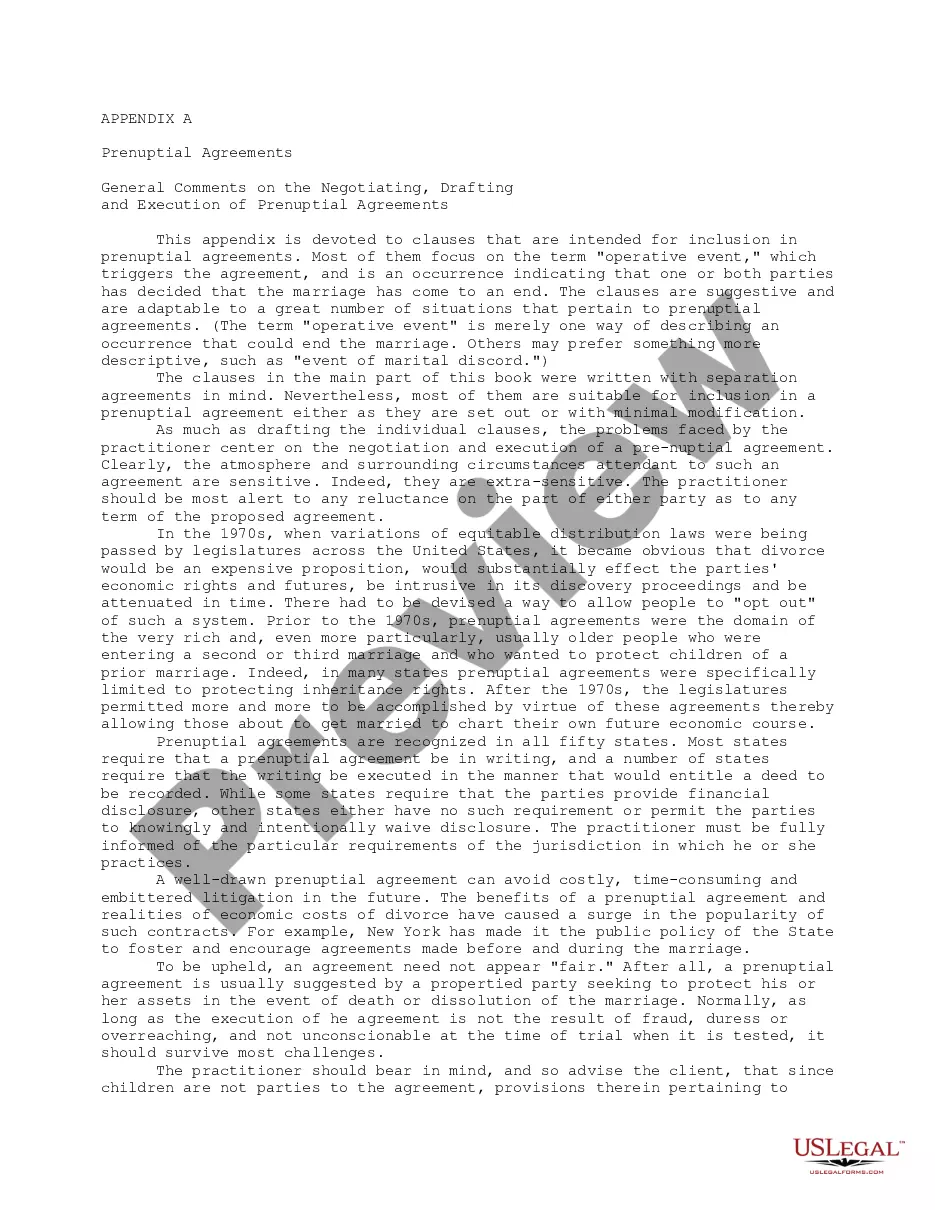
The Revocation of Premarital or Prenuptial Agreement is a legal document used by a married couple to officially cancel an existing premarital agreement. This form ensures that both parties agree to revoke any obligations or rights established under the prior agreement, differentiating it from other forms such as the premarital agreement itself, which sets terms prior to marriage.
Main sections of this form
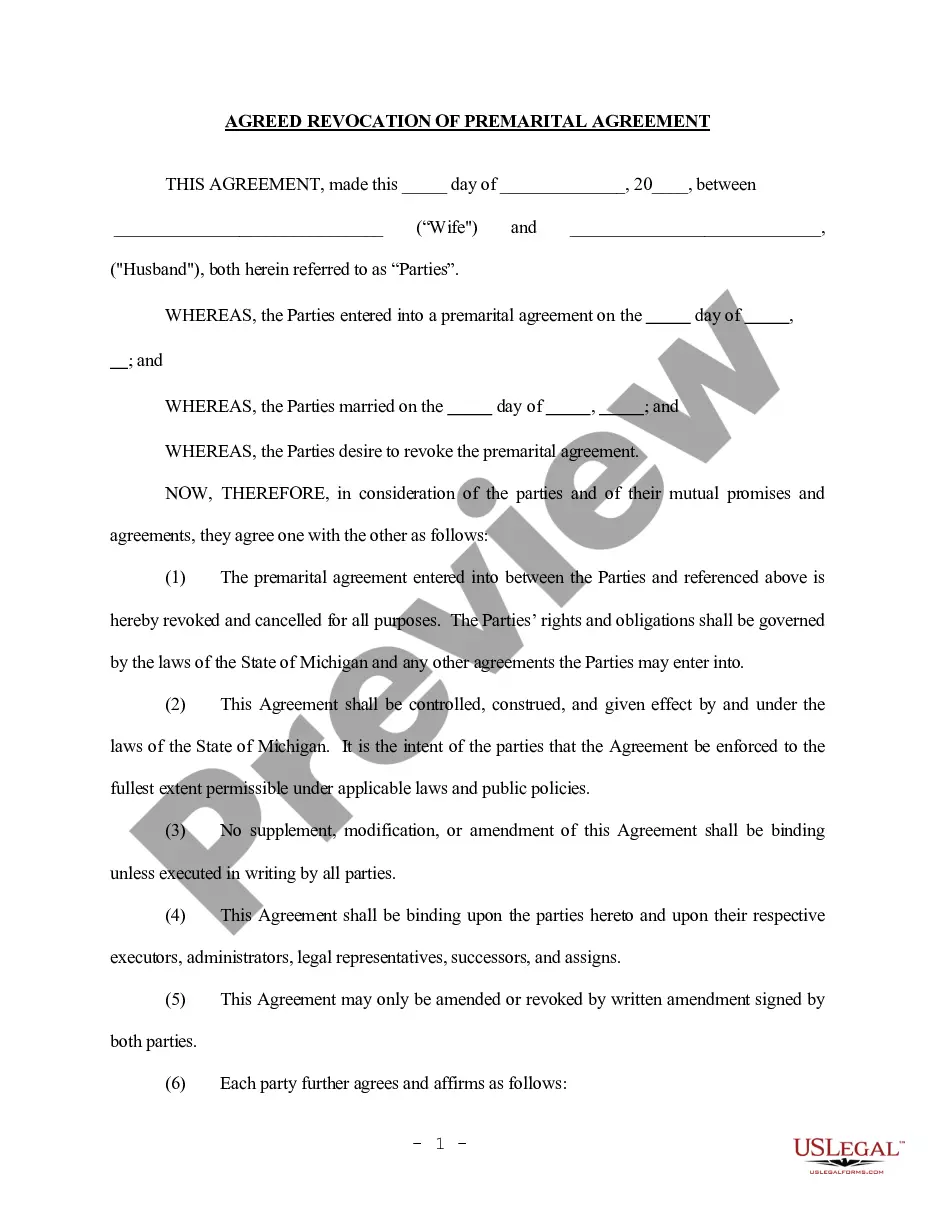
- Parties' names: Includes the names of the husband and wife revoking the agreement.
- Revocation statement: A clear declaration that the existing premarital agreement is revoked.
- Governing law: Specifies that the laws of the State of Michigan will govern the agreement.
- Binding effect: Outlines that the agreement remains binding on the parties and their representatives.
- Signature fields: Requires signatures from both parties and witnesses for validation.

When to use this form
This form is used when a married couple decides to terminate a previously established premarital or prenuptial agreement. This may occur due to changes in circumstances, decisions to simplify legal responsibilities, or a mutual agreement to disregard the earlier terms. It is essential when both parties wish to ensure that all prior obligations are nullified and wish to proceed without the constraints of the original agreement.
Who should use this form
This form is intended for:
- Married couples who previously entered into a premarital agreement.
- Individuals looking to revoke specific terms and conditions set forth in their premarital arrangement.
- Couples planning to alter their marital obligations legally with mutual consent.
Instructions for completing this form
- Identify the parties: Fill in the full names of both the husband and wife at the beginning of the form.
- Enter the cancellation date: State the date on which the revocation agreement is being executed.
- Sign the document: Both parties must sign the form in specified areas and include witnesses' signatures.
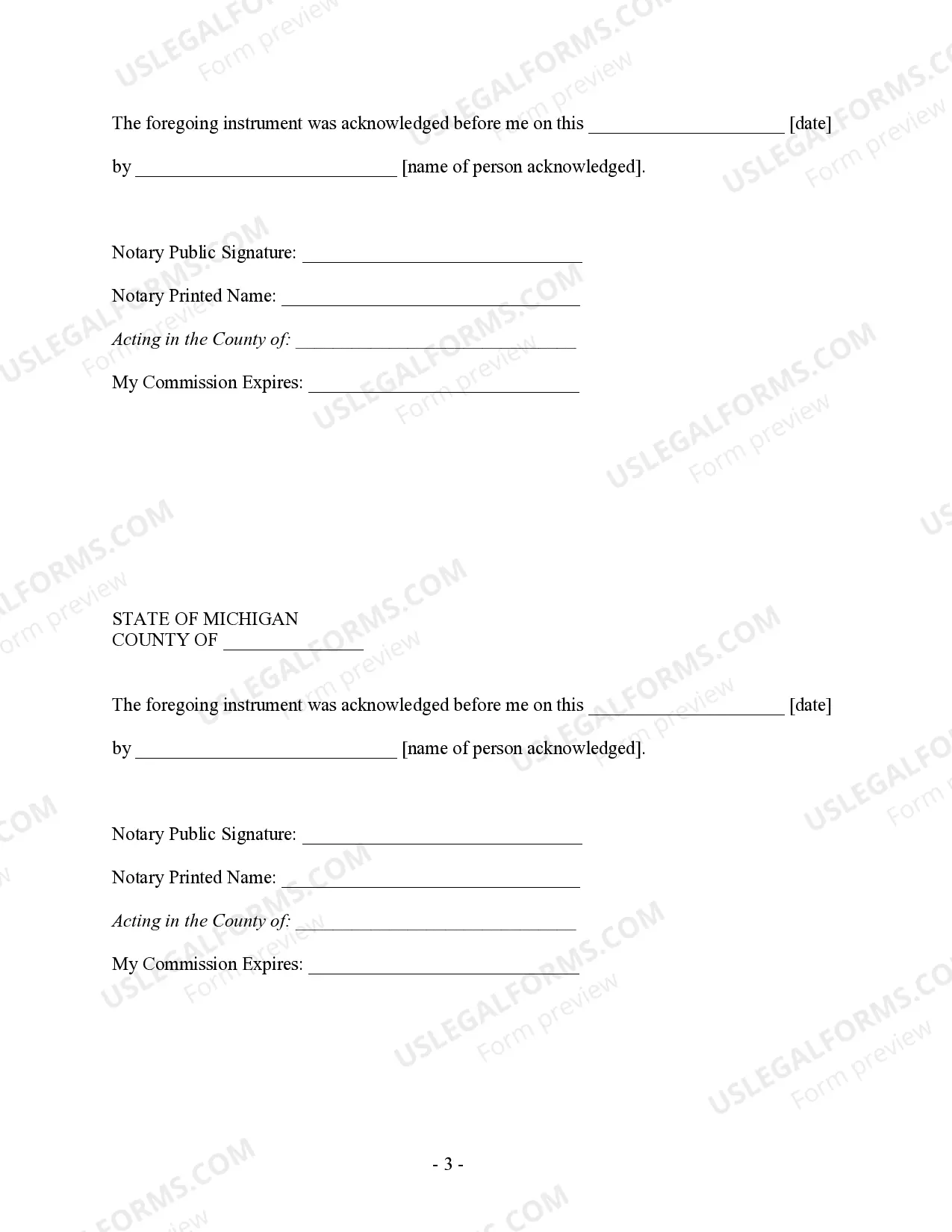
- Ensure notary acknowledgment: The form must be notarized by a licensed notary public for it to be legally binding.
- Keep a copy: Store a copy of the completed revocation for personal records and future reference.
Notarization guidance
Yes, this form must be notarized to be legally valid. This ensures the authenticity of the signatures and the voluntary nature of the agreement. US Legal Forms offers integrated online notarization services that are available 24/7, allowing secure video calls with a notary without the need for travel.
Get your form ready online
Our built-in tools help you complete, sign, share, and store your documents in one place.
Make edits, fill in missing information, and update formatting in US Legal Forms—just like you would in MS Word.
Download a copy, print it, send it by email, or mail it via USPS—whatever works best for your next step.
Sign and collect signatures with our SignNow integration. Send to multiple recipients, set reminders, and more. Go Premium to unlock E-Sign.
If this form requires notarization, complete it online through a secure video call—no need to meet a notary in person or wait for an appointment.
We protect your documents and personal data by following strict security and privacy standards.

Make edits, fill in missing information, and update formatting in US Legal Forms—just like you would in MS Word.

Download a copy, print it, send it by email, or mail it via USPS—whatever works best for your next step.

Sign and collect signatures with our SignNow integration. Send to multiple recipients, set reminders, and more. Go Premium to unlock E-Sign.

If this form requires notarization, complete it online through a secure video call—no need to meet a notary in person or wait for an appointment.

We protect your documents and personal data by following strict security and privacy standards.
Mistakes to watch out for
- Not having the form notarized, which may invalidate the revocation.
- Failing to include witness signatures where required.
- Not specifying the date clearly, which can lead to disputes about when the revocation took effect.
- Missing or incorrect names of the parties, leading to legal ambiguity.
Benefits of completing this form online
- Convenience of downloading the form instantly, eliminating delays.
- Editability allows customization to fit specific circumstances.
- Assurance that the form complies with legal standards as written by licensed attorneys.
What to keep in mind
- This form is used to revoke any existing premarital agreement between spouses.
- It requires both parties' signatures and must be notarized to be valid.
- It's important to follow local laws specific to your jurisdiction to ensure proper execution.
Looking for another form?



Form popularity
FAQ
In Michigan, prenuptial agreements - also called "antenuptial" or "premarital" agreements - are generally permitted under state laws. A prenuptial agreement will usually be upheld in court as long as: It's fair; It was executed voluntarily (without mistake, fraud, or duress); and.
This is advised every five years, but at the very least, couples should re-affirm their agreements every 10 years. Failing to do so could cause a prenup to appear stale and outdated to the court.
Prenuptial agreements, if drawn up and executed correctly, are legally binding and are usually upheld in court.
Omitting an asset, even if just by accident, can void the entire agreement. The prenup loophole is that, should the agreement come into a court setting, the only thing one side has to do is find a legitimate asset that was excluded when the agreement was executed. As the law goes, ignorance is no excuse.
The three most common grounds for nullifying a prenup are unconscionability, failure to disclose, or duress and coercion. Unconscionability may be present if the agreement is patently unfair to one party.
Reasons a Judge Can Overturn a Prenuptial Agreement Many factors can lead to a judge overturning a prenuptial agreement.Neither person should be in a state of duress or under any pressure to sign the prenup. Any indication of coercion or lack of willingness can give way for a divorce judge to overturn the agreement.
A prenuptial agreement can be changed or canceled, provided this what both parties want.Remember, a single partner in the marriage can't change or cancel the prenuptial agreement by themselvesthey must have the agreement and signature of the other party.
Reasons a Judge Can Overturn a Prenuptial Agreement There are no specific rules that state what will overturn a prenup.A written agreement should be reviewed by an experienced family law attorney prior to completion of the agreement. Premarital agreements must be signed in front of witnesses and must be notarized.
No, you cannot get a prenup if you are already married.You can still sign a postnuptial agreement (or postnup), which achieves the same goals as a prenup in most cases. Prenups are a common step before marriage. Texas community property rules are the reason why prenups are common in Texas.