Maine Commercial Rental Lease Application Questionnaire
What is this form?
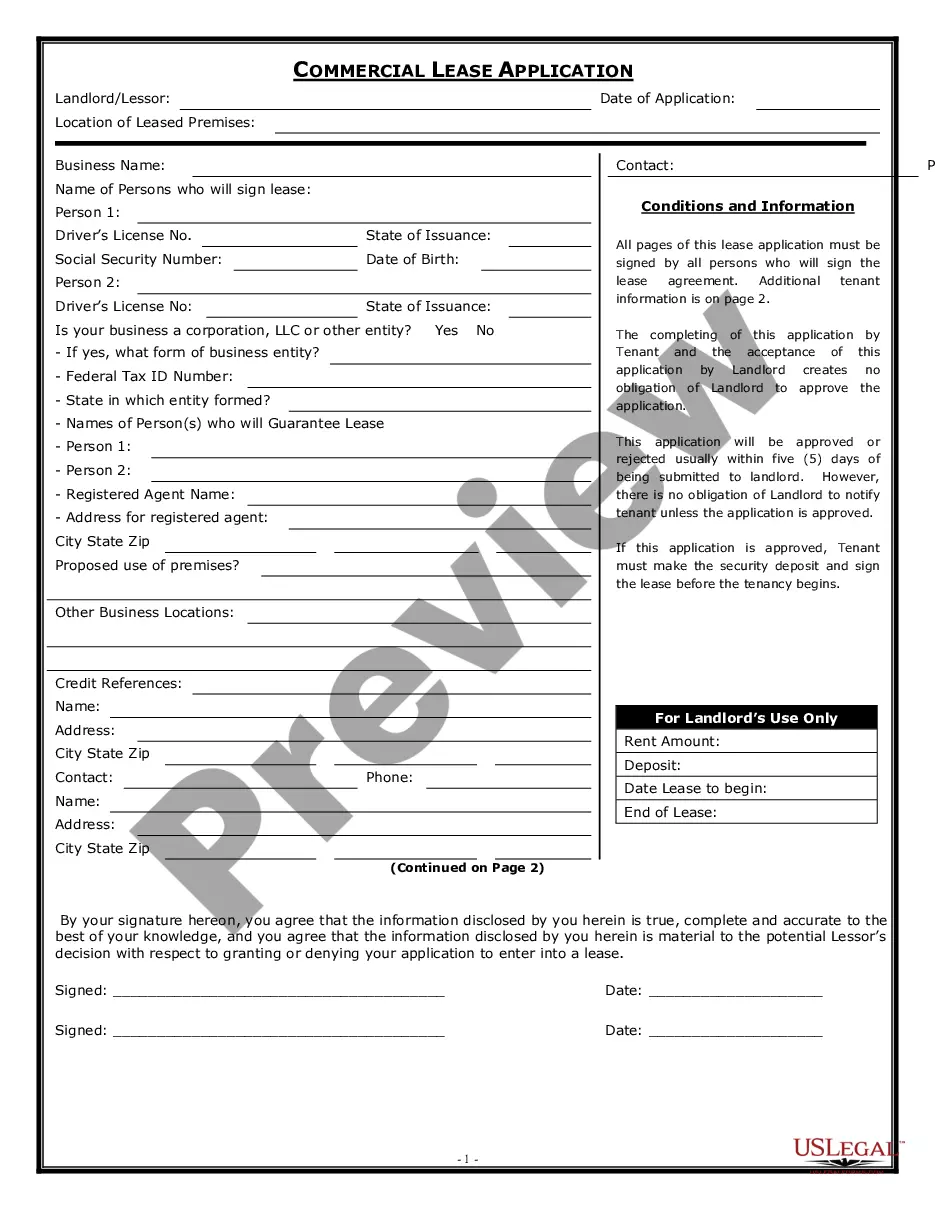
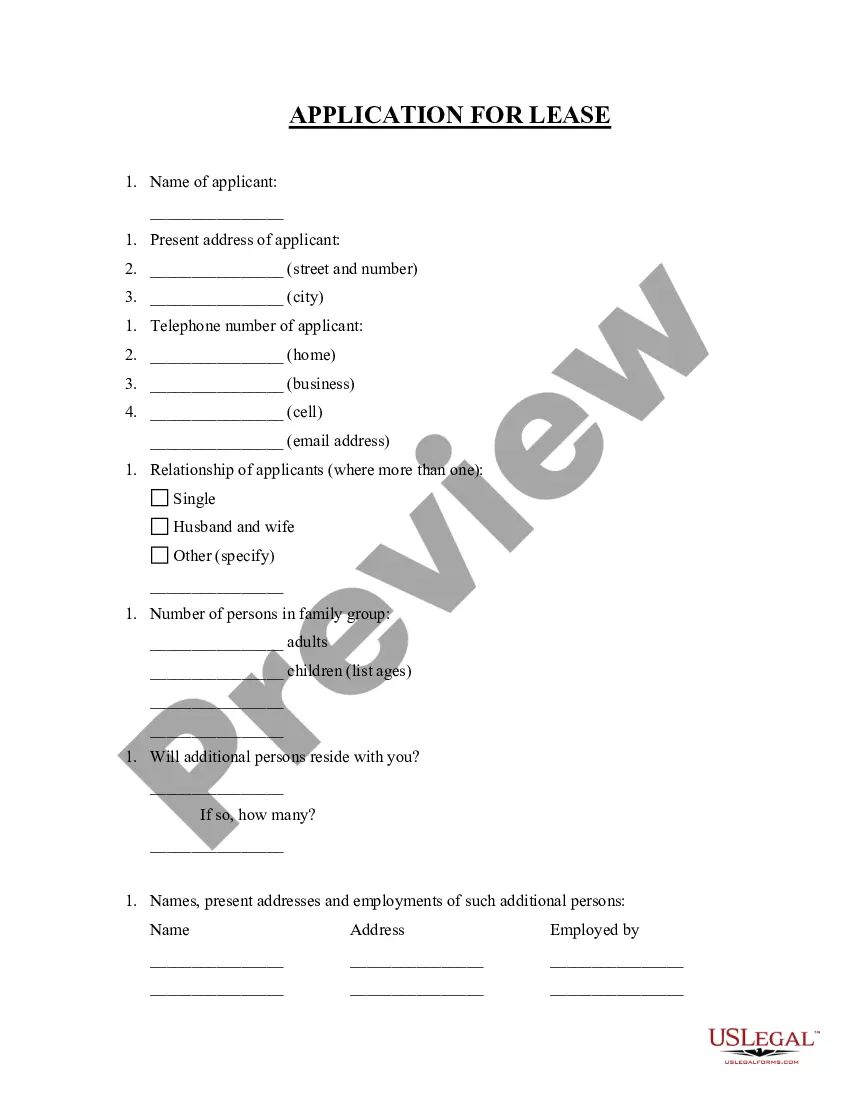
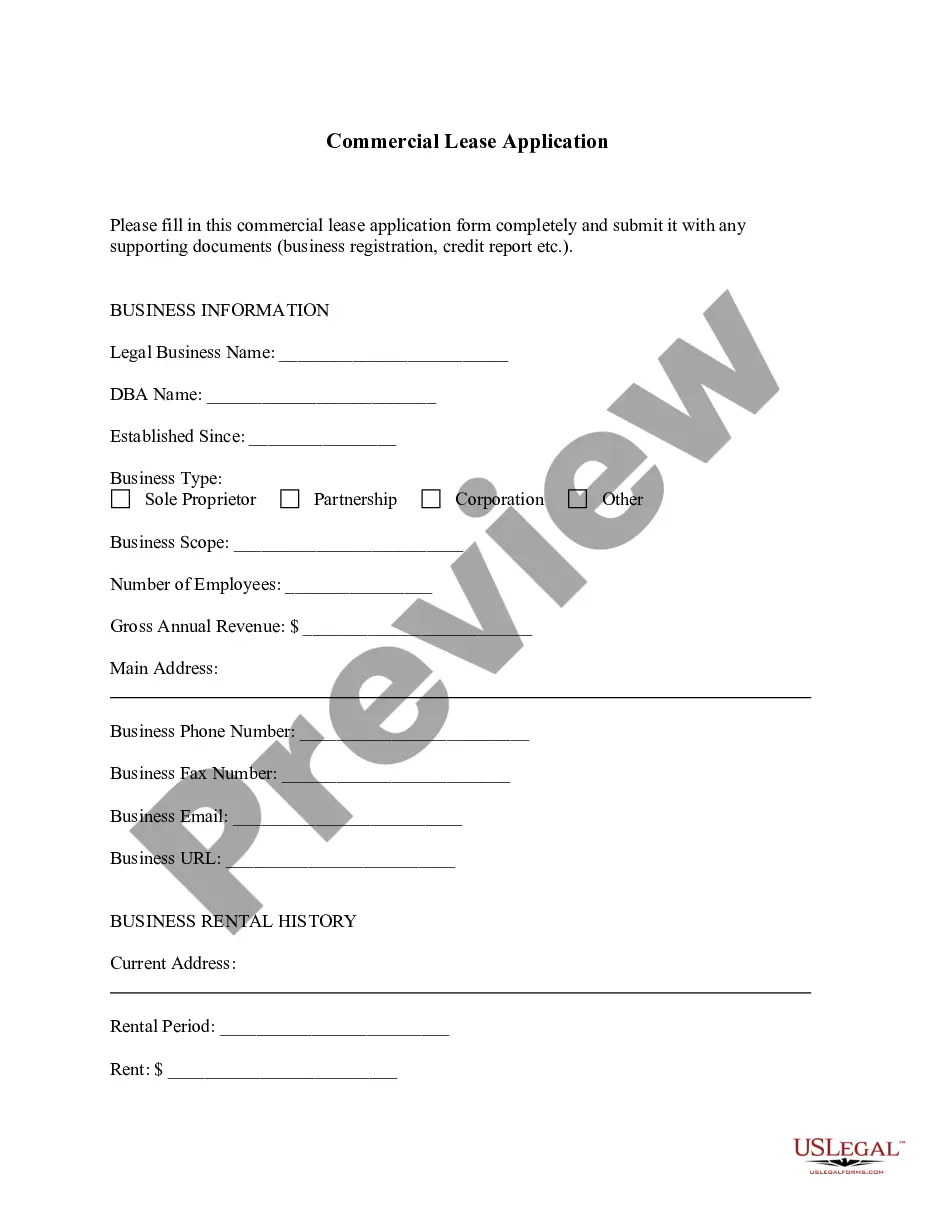
The Commercial Rental Lease Application Questionnaire is a crucial document for landlords seeking to assess potential tenants for commercial properties. This form provides essential disclosures and grants authorization for landlords to obtain relevant information about the lessee. Unlike residential lease forms, this application addresses commercial properties, which are utilized primarily for business purposes and often feature more complex terms and conditions tailored to the needs of both landlords and tenants.
Key parts of this document
- Signature section for all individuals signing the lease agreement.
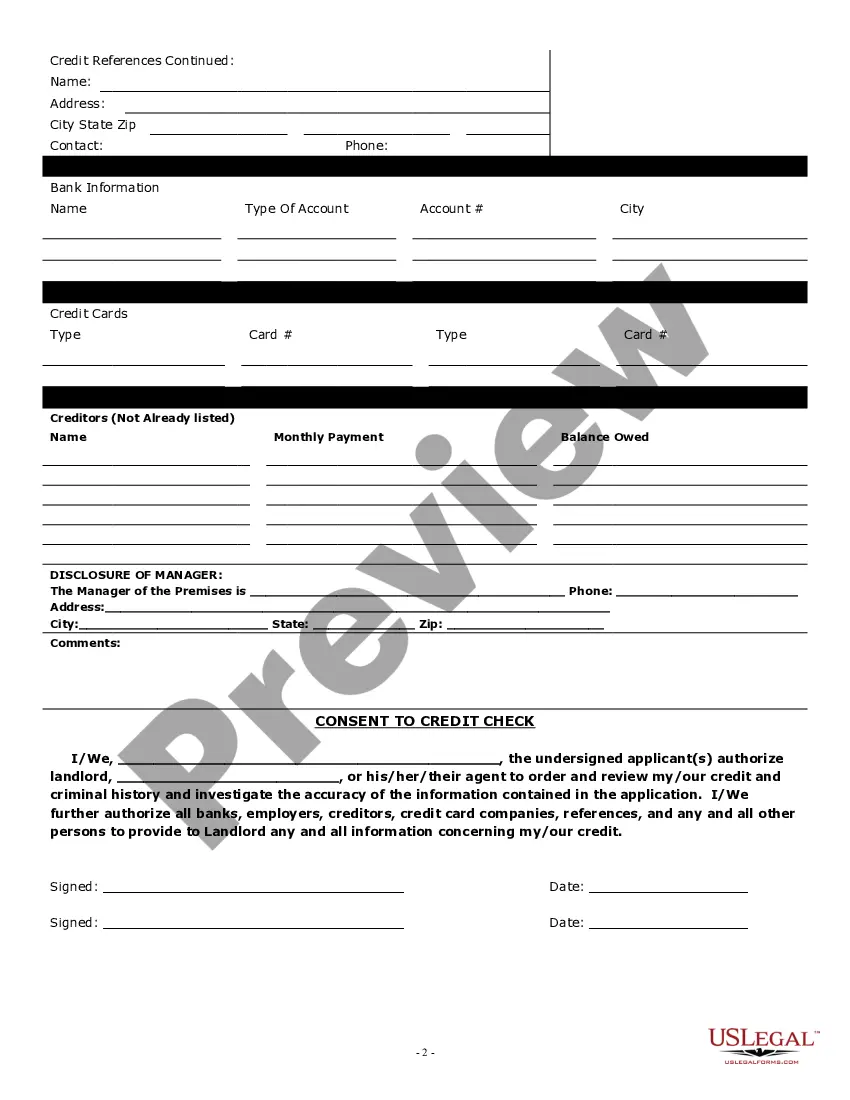
- Tenant information fields, including credit references and bank details.
- Authorization for credit and criminal history checks by the landlord.
- Disclosure of the property manager's contact information.
- Consent to release information from various financial institutions.

Common use cases
This form should be used when a prospective tenant is interested in leasing a commercial property. It is essential for landlords to evaluate the financial stability and background of applicants before entering into a lease agreement. This application is typically submitted after the initial discussions regarding the property and before the final lease negotiations.
Who this form is for
- Landlords seeking tenants for commercial properties.
- Prospective lessees applying for commercial space.
- Property managers tasked with evaluating rental applications.
Steps to complete this form
- Identify all parties involved: Ensure that all individuals who will sign the lease are listed and sign the application.
- Provide complete tenant information: Fill out fields related to credit references, bank information, and any outstanding credit obligations.
- Sign the application: Each applicant must sign and date the document to confirm the accuracy of the provided information.
- Authorize background checks: Grant permission for the landlord to conduct credit and criminal history checks.
- Submit the application: Send the completed application to the landlord for review and await their decision.
Notarization guidance
This form does not typically require notarization unless specified by local law. Ensure to check local regulations to confirm any requirements related to notarization.
Get your form ready online
Our built-in tools help you complete, sign, share, and store your documents in one place.
Make edits, fill in missing information, and update formatting in US Legal Forms—just like you would in MS Word.
Download a copy, print it, send it by email, or mail it via USPS—whatever works best for your next step.
Sign and collect signatures with our SignNow integration. Send to multiple recipients, set reminders, and more. Go Premium to unlock E-Sign.
If this form requires notarization, complete it online through a secure video call—no need to meet a notary in person or wait for an appointment.
We protect your documents and personal data by following strict security and privacy standards.
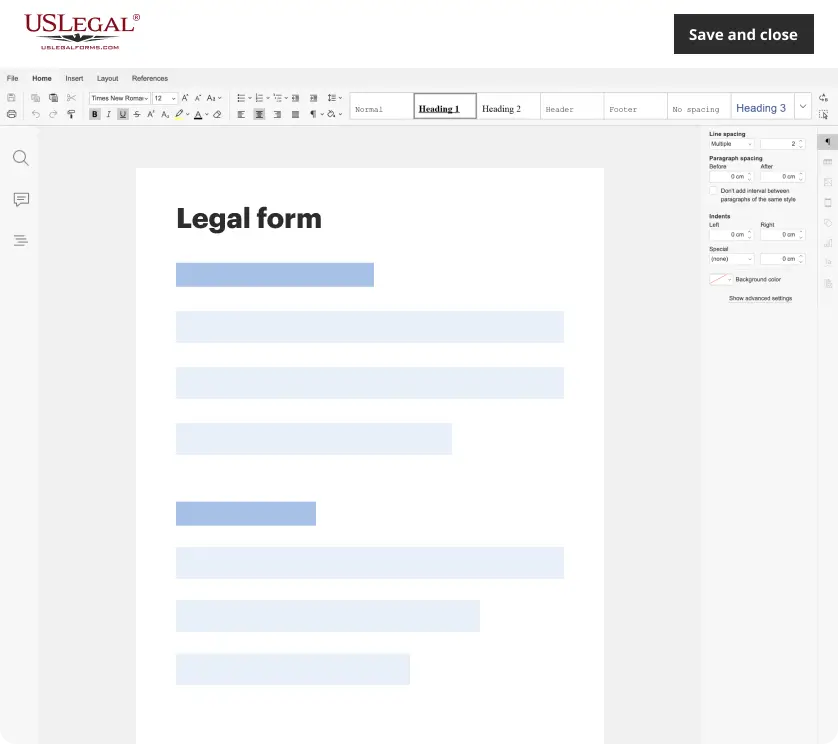
Make edits, fill in missing information, and update formatting in US Legal Forms—just like you would in MS Word.
Download a copy, print it, send it by email, or mail it via USPS—whatever works best for your next step.
Sign and collect signatures with our SignNow integration. Send to multiple recipients, set reminders, and more. Go Premium to unlock E-Sign.

If this form requires notarization, complete it online through a secure video call—no need to meet a notary in person or wait for an appointment.
We protect your documents and personal data by following strict security and privacy standards.
Typical mistakes to avoid
- Inaccurate or incomplete information in tenant details.
- Not having all required signatures before submission.
- Failing to authorize credit and background checks appropriately.
- Omitting important references or financial details.
Why complete this form online
- Convenience: Download and complete the form at your own pace.
- Editability: Easily make changes to personalize the application to fit your requirements.
- Reliability: The forms are drafted by licensed attorneys, ensuring compliance with legal standards.
Main things to remember
- The form is essential for landlords to evaluate potential commercial tenants effectively.
- Accurate and comprehensive information submission is crucial for a successful application.
- Understanding local requirements and completing the form correctly can speed up the leasing process.
Looking for another form?
Form popularity
FAQ
How do I pay rent? What utilities should I take care of? What Is the late rent policy? Is renters insurance required? What happens if I have to move out early? Can I make changes to the apartment? How do I submit a maintenance request? What can I expect when lease renewal time rolls around?
Are you building for the future? Is the location safe? Is the office space adequately wired for your business and equipment needs. How much will furniture cost? How much will the rent increase each year? What's included in the lease? Who handles repairs?
Are you building for the future? Is the location safe? Is the office space adequately wired for your business and equipment needs. How much will furniture cost? How much will the rent increase each year? What's included in the lease? Who handles repairs?
The Person Liable for the Lease. Your Business Structure. How Long You Have Been in Business. The Nature of Your Business. Contact Information. Your Proposed Terms (or, Counter Offer) The Length of the Lease. Condition of the Property.
The Letter of Intent should include the names of the parties negotiating, such as the name of the Tenant and the Property Owner/Landlord, and a list of industry standard list items. You should also include items that are important to your business when leasing commercial real estate.
Keep the Ticking Clock in Mind. Think Seriously About Going Long Term. Prioritize Your Wish List. Arm Yourself With Knowledge. Negotiate Your Way to Greater Flexibility. Study Tenant Improvements Before You Head to the Table. Double Check the Details. Enlist the Help of a Tenant Rep Broker.
The process for retailers qualifying for a commercial lease can vary from landlord to landlord. Landlords consider several factors including tenant mix, personal credit history of the owner, company balance sheet, profit and loss statements, open credit lines, and growth projections.
Names of all tenants. Limits on occupancy. Term of the tenancy. Rent. Deposits and fees. Repairs and maintenance. Entry to rental property. Restrictions on tenant illegal activity.
Specifically, look at the building owner, landlord, zoning laws, environmental expectations and nuisance laws. Know how much you have to pay, what exactly you're covering and how much your rent will increase each year.