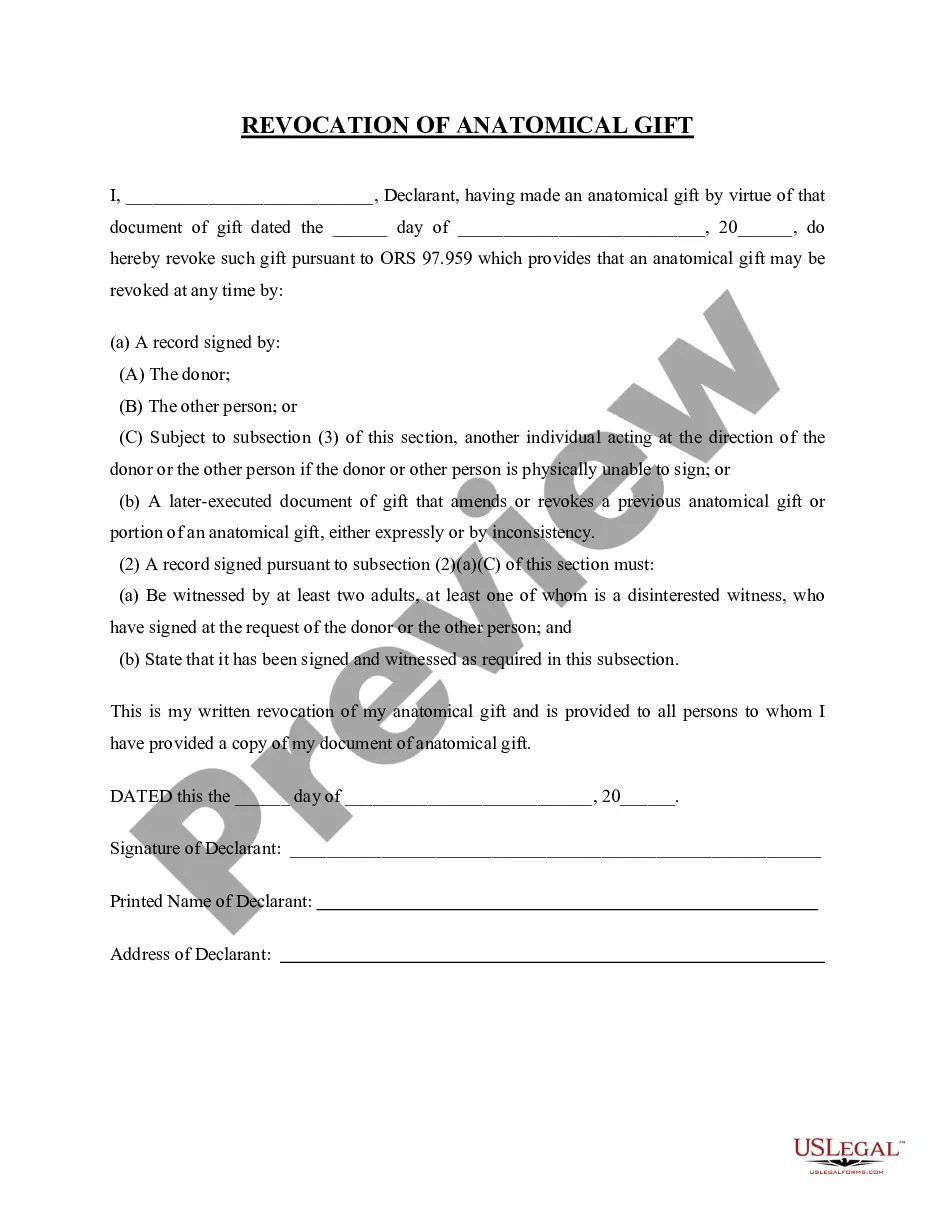
Maine Letter from Landlord to Tenant as Notice to Tenant of Tenant's Disturbance of Neighbors' Peaceful Enjoyment to Remedy or Lease Terminates
What is this form?
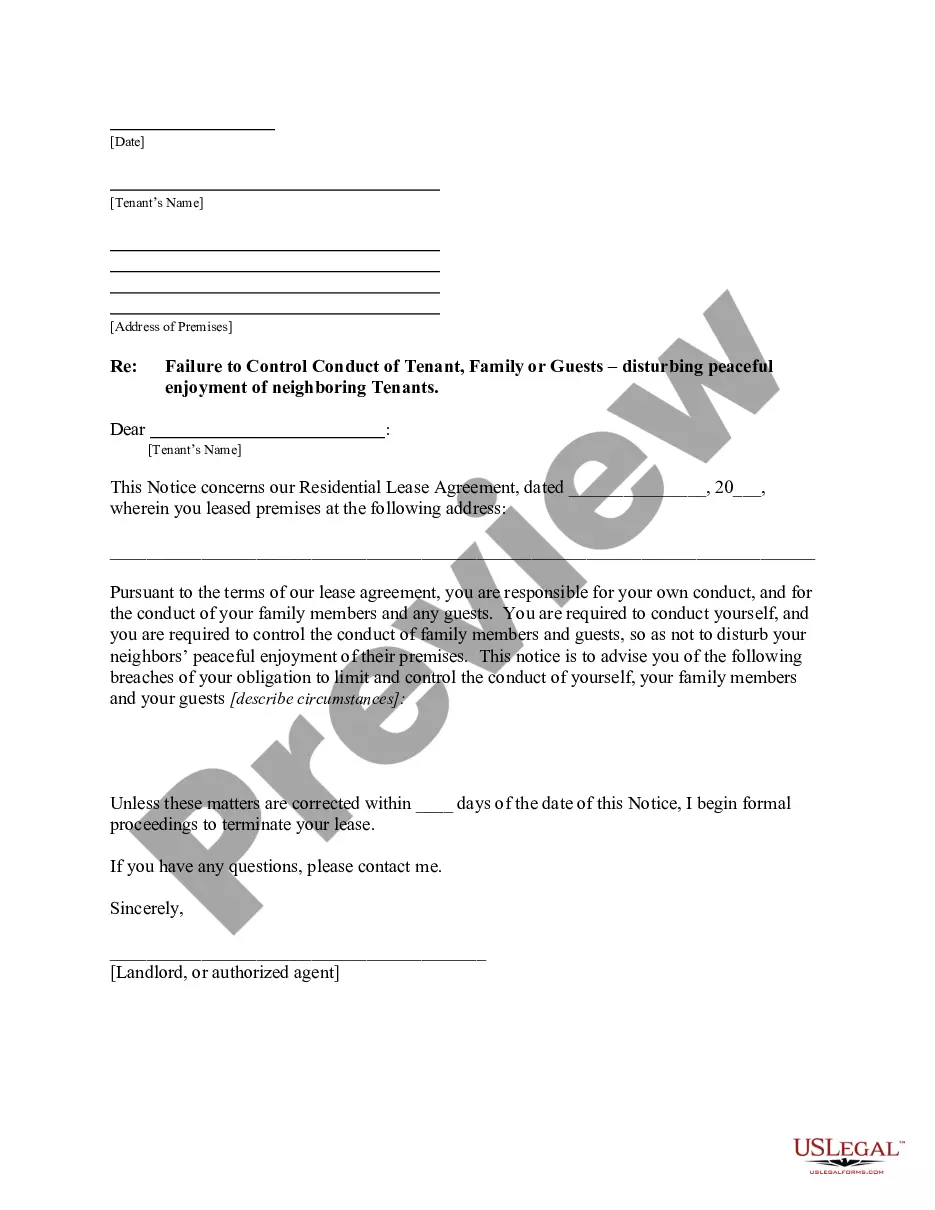
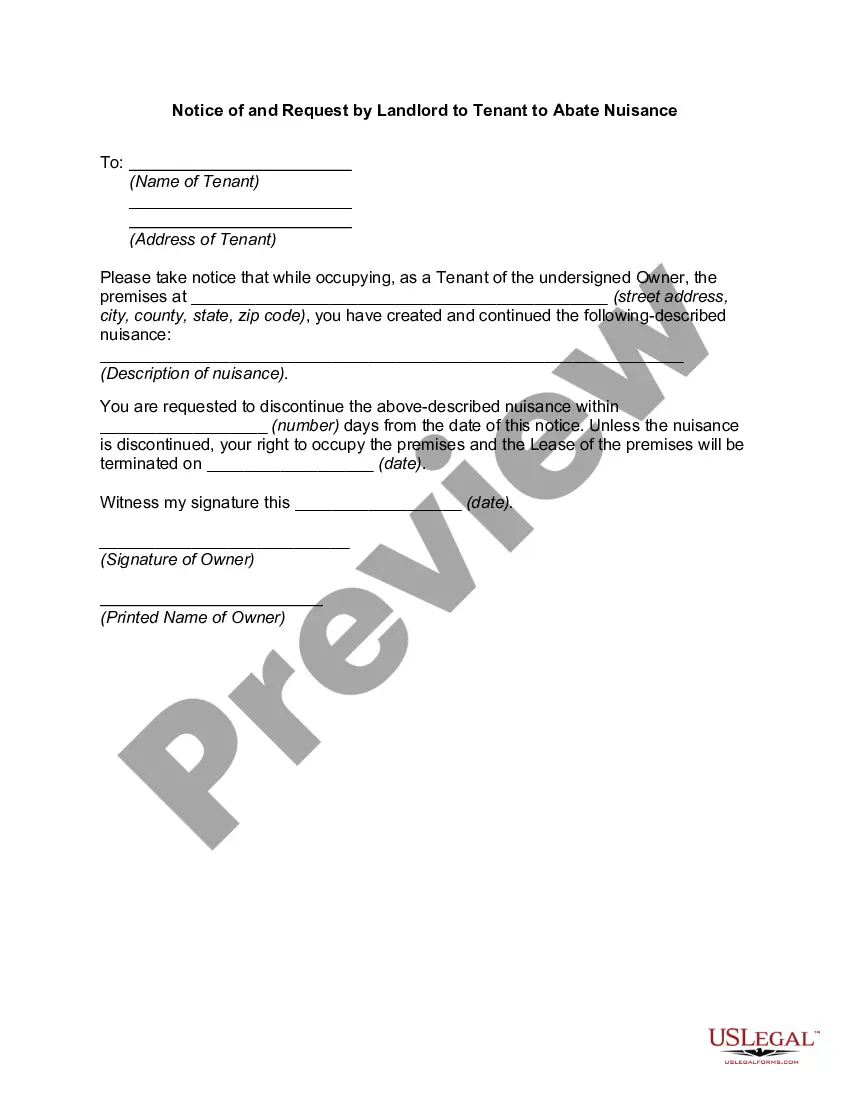
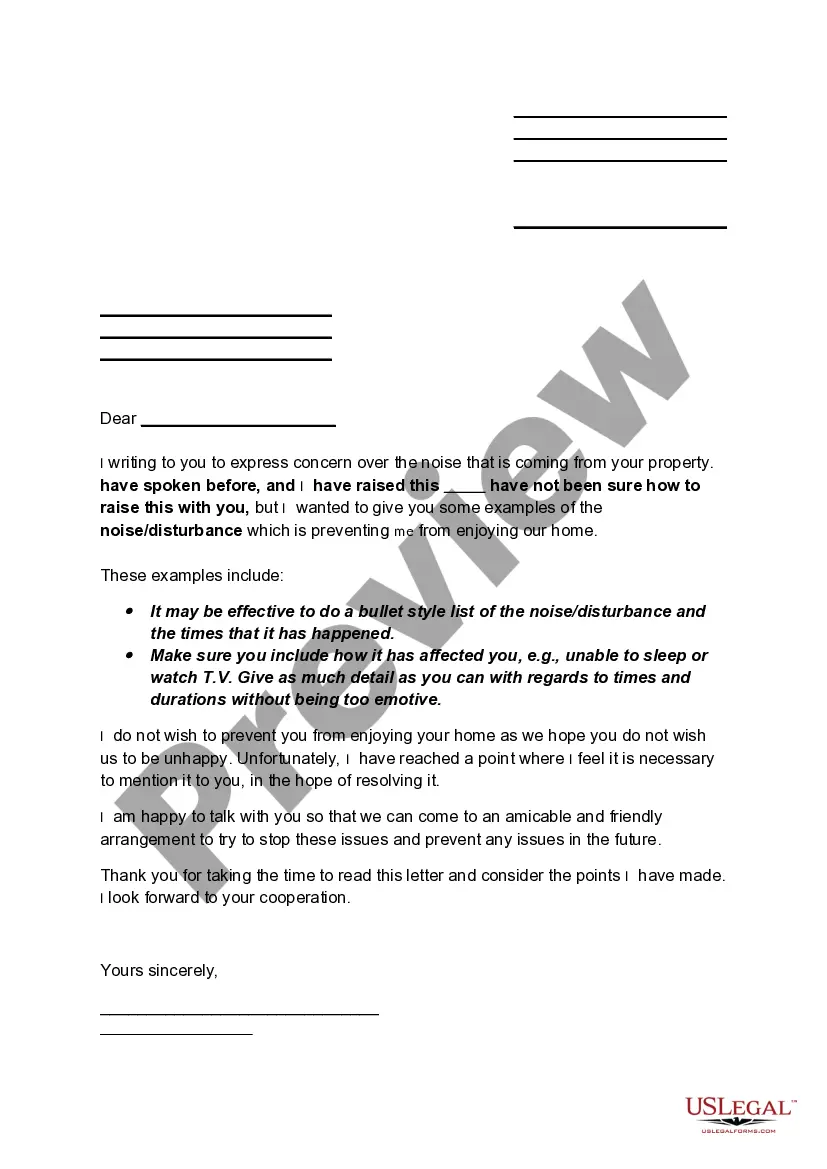
This form is a Letter from Landlord to Tenant as Notice to Tenant of Tenant's Disturbance of Neighbors' Peaceful Enjoyment to Remedy or Lease Terminates. It serves as an official notification from a landlord to a tenant regarding disturbances caused by the tenant, their family members, or guests that disrupt the peaceful enjoyment of neighboring properties. Unlike routine lease agreements or written requests, this notice addresses specific breaches related to the tenantâs obligations under the lease concerning quiet enjoyment.
Main sections of this form
- Identification of the parties involved (landlord and tenant).
- Description of the disturbances affecting neighbors' peaceful enjoyment.
- Statement outlining the tenant's obligations under the lease.
- Notice of the requirement to remedy the situation or risk lease termination.
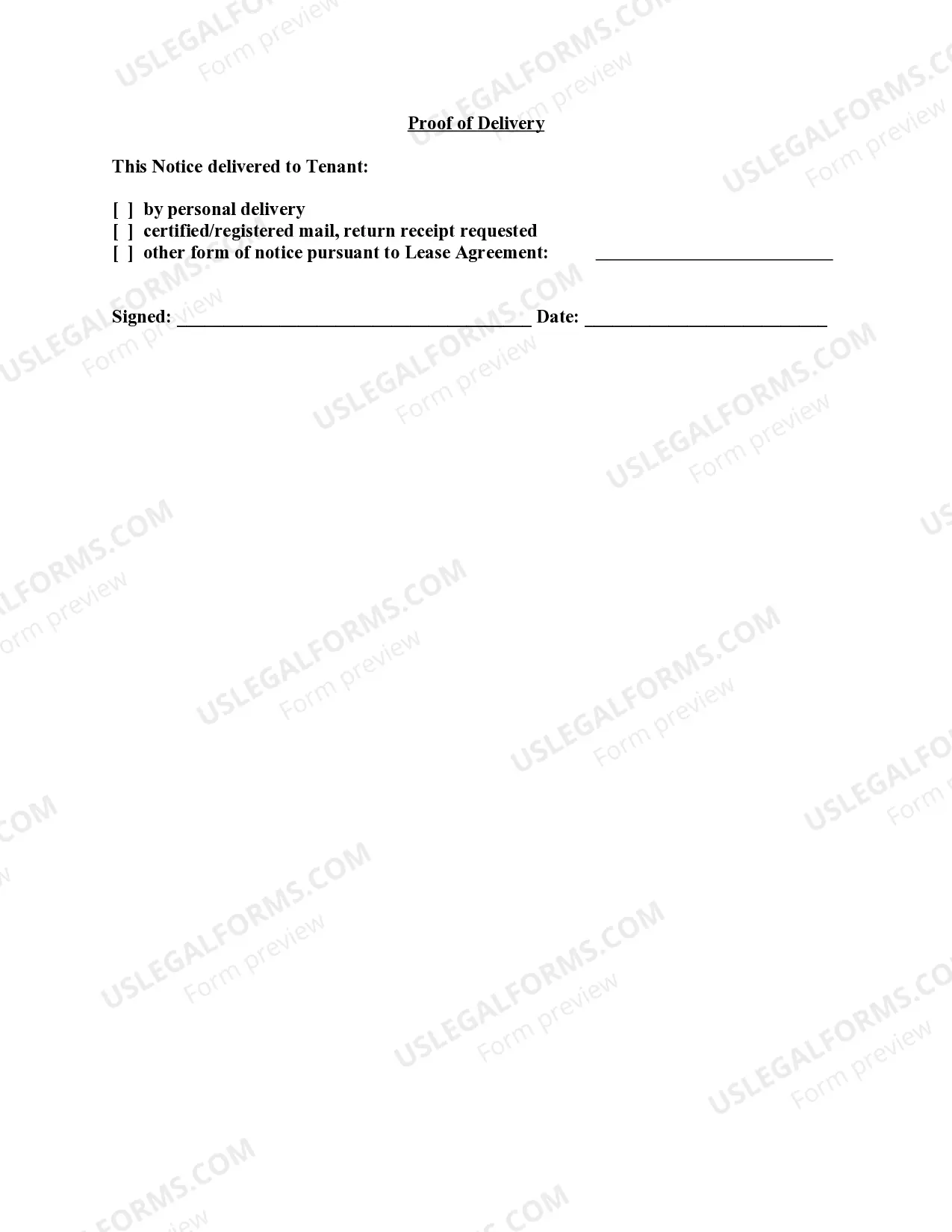
- Proof of delivery method (personal delivery or certified mail).


When to use this document
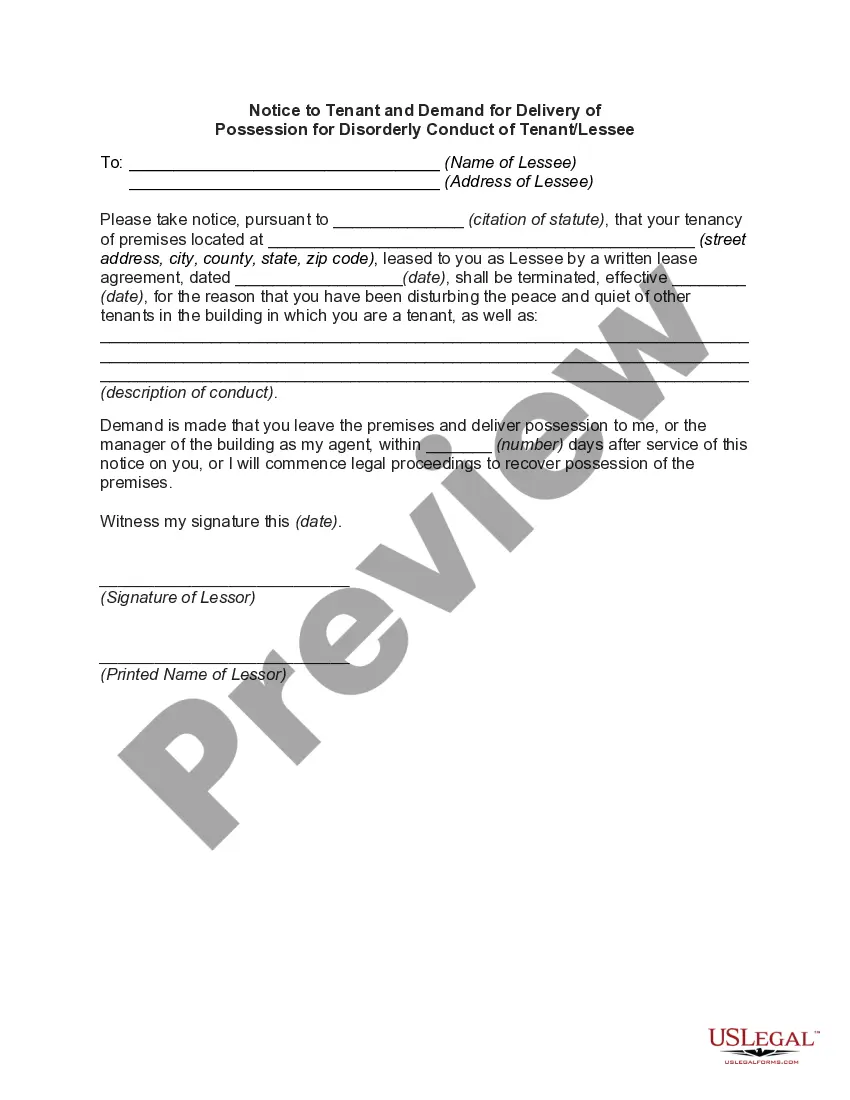
This form should be used when a tenant is causing disturbances that disrupt the quiet enjoyment rights of neighboring tenants. Examples include excessive noise from parties, frequent altercations, or other disruptive behaviors. The letter serves to formally address these issues, provide an opportunity for the tenant to correct their behavior, and outline the potential consequences if the disturbances continue.
Who should use this form
This notice is intended for:
- Landlords who need to formally notify tenants of breaches related to neighborhood disturbance.
- Property managers working on behalf of landlords in similar situations.
- Landlords seeking to document tenant behavior before taking further legal action.
Steps to complete this form
- Identify the landlord and tenant by including their names and addresses.
- Clearly describe the nature of the disturbances causing neighbor complaints.
- Outline the specific obligations of the tenant under the lease agreement.
- State the remedy required by the tenant within a given timeframe.
- Sign the notice and indicate the method of delivery to the tenant.
Does this document require notarization?
This form does not typically require notarization unless specified by local law. It is essential to ensure the method of delivery is documented adequately for future reference.
Get your form ready online
Our built-in tools help you complete, sign, share, and store your documents in one place.
Make edits, fill in missing information, and update formatting in US Legal Forms—just like you would in MS Word.
Download a copy, print it, send it by email, or mail it via USPS—whatever works best for your next step.
Sign and collect signatures with our SignNow integration. Send to multiple recipients, set reminders, and more. Go Premium to unlock E-Sign.
If this form requires notarization, complete it online through a secure video call—no need to meet a notary in person or wait for an appointment.
We protect your documents and personal data by following strict security and privacy standards.

Make edits, fill in missing information, and update formatting in US Legal Forms—just like you would in MS Word.

Download a copy, print it, send it by email, or mail it via USPS—whatever works best for your next step.

Sign and collect signatures with our SignNow integration. Send to multiple recipients, set reminders, and more. Go Premium to unlock E-Sign.

If this form requires notarization, complete it online through a secure video call—no need to meet a notary in person or wait for an appointment.

We protect your documents and personal data by following strict security and privacy standards.
Typical mistakes to avoid
- Failing to provide a clear description of the disturbances.
- Not following specific state laws regarding notice delivery.
- Using vague language that doesnât specify tenant obligations.
- Neglecting to keep a copy of the notice for records.
Why complete this form online
- Convenience of immediate access to professionally drafted templates.
- Editability allows for easy customization to suit specific situations.
- Reliable legal language ensures compliance with state laws.
Legal use & context:
- This notice serves as a formal warning to the tenant, providing legal grounds for further action if necessary.
- Failure to address the issue after this notice may lead to further legal actions, including eviction.
Key takeaways
Key takeaways:
- This form is essential for landlords facing disturbances caused by tenants.
- It explicitly details the tenant's obligations related to quiet enjoyment.
- Proper completion and delivery of the form can help resolve issues before escalating to eviction.
Looking for another form?
Form popularity
FAQ
It means with no interference from another party. Each sale carries the implication that it can be owned without any interference.
A covenant of quiet enjoyment insures an owner or tenant against a disturbance of his or her right to possess or use property. For example, a covenant of quiet enjoyment could prevent a tenant from being evicted by a person with superior title. Also called covenant for quiet enjoyment.
Every California lease (both residential and commercial) includes an implied covenant of quiet enjoyment. California Code §1927.The right of quiet enjoyment can be waived by commercial tenants.
Under common law tenants have a right to 'quiet enjoyment' of the property. This is an implied term, or covenant, which has been expressed or implied in conveyances and leases of English land for centuries.'Quiet enjoyment' is a term so often misunderstood.
The covenant of quiet enjoyment states that a tenant has the right to enjoy his or her rental unit without substantial interference from the landlord. It ensures that tenants benefit from the full use and enjoyment of their rental unit.
A Covenant that promises that the grantee or tenant of an estate in real property will be able to possess the premises in peace, without disturbance by hostile claimants. Quiet enjoyment is a right to the undisturbed use and enjoyment of real property by a tenant or landowner.
Lack of Basic Services - If the landlord is responsible for utility bill payments and fails to pay them and any utilities are turned off, the tenant may claim a breach of the covenant of quiet enjoyment. This also includes any issues within common areas of a property.
To enforce rights to peaceful enjoyment against noisy neighbors, tenants must notify their landlords of the excessive noise. Tenants can also contact local law enforcement and advise their landlords after contacting the local authorities.