Maine Assignment of Contract for Deed by Seller
About this form
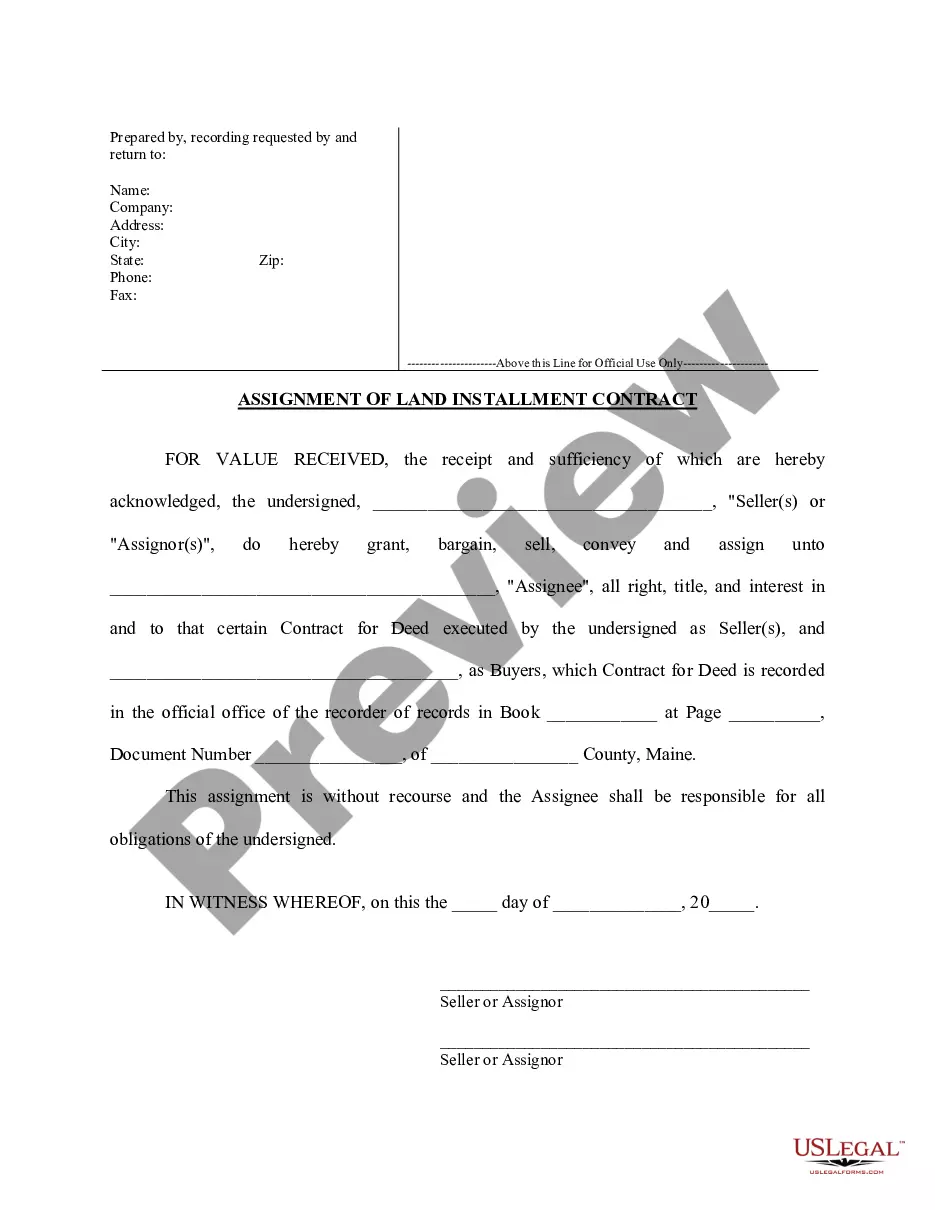
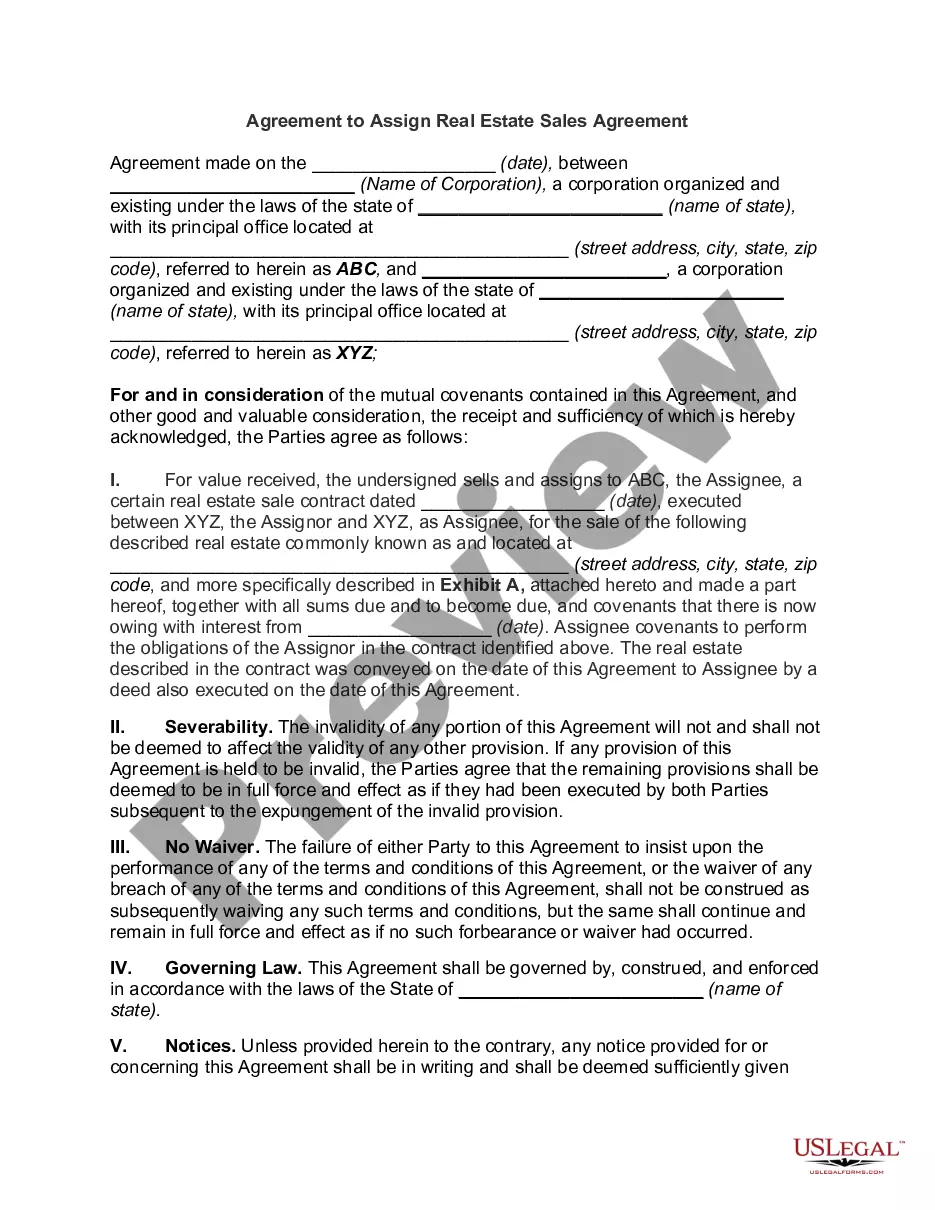
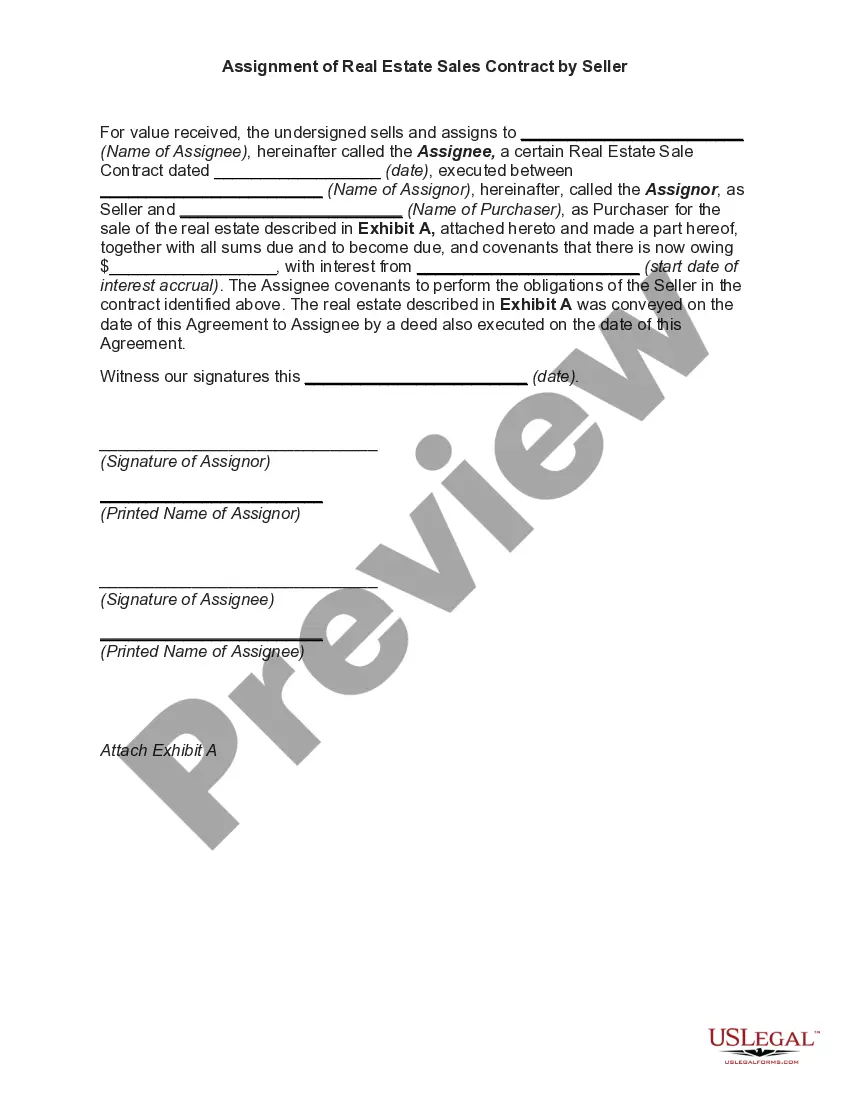
The Assignment of Contract for Deed by Seller is a legal document that allows a seller to transfer their rights and obligations under a contract for deed to a third party. This form is essential when the seller aims to sell their interest in the contract for a discounted cash value, essentially stepping out of the agreement while enabling the new buyer to take over the responsibilities. Unlike a simple contract transfer, this form specifically addresses the seller's intent to assign the contract while retaining possible rights to convey the property at a later date.
Key parts of this document
- Assignment clause: States that the seller is transferring rights to the assignee without recourse.
- Signature lines: Provided for the seller and the assignee to acknowledge the agreement.
- Date of execution: Indicates when the assignment is officially completed.
- State of jurisdiction: Specifies that the assignment is governed by the laws of the relevant state.
Situations where this form applies
This form is useful when a seller has a contract for deed and wishes to assign their rights to another party. Scenarios include situations where the seller needs immediate cash and chooses to sell the contract for a lump sum, or when the seller can no longer fulfill the contract terms but wants to transfer the responsibility smoothly to someone else.
Intended users of this form
- Property sellers looking to assign their contract for deed to a third party.
- Buyers who wish to take over the existing contract and its future payment obligations.
- Real estate investors interested in acquiring contracts for deed at a discounted price.
Instructions for completing this form
- Identify the parties involved: Clearly state the seller's name and the assignee's name.
- Specify the contract details: Include necessary information about the original contract for deed.
- Enter the date of the assignment: Indicate the date on which the assignment takes effect.
- Sign the document: Both the seller and assignee must sign to validate the assignment.
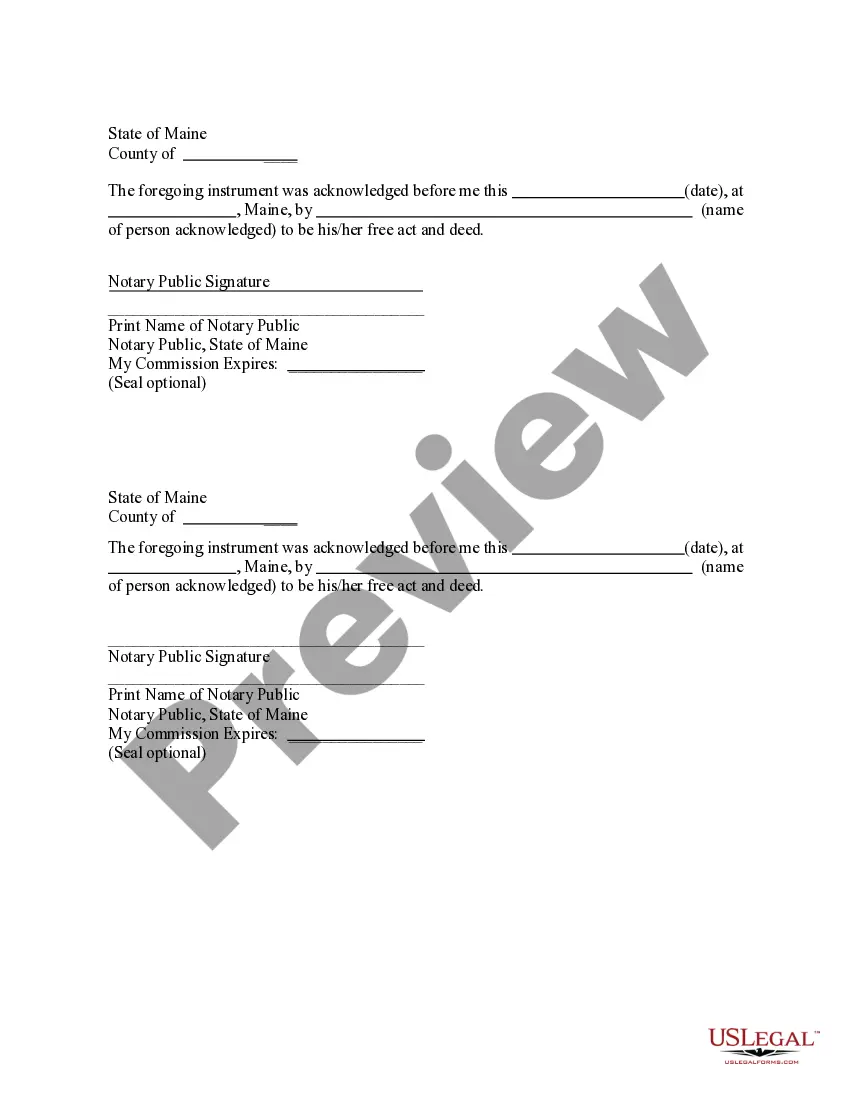
- Consider notarization if required: If local laws dictate, determine if notarization is necessary.
Does this form need to be notarized?
To make this form legally binding, it must be notarized. Our online notarization service, powered by Notarize, lets you verify and sign documents remotely through an encrypted video session.
Get your form ready online
Our built-in tools help you complete, sign, share, and store your documents in one place.
Make edits, fill in missing information, and update formatting in US Legal Forms—just like you would in MS Word.
Download a copy, print it, send it by email, or mail it via USPS—whatever works best for your next step.
Sign and collect signatures with our SignNow integration. Send to multiple recipients, set reminders, and more. Go Premium to unlock E-Sign.
If this form requires notarization, complete it online through a secure video call—no need to meet a notary in person or wait for an appointment.
We protect your documents and personal data by following strict security and privacy standards.

Make edits, fill in missing information, and update formatting in US Legal Forms—just like you would in MS Word.

Download a copy, print it, send it by email, or mail it via USPS—whatever works best for your next step.

Sign and collect signatures with our SignNow integration. Send to multiple recipients, set reminders, and more. Go Premium to unlock E-Sign.

If this form requires notarization, complete it online through a secure video call—no need to meet a notary in person or wait for an appointment.

We protect your documents and personal data by following strict security and privacy standards.
Common mistakes to avoid
- Failing to accurately identify all parties involved in the contract assignment.
- Neglecting to date the form properly, which can lead to legal confusion.
- Not signing the document, which renders the assignment invalid.
- Overlooking state-specific requirements that may affect the assignment process.
Advantages of online completion
- Convenience of immediate access to a legally compliant form.
- Editability allows users to customize the document for their specific needs.
- Reliability, knowing the form is drafted by licensed attorneys to ensure enforceability.
Looking for another form?
Form popularity
FAQ
If you are unable to qualify for a mortgage because of a past bankruptcy or lack of employment history, a contract for deed could be the right solution for you.With a traditional mortgage, if you default, the lender could demand you pay off the entire loan even if you make up all of the missed payments.
Florida law treats land contracts as if they are mortgaged or financed transactions. This means that while a deed or mortgage will not be recorded, documentary stamp taxes and intangible taxes will still be due from the Buyer.
Purchase price. Down payment. Interest rate. Number of monthly installments. Responsibilities of the buyer and seller. Legal remedies for the seller if the buyer does not make payments.
A disadvantage to the seller is that a contract for deed is frequently characterized by a low down payment and the purchase price is paid in installments instead of one lump sum.The legal fees and time frame for this process will be more extensive than a standard Power of Sale foreclosure.
'Contract by deed' is a deed of formal legal evidence that is signed, witnessed and delivered to create a legal obligation and for 'Simple contract' is a contract that are not deeds. They are informal contract that can make in many ways such as orally, writing, and conduct.
Facts and features A contract for deed, also known as a "bond for deed," "land contract," or "installment land contract," is a transaction in which the seller finances the sale of his or her own property. In a contract for deed sale, the buyer agrees to pay the purchase price of the property in monthly installments.
The primary difference between typical owner-financed sales and land contracts: Owner-financing agreements transfer full title to the buyer, while land contracts do not.In a land contract, the owner-seller does not give up legal title until all principal and interest payments for the purchase are made.
One disadvantage of a contract for deed to the seller is that clearing the title may take time and money if the buyer defaults on the contract, according to Real Town. In addition, the seller can immediately foreclose on the property if the buyer defaults, and the buyer has no recourse against the seller.
The Difference Between Renting to Own and a Contract for Deed. Renting to own usually means renting now, with an option to buy later.A contract for deed is very different. As soon as you sign the contract, you are the homeowner in every way, except you don't have the title yet.
Some of these dangers can be limited by the proper drafting of the contract for deed documents. The buyer should record the contract for deed with the county recorder where the land is located and does so normally within four months after the contract is signed, though the time may vary depending on state law.