Maryland Warranty Deed from Individual to a Trust
What is this form?
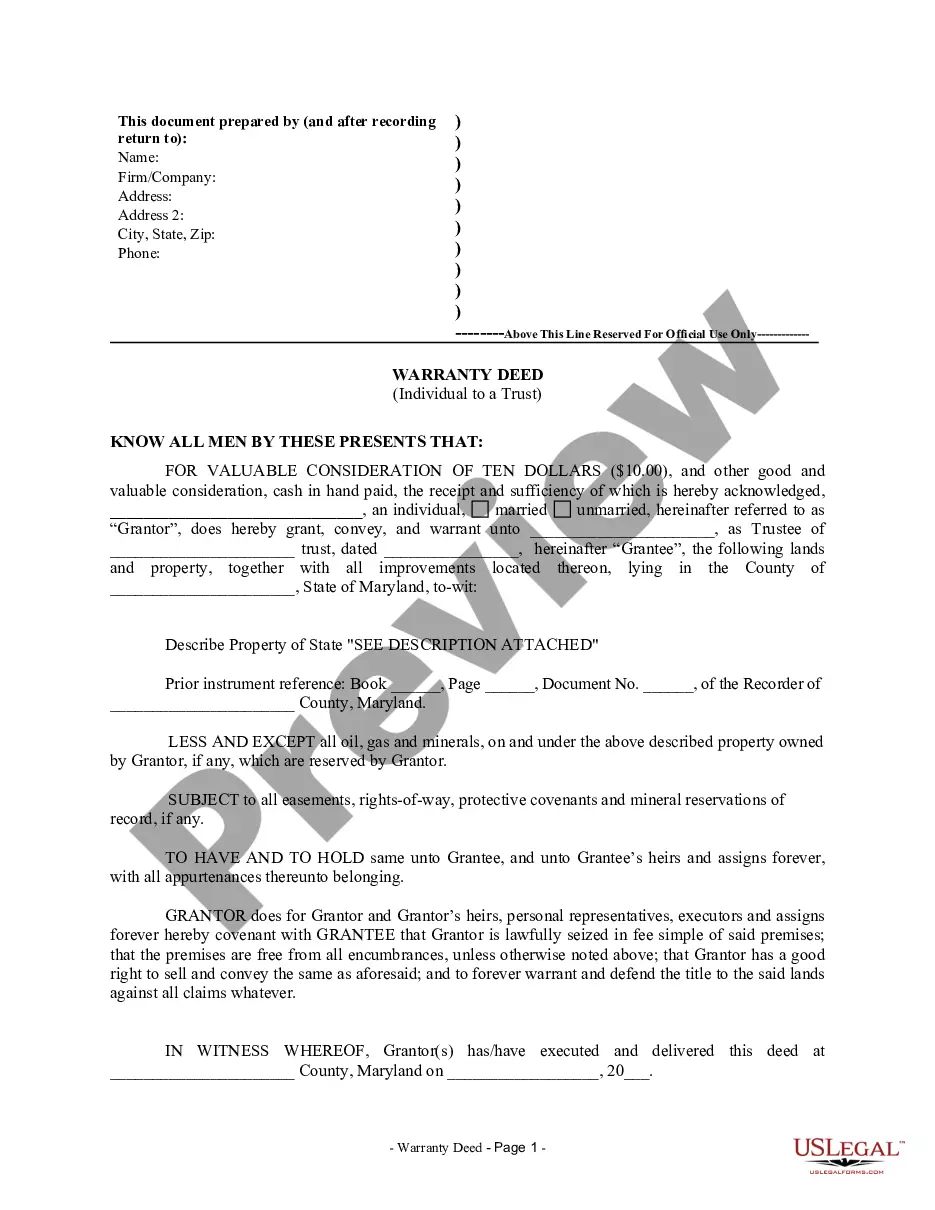
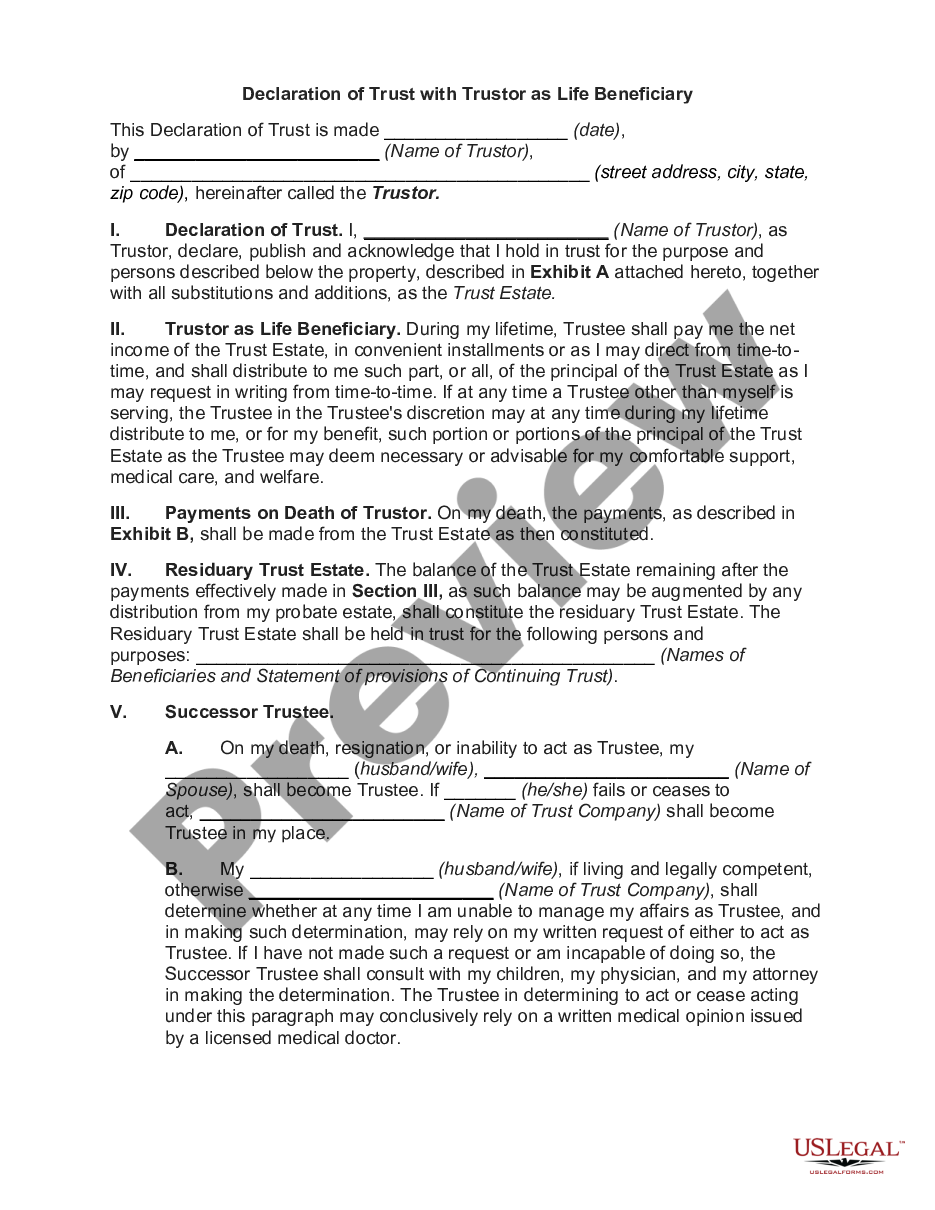
The Warranty Deed from Individual to a Trust is a legal document that facilitates the transfer of property ownership from an individual (grantor) to a trust (grantee). This form ensures that the grantor conveys the property while reserving rights to any oil, gas, or minerals beneath the land. Unlike general warranty deeds that may transfer ownership directly to individuals, this form is specifically designed for property transfers to trusts, adhering to state laws and regulations.
Form components explained
- Property Description: identifies the specific property being transferred with detailed descriptions.
- Prior Instrument Reference: cites previous documentation of ownership, including book, page, and document numbers.
- Reservation Clause: specifies any reservations of oil, gas, and minerals by the grantor.
- Covenant of Title: assures that the grantor is legally permitted to transfer the property.
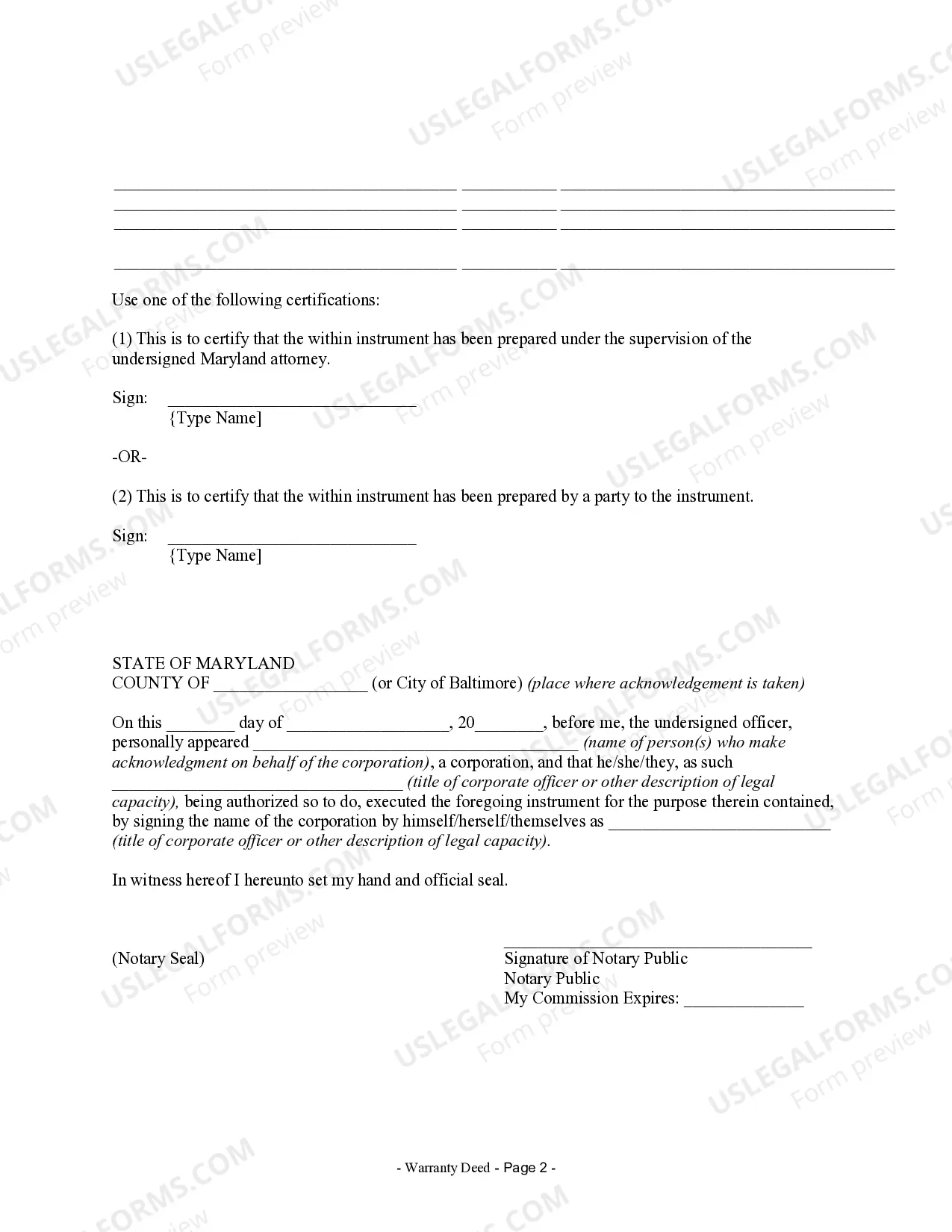
- Execution and Notarization: includes spaces for signatures and acknowledgment by a notary public.




When to use this document
This form is typically used when an individual wishes to transfer real estate into a trust for the purpose of estate planning, asset protection, or management of property. It is useful in situations where the property owner wants to ensure that the trust manages the property after their passing, offering clarity in future ownership and control.
Who can use this document
- Individuals transferring real estate to a trust.
- Trustees managing property on behalf of beneficiaries.
- Estate planners looking to secure property within a trust for future management or distribution.
Steps to complete this form
- Identify the parties: fill in the names and addresses of the grantor and the trustee representing the trust.
- Specify the property: provide a detailed description of the property being transferred.
- Enter prior instrument details: accurately reference the previous ownership documentation.
- Complete the reservation clause: indicate any reservations for oil, gas, and minerals.
- Sign and date: both grantor and trustee must sign and date the document in the presence of a notary.
Notarization guidance
Yes, this form must be notarized to be legally valid. Notarization ensures that the identities of the parties are verified and that everyone involved is entering into the agreement voluntarily. US Legal Forms provides integrated online notarization services via secure video calls, making it easy to complete this requirement without the need to travel.
Get your form ready online
Our built-in tools help you complete, sign, share, and store your documents in one place.
Make edits, fill in missing information, and update formatting in US Legal Forms—just like you would in MS Word.
Download a copy, print it, send it by email, or mail it via USPS—whatever works best for your next step.
Sign and collect signatures with our SignNow integration. Send to multiple recipients, set reminders, and more. Go Premium to unlock E-Sign.
If this form requires notarization, complete it online through a secure video call—no need to meet a notary in person or wait for an appointment.
We protect your documents and personal data by following strict security and privacy standards.
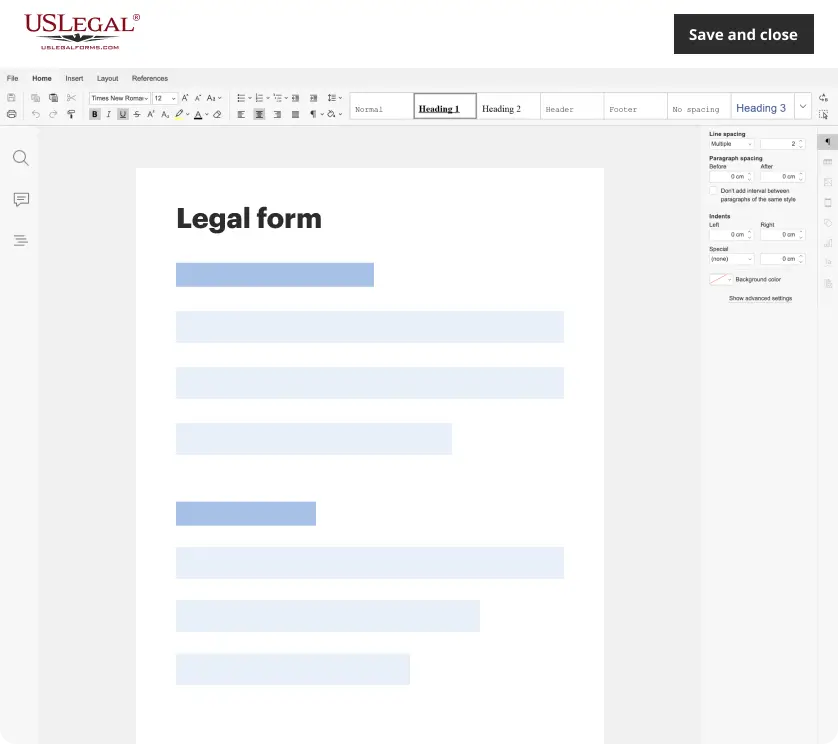
Make edits, fill in missing information, and update formatting in US Legal Forms—just like you would in MS Word.
Download a copy, print it, send it by email, or mail it via USPS—whatever works best for your next step.
Sign and collect signatures with our SignNow integration. Send to multiple recipients, set reminders, and more. Go Premium to unlock E-Sign.

If this form requires notarization, complete it online through a secure video call—no need to meet a notary in person or wait for an appointment.
We protect your documents and personal data by following strict security and privacy standards.
Mistakes to watch out for
- Failing to accurately describe the property being transferred.
- Not including all necessary parties in the deed.
- Forgetting to notarize the document, which may render it invalid.
- Leaving out the reservation clause if applicable, leading to potential disputes over mineral rights.
Why complete this form online
- Immediate access to a customized legal document that complies with state law.
- Convenient downloading and printing options to streamline the completion process.
- Editability allows users to tailor the document to their specific needs without starting from scratch.
- Reliable templates drafted by licensed attorneys ensure legal soundness.
Looking for another form?
Form popularity
FAQ
The Maryland Warranty Deed From Individual To A Trust transfers property from a grantor to a trust (the grantee) while allowing the grantor to reserve oil, gas, or mineral rights. It is commonly used for estate planning, asset protection, or managing property within a trust. The form includes a Property Description, Prior Instrument Reference, Reservation Clause, Covenant of Title, and Execution/Notarization sections.
A warranty deed for a trust is the transfer instrument by which a property owner conveys title to a trust with covenants of title. This Maryland form provides a Covenant of Title, a Property Description, a Reservation Clause for minerals, and spaces for Execution and Notarization, ensuring the transfer to the trust is recorded and legally protected.
The Property Description identifies the exact property being transferred with the detailed legal description and boundaries. This helps ensure the correct property is funded into the trust and reduces ambiguity about ownership once the transfer is recorded, supporting accurate recording and future management.
The Reservation Clause states any oil, gas, and mineral rights that the grantor retains. In this form, it preserves those subsurface rights even as the property is transferred into the trust, clarifying which rights remain with the grantor and which transfer with title.
Execution and Notarization provide spaces for the grantor’s signatures and the acknowledgment by a notary public, confirming the deed’s proper execution for recording. This step validates the transfer under Maryland practice and supports the deed’s enforceability.
This form transfers property to a trust (the grantee) rather than to an individual and includes a Reservation Clause for minerals. It is designed to fund a trust and support future management within estate planning, rather than a direct ownership transfer to an individual.